

Key Takeaways
- Solar panel battery systems can reduce farm energy costs by up to 40% while providing reliable power even during grid outages.
- Different battery technologies (lithium-ion, lead-acid, saltwater, and flow batteries) offer varying solutions based on farm size, budget, and energy requirements.
- Proper sizing and integration with existing farm infrastructure are critical for maximizing return on investment from solar battery systems.
- Agricultural solar batteries can power essential equipment including irrigation systems, livestock support equipment, and cold storage facilities.
- Growing Solar Mist provides specialized solar battery solutions designed specifically for agricultural applications with expert planning and implementation services.
Why Farms Need Solar Battery Solutions
Farms across the country are facing unprecedented energy challenges that directly impact their bottom line. The integration of solar panel battery technology offers a powerful solution that addresses multiple pain points simultaneously. By harnessing the sun’s energy and storing it effectively, agricultural operations can achieve greater energy independence, reliability, and sustainability.
The benefits extend far beyond simple cost savings, though those are substantial. Solar battery systems provide farms with resilience against power outages, protection from rising utility rates, and the ability to operate essential equipment regardless of grid conditions. For many farmers, this technology represents not just a smart financial decision but a fundamental shift in how they power their operations for generations to come.
Rising Energy Costs in Agricultural Operations
Energy expenses have become one of the largest operational costs for modern farms, with some operations spending tens of thousands annually on electricity alone. Irrigation pumps, climate control systems, processing equipment, and cold storage facilities all demand substantial power. What’s more concerning is that agricultural energy costs have risen approximately 5-7% annually over the past decade, outpacing inflation and squeezing already tight profit margins.
Traditional energy sources subject farmers to unpredictable price fluctuations based on market conditions entirely outside their control. During peak growing seasons when energy demands are highest, utility companies often implement demand charges that can dramatically increase costs. These financial pressures make it increasingly difficult for farms to maintain profitability without exploring alternative energy solutions.
Growing Solar Mist has documented numerous cases where solar battery systems have reduced farm energy costs by 30-50%, creating predictable energy expenses that allow for better financial planning and stability. The ability to generate and store power on-site transforms energy from an unpredictable expense into a manageable, fixed cost that decreases over time as equipment pays for itself. For more insights on practical energy solutions, explore how using batteries can enhance solar panel efficiency for farmers.
Unreliability of Grid Power in Rural Areas
Rural farming operations face unique challenges when it comes to power reliability. Agricultural areas typically experience 3-5 times more power outages than urban centers, with longer average restoration times. These outages can be catastrophic during critical periods – a single day without power during harvest season or extreme weather can result in substantial crop losses or livestock stress.
Weather events, aging infrastructure, and limited maintenance resources all contribute to the vulnerability of rural power systems. Many farms are located at the literal end of the line for utility service, making them especially susceptible to outages and voltage fluctuations that can damage sensitive equipment. The financial impact of these disruptions extends far beyond immediate losses, affecting planting schedules, growth cycles, and ultimately, market delivery timelines. To mitigate these issues, some farmers are exploring using batteries with solar panels as a more practical option.
Environmental Impact of Traditional Farm Energy Sources
Conventional energy sources used in agriculture contribute significantly to environmental degradation and climate change. Diesel generators, commonly used as backup power, emit substantial amounts of carbon dioxide, nitrogen oxides, and particulate matter. Even grid electricity, depending on the regional generation mix, often relies heavily on fossil fuels that contribute to the very climate volatility that threatens agricultural production.
As stewards of the land, many farmers recognize the importance of sustainable practices that protect soil health, water quality, and air purity. Solar battery technology aligns perfectly with these values, offering a clean energy alternative that supports environmental goals while meeting practical operational needs. The reduction in carbon emissions from a typical 50kW farm solar system is equivalent to planting approximately 900 trees annually or removing 12 cars from the road.
Beyond emissions reduction, solar installations can be strategically placed to avoid disrupting productive farmland, utilize marginal areas, or even complement existing operations through agrivoltaics – the practice of growing certain crops beneath elevated solar panels. This approach maximizes land use efficiency while creating multiple revenue streams from the same acreage.

How Solar Panel Battery Systems Work on Farms
Solar battery systems operate on a straightforward principle: capture energy when the sun shines, store it efficiently, and deliver it when and where it’s needed. This process creates a reliable power cycle that functions independently from the traditional grid, though most agricultural systems maintain grid connections for supplemental power when necessary. Understanding the components and processes involved helps farmers make informed decisions about implementing these systems on their properties.
Components of an Agricultural Solar Battery System
A complete agricultural solar battery system consists of several key components working in harmony. Solar panels, typically mounted on ground arrays, rooftops, or specialized agricultural structures, capture sunlight and convert it to electricity. This direct current (DC) electricity then flows to charge controllers that regulate the voltage and current to protect the batteries from overcharging. The energy storage system – the batteries themselves – store this power until needed, while inverters convert the DC electricity to alternating current (AC) for use with standard farm equipment. Sophisticated monitoring systems track energy production, storage levels, and consumption patterns to optimize system performance.
Energy Collection, Storage and Distribution Process
The solar energy cycle begins when photons (light particles) strike the photovoltaic cells in solar panels, generating electricity through the photoelectric effect. During peak sunlight hours, these systems typically produce more energy than a farm immediately consumes. This surplus electricity flows into the battery bank, where chemical reactions store the energy for later use. Modern battery management systems continuously monitor charge levels, temperature, and other critical parameters to maximize battery lifespan and efficiency.
When energy demand exceeds what the solar panels are currently producing—such as during nighttime, cloudy weather, or high-usage periods—the system automatically draws from the stored battery power. The inverter converts this DC electricity back to AC at the precise voltage and frequency needed for farm equipment. This seamless transition between energy sources occurs without disruption to operations, ensuring continuous power availability regardless of external conditions. To learn more about enhancing solar efficiency on farms, explore the benefits of using batteries.
Advanced systems also incorporate load management capabilities that prioritize essential equipment during extended low-production periods. For example, during several consecutive overcast days, the system might direct available power to critical irrigation pumps while temporarily reducing energy allocation to less time-sensitive operations. This intelligent energy management ensures that limited resources are used where they deliver the greatest benefit.
Sizing Systems Based on Farm Energy Requirements
Proper system sizing represents perhaps the most critical factor in achieving optimal performance and return on investment. An undersized system will fail to meet energy needs and leave farmers dependent on grid power, while oversizing wastes capital on unnecessary capacity. The sizing process begins with a comprehensive energy audit that analyzes 12-24 months of historical usage patterns, identifying both average consumption and peak demand periods.
Energy requirements vary dramatically across different agricultural operations. A dairy farm with refrigeration, milking equipment, and ventilation systems may require 100-200 kWh daily, while a small organic vegetable operation might need just 15-30 kWh. Seasonal variations must also be considered—irrigation demands during dry months can increase energy usage by 300-400% compared to wet seasons. Professional assessments account for these fluctuations when determining appropriate system capacity.
Integration with Existing Farm Infrastructure
Seamless integration with existing farm infrastructure maximizes the benefits of solar battery systems while minimizing disruption to ongoing operations. Most installations utilize a grid-tied approach that maintains connection to utility power while prioritizing solar generation and battery storage. This configuration provides redundancy and allows for net metering opportunities, where excess production can be fed back to the grid for credit during peak production periods.
Physical integration considerations include optimizing panel placement for maximum sun exposure while avoiding shading from structures, equipment, or natural features. Modern mounting systems can be installed on underutilized spaces such as equipment sheds, barns, or even floating on irrigation ponds. Battery storage units require protected, temperature-controlled environments to maintain optimal performance and lifespan, typically housed in dedicated enclosures or repurposed farm buildings.

Best Solar Battery Options for Agricultural Applications
The battery component represents approximately 30-40% of a complete solar energy system’s cost and largely determines overall performance, reliability, and lifespan. Agricultural operations have unique power requirements that influence which battery technology best suits their specific needs. Understanding the strengths, limitations, and appropriate applications of different battery types helps farmers make informed investment decisions that align with their operational goals and budget constraints.
1. Lithium-Ion Batteries: High Performance for Daily Farm Use
Lithium-ion batteries have emerged as the leading technology for most commercial agricultural applications due to their exceptional combination of energy density, cycle life, and decreasing costs. These systems typically achieve 85-95% round-trip efficiency (the percentage of stored energy that can be retrieved), significantly outperforming other battery types. Their ability to deliver consistent power without voltage degradation throughout the discharge cycle makes them ideal for operating sensitive electronic equipment and variable-load applications common in modern farming.
With expected lifespans of 10-15 years and 3,000-5,000 complete charge cycles, lithium-ion batteries offer compelling long-term value despite higher initial costs. Manufacturers like LG Chem, Tesla Powerwall, and Sonnen have developed agricultural-specific models designed to withstand demanding farm environments. These systems particularly excel in operations requiring daily deep cycling—such as dairies, poultry farms, and processing facilities that maintain consistent year-round energy demands.
2. Lead-Acid Batteries: Budget-Friendly Options for Basic Needs
Despite being the oldest battery technology, advanced lead-acid batteries remain relevant for specific agricultural applications where initial cost constraints outweigh long-term performance considerations. These systems typically cost 40-60% less than equivalent lithium-ion installations, making them accessible for farms with limited capital or those testing solar integration before larger investments. Modern sealed absorbed glass mat (AGM) and gel lead-acid batteries eliminate most maintenance requirements while offering improved safety compared to flooded lead-acid predecessors.
The primary limitations of lead-acid technology include shorter lifespans (500-1,500 cycles), lower depth-of-discharge recommendations (typically 50% to avoid premature degradation), and reduced efficiency (70-80%). These characteristics make lead-acid systems most suitable for backup power applications rather than daily cycling, or for seasonal operations where the batteries experience periods of limited use. Small-scale farms with modest energy requirements and sufficient protected storage space for the larger physical footprint of these systems can achieve satisfactory results while working within budget constraints.
3. Saltwater Batteries: Eco-Friendly Solutions for Sustainable Farms
Saltwater (sodium-ion) batteries represent an emerging technology that appeals particularly to organic and sustainability-focused agricultural operations. These systems utilize non-toxic, abundant materials—primarily salt, water, and carbon—eliminating the environmental concerns associated with mining rare earth minerals for lithium-ion batteries or the lead content in traditional alternatives. Their inherently non-flammable chemistry eliminates fire risks without requiring complex thermal management systems, simplifying installation and reducing maintenance concerns. For more insights on how batteries make solar panels more practical for farmers, explore our detailed guide.
4. Flow Batteries: Long-Duration Storage for Seasonal Operations
Flow batteries store energy in liquid electrolyte solutions contained in separate tanks, providing unique advantages for farms with highly seasonal energy demands or those requiring extended backup capacity. Unlike conventional batteries where energy storage capacity is tied directly to electrode size, flow batteries can increase capacity simply by using larger electrolyte tanks without proportionally increasing system cost. This scalability makes them particularly valuable for operations like grain drying facilities, seasonal processing, or farms in regions with extended cloudy periods.
The vanadium redox flow battery (VRFB) represents the most commercially mature flow technology, offering extraordinary cycle life (15,000+ cycles), minimal degradation over decades of use, and complete discharge capabilities without damage. While their lower energy density creates a larger physical footprint and higher initial cost than lithium-ion systems, their extremely long lifespan (20+ years) and ability to provide power for days rather than hours makes them economically attractive for specific agricultural applications where extended duration matters more than compact installation.
Here is a table discussing the Solar Battery Options for Agricultural Applications
|
Battery Type |
Key Features & Benefits |
Drawbacks & Considerations |
Best Agricultural Applications |
Environmental Impact |
|---|---|---|---|---|
|
Lithium-Ion |
– High energy density |
– Higher upfront cost |
– Daily farm use | |
|
Lead-Acid |
– Low initial cost |
– Shorter lifespan (3–5 years) |
– Budget-conscious farms | |
|
Saltwater |
– Non-toxic |
– Lower energy density |
– Sustainable farms |
Low: Very eco-friendly, minimal toxicity. 6 |
|
Flow Batteries |
– Scalable capacity |
– High initial cost |
– Large-scale operations |
Moderate: Uses less toxic materials, recyclable fluids possible. 1, 5 |
Summary of Options:
- Lithium-Ion Batteries: Best for high-performance, daily use on small to medium farms where efficiency and longevity matter most, despite higher upfront costs. 1, 5
- Lead-Acid Batteries: Budget-friendly and reliable for basic needs but require more maintenance and have a shorter lifespan; ideal for cost-sensitive or remote applications. 1, 5
- Saltwater Batteries: Eco-friendly and safe, suitable for sustainable farms prioritizing environmental impact, but less energy-dense and less common commercially. 6
- Flow Batteries: Offer long-duration, scalable storage for large or seasonal operations, with high durability but higher complexity and cost. 1, 5
Each technology has trade-offs in terms of cost, performance, maintenance, and environmental impact, so the best choice depends on the specific needs and priorities of the agricultural operation.
Real Financial Benefits for Farmers
The decision to invest in solar battery technology ultimately comes down to financial viability. While environmental benefits and energy independence are valuable secondary advantages, agricultural operations must prioritize solutions that strengthen their bottom line. A comprehensive financial analysis reveals that properly designed and implemented solar battery systems deliver measurable economic benefits that extend far beyond simple utility bill reduction.
Solar battery economics have transformed dramatically in recent years as technology costs have declined while system performance has improved. Battery prices specifically have fallen by approximately 85% over the past decade, while efficiency and lifespan have increased substantially. These trends have shortened payback periods and improved return on investment calculations, making these systems increasingly attractive even in regions without generous incentive programs.
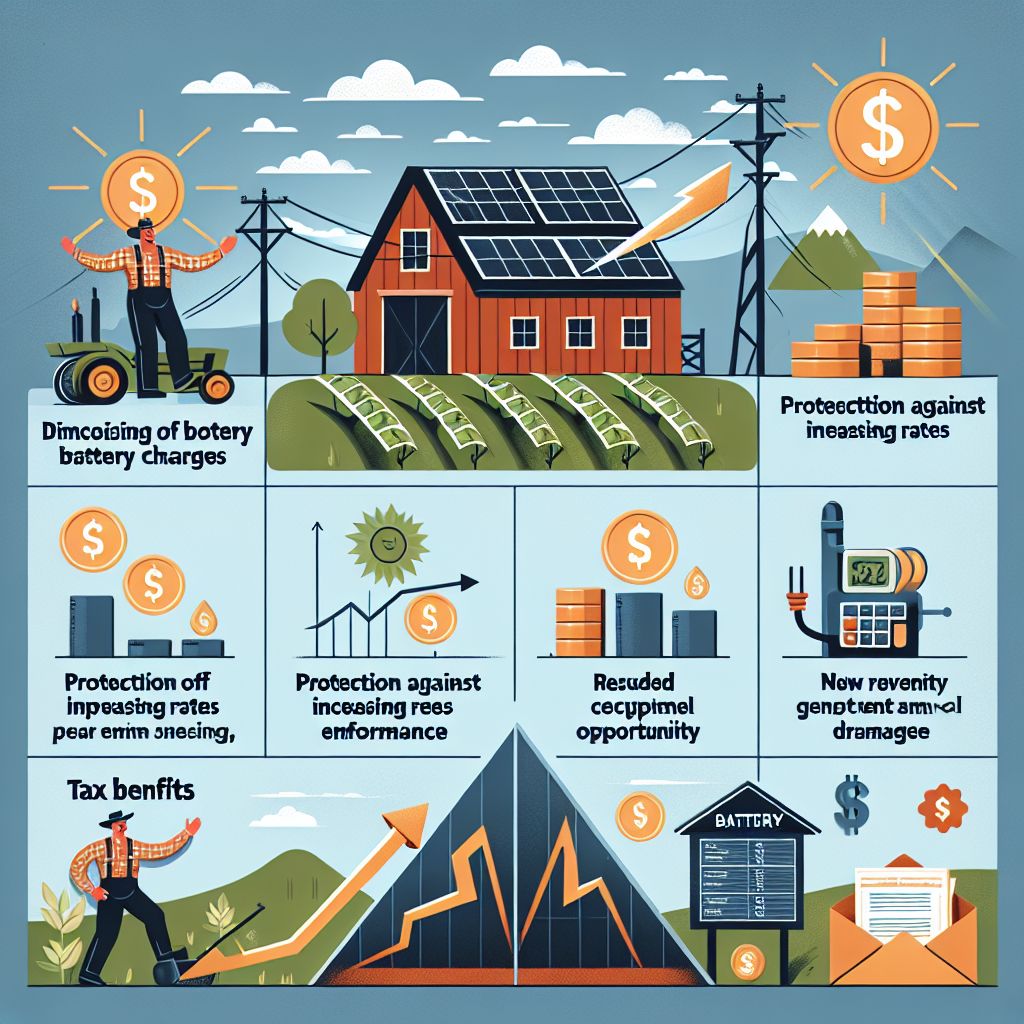
- Elimination of demand charges, which can represent 30-50% of utility bills for farms with high-power equipment
- Protection from rising electricity rates, which have historically increased 2-3% annually
- Revenue opportunities through grid services programs that pay battery owners for capacity
- Reduced equipment damage from power quality issues, decreasing maintenance costs
- Tax benefits including depreciation and investment tax credits
Initial Investment vs. Long-Term Savings Analysis
The economics of solar battery systems for farms must be evaluated as a long-term investment rather than a short-term expense. Initial system costs typically range from $15,000-$50,000 for small operations and can exceed $200,000 for large commercial farms, depending on capacity and battery chemistry. However, when analyzed over the 20-25 year lifespan of solar components, the financial advantages become evident. Most agricultural operations achieve complete return on investment within 5-8 years, with some achieving payback as quickly as 3-4 years in areas with high electricity costs or substantial incentives. For more insights, you can explore how using batteries can make solar panels a more practical option for farmers.
Calculating the true financial impact requires considering several factors beyond simple equipment costs. Energy production modeling based on local solar irradiance data provides realistic generation estimates throughout the year. Comparing these figures against historical farm consumption patterns reveals potential savings from reduced grid purchases. Additionally, batteries enable load shifting—using stored energy during peak rate periods—which typically reduces utility costs by 15-25% beyond what solar panels alone could achieve. This strategic use of stored energy is particularly valuable for operations with time-of-use billing structures.
The most overlooked financial benefit comes from operational resilience. Power outages cost American businesses an estimated $150 billion annually, with agricultural operations particularly vulnerable. The ability to maintain critical systems during outages prevents crop losses, livestock stress, and processing interruptions. While difficult to quantify precisely, this protection against catastrophic losses represents significant risk mitigation value that enhances the overall investment case. For more information on how solar technology can aid in this resilience, explore the benefits of solar panel batteries for agriculture.
Available Agricultural Grants and Tax Incentives
Government incentives dramatically improve the financial equation for farm solar battery systems. The federal Investment Tax Credit currently allows agricultural businesses to deduct 30% of solar battery system costs from their taxes, provided the batteries are charged primarily by solar panels. This single incentive effectively reduces system costs by nearly one-third for operations with sufficient tax liability. Additional incentives include accelerated depreciation through the Modified Accelerated Cost Recovery System (MACRS), which allows businesses to depreciate solar assets over just 5 years instead of the 20+ year actual lifespan, creating valuable tax benefits in the early years of ownership.
Beyond federal programs, many states and utilities offer agricultural-specific incentives for renewable energy adoption. These range from capacity-based rebates (typically $200-$500 per kilowatt installed) to performance-based incentives that pay for each kilowatt-hour generated. The USDA Rural Energy for America Program (REAP) provides grants covering up to 25% of project costs and loan guarantees for the remainder, specifically targeting agricultural producers. Combined state and federal incentives can reduce effective system costs by 40-60%, dramatically improving financial returns and shortening payback periods.
Payback Period Calculations
Realistic payback calculations must account for both direct and indirect financial benefits. Direct savings include reduced utility purchases, demand charge avoidance, and potential revenue from net metering. Indirect benefits include tax advantages, operational resilience, and protection from future rate increases. A comprehensive analysis typically shows payback periods of 5-7 years for systems with lithium-ion batteries, 4-6 years for lead-acid solutions (though with shorter overall lifespan), and 7-10 years for flow battery systems (which provide superior longevity). After the payback period, systems continue generating essentially free electricity for decades, with only minimal maintenance costs and eventual battery replacement.
Powering Essential Farm Equipment with Solar Batteries
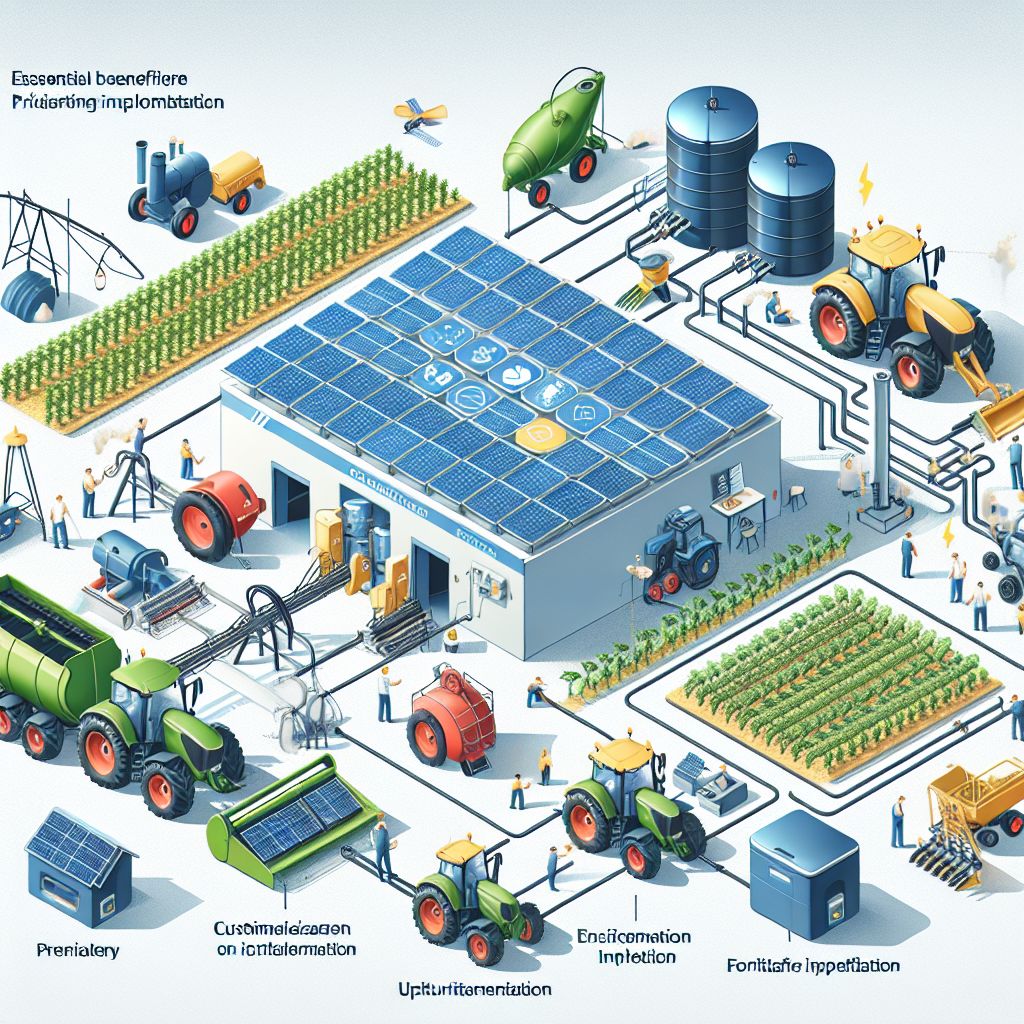
The practical application of solar battery systems extends across virtually all agricultural equipment categories. Understanding which farm operations benefit most from battery backup helps prioritize implementation and ensures critical systems maintain power when needed. The versatility of these systems allows for customized solutions that address specific operational requirements while maximizing return on investment.
Irrigation Systems and Water Pumps
Irrigation represents the single largest energy consumer on many farms, accounting for 30-50% of total electricity usage. Solar battery systems excel at powering irrigation infrastructure, particularly when designed with pumping schedules in mind. Modern variable frequency drive (VFD) pumps paired with battery storage allow for optimal water delivery while minimizing energy consumption. These systems can maintain consistent pressure regardless of solar panel output fluctuations, ensuring uniform water distribution even during partial cloud cover or early/late day periods when direct solar generation would otherwise be insufficient.
The water security provided by solar-powered irrigation delivers benefits beyond energy savings. Farms become drought-resistant through the ability to pump and distribute water regardless of grid conditions. Battery storage enables night irrigation—often agronomically preferable due to reduced evaporation—using energy generated during daylight hours. For operations using well water, solar batteries provide consistent power for submersible pumps without the voltage fluctuations that can damage these expensive components when running on generators or unstable grid connections.
Livestock Support Equipment
Modern livestock operations depend heavily on reliable electricity for animal welfare and productivity. Ventilation systems in confined animal feeding operations require uninterrupted power to prevent heat stress and maintain air quality—conditions that can quickly become life-threatening during outages. Automated feeding systems, milking equipment, and climate controls all benefit from the consistent, clean power that battery-backed solar provides. The elimination of harmonics and voltage fluctuations that often occur with generator power particularly benefits sensitive electronic equipment used in modern livestock management.
Diary operations specifically see tremendous value from solar battery systems. The consistent power requirements for milk cooling, milking machines, and processing equipment align perfectly with battery storage capabilities. With milk spoilage beginning within hours of cooling failure, the resilience provided by battery backup prevents catastrophic product loss during grid outages. Several case studies demonstrate dairy farms reducing energy costs by 40-60% through strategic implementation of solar batteries, with the added security of operations continuing normally during the increasing number of weather-related grid disruptions.
Cold Storage and Processing Facilities
Post-harvest preservation represents a critical vulnerability for many agricultural operations. Without reliable power for refrigeration and climate control, crops worth tens or hundreds of thousands of dollars can spoil quickly. Solar battery systems provide essential backup for cold storage facilities, ensuring temperature integrity even during extended outages. The high energy demands of refrigeration compressors make them ideal candidates for load-shifting strategies, where batteries supply power during peak rate periods to avoid premium electricity pricing.
Processing equipment also benefits substantially from consistent, high-quality power. Conveyor systems, sorting machinery, washing equipment, and packaging lines all require stable electricity to maintain proper operation. Voltage sags common during peak grid demand periods can cause equipment malfunctions, production delays, and product damage. Battery systems eliminate these issues by providing perfectly regulated power regardless of grid conditions. For farms engaged in value-added processing, this reliability translates directly to consistent production capabilities and protected profit margins.
Case Studies: Success Stories from Solar-Powered Farms
Real-world implementations provide the most compelling evidence of solar battery system benefits. These case studies demonstrate how various agricultural operations have successfully integrated this technology to address specific challenges, improve profitability, and enhance operational resilience. While each implementation is uniquely tailored to individual farm requirements, the consistent positive outcomes illustrate the broad applicability of these systems across diverse agricultural sectors. For more insights, explore how batteries make solar panels a more practical option for farmers.
Small Organic Farm Achieves Energy Independence
Green Valley Organics, a 15-acre diversified vegetable operation in California’s Central Valley, faced steadily increasing energy costs that threatened their already tight profit margins. Their primary energy demands came from irrigation pumps, cold storage, and small-scale washing/packing equipment. After conducting an energy audit that revealed annual electricity expenses exceeding $12,000, they invested in a 20kW solar array coupled with a 30kWh lithium-ion battery system. The $45,000 project cost was offset by a $13,500 federal tax credit and a $7,500 USDA REAP grant, reducing their net investment to $24,000.
The results transformed their operation within the first year. Their electricity bills dropped by 94%, with the farm now purchasing only minimal grid power during extended cloudy periods. The battery system allowed them to run irrigation exclusively during nighttime hours when evaporation rates are lowest, improving water efficiency by approximately 20%. When a nearby wildfire caused a three-day power outage in their area, Green Valley maintained full operations while neighboring farms struggled with spoilage and irrigation disruptions. Their projected payback period of 4.5 years actually shortened to just over 3 years due to rising utility rates and better-than-expected solar production.
Large Dairy Operation Cuts Energy Costs by 40%
Hilltop Dairy, a 500-cow operation in Wisconsin, implemented a comprehensive solar battery solution primarily targeting their substantial electricity loads from milk cooling, vacuum pumps, and barn ventilation systems. Their 200kW solar array paired with a 250kWh battery system represented a significant capital investment of $375,000, partially offset by incentives. Rather than aiming for complete grid independence, they designed the system to optimize economic performance by eliminating demand charges and time-of-use premiums while providing critical backup for essential systems during outages.
Financial results exceeded projections, with annual energy costs reduced from approximately $42,000 to $25,200—a 40% reduction that continues to improve as utility rates increase. The system’s sophisticated control software automatically shifts loads to battery power during peak rate periods and manages demand to prevent spikes that would trigger higher utility charges. During a severe winter storm that caused regional power outages, Hilltop maintained continuous operation of critical milking and cooling equipment, preventing losses estimated at $45,000. This operational resilience benefit alone justified a substantial portion of their investment, providing value beyond simple energy savings. For those interested in optimizing farm efficiency, exploring dual-axis solar panel trackers can offer additional benefits.
Crop Farm Maintains Operations During Extended Power Outages
SunRidge Growers, a 200-acre specialty crop operation in Florida, invested in solar battery technology primarily for resilience against hurricane-related power disruptions. Their previous experiences with outages lasting 7-10 days had resulted in catastrophic losses due to irrigation failure during critical growing periods. They installed a 75kW solar system with a 100kWh lithium-ion battery bank and integrated it with their existing backup generator to create a comprehensive power security system.
When Hurricane Michael caused a six-day power outage in their region, SunRidge maintained irrigation schedules without interruption by utilizing stored solar energy during the day and running their generator at minimum capacity during nighttime hours. This hybrid approach reduced their generator fuel consumption by 70% compared to previous outage events. The farm manager estimated that the system prevented crop losses valued at approximately $85,000 during this single weather event, effectively recovering half their total system cost. Beyond emergency situations, the system reduces their annual operating expenses by approximately $14,000 through reduced energy purchases and demand charge avoidance. For more information on how solar batteries are transforming agriculture, read about solar batteries in agriculture.
Maintenance Requirements and Best Practices
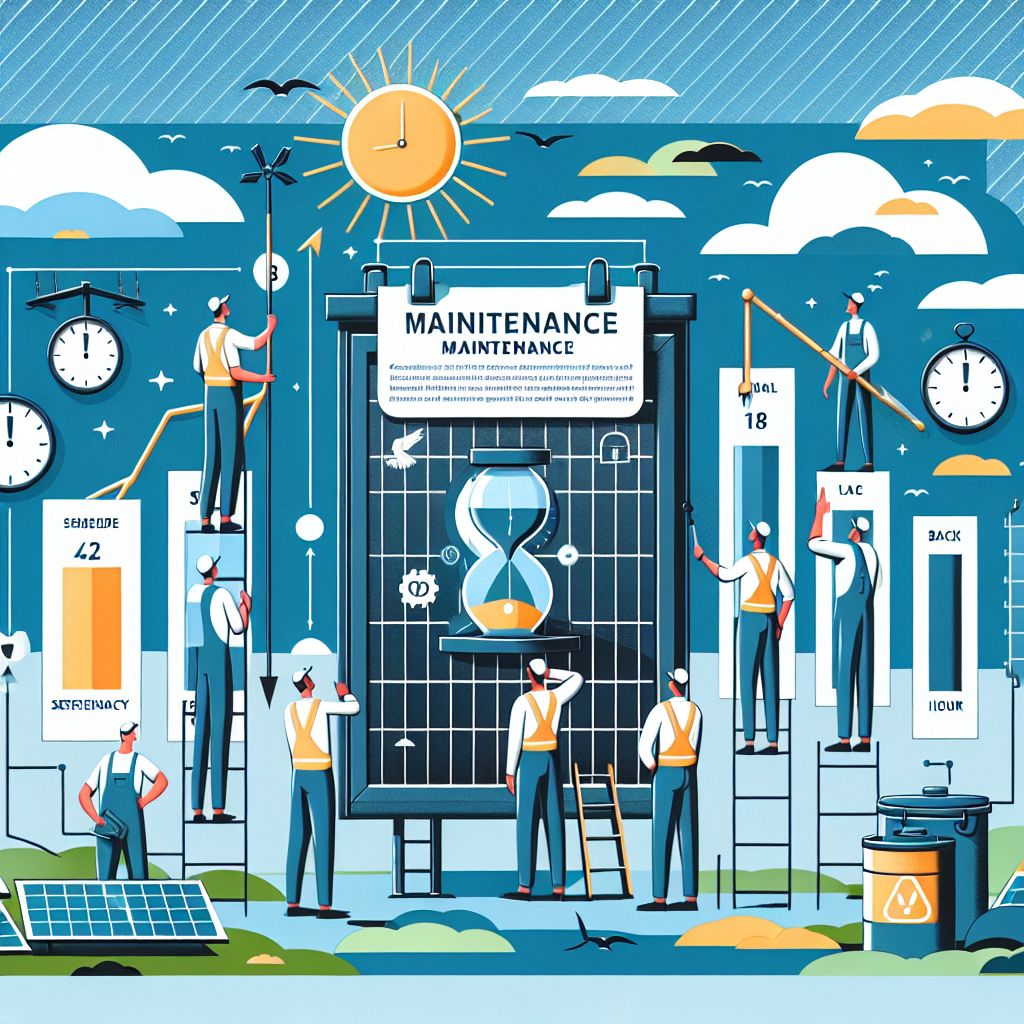
Despite their relative simplicity compared to traditional power generation equipment, solar battery systems require structured maintenance to ensure optimal performance throughout their lifespan. A proactive maintenance approach typically requires just 8-12 hours annually but can extend system life by 3-5 years and maintain peak efficiency. Creating and following a maintenance schedule tailored to your specific system configuration and local environmental conditions protects your investment and maximizes financial returns.
Seasonal Maintenance Schedule
Maintenance requirements follow seasonal patterns that align with farm operational rhythms. Spring inspections should focus on physical system integrity after winter weather, checking for loose mounting hardware, water intrusion in electrical components, and rodent damage to wiring—a common issue in agricultural settings. Summer maintenance emphasizes performance optimization during peak production months, including panel cleaning to remove pollen, dust, and bird droppings that can reduce efficiency by 5-10%. Fall preparation focuses on battery system readiness for winter when solar production decreases while storm-related outages become more common, including capacity testing to ensure sufficient storage remains available. Winter monitoring primarily happens remotely, tracking production against seasonal benchmarks to identify potential issues requiring attention when weather permits.
Troubleshooting Common Issues
Even well-maintained systems occasionally experience performance issues that require diagnosis and correction. Unexplained production decreases most commonly result from panel soiling, inverter faults, or shading changes from tree growth or new structures. Battery systems may show capacity reductions due to temperature extremes, loose connections causing parasitic loads, or individual cell degradation in older systems. Remote monitoring systems generate automatic alerts for many common issues, including production anomalies, communication failures, or abnormal battery behavior.
Addressing issues promptly prevents cascading problems that could damage equipment or reduce system lifespan. Most modern systems include remote diagnostic capabilities that allow technicians to identify specific components requiring attention before visiting the site. This capability proves particularly valuable for remote agricultural operations where service calls involve significant travel time and expense. Creating a troubleshooting log that documents issues, causes, and resolutions helps identify patterns that might indicate underlying problems requiring more comprehensive intervention. For farmers looking to enhance efficiency, exploring solar-powered irrigation systems can be a beneficial step.
When to Call the Professionals
While many maintenance tasks can be handled by farm personnel with proper training, certain situations demand professional intervention. Any issues involving high-voltage DC circuits, which can present serious safety hazards, should only be addressed by qualified technicians. Battery problems including unusual swelling, excessive heating, unexpected voltage fluctuations, or capacity degradation require expert diagnosis to prevent potential safety issues and equipment damage. Inverter malfunctions, particularly those involving error codes or complete shutdowns, typically require manufacturer-certified technicians with specialized diagnostic equipment.
Establishing a service relationship with your installation company or a qualified local maintenance provider ensures access to expertise when needed. Many providers offer maintenance contracts that include regular scheduled inspections, priority emergency service, and discounted rates for any necessary repairs. These agreements typically cost $300-$800 annually depending on system size but often pay for themselves through improved system performance, extended equipment life, and faster response during critical failures. The most valuable maintenance partners provide detailed documentation of all services performed and offer guidance on operational adjustments that can improve system performance.
Future of Solar Battery Technology in Agriculture
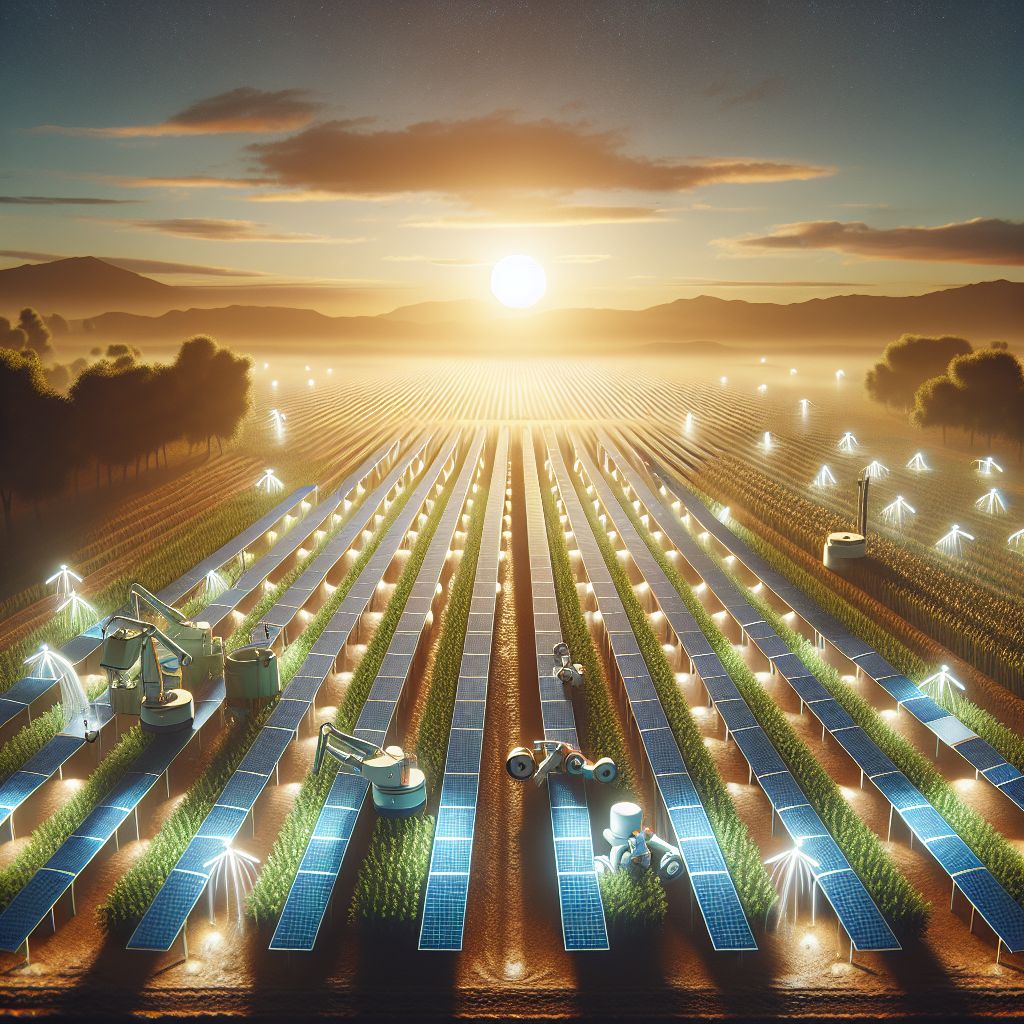
The trajectory of solar battery technology points toward systems that will become increasingly powerful, affordable, and integrated with broader agricultural operations. Current innovation focuses on extending battery lifespan, improving energy density, and reducing environmental impact throughout the production and recycling process. For farmers considering these systems, understanding emerging technologies helps inform investment timing decisions and ensure that current implementations remain compatible with future advances. For example, exploring solar-powered irrigation systems can provide insights into practical applications and benefits in agriculture.
Emerging Battery Technologies for Farm Applications
Several promising battery technologies are approaching commercial viability that could significantly impact agricultural applications. Solid-state batteries, which replace liquid electrolytes with solid alternatives, promise substantial safety improvements, higher energy density, and extended operational temperature ranges—particularly valuable for uninsulated farm buildings that experience extreme temperatures. Metal-air batteries, especially aluminum-air and zinc-air chemistries, demonstrate potential energy densities 2-3 times greater than current lithium-ion technologies while utilizing more abundant, lower-cost materials. These developments could reduce system costs by 30-40% while extending storage capacity for equivalent footprints within the next 5-7 years.
Integration with Smart Farming Systems
The most transformative developments involve integration between energy systems and broader farm management platforms. Advanced battery controllers are beginning to incorporate weather forecast data, market electricity pricing, and predicted farm equipment usage to optimize charging and discharging schedules automatically. These systems can predict when to preserve battery capacity for anticipated weather events, when to sell stored energy back to utilities during peak pricing periods, and how to sequence farm equipment operation to maximize self-consumption of generated power.
The emerging Agricultural Internet of Things (AIoT) creates new possibilities for energy-aware farm management. Irrigation systems can automatically schedule operation during periods of maximum solar production or available stored energy. Climate control systems for livestock buildings can pre-cool structures when excess energy is available, then reduce power consumption during limited production periods. Even harvesting and processing equipment can optimize schedules around energy availability, creating truly integrated operations that maximize both productivity and sustainability. These intelligent systems transform energy from a simple utility into a managed resource that influences operational decisions for maximum efficiency.
Power Your Farm’s Future with Solar Batteries
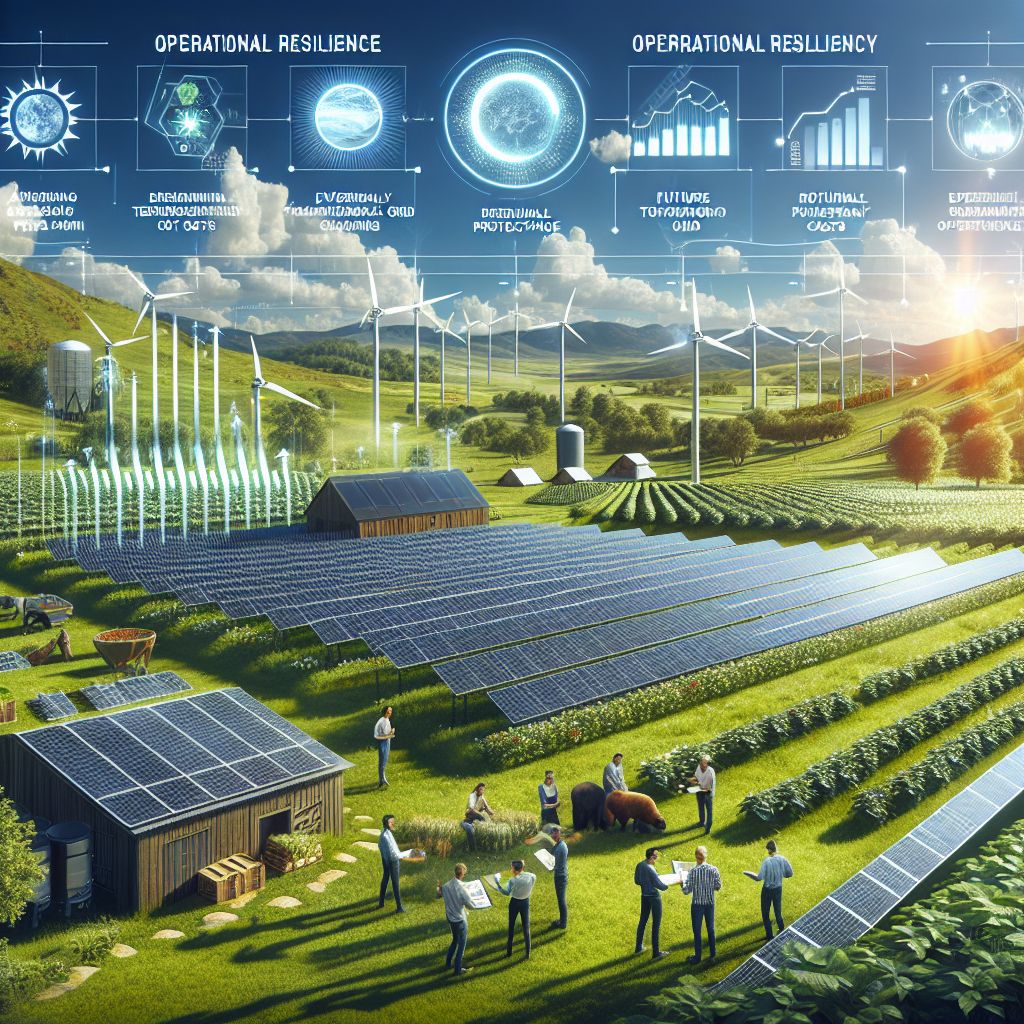
The convergence of declining technology costs, improving performance, and increasing grid uncertainty creates a compelling case for agricultural solar battery adoption. Beyond simple financial calculations, these systems provide strategic advantages through operational resilience, environmental sustainability, and protection against future energy cost volatility. Farmers who implement thoughtfully designed systems position their operations for decades of reduced operating costs while gaining independence from increasingly unreliable grid infrastructure. The transition to solar-plus-storage represents not just an energy decision but a fundamental business strategy that supports long-term agricultural viability.
Growing Solar Mist specializes in agricultural energy solutions that address the unique requirements of farming operations. Our team brings deep agricultural expertise to system design, ensuring that implementations align with operational realities while maximizing financial returns. Visit Growing Solar Mist today to request a farm-specific energy assessment and discover how solar battery technology can transform your agricultural operation.
Frequently Asked Questions
The following questions address common concerns and considerations for farmers evaluating solar battery technology. While every agricultural operation has unique characteristics that influence system design and economics, these general guidelines provide valuable starting points for further investigation and planning.
How long do solar batteries typically last in agricultural settings?
Battery lifespan in agricultural applications varies significantly based on chemistry, usage patterns, and environmental conditions. Lithium-ion batteries typically deliver 10-15 years of service when properly maintained, with gradual capacity degradation rather than complete failure. Most manufacturers guarantee 70-80% capacity retention after 10 years or a specific number of charge cycles (typically 3,000-6,000 full cycles). Lead-acid batteries generally provide 3-7 years of service in agricultural settings, with flooded lead-acid requiring the most maintenance and having the shortest lifespan, while sealed AGM variants offer improved longevity.
Environmental factors significantly impact battery longevity, particularly temperature extremes. Batteries installed in temperature-controlled environments typically last 20-30% longer than those exposed to seasonal temperature fluctuations. Cycle depth also affects lifespan—systems regularly discharged to 80% depth will experience more rapid degradation than those typically discharged to only 50%. Implementing proper battery management systems that prevent over-charging, excessive discharge, and maintain optimal operating temperatures can extend useful life by 2-4 years beyond baseline expectations.
Can solar battery systems work during winter or cloudy seasons?
Solar battery systems remain functional during winter and cloudy periods, though with reduced generation capacity that requires appropriate system sizing and management. Winter solar production typically decreases by 30-70% compared to summer peaks, depending on latitude and local weather patterns. Properly designed systems account for these seasonal variations by incorporating historical weather data into production models. Many agricultural operations naturally require less energy during winter months when irrigation demands decrease, creating a fortuitous alignment between reduced production and consumption. For year-round operations, winter performance can be improved through panel tilt optimization, snow-shedding mounting systems, and strategic battery capacity planning.
What size solar battery system does my farm need?
System sizing depends on multiple farm-specific factors including energy consumption patterns, critical loads requiring backup power, budget constraints, and available installation space. As a general guideline, battery capacity typically ranges from 50-100% of daily energy consumption for farms primarily focused on self-consumption and load-shifting. Operations prioritizing outage protection often size batteries to cover 1-3 days of critical loads only, which usually represents 30-50% of total farm consumption. Comprehensive energy audits provide the data necessary for accurate sizing, identifying both average and peak consumption patterns throughout the year.
Are solar batteries worth the investment for small farms?
Small Farm Solar Battery Economics: 5-Year Outlook
Based on a 20-acre diversified vegetable operation with $8,500 annual electricity costs
Metric
Without Batteries
With Batteries
System Cost (after incentives)
$25,000
$38,000
Annual Utility Savings
$6,375
$7,650
Payback Period
3.9 years
5.0 years
20-Year Net Savings
$127,500
$153,000
Resilience Value
Minimal
High
Small farms often achieve better economics from solar battery systems than larger operations due to several factors that improve relative value. Smaller farms typically pay higher per-kilowatt-hour rates under residential or small commercial rate structures, making each kilowatt-hour offset by solar more valuable. Many small operations have energy usage patterns heavily weighted toward daytime hours when solar production aligns naturally with consumption, improving self-utilization without complex load-shifting. The operational resilience provided by batteries delivers proportionally greater value to small farms that lack redundant systems or backup generators commonly found on larger operations.
Small-scale systems benefit from simplified permitting and interconnection requirements in most jurisdictions, reducing soft costs and accelerating implementation timelines. Many small farms qualify for additional incentive programs targeted at small businesses or agricultural operations below specific size thresholds. The combination of these factors frequently results in payback periods of 4-6 years for appropriately sized solar battery systems on small farms, with the added benefit of greater energy independence and operational security that larger operations might achieve through other means.
When evaluating economics, small farm operations should consider both quantifiable financial returns and quality-of-life improvements. The peace of mind from knowing critical systems will remain operational during grid disruptions delivers real value that extends beyond simple financial calculations. Many small farmers report that eliminating the stress of unpredictable energy costs provides mental bandwidth to focus on core farming activities rather than constant budget management.
For farms with limited capital, phased implementation often provides a practical path forward. Starting with a right-sized solar array that allows for future battery addition creates immediate energy cost reductions while preserving the option to add storage when finances permit. This approach allows small operations to begin capturing benefits immediately while spreading investment costs over multiple seasons.
How do I maintain solar batteries in extreme weather conditions?
Extreme Weather Battery Protection Strategies
Maintaining solar batteries in extreme weather conditions is crucial for ensuring their longevity and efficiency. It’s important to implement strategies to overcome challenges that can arise from harsh weather, such as temperature fluctuations and humidity. Regular inspections and using protective enclosures can help safeguard the batteries from environmental stressors.
|
Condition |
Potential Impact |
Mitigation Strategy |
|---|---|---|
|
High Heat (>90°F) |
Accelerated degradation, reduced capacity |
Ventilated enclosures, shade structures, active cooling |
|
Extreme Cold (<20°F) |
Reduced charging efficiency, slower chemical reactions |
Insulated enclosures, thermal mass, heating systems |
|
High Humidity |
Connection corrosion, potential short circuits |
Sealed enclosures, desiccant systems, corrosion-resistant terminals |
|
Flooding Risk |
System damage, electrical hazards |
Elevated mounting, waterproof enclosures, emergency shutdown systems |
Extreme weather represents a significant challenge for agricultural battery systems that must often operate in exposed rural environments with minimal climate control. Temperature management ranks as the most critical factor affecting both performance and longevity. Lithium-ion batteries perform optimally between 60-80°F (15-27°C), with capacity and lifespan degrading outside this range. For regions experiencing temperature extremes, battery enclosures should incorporate insulation, ventilation, and potentially active thermal management systems. Simple solutions like buried or partially buried enclosures leverage natural ground temperature moderation to reduce both heating and cooling requirements.
Humidity and moisture protection becomes particularly important in agricultural settings where irrigation, cleaning activities, and natural precipitation create challenging conditions. Battery enclosures should maintain appropriate NEMA/IP environmental protection ratings based on their installation location and potential exposure. Elevated mounting prevents flood damage during heavy precipitation, while proper sealing prevents dust infiltration common in agricultural environments. Regular inspection of seals, vents, and condensation drains should be incorporated into maintenance routines, with particular attention following extreme weather events that might compromise environmental protection.
System design should incorporate automatic protective measures for extreme conditions. These include charge/discharge limitations during temperature extremes, proactive shutdown during severe weather warnings, and remote monitoring that alerts operators to developing issues. Some advanced systems incorporate predictive weather integration that automatically prepares batteries for upcoming extreme conditions by adjusting charge levels, temperature management systems, and operational parameters to maximize protection while maintaining critical functions.
For regions with seasonal extreme weather risks—such as hurricane zones, flood plains, or areas prone to extended power outages—battery system design should incorporate specific resilience features. These might include rapid disconnect capabilities for equipment relocation, elevated installation points above historical flood levels, reinforced enclosures for high-wind environments, or expanded capacity to support extended operations during disaster recovery periods. These targeted design considerations maximize system longevity while ensuring availability when farm operations need backup power most critically.
Working with installers experienced in your specific climate conditions ensures appropriate system design from the outset. Their familiarity with local weather patterns, seasonal challenges, and proven solutions for your region significantly improves long-term reliability and performance. Growing Solar Mist specializes in agricultural solar battery systems designed specifically for the unique environmental challenges faced by farms across diverse climate zones.







Leave a Reply