
Key Takeaways
- HPBC solar panels deliver up to 30% higher energy efficiency than traditional panels, significantly reducing farm operating costs while providing sustainable power.
- Agricultural applications of HPBC solar technology include powering irrigation systems, climate control, crop processing, and cold storage—all critical for modern farming operations.
- Farmers implementing HPBC solar systems typically see payback periods of 4-7 years, with panels continuing to generate power for 25+ years.
- HPBC technology performs better in partial shade conditions, making it ideal for varying farm environments and installation locations.
- Beyond cost savings, HPBC solar adoption helps farms reduce their carbon footprint while qualifying for substantial agricultural tax incentives and grants.
HPBC Solar Panels Transform Modern Farming
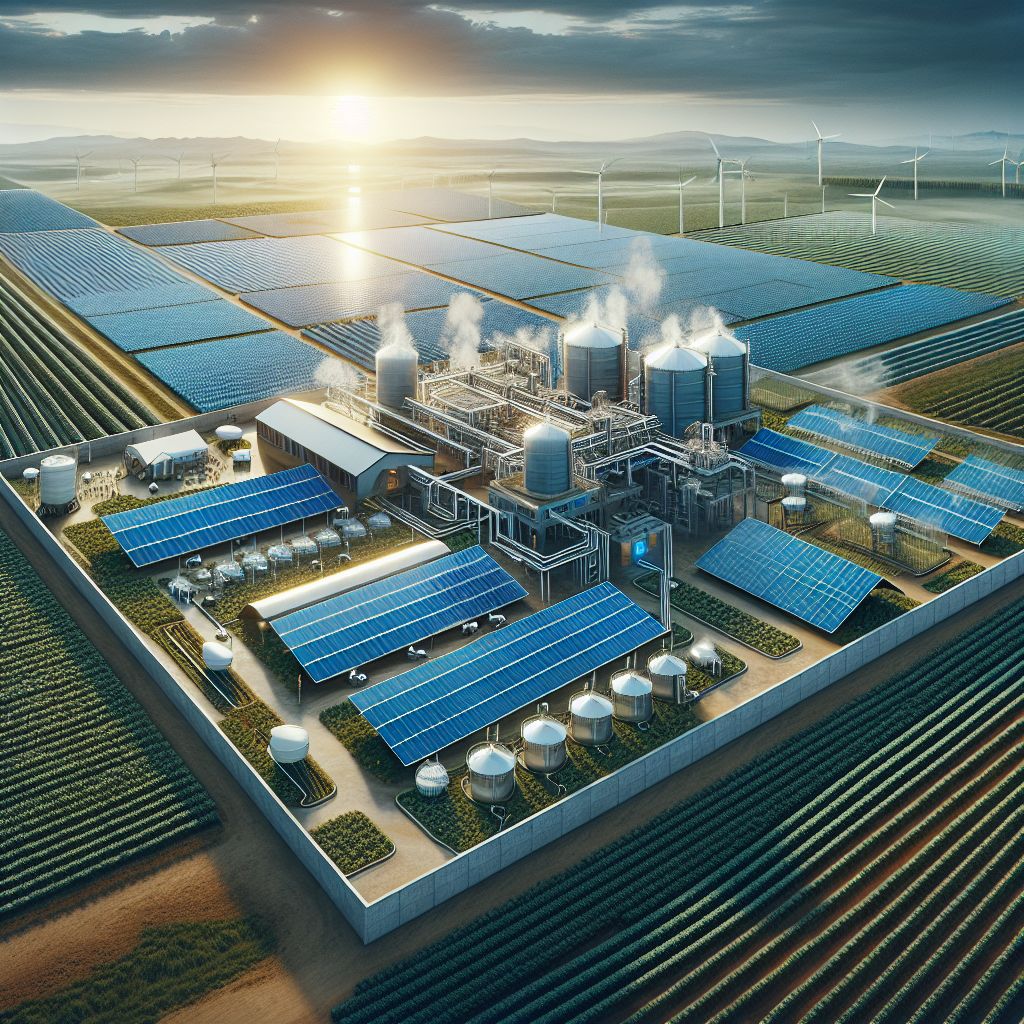
Farming operations are increasingly turning to renewable energy to combat rising utility costs and environmental concerns. HPBC (Heterojunction back contact) solar panel technology represents the cutting edge of solar innovation, offering agricultural producers remarkable benefits that standard solar panels simply can’t match. GrowingSolarMist has documented numerous cases where these advanced panels have revolutionized farm operations by providing reliable, efficient power generation even in challenging conditions.
The agricultural sector faces unique energy challenges that HPBC solar technology is specifically equipped to address. With many farms operating in remote locations with limited grid access, the superior performance of these panels provides the reliability needed for critical farm systems. Their enhanced efficiency means farmers can install fewer panels while generating the same amount of power, saving valuable space that can be used for crop production or other farm activities.
What makes this technology particularly valuable for agriculture is its resilience in various weather conditions, a crucial factor for operations that can’t afford downtime during critical growing periods. From powering irrigation systems during dry spells to maintaining optimal temperatures in livestock facilities, HPBC solar panels deliver consistent performance when farms need it most.
What Makes HPBC Solar Technology Different
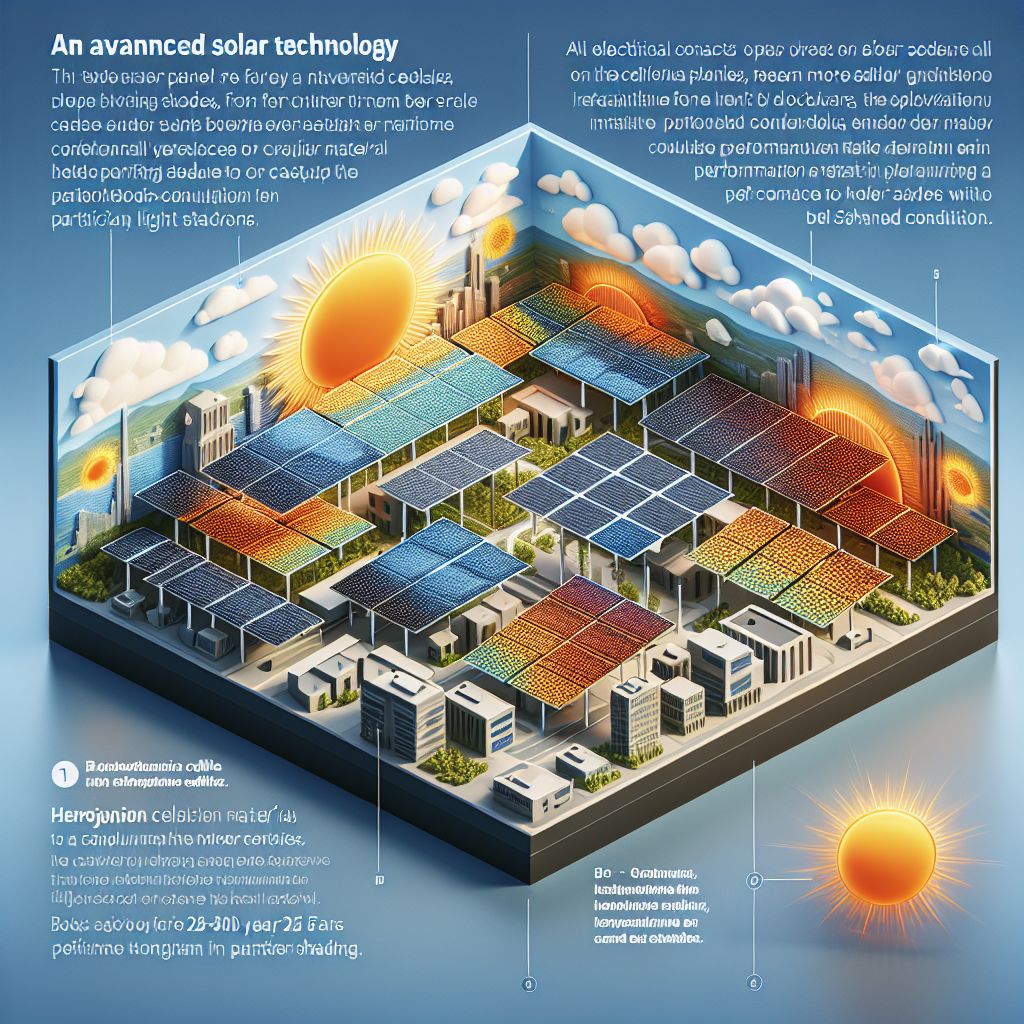
HPBC solar technology stands apart from conventional panels through its innovative design that fundamentally changes how solar energy is captured and converted. Unlike traditional panels that have electrical contacts on the front surface (which blocks some sunlight), HPBC panels place all contacts on the rear side. This seemingly simple design change creates multiple performance advantages that are particularly valuable in agricultural settings.
The technology incorporates heterojunction cells that combine different materials to capture more of the light spectrum, significantly improving performance in low-light conditions common during early morning and late afternoon hours—extending productive generation time each day. These panels also integrate back-contact design, eliminating front-facing electrical connections that traditionally create shading and resistance losses.
Higher Energy Conversion Rates
HPBC solar panels achieve conversion efficiencies of 22-25%, compared to the 15-18% typical of conventional panels. This substantial efficiency improvement directly translates to more power generation from the same surface area. For farmers with limited roof space on barns or equipment sheds, this means getting more power without expanding the installation footprint.
This higher conversion rate stems from several technical advantages. First, the absence of front-side electrodes means more sunlight reaches the photovoltaic material rather than being reflected away. Second, the heterojunction technology combines amorphous and crystalline silicon layers, capturing energy from a broader spectrum of sunlight. Finally, the back-contact design reduces resistive losses that occur when electricity travels through conventional cells.
“When we upgraded to HPBC panels, our 10-acre operation saw a 27% increase in power generation using the same physical footprint as our old system. This additional power allowed us to electrify our irrigation system completely and eliminate diesel pump costs.” – James Martinez, Organic Vegetable Farmer
Better Performance in Partial Shade
Agricultural environments rarely offer ideal solar installation conditions. Trees, buildings, equipment, and even temporary structures can create partial shading that severely impacts conventional solar panel performance. HPBC technology significantly mitigates these issues through advanced cell architecture and better shade tolerance.
When conventional panels experience partial shading, entire strings of cells can be affected, dramatically reducing output across multiple panels. HPBC panels, however, utilize sophisticated cell-level optimization that allows unshaded portions to continue operating at full capacity. This resilience translates to more consistent power generation throughout the day, particularly valuable for running critical farm systems that cannot tolerate power fluctuations.
Longer Lifespan Than Traditional Panels
HPBC solar panels typically last 25-30 years with minimal degradation, compared to 20-25 years for conventional panels. This extended lifespan stems from their advanced construction that reduces common failure points. The back-contact design eliminates microcracks that often form in front-facing connections, while heterojunction technology creates greater resistance to temperature-induced stress. For farmers making long-term infrastructure investments, this durability translates to additional years of free energy after the initial payback period.
Annual degradation rates for HPBC panels average just 0.3-0.4%, significantly better than the 0.5-0.8% industry standard for conventional panels. This means that after 25 years, HPBC panels still operate at approximately 90% of their original capacity, while traditional panels may drop below 80%. This performance retention ensures consistent power generation throughout the decades-long operational life of the system.
5 Powerful Agricultural Applications
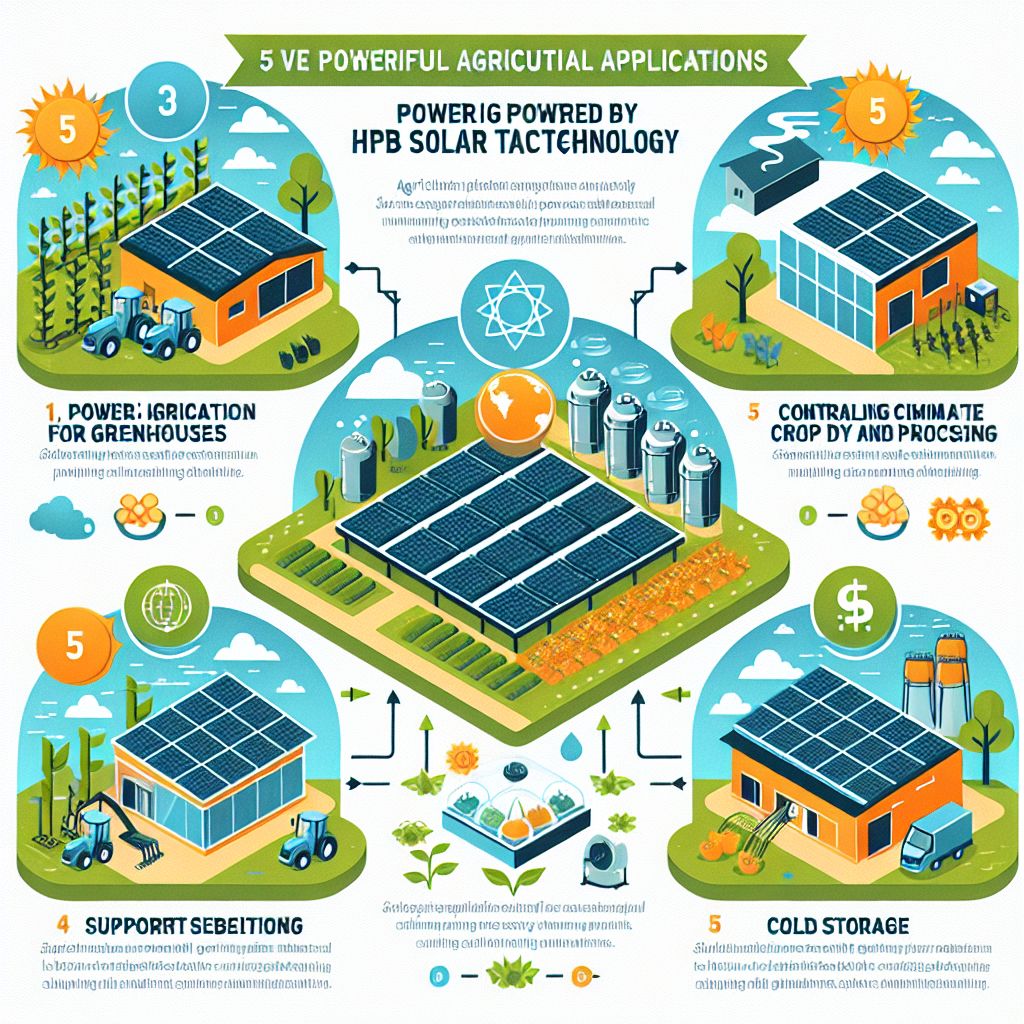
Farmers nationwide are discovering the versatility of HPBC solar technology across numerous critical operations. From essential water management to sophisticated climate control, these high-efficiency panels are transforming how agricultural businesses approach their energy needs. The adaptability of HPBC systems allows farmers to tackle their most energy-intensive processes first, then expand as budgets permit and confidence in the technology grows.
1. Powering Irrigation Systems
Water delivery represents one of agriculture’s most energy-intensive operations, with traditional grid-powered or diesel pumps generating significant expenses. HPBC solar panels excel at powering irrigation systems, providing reliable energy precisely when it’s needed most—during sunny, dry periods when crops require additional water. Solar-powered irrigation eliminates fuel costs while ensuring consistent water delivery, even in remote fields where power infrastructure is limited or nonexistent.
Modern solar irrigation systems paired with HPBC panels can be designed with or without batteries, depending on watering schedules and specific farm needs. Direct-drive systems operate pumps whenever the sun shines, filling reservoirs that provide gravity-fed irrigation throughout the day. Battery-backed systems offer greater flexibility, allowing for programmable watering schedules regardless of immediate sunlight conditions. Both approaches dramatically reduce operational costs while improving water management capabilities.
2. Climate Control for Greenhouses
Maintaining optimal growing conditions in greenhouses demands precise temperature, humidity, and ventilation control—processes that consume substantial electricity. HPBC solar panels provide an ideal power source for greenhouse operations, generating maximum energy during daylight hours when climate control needs are highest. This synchronization between peak energy production and peak demand creates natural efficiency that conventional power sources cannot match.
Advanced greenhouse operations utilizing HPBC solar technology can power automated ventilation systems, heating elements, evaporative coolers, and circulation fans. The reliability of these systems means delicate crops receive consistent environmental conditions critical for maximum yield and quality. Many operations combine HPBC panels with modest battery storage to ensure climate control continues during brief cloudy periods or overnight when heating may be required.
3. Crop Drying and Processing
Post-harvest processing represents a significant energy expense for many agricultural operations. Crop drying, in particular, traditionally relies on propane, natural gas, or grid electricity—all increasingly expensive energy sources. HPBC solar panels provide a clean, renewable alternative for powering grain dryers, dehydrators, and other processing equipment essential for preparing crops for storage or market.
The higher efficiency of HPBC technology makes these energy-intensive applications more feasible than with conventional solar panels. Farmers processing crops like corn, wheat, nuts, or herbs can significantly reduce operating costs while improving product quality through more consistent drying temperatures. For seasonal operations, the ability to redirect solar energy to other farm needs during off-season periods creates year-round value from the investment.
4. Cold Storage Solutions
Refrigeration for dairy, meat, fruit, and vegetable preservation represents one of the most consistent energy demands on farms. HPBC solar panels, particularly when coupled with battery storage systems, provide reliable power for critical cold storage infrastructure. This application is especially valuable for operations located in areas with unreliable grid service or frequent weather-related outages that could otherwise result in significant product losses.
5. Running Farm Equipment
From electric utility vehicles to grain augers, feed mixers, and workshop tools, modern farms rely on an expanding array of electrical equipment. HPBC solar systems provide clean, renewable power for these daily operational needs while reducing dependency on fossil fuels. As more agricultural equipment manufacturers develop electric alternatives to traditionally gas-powered tools, the value of on-site solar generation continues to grow.
Some forward-thinking operations are now using HPBC solar arrays to power electric tractors and utility vehicles, completely eliminating fuel costs for certain tasks. This transition not only reduces operating expenses but also eliminates engine maintenance requirements and improves working conditions by removing exhaust fumes and engine noise.
|
Farm Application |
HPBC Solar Benefits |
Energy Cost Reduction |
|---|---|---|
|
Irrigation Systems |
Peak production aligns with watering needs; eliminates fuel costs |
60-100% |
|
Greenhouse Climate Control |
Daytime power generation matches peak cooling demands |
40-80% |
|
Crop Drying |
Reduces propane/natural gas dependency; improves drying consistency |
50-70% |
|
Cold Storage |
Critical load backup; reduces peak demand charges |
30-60% |
|
Electric Farm Equipment |
Eliminates fuel costs; reduces maintenance expenses |
70-90% |
The versatility of HPBC solar technology allows farmers to customize installations based on their specific operational priorities and energy demands. Many successful implementations begin with powering a single critical system before expanding to address additional farm needs as initial investments prove their value.

“Solar Power Savings: Ways Farmers Save …” from growingsolarmist.com and used with no modifications.
Real Cost Savings for Farmers
The financial impact of HPBC solar adoption extends well beyond simple utility bill reduction. Agricultural operations face unique energy challenges including remote locations, seasonal demand fluctuations, and energy-intensive processes—all areas where HPBC technology delivers substantial economic advantages. When evaluating potential savings, farmers should consider the complete financial picture including operational improvements, maintenance reduction, and enhanced reliability alongside direct energy cost reductions.
Reduced Monthly Energy Bills
The immediate benefit most farms notice after HPBC solar installation is dramatic reduction in monthly utility expenses. Operations with substantial daytime electricity usage typically see 50-80% decreases in grid power consumption, directly translating to lower bills. These savings are particularly significant for irrigation-intensive farms, dairy operations with consistent refrigeration demands, and greenhouse facilities requiring year-round climate control.
Available Tax Credits and Incentives
Agricultural businesses implementing HPBC solar systems qualify for substantial financial incentives that significantly reduce initial investment costs. The federal Investment Tax Credit currently allows farmers to deduct 30% of solar system costs from federal taxes, effectively providing an immediate return on investment. This credit, combined with accelerated depreciation benefits, can reduce initial system costs by 45-60% when fully utilized.
Beyond federal incentives, many states offer additional agricultural-specific solar grants, property tax exemptions, and production incentives. Programs like REAP (Rural Energy for America Program) provide both grants and loan guarantees specifically designed for agricultural producers implementing renewable energy systems. These combined incentives dramatically improve project economics, often reducing payback periods to 4-7 years depending on energy usage patterns and local utility rates.
Payback Period Analysis
The superior efficiency and longevity of HPBC panels contribute to faster payback periods compared to conventional solar technology. While initial purchase costs may be 10-15% higher than standard panels, the 20-30% increased energy production throughout the system’s lifetime more than compensates for this premium. Most agricultural operations achieve complete return on investment within 5-7 years, after which the system provides essentially free electricity for decades.
Protection Against Rising Utility Costs
Perhaps the most significant long-term financial benefit comes from insulating farm operations from steadily rising energy costs. Agricultural electricity rates have increased approximately 3-5% annually over the past decade, a trend expected to continue or accelerate. By generating their own power, farmers effectively lock in electricity costs at the equivalent of 5-8 cents per kilowatt-hour for the 25+ year life of the system—well below current and projected utility rates in most regions.
This price stability allows for more accurate long-term financial planning and improves overall farm resilience against economic fluctuations. Many operations report that energy cost predictability has become equally valuable as the direct savings, particularly when making decisions about expanding production or investing in new equipment.
- Immediate utility bill reduction of 50-80% for operations with daytime energy usage
- 30% federal tax credit plus accelerated depreciation benefits
- Agricultural-specific grants and incentives through USDA programs
- Protection against utility rate increases for 25+ years
- Increased property value without proportional property tax increases (in most states)
- Potential income from net metering or selling excess generation
For many farms, the decision to invest in HPBC solar technology represents not just an energy choice but a fundamental business strategy that strengthens financial stability while creating operational advantages that extend well beyond the balance sheet.
Environmental Benefits Beyond the Bottom Line
While the financial advantages of HPBC solar panels are compelling, their environmental benefits represent equally important considerations for sustainable farm operations. Agricultural producers are increasingly recognizing that environmental stewardship and economic success go hand-in-hand, particularly as consumers demand more sustainable farming practices. HPBC solar technology provides a practical way to address these concerns while strengthening business performance.
Reducing Carbon Footprint
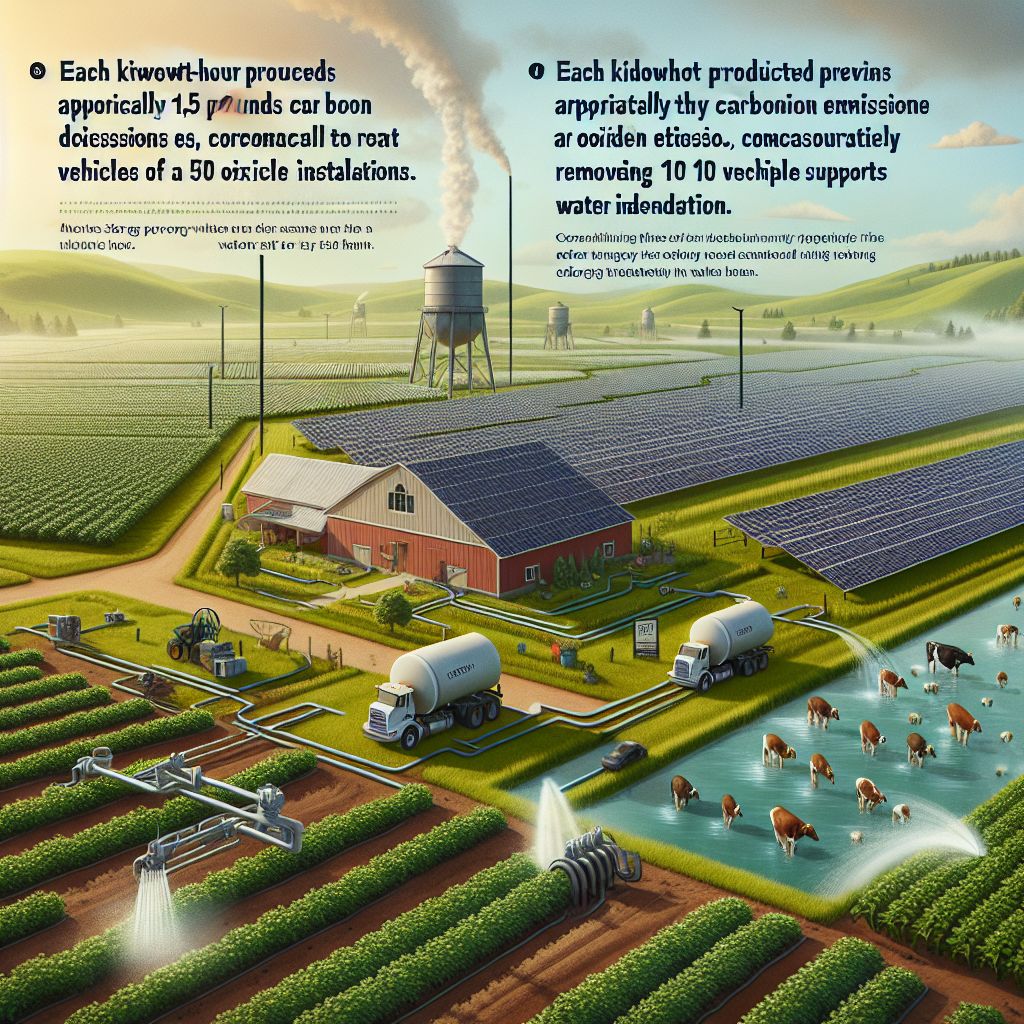
Each kilowatt-hour generated by HPBC solar panels prevents approximately 1.5 pounds of carbon dioxide emissions compared to conventional grid electricity. For a typical 50kW farm installation, this translates to reducing carbon emissions by 75-100 tons annually—equivalent to removing 15-20 vehicles from the road. This significant carbon reduction helps farms meet sustainability goals while positioning operations favorably with environmentally conscious consumers, distributors, and retailers who increasingly prioritize low-carbon products.
Beyond carbon dioxide, solar power eliminates emissions of nitrogen oxides, sulfur dioxide, and particulate matter associated with fossil fuel electricity generation. These pollutants contribute to acid rain, smog, and respiratory issues that can directly impact agricultural productivity and rural community health. By transitioning to HPBC solar power, farms contribute to cleaner air and water while protecting the natural resources essential to their operations.
Water Conservation Advantages
The connection between energy and water conservation becomes increasingly apparent when examining agricultural operations holistically. HPBC solar-powered irrigation systems enable more precise water management through efficient pumping and pressure regulation. Many farms implementing solar irrigation report 15-30% reductions in water usage through the ability to operate smaller, more efficient pumps for longer periods rather than using oversized equipment during limited timeframes to minimize peak electricity charges.
Additionally, conventional electricity generation consumes substantial water for cooling and processing—approximately 0.5 gallons per kilowatt-hour produced. By generating clean solar electricity on-site, farms indirectly conserve water resources throughout the broader ecosystem while reducing pressure on increasingly stressed water supplies. This creates a virtuous cycle where energy independence supports water independence, enhancing overall farm resilience.
Case Studies: Success Stories From Real Farms
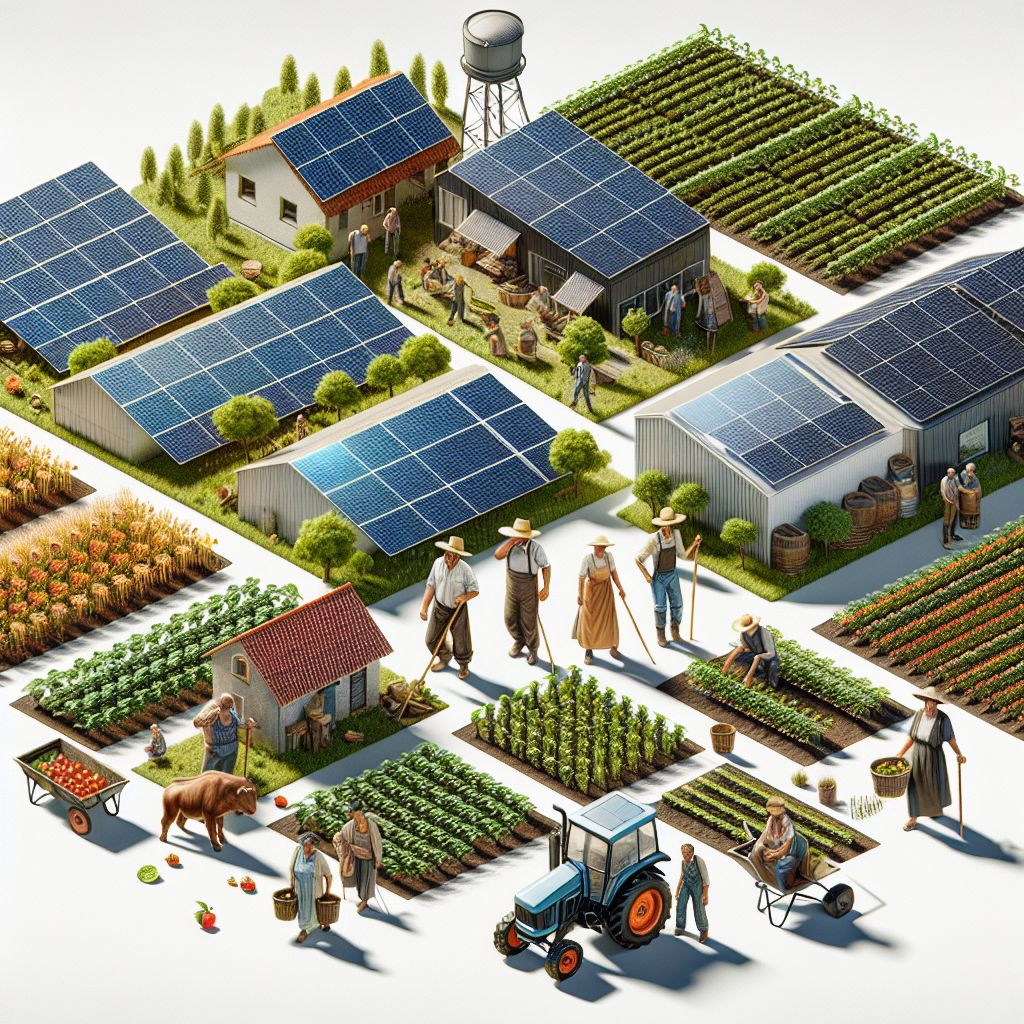
The transformative potential of HPBC solar technology becomes most evident through examining actual implementations across diverse agricultural operations. These real-world examples demonstrate how farmers are adapting this technology to address specific challenges while capturing both economic and operational benefits tailored to their unique circumstances.
Small-Scale Vegetable Farm in California
Farm Profile: SunRise Organic Farms
Location: Sonoma County, California
Operation Size: 12 acres of diversified vegetables
HPBC System: 35kW array with 10kWh battery storage
Primary Applications: Irrigation, cold storage, processing equipment
Annual Savings: $11,200 in electricity costs
Payback Period: 4.8 years after incentives
When Maria Rodriguez took over her family’s conventional vegetable farm in 2019, rising water and electricity costs threatened the operation’s viability. After researching alternatives, she installed a 35kW HPBC solar array combined with a modest battery storage system to power critical farm operations. The system now handles 100% of the farm’s irrigation needs during peak growing season while providing reliable power for the cold storage facility where harvested produce is kept before market days.
“The HPBC panels generate about 30% more power than the conventional panels we initially considered,” explains Rodriguez. “This meant we could install fewer panels while still meeting our energy needs, which was crucial given our limited roof space.” The installation qualified for both federal tax credits and a California-specific agricultural grant program, reducing the initial investment by nearly 60%.
Beyond direct energy savings, Rodriguez reports that the system has allowed her to expand into higher-value crops that require consistent cooling immediately after harvest. “Having reliable, affordable refrigeration means we can grow more delicate greens and berries that bring premium prices at farmers’ markets. The solar system actually enabled business growth we couldn’t have afforded with conventional power.”
Large Dairy Operation in Wisconsin
Northfield Dairy, a 300-cow operation in central Wisconsin, faced monthly electricity bills exceeding $4,500 primarily due to milk cooling, vacuum pumps, and automated feeding systems. Their 175kW HPBC solar installation now offsets approximately 85% of their annual electricity consumption, generating over $45,000 in yearly savings. The system’s superior cold-weather performance was a decisive factor, as the HPBC panels maintain higher efficiency during Wisconsin’s harsh winters compared to conventional solar technology. With USDA REAP grant assistance and accelerated depreciation benefits, the system achieved payback in just 5.3 years while providing the operation with predictable energy costs for decades to come.
How to Get Started With HPBC Solar Today
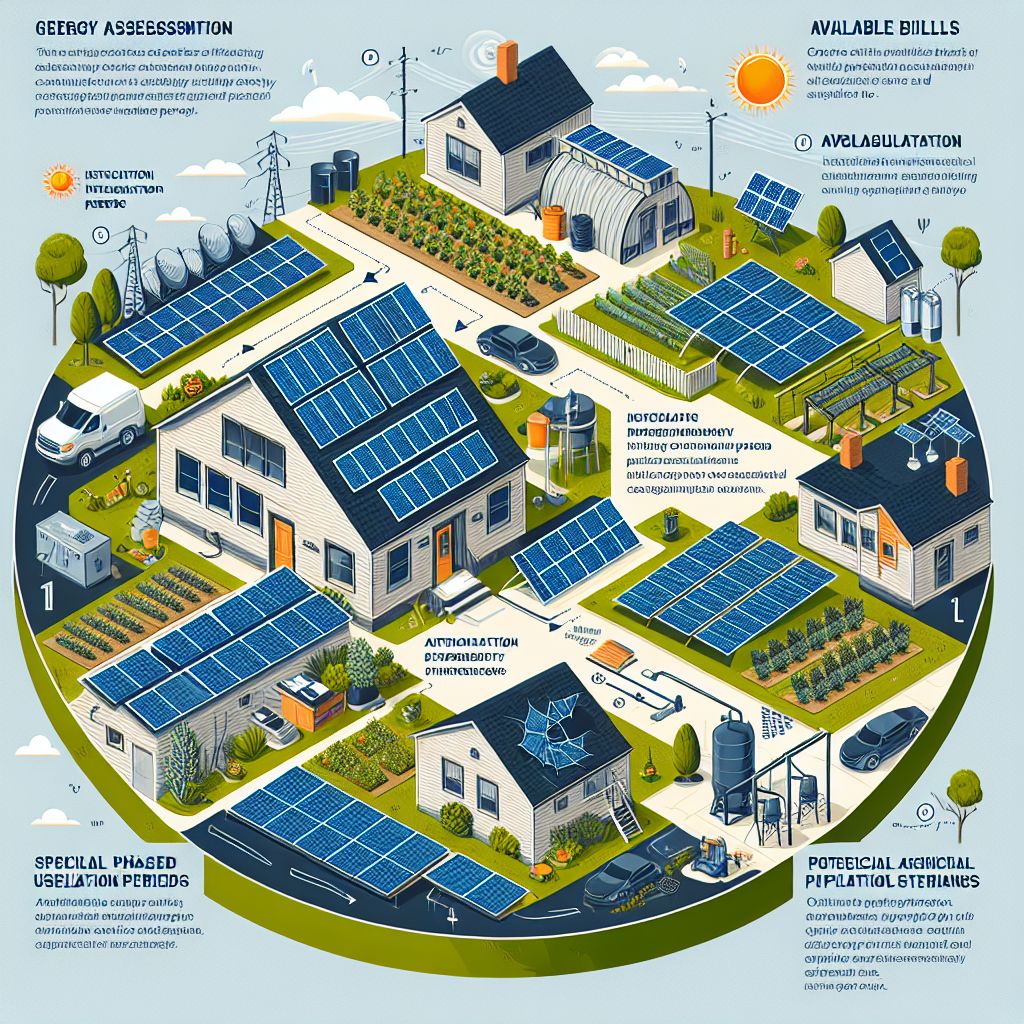
Implementing HPBC solar technology begins with a comprehensive energy assessment to identify your operation’s specific needs and opportunities. Start by gathering 12-24 months of utility bills to establish your consumption patterns and peak usage periods. Next, evaluate your available installation spaces including south-facing rooftops, ground areas unsuitable for cultivation, and potential elevated structures like carports or equipment shelters. With this information, consult with agricultural solar specialists who understand both HPBC technology and the unique requirements of farm operations. They can develop system designs that prioritize your most energy-intensive applications while creating phased implementation plans that align with your budget and operational priorities. Remember that financial incentives often have specific application windows and documentation requirements, so begin investigating these opportunities early in your planning process to maximize available benefits.
Frequently Asked Questions
Agricultural producers considering HPBC solar technology typically share common questions about implementation, performance, and financial considerations. The following responses address the most frequent inquiries based on actual farm installations and industry data.
Understanding these practical aspects helps farmers make informed decisions about incorporating solar technology into their operations, regardless of size or production focus.
How much do HPBC solar panels cost compared to traditional panels?
HPBC solar panels typically cost 10-15% more than conventional panels when comparing raw panel prices. For agricultural installations, this translates to approximately $0.15-0.25 more per watt at current market rates. However, this price differential is offset by several factors that actually improve overall economics. First, the higher efficiency means fewer panels are needed to generate the same amount of electricity, reducing balance-of-system costs including mounting hardware, wiring, and labor. Second, the superior performance in partial shading and low-light conditions increases total energy production by 20-30% over the system lifetime.
When calculating total return on investment, most agricultural operations find that HPBC systems reach payback 1-2 years faster than conventional panels despite the higher initial cost. This accelerated payback results from the combination of increased energy production, reduced installation costs for the same output, and improved performance longevity. For farms with limited installation space or high energy demands, the premium efficiency often makes HPBC panels the only viable option to achieve desired production levels.
Can HPBC solar panels work in cloudy or cold climates?
HPBC solar panels actually demonstrate superior performance in challenging weather conditions compared to conventional technology. Their heterojunction design captures more diffuse light during cloudy periods, typically generating 15-25% more electricity than standard panels under identical overcast conditions. This advantage makes HPBC technology particularly valuable for farms in the Pacific Northwest, Upper Midwest, and Northeast where cloudy days are common during growing seasons.
In cold climates, HPBC panels offer another significant advantage through their lower temperature coefficient—meaning they maintain higher efficiency as temperatures drop. While conventional panels lose approximately 0.4-0.5% efficiency for each degree above their rated temperature, HPBC panels typically lose only 0.25-0.3%. This characteristic not only improves winter performance but also enhances output during spring and fall when clear, cool days combine ideal solar conditions with minimal efficiency losses. Many northern dairy and livestock operations report 15-20% higher winter production from HPBC systems compared to similarly sized conventional installations.
What’s the average lifespan of an HPBC solar system on a farm?
HPBC solar panels installed in agricultural settings typically maintain productive operation for 25-30 years, with manufacturers generally providing 25-year performance warranties guaranteeing at least 87-90% of original output capacity at the warranty’s end. The back-contact design eliminates many common failure points found in conventional panels, while the heterojunction cell structure demonstrates superior resistance to microcracks and degradation from temperature fluctuations. Agricultural installations often benefit from these durability advantages given the dust, moisture, and temperature variations common in farm environments. Supporting components like inverters typically require replacement after 12-15 years, a maintenance cost that should be factored into long-term financial planning. With proper installation and occasional cleaning (typically once or twice annually), HPBC systems provide remarkably consistent performance throughout their multi-decade operational life.
Do I need battery storage with my HPBC solar system?
Battery storage requirements depend entirely on your specific operational needs and energy consumption patterns. For farms with primarily daytime energy demands that align with solar production hours—such as irrigation, cold storage cooling, and equipment operation—direct grid-tied systems without batteries often provide the most cost-effective solution. However, operations with critical evening or overnight power needs, vulnerable equipment requiring uninterrupted power, or facilities in areas with unreliable grid service may benefit substantially from incorporating battery storage. Modern agricultural battery systems typically provide 4-12 hours of critical load coverage, sufficient to bridge cloudy periods or evening operations. The economics of battery storage continue to improve as prices decline approximately 8-10% annually, making this option increasingly attractive for farms seeking greater energy independence.
Are there specific grants for farmers installing HPBC solar panels?
Yes, several programs specifically target agricultural renewable energy adoption. The USDA’s Rural Energy for America Program (REAP) provides both grants and guaranteed loans for farmers implementing solar systems, with grants covering up to 25% of project costs and loans potentially financing up to 75%. These funds can be combined with the 30% federal Investment Tax Credit, significantly reducing out-of-pocket expenses. Additionally, many states offer agriculture-specific incentives through departments of agriculture, energy, or economic development. These programs frequently provide higher reimbursement rates or dedicated funding pools for farm operations compared to residential or commercial installations. Working with grant writers familiar with agricultural energy programs can substantially increase success rates when applying for these competitive funds.
Beyond government programs, several agricultural organizations and sustainability-focused foundations offer grants specifically for renewable energy implementation on small to mid-sized farms. These programs often prioritize operations demonstrating innovative applications or educational components that benefit the broader agricultural community.
HPBC solar technology represents a tremendous opportunity for farms seeking to reduce operating costs while enhancing sustainability. From powering irrigation systems to providing climate control for livestock facilities, these advanced panels deliver superior performance across diverse agricultural applications.


Leave a Reply