
Key Takeaways
- Solar panels can cut farm electricity bills by up to 70%, allowing farmers to reinvest savings into their operations.
- Installing solar power systems can provide energy independence, reducing reliance on unpredictable grid energy prices.
- Government incentives and tax credits can significantly reduce the initial costs of solar panel installations.
- Solar energy reduces carbon footprints, contributing to environmental sustainability and helping combat climate change.
- Farmers can use excess land for solar installations, generating additional income through leasing and energy sales.
Solar Power’s Role in Enhancing Farm Independence
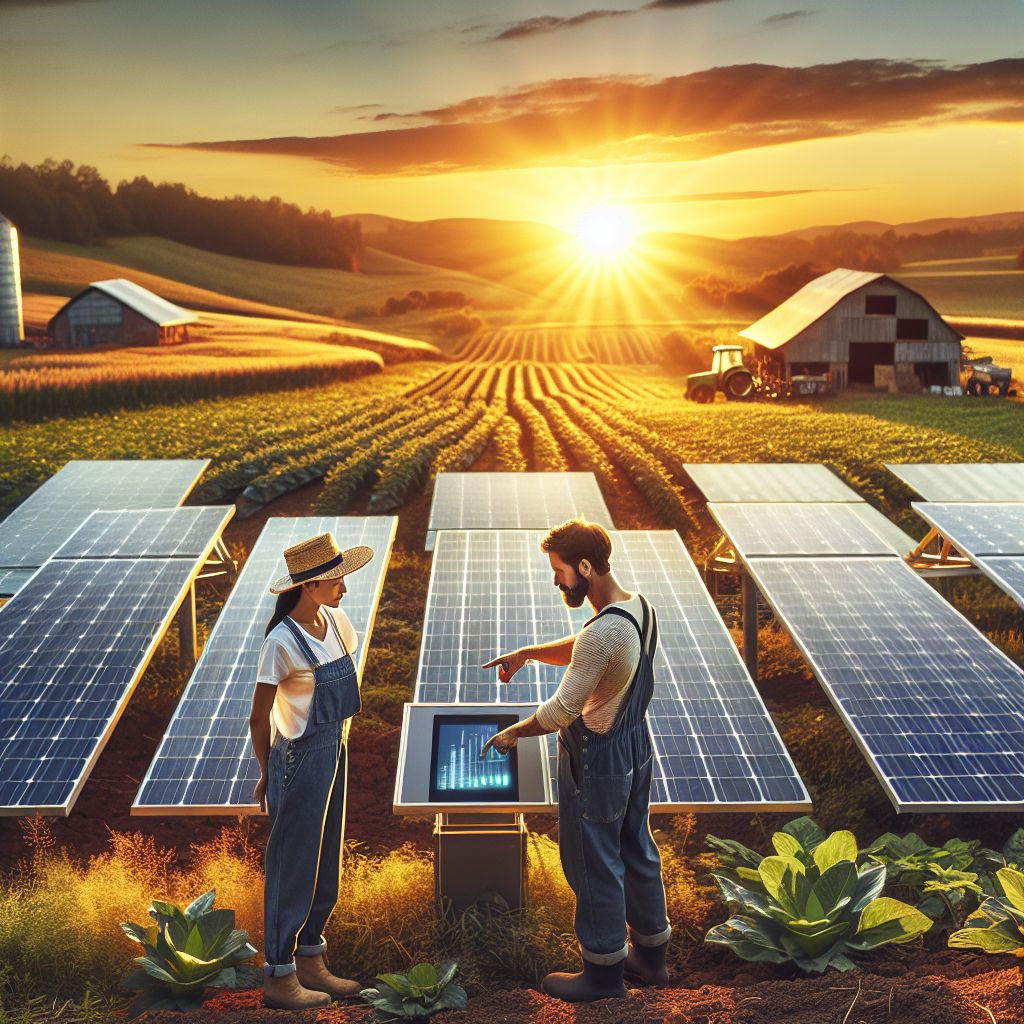
Solar power is revolutionizing the agricultural landscape, offering farmers a chance to gain energy independence and flexibility. With the increasing volatility of energy prices, solar energy provides a stable and renewable solution. Farmers can harness the power of the sun to meet their energy needs, reducing reliance on traditional electricity sources. This shift not only cuts costs but also positions farms as leaders in sustainable practices.
Introduction to Solar Energy Benefits for Farmers
Solar energy is not just a trend; it is a transformative force in agriculture. Farmers have unique energy needs, from powering irrigation systems to running refrigeration units. Solar panels can meet these demands efficiently. By converting sunlight into electricity, solar panels offer a renewable energy source that is both cost-effective and environmentally friendly.
For example, John, a farmer from California, installed solar panels on his farm. Within the first year, he saw a 60% reduction in his energy bills. This allowed him to invest more in farm equipment and expand his operations.
“Switching to solar was one of the best decisions I made for my farm. It gave me control over my energy costs and reduced my carbon footprint.” – John, California Farmer
How Solar Power Contributes to Farm Efficiency
Efficiency is key to any successful farm operation. Solar power enhances efficiency by providing a reliable energy source that can power various farm activities. Whether it’s running machinery or lighting barns, solar panels ensure that farmers have the energy they need when they need it. Moreover, solar systems can be customized to fit the specific layout and energy requirements of a farm, maximizing output and efficiency.
Besides that, integrating solar power reduces downtime caused by power outages. This reliability is crucial during peak farming seasons when every minute counts. By ensuring a constant energy supply, solar power enables farmers to maintain productivity and meet market demands.
You can Power Your Farms Operations Off the Grid: Independent of the Electric Grid
One of the most significant advantages of solar power is the ability to operate independently from the electric grid. This independence is especially beneficial for farms in remote locations where grid access is limited or unreliable. Solar panels, combined with battery storage systems, allow farmers to store excess energy for use during cloudy days or at night.
For instance, a dairy farm in Texas installed solar panels with battery storage. The farm now operates entirely off the grid, saving thousands of dollars annually on energy costs. This self-sufficiency has not only reduced expenses but also provided peace of mind, knowing that energy supply is secure and stable.
Reducing Energy Costs Through Solar Implementation
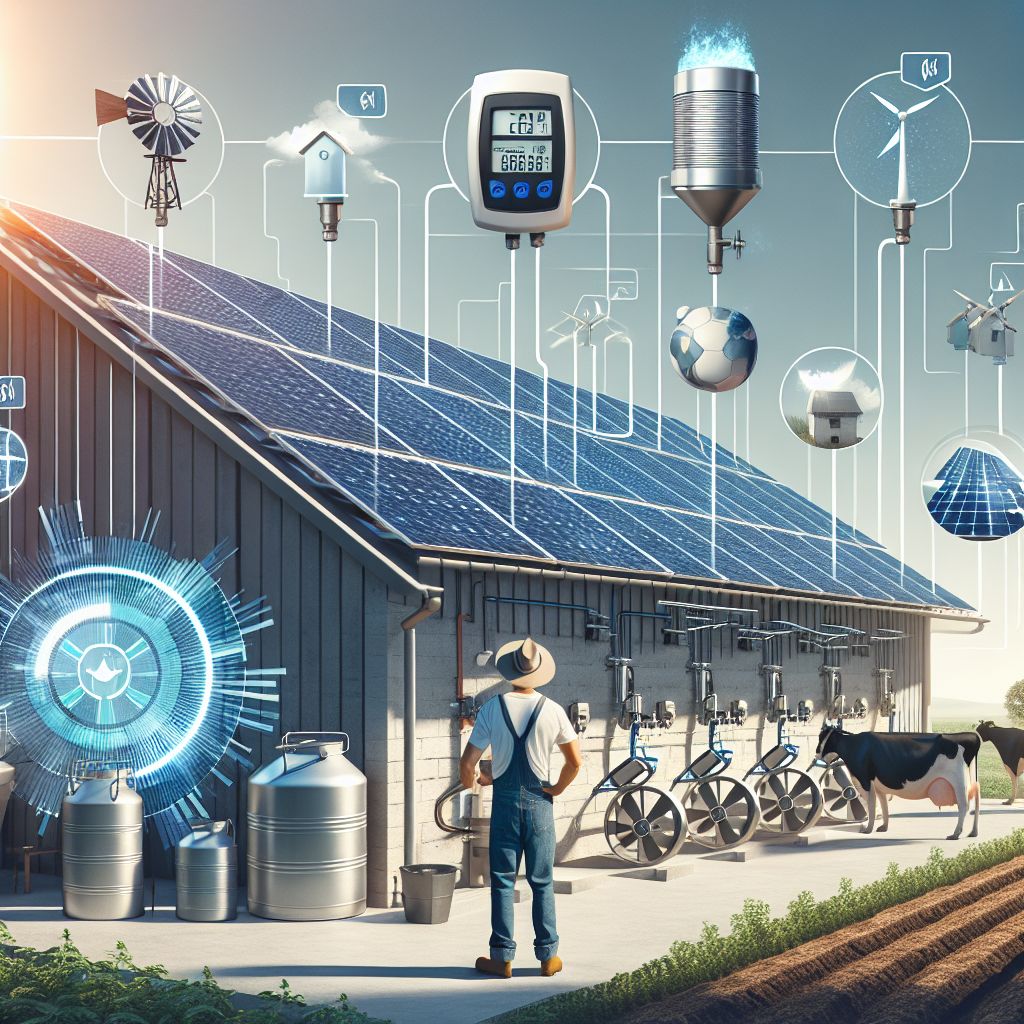
Reducing energy costs is a primary concern for farmers, and solar power provides an effective solution. By generating their own electricity, farmers can significantly lower their energy expenses, freeing up funds for other critical areas of their business. Let’s explore how solar implementation can achieve these savings.
Generates Electricity for Essential Farm Operations
Solar panels are designed to meet the energy needs of essential farm operations. They can power everything from irrigation systems and milking machines to cold storage and heating units. By generating electricity on-site, farmers can reduce or even eliminate their reliance on grid electricity, which can be costly and subject to price fluctuations.
Comparing Solar Energy Costs to Traditional Energy Sources
When comparing the costs of solar energy to traditional sources, the benefits become clear. Although the initial investment for solar panels can be high, the long-term savings are substantial. Traditional energy sources are subject to price hikes, while solar energy offers predictable costs once the system is installed.
Moreover, solar panels have a lifespan of 25-30 years, providing decades of free energy after the initial payback period. In contrast, relying on grid electricity means continuous payments with no end in sight. Therefore, solar power is not just a cost-saving measure but a wise financial investment.
Net Metering and Selling Excess Energy
Net metering is a system that allows farmers to sell excess energy generated by their solar panels back to the grid. This process not only offsets energy costs but can also generate additional income. In regions where net metering is available, farmers receive credits for the surplus energy they contribute, further enhancing the financial benefits of solar power.
For example, a farm in Vermont installed a solar array and began participating in the local net metering program. The farm now receives monthly credits on its energy bill, which has significantly reduced overall expenses.
Environmental Benefits of Solar Power on Farms
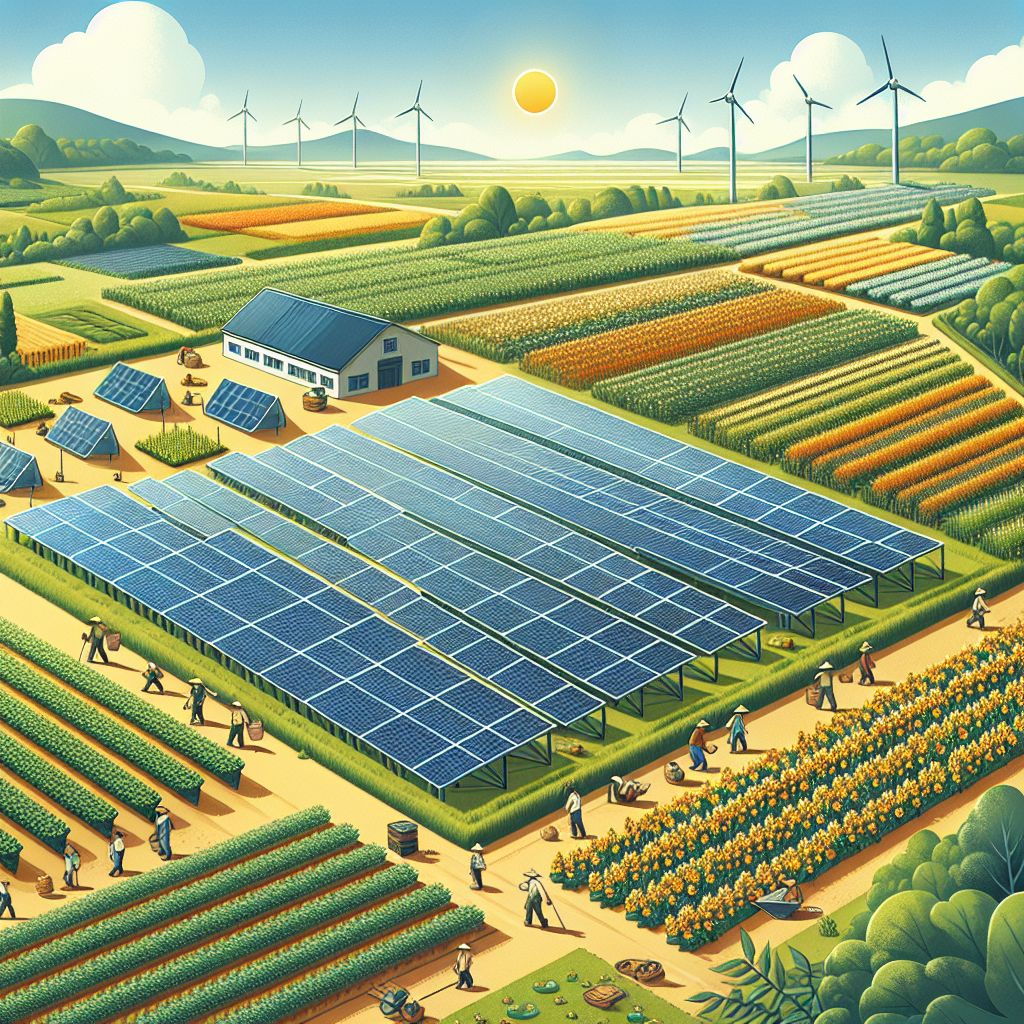
Solar power doesn’t just cut costs; it also offers significant environmental benefits. By switching to solar, farmers can reduce their carbon footprint, contribute to local ecosystem protection, and play a vital role in combating climate change. Let’s dive into how solar energy positively impacts the environment.
Decreasing Farm Carbon Footprint
Reducing carbon emissions is crucial in the fight against climate change, and solar power is a powerful tool in this battle. By using solar panels, farmers can significantly lower their reliance on fossil fuels, which are major contributors to greenhouse gas emissions. This shift not only benefits the environment but also aligns farms with global sustainability goals.
- Solar panels produce clean energy without emitting harmful pollutants.
- Farms can reduce their carbon emissions by up to 80% by switching to solar.
- Utilizing renewable energy sources helps preserve natural resources for future generations.
By decreasing their carbon footprint, farmers contribute to a healthier planet and set an example for sustainable agricultural practices.
Protecting Local Ecosystems and Resources
Solar power installations can also protect local ecosystems and conserve resources. Traditional energy production often involves resource-intensive processes that can harm the environment. In contrast, solar panels require minimal water usage and have a low impact on local wildlife.
Moreover, solar farms can coexist with agricultural activities, allowing farmers to maintain biodiversity and support native species. By choosing solar energy, farmers demonstrate a commitment to preserving the natural beauty and health of their land.
Role in Combating Climate Change
Climate change poses a significant threat to agriculture, with extreme weather events and shifting growing conditions affecting crop yields. Solar power offers a proactive solution by reducing greenhouse gas emissions and promoting sustainable practices.
Farmers who adopt solar energy contribute to global efforts to mitigate climate change. By generating clean energy, they help reduce the reliance on fossil fuels, which are a primary driver of climate change. This commitment to sustainability not only benefits the environment but also ensures a more stable future for agriculture.
Increasing Flexibility and Generating Additional Income
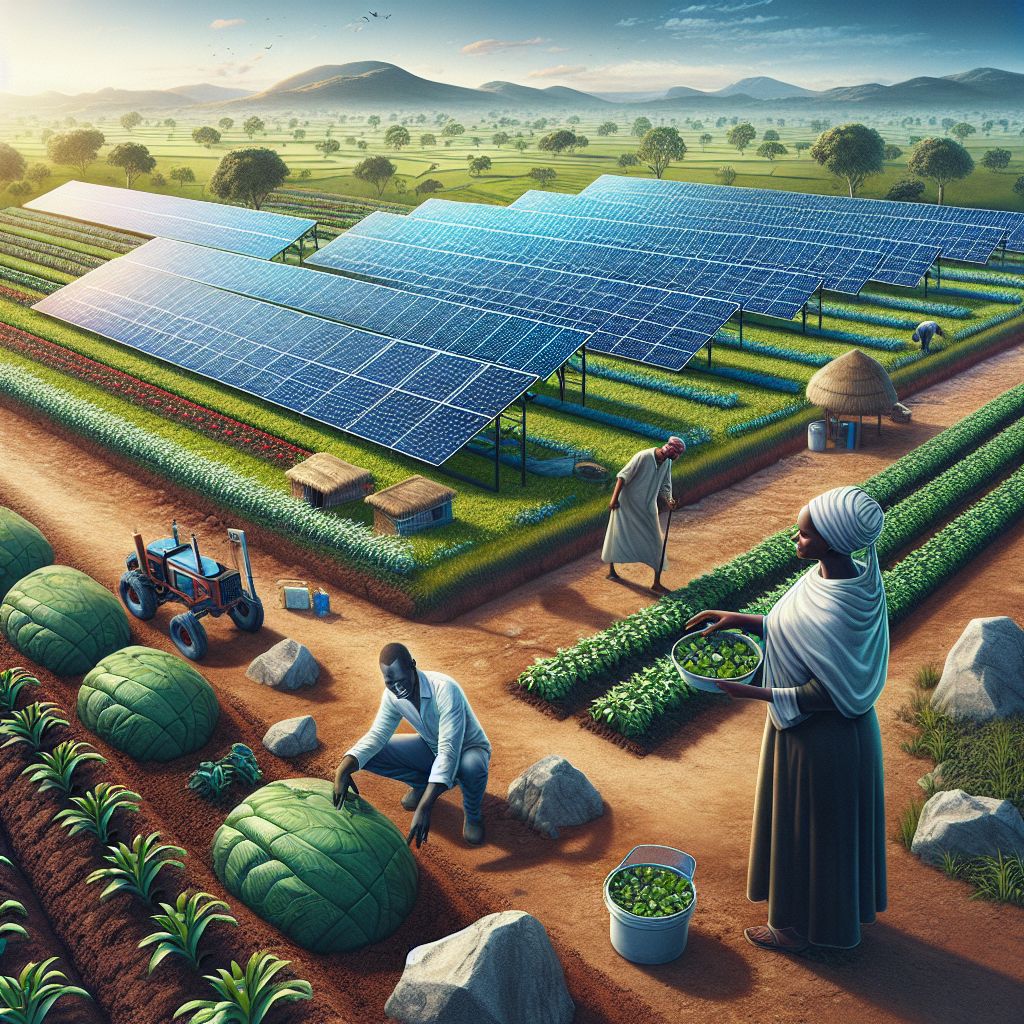
Beyond energy savings and environmental benefits, solar power offers farmers the opportunity to increase flexibility and generate additional income. By utilizing unused land and exploring dual-use strategies, farmers can enhance their financial stability and resilience.
Utilizing Unused Land for Solar Installations
Many farms have areas of land that are not suitable for cultivation. These unused spaces can be transformed into solar farms, providing a new revenue stream for farmers. By installing solar panels on these lands, farmers can generate electricity for their operations or sell it back to the grid.
This strategy not only maximizes land use but also diversifies income sources, reducing reliance on traditional agricultural outputs.
Leasing Land for Solar Energy Production
Farmers can also lease their land to solar energy companies, creating a passive income source. This arrangement allows farmers to benefit from solar energy production without the need for upfront investment in solar panels.
Leasing agreements typically provide farmers with a steady income stream, which can be particularly beneficial during years of poor crop yields. By leasing land for solar production, farmers can secure financial stability while contributing to renewable energy initiatives.
Enhancing Income Stability with Dual Use of Land
Dual-use strategies allow farmers to combine traditional agriculture with solar energy production. For instance, agrivoltaics involves growing crops under solar panels, optimizing land use and creating a symbiotic relationship between agriculture and energy production.
By adopting dual-use practices, farmers can enhance income stability and improve land efficiency. This approach not only supports sustainable farming but also ensures that farmers can adapt to changing economic and environmental conditions.
Implementing Solar Power on the Farm
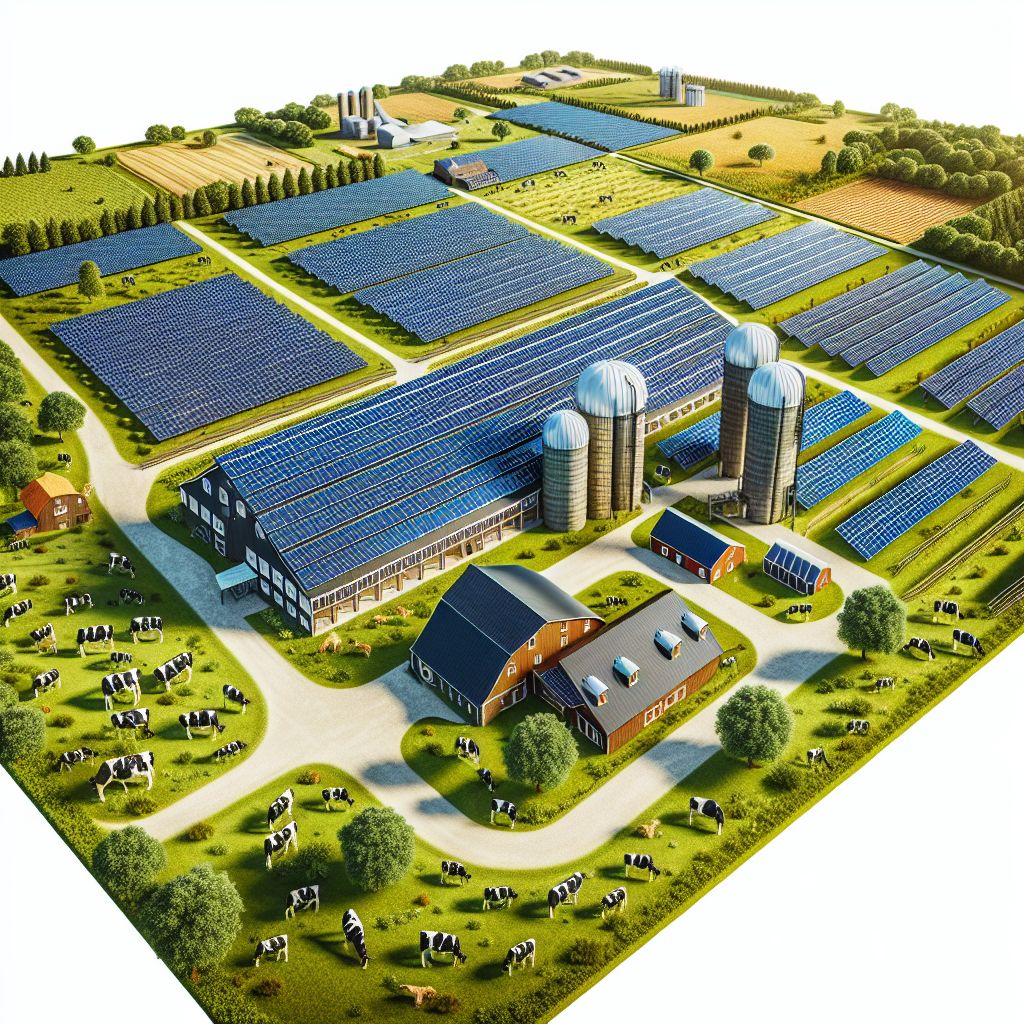
Implementing solar power on a farm requires careful planning and consideration. By following a structured approach, farmers can successfully transition to solar energy and reap the benefits of reduced costs and increased independence.
Steps to Assess Farm Energy Needs
Before installing solar panels, it’s essential to assess the farm’s energy needs. This involves evaluating current energy usage and identifying areas where solar power can be most effective.
- Conduct an energy audit to determine current consumption levels.
- Identify key areas where solar energy can replace traditional power sources.
- Consider future energy needs and potential expansion plans.
By understanding their energy requirements, farmers can design a solar system that meets their specific needs and maximizes efficiency.
Determining Appropriate Solar System Size
Once energy needs are assessed, the next step is to determine the appropriate size of the solar system. This involves calculating the number of solar panels required to meet energy demands and selecting suitable equipment.
Example: A small dairy farm in Wisconsin conducted an energy audit and determined that a 50 kW solar system would cover 80% of its energy needs. The farm installed 200 solar panels, reducing its annual energy costs by $15,000.
By carefully sizing the solar system, farmers can ensure they achieve optimal energy production and cost savings.
Exploring Financing and Incentive Options
One of the biggest concerns for farmers considering solar power is the initial cost. Fortunately, there are numerous financing options and incentives available to help offset these expenses. Governments and energy companies often offer grants, loans, and tax credits to encourage the adoption of renewable energy. By taking advantage of these programs, farmers can significantly reduce their upfront investment in solar technology.
For instance, the U.S. federal government provides the Investment Tax Credit (ITC), which covers 26% of the cost of installing solar panels. Additionally, many states offer rebates and incentives, further lowering the financial barrier to entry. Farmers should research local and national programs to maximize their savings and ensure a smooth transition to solar energy.
Understanding the Installation Process
Installing solar panels on a farm involves several steps, from planning and permitting to installation and maintenance. By understanding the process, farmers can ensure a successful implementation and avoid potential pitfalls.
First, it’s essential to choose a reputable solar provider who can guide you through the installation process. This includes site assessments, system design, and obtaining necessary permits. Once the panels are installed, regular maintenance is crucial to ensure optimal performance. This includes cleaning the panels and checking for any issues that could affect energy production.
This below table discusses how Solar Power Increases Farmer Independence & Flexibility
|
Benefit/Aspect |
How Solar Power Increases Farmer Independence & Flexibility |
Source(s) |
|---|---|---|
|
Energy Independence |
Farmers generate their own electricity on-site, reducing reliance on external energy suppliers and the grid. This is especially valuable in rural or off-grid areas. | |
|
Protection from Energy Price Fluctuations |
Solar power shields farmers from rising and volatile electricity or fuel prices, providing stable, predictable energy costs. | |
|
Reliable Power Supply |
Solar systems, especially when paired with battery storage, ensure a consistent supply of electricity, protecting farm operations from grid outages or disruptions. | |
|
Operational Flexibility |
Solar can power diverse farm operations (irrigation, processing, livestock, lighting, etc.), enabling farmers to adapt to changing needs and expand activities. | |
|
Use of Marginal Land |
Panels can be installed on unused or less productive land, turning it into a revenue-generating asset and allowing dual land use for both energy and agriculture. | |
|
Additional Revenue Streams |
Farmers can sell excess electricity back to the grid (net metering), creating new income sources and further reducing financial risk. | |
|
Lower Operating Costs |
Solar systems have minimal maintenance and no ongoing fuel costs, reducing long-term operational expenses and increasing financial independence. | |
|
Environmental Sustainability |
Solar energy reduces carbon emissions and reliance on fossil fuels, aligning with sustainable farming practices and potentially accessing green incentives. | |
|
Resilience and Security |
Farms are less vulnerable to external supply disruptions, blackouts, or infrastructure failures, ensuring critical operations continue uninterrupted. | |
|
Eligibility for Incentives |
Many governments offer tax credits, rebates, and grants for solar adoption, making it easier for farmers to invest and further increasing financial flexibility. |
This table summarizes how solar power enhances farmer independence and flexibility by providing self-sufficiency, cost stability, operational adaptability, and new economic opportunities.
Real-Life Examples of Solar Power Transforming Farms
Across the globe, farmers are embracing solar power and experiencing transformative benefits. These real-life examples demonstrate the potential of solar energy to revolutionize agricultural operations.
Case Studies: Successful Solar Integration
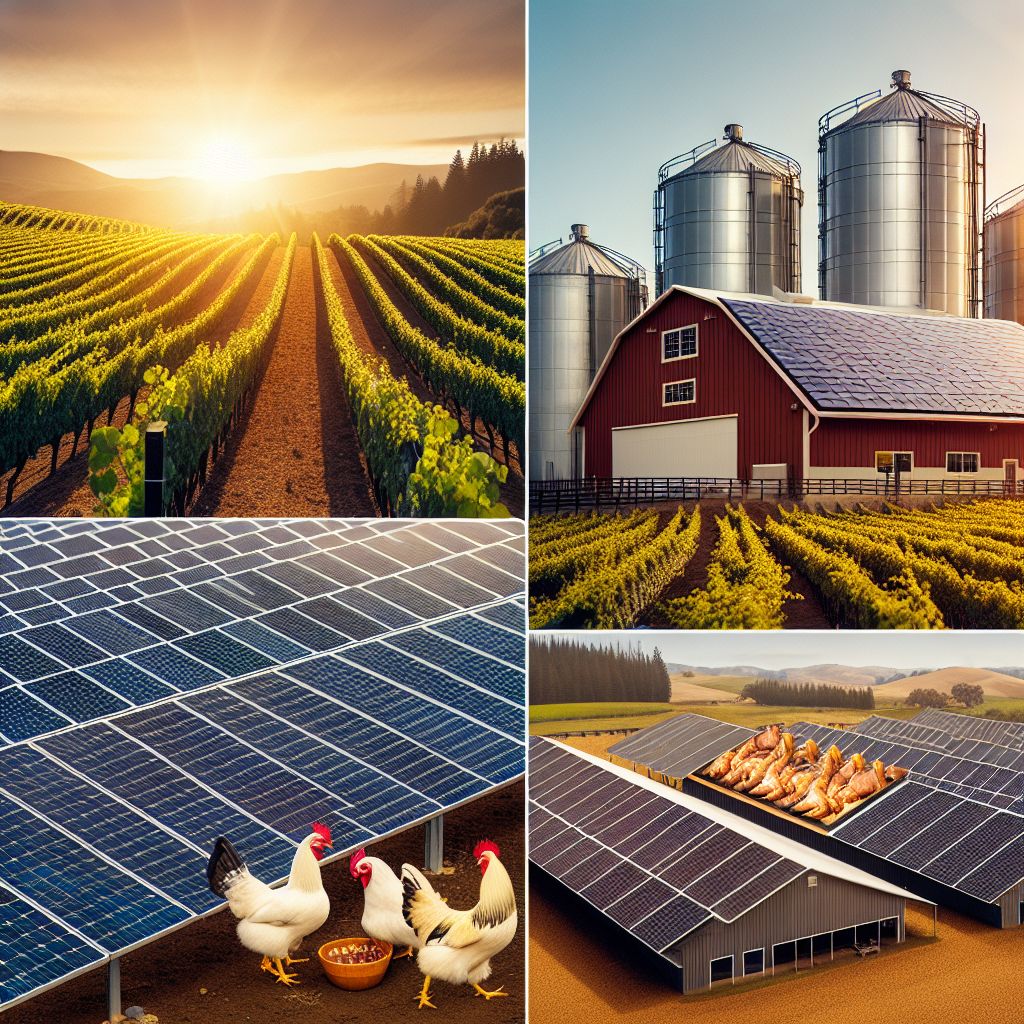
Consider a vineyard in Napa Valley, California, that installed a 100 kW solar system. This installation now covers 90% of the vineyard’s energy needs, saving the business over $30,000 annually in electricity costs. The vineyard also participates in a net metering program, earning additional income from excess energy production.
Another example is a poultry farm in Georgia, which installed solar panels to power its barns and processing facilities. The farm reduced its energy bills by 75% and improved its sustainability credentials, attracting environmentally conscious customers.
“Our solar panels have not only cut our costs but have also made our farm more attractive to eco-friendly consumers. It’s a win-win for us.” – Poultry Farmer, Georgia
These examples highlight the diverse applications of solar energy in agriculture and the significant benefits it can provide.
Lessons Learned from Early Adopters
Farmers who have successfully integrated solar power into their operations offer valuable insights for those considering the transition. Key lessons include the importance of thorough planning, selecting the right solar provider, and taking advantage of available incentives.
Example: A farmer in Iowa emphasized the need for a detailed energy audit before installation. This assessment helped determine the optimal system size and configuration, ensuring maximum efficiency and cost savings.
Additionally, early adopters stress the importance of regular maintenance to keep solar systems running efficiently. By learning from these experiences, new adopters can avoid common challenges and achieve successful solar integration.
With careful planning and execution, solar power can become a cornerstone of sustainable farming practices.
Conclusion
Solar power offers a compelling solution for farmers seeking to enhance independence, flexibility, and sustainability. By reducing energy costs, generating additional income, and decreasing environmental impact, solar panels provide a multifaceted benefit to agricultural operations. As energy prices continue to rise and environmental concerns grow, solar power presents a viable and attractive option for the future of farming.
Is Increasing the Farmers Independence & Flexibility with Solar Power Worth its Investment?
Investing in solar power is a strategic decision that can transform a farm’s operations and financial outlook. While the initial costs may seem daunting, the long-term benefits in terms of cost savings, energy independence, and environmental stewardship make it a worthwhile investment. By leveraging available incentives and learning from successful case studies, farmers can confidently transition to solar energy and reap the rewards for years to come.
Frequently Asked Questions
Farmers considering solar power often have several questions. Here are some common inquiries and answers to help guide your decision-making process.
What are the initial costs of installing solar panels on a farm?
The initial costs of installing solar panels can vary widely depending on the size of the system and specific energy needs. On average, a farm might spend between $20,000 to $100,000. However, government incentives and tax credits can significantly reduce these costs.
How long does it take for a farm to see financial benefits from solar power?
Most farms see a return on investment within 5 to 10 years. This timeline depends on factors such as energy consumption, system size, and available incentives. After the payback period, the farm enjoys free energy for the remainder of the system’s lifespan, typically 25-30 years.
Are there government incentives for installing solar power on farms?
Yes, many government programs offer incentives for solar installations. These include the federal Investment Tax Credit, state rebates, and grants. Farmers should explore these options to maximize their financial savings.
What maintenance is required for solar panels on farms?
Solar panels require minimal maintenance, primarily involving regular cleaning and occasional inspections. Ensuring panels are free from debris and dirt helps maintain efficiency. Most solar providers offer maintenance packages to assist with these tasks.
By embracing solar power, farmers can secure their energy future, improve their bottom line, and contribute to a more sustainable agricultural sector for generations to come. The future of farming is bright, and solar energy is lighting the way forward.


Leave a Reply