

Key Takeaways
Dual-axis solar trackers can increase energy production by up to 40% compared to fixed panels.
These trackers optimize the use of available space, making them ideal for farms with limited land.
Despite higher initial costs, dual-axis trackers provide significant long-term cost savings.
They are highly adaptable to challenging terrains, such as uneven or rocky ground.
Sun path tracing technology ensures maximum energy capture throughout the day and year.
Introduction to Dual-Axis Solar Trackers
In the realm of sustainable agriculture, technology plays a crucial role in boosting efficiency and productivity. One such technological marvel is the dual-axis solar tracker. This system significantly enhances the energy output of solar panels by allowing them to follow the sun’s path accurately throughout the day. For farmers looking to maximize their energy production and reduce costs, dual-axis solar trackers present a compelling solution.
What Are Dual-Axis Solar Trackers?
Dual-axis solar trackers are advanced systems designed to optimize the angle of solar panels in two axes—north-south and east-west. This means that the panels can move in multiple directions to follow the sun’s trajectory more precisely than single-axis trackers or fixed panels.
North-South Axis: Adjusts the tilt of the panels according to the seasonal changes in the sun’s position.
East-West Axis: Allows the panels to follow the sun from sunrise to sunset.
This dual movement capability ensures that the panels are always positioned to capture the maximum amount of sunlight, thereby increasing energy production.
Why Farmers Should Consider Dual-Axis Trackers
Farmers have unique energy needs and challenges. From powering irrigation systems to running machinery, the demand for reliable and efficient energy is ever-present. Dual-axis solar trackers offer several advantages that make them particularly suited for agricultural applications.
First, the increased energy efficiency translates to more power for farm operations, reducing dependency on external energy sources. Second, the ability to maximize energy production in limited spaces is a significant benefit for farms with constrained land availability. Lastly, the adaptability of these systems to different terrains ensures that they can be installed in various agricultural settings.
Sun Path Tracing Technology
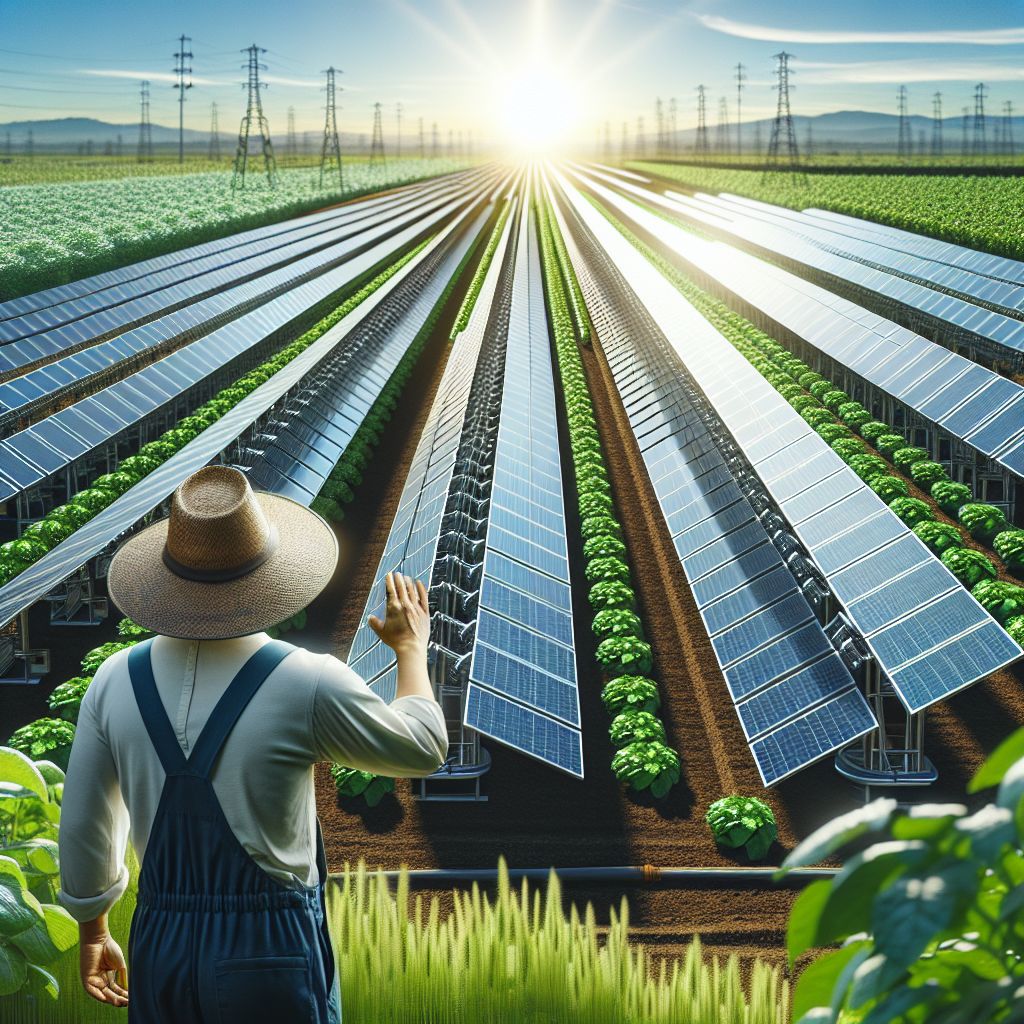
The core of dual-axis solar trackers’ efficiency lies in sun path tracing technology. This technology involves sophisticated algorithms and sensors that continuously monitor the sun’s position and adjust the panels accordingly. The result is optimal alignment with the sun’s rays, maximizing energy capture throughout the day and across seasons.
Benefits of Dual-Axis Solar Trackers for Farmers
Understanding the specific benefits of dual-axis solar trackers can help farmers make informed decisions about integrating this technology into their operations. Let’s explore these benefits in detail.
Increase in Energy Efficiency
One of the most significant advantages of dual-axis solar trackers is their ability to increase energy efficiency. By following the sun’s path accurately, these trackers ensure that solar panels are always positioned to capture the maximum amount of sunlight. This results in a substantial boost in energy production.
For instance, studies have shown that dual-axis solar trackers can increase energy output by up to 40% compared to fixed panels. This increase in efficiency can make a significant difference in meeting the energy demands of a farm.
Greater Energy Production Over Fixed Panels
Fixed solar panels are limited by their inability to move, which means they can only capture sunlight effectively during certain times of the day. In contrast, dual-axis solar trackers adjust the panels’ position continuously, ensuring optimal exposure to sunlight from dawn to dusk. Learn more about solar panels for farms and how they can reduce carbon footprint and promote environmental sustainability.
Therefore, dual-axis trackers not only produce more energy but also provide a more consistent energy supply throughout the day. This consistency is crucial for farm operations that require a steady energy source.
Optimal Use of Available Space
Space is often a limiting factor for many farms. Dual-axis solar trackers make efficient use of available land by maximizing the energy output from a given area. This is particularly beneficial for small farms or those with limited land for solar installations.
By producing more energy per square meter, dual-axis trackers allow farmers to meet their energy needs without sacrificing valuable land that could be used for crops or livestock.
Here’s a table comparing solar trackers: No trackers vs. Single-axis trackers vs. Dual-axis trackers, with sources cited for each comparison:
|
Feature |
No Trackers (Fixed) |
Single-Axis Trackers |
Dual-Axis Trackers |
|---|---|---|---|
|
Energy Output Increase |
Baseline | ||
|
Cost |
Lowest | ||
|
Complexity |
Simplest |
Moderate |
Most complex 1 |
|
Maintenance |
Minimal |
Low to moderate 5 | |
|
Space Efficiency |
Lowest |
Moderate |
Highest 3 |
|
Reliability |
Highest |
High (>99% uptime) 2 |
Moderate to high 2 |
|
Typical Application |
Residential, commercial |
Utility-scale projects 4 |
Commercial and industrial 2 |
|
Tracking Capability |
None |
East to West 1 |
East to West and North to South 1 |

Sun Path Tracing Technology Explained
Sun path tracing technology is the heart of dual-axis solar trackers. This technology ensures that the solar panels are always aligned with the sun, capturing the maximum possible energy. By understanding how this technology works, farmers can better appreciate the value it brings to their operations.
How Sun Path Tracing Works
Sun path tracing involves the use of sophisticated algorithms and sensors that track the sun’s movement across the sky. These sensors detect the sun’s position and send signals to motors that adjust the solar panels’ angle accordingly. This continuous adjustment ensures that the panels are always facing the sun directly, maximizing energy absorption.
Besides that, the system takes into account seasonal variations in the sun’s path. During winter, for example, the sun’s trajectory is lower in the sky compared to summer. The sun path tracing technology adjusts the panels’ tilt to match these seasonal changes, ensuring optimal energy capture throughout the year.
Advantages of Accurate Sun Path Tracing
The primary advantage of accurate sun path tracing is the significant increase in energy production. By continuously aligning the panels with the sun, dual-axis trackers can capture more sunlight than fixed panels or even single-axis trackers.
Moreover, this technology reduces the shading effect, which can significantly impact the efficiency of solar panels. By adjusting the panels’ angle, sun path tracing minimizes the shadows cast by nearby objects, ensuring that the panels receive unobstructed sunlight.
Impact on Energy Production
The impact of sun path tracing on energy production is profound. Studies have shown that dual-axis solar trackers can increase energy output by up to 40% compared to fixed panels. This boost in energy production can make a significant difference for farmers, providing them with a reliable and consistent energy source for their operations.
For example, a farmer in California installed dual-axis solar trackers on his farm and saw a 35% increase in energy production. This additional energy allowed him to power more irrigation systems, reducing his reliance on external energy sources and lowering his overall energy costs.
Case Studies and Success Stories
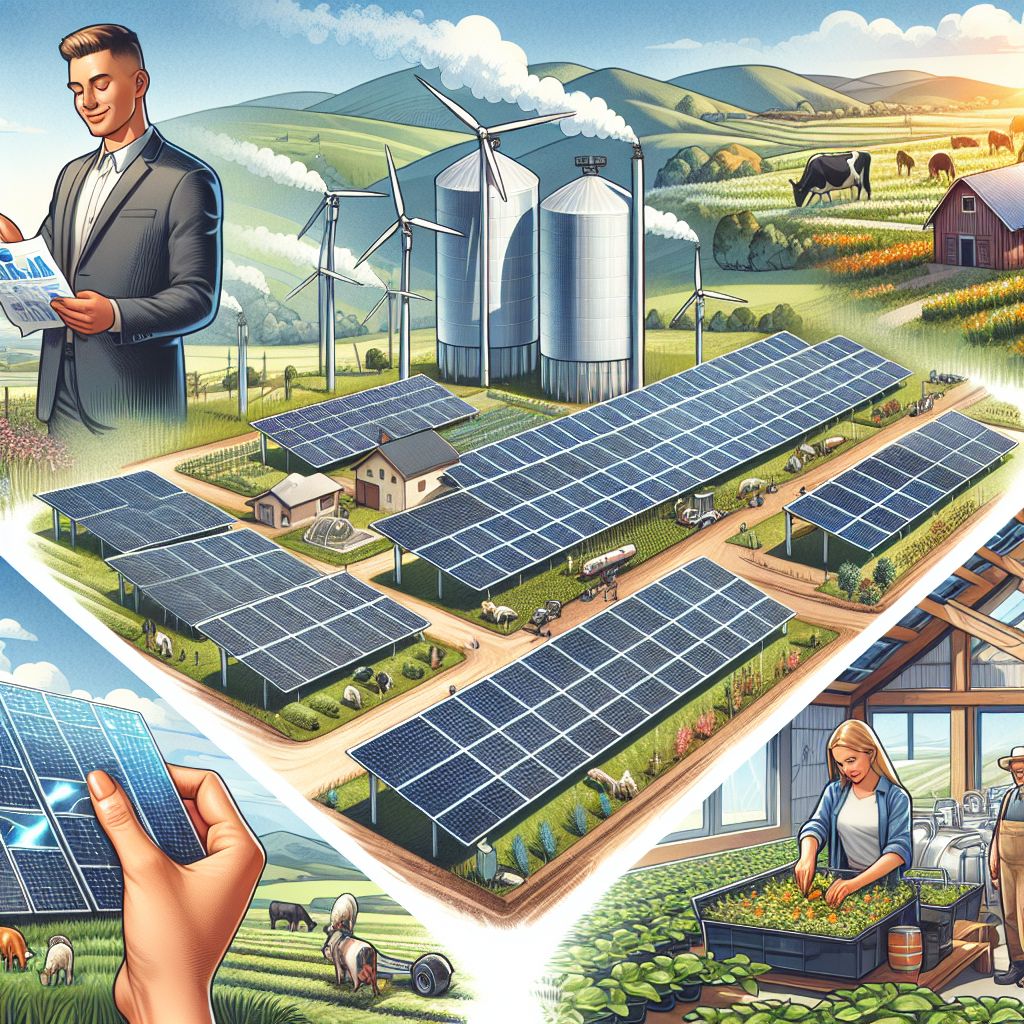
Real-world examples and success stories provide valuable insights into the benefits of dual-axis solar trackers. By examining these cases, farmers can learn from the experiences of others and make informed decisions about implementing this technology on their farms.
Farmers Who Have Benefited
Many farmers have successfully integrated dual-axis solar trackers into their operations, reaping the benefits of increased energy production and cost savings. For instance, John, a farmer in Texas, installed dual-axis trackers on his farm and saw a significant reduction in his energy bills.
“The dual-axis trackers have been a game-changer for my farm. Not only have they increased my energy production, but they’ve also reduced my reliance on external energy sources, saving me money in the long run.” – John, Texas Farmer
Similarly, Maria, a farmer in Spain, used dual-axis trackers to power her greenhouse operations. The increased energy production allowed her to maintain optimal growing conditions for her crops, resulting in higher yields and better quality produce.
Real-World Examples
In addition to individual success stories, several large-scale agricultural projects have benefited from dual-axis solar trackers. For example, a cooperative of farmers in Italy installed dual-axis trackers on their shared land. The increased energy production allowed them to power their irrigation systems and processing facilities, reducing their overall energy costs and increasing their profitability.
Another example is a dairy farm in New Zealand that installed dual-axis trackers to power its milking operations. The additional energy provided by the trackers allowed the farm to expand its operations and increase its milk production, resulting in higher revenues. Learn more about solar panels powering farm operations.
Lessons Learned and Best Practices
From these case studies and success stories, several lessons and best practices emerge. First, it’s essential to conduct a thorough site assessment before installing dual-axis solar trackers. This assessment should consider factors such as the available space, the sun’s path, and any potential shading from nearby objects. For more information on the benefits and uses of solar panels in farm operations, check out this comprehensive guide.
Second, proper maintenance is crucial to ensure the longevity and efficiency of the trackers. Regular inspections and cleaning can prevent issues such as dirt buildup on the panels and mechanical failures in the tracking system.
Lastly, working with experienced installers and suppliers can make a significant difference. These professionals can provide valuable guidance and support throughout the installation process, ensuring that the system is set up correctly and operates efficiently.
Now that we can Track the Sun What Solar Panels can we Use to Soak in the Sun’s Rays
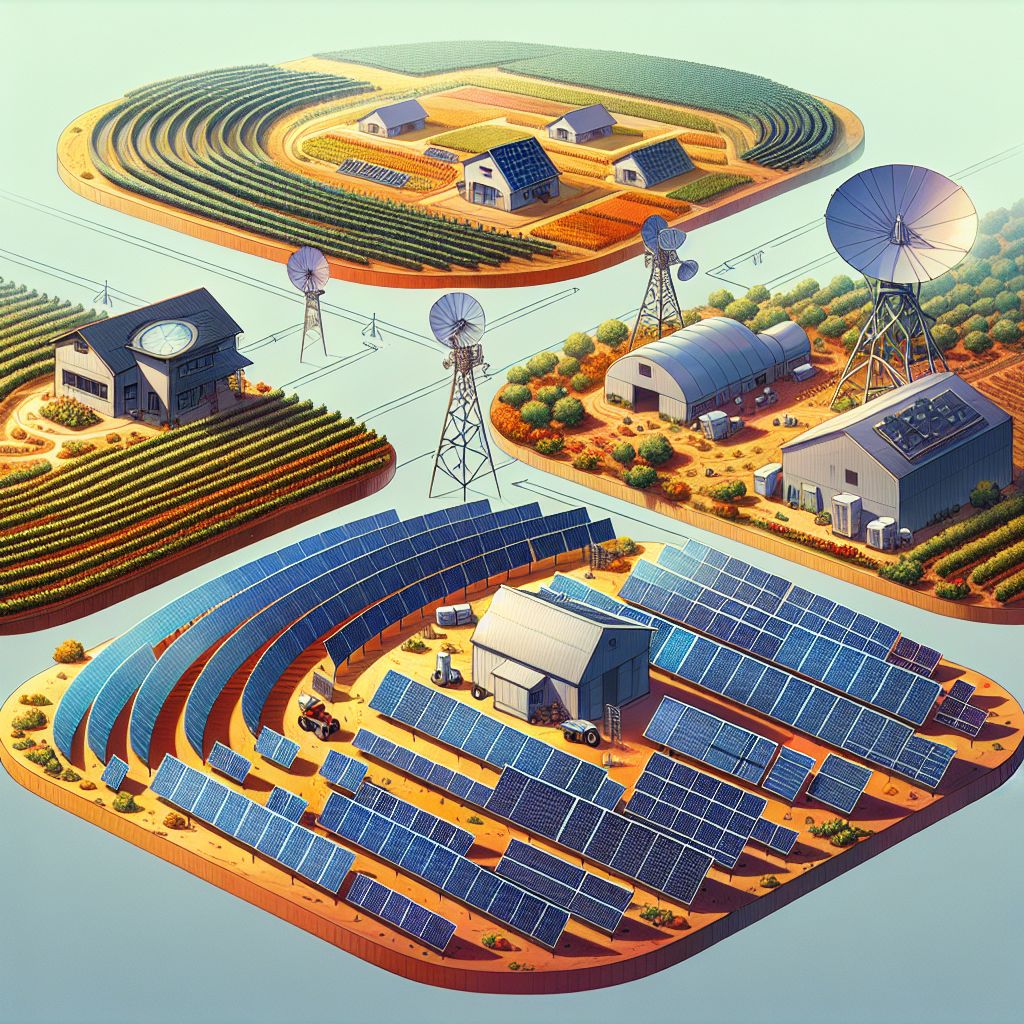
With the ability to track the sun accurately, choosing the right type of solar panels is crucial to maximize energy production. Different types of solar panels offer various advantages and are suited to different needs and conditions.
Let’s explore the three main types of solar panels: monocrystalline, polycrystalline, and thin-film.
Monocrystalline Solar Panels: High Efficiency in Limited Spaces
Monocrystalline solar panels are known for their high efficiency and durability. They are made from single-crystal silicon, which allows them to convert sunlight into electricity more effectively than other types of panels. This high efficiency makes them an excellent choice for farms with limited space. Learn more about how solar panels can reduce carbon footprint and promote environmental sustainability.
For example, a small farm in Japan installed monocrystalline panels on their dual-axis trackers. The combination of high-efficiency panels and accurate sun tracking resulted in a substantial increase in energy production, allowing the farm to power its operations with minimal land use.
Polycrystalline Solar Panels: Cost-Effective Energy Solution
Polycrystalline solar panels are made from multiple silicon crystals, making them less efficient than monocrystalline panels but more affordable. These panels are a cost-effective solution for farmers looking to balance efficiency and budget.
For instance, a medium-sized farm in India opted for polycrystalline panels on their dual-axis trackers. The lower cost of the panels allowed the farm to invest in more trackers, increasing their overall energy production and providing a reliable energy source for their operations.
Thin-Film Solar Panels: Flexibility and Versatility
Thin-film solar panels are made from a variety of materials, including amorphous silicon, cadmium telluride, and copper indium gallium selenide. These panels are known for their flexibility and lightweight properties, making them suitable for a wide range of applications.
One of the key advantages of thin-film panels is their ability to perform well in low-light conditions. This makes them an excellent choice for farms located in areas with frequent cloud cover or shading. Additionally, their flexibility allows them to be installed on curved or irregular surfaces, providing more installation options.
For example, a vineyard in France installed thin-film panels on their dual-axis trackers. The panels’ ability to capture energy in low-light conditions, combined with the trackers’ sun path tracing technology, resulted in a consistent and reliable energy source for the vineyard’s operations.
Here’s a table comparing solar panel types you can use with a dual-axis trackers system on a farm:
|
Solar Panel Type |
Efficiency |
Cost per Watt |
Pros |
Cons |
|---|---|---|---|---|
|
Monocrystalline |
15-22% |
$1.00 – $1.50 |
– Highest efficiency. 1, 3 |
– Most expensive option. 1, 3 |
|
Polycrystalline |
13-17% |
$0.90 – $1.20 |
– Lower cost than monocrystalline. 1, 3 |
– Slightly lower efficiency. 1, 3 |
|
Thin-Film |
10-13% |
$0.70 – $1.00 |
– Lowest cost. 1, 3 |
– Lowest efficiency. 1, 3 |
Conclusion
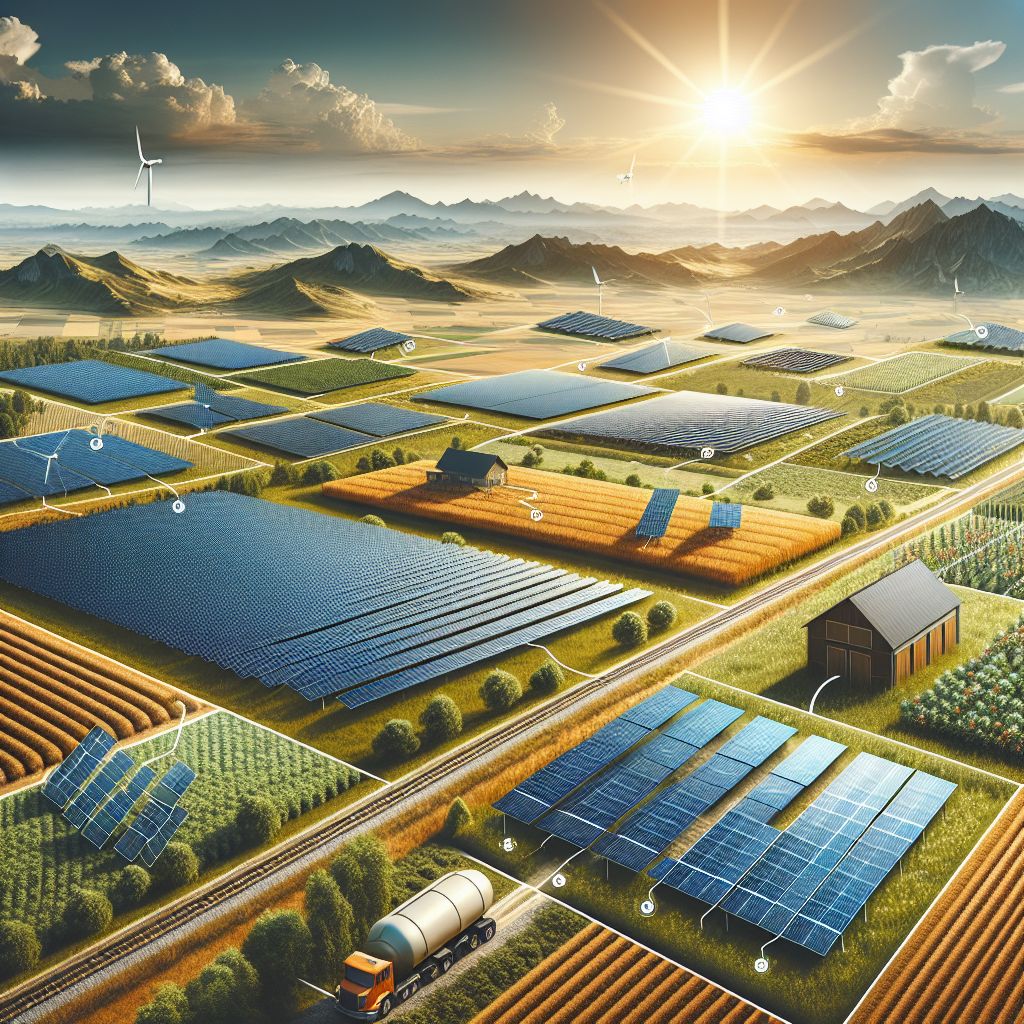
Dual-axis solar trackers offer numerous benefits for farmers, from increased energy efficiency to optimal use of available space. By accurately following the sun’s path, these trackers maximize energy production, providing a reliable and cost-effective energy source for agricultural operations. For a comprehensive overview, you can read more about the dual-axis solar tracker market.
While the initial investment in dual-axis trackers may be higher than fixed panels, the long-term cost savings and increased energy production make them a worthwhile investment for many farmers. Additionally, their adaptability to challenging terrains and ability to perform well in various conditions ensure that they can be successfully implemented in diverse agricultural settings.
The Future of Farming with Solar Technology
The future of farming is undoubtedly intertwined with sustainable energy solutions. As technology continues to advance, solar energy systems like dual-axis trackers will play an increasingly vital role in agricultural operations. By harnessing the power of the sun, farmers can reduce their reliance on external energy sources, lower their operating costs, and contribute to a more sustainable and resilient agricultural industry.
Moreover, the integration of solar technology into farming practices can open up new opportunities for innovation and growth. For instance, combining solar energy with other technologies, such as precision agriculture and smart farming systems, can further enhance efficiency and productivity.
Increased energy production through advanced tracking systems.
Reduced energy costs and greater financial sustainability.
Enhanced resilience to environmental challenges and changing conditions.
Opportunities for innovation and growth in agricultural practices.
Key Takeaways for Farmers
For farmers considering dual-axis solar trackers, the key takeaways are clear: these systems offer significant benefits in terms of energy efficiency, cost savings, and adaptability. By accurately following the sun’s path, dual-axis trackers can increase energy production by up to 40% compared to fixed panels, making them a valuable investment for agricultural operations.
Next Steps for Implementation
If you’re a farmer interested in implementing dual-axis solar trackers, here are the next steps to take:
Conduct a thorough site assessment to determine the best location for the trackers.
Consult with experienced solar installers and suppliers to get expert advice and support.
Consider the type of solar panels that best suit your needs and conditions.
Plan for regular maintenance and inspections to ensure the system operates efficiently.
Explore financing options and incentives to help offset the initial investment costs.
Frequently Asked Questions (FAQ)
Here are some common questions farmers may have about dual-axis solar trackers:
How Much More Energy Can Dual-Axis Trackers Produce Compared to Fixed Panels?
Dual-axis solar trackers can increase energy production by up to 40% compared to fixed panels. This significant boost in efficiency is due to their ability to follow the sun’s path accurately throughout the day and across seasons.
Are Dual-Axis Solar Trackers Suitable for All Farm Sizes?
Yes, dual-axis solar trackers are suitable for farms of all sizes. Their ability to maximize energy production in limited spaces makes them particularly beneficial for small farms. However, larger farms can also benefit from the increased efficiency and cost savings provided by these systems.
What is the Initial Investment for Dual-Axis Solar Trackers?
The initial investment for dual-axis solar trackers can vary depending on factors such as the size of the installation, the type of solar panels used, and the complexity of the site. On average, the cost can range from $25,000 to $50,000 for a typical farm installation. However, various financing options and incentives are available to help offset these costs.
How Do Dual-Axis Trackers Handle Extreme Weather Conditions?
Dual-axis solar trackers are designed to withstand a range of weather conditions, including high winds, heavy rain, and snow. Many systems come equipped with safety features such as automatic stow mode, which positions the panels at a safe angle during extreme weather events to minimize damage. Regular maintenance and inspections can also help ensure the system remains in good working condition. For more information on maintaining your solar systems, check out these solar irrigation maintenance tips.
Dual-axis solar trackers for farmers offer superior efficiency and sun path tracing, ensuring optimal energy production throughout the day. These systems adjust the panels’ orientation to follow the sun, maximizing exposure and energy capture. This technology is particularly beneficial for agricultural operations that rely on consistent and high energy output. For more information on how solar panels can reduce carbon footprint and promote environmental sustainability, check out this guide on solar panels for farms.


Leave a Reply