

Key Takeaways
Solar irrigation harnesses the sun’s energy, reducing reliance on fossil fuels and lowering carbon emissions.
Initial setup costs for solar irrigation can be high, but long-term savings in energy costs often offset these expenses.
Solar irrigation systems can significantly increase crop yields by providing consistent and controlled water supply.
Regions with abundant sunlight benefit the most from solar irrigation, but advancements are making it viable in less sunny areas.
Government incentives and technological advancements are making solar irrigation more accessible to farmers worldwide.
The Impact of Solar Irrigation in Modern Agriculture
In recent years, the shift towards sustainable farming practices has gained momentum, with solar irrigation emerging as a revolutionary solution. By harnessing the power of the sun, farmers can water their crops in an eco-friendly and cost-effective manner. This technology not only reduces the carbon footprint of farming but also enhances crop yields, making it a win-win for both the environment and agriculture.
Introduction to Solar Irrigation
Solar irrigation systems are redefining traditional farming by utilizing solar panels to power irrigation pumps. This method offers a sustainable alternative to diesel-powered pumps, which are not only costly but also harmful to the environment. With solar irrigation, farmers can ensure their crops receive a steady supply of water without the hefty energy bills or environmental impact.
Most importantly, solar irrigation systems are easy to install and maintain, making them an attractive option for farmers worldwide. The technology is particularly beneficial in remote areas where access to electricity is limited. By providing a reliable source of power, solar irrigation empowers farmers to cultivate their lands more efficiently.
Overview of Solar Irrigation Systems
At the heart of solar irrigation systems are photovoltaic (PV) panels that convert sunlight into electricity. This electricity powers a pump that draws water from a source, such as a well or river, and delivers it to the crops. The system can be automated to ensure precise water delivery based on the crops’ needs, optimizing water usage and minimizing waste.
Solar irrigation systems can be tailored to fit various farm sizes and water requirements. From small-scale farms to large agricultural enterprises, the flexibility of these systems allows for widespread adoption. Moreover, advancements in solar technology have made these systems more efficient and affordable, further driving their popularity.
Key Components of Solar Irrigation Systems
To fully understand how solar irrigation works, it’s essential to know its key components:
Solar Panels: These are the most critical component, capturing sunlight and converting it into electricity.
Inverter: Converts the direct current (DC) produced by the solar panels into alternating current (AC), which is used to power the pump.
Water Pump: The device that moves water from the source to the irrigation system.
Controller: Manages the system’s operation, ensuring the right amount of water is delivered to the crops.
Storage Tank (optional): Stores water for use during periods of low sunlight or increased demand.
Here’s a table discussing more key components of solar irrigation systems:
|
Component |
Description |
Function |
|---|---|---|
|
Solar Panels |
Photovoltaic panels made of crystalline silicon cells |
Convert sunlight into electrical energy to power the system 1, 4 |
|
Mounting Structure |
Fixed or equipped with solar tracking system |
Supports and optimally positions the solar panels 2 |
|
Pump Controller |
Electronic device with intelligent software |
Manages pump operation, ensures efficiency, and provides system monitoring 1, 5 |
|
Water Pump |
Surface or submersible, AC or DC | |
|
Distribution System |
Pipes, valves, and irrigation equipment |
Delivers water to crops using various methods (e.g., drip, sprinkler, surface) 1, 3 |
|
Storage Tank (Optional) |
Elevated reservoir |
Stores water for consistent pressure and use during non-sunlight hours 2, 3 |
|
Filtration System |
Water filters |
Removes impurities from water before distribution 3 |
|
Fertigation Unit (Optional) |
Fertilizer injection system |
Mixes fertilizer with irrigation water for efficient nutrient delivery 3 |
Each component plays a vital role in ensuring the efficient operation of the solar irrigation system. Proper maintenance and regular checks are crucial to keep the system running smoothly and to maximize its lifespan.

Advantages of Solar Irrigation Systems
Solar irrigation systems offer numerous advantages that make them an appealing choice for farmers. Let’s explore some of these benefits in detail.
Environmental Benefits
One of the most significant advantages of solar irrigation is its positive impact on the environment. By using solar power, farmers can significantly reduce their reliance on fossil fuels, leading to a decrease in greenhouse gas emissions. This transition is crucial in the fight against climate change, as agriculture is a major contributor to global emissions.
Besides that, solar irrigation systems promote sustainable water management. By delivering water directly to the roots of the plants, these systems minimize evaporation and runoff, conserving valuable water resources. This is especially important in regions where water scarcity is a pressing issue.
Cost Efficiency
While the initial investment in solar irrigation systems can be high, the long-term savings are substantial. Traditional irrigation methods often involve high energy costs, especially when diesel pumps are used. Solar systems, on the other hand, harness free solar energy, reducing or even eliminating these costs.
Moreover, many governments offer incentives and subsidies to encourage the adoption of solar technology in agriculture. These financial aids can significantly lower the upfront costs, making solar irrigation more accessible to farmers.
“The cost of solar panels has decreased by more than 80% in the past decade, making solar irrigation an increasingly viable option for farmers worldwide.”
Reduction in Water Waste
Solar irrigation systems are designed to optimize water usage. With advanced sensors and controllers, these systems deliver precise amounts of water based on the specific needs of the crops. This targeted approach reduces water waste and ensures that crops receive the optimal amount of hydration for growth.
In contrast, traditional irrigation methods can lead to overwatering or underwatering, both of which can harm crop yields. By providing a consistent and controlled water supply, solar irrigation systems help maintain the health of the crops and improve overall productivity.
Improved Crop Yields
With solar irrigation, farmers can expect improved crop yields. The consistent and efficient water supply ensures that crops receive the necessary nutrients for growth, leading to healthier and more productive plants. This is particularly beneficial in regions where irregular rainfall can impact agricultural output.
Here’s a table discussing more advantages of solar irrigation systems:
|
Advantage |
Description |
|---|---|
|
Energy Efficiency |
Solar irrigation systems utilize renewable solar energy, reducing dependence on fossil fuels and grid electricity 1, 3. |
|
Cost Savings |
These systems can significantly reduce operational costs, with some farmers seeing income increases of up to 50% due to lower energy and maintenance expenses 3. |
|
Environmental Benefits |
Solar irrigation helps reduce carbon emissions, supporting efforts towards net-zero goals. It can potentially cut about 32 million tons of carbon emissions 3. |
|
Water Optimization |
Smart controls in solar irrigation systems can save 20-48% of irrigation water, leading to more efficient use of water resources 3. |
|
Remote Area Accessibility |
Solar-powered systems make irrigation possible in remote areas without reliable grid connections 1. |
|
Low Maintenance |
Solar pumps typically require minimal maintenance compared to diesel pumps, reducing long-term costs 3. |
|
Increased Crop Yields |
Consistent water supply from solar irrigation can lead to improved crop quality and increased yields 3. |
|
Energy Independence |
Farmers become less reliant on unreliable electric grids and expensive diesel fuel 3. |
|
Potential Income Source |
In some cases, excess power generated can be sold back to the grid, providing an additional income stream for farmers 3. |
|
Self-Regulation |
Solar irrigation systems passively self-regulate, as water pumping increases on clear, hot days when plants need more water 5. |
Additionally, solar irrigation systems can enable farmers to cultivate crops in non-traditional regions. With access to a reliable water source, farmers can expand their operations and explore new agricultural opportunities.
Case Studies of Successful Solar Irrigation Implementation
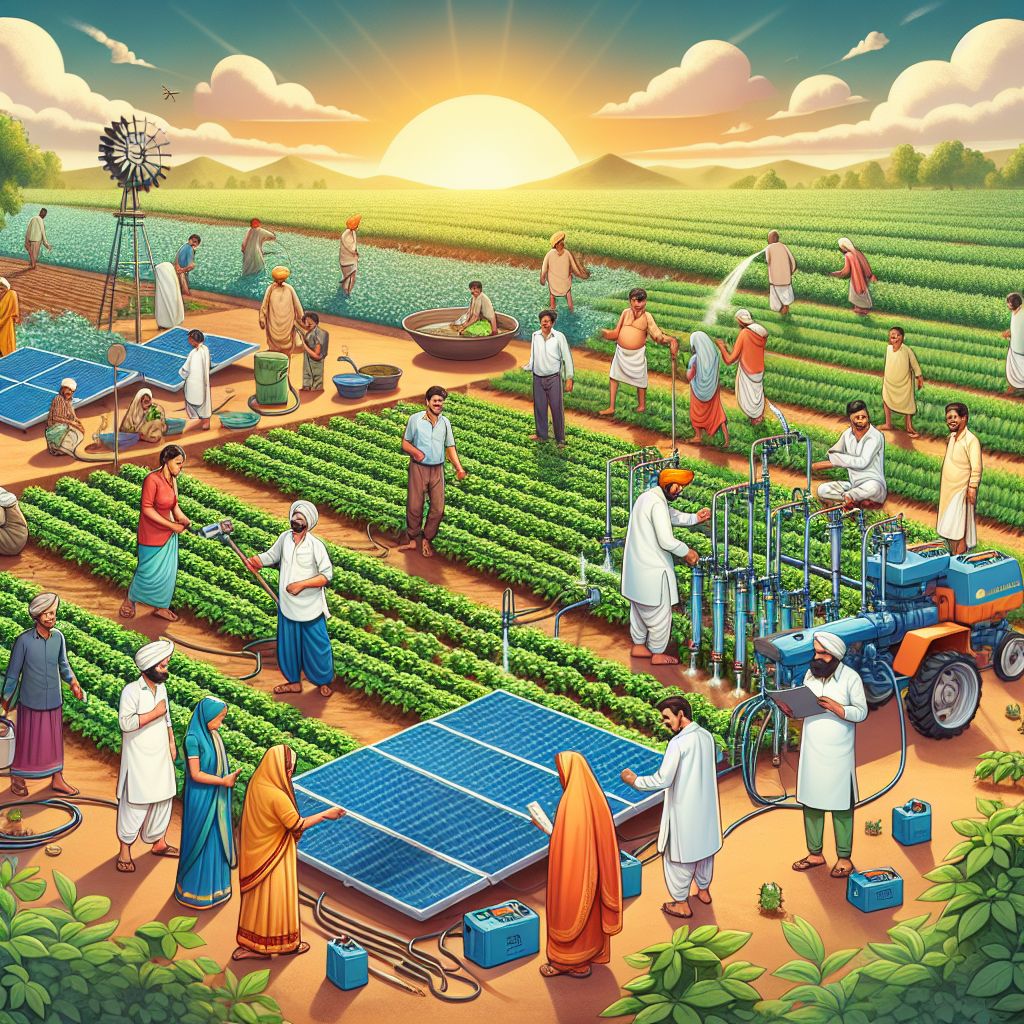
Solar irrigation has transformed agriculture in many regions, showcasing its potential through various successful case studies. These examples highlight how different areas have leveraged solar technology to improve agricultural productivity and sustainability.
Indian Farming Innovations
In India, solar irrigation has been a game-changer for many smallholder farmers. The Indian government has actively promoted solar irrigation through initiatives like the Pradhan Mantri Kisan Urja Suraksha evam Utthan Mahabhiyan (PM-KUSUM) scheme. This program aims to install solar pumps and reduce farmers’ dependence on grid electricity and diesel.
An example of this success is seen in Gujarat, where farmers have adopted solar-powered drip irrigation systems. These systems have led to increased crop yields and reduced water usage. Farmers report significant savings on energy costs, allowing them to reinvest in their farms and improve their livelihoods.
Solar Irrigation in Africa
Africa, with its abundant sunlight, is an ideal region for solar irrigation. In Kenya, the Solar Pump Irrigators’ Cooperative Enterprise (SPICE) has been instrumental in introducing solar irrigation to smallholder farmers. This cooperative provides farmers with affordable access to solar irrigation technology, enabling them to increase their agricultural output.
By adopting solar irrigation, Kenyan farmers have been able to cultivate crops throughout the year, even during dry seasons. This has not only improved food security but also increased farmers’ incomes. The success of SPICE has inspired similar initiatives across the continent, driving the adoption of solar irrigation in other African countries.
European Advancements in Solar Farming
“In Spain, the combination of solar panels and irrigation systems has led to the development of agrivoltaics, where crops are grown under solar panels. This innovative approach maximizes land use and provides dual benefits of energy generation and crop cultivation.”
European countries are at the forefront of integrating solar technology into agriculture. In Spain, agrivoltaics has emerged as a promising solution, where solar panels are installed above crops. This setup not only generates renewable energy but also provides shade, reducing water evaporation and improving crop yields.
Similarly, in Germany, farmers are adopting solar irrigation systems to power their greenhouses. By using solar energy, they can maintain optimal growing conditions for their crops, leading to higher yields and reduced energy costs. These advancements highlight Europe’s commitment to sustainable agriculture and the potential of solar irrigation to revolutionize farming practices.
Challenges of Solar Irrigation Adoption
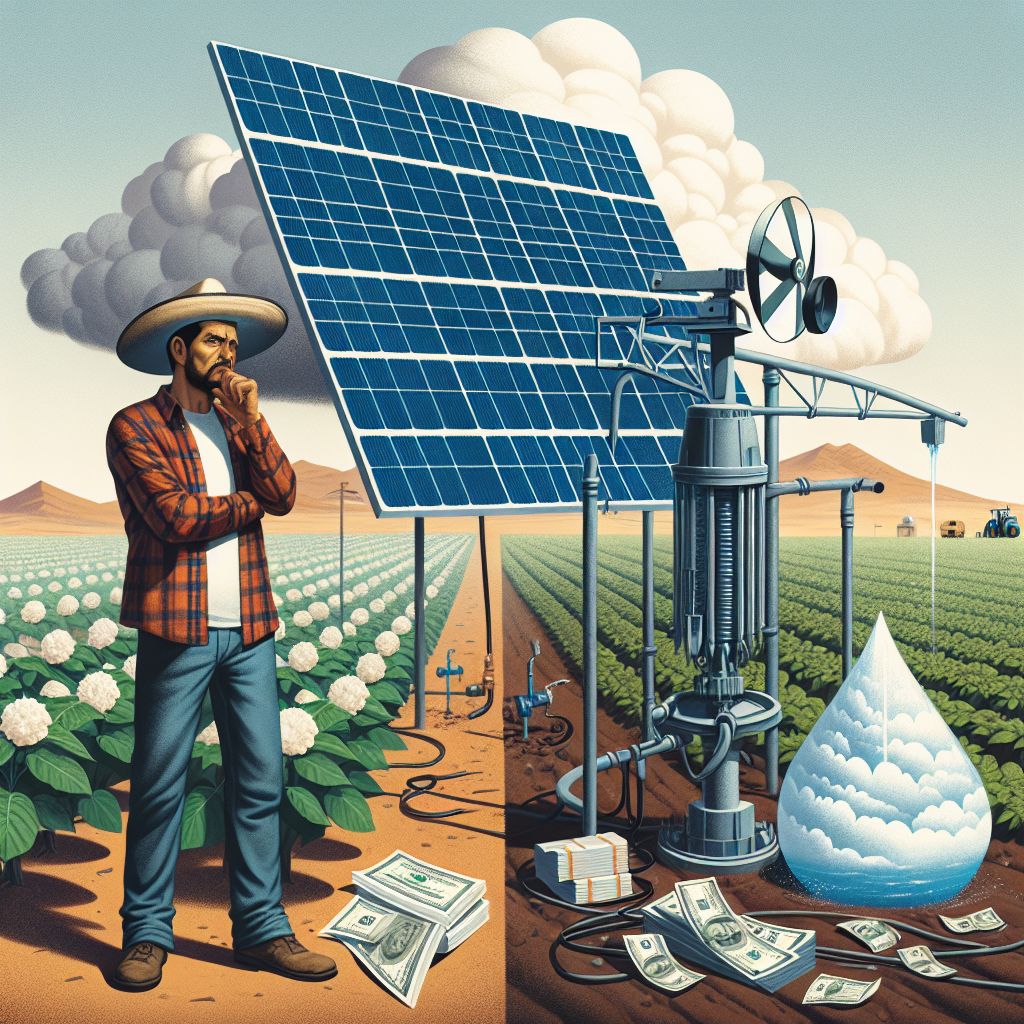
Despite its numerous benefits, solar irrigation faces several challenges that can hinder its widespread adoption. Understanding these obstacles is crucial for developing effective strategies to overcome them and promote the use of solar technology in agriculture.
Initial Costs and Investment
One of the primary challenges of adopting solar irrigation is the high initial investment required. The cost of solar panels, pumps, and installation can be prohibitive for many farmers, particularly smallholders with limited financial resources. Although long-term savings on energy costs can offset these expenses, the upfront investment remains a significant barrier.
To address this challenge, governments and financial institutions can offer subsidies, grants, or low-interest loans to make solar irrigation more accessible. Additionally, community-based models, such as cooperatives, can help farmers pool resources and share the costs of solar irrigation systems.
Maintenance and Technical Support
Maintaining solar irrigation systems requires technical knowledge and expertise. Farmers need to ensure that their systems are functioning optimally to maximize their benefits. However, access to technical support and maintenance services can be limited, particularly in remote areas.
To overcome this challenge, training programs and workshops can be organized to educate farmers on system maintenance and troubleshooting. Establishing local service centers can also provide farmers with the necessary support to keep their systems running efficiently. For more insights, check out these solar irrigation maintenance tips.
Solar Irrigation Suitability in Different Climates
While solar irrigation is highly effective in regions with abundant sunlight, its suitability in areas with less consistent solar radiation can be a concern. In regions with frequent cloud cover or limited sunlight, the efficiency of solar irrigation systems may be compromised.
Advancements in solar technology, such as more efficient solar panels and energy storage solutions, are addressing this challenge. By improving the efficiency of solar panels and incorporating battery storage, solar irrigation can become viable in a wider range of climates, ensuring consistent water supply regardless of weather conditions.
Future Trends and Innovations in Solar Irrigation
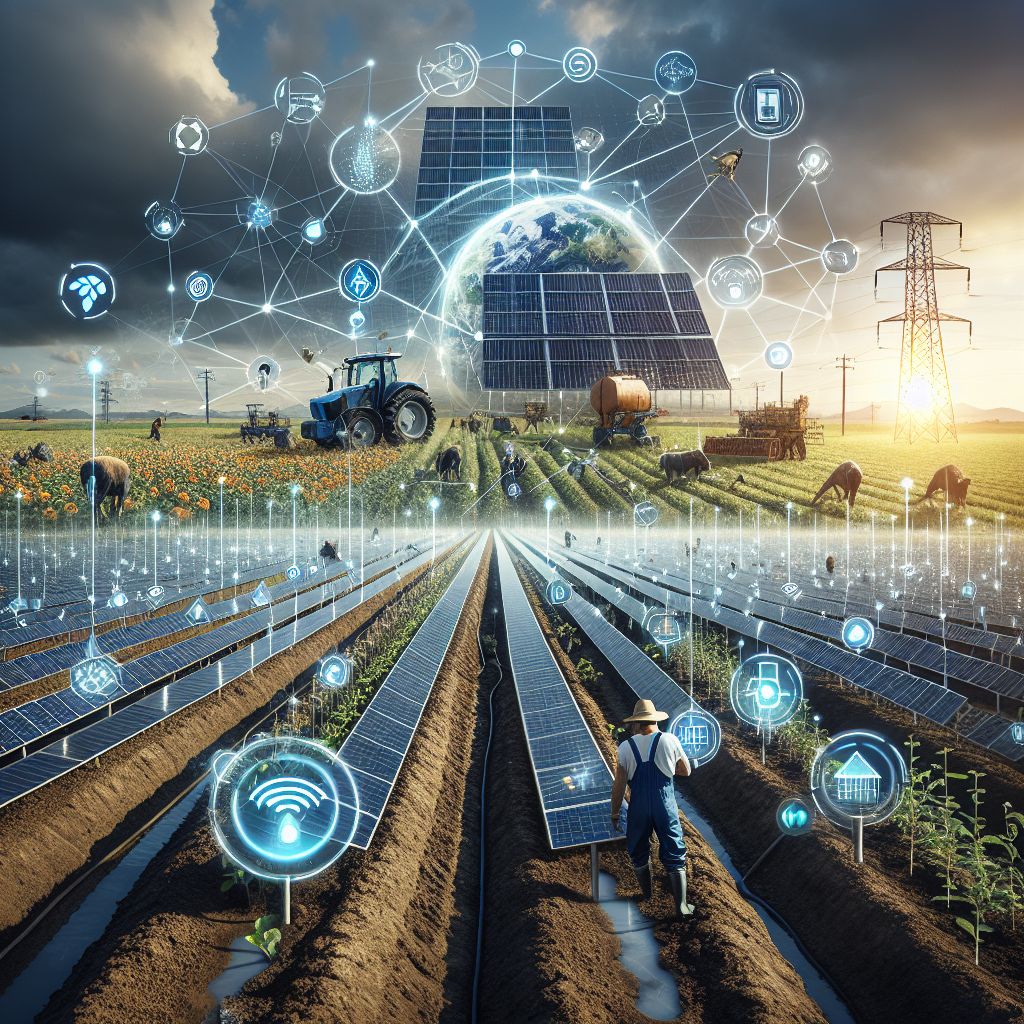
The future of solar irrigation looks promising, with ongoing research and development paving the way for new innovations. Integrating solar irrigation with Internet of Things (IoT) technology and smart farming practices can further enhance its efficiency and effectiveness.
IoT-enabled sensors can provide real-time data on soil moisture levels, weather conditions, and crop health, allowing farmers to make informed decisions about irrigation. This data-driven approach can optimize water usage, reduce waste, and improve crop yields.
Moreover, advancements in solar panel technology are making them more efficient and affordable. As these technologies continue to evolve, solar irrigation will become increasingly accessible to farmers worldwide, contributing to a more sustainable and resilient agricultural sector.
Integration with IoT and Smart Farming
The integration of solar irrigation with IoT and smart farming technologies is a game-changer for modern agriculture. IoT devices can monitor various parameters such as soil moisture, temperature, and humidity in real-time. This data is crucial for making informed irrigation decisions, ensuring that crops receive the right amount of water at the right time.
By connecting solar irrigation systems to IoT platforms, farmers can automate and optimize their water management processes. This not only conserves water but also enhances crop health and productivity. Moreover, remote monitoring capabilities allow farmers to manage their irrigation systems from anywhere, providing flexibility and peace of mind.
Advancements in Solar Panel Efficiency
Recent advancements in solar panel technology are making solar irrigation systems more efficient and cost-effective. New solar panels have higher conversion efficiencies, meaning they can generate more electricity from the same amount of sunlight. This is particularly beneficial for regions with less consistent sunlight, as it allows for more reliable irrigation.
Additionally, the development of bifacial solar panels, which can capture sunlight from both sides, further enhances energy generation. These innovations are driving down the cost of solar technology, making it more accessible to farmers worldwide. As solar panel efficiency continues to improve, solar irrigation will become an increasingly viable option for a broader range of agricultural operations.
Government Support and Policy Developments
Governments around the world are recognizing the potential of solar irrigation to transform agriculture and are implementing policies to support its adoption. Incentives such as tax credits, subsidies, and grants can significantly reduce the financial burden on farmers, encouraging them to invest in solar technology.
In addition to financial support, governments are also investing in research and development to drive innovation in solar irrigation. By fostering collaboration between the public and private sectors, they are creating an environment conducive to the growth and success of solar-powered agriculture. These efforts are crucial for ensuring the widespread adoption of solar irrigation and its contribution to sustainable farming practices.

Conclusion: The Future of Farming with Solar Irrigation
Solar irrigation represents a significant step forward in sustainable agriculture. By harnessing the power of the sun, farmers can reduce their reliance on fossil fuels, lower their energy costs, and improve their crop yields. As technology continues to advance, solar irrigation systems will become even more efficient and accessible, offering a viable solution for farmers worldwide.
The integration of IoT and smart farming technologies further enhances the potential of solar irrigation, enabling precise water management and optimizing resource use. With government support and ongoing innovation, solar irrigation is poised to play a pivotal role in the future of farming, contributing to a more sustainable and resilient agricultural sector.
Frequently Asked Questions (FAQ)
Here are some common questions about solar irrigation and its impact on modern agriculture:
What are the main benefits of switching to solar irrigation?
Switching to solar irrigation offers numerous benefits, including reduced energy costs, lower carbon emissions, and improved water management. Solar irrigation systems provide a consistent and reliable water supply, leading to healthier crops and increased yields. Additionally, they promote sustainable farming practices by minimizing water waste and reducing reliance on fossil fuels. Learn more about the role of solar energy in modern agriculture.
How does solar irrigation contribute to sustainable farming?
Solar irrigation contributes to sustainable farming by harnessing renewable energy to power irrigation systems. This reduces the environmental impact of farming, as it decreases greenhouse gas emissions and conserves water resources. By optimizing water usage and minimizing waste, solar irrigation systems help maintain soil health and support long-term agricultural productivity.
Moreover, solar irrigation enables farmers to cultivate crops in regions with limited access to electricity, expanding agricultural opportunities and enhancing food security.
Can solar irrigation be used in regions with low sunlight?
Yes, solar irrigation can be used in regions with low sunlight, although its efficiency may be reduced. Advancements in solar panel technology, such as higher conversion efficiencies and bifacial panels, are making solar irrigation more viable in less sunny areas. Additionally, incorporating energy storage solutions, like batteries, can ensure a consistent water supply even during periods of low sunlight.
What is the typical lifespan of a solar irrigation system?
The typical lifespan of a solar irrigation system is around 20-25 years, depending on the quality of the components and maintenance practices. Solar panels themselves can last even longer, often exceeding 25 years, with only a slight reduction in efficiency over time.
Regular maintenance and timely replacement of components, such as inverters and pumps, can help extend the system’s lifespan and ensure optimal performance. By investing in high-quality equipment and following best practices for maintenance, farmers can maximize the benefits of their solar irrigation systems for decades.


Leave a Reply