
Key Takeaways
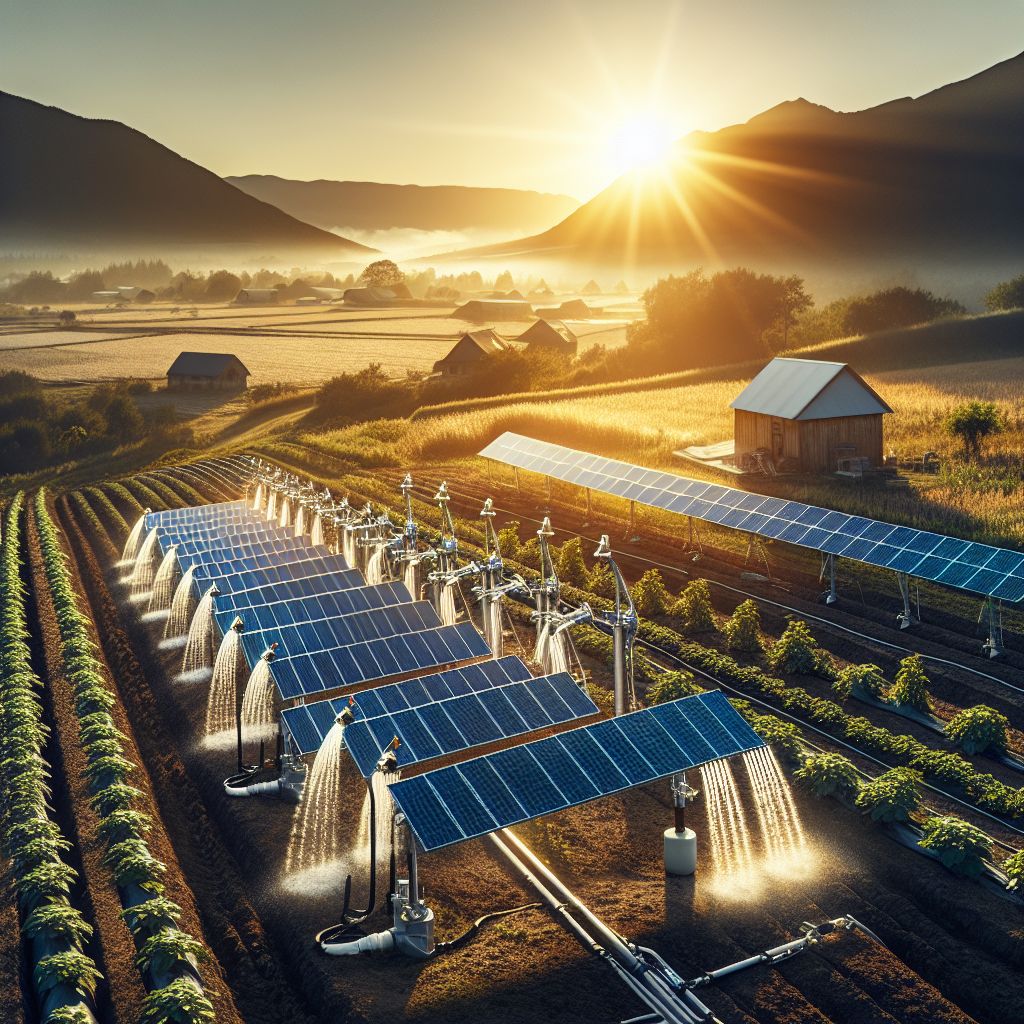
Monocrystalline solar panels are highly efficient, converting more sunlight into electricity than other types.
They are ideal for farms with limited space due to their high energy output per square foot.
These panels are durable and perform well in diverse weather conditions, including extreme temperatures.
Although the initial cost is higher, monocrystalline panels offer long-term savings and a better return on investment.
Using solar panels for irrigation reduces the farm’s carbon footprint and contributes to sustainable farming practices.
Farmers looking to boost their irrigation systems while also embracing sustainable practices can benefit greatly from monocrystalline solar panels. These panels stand out due to their efficiency, durability, and long-term value. Let’s dive into why they are a smart choice for farm irrigation systems.
Monocrystalline Solar Panels Enhance Farm Irrigation Systems
Monocrystalline solar panels are crafted from a single crystal structure, which gives them a distinct edge in efficiency and performance. Their ability to convert more sunlight into electricity makes them a perfect match for farms that need reliable power for irrigation.
High Efficiency and Energy Output
One of the standout features of monocrystalline solar panels is their high efficiency. These panels can convert approximately 17-22% of the sunlight they receive into electricity. This efficiency is higher than that of polycrystalline panels, which makes them an excellent choice for areas with limited sunlight or space. By opting for monocrystalline panels, farmers can ensure that their irrigation systems run smoothly, even during less sunny days.
Space-Saving Advantages
Besides their efficiency, monocrystalline panels are also known for their compact design. Because they generate more power per square foot, they are ideal for farms where space is at a premium. This means farmers can install fewer panels to meet their energy needs, freeing up valuable land for crops or other uses.
Durability in Various Weather Conditions
Another advantage of monocrystalline panels is their robustness. They are designed to withstand a variety of weather conditions, from intense heat to cold temperatures. This durability ensures that they continue to perform optimally over many years, providing a reliable source of power for irrigation systems.
Long-Term Value and ROI
While the initial investment in monocrystalline panels might be higher than other types, the long-term savings and return on investment (ROI) are worth considering. These panels have a longer lifespan, often exceeding 25 years, and their efficiency means that farmers will save on energy costs over time. Additionally, many regions offer incentives and subsidies for solar installations, further offsetting the initial expense. For those interested in optimizing their solar investments, understanding efficient farm irrigation with the right solar panels can be beneficial.

Why Choose Monocrystalline Panels for Farms?
Choosing the right solar panels is crucial for farms looking to enhance sustainability while reducing operating costs. Monocrystalline solar panels emerge as a top contender due to their superior energy conversion rates, high efficiency, and minimal space requirements. By investing in this advanced solar technology, farmers can not only power their operations more sustainably but also contribute to a greener future. With rising energy costs and increasing environmental awareness, monocrystalline panels present an intelligent investment for the agriculture sector.
Understanding Monocrystalline Technology
Because of their design, these panels are not only more efficient but also more aesthetically pleasing. Their sleek look can be an added benefit for farms that are open to the public or involved in agritourism.
Monocrystalline solar panels are made from a single continuous crystal structure, typically silicon. This manufacturing process involves taking pure silicon and cutting it into thin wafers, creating cells that are highly efficient at converting sunlight into electricity. The panels’ distinct black appearance is due to the high purity of the silicon used. Learn more about choosing the right solar panels for efficient farm irrigation systems. The key components that define monocrystalline technology are:
High Purity Silicon: Created from the Czochralski process, the silicon used is of high purity, leading to higher efficiency rates.
Uniform Black Color: The dark appearance of monocrystalline panels gives them a sleek look while also indicating their efficiency—darker panels absorb sunlight better.
While there are other options such as polycrystalline and thin-film solar panels, monocrystalline technology is notable for its superior performance and longevity, which makes it a wise investment for agricultural operations. Learn more about choosing the right solar panels for efficient farm irrigation systems.
Superior Energy Conversion Rates
One of the most compelling reasons to choose monocrystalline panels is their impressive energy conversion rates. These panels typically offer efficiency rates ranging from 17% to 22%, significantly higher than their polycrystalline counterparts, which generally range from 13% to 17%.
For farmers, higher energy conversion means generating more electricity from the same amount of sunlight. This is particularly beneficial for farms that may face energy demands during peak seasons or those that require consistent power for irrigation, refrigeration, or other essential operations.
Furthermore, monocrystalline panels perform better in low-light conditions, such as cloudy days or early mornings, ensuring that the farm can still depend on solar power when conditions aren’t optimal.
Maximizing Limited Space on Farms
Farmers often face the challenge of utilizing space effectively. Whether it’s fields of crops, agricultural buildings, or livestock pens, real estate is a premium. Monocrystalline panels, owing to their high efficiency and greater energy output per square meter, allow farmers to generate more power from a smaller installation footprint.
This is especially advantageous for:
Smaller Farms: Where every square foot counts, farmers can install fewer panels to meet their energy needs.
Rooftop Installations: Monocrystalline panels’ efficiency makes them ideal for installation on barn or shed roofs where space may be limited.
Agri-solar Applications: Solar installations that need to coexist with farming activities, such as solar canopies over parking areas or listen farming systems.
Additionally, the modular nature of solar installations means that even as energy needs grow, farmers can incrementally more panels without requiring significant infrastructure changes.
Here’s a table discussing why monocrystalline solar panels are the best choice for farms compared to other types of solar panels:
|
Factor |
Monocrystalline Panels |
Polycrystalline Panels |
Thin-Film Panels |
|---|---|---|---|
|
Efficiency |
Lower efficiency (15-17%) 2 |
Lowest efficiency (10-13%) 3 | |
|
Space Efficiency |
Most space-efficient, ideal for limited roof areas 1 |
Less space-efficient 5 | |
|
Power Output |
Highest power output per square foot 1 |
Lower power output per square foot 5 |
Lowest power output per square foot 5 |
|
Heat Performance |
Best performance in high temperatures 1 |
Slightly worse performance in high temperatures 1 |
Variable performance depending on type 3 |
|
Lifespan |
Longest lifespan (25-40 years) 4 |
Shorter lifespan (20-35 years) 4 |
Shortest lifespan (10-20 years) 3 |
|
Durability |
Most durable 5 |
Less durable than monocrystalline 5 |
Least durable 5 |
|
Aesthetics |
Varies, but generally less attractive 5 | ||
|
Cost | |||
|
Long-term Savings |
Highest long-term savings due to efficiency and lifespan 2, 3, 5 |
Lower long-term savings 5 |
Lowest long-term savings 5 |
|
Performance in Low Light |
Lower performance in low-light conditions 1 |
Variable performance depending on type 5 |
Monocrystalline solar panels are the superior choice for farms due to their high efficiency, durability, and long-term performance. Their space efficiency is particularly valuable for farms with limited roof space on barns or other structures. The higher power output per square foot means fewer panels are needed to meet energy demands, simplifying installation and maintenance. 1
The excellent performance of monocrystalline panels in high temperatures is crucial for farms in sunny, hot climates. Their ability to maintain efficiency in challenging weather conditions ensures consistent energy production throughout the year. 1
While the initial cost of monocrystalline panels is higher, their longer lifespan and superior efficiency result in greater long-term savings and a better return on investment for farmers.
2, 4 This is especially important given the high energy demands of many agricultural operations.The durability and longer lifespan of monocrystalline panels also mean less frequent replacements and lower maintenance costs over time, which is beneficial for busy farm operations. 4
Lastly, the sleek, black appearance of monocrystalline panels may be more aesthetically pleasing on farm buildings, potentially important for farms that engage in agritourism or direct sales to consumers. 2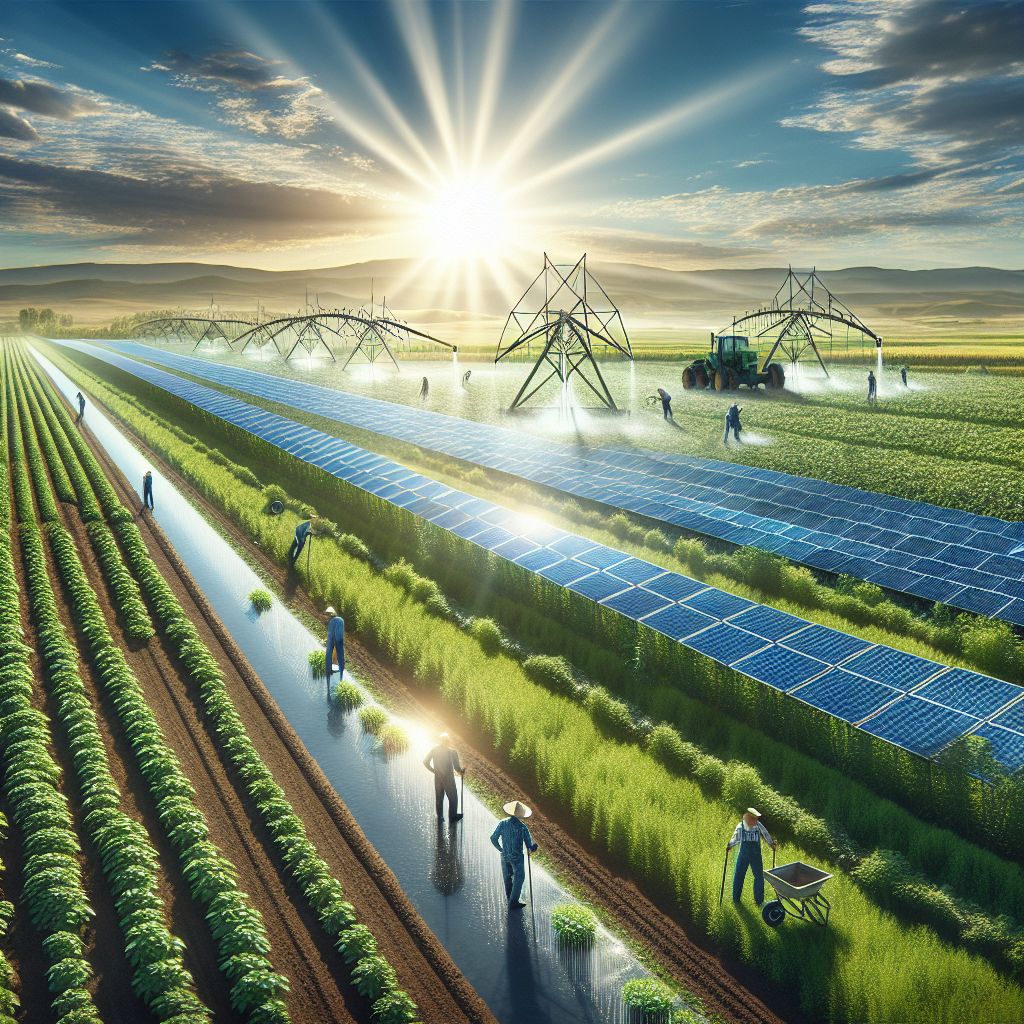
Cost Benefits and Economic Impact
As the agriculture sector grapples with the challenges posed by climate change, rising energy costs, and increasing global demand for food, farmers are turning to innovative solutions to improve efficiency and sustainability. One particularly promising combination is the use of monocrystalline solar panels integrated with farm irrigation systems. The integration of monocrystalline solar panels into farm irrigation systems presents a compelling case for farmers looking to increase efficiency, reduce costs, and positively impact their economic future. By investing in these solar solutions, agricultural operations can not only enhance their sustainability but also boost their bottom line.
As technology advances and the cost of solar systems continues to decline, more farmers are likely to adopt this approach, further amplifying the benefits of harnessing solar energy in agriculture. The combination of economic sense and environmental responsibility makes monocrystalline solar panels an essential cornerstone for the future of farming and food production.
Initial Investment Vs. Long-Term Savings
When considering the installation of monocrystalline solar panels for irrigation systems, farmers can expect an initial investment that includes:
Equipment Costs: The price of monocrystalline solar panels, inverters, mounting hardware, and necessary electrical components can be higher than other solar options.
Installation Costs: Skilled labor for installation can contribute significantly to the total cost.
Permitting and Regulatory Fees: Local regulations may require permits for solar installations, which can add to the initial outlay.
Maintenance Costs: While solar panels generally require minimal maintenance, there could be costs associated with routine inspections or cleaning.
For farmers, the combined initial investment may look daunting; however, it’s crucial to recognize this is just the beginning of a more extensive cost-benefit analysis.
Investing in monocrystalline solar panels can lead to significant long-term savings through the following avenues:
Reduced Energy Costs: By producing your electricity on-site, farms can reduce or eliminate electricity bills associated with traditional energy sources. This is especially crucial for irrigation systems, which often run continuously during peak watering seasons.
Energy Independence: Farmers are less susceptible to fluctuations in energy prices, which can fluctuate due to market conditions. By generating their energy, farms can stabilize operational costs and budget more effectively.
Government Incentives: Many governments offer tax credits, grants, and other financial incentives for renewable energy investments. These can significantly offset the initial costs and enhance the return on investment (ROI).
Increased Property Value: Solar installations can increase property value. Potential buyers often see solar-powered farms as more attractive due to lower operational costs and sustainable practices.
Operational Efficiency: Monocrystalline panels are known for their efficiency and durability. They often require less space and can produce more energy in various conditions, enhancing the efficiency of farming operations.
Impact on Crop Yield: Consistent and reliable access to irrigation can improve crop yields and quality, leading to greater profits in the long run.
While the initial investment in monocrystalline solar panels for farm irrigation systems may seem high, the long-term savings and economic benefits make it a compelling option for forward-thinking farmers. By leveraging renewable energy, farmers can reduce their operational costs, increase their energy independence, enhance property value, and contribute to a sustainable future.
Government Incentives and Subsidies
Governments around the world are increasingly recognizing the importance of renewable energy in agriculture. Many offer incentives and subsidies to encourage farmers to adopt solar technology. These incentives can significantly reduce the initial cost of installing monocrystalline solar panels. Farmers should check with local and national government agencies to explore available grants, tax credits, or low-interest loans. These financial aids not only make the transition to solar more affordable but also help in achieving long-term savings on energy bills.
Reducing Energy Bills Over Time
By investing in monocrystalline solar panels, farmers can drastically cut their energy expenses. These panels generate electricity that can be used to power irrigation systems, reducing reliance on traditional energy sources. Over time, the savings on energy bills can offset the initial investment in solar technology. Additionally, any excess electricity produced can often be sold back to the grid, providing an additional source of income.
Most importantly, the cost-effectiveness of solar panels improves as energy prices continue to rise. Farmers can protect themselves from fluctuating energy costs by generating their own power. This financial stability allows them to allocate resources more effectively, focusing on improving crop yields and expanding operations.
Environmental Benefits and Sustainability
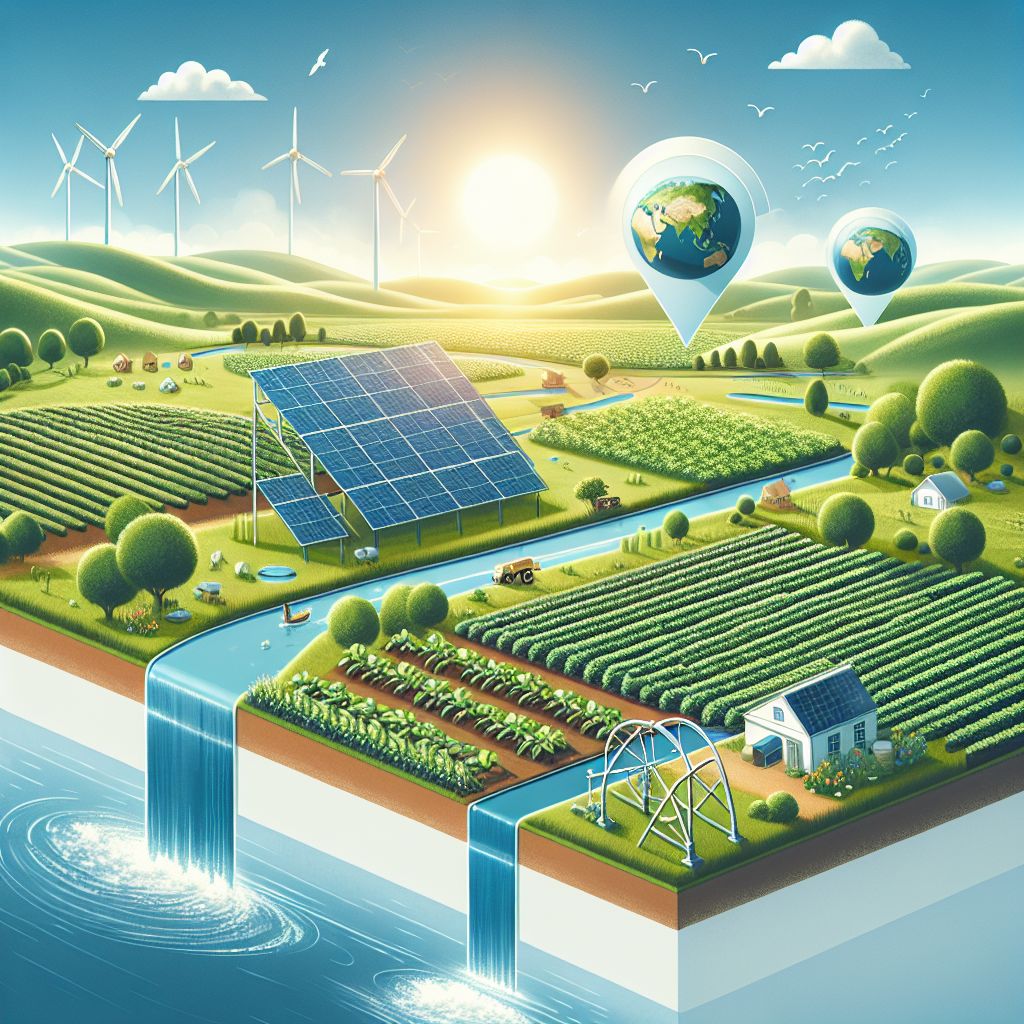
Embracing solar energy for farm irrigation not only offers economic advantages but also promotes environmental sustainability. By reducing dependence on fossil fuels, farms can lower their carbon footprint and contribute to a healthier planet.
Reducing Carbon Footprint of Farms
Fossil fuels are a major source of greenhouse gas emissions, which contribute to climate change. By switching to solar energy, farms can significantly decrease their carbon emissions. This reduction is crucial for combating climate change and protecting the environment for future generations. Learn more about sustainable farming with solar technology.
For instance, a farm in California replaced its diesel-powered irrigation system with solar panels, reducing its carbon emissions by over 100 tons annually. This change not only helped the environment but also improved the farm’s public image as an eco-friendly operation.
Such examples highlight the impact that renewable energy can have on reducing carbon emissions. By choosing monocrystalline solar panels, farmers can take a proactive step towards sustainability.
Sustainable Water Management
Improves irrigation efficiency by providing consistent energy.
Reduces water waste through precision irrigation systems.
Supports sustainable farming practices by integrating with water-saving technologies.
Effective water management is essential for maintaining healthy crops and conserving resources. Solar-powered irrigation systems offer reliable energy that supports advanced irrigation techniques, such as drip or precision irrigation. These methods optimize water usage, ensuring that plants receive the right amount of water at the right time.
By combining solar energy with modern irrigation technology, farmers can significantly reduce water waste and improve crop yields. This synergy not only benefits the farm’s bottom line but also contributes to the sustainable use of natural resources.
Contributing to Eco-Friendly Farming Practices
Adopting solar energy is a key component of eco-friendly farming. It aligns with sustainable agriculture goals by reducing reliance on non-renewable energy sources and minimizing environmental impact. Monocrystalline solar panels, with their high efficiency and durability, are particularly well-suited for this purpose.
By integrating solar energy into their operations, farmers can set an example for others in the agricultural community. This shift towards sustainability can inspire further adoption of renewable energy, amplifying the positive impact on the environment.
Installation Insights and Best Practices
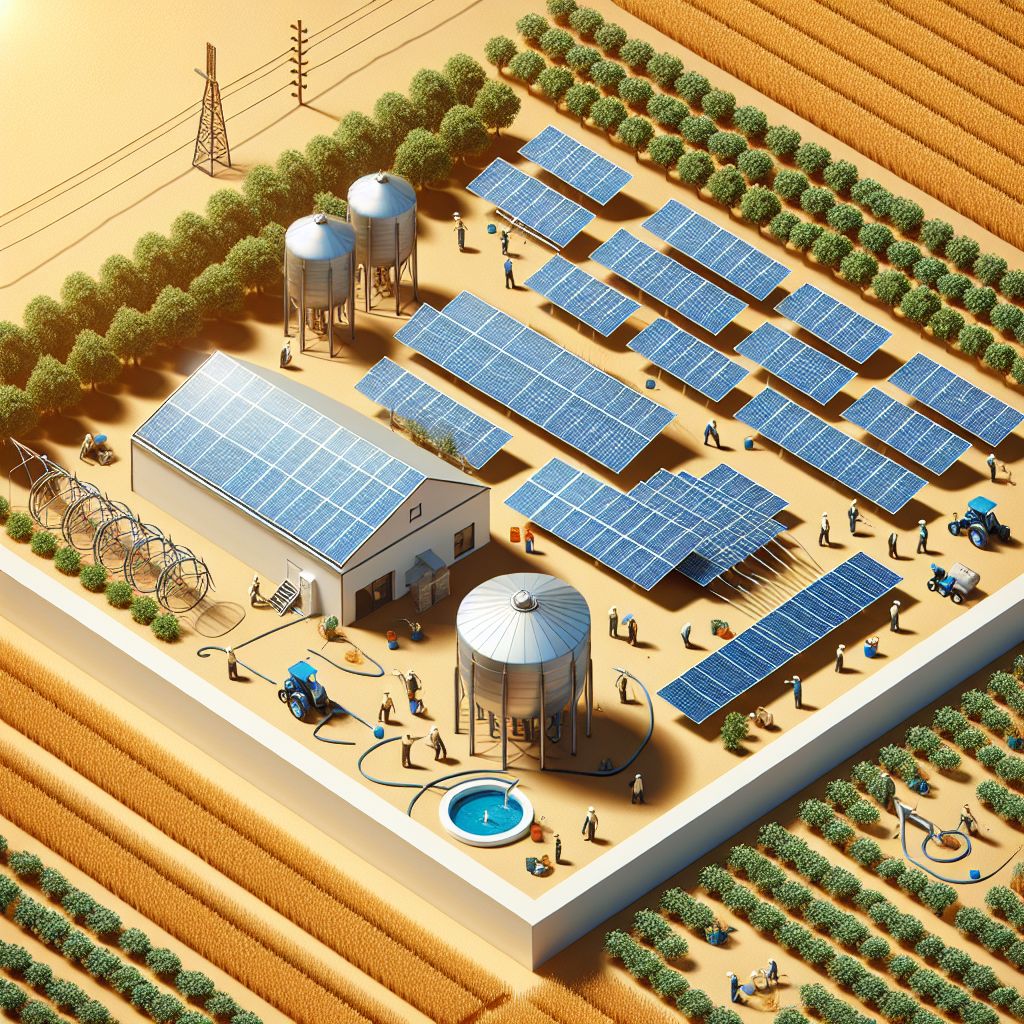
Proper installation of solar panels is crucial for maximizing their benefits. Farmers should consider several factors when planning their solar setup to ensure optimal performance and longevity.
Choosing the Right Location on the Farm
Location is key when installing solar panels. Panels should be placed in areas that receive maximum sunlight throughout the day, free from obstructions such as trees or buildings. Ideally, they should face south in the northern hemisphere to capture the most sunlight.
Besides that, the installation site should be easily accessible for maintenance and monitoring. Farmers should also consider the proximity to irrigation systems to minimize the cost and complexity of connecting the panels to the water pumps.
Optimal Tilt and Orientation
The tilt and orientation of solar panels affect their efficiency. The angle of tilt should be adjusted according to the farm’s latitude to maximize sunlight absorption. In general, the tilt angle should be equal to the latitude, with slight adjustments for seasonal variations. For more information on choosing the right solar panels, visit this guide on efficient farm irrigation.
Maintenance Tips for Longevity
Regular maintenance ensures that solar panels operate efficiently over their lifespan. Farmers should clean the panels periodically to remove dust and debris that can block sunlight. It’s also important to inspect the panels for any signs of damage or wear. For more information on cost-effective solar solutions, check out this guide on solar panels for agriculture.
Monitoring the system’s performance can help identify issues early on. Farmers should keep an eye on the energy output and address any significant drops in performance promptly. By maintaining their solar panels, farmers can ensure a consistent and reliable energy supply for their irrigation systems.
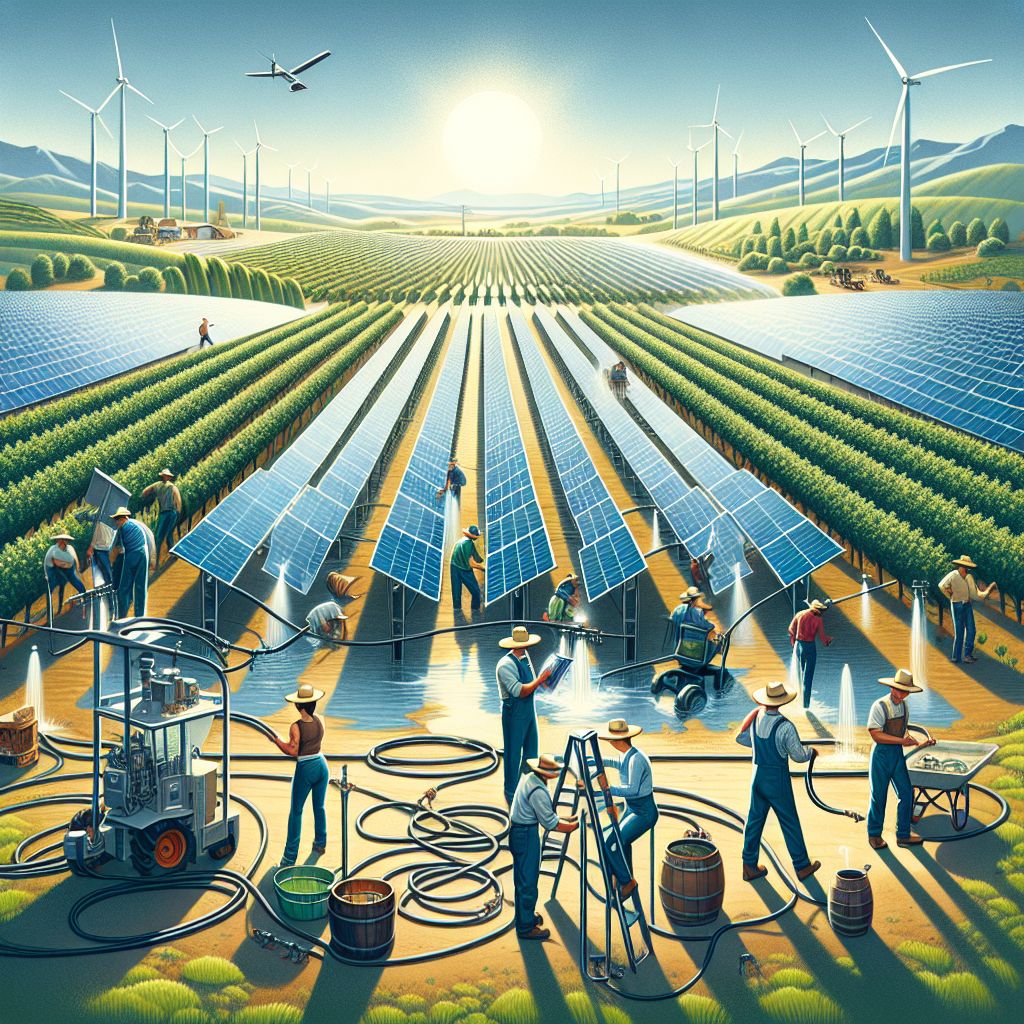
Real-World Success Stories
In Texas, a large-scale farm implemented monocrystalline solar panels to power its extensive irrigation network. The transition not only reduced the farm’s energy costs by 40% but also improved its water management capabilities. The farm’s owner reported increased crop yields and a significant reduction in water waste, attributing these improvements to the reliable and sustainable energy source.
These success stories illustrate the tangible benefits that monocrystalline solar panels can bring to farm operations. By adopting solar technology, farmers can enhance their productivity while contributing to a more sustainable future.
In conclusion, monocrystalline solar panels offer numerous advantages for farm irrigation systems. Their efficiency, durability, and long-term cost savings make them a smart investment for farmers looking to embrace renewable energy. By making this transition, farmers can improve their operations, reduce their environmental impact, and set an example for sustainable agriculture.
Case Study: Vineyard Success in California
In California’s wine country, a vineyard faced challenges with its irrigation system, which relied heavily on traditional energy sources. High energy costs and unreliable power supply were affecting the vineyard’s operations and profitability. By installing monocrystalline solar panels, the vineyard transformed its irrigation system, providing a consistent and sustainable power source. The panels’ high efficiency allowed the vineyard to meet its energy needs with fewer panels, preserving valuable land for grape cultivation.
Since the installation, the vineyard has seen a dramatic reduction in energy costs, saving thousands of dollars annually. The reliable power supply has also improved the precision of its irrigation, ensuring optimal water usage and healthier vines. This success story highlights the potential of solar energy to revolutionize agricultural practices, even in specialized industries like viticulture.
Case Study: Efficient Water Management in Texas Farms
In the heart of Texas, a farm known for its diverse crop production sought to improve its water management strategy. With unpredictable weather patterns and increasing water scarcity, the farm needed a reliable and sustainable solution. The adoption of monocrystalline solar panels provided the answer. These panels powered an advanced irrigation system that allowed for precise water distribution, reducing waste and enhancing crop yields.
The farm reported a 40% decrease in energy costs and a significant improvement in water use efficiency. The solar-powered system provided consistent energy, even during peak irrigation periods, ensuring that crops received the necessary water without interruption. This case study demonstrates the effectiveness of monocrystalline solar panels in enhancing water management on farms.
Final Considerations for Farmers
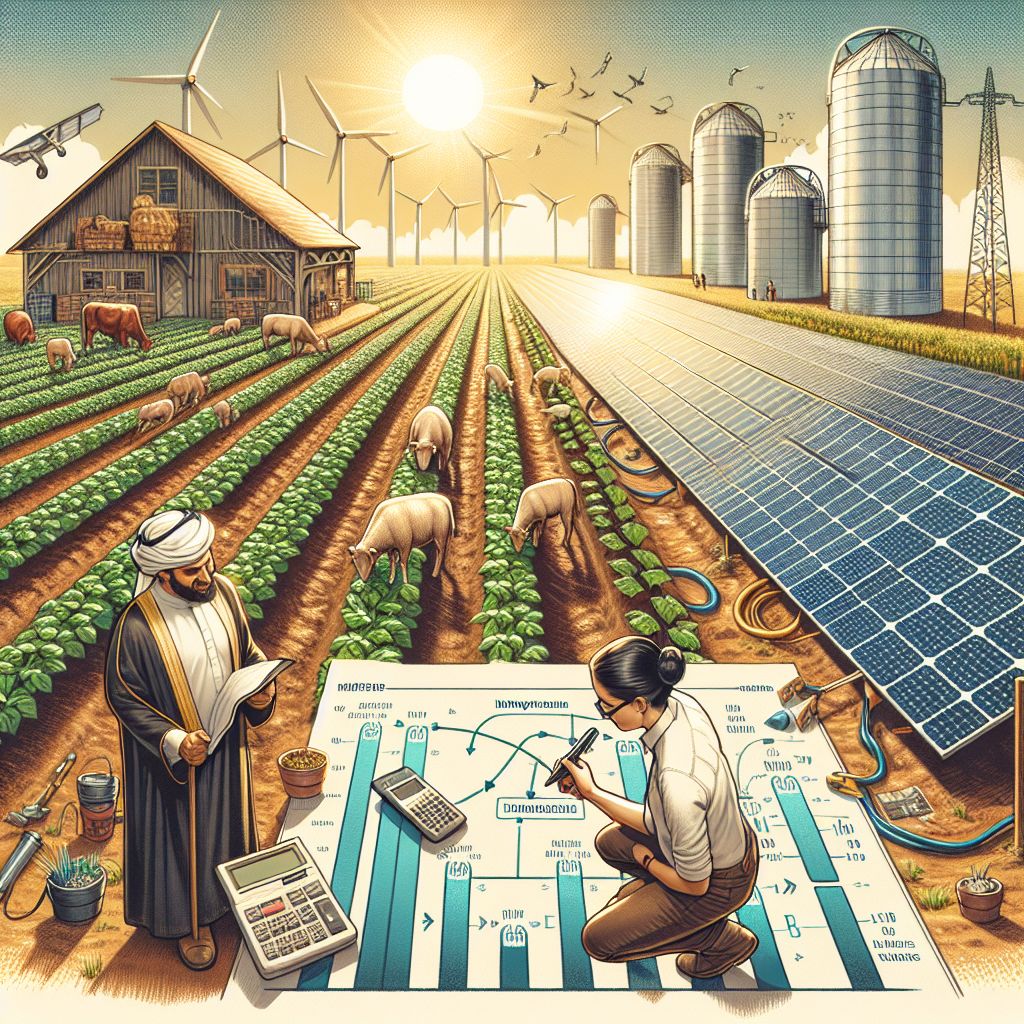
For farmers contemplating the switch to solar energy, it’s essential to weigh the benefits against the costs and align the decision with the farm’s long-term goals. Monocrystalline solar panels offer a robust solution for improving irrigation systems, but careful planning and consideration are crucial to maximizing their potential.
Weighing Benefits Against Costs
Monocrystalline panels come with a higher initial cost compared to other solar technologies. However, their superior efficiency and durability often justify the investment. Farmers should evaluate their energy needs, available space, and budget to determine if these panels are the right fit.
Long-term savings on energy bills and potential government incentives can offset the initial expense, making monocrystalline panels a financially viable option. Additionally, the panels’ longevity ensures a reliable power source for years to come, further enhancing their value.
Aligning with Farm’s Long-Term Goals
Farmers should consider how solar energy aligns with their overall vision for the farm. Transitioning to renewable energy can support goals related to sustainability, cost reduction, and technological advancement. It’s important to assess how solar energy can integrate with existing operations and future plans.
By aligning solar energy adoption with long-term goals, farmers can ensure that the investment contributes positively to the farm’s growth and sustainability. This strategic approach maximizes the benefits of solar technology, enhancing both environmental and economic outcomes.
Frequently Asked Questions (FAQ)
As farmers explore the potential of monocrystalline solar panels for irrigation, several common questions arise. Addressing these concerns can help clarify the benefits and considerations of solar energy adoption.
How do monocrystalline panels differ from other solar panels?
Monocrystalline panels are made from a single, pure silicon crystal, resulting in higher efficiency and a sleek black appearance. They offer superior energy conversion rates compared to polycrystalline panels, which are made from multiple silicon fragments.
What is the expected lifespan of monocrystalline panels?
Monocrystalline panels typically have a lifespan of 25 to 30 years, with many manufacturers offering warranties to cover performance over this period. Their durability ensures long-term reliability and cost savings. For more information on the advantages and disadvantages of monocrystalline solar panels, you can explore further resources.
The panels’ robust construction allows them to withstand various weather conditions, contributing to their longevity and consistent performance throughout their lifespan. For more information on how solar technology is transforming agriculture, explore the rise of solar irrigation in modern farming.
How much space do I need for installation?
The space required for installation depends on the farm’s energy needs and available land. Monocrystalline panels are more efficient, so fewer panels are needed to meet energy requirements, making them suitable for farms with limited space.
What maintenance is required for optimal performance?
Regular cleaning to remove dust and debris is essential for maintaining optimal performance. Farmers should also conduct periodic inspections to identify any damage or wear. Monitoring energy output helps ensure the system is operating efficiently. For those using solar panels, understanding the best solar panels for farms can further optimize energy efficiency.
Are there specific weather conditions that will affect the efficiency of the monocrystalline panels output?
Monocrystalline panels perform well in a variety of weather conditions, including extreme temperatures. However, shading from trees or buildings can reduce efficiency. Ensuring the panels receive unobstructed sunlight is key to maximizing their output.







Leave a Reply