

Key Takeaways
Solar-powered drip irrigation systems can reduce water usage by up to 70% compared to traditional methods.
Initial setup costs range from $1,000 to $5,000, but long-term savings can offset these expenses.
These systems provide energy independence, particularly beneficial for remote and off-grid farms.
Solar-powered systems can be tailored to various farm sizes and types, from small gardens to large agricultural fields.
Potential challenges include reduced power during cloudy days and the need for technical expertise during installation.
Solar-Powered Drip Irrigation: A Game Changer for Sustainable Farming
In the realm of sustainable agriculture, solar-powered drip irrigation systems are revolutionizing the way we approach farming. By combining the precision of drip irrigation with the renewable energy of solar power, these systems offer an innovative solution to the challenges of water scarcity and energy dependence. But what exactly makes them so effective, and why should you consider implementing one on your farm?
What is a Drip Irrigation System
Drip irrigation is a method of watering plants that delivers water directly to the roots through a network of tubes, pipes, and emitters. This system minimizes water waste by targeting the specific needs of each plant, ensuring that water is used efficiently. Unlike traditional irrigation methods, which often result in significant water loss through evaporation and runoff, drip irrigation conserves water while maintaining soil moisture levels.
Integrating Solar Power with Drip Irrigation
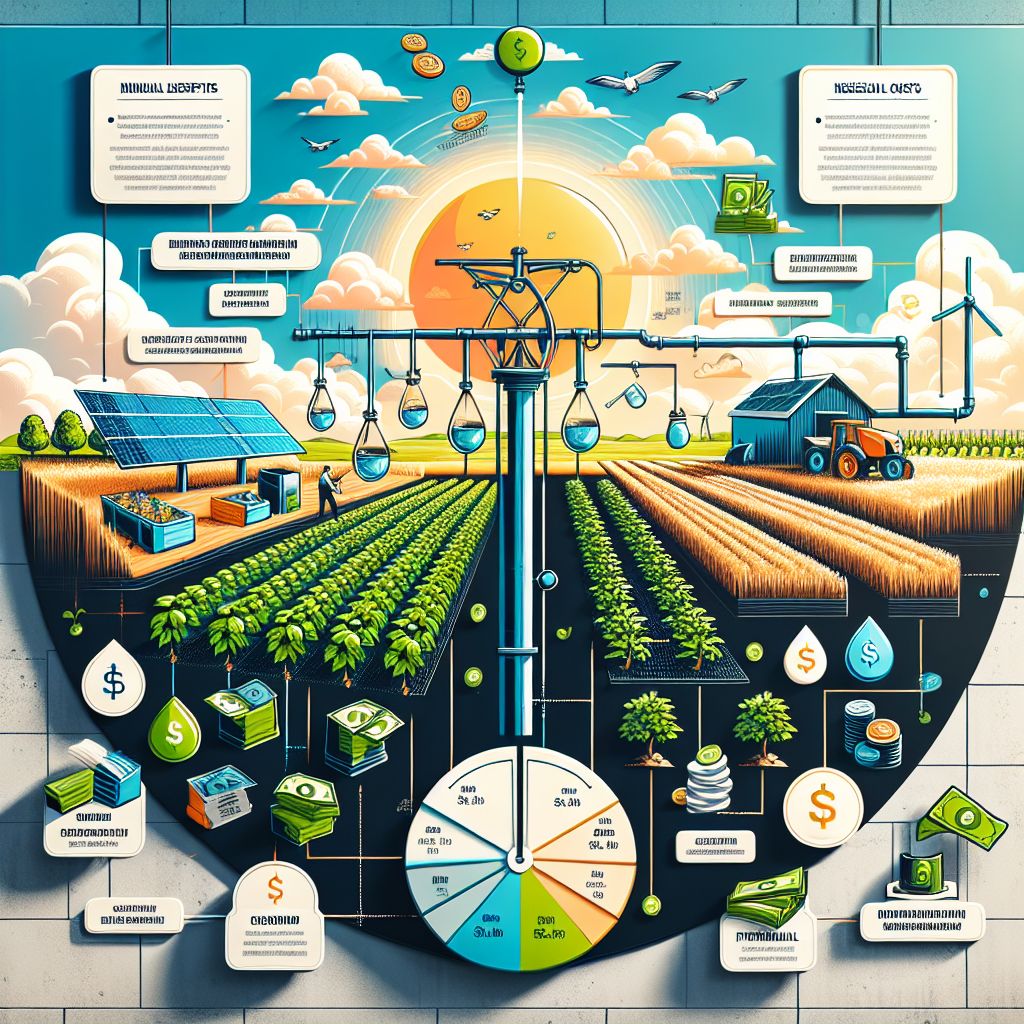
Integrating solar power into drip irrigation systems is a logical step toward enhancing sustainability. Solar panels convert sunlight into electricity, which powers the pumps that drive water through the irrigation network. This setup eliminates the need for grid electricity or fossil fuels, making it an environmentally friendly choice. Moreover, solar-powered systems can be installed in remote areas where access to electricity is limited, providing a reliable source of energy for irrigation.
Why Solar-Powered Drip Systems Matter for the Environment
The environmental benefits of solar-powered drip irrigation systems are significant. First and foremost, they reduce carbon emissions by eliminating the reliance on fossil fuels. This contributes to a decrease in greenhouse gas emissions, which is crucial for combating climate change. Additionally, these systems promote water conservation, a vital consideration in regions facing water scarcity. By delivering water directly to the plant roots, they minimize evaporation and runoff, ensuring that every drop counts.
Furthermore, solar-powered drip systems support biodiversity by maintaining consistent soil moisture levels. This helps create a stable environment for beneficial organisms, such as earthworms and microorganisms, which play a crucial role in maintaining soil health.
Cost Savings and Efficiency in Agriculture
While the initial investment for a solar-powered drip irrigation system can be substantial, the long-term savings make it a worthwhile consideration. Traditional irrigation methods often involve high operational costs, primarily due to energy consumption. By contrast, solar-powered systems harness free energy from the sun, significantly reducing electricity costs.
Moreover, these systems increase efficiency by delivering water precisely where and when it’s needed. This precision not only conserves water but also enhances crop yields by providing optimal growing conditions. As a result, farmers can expect increased productivity and profitability over time.
Adaptability of Solar-Powered Systems Across Different Farms
One of the standout features of solar-powered drip irrigation systems is their adaptability. They can be customized to suit a wide range of agricultural operations, from small-scale gardens to expansive commercial farms. This flexibility is particularly beneficial for farmers who need to tailor their irrigation strategies to specific crops or soil conditions.
In addition, these systems can be easily scaled up or down, allowing farmers to adjust their setup as their needs change. Whether you’re looking to expand your farm or optimize water usage, a solar-powered drip irrigation system can be adapted to meet your goals.

Benefits of Solar-Powered Drip Irrigation
Solar-powered drip irrigation systems present numerous advantages for farmers aiming to embrace sustainable practices. These systems not only help in conserving resources but also enhance agricultural productivity. For more insights, explore the rise of solar irrigation in modern farming and the specific benefits they offer.
Reduction in Water Usage
One of the most compelling benefits of solar-powered drip irrigation is its ability to significantly reduce water usage. Traditional irrigation methods, such as flood or sprinkler systems, often result in water wastage due to evaporation, runoff, and oversaturation. In contrast, drip irrigation delivers water directly to the plant’s root zone, minimizing these losses.
This targeted approach ensures that plants receive the precise amount of water they need, leading to water savings of up to 70%. This is particularly beneficial in arid regions where water scarcity is a pressing concern. By conserving water, farmers can maintain crop yields even during dry spells, ensuring food security and sustainability.
Energy Independence for Farmers
Solar-powered drip irrigation systems provide farmers with a reliable and independent energy source. By harnessing solar energy, these systems eliminate the need for grid electricity or diesel generators, which can be costly and environmentally harmful. This independence is especially valuable for farmers in remote areas with limited access to conventional energy sources.
With solar panels converting sunlight into electricity, farmers can power their irrigation systems without worrying about fluctuating energy prices or supply interruptions. This not only reduces operational costs but also enhances the resilience of agricultural operations.
Reduces reliance on fossil fuels
Offers a sustainable energy solution
Ensures consistent energy supply even in off-grid areas
Lower Carbon Footprint
Adopting solar-powered drip irrigation systems contributes to a lower carbon footprint, a critical factor in the fight against climate change. By utilizing renewable energy, these systems reduce greenhouse gas emissions associated with traditional irrigation methods that rely on fossil fuels.
This shift towards cleaner energy sources not only benefits the environment but also enhances the sustainability credentials of agricultural operations. As consumers become increasingly conscious of the environmental impact of their food choices, adopting such systems can improve marketability and consumer trust.
Here’s a table discussing the benefits of solar-powered drip irrigation for farmers:
|
Benefit |
Description |
|---|---|
|
Cost Savings |
Reduces electricity costs and dependence on fossil fuels, leading to significant long-term savings. 1, 4 |
|
Water Efficiency |
Delivers precise amounts of water directly to crop roots, reducing waste and increasing yields. 1, 2, 4 |
|
Environmental Impact |
Minimizes carbon footprint by using renewable energy, promoting sustainable farming practices. 1 |
|
Remote Area Viability |
Enables irrigation in off-grid locations where access to electricity is limited or non-existent. 1, 4 |
|
Time and Labor Savings |
Automates the irrigation process, freeing up farmers’ time for other tasks. 2 |
|
Improved Crop Health |
Minimizes water contact with above-ground plant parts, reducing disease and mildew risks. 2, 4 |
|
Versatility |
Suitable for various terrains and plot sizes, adapting to different farm layouts. 2 |
|
Weed Reduction |
Keeps spaces between crops dry, naturally limiting weed growth. 2 |
|
Self-Regulation |
Adjusts water delivery based on solar radiation, matching plant needs with pump speed. 2 |
|
Low Maintenance |
Durable systems with minimal moving parts, reducing upkeep requirements. 2, 4 |
|
Soil Conservation |
Prevents soil erosion and nutrient leaching by delivering water precisely where needed. 3 |
|
Extended Growing Season |
Allows for year-round crop production, especially beneficial in arid regions. 3 |
|
Integration with Smart Tech |
Can power soil moisture meters and other monitoring devices for optimized irrigation. 3 |
|
Energy Independence |
Reduces reliance on the power grid, providing energy security for farming operations. 1, 4 |
|
Scalability |
Easily expandable to accommodate growing farm needs or changing crop patterns . 1 |
Financial Considerations
While the environmental and operational benefits of solar-powered drip irrigation systems are clear, financial considerations play a crucial role in decision-making. Understanding the costs and potential savings is essential for farmers contemplating this investment.
Initial Installation Costs vs. Long-Term Savings
The initial installation costs for solar-powered drip irrigation systems can range from $1,000 to $5,000, depending on the size and complexity of the setup. This upfront investment can be a barrier for some farmers. However, it’s important to weigh these costs against the long-term savings and benefits.
Once installed, these systems have low operating costs since they rely on free solar energy. Over time, the savings on electricity or fuel can offset the initial investment, making the system cost-effective in the long run. Additionally, increased crop yields and improved water efficiency can further enhance profitability.
Potential Government Incentives and Subsidies
Many governments and organizations offer incentives and subsidies to encourage the adoption of renewable energy technologies in agriculture. These can significantly reduce the financial burden of installing solar-powered drip irrigation systems.
Farmers should explore available programs, which may include tax credits, grants, or low-interest loans. By taking advantage of these opportunities, they can make the transition to sustainable farming practices more affordable and accessible.
Cost of Maintenance and Repairs
Maintenance and repair costs for solar-powered drip irrigation systems are generally low, especially compared to conventional systems. Regular cleaning of solar panels and periodic checks of the irrigation components can ensure optimal performance and longevity.
However, it’s important to budget for occasional repairs or replacements of parts such as emitters, tubing, or pumps. By maintaining the system properly, farmers can prevent costly breakdowns and maximize the benefits of their investment.

Challenges and Considerations
Despite the numerous advantages, there are challenges and considerations that farmers must address when implementing solar-powered drip irrigation systems. Understanding these factors can help in making informed decisions and ensuring successful outcomes.
Potential for Low Power During Cloudy Periods
One of the main challenges of solar-powered systems is their dependence on sunlight. During cloudy or rainy periods, the energy output from solar panels can decrease, potentially affecting the performance of the irrigation system.
To mitigate this issue, farmers can incorporate battery storage or hybrid systems that combine solar power with other energy sources. This ensures a consistent energy supply and minimizes disruptions to irrigation schedules.
Technical Skill Requirements for Setup and Maintenance
Installing and maintaining a solar-powered drip irrigation system requires a certain level of technical expertise. Farmers may need to acquire new skills or seek assistance from professionals for the initial setup and ongoing maintenance.
Training programs and workshops can provide valuable knowledge and skills, empowering farmers to manage their systems effectively. By investing in education, they can overcome technical barriers and maximize the benefits of their investment.
Addressing Common System Failures
Like any technology, solar-powered drip irrigation systems can experience failures or malfunctions. Common issues include clogged emitters, leaks in tubing, or reduced solar panel efficiency due to dirt or shading.
Regular maintenance and prompt troubleshooting are essential to address these problems. By implementing a proactive maintenance schedule and keeping spare parts on hand, farmers can minimize downtime and ensure their systems operate smoothly. For those interested in sustainable farming practices, exploring solar technology can further enhance efficiency and reduce dependency on fossil fuels.

Case Studies of Successful Implementation
To illustrate the potential of solar-powered drip irrigation systems, let’s explore some real-world examples of successful implementations. These case studies highlight the benefits and challenges faced by farmers who have adopted this technology.
In the Kalalé District of Benin, West Africa, solar-powered drip irrigation systems have transformed local agriculture. By providing a reliable water source and reducing dependence on diesel generators, these systems have improved crop yields and increased food security for the community.
Similarly, in India, smallholder farmers have embraced solar-powered drip irrigation to combat water scarcity and rising energy costs. By leveraging government incentives and community support, they have successfully transitioned to sustainable farming practices, enhancing their livelihoods and resilience.
Real-World Examples in Different Regions
Across the globe, solar-powered drip irrigation systems have demonstrated their potential to transform agricultural practices. In Africa, the Kalalé District of Benin serves as a prime example. Here, solar-powered systems have not only increased crop yields but also reduced reliance on diesel generators. This shift has improved food security and empowered local farmers to achieve greater self-sufficiency.
In India, smallholder farmers in regions like Maharashtra and Gujarat have embraced solar-powered drip irrigation to address water scarcity and rising energy costs. With government incentives and community support, these farmers have transitioned to sustainable practices, enhancing both their livelihoods and resilience against climate change.
Comparisons to Traditional Systems
When compared to traditional irrigation methods, solar-powered drip systems offer several advantages. Traditional systems, such as flood irrigation, often lead to significant water wastage through evaporation and runoff. In contrast, drip irrigation delivers water directly to the plant roots, ensuring efficient use of resources.
Moreover, traditional systems typically rely on grid electricity or fossil fuels, resulting in higher operational costs and carbon emissions. Solar-powered systems, however, harness renewable energy from the sun, reducing both costs and environmental impact. This makes them an attractive option for farmers seeking sustainable solutions.
Lessons Learned from Implementations
From these implementations, several key lessons emerge. First, community engagement and support are crucial for successful adoption. Involving local farmers in the planning and installation process can foster a sense of ownership and ensure the system meets their specific needs.
Second, ongoing maintenance and training are essential to address technical challenges and maximize system performance. By investing in education and support, farmers can overcome barriers and fully realize the benefits of solar-powered drip irrigation.

Conclusion: Steering Agriculture Towards Sustainability
Solar-powered drip irrigation systems represent a significant step forward in sustainable agriculture. By combining renewable energy with efficient water use, these systems offer a viable solution to the challenges of resource scarcity and environmental impact.
The Role of Solar-Powered Irrigation in Future Farming
As the world grapples with climate change and population growth, solar-powered irrigation will play an increasingly vital role in ensuring food security. By providing a sustainable and reliable means of irrigation, these systems can help farmers adapt to changing conditions and meet the demands of a growing global population.
Encouraging Wider Adoption and Integration
To encourage wider adoption, stakeholders must collaborate to provide the necessary resources and support. Governments can offer incentives and subsidies to reduce financial barriers, while educational institutions can provide training and technical assistance. For more insights, explore the rise of solar irrigation in modern farming.
By fostering a supportive environment, we can accelerate the transition to sustainable farming practices and empower farmers to embrace innovative technologies.
Final Thoughts on the Benefits and Potential Challenges
While solar-powered drip irrigation systems offer numerous benefits, potential challenges must be addressed to ensure successful implementation. By understanding the technical requirements and potential limitations, farmers can make informed decisions and optimize their systems for maximum impact.
Frequently Asked Questions (FAQ)
How Do Solar-Powered Drip Irrigation Systems Work?
Solar-powered drip irrigation systems use solar panels to convert sunlight into electricity, which powers pumps that deliver water through a network of tubes and emitters directly to plant roots.
What Types of Farms Benefit Most from This Technology?
Farms that aim to reduce fossil fuel dependency and embrace sustainable practices are ideal candidates for solar-powered drip irrigation systems. These systems offer a renewable energy solution that can significantly lower operational costs and environmental impact. For more information on how solar technology contributes to sustainable farming, explore the benefits of integrating solar energy into agricultural operations.
Farms of all sizes can benefit, but those in remote or off-grid areas, as well as regions facing water scarcity, stand to gain the most from solar-powered drip irrigation systems.
Is Solar-Powered Irrigation Cost-Effective for Small Farms?
While the initial investment can be high, long-term savings on energy and water costs, along with increased crop yields, make solar-powered irrigation a cost-effective solution for many small farms.
How Does Weather Impact the System’s Performance?
Cloudy or rainy weather can reduce the energy output of solar panels, potentially affecting system performance. However, incorporating battery storage or hybrid systems can mitigate these effects.
Cloudy weather can decrease solar panel efficiency.
Battery storage can provide backup energy.
Hybrid systems offer additional reliability.
Can you add solar panels to an existing irrigation system?
Yes, solar panels can be integrated into existing irrigation systems. This involves connecting the panels to a pump and controller, allowing the system to operate using solar energy.
By retrofitting existing systems with solar panels, farmers can enhance sustainability without completely overhauling their current setup.







Leave a Reply