

Key Takeaways
- Identify your farm’s energy needs by analyzing power usage for operations like irrigation and machinery.
- Choose solar panels based on their efficiency and your available space, considering options like monocrystalline and polycrystalline panels.
- Durability is key; select panels that can withstand harsh weather conditions commonly found in agricultural settings.
- Consider the initial investment versus long-term savings, and explore available government grants and subsidies.
- Regular maintenance, such as cleaning and performance tracking, is essential to keep solar panels efficient.
Assessing Energy Needs for Agricultural Solar Panels
Before diving into the world of solar panels, it’s crucial to understand your farm’s energy requirements. Each farm is unique, and the energy demands can vary significantly based on the type of operations conducted. Whether you’re running irrigation systems, powering machinery, or providing lighting for greenhouses, determining your energy needs is the first step.
Determining Power Usage for Farm Operations
Start by identifying the main areas where energy is consumed on your farm. For instance, if you’re heavily reliant on irrigation systems, you’ll need to calculate the power required to run those pumps efficiently. Similarly, if you operate machinery or other equipment, factor in their energy consumption. Having a clear understanding of these requirements will help you choose the right solar panel system.
Mapping Seasonal and Daily Energy Consumption
Energy needs can fluctuate based on the time of day and the season. For example, during peak harvest times, you might find your energy consumption skyrocketing. It’s essential to map out these patterns to ensure that your solar panel system can handle peak loads without any hiccups.
Consider the following steps:
- Record daily energy usage over a period to identify peak times.
- Analyze seasonal variations to anticipate increased demand during specific periods.
- Use this data to estimate the total energy capacity needed from your solar panels.
Estimating Solar Panel Capacity Requirements
Once you have a grasp on your energy consumption patterns, it’s time to estimate the capacity your solar panel system will need. This involves calculating the total wattage required to meet your farm’s energy demands consistently.
To do this, consider the benefits of solar power for smart farming.
- The total daily energy usage in kilowatt-hours (kWh).
- The number of sunlight hours your location receives on average.
- The efficiency of the solar panels you’re considering.
By using these parameters, you can calculate the size of the solar panel system that will adequately support your farm’s operations.
Core Factors in Choosing Solar Panels for Agriculture
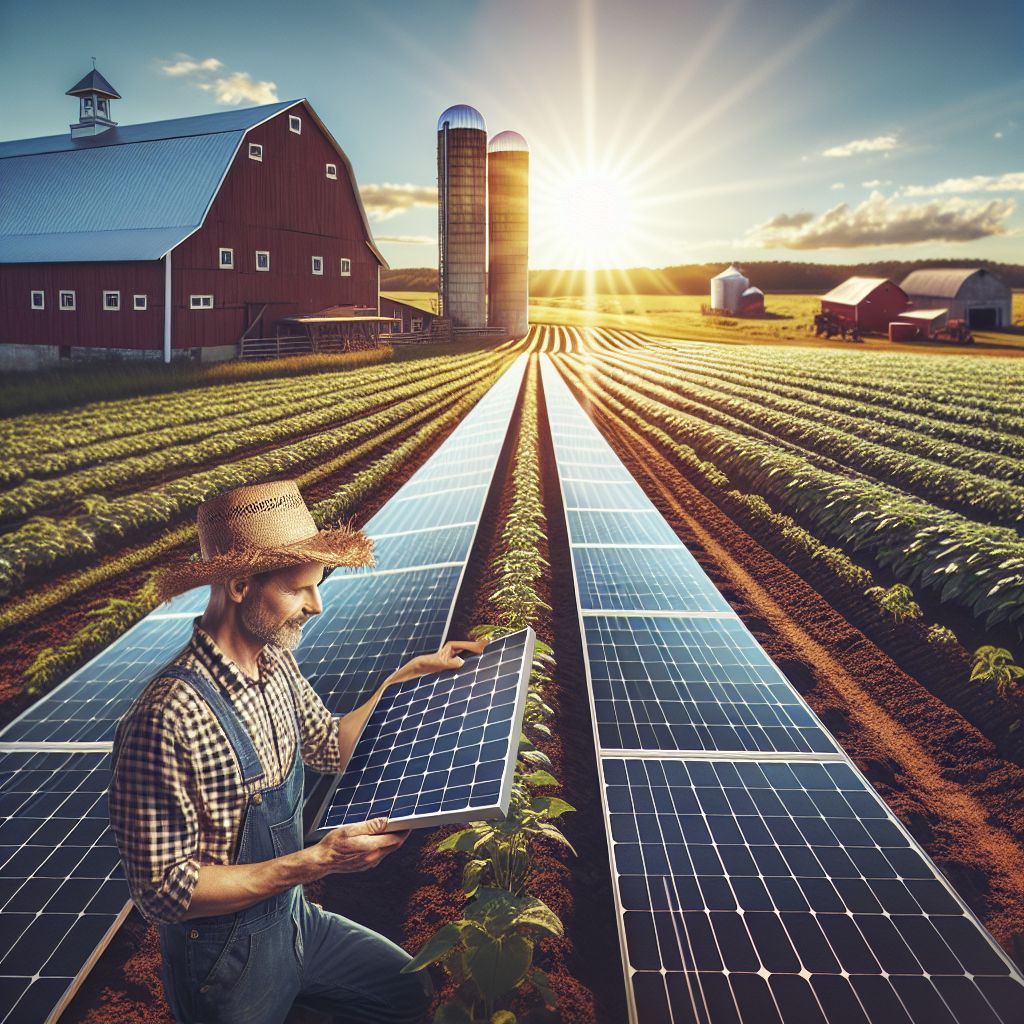
Farmers are increasingly recognizing the benefits of incorporating solar energy into their operations, not only to reduce energy costs but also to promote environmental stewardship. Choosing the right solar panels for agricultural purposes requires careful consideration of various factors. Here’s a closer look at some core elements to keep in mind when selecting solar panels for farming operations.
Understanding Farm Energy Requirements
To align your solar panel choice with your farm’s specific needs, it’s essential to understand the nuances of your energy requirements. This includes not only the total energy consumption but also the specific characteristics of your farm operations that might affect energy use.
- Identify any seasonal peaks in energy demand.
- Consider future expansions or changes in farm operations that may increase energy needs.
- Assess any existing renewable energy systems that might complement solar power.
Importance of Panel Durability in Agricultural Settings
Agricultural environments can be harsh, with extreme weather conditions being a common occurrence. Therefore, the durability of your solar panels is paramount. You’ll want panels that can withstand everything from heavy rain to intense sunlight without compromising performance.
Look for panels that offer:
- High resistance to weather-related wear and tear.
- Robust construction materials that ensure longevity.
- Comprehensive warranties that cover potential damages.
By prioritizing durability, you ensure that your investment in solar energy continues to pay off for years to come.
Evaluating Solar Panel Efficiency Levels
Efficiency is a critical consideration when it comes to solar panel performance. Higher efficiency panels convert more sunlight into usable electricity, maximizing your energy production and return on investment.
- Conversion Rates: Look for panels with higher efficiency rates, typically ranging from 15% to over 22%. While they may be more expensive upfront, the increased energy yield can lead to cost savings in the long run.
- Technology Trends: Keep an eye on emerging solar technologies such as bifacial panels and PERC (Passivated Emitter and Rear Cell) technology, which can offer improved performance in various lighting conditions.
- Shade Tolerance: Consider how panel performance can be affected by shading from buildings, trees, or equipment on the farm. Some panels perform better than others in partial shade, which could be an essential consideration for your specific layout.
- Monitoring Systems: Evaluate options for solar monitoring systems that help track performance, real-time energy production, and return on investment. This data can aid in optimizing your energy usage and further enhancing the farm’s solar investment.
Cost-Effectiveness versus Long-Term Savings
Price is often a primary concern when choosing solar panels, but a focus on upfront costs can overshadow potential long-term savings. Here’s how to approach this:
- Upfront Costs: While initial investments can be significant, many solar panel systems can pay for themselves within a few years through energy savings.
- Incentives and Tax Credits: Investigate local, state, or federal incentives for solar installation, as they can dramatically reduce upfront costs and improve return on investment.
- Lifecycle Costs: Beyond the purchase price, consider the lifespan, maintenance, and replacement costs of the solar panels. Investing in high-quality, durable panels may come with a higher price tag but can lead to greater savings over time.
- Energy Independence: Investing in solar panels not only reduces reliance on traditional energy sources but can also provide stability against fluctuating energy prices.

Choosing the Right Type of Solar Panels
When it comes to selecting solar panels for your farm, you have several options to consider. Each type of solar panel has its own set of advantages and limitations. Understanding these differences will help you make an informed decision that aligns with your farm’s specific needs and budget. For more information, check out this guide on choosing the right solar panels for your farm.
Monocrystalline Solar Panels: Efficiency and Cost
Monocrystalline solar panels are renowned for their high efficiency and longevity. These panels are made from a single, pure crystal structure, which allows them to convert sunlight into electricity more effectively than other types. While they might come with a higher price tag, their efficiency can lead to significant energy savings over time.
For farms with limited space but high energy demands, monocrystalline panels are an excellent choice. Their compact size means you can generate substantial power even in smaller areas, making them ideal for maximizing energy output.
Polycrystalline Solar Panels: Budget and Space Considerations
Polycrystalline panels are a more budget-friendly option compared to monocrystalline panels. They are made from multiple silicon crystals, which makes them slightly less efficient. However, they are still a popular choice for farms that have ample space and moderate energy needs.
These panels are perfect if you’re looking to balance cost with efficiency. While they require more space to produce the same amount of energy as monocrystalline panels, their lower cost can make them an attractive option for larger installations.
Thin-Film Solar Panels: Flexibility and Special Applications
Thin-film solar panels are known for their flexibility and lightweight design. They are created by depositing photovoltaic material onto a substrate, allowing them to be used in a variety of applications where traditional panels might not be suitable.
These panels are ideal for agricultural applications that require flexibility, such as greenhouses or structures with unusual shapes. While they tend to be less efficient than crystalline panels, their adaptability can be a significant advantage in certain scenarios. Learn more about the benefits of using thin-film solar panels for energy-efficient farms.
Thin-film panels are also more tolerant of high temperatures and shading, which can be beneficial in environments with variable weather conditions. However, it’s important to note that their lower efficiency means you’ll need more panels to meet the same energy needs as crystalline options.
Here’s a table comparing the different solar panel you can use with an irrigation system:
| Solar Panel Type | Efficiency | Cost per Watt | Pros | Cons |
|---|---|---|---|---|
| Monocrystalline | 17-22% | $1.00 – $1.50 | – Highest efficiency. 1, 3 – Performs well in low light. 2, 3 – Space-efficient. 1, 3 | – Most expensive option. 1, 3 – Performance drops in high heat. 2, 3 |
| Polycrystalline | 13-17% | $0.90 – $1.20 | – Lower cost than monocrystalline. 1, 3 – Good efficiency. 1, 3 – Tolerates high temperatures better. 2, 3 | – Slightly lower efficiency. 1, 3 – Requires more space than mono. 2, 3 |
| Thin-Film | 10-13% | $0.70 – $1.00 | – Lowest cost. 1, 3 – Flexible and lightweight. 2, 3 – Performs well in high heat. 2, 3 | – Lowest efficiency. 1, 3 – Requires the most space. 2, 3 – Shorter lifespan. 1, 3 |
When choosing solar panels for an irrigation system, consider factors such as the system’s power requirements, available space, budget, and local climate conditions. The right choice will depend on the specific needs of your irrigation project.
Durability and Environmental Resistance
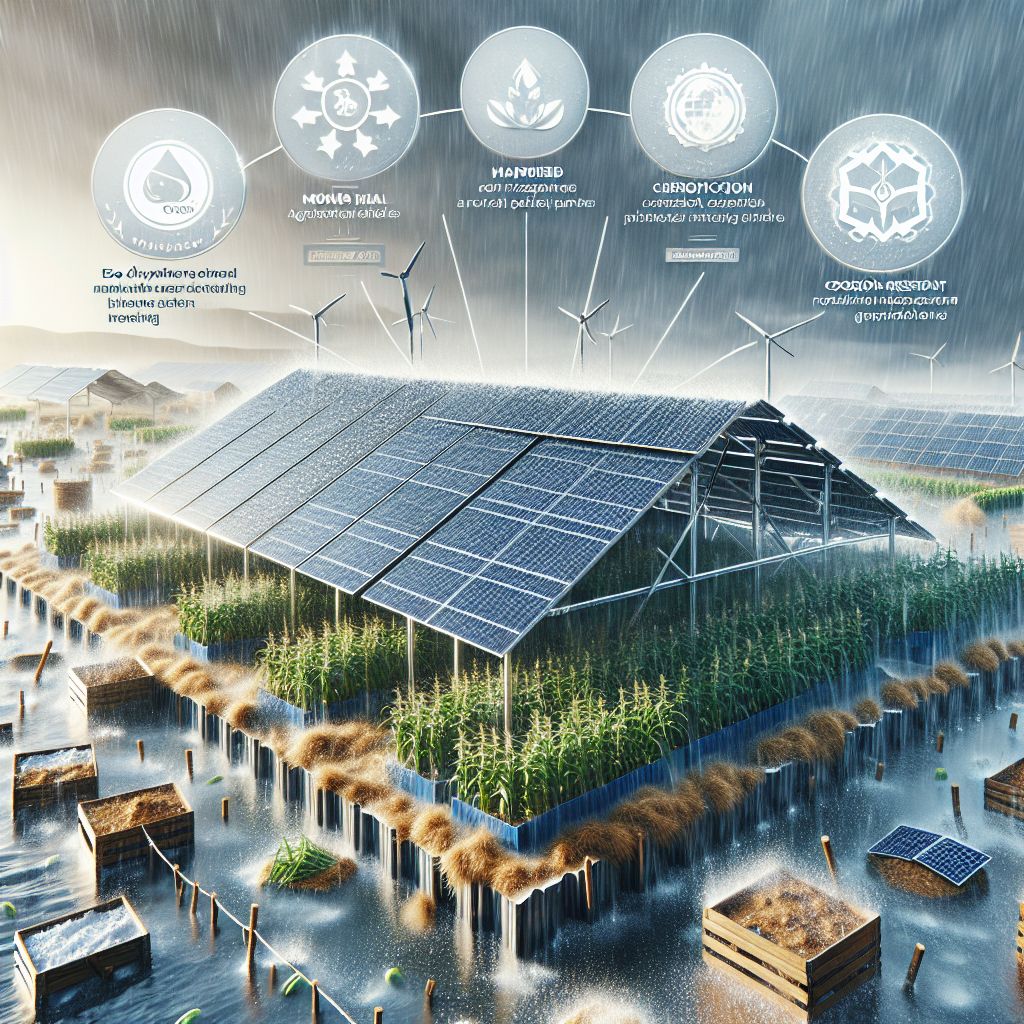
In the agricultural sector, solar panels must endure a range of environmental challenges. From harsh weather conditions to physical impacts, selecting panels that can withstand these elements is crucial for long-term success. For instance, understanding the benefits of monocrystalline solar panels can help farmers choose the right type for their needs.
Impact of Weather on Panel Longevity
Weather conditions play a significant role in the lifespan of solar panels. Heavy rain, hail, snow, and high winds can all impact panel performance and longevity. Therefore, it’s essential to choose panels designed to withstand such conditions without degrading.
Look for panels that have been tested for durability under extreme weather scenarios. Panels with a high ingress protection (IP) rating are more likely to resist water and dust, ensuring continued performance regardless of the elements. For more information, check out this guide on monocrystalline solar panels.
Evaluating Material Strength and Warranty Terms
The materials used in solar panel construction can greatly affect their strength and durability. Panels made with robust materials like tempered glass and corrosion-resistant frames are more likely to last in demanding agricultural environments.
In addition to material strength, warranty terms are an important consideration. A comprehensive warranty can provide peace of mind by covering potential issues related to manufacturing defects or environmental damage. Be sure to compare warranty lengths and conditions when selecting your panels.
Sustainability Features and Environmental Impact
Besides durability, the environmental impact of your solar panels is another important factor. Many manufacturers now offer panels that are designed with sustainability in mind, using eco-friendly materials and production processes.
Choosing sustainable panels not only reduces your farm’s carbon footprint but also supports broader environmental goals. Look for panels that have received certifications for their eco-friendly attributes, as these can indicate a commitment to sustainability. Learn more about the benefits of monocrystalline solar panels for eco-friendly farming solutions.
Installation and Mounting Considerations
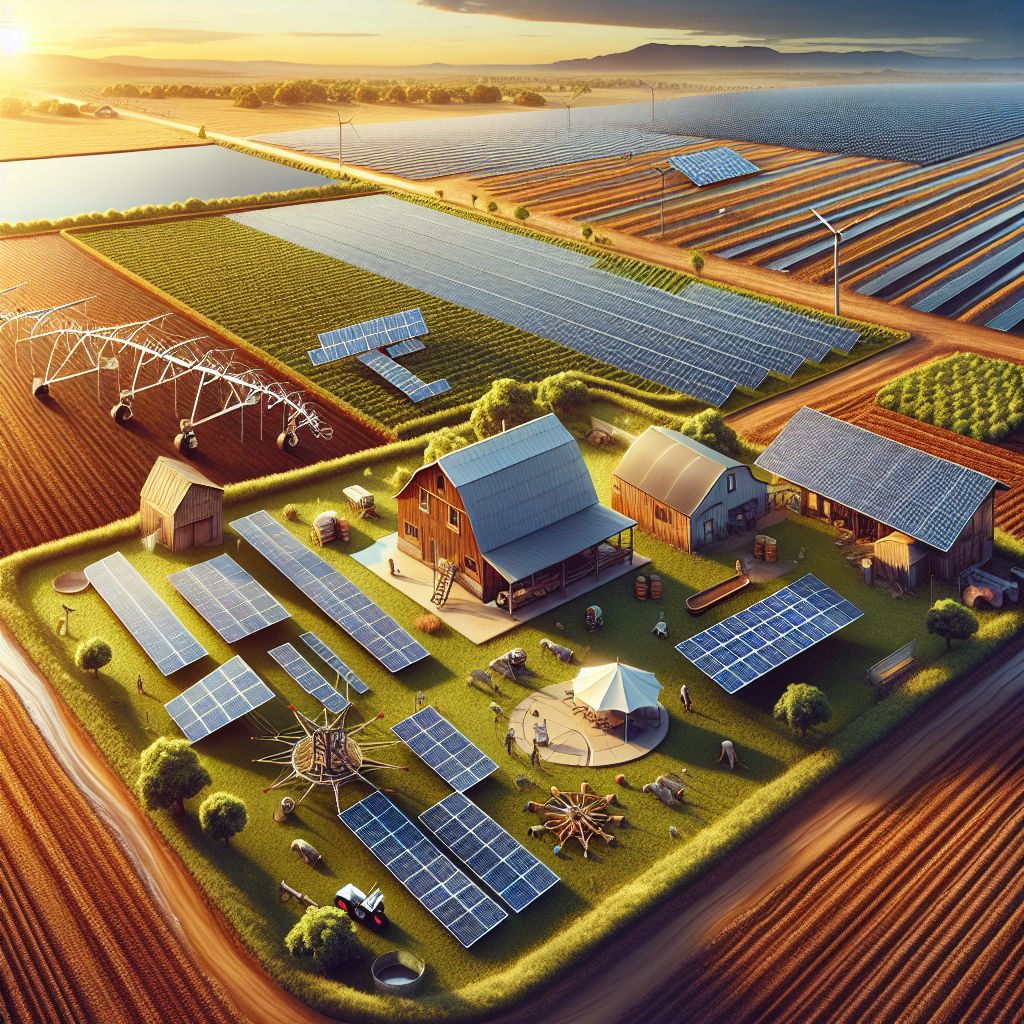
Proper installation and mounting are critical to the efficiency and effectiveness of your solar panel system. Depending on your farm’s layout and available space, you may have several options to consider.
Ground-Mounted vs. Rooftop Systems
Ground-mounted systems are ideal for farms with ample open space. These systems offer flexibility in terms of panel orientation and tilt, allowing you to optimize energy capture. They are also easier to access for maintenance and cleaning.
Rooftop systems, on the other hand, are a great choice for farms with limited ground space. By utilizing existing structures, you can maximize space efficiency. However, rooftop installations may require additional structural assessments to ensure the roof can support the panels.
Orientation and Tilt for Maximum Efficiency
The orientation and tilt of your solar panels can significantly impact their energy output. Ideally, panels should be oriented to capture the most sunlight throughout the day. In the northern hemisphere, this typically means facing south.
The tilt angle should be adjusted based on your latitude and the time of year. Many systems offer adjustable mounts that allow you to change the tilt angle seasonally to optimize performance.
Adapting to Varied Farm Terrains
Farms often have varied terrains that can pose challenges for solar panel installation. Slopes, uneven ground, and obstacles like trees or buildings can affect panel placement and efficiency. For instance, using solar panels for center pivot irrigation can help adapt to these challenges by providing flexible installation options.
To address these challenges, consider custom mounting solutions that can adapt to your farm’s unique landscape. Ground screws or ballast systems can provide stability on uneven terrain, while elevated mounts can help avoid shading from nearby objects.
Consider Cost and Financial Incentives
Investing in solar panels can be a significant financial decision. However, understanding the costs involved and exploring available financial incentives can make the investment more manageable.
Initial Investment vs. Long-Term Savings
The initial cost of solar panels can vary widely based on the type and size of the system. While the upfront investment may seem daunting, it’s important to consider the long-term savings on energy bills.
Solar panels can significantly reduce or even eliminate electricity costs over time. By calculating the expected payback period, you can better understand the financial benefits of your investment.
Exploring Government Grants and Subsidies
One of the most attractive aspects of investing in solar panels for your farm is the potential to offset costs through government grants and subsidies. Many governments worldwide offer financial incentives to encourage the adoption of renewable energy solutions. These can significantly reduce the initial investment required for solar panel installation.
To take advantage of these incentives, start by researching what programs are available in your region. Look for grants specifically aimed at agricultural operations, as these may offer more favorable terms. Additionally, some programs provide tax credits or rebates based on the size and type of solar installation. By leveraging these opportunities, you can make solar energy more affordable and accessible for your farm. For more information on solar panel options, consider the benefits of using thin-film solar panels for energy-efficient farms.
Return on Investment for Farmers
Understanding the return on investment (ROI) is crucial when considering solar panels for your farm. While the upfront costs can be significant, the long-term savings and benefits often outweigh the initial expenditure. By generating your own electricity, you can reduce or eliminate your reliance on traditional energy sources, leading to substantial savings on utility bills. Learn more about the benefits of using thin-film solar panels for energy-efficient farms.
Calculate the ROI by comparing the total cost of the solar panel system, including installation and maintenance, against the projected energy savings over time. Many farmers find that their solar panels pay for themselves within a few years, after which they enjoy free or significantly reduced energy costs. Additionally, solar panels can increase the value of your property, offering further financial benefits.
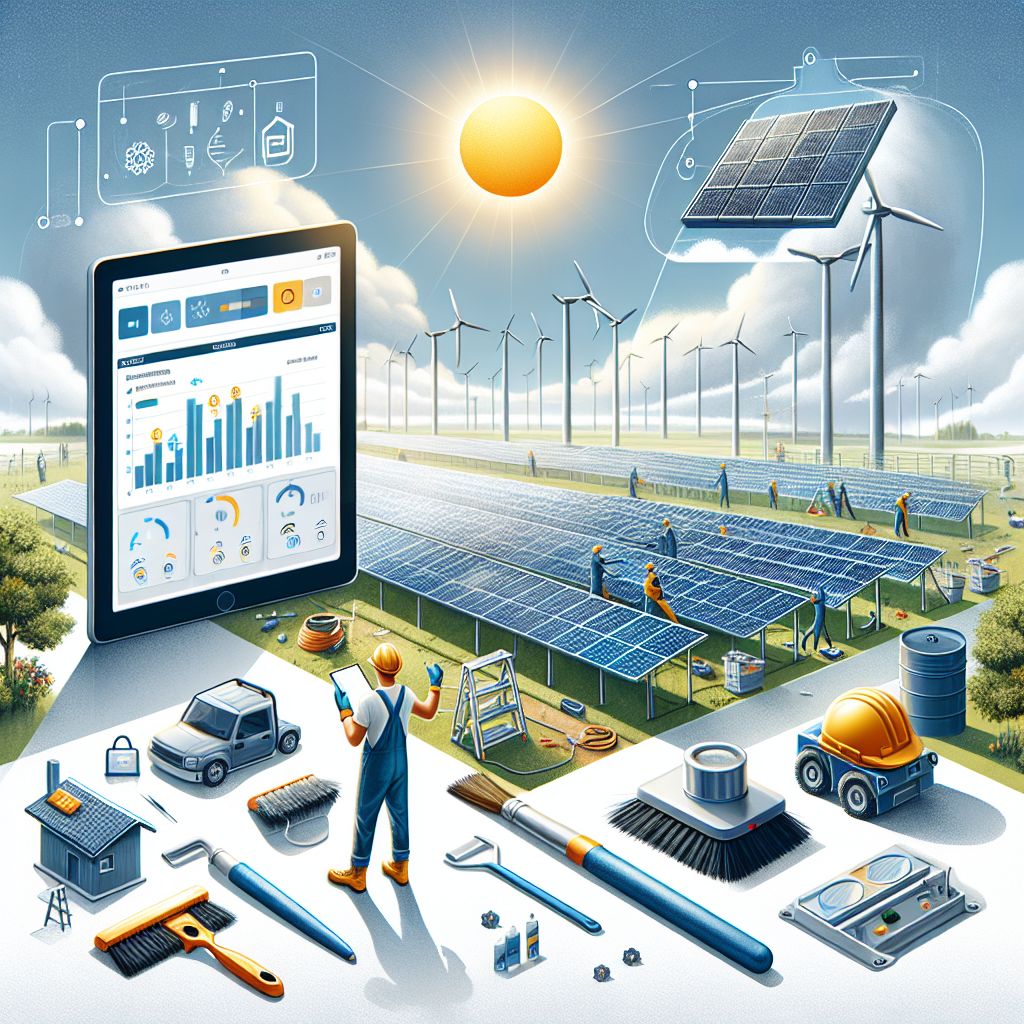
Monitoring and Maintenance for Solar Panels
Maintaining your solar panels is essential to ensure they operate at peak efficiency. Regular monitoring and maintenance can help you identify and address any issues before they become major problems, ensuring your investment continues to provide maximum benefits.
Firstly, keep an eye on your system’s performance through monitoring software or apps. These tools can alert you to any dips in energy production, indicating potential issues that need addressing. By staying vigilant, you can ensure your solar panels continue to perform optimally. For more efficient solutions, consider exploring smart farming solar power options.
Regular Cleaning and Inspection
Regular cleaning is a simple yet effective way to maintain your solar panels. Dust, dirt, and debris can accumulate on the panels, reducing their ability to capture sunlight. Depending on your location and environmental conditions, you may need to clean your panels several times a year. For more insights on maintaining solar panels, check out this guide on efficient solutions for farmers.
Inspections are also vital. Check for any signs of damage or wear, such as cracks or loose connections. If you notice any issues, contact a professional to assess and repair the damage promptly. By keeping your panels clean and well-maintained, you can extend their lifespan and ensure consistent energy production.
Optimal Performance Tracking
To get the most out of your solar panels, track their performance regularly. This involves monitoring energy production and comparing it against expected output levels. If you notice any discrepancies, investigate the cause and take corrective action.
Some common factors that can affect performance include shading from trees or buildings, changes in weather patterns, and equipment malfunctions. By identifying and addressing these issues, you can maintain optimal performance and maximize your energy savings.
Troubleshooting Common Issues
Even with regular maintenance, issues can arise. Common problems include inverter failures, wiring issues, and panel damage. If you encounter any of these problems, it’s essential to address them quickly to prevent further damage and ensure your system continues to operate efficiently.
For minor issues, such as loose connections, you may be able to perform repairs yourself. However, for more complex problems, it’s best to consult a professional solar technician. They can diagnose and resolve issues effectively, minimizing downtime and maximizing your energy production.
Conclusion: Is Solar Panels Worth the Investment for Farmers After Looking at the Factors to Consider
After examining the various factors involved in selecting solar panels for agriculture, it’s clear that the benefits often outweigh the challenges. Solar panels offer a sustainable and cost-effective solution for meeting your farm’s energy needs. By carefully assessing your energy requirements, choosing the right type of panels, and taking advantage of financial incentives, you can make a smart investment that pays off in the long run.
Moreover, with proper maintenance and monitoring, solar panels can provide reliable energy for years to come, contributing to your farm’s sustainability and profitability. As you consider this investment, remember that the upfront costs are balanced by the long-term savings and environmental benefits, making solar energy a valuable asset for any modern farm.
Frequently Asked Questions
- What are the main benefits of using solar panels on farms?
- How do I determine the right size of a solar system for my farm?
- Are there specific solar panel brands recommended for agriculture?
- What kind of maintenance do solar panels need to keep their efficiency up?
- Can you add solar panels to an existing irrigation system?
- What are the pros and cons of leasing vs. buying solar panels?
What are the main benefits of using solar panels on farms?
Solar panels provide a clean and renewable energy source, reducing reliance on fossil fuels and lowering electricity costs. They also offer energy independence and can increase property value.
How do I determine the right size of a solar system for my farm?
To determine the right size, assess your farm’s energy needs by analyzing power usage patterns and peak demand periods. Then, calculate the total wattage required and match it with the solar panel system’s capacity.
Are there specific solar panel brands recommended for agriculture?
While there are many reputable brands, it’s essential to choose panels that offer high efficiency, durability, and good warranty terms. Research and compare different brands based on these factors.
What kind of maintenance do solar panels need to keep their efficiency up?
Regular cleaning, inspections, and performance monitoring are crucial to maintaining efficiency. Address any issues promptly to ensure consistent energy production. For more insights on maintaining solar panel efficiency, explore the efficient solutions for farmers.
Can you add solar panels to an existing irrigation system?
Yes, solar panels can be integrated into existing irrigation systems to power pumps and other equipment, providing a sustainable energy solution for water management.
When choosing solar panels for agricultural use, it’s essential to consider factors such as efficiency, durability, and cost. Solar panels can significantly reduce energy expenses and provide a sustainable power source for various farming operations. To make an informed decision, it’s helpful to explore resources like choosing the right solar panels for your farm, which offers detailed insights into selecting the best solar solutions for agricultural applications.







Leave a Reply