

Key Takeaways
- Cloud cover can reduce solar panel efficiency by up to 80%, significantly impacting solar irrigation systems.
- High-altitude clouds may reflect sunlight, potentially increasing solar energy capture, a phenomenon known as “cloud lensing.”
- Investing in energy storage solutions, like batteries, can help mitigate the effects of cloudy weather on irrigation.
- Advanced weather prediction technologies can optimize irrigation schedules around cloudy periods.
- Hybrid energy systems combining solar with other renewable sources can ensure consistent irrigation performance.
Impact of Clouds on Solar-Powered Irrigation Systems
Solar-powered irrigation systems are a beacon of sustainable agriculture. They harness the sun’s energy to pump water, thus offering an eco-friendly alternative to traditional, fossil-fuel-powered systems. However, clouds can be a double-edged sword, influencing the efficiency and reliability of these systems.
Overview of Solar Irrigation Systems
At their core, solar irrigation systems utilize solar panels to convert sunlight into electrical energy. This energy powers water pumps, drawing water from sources such as wells, rivers, or reservoirs. The beauty of this system lies in its ability to operate in remote areas without access to electricity.
These systems typically consist of:
- Solar panels for energy capture
- An inverter to convert DC to AC power
- Water pumps for irrigation
- Storage tanks for water reserves
Most importantly, these components work together to provide a reliable water supply, essential for crop growth and farm productivity. For more insights, explore how integrating solar panels with existing irrigation systems can enhance farm operations.
Benefits of Using Solar Power for Irrigation
Solar irrigation offers numerous advantages over conventional methods. First, it reduces reliance on non-renewable energy sources, cutting down greenhouse gas emissions. Secondly, it lowers operational costs, as sunlight is free and abundant. Moreover, solar systems require minimal maintenance, making them cost-effective in the long run.
How Clouds Influence Solar Power Generation
When clouds roll in, they can significantly affect solar power generation. The density and type of clouds determine how much sunlight reaches the panels. Thick, low-hanging clouds can block sunlight almost entirely, reducing the energy output of solar panels by as much as 80%.
Interestingly, certain cloud formations can actually enhance solar output. High-altitude clouds can reflect sunlight, creating a “cloud lensing” effect that increases light intensity on the solar panels. This phenomenon can temporarily boost energy production, though it is not a reliable source of power.
Direct Effects of Cloud Cover on Irrigation Efficiency
The direct consequence of cloud cover is reduced energy availability. This can lead to insufficient water pumping, affecting irrigation schedules and crop health. Farmers may experience delayed watering, which could result in stunted growth or lower yields.
Therefore, understanding cloud patterns and their impact on solar energy is crucial for optimizing irrigation practices. By adapting to these conditions, farmers can maintain productivity even when the skies are overcast.
Here’s a table discussing the effects of clouds on solar irrigation systems:
|
Cloud Effect |
Impact on Solar Irrigation Systems |
|---|---|
|
Reduced Energy Output |
Solar panels produce 10-25% of their regular power output on overcast days. 5 |
|
Irrigation Schedule Disruption |
Decreased energy production can lead to inadequate water supply for crops. 3 |
|
System Stops and Starts |
Frequent cloud transits cause continuous stops and starts in irrigation systems. 4 |
|
Diffuse Light Capture |
Modern solar panels can still capture diffuse sunlight present on cloudy days. 1 |
|
Battery Reliance |
Cloud cover increases dependence on battery storage systems for consistent irrigation. 3 |
|
Pumping Rate Reduction |
Cloudy conditions may reduce water pumping rates (e.g., from 5 GPM to 2-3 GPM). 6 |
|
Photovoltaic Effect |
Clouds reduce but don’t eliminate the photovoltaic effect, allowing some energy production. 5 |
|
Water Storage Importance |
Cloudy periods highlight the need for 3-5 days of water storage capacity. 6 |
|
System Efficiency |
Cloud cover significantly impacts overall system efficiency and performance. 2 |
|
Adaptive Strategies |
Proper planning and equipment can help maintain effectiveness during cloudy periods. 1 |
This table summarizes the key effects of clouds on solar irrigation systems, highlighting both the challenges and potential solutions for maintaining system efficiency during cloudy conditions.

Understanding Cloud Impact on Solar Efficiency
To fully grasp how clouds affect solar efficiency, it’s essential to consider several factors, such as cloud types, density, and duration. Each of these elements plays a role in determining the amount of solar energy captured by the panels.
- Cloud types: Different clouds have varying effects on sunlight transmission.
- Cloud density: Thicker clouds block more sunlight, reducing energy output.
- Cloud duration: Prolonged cloud cover can have a cumulative effect on energy availability.
By analyzing these factors, we can develop strategies to mitigate the impact of clouds on solar irrigation systems.
Role of Cloud Types in Solar Energy Harvesting
Not all clouds are created equal when it comes to solar energy harvesting. Cumulus clouds, for instance, are dense and fluffy, often blocking significant amounts of sunlight. On the other hand, cirrus clouds are thin and wispy, allowing more sunlight to pass through. Understanding these differences is vital for predicting solar panel performance.
Besides that, knowing the type of clouds prevalent in your region can help you plan better. For example, if your area experiences frequent cumulus clouds, it might be wise to invest in additional energy storage or hybrid systems.
Why Cloud Density Matters
Cloud density is a critical factor in determining solar efficiency. Dense clouds absorb and scatter more sunlight, leading to a drastic drop in solar energy production. This can be particularly challenging for farmers relying on solar power for irrigation.
Here’s a simple way to think about it: the denser the cloud, the less sunlight reaches your panels. Therefore, monitoring cloud density can provide insights into potential energy shortages and help you prepare accordingly.
- Monitor local weather forecasts for cloud density information.
- Adjust irrigation schedules based on predicted sunlight availability.
- Consider installing solar tracking systems to maximize energy capture.
By taking these steps, you can mitigate the adverse effects of dense clouds on your solar irrigation system.
Cloud Duration and Its Effects on Energy Output
The length of time clouds cover the sky can significantly impact energy output. Short periods of cloudiness may cause only minor disruptions, but prolonged overcast conditions can lead to substantial energy deficits.
Imagine a week of cloudy weather. Your solar panels won’t generate enough power to meet irrigation demands, potentially affecting crop health. In such scenarios, having a backup plan, such as energy storage or hybrid systems, becomes essential.
Therefore, keeping track of cloud duration and preparing for extended cloudy periods is a smart move for any farmer relying on solar power.

Maximizing Solar Irrigation on Cloudy Days
Cloudy days can be a challenge for solar irrigation, but with the right strategies, we can minimize their impact. The key lies in adapting our approach to ensure consistent water supply to crops, even when sunlight is scarce.
One effective strategy is to optimize irrigation timing. By scheduling irrigation sessions during peak sunlight hours, we can make the most of the available energy. This requires close monitoring of weather patterns and adjusting schedules accordingly.
Strategic Irrigation Timing
Timing is everything when it comes to solar irrigation. On cloudy days, it’s crucial to irrigate when sunlight is at its strongest, typically around midday. This ensures that solar panels capture the maximum possible energy, allowing pumps to operate efficiently.
By strategically planning irrigation, we can reduce the risk of water shortages and maintain crop health. Farmers should consider using automated systems that adjust irrigation schedules based on real-time weather data.
Energy Storage Solutions
Energy storage is a game-changer for solar irrigation systems. By storing excess energy generated on sunny days, we can create a buffer to draw upon during cloudy periods. Batteries are a popular choice, providing a reliable backup to keep irrigation systems running smoothly.
When selecting an energy storage solution, consider factors such as capacity, efficiency, and cost. Investing in a high-quality battery can make a significant difference in ensuring uninterrupted irrigation, regardless of weather conditions.
Adjusting Irrigation Patterns
In addition to timing and storage, adjusting irrigation patterns can help optimize water use on cloudy days. This might involve altering the duration or frequency of irrigation sessions to match available energy levels.
For example, reducing the amount of water used during each session can prevent system overload and ensure more consistent coverage. By being flexible and responsive to changing conditions, we can make the most of the solar energy available.

Technological Solutions for Improved Performance
Embracing technology can significantly enhance the performance of solar irrigation systems, especially under challenging weather conditions. From advanced monitoring systems to AI-driven weather prediction, modern tools offer invaluable support for farmers.
Advanced Monitoring Systems
Advanced monitoring systems provide real-time insights into the performance of solar panels and irrigation equipment. By tracking energy production, water usage, and weather conditions, these systems enable proactive management of resources.
Implementing a monitoring system can help identify inefficiencies and optimize operations. For instance, if energy output drops due to cloud cover, the system can alert farmers to adjust irrigation schedules or switch to backup power sources.
Using AI for Weather Prediction
Artificial intelligence (AI) is revolutionizing weather prediction, offering precise forecasts that help farmers plan irrigation activities. By analyzing vast amounts of meteorological data, AI models can predict cloud cover and sunlight availability with remarkable accuracy.
Leveraging AI-driven predictions allows farmers to make informed decisions about when and how much to irrigate. This not only improves water management but also maximizes the efficiency of solar irrigation systems.
Integrating Hybrid Energy Systems
Integrating hybrid energy systems combines solar power with other renewable sources, such as wind or biomass. This approach ensures a more consistent energy supply, mitigating the effects of cloudy weather on irrigation.
By diversifying energy sources, farmers can reduce their dependence on solar power alone. Hybrid systems provide a reliable backup, allowing irrigation to continue uninterrupted even when the sun isn’t shining.
In conclusion, while clouds can pose challenges for solar irrigation systems, there are numerous strategies and technologies available to overcome them. By understanding cloud impacts and leveraging innovative solutions, we can empower irrigation professionals to maintain productivity and sustainability in agriculture.

Long-Term Strategies for Solar Irrigation
Adopting long-term strategies is essential for maximizing the efficiency and reliability of solar irrigation systems. By planning ahead and investing in sustainable solutions, we can ensure consistent water supply and boost agricultural productivity, regardless of weather conditions.
Investment in Flexible Infrastructure
Investing in flexible infrastructure allows farmers to adapt quickly to changing environmental conditions. This includes upgrading irrigation systems to be more resilient and efficient, as well as incorporating technology that can adjust to varying energy inputs.
For instance, installing variable-speed pumps can optimize water usage by adjusting the flow rate based on available energy. This flexibility ensures that irrigation continues smoothly, even when solar output fluctuates due to cloud cover.
Moreover, consider upgrading solar panels to more efficient models that can capture energy even in low-light conditions. While this may require an initial investment, the long-term benefits in terms of energy savings and increased crop yield are substantial. For more information, check out our guide on choosing the right solar panels for an irrigation system.
Customized Adaptation Plans
Developing customized adaptation plans tailored to specific regional weather patterns and agricultural needs can significantly enhance solar irrigation systems’ effectiveness. These plans should account for local climate conditions, crop types, and water requirements.
By working closely with agricultural experts and weather services, farmers can design strategies that address their unique challenges. This might involve adjusting irrigation schedules, integrating energy storage solutions, or exploring alternative water sources during prolonged cloudy periods.
Collaboration with Weather Services
Collaborating with weather services provides farmers with access to accurate and timely meteorological data. This information is crucial for making informed decisions about irrigation and energy management.
Weather services can offer insights into upcoming cloud cover, temperature fluctuations, and precipitation levels. By integrating this data into irrigation planning, farmers can optimize water usage and ensure that crops receive the necessary moisture, even when sunlight is limited. For more information on how weather impacts solar systems, you can explore the efficiency of solar irrigation systems.
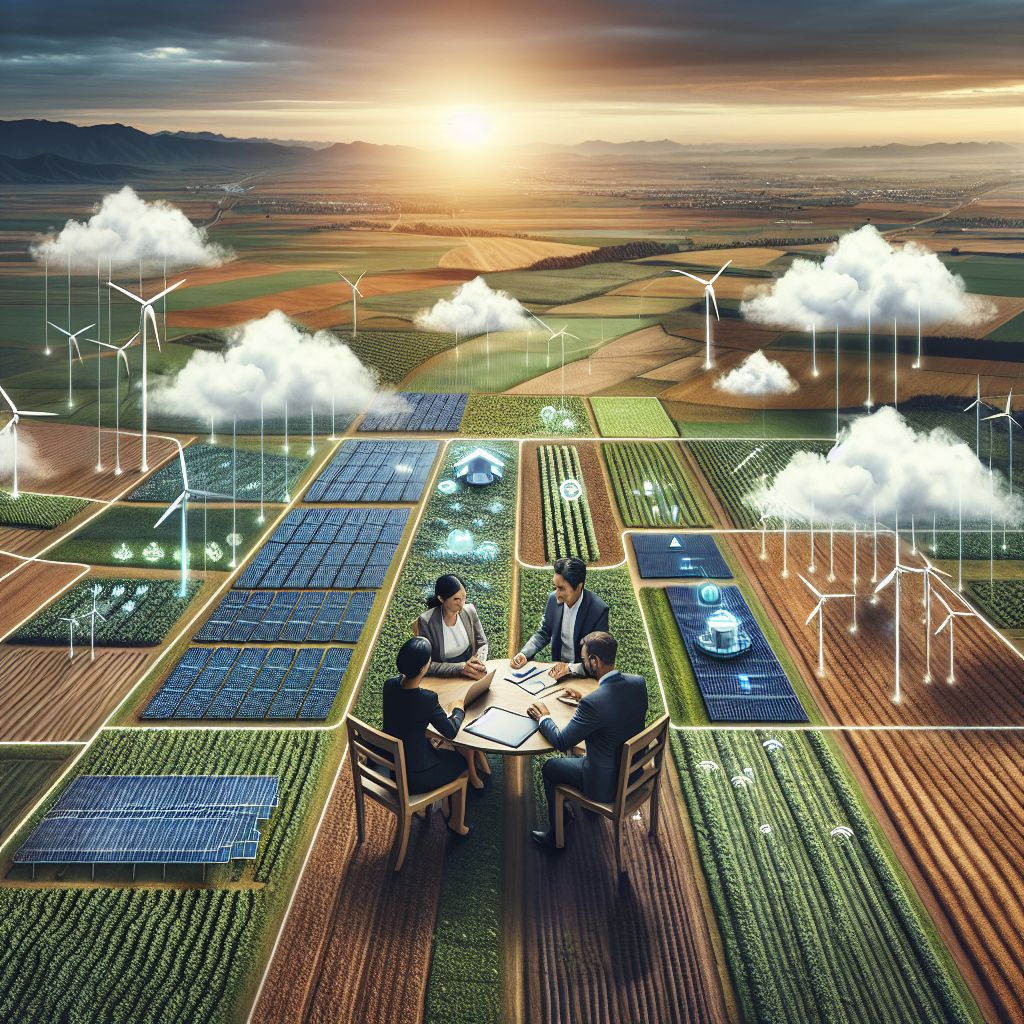
Conclusion: Embracing Solar Power in Agriculture
Embracing solar power in agriculture is not just about harnessing renewable energy; it’s about creating a sustainable future for farming. By understanding the effects of clouds on solar irrigation systems and implementing effective strategies, we can empower irrigation professionals to maintain productivity and resilience in the face of environmental challenges.
Wrap-up on Cloud Considerations
Clouds can pose significant challenges to solar irrigation systems, but they also offer opportunities for innovation and adaptation. By analyzing cloud types, density, and duration, farmers can develop strategies to mitigate their impact and optimize solar energy usage.
Future Prospects for Solar Irrigation
The future of solar irrigation is bright, with advancements in technology and increased awareness of sustainable practices. Continued investment in research and development will lead to more efficient solar panels, better energy storage solutions, and smarter irrigation systems.
As we move forward, collaboration between farmers, scientists, and policymakers will be key to overcoming challenges and unlocking the full potential of solar power in agriculture.
Frequently Asked Questions (FAQ)
Addressing common questions about solar irrigation systems can help farmers make informed decisions and optimize their operations.
How do clouds affect solar irrigation systems?
Clouds reduce the amount of sunlight reaching solar panels, which can decrease energy production and affect the efficiency of irrigation systems. However, understanding cloud patterns and investing in energy storage can help mitigate these effects.
Can solar panels work efficiently on rainy days?
Solar panels can still generate energy on rainy days, but their efficiency is reduced. Rain can help clean the panels, improving their performance once the sun returns. Investing in energy storage solutions can provide a backup during low sunlight periods.
It’s important to note that while energy output decreases, solar panels do not stop working entirely during rain. They continue to capture diffuse light, albeit at a lower rate.
What are the benefits of energy storage for solar irrigation?
Energy storage systems, such as batteries, allow farmers to store excess energy generated on sunny days for use during cloudy periods. This ensures a consistent power supply for irrigation, reducing the risk of water shortages and maintaining crop health.
How can farmers prepare for prolonged cloudy periods?
Farmers can prepare for prolonged cloudy periods by investing in energy storage, optimizing irrigation schedules, and integrating hybrid energy systems. These strategies ensure a reliable water supply and minimize the impact of reduced solar energy availability.
Additionally, collaborating with weather services to receive accurate forecasts can help farmers plan their irrigation activities more effectively.
What innovations are improving solar irrigation efficiency?
Innovations such as advanced monitoring systems, AI-driven weather prediction, and hybrid energy solutions are significantly enhancing the efficiency of solar irrigation systems. These technologies provide real-time data and insights, allowing farmers to optimize water usage and energy management.
By staying informed about the latest advancements and adopting new technologies, farmers can improve their solar irrigation systems’ performance and resilience.
Ultimately, embracing solar power and adapting to cloud challenges will empower irrigation professionals to create sustainable and productive agricultural systems.
Clouds can significantly impact the efficiency of solar irrigation systems. When clouds obscure sunlight, the energy output from solar panels decreases, which can affect the water supply for crops. Understanding these effects is crucial for farmers who rely on solar energy for irrigation. For more insights on how to effectively manage solar-powered irrigation, consider integrating solar panels with existing irrigation systems.







Leave a Reply