

Key Takeaways
- Solar irrigation systems rely heavily on consistent sunlight, making weather a critical factor in their efficiency.
- Cloud cover can significantly reduce the energy output of solar panels, impacting irrigation schedules.
- High temperatures can lead to overheating of solar panels, while cold weather can affect system components.
- Wind and precipitation pose physical threats to the structural integrity of solar systems.
- Adaptive design and regular maintenance are crucial for minimizing weather-related disruptions.
How Weather Influences the Performance of Solar Irrigation Systems on Farms
Solar irrigation systems have become a cornerstone of sustainable farming, especially in remote areas where traditional power sources are scarce. By harnessing the power of the sun, farmers can water their crops efficiently and sustainably. However, weather conditions play a pivotal role in determining the effectiveness of these systems. Understanding how different weather patterns affect solar irrigation can empower farmers to make informed decisions and optimize their systems for better performance.
The Role of Solar Irrigation in Sustainable Farming
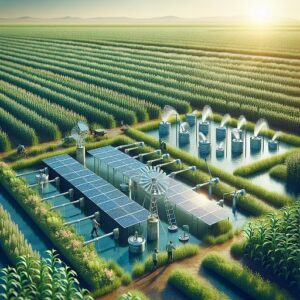
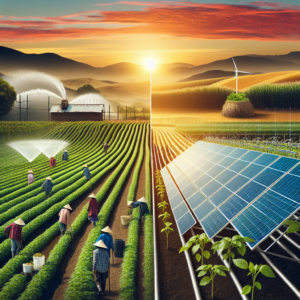
Solar irrigation systems are designed to convert sunlight into electricity, which is then used to pump water from a source to the fields. This method is environmentally friendly and cost-effective, reducing the reliance on fossil fuels and cutting down on operational costs. Besides that, solar irrigation systems offer a sustainable solution to water management, especially in regions facing water scarcity.
For farmers, the promise of solar irrigation is immense. It offers the potential for increased crop yields and reduced water wastage. However, the effectiveness of these systems can be compromised by unpredictable weather conditions. Therefore, understanding the impact of weather on solar irrigation is crucial for maximizing its benefits.
Weather Conditions Affecting Solar Irrigation
Weather conditions such as sunlight variability, temperature extremes, wind, and precipitation can all influence the performance of solar irrigation systems. Each of these factors poses unique challenges that require careful consideration and planning. For more insights on how solar irrigation systems perform in different weather conditions, explore our detailed guide.
Here’s a table comparing how different weather conditions impact various types of solar panels:
|
Weather Condition |
Monocrystalline |
Polycrystalline |
Thin-Film |
|---|---|---|---|
|
Sunny Days |
High efficiency, but slightly less than monocrystalline. 2 |
Good performance, but less efficient than crystalline types. 3 | |
|
Cloudy Days |
Best performance in low-light conditions, 10-25% of normal output. 5, 10 |
Moderate performance, less efficient than monocrystalline in low light. 2, 10 |
Can outperform crystalline panels in overcast conditions. 3 |
|
Rain |
Reduced efficiency, but still functional; rain helps clean panels. 1, 4 |
Similar to monocrystalline, with slightly lower output. 4 |
Performance similar to crystalline types, but more prone to damage. 3 |
|
Snow |
Performs well in cold; snow can slide off easily due to panel angle. 1 |
Similar to monocrystalline, but slightly less efficient in cold. 2 |
Less efficient in cold; more prone to snow accumulation. 3 |
|
Heat |
Efficiency decreases as temperature rises above 77°F (25°C). 1 |
More sensitive to heat than monocrystalline. 3 |
Best performance in high temperatures. 3 |
|
Wind |
Benefits from cooling effect, increasing efficiency. 1 |
Similar benefits from cooling as monocrystalline. 1 |
More susceptible to damage from strong winds. 3 |
|
Hail |
Highly durable, rated for 1-inch hail at 50 mph. 6 |
Durable, but slightly less than monocrystalline. 6 |
Less durable, more prone to hail damage. 6 |
This table provides a general comparison of how different weather conditions affect monocrystalline, polycrystalline, and thin-film solar panels. Monocrystalline panels tend to perform best overall, especially in low-light and cold conditions. Polycrystalline panels offer similar but slightly lower performance. Thin-film panels can outperform in certain conditions like extreme heat or heavy cloud cover but are generally less efficient and more susceptible to weather-related damage. 3, 5, 10

Sunlight Variability
Sunlight is the primary energy source for solar irrigation systems. Therefore, any changes in sunlight availability can directly affect the system’s efficiency. Variability in sunlight can occur due to cloud cover and seasonal changes, both of which can lead to reduced energy output.
Impact of Cloud Cover
Cloud cover is one of the most common weather-related challenges for solar irrigation systems. When clouds obscure the sun, the amount of solar energy captured by the panels decreases significantly. This reduction in energy output can disrupt irrigation schedules and lead to inadequate water supply for crops.
Farmers can mitigate the impact of cloud cover by incorporating energy storage solutions such as batteries. These systems store excess energy generated during sunny periods, which can then be used during cloudy days to maintain consistent irrigation.
Effect of Seasonal Changes
- Increased cloud cover during rainy seasons can reduce solar panel efficiency.
- Shorter daylight hours in winter result in less energy production.
- Seasonal variations in temperature can affect the performance of solar panels and irrigation equipment.
Farmers should consider these seasonal variations when planning their irrigation schedules. By understanding the seasonal patterns in their region, they can adjust their systems accordingly to ensure consistent water supply throughout the year.

Temperature Extremes and System Efficiency
Temperature plays a significant role in the efficiency of solar irrigation systems. Extreme temperatures, whether high or low, can impact the performance of solar panels and other system components. Therefore, understanding how temperature affects these systems is crucial for maintaining their efficiency. For more insights, you can explore how solar-powered irrigation systems function under varying environmental conditions.
High Temperatures and Overheating Risks
While solar panels are designed to operate in warm conditions, excessively high temperatures can lead to overheating. This can reduce the efficiency of the panels, as they convert less sunlight into electricity when they become too hot. Overheating can also cause long-term damage to the panels, shortening their lifespan.
To mitigate the risks of overheating, it’s essential to ensure proper ventilation around the solar panels. This can be achieved by installing panels at an angle that allows for air circulation underneath. Additionally, using heat-resistant materials and coatings on the panels can help dissipate heat more effectively.
Cold Weather Impact on System Components
Cold weather can also pose challenges for solar irrigation systems. While solar panels generally perform better in cooler temperatures, extreme cold can affect the system’s components, such as batteries and inverters. These components may become less efficient or even fail in freezing conditions.
To protect against cold weather, farmers can insulate vulnerable components and use cold-resistant materials. Regular maintenance checks are also crucial during winter months to ensure that the system remains operational and efficient.

Wind and Its Effects on Solar Irrigation Systems
Wind can have both positive and negative effects on solar irrigation systems. On one hand, a gentle breeze can help cool solar panels, preventing overheating. On the other hand, strong winds can pose structural challenges and safety concerns.
Structural Concerns Due to High Winds
High winds can damage solar panels and their mounting structures, leading to costly repairs and downtime. To prevent this, it’s important to ensure that panels are securely mounted and that the structures are designed to withstand strong winds. Using robust materials and proper installation techniques can help mitigate the risks associated with high winds. For more information on these systems, you can read about understanding solar-powered irrigation systems.
System Safety Precautions
Implementing safety precautions is essential for protecting solar irrigation systems from wind damage. Here are some key steps to consider:
- Regularly inspect mounting structures for signs of wear and tear.
- Use wind-resistant materials and designs for mounting structures.
- Ensure that panels are properly angled to minimize wind resistance.
- Consider using windbreaks, such as trees or fences, to reduce wind exposure.
By taking these precautions, farmers can reduce the risk of wind-related damage and ensure the longevity of their solar irrigation systems.

Precipitation and Water Management
Precipitation, including rain and snow, can affect solar irrigation systems in various ways. While rain can help clean solar panels and improve their efficiency, excessive precipitation can pose challenges for energy collection and system performance.
Rainfall Impact on Solar Energy Collection
Rainfall can temporarily reduce the amount of sunlight reaching solar panels, leading to a decrease in energy production. However, rain also serves as a natural cleaning agent, washing away dust and debris that can accumulate on the panels and hinder their performance.
To maximize the benefits of rainfall, it’s important to position panels at an angle that allows water to run off easily. This will help keep the panels clean and maintain their efficiency even during wet weather.
Snow Accumulation and System Performance
Snow accumulation on solar panels can block sunlight and significantly reduce energy production. In regions with heavy snowfall, it’s crucial to implement strategies for snow removal and prevention.
Farmers can use snow guards or heating elements to prevent snow buildup on panels. Additionally, regularly clearing snow from panels can help ensure that the system remains operational and efficient during winter months.

Strategies to Mitigate Weather Impact
While weather conditions can pose challenges for solar irrigation systems, there are several strategies that farmers can implement to mitigate these impacts and ensure consistent performance.
By adopting a proactive approach and investing in adaptive technologies, farmers can enhance the resilience of their solar irrigation systems against adverse weather conditions.
Use of Energy Storage Solutions
- Install batteries to store excess energy generated during sunny periods.
- Use energy management systems to optimize energy usage and reduce waste.
- Consider hybrid systems that combine solar power with other renewable energy sources.
These solutions can help maintain a consistent energy supply, even during periods of low sunlight or adverse weather conditions.
By incorporating energy storage solutions, farmers can ensure that their irrigation systems continue to operate efficiently, regardless of weather conditions.
Adaptive System Design
Designing solar irrigation systems with adaptability in mind is crucial for minimizing weather-related disruptions. This involves using materials and technologies that can withstand extreme weather conditions and adjusting system components to optimize performance.
Regular Maintenance and Monitoring
Regular maintenance and monitoring are essential for ensuring the long-term efficiency of solar irrigation systems. By conducting routine inspections and addressing any issues promptly, farmers can prevent weather-related damage and maintain optimal system performance.

Real-World Examples of Weather Adaptation
Adapting solar irrigation systems to withstand various weather conditions is not just a theoretical exercise; it’s a practical necessity. Farmers worldwide have developed innovative solutions to ensure their systems remain efficient and resilient.
One of the most compelling examples comes from regions with harsh climates, where farmers have successfully integrated weather-resistant designs into their solar irrigation systems. These real-world adaptations offer valuable insights into how to overcome weather-related challenges.
By learning from these examples, farmers can adopt best practices and tailor their systems to suit their specific environmental conditions. This approach not only improves system reliability but also enhances overall farm productivity.
- Utilizing durable materials that can withstand extreme weather.
- Implementing automated monitoring systems for real-time weather data.
- Incorporating backup power sources to maintain system operation during adverse conditions.
Case Study: Solar Irrigation in Kenya
In Kenya, where sunlight is abundant but unpredictable weather patterns can occur, farmers have taken proactive steps to ensure their solar irrigation systems remain functional. They have adopted energy storage solutions, such as batteries, to store excess energy generated during sunny periods.
Additionally, Kenyan farmers have implemented community-based monitoring systems to share real-time weather data. This collaborative approach allows them to anticipate changes in weather patterns and adjust their irrigation schedules accordingly, ensuring a consistent water supply for their crops.
Case Study: Canadian Farm Solutions
In Canada, where winters are harsh and snow accumulation is a significant concern, farmers have developed innovative solutions to keep their solar irrigation systems operational. They use snow guards and heating elements to prevent snow buildup on solar panels, ensuring continuous energy production even during heavy snowfall.

Future Innovations in Weather-Resilient Systems
As technology continues to advance, the future of solar irrigation systems looks promising. Innovations in materials, design, and monitoring technologies are paving the way for more weather-resilient systems that can withstand even the harshest conditions.
These advancements will not only improve the reliability of solar irrigation systems but also enhance their efficiency, making them an even more attractive option for sustainable farming.
Technological Advances in Solar Panels
New developments in solar panel technology are focusing on increasing efficiency and durability. Researchers are exploring materials that can better withstand extreme temperatures and weather conditions, ensuring that panels remain operational and efficient regardless of the climate.
Moreover, advancements in photovoltaic cell technology are improving energy conversion rates, allowing solar panels to generate more electricity even under suboptimal conditions, such as cloudy or rainy days. For a deeper understanding of these advancements, you might explore how they impact solar power savings and the bottom line for farmers.
Integration of Weather Prediction Systems
The integration of advanced weather prediction systems with solar irrigation technology is another exciting development. These systems use real-time data and predictive analytics to forecast weather conditions, allowing farmers to optimize their irrigation schedules and energy usage accordingly.
Frequently Asked Questions (FAQ)
Understanding how solar irrigation systems perform in different weather conditions is crucial for farmers. Here are some common questions and answers to provide more insight:
By addressing these frequently asked questions, we aim to empower farmers with the knowledge they need to make informed decisions about their solar irrigation systems.
These insights will help farmers optimize their systems for better performance, regardless of the weather conditions they face.
How do solar panels work on cloudy days?
Solar panels can still generate electricity on cloudy days, although their efficiency is reduced. They rely on diffuse sunlight, which is scattered by clouds, to produce energy. While output may be lower, using energy storage solutions like batteries can help maintain consistent energy supply during cloudy periods.
What are the benefits of using solar irrigation?
Solar irrigation offers numerous benefits, including reduced reliance on fossil fuels, lower operational costs, and sustainable water management. By using renewable energy, farmers can minimize their environmental impact and improve the resilience of their farming operations. For more insights on how solar power savings impact farmer bottom line costs, explore our detailed article.
Can solar irrigation systems survive extreme weather?
Yes, solar irrigation systems can be designed to withstand extreme weather conditions. By using durable materials, implementing adaptive designs, and conducting regular maintenance, farmers can ensure their systems remain functional and efficient even in harsh climates.
How does temperature affect solar panel efficiency?
Temperature can significantly impact solar panel efficiency. High temperatures can lead to overheating, reducing energy conversion rates, while cold temperatures can affect system components. Proper ventilation and the use of temperature-resistant materials can help mitigate these effects.
“Solar panels generally perform better in cooler temperatures, but extreme cold can affect system components, such as batteries and inverters.”
By understanding the impact of temperature on solar panels, farmers can take steps to optimize their systems for better performance in varying climates.
Does keeping up with maintenance help the solar irrigation system against receiving damage from weather?
Absolutely, regular maintenance is crucial for protecting solar irrigation systems from weather-related damage. By conducting routine inspections and addressing any issues promptly, farmers can prevent potential damage and ensure the long-term efficiency of their systems.
In summary, weather conditions play a significant role in the performance of solar irrigation systems. By understanding these impacts and implementing strategies to mitigate them, farmers can ensure their systems remain efficient and reliable, ultimately leading to more sustainable and productive farming practices.
Solar irrigation systems have become increasingly popular on farms due to their cost-effectiveness and environmental benefits. However, the efficiency of these systems can be impacted by various factors, including weather conditions. For instance, cloudy days or prolonged periods of rain can reduce the amount of solar energy captured, potentially affecting the system’s performance. On the other hand, extreme heat can increase water evaporation, necessitating more frequent irrigation. Understanding how weather affects these systems can help farmers optimize their use. For more insights, explore how drones can help with the efficiency of solar-powered irrigation systems.

Leave a Reply