
Key Takeaways:
- Solar panels can significantly reduce farmers’ electricity bills, saving up to 75% on energy costs.
- Initial costs for solar panel installation can range from $15,000 to $30,000, but tax incentives can cover up to 30% of these costs.
- Farmers can achieve energy independence, reducing reliance on fluctuating grid prices.
- Solar energy can lower a farm’s carbon footprint by reducing greenhouse gas emissions.
- Maintenance costs for solar panels are minimal, often less than $300 annually.
Introduction to Solar Panels for Farmers
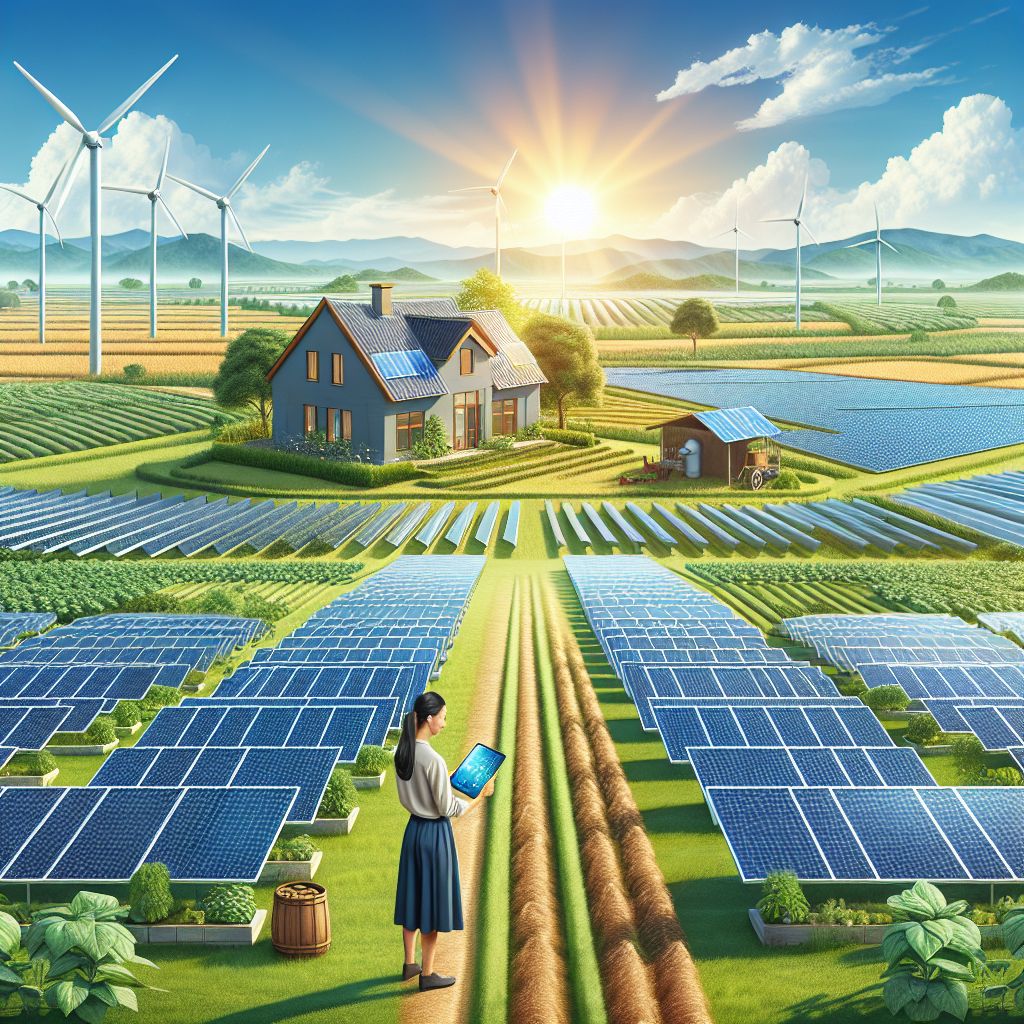
In today’s world, where the cost of energy continues to rise, farmers are seeking sustainable and cost-effective solutions to power their operations. Solar panels have emerged as a game-changer in agriculture, offering a reliable and eco-friendly energy source. Not only do they help in reducing operational costs, but they also contribute to a more sustainable environment.
Why Solar Panels are a Game-Changer in Agriculture
Solar panels are revolutionizing the way farmers manage their energy needs. By harnessing the power of the sun, they provide a renewable energy source that can power everything from irrigation systems to machinery and lighting. This transition to solar energy is not just about cost savings; it’s about creating a more resilient and sustainable farming operation.
Most importantly, solar panels offer farmers the chance to reduce their dependency on traditional power grids. This independence ensures that farms can continue operating smoothly even when there are disruptions in electricity supply. Besides that, solar energy systems have a low environmental impact, which aligns with the growing demand for sustainable agricultural practices.
How Solar Energy Fits Into Modern Farming Practices
Modern farming practices are increasingly integrating technology to improve efficiency and productivity. Solar panels fit seamlessly into this trend, offering a reliable energy source that can power various farm operations. From running automated irrigation systems to powering electric fences, solar energy is versatile and adaptable.
Moreover, solar energy can be stored using battery systems, ensuring that farms have access to power even during cloudy days or at night. This continuous energy supply is crucial for maintaining consistent farm operations, ultimately leading to increased productivity and profitability.
Solar energy is revolutionizing modern farming practices, offering numerous benefits and applications. Here’s a table discussing how solar energy fits into modern farming:
|
Aspect |
Application |
Benefits |
|---|---|---|
|
Energy Production |
Solar panels on farm buildings and land | |
|
Irrigation |
Solar-powered water pumps | |
|
Crop Production |
Agrivoltaics (dual-use farming) |
Increased land-use efficiency, potential crop yield increase of up to 160%. 1, 4 |
|
Farm Equipment |
Solar-powered tractors, e-vehicles | |
|
Livestock Management |
Solar-powered ventilation, heating systems | |
|
Crop Processing |
Solar-powered dryers, refrigeration |
Enhanced food preservation, reduced post-harvest losses. 3, 7 |
|
Environmental Impact |
Renewable energy adoption |
Reduced carbon footprint, sustainable farming practices. 6, 9 |
|
Economic Diversification |
Solar installations as additional income |
Supplementary revenue stream for farmers. 4 |
|
Off-Grid Operations |
Solar + battery storage systems | |
|
Greenhouse Management |
Solar-powered climate control |
This table demonstrates how solar energy is being integrated into various aspects of modern farming, from powering equipment to enhancing crop production and improving overall sustainability. As technology advances and costs decrease, solar energy is set to play an increasingly important role in shaping the future of agriculture. 4

Financial Advantages of Solar Panels
One of the most compelling reasons for farmers to consider solar panels is the financial benefits they offer. While the initial investment may seem significant, the long-term savings and financial incentives make solar energy a wise choice for many farmers.
Initial Investment vs Long-Term Savings
Installing solar panels requires an upfront investment, which can range from $15,000 to $30,000 depending on the size and scope of the installation. However, this cost is often offset by the substantial savings on energy bills. On average, farmers can save up to 75% on their electricity costs, allowing them to recover their initial investment in just a few years.
Furthermore, the lifespan of solar panels typically exceeds 25 years, providing a long-term energy solution that continues to deliver savings well beyond the initial payback period. This makes solar panels a financially sound investment for any farm looking to reduce operational costs and increase profitability.
Understanding Cost Reduction on Energy Bills
By switching to solar energy, farmers can significantly reduce their monthly energy bills. Solar panels generate electricity at little to no cost, providing a stable and predictable energy source. This allows farmers to redirect funds that would have been spent on energy bills towards other critical areas of their operations.
Additionally, solar panels can protect farmers from the volatility of energy prices. As utility rates continue to rise, having a fixed and predictable energy cost can provide much-needed financial stability for farming operations.
Exploring Financial Incentives and Grants
To encourage the adoption of solar energy, various financial incentives and grants are available to farmers. These incentives can cover up to 30% of the installation costs, significantly reducing the financial burden of transitioning to solar energy. Programs such as the Federal Investment Tax Credit (ITC) and state-specific grants offer substantial savings, making solar panels more accessible to farmers.
Farmers should explore these options and work with solar energy providers to identify all available incentives. By taking advantage of these programs, farmers can make solar energy a financially viable and attractive option for their operations.
Energy Independence for Farmers
- Solar panels allow farmers to generate their own electricity, reducing reliance on external power sources.
- By producing their own energy, farmers can mitigate the risk of power outages and fluctuating energy prices.
- Energy independence ensures that farm operations can continue uninterrupted, even during grid failures.
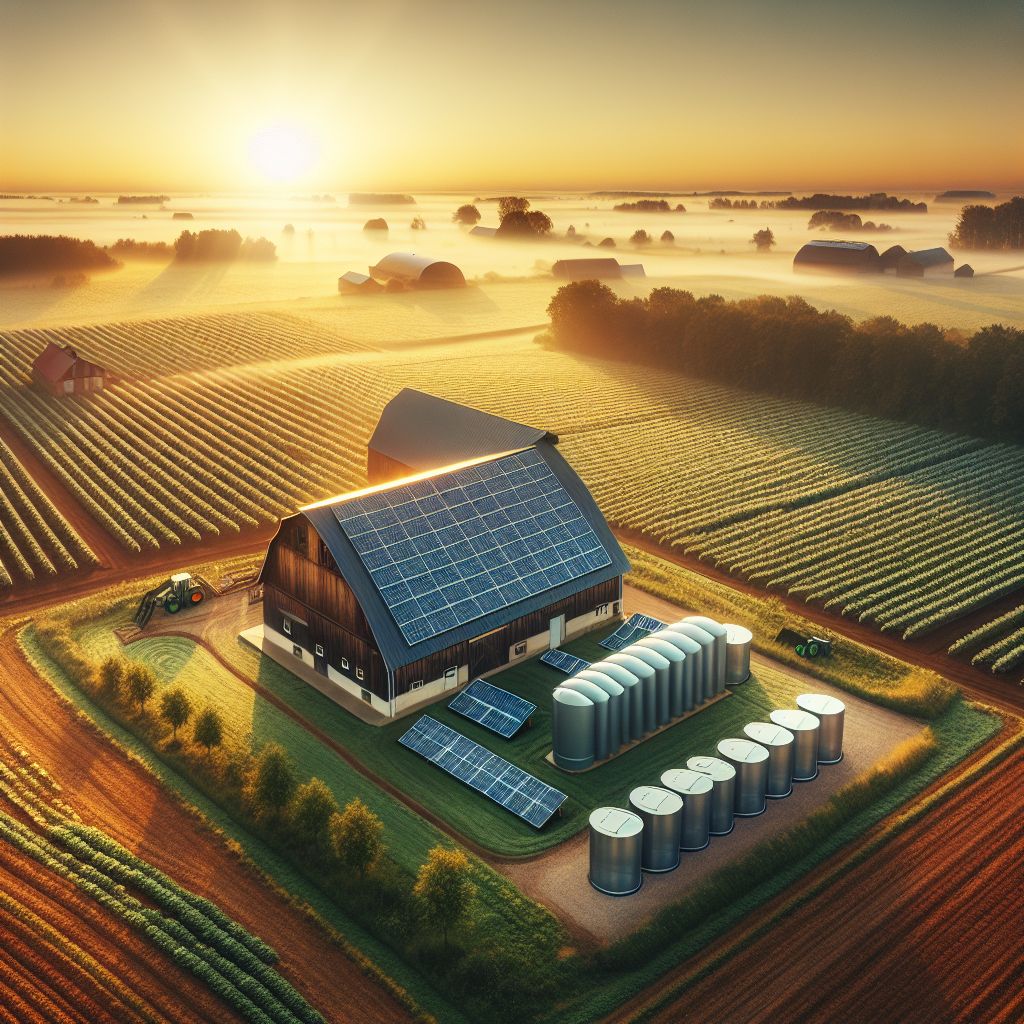
Energy independence is a crucial advantage of solar panels for farmers. By generating their own electricity, farmers can become less dependent on traditional power grids, which are often subject to outages and price fluctuations. This independence provides a stable and reliable energy source, ensuring that farm operations continue smoothly without unexpected disruptions. Learn more about smart farming and the role of solar panels in enhancing energy independence.
Most importantly, energy independence offers farmers the ability to control their energy costs. By producing their own electricity, they are no longer at the mercy of rising utility rates. This financial stability allows farmers to plan their budgets more effectively, knowing that their energy costs will remain consistent over time.
Besides that, solar panels can provide a backup energy source during power outages. With battery storage systems, farmers can store excess solar energy for use during times when the sun isn’t shining. This ensures that critical farm operations, such as irrigation and refrigeration, can continue without interruption.
Reducing Reliance on Traditional Power Grids
Traditional power grids are often unreliable, especially in rural areas where farms are typically located. By investing in solar panels, farmers can reduce their reliance on these grids and enjoy a more dependable energy source. This reduction in dependence not only provides peace of mind but also contributes to a more sustainable and resilient agricultural operation.
Maintaining Energy Security Through Solar
Solar energy provides a level of energy security that is unmatched by traditional power sources. With solar panels, farmers can generate electricity even in remote locations where grid access may be limited or unavailable. This security ensures that farms can operate efficiently, regardless of external energy supply issues.
Furthermore, solar energy systems can be tailored to meet the specific energy needs of a farm. By working with solar energy providers, farmers can design a system that optimizes energy production and storage, ensuring that their operations remain energy-secure at all times.
Sustainability Benefits of Solar Energy
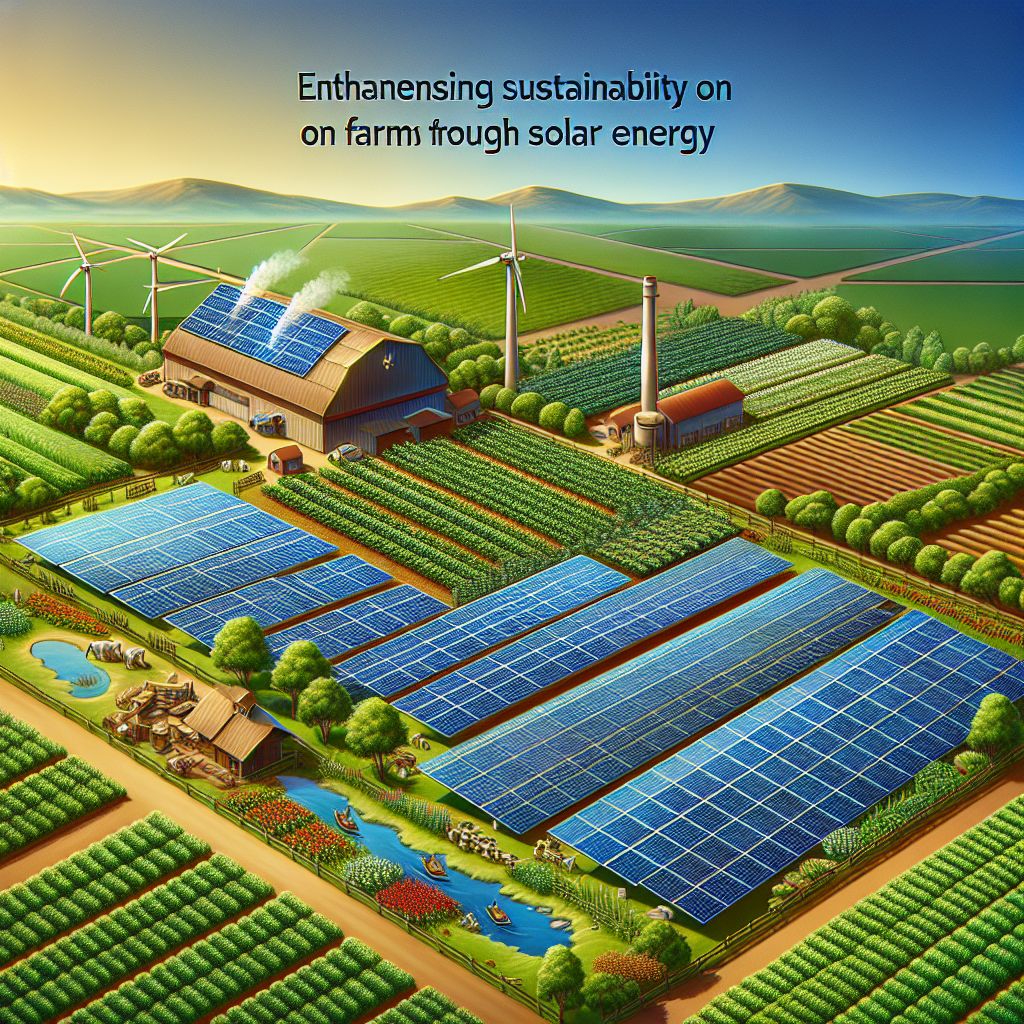
Solar energy is not only beneficial for reducing costs and increasing energy independence; it also offers significant sustainability benefits for farms. By reducing reliance on fossil fuels, solar panels help lower the carbon footprint of agricultural operations, contributing to a healthier planet. For more information on how solar energy enhances sustainability on farms, check out Enhancing Sustainability on Farms Through Solar.
- Solar panels reduce greenhouse gas emissions by replacing fossil fuel-based energy sources.
- By using clean energy, farms can improve their environmental impact and contribute to climate change mitigation.
- Sustainable farming practices, including solar energy, are increasingly important to consumers and can enhance a farm’s reputation.
Lowering a farm’s carbon footprint is one of the most significant sustainability benefits of solar energy. By replacing fossil fuel-based energy sources with clean, renewable solar power, farms can significantly reduce their greenhouse gas emissions. This reduction not only benefits the environment but also aligns with the growing consumer demand for sustainable agricultural practices.
Lowering Carbon Footprint in Agriculture
Solar energy provides an effective solution for lowering the carbon footprint of agricultural operations. By harnessing the power of the sun, farms can reduce their reliance on fossil fuels and decrease their overall environmental impact. This shift to clean energy is crucial for mitigating climate change and promoting sustainable farming practices.
Moreover, solar panels have a minimal environmental impact compared to traditional energy sources. They produce no emissions during operation and require less water for maintenance, making them an environmentally friendly choice for farms.
“A mid-sized farm in California installed solar panels and reduced its carbon emissions by over 200 tons annually, equivalent to planting 5,000 trees each year.”
This example highlights the significant environmental impact that solar panels can have on a farm’s operations. By investing in solar energy, farmers can make a positive contribution to the environment while also reaping the financial and operational benefits of this renewable energy source.
Improving Soil and Water Quality
Solar energy can also contribute to improved soil and water quality on farms. By reducing reliance on fossil fuels, solar panels decrease the pollution and runoff associated with traditional energy sources. This reduction in pollutants can lead to healthier soil and water systems, benefiting both the farm and the surrounding ecosystem.
Furthermore, solar panels can be integrated into existing farm infrastructure without disrupting the land. This integration allows farmers to maintain productive land use while also benefiting from clean energy generation.
Practical Considerations for Installing Solar Panels
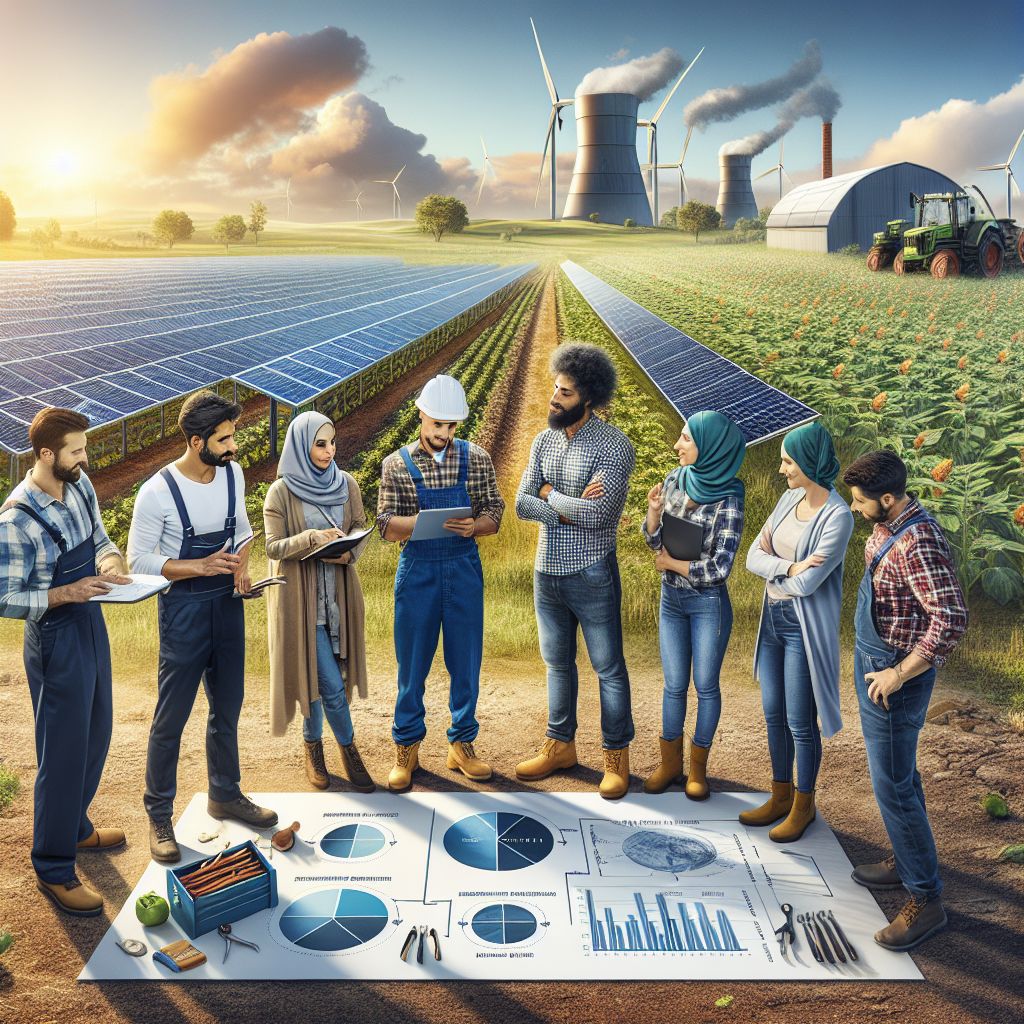
Before installing solar panels, farmers should consider several practical factors to ensure a successful transition to solar energy. These considerations include locational factors, energy needs, and maintenance requirements.
By carefully evaluating these factors, farmers can design a solar energy system that meets their specific needs and maximizes the benefits of solar power. This planning process is crucial for achieving the desired financial and operational outcomes. For a deeper understanding of the benefits of solar power in agriculture, farmers can explore how solar energy integration can enhance their farming operations.
“A farmer in Iowa worked with a solar energy provider to assess the optimal location for solar panel installation, resulting in a 30% increase in energy production.”
This example underscores the importance of location in maximizing solar panel efficiency. By working with experts, farmers can identify the best placement for their solar panels, ensuring that they capture the maximum amount of sunlight and generate the most energy possible. For a deeper understanding of integrating solar technology with agriculture, you might explore the benefits of agrivoltaics.
Locational Factors Affecting Solar Panel Efficiency
Location plays a critical role in the efficiency of solar panels. Factors such as sunlight exposure, shading, and orientation can significantly impact energy production. Therefore, farmers should conduct a thorough site assessment to determine the best location for their solar panels.
Most importantly, solar panels should be installed in areas with maximum sunlight exposure and minimal shading from trees or buildings. This placement ensures that the panels can capture the most sunlight and generate the most energy possible.
Estimating Farm-Specific Energy Needs
Before installing solar panels, farmers should estimate their specific energy needs to design an appropriately sized system. This estimation involves analyzing current energy usage and identifying areas where solar energy can be most effectively utilized.
By understanding their energy needs, farmers can work with solar energy providers to design a system that meets their requirements and maximizes the benefits of solar power. This tailored approach ensures that the solar energy system is both cost-effective and efficient.
In conclusion, solar panels offer numerous benefits for farmers, from cost savings and energy independence to sustainability and environmental impact. By carefully considering the practical aspects of installation and taking advantage of available financial incentives, farmers can make a successful transition to solar energy and enjoy the many advantages it provides.
Maintenance and System Longevity
Maintaining solar panels is relatively straightforward and cost-effective, making them an attractive option for farmers. Regular cleaning and periodic inspections are typically all that’s needed to ensure optimal performance. Most importantly, these simple maintenance tasks help extend the lifespan of solar panels, which can exceed 25 years. For more information on solar panel types, you can explore the monocrystalline solar panels guide.
Farmers should schedule annual maintenance checks to assess the system’s condition and identify any potential issues early. This proactive approach minimizes downtime and ensures that the solar panels continue to operate efficiently. Additionally, many solar panel providers offer maintenance packages, providing farmers with peace of mind and professional support.
Case Studies: Successful Farms Using Solar Panels
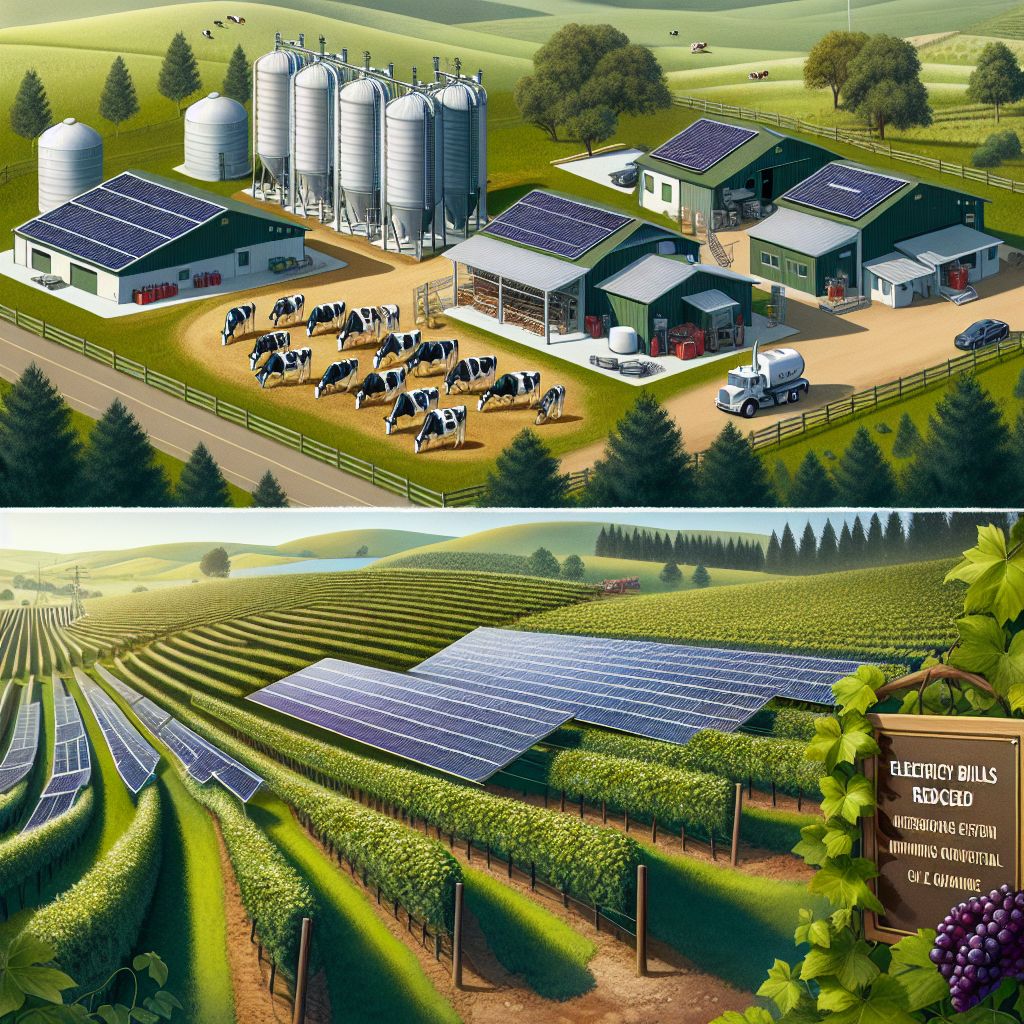
Examining real-world examples of farms that have successfully integrated solar panels can provide valuable insights and inspiration for others considering this transition. These case studies highlight the diverse ways in which solar energy can benefit agricultural operations.
Profiles of Farms that Successfully Integrated Solar
One notable example is a dairy farm in Wisconsin that installed solar panels to power its milking equipment and refrigeration systems. By doing so, the farm reduced its electricity bills by 60% and achieved energy independence, allowing it to reinvest savings into other areas of the business.
Another example is a vineyard in California that integrated solar panels into its operations to power irrigation and processing facilities. The vineyard not only reduced its energy costs but also improved its environmental footprint, enhancing its reputation among eco-conscious consumers.
Lessons Learned From Their Experiences
These farms demonstrate the importance of careful planning and collaboration with experienced solar energy providers. By conducting thorough site assessments and accurately estimating energy needs, they were able to design systems that maximized efficiency and savings.
Additionally, these case studies highlight the value of exploring financial incentives and grants. By leveraging available programs, these farms reduced their upfront costs and made solar energy a financially viable option.
Final Thoughts on Embracing Solar Technology
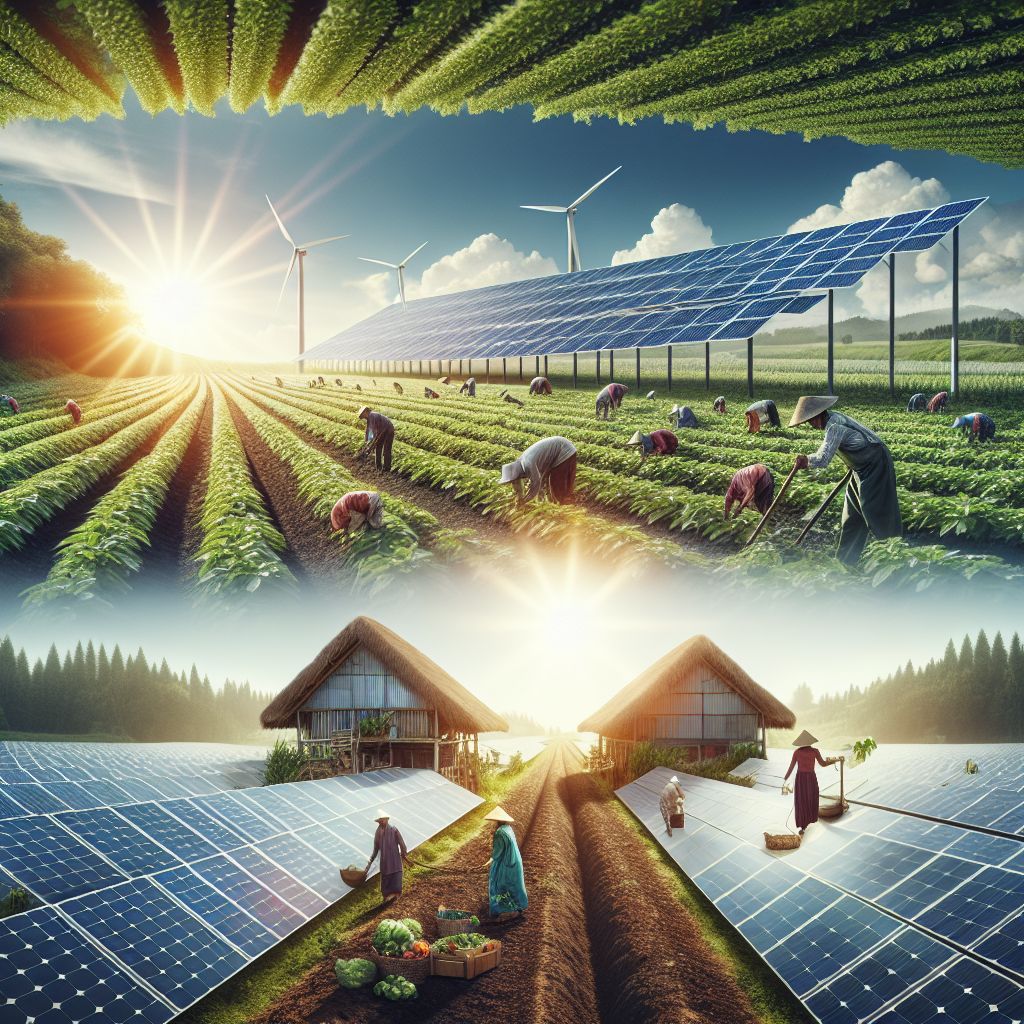
Embracing solar technology is a strategic decision that can transform agricultural operations. From reducing costs and increasing energy independence to enhancing sustainability and environmental impact, solar panels offer a multitude of benefits for farmers.
Long-Term Impact on Farm Operations and Environment
The long-term impact of solar energy on farm operations is significant. By providing a reliable and cost-effective energy source, solar panels allow farmers to focus on productivity and innovation. This focus leads to increased profitability and a more resilient farming operation.
Moreover, the environmental benefits of solar energy contribute to a healthier planet. By reducing reliance on fossil fuels, farmers can lower their carbon footprint and promote sustainable practices. This shift not only benefits the environment but also aligns with consumer demand for eco-friendly products.
Frequently Asked Questions
Farmers considering solar panels often have questions about the costs, benefits, and practical aspects of installation. Here are some common inquiries and answers to help guide decision-making.
How much can farmers potentially save with solar panels?
Farmers can save up to 75% on their electricity bills by switching to solar energy. These savings allow them to recover the initial investment in just a few years, providing long-term financial benefits. For more details, you can explore how solar panels for agricultural irrigation offer benefits and savings.
What kind of financial support is available for farmers?
Various financial incentives and grants are available to farmers, including the Federal Investment Tax Credit (ITC) and state-specific programs. These incentives can cover up to 30% of installation costs, making solar energy more accessible.
Is solar energy suitable for all types of farms?
Solar energy is versatile and can be adapted to meet the needs of different types of farms, from small family operations to large commercial enterprises. However, it’s essential to conduct a site assessment and estimate energy needs to design an appropriate system.
- Solar panels can be installed on rooftops, open fields, or even integrated into farm infrastructure.
- Battery storage systems ensure a continuous energy supply, even during cloudy days or at night.
- Consulting with solar energy providers can help tailor a system to meet specific farm requirements.
Are there any hidden costs involved in adopting solar energy?
While the initial investment is the most significant cost, ongoing maintenance expenses are minimal. Farmers should budget for regular cleaning and periodic inspections, which typically cost less than $300 annually.
How long does it take to see returns on solar panel investments?
Farmers can expect to see returns on their solar panel investments within 5 to 10 years, depending on the size of the installation and available financial incentives. After this payback period, the savings continue, providing long-term financial benefits.







Leave a Reply