

Key Takeaways
- Monocrystalline solar panels are made from a single crystal of silicon, making them highly efficient and durable.
- These panels are ideal for farmers due to their space-saving design and high energy yield, even in less sunny conditions.
- The main materials used include high-purity silicon, metal contacts, protective glass layers, and durable backing materials.
- Investing in monocrystalline panels can lead to significant long-term savings, especially when combined with government incentives.
- Proper installation and maintenance are crucial for maximizing the efficiency and lifespan of solar panels on farms.
Introduction to Monocrystalline Solar Panels for Farmers
Monocrystalline solar panels have been a game-changer for many industries, but they hold particular promise for the agricultural sector. These panels are designed to convert sunlight into electricity with remarkable efficiency, making them an excellent choice for farmers who want to reduce energy costs and enhance sustainability. By understanding the materials and composition of monocrystalline solar panels, farmers can make informed decisions that could transform their energy landscape.
Why Choose Monocrystalline Panels
Monocrystalline panels are known for their high efficiency and long lifespan. They are constructed from a single, pure crystal of silicon, which allows them to perform better than other types of solar panels, especially in low-light conditions. This is crucial for farmers in regions where sunlight may be inconsistent.
“Monocrystalline solar panels can achieve efficiency ratings of over 20%, making them the most effective option for maximizing energy output.”
Besides that, these panels take up less space compared to other types, which means they are ideal for farms with limited available land. Their sleek black appearance also makes them aesthetically pleasing, which can be an added bonus for farmers looking to maintain the visual appeal of their property.
Here’s a table discussing the benefits for farmers using monocrystalline solar panels:
|
Benefit |
Description |
|---|---|
|
High Efficiency |
Monocrystalline panels offer 15-20% efficiency, converting more sunlight into electricity than other types. 3, 8 |
|
Energy Cost Savings |
Farmers can reduce electricity bills by up to 50-100%, depending on system size and local utility rates. 3 |
|
Reliable Power Supply |
Panels provide consistent energy for irrigation systems, machinery, and storage facilities, even during grid failures. 1 |
|
Improved Crop Yields |
Solar panels can create shade, extending growing seasons and reducing water needs, especially in hot or dry areas. 4 |
|
Diversified Income |
Excess power generated can be sold back to the grid, creating an additional revenue stream. 1 |
|
Long Lifespan |
Monocrystalline panels typically last over 25 years, ensuring a long-term investment. 3 |
|
Government Incentives |
Installation may qualify for federal tax credits, state rebates, and local utility incentives. 3 |
|
Increased Property Value |
Farms with solar installations often have higher resale values, up to $15,000 per kilowatt of installed capacity3. |
|
Environmental Benefits |
Reduces carbon footprint and reliance on fossil fuels, contributing to sustainable farming practices. 1 |
|
Low Maintenance |
Solar panels require minimal upkeep, saving farmers time and effort. 1 |
|
Temperature Resistance |
Monocrystalline panels perform well in hot weather, maintaining efficiency in varying climates. 2 |
This table highlights the numerous advantages that monocrystalline solar panels offer to farmers, ranging from economic benefits to environmental sustainability and improved agricultural practices.
Impact on Farm Productivity
Implementing monocrystalline solar panels can significantly boost farm productivity. With a reliable source of renewable energy, farmers can power machinery, irrigation systems, and storage facilities without the high costs associated with traditional energy sources. This can lead to increased yields and reduced operational costs.
Sustainability and Environmental Benefits
Most importantly, monocrystalline solar panels contribute to a farm’s sustainability goals. By harnessing solar power, farmers reduce their reliance on fossil fuels, thereby decreasing their carbon footprint. This not only benefits the environment but also positions farms as leaders in sustainable agriculture.
The environmental benefits are particularly pronounced in terms of reducing greenhouse gas emissions. For every kilowatt-hour of solar energy produced, a significant amount of CO2 emissions is avoided, contributing to a cleaner, healthier planet.

Main Materials Used in Monocrystalline Solar Panels
Understanding the materials that make up monocrystalline solar panels is key to appreciating their efficiency and durability. These panels are composed of several critical components, each playing a vital role in the overall performance of the panel. For those interested in the latest advancements, you might want to explore new solar panel technology that is making waves in the industry.
Silicon: The Foundation of Monocrystalline Panels
Silicon is the primary material used in monocrystalline solar panels. It is known for its excellent electrical properties, which allow it to effectively convert sunlight into electricity. The process of creating monocrystalline silicon involves growing a single crystal, which is then sliced into thin wafers. This method ensures high purity and uniformity, contributing to the panel’s high efficiency. For farmers considering solar options, exploring solar panel investments can be beneficial for sustainable farming practices.
Role of Metal Contacts
Metal contacts are essential for conducting electricity generated by the silicon cells. These contacts are typically made from silver or aluminum, chosen for their excellent conductivity and durability. They form a grid pattern on the surface of the solar cells, allowing electrons to flow freely and be collected for use.
Without these metal contacts, the electricity generated would have no pathway to travel, rendering the panel ineffective. Therefore, the quality and design of these contacts are crucial for the panel’s performance. For more information on the latest advancements, check out the new solar panel technology.
The Importance of Protective Glass Layers
The protective glass layers on monocrystalline solar panels are crucial for safeguarding the delicate silicon cells beneath. These layers are typically made from tempered glass, which is both strong and resistant to environmental factors like hail, wind, and debris. This durability ensures that the panels can withstand harsh weather conditions, which is particularly important for farmers who may face unpredictable climates. To explore more about solar energy solutions for agriculture, check out solar panel investments for farmers.
Moreover, the glass is designed to be anti-reflective, allowing more sunlight to penetrate the cells rather than being reflected away. This feature enhances the panel’s efficiency by maximizing the amount of light converted into electricity. For farmers, this means more reliable energy production, even on overcast days. To explore more about the latest solar panel technologies, check out new solar panel technology for farmers.
Supporting Backing Materials
The backing material of a solar panel provides structural support and protection for the solar cells. It is usually made from durable materials like polyvinyl fluoride (PVF) or polyethylene terephthalate (PET), which are known for their longevity and resilience.
“High-quality backing materials are essential for maintaining the integrity and efficiency of solar panels over their 25-30 year lifespan.”
Besides offering protection, the backing also plays a role in insulation, ensuring that the cells operate at optimal temperatures. This is vital for maintaining the panel’s performance and preventing efficiency losses due to overheating.

Composition and Manufacturing Process
The process of manufacturing monocrystalline solar panels is intricate and involves several key steps. Understanding these processes helps in appreciating the precision and care that goes into creating these efficient energy solutions.
Czochralski Process for Silicon Ingots
The Czochralski process is used to produce the high-purity silicon ingots that form the basis of monocrystalline panels. This method involves melting high-purity silicon and then slowly pulling a seed crystal from the melt. As the seed crystal is withdrawn, it forms a large, single-crystal silicon ingot.
This process is critical because it determines the uniformity and purity of the silicon, directly affecting the panel’s efficiency. The result is a cylindrical ingot that is then sliced into thin wafers for further processing.
Wafer Slicing Techniques
Once the silicon ingot is formed, it is sliced into thin wafers using precision cutting tools. These wafers are incredibly thin, often less than 200 micrometers thick, which maximizes the number of wafers that can be produced from a single ingot.
The slicing process must be precise to ensure each wafer is uniform in thickness and free from defects. Any irregularities can lead to efficiency losses, so manufacturers invest in advanced technologies to perfect this step.
Chemical Processing and Etching
After slicing, the silicon wafers undergo chemical processing and etching. This step cleans the wafers and prepares their surface for optimal light absorption. Etching removes any surface damage from the slicing process and creates a textured surface that reduces reflection and increases absorption. For a more in-depth understanding, you can refer to this guide to monocrystalline solar panels.
These chemical treatments are vital for enhancing the efficiency of the solar cells. By increasing the surface area and minimizing light reflection, more sunlight is converted into electricity. For more on the latest advancements, explore new solar panel technology for farmers.
Application of Anti-Reflection Coatings
Anti-reflection coatings are applied to the surface of the silicon wafers to further reduce the amount of sunlight reflected away from the cell. These coatings are typically made from silicon nitride or titanium dioxide, materials known for their optical properties.
The application of these coatings involves precise deposition techniques to ensure a uniform layer that maximizes light absorption. For farmers, this means more consistent energy production, even under less than ideal lighting conditions.
“Anti-reflection coatings can improve solar panel efficiency by up to 3%, which can make a significant difference in overall energy yield.”
Benefits for Farmers Using Monocrystalline Panels
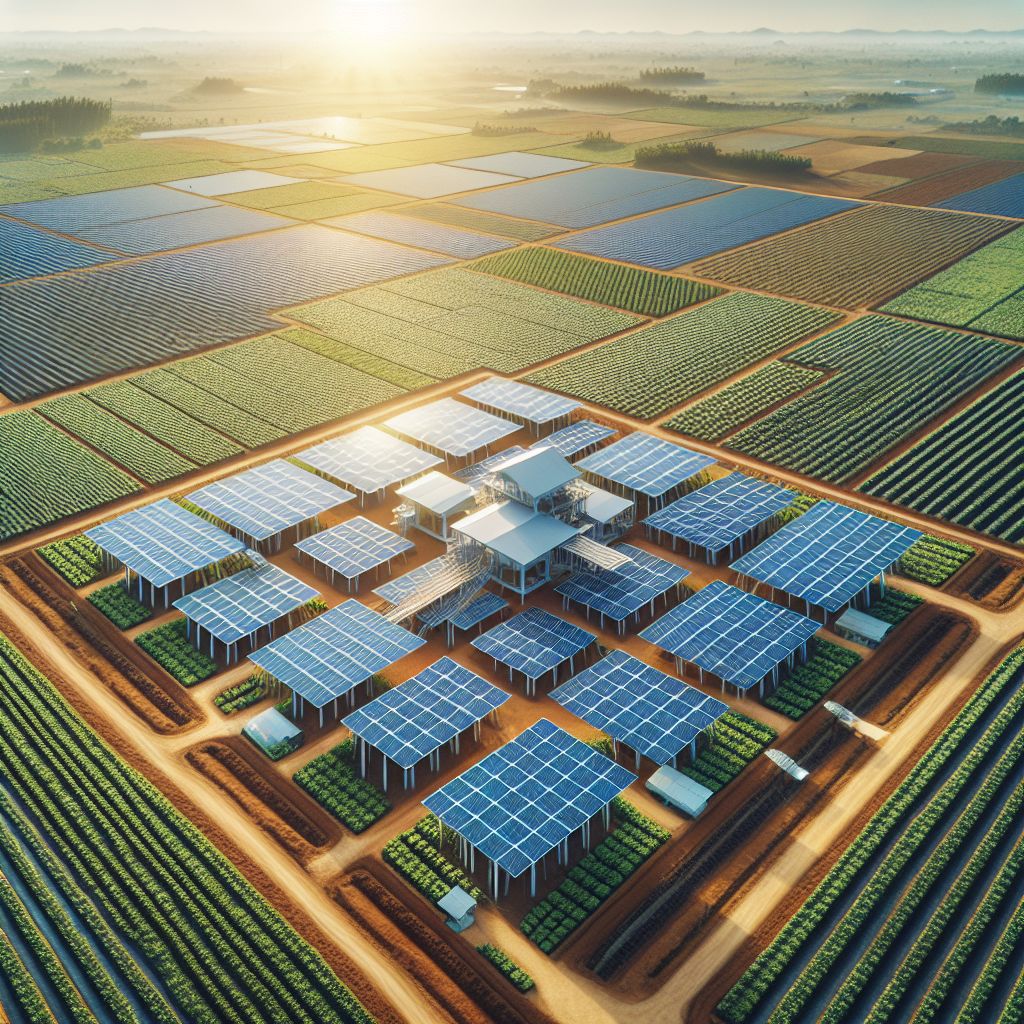
Monocrystalline solar panels offer numerous advantages for farmers, from energy efficiency to space-saving benefits. These panels can transform the way farms operate, providing a sustainable and cost-effective energy solution.
High Efficiency and Energy Yield
The high efficiency of monocrystalline panels means that they can produce more electricity from the same amount of sunlight compared to other types of panels. This is particularly beneficial for farmers who need to maximize energy production on limited land.
Additionally, the high energy yield of these panels ensures that farms can maintain operations even during periods of low sunlight. This reliability is crucial for powering essential farm equipment and maintaining productivity.
Space-saving with Minimal Land Use
One of the standout benefits of monocrystalline panels is their space-saving design. Because they are more efficient, fewer panels are needed to generate the same amount of electricity as other panel types. This is ideal for farms where land is at a premium.
Farmers can use the saved space for other agricultural activities or to expand their solar installations in the future. This flexibility makes monocrystalline panels a smart investment for long-term energy planning.
- Maximize available land for agriculture.
- Reduce the number of panels needed for energy requirements.
- Allow for future expansion of solar capacity.
Installation Considerations for Farmers
“Proper installation is key to maximizing the efficiency and lifespan of solar panels. Farmers should work with experienced installers to ensure optimal setup.”
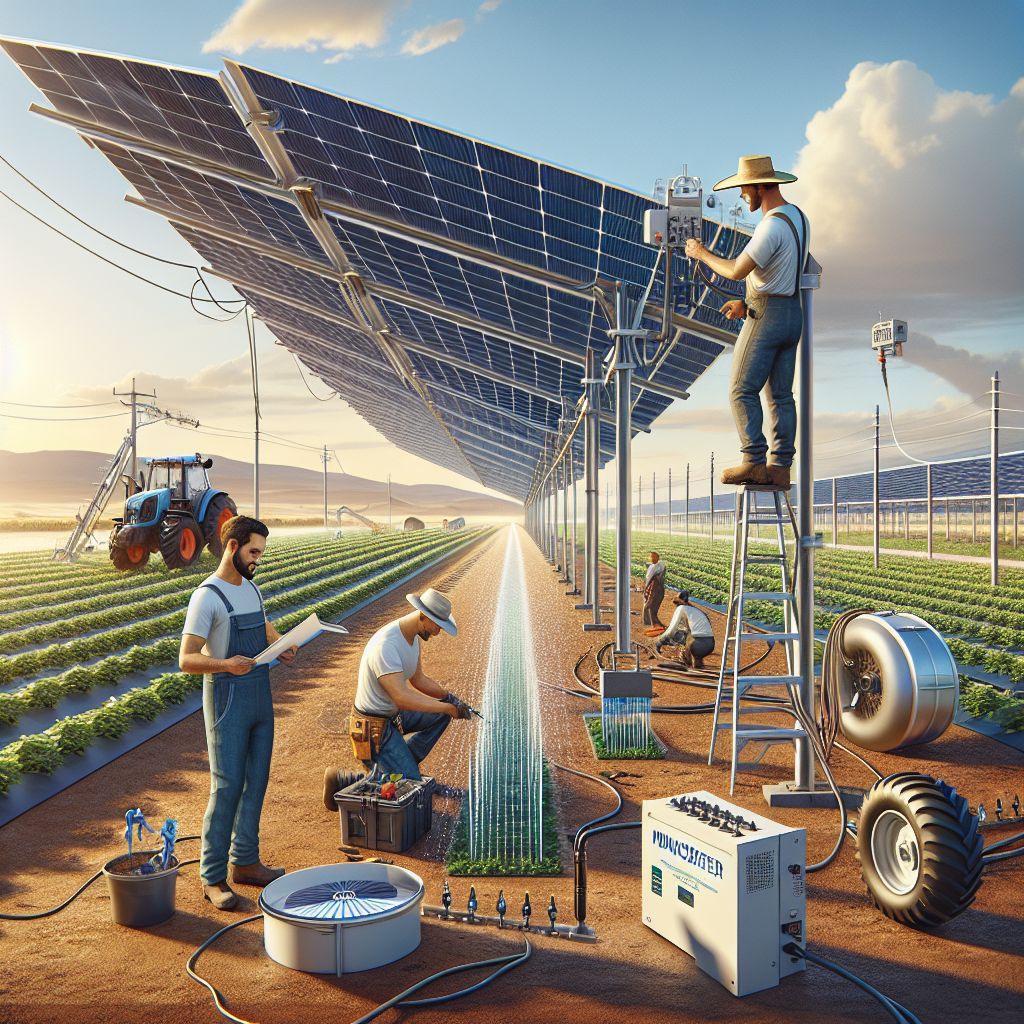
Installation is a critical phase in deploying solar panels on a farm. It involves careful planning and execution to ensure the panels are positioned for maximum sunlight exposure and are securely mounted to withstand environmental conditions.
Farmers should consider the orientation and tilt of the panels, which can significantly impact energy production. Additionally, it’s important to ensure that the panels are free from shading and obstructions that could reduce their efficiency. For more information, check out this guide on solar panel investment for farmers.
Optimizing Panel Placement for Maximum Sunlight
To get the most out of monocrystalline solar panels, farmers should aim to position them facing south (in the northern hemisphere) at an angle that matches the latitude of the location. This orientation captures the maximum amount of sunlight throughout the year.
Key Maintenance Practices
Regular maintenance is essential for keeping solar panels operating at peak efficiency. This includes cleaning the panels to remove dust and debris, checking for any physical damage, and ensuring that all electrical connections are secure.
By investing time in regular maintenance, farmers can ensure their solar panels continue to provide reliable energy for years to come.
Solar Panel Compatibility with Farm Equipment
Integrating solar panels with farm equipment can be seamless when planned correctly. Monocrystalline panels are highly compatible with various farm systems, including irrigation, lighting, and machinery. By ensuring that solar installations are designed to meet the specific energy demands of farm equipment, farmers can achieve greater efficiency and cost savings. For instance, solar-powered sprinkler irrigation systems offer a sustainable solution for watering crops efficiently.
Cost Implications and Financial Incentives for Farmers
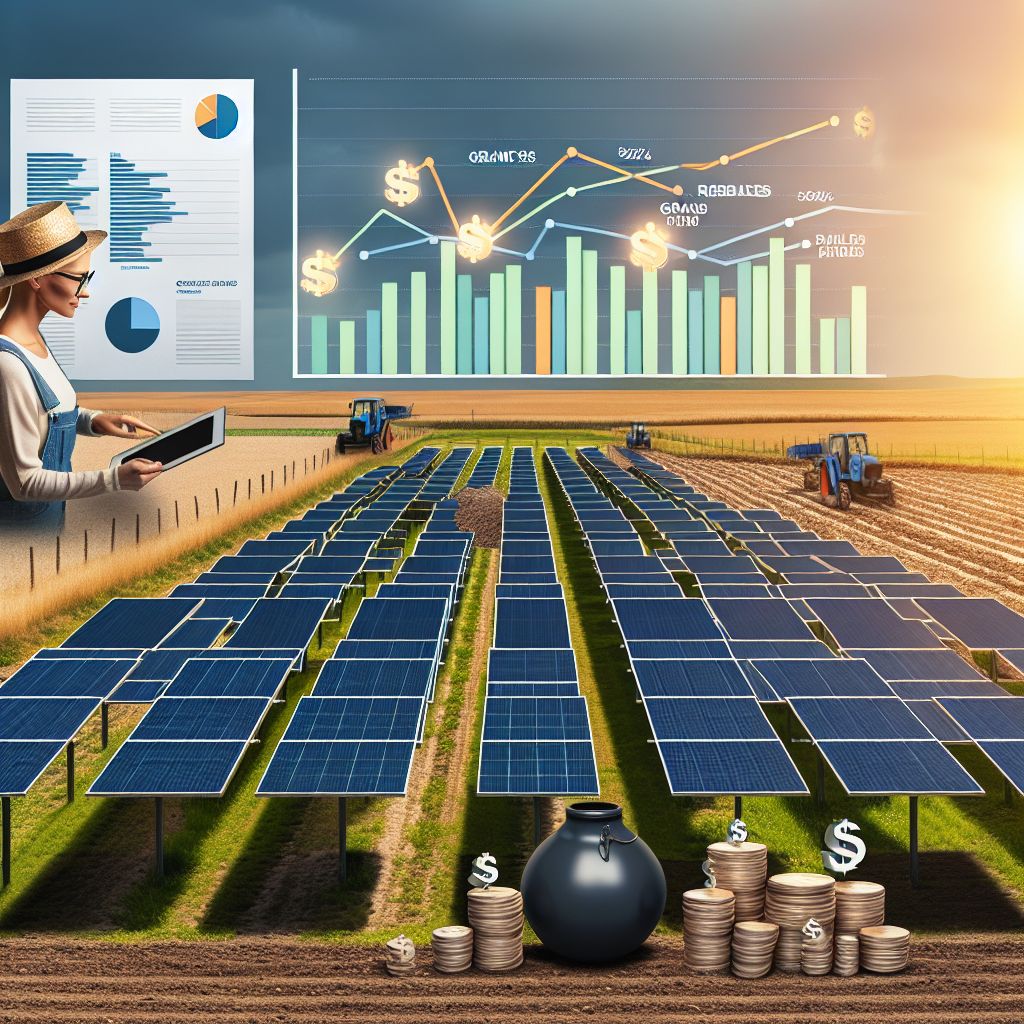
Investing in monocrystalline solar panels involves upfront costs, but the long-term financial benefits often outweigh these initial expenses. Farmers can expect reduced energy bills and increased energy independence, which are significant advantages in the agricultural sector.
Moreover, many regions offer financial incentives to encourage the adoption of solar energy. These can include tax credits, rebates, and grants, which can substantially lower the cost of solar panel installations.
Initial Investment vs Long-term Savings
The initial cost of installing monocrystalline solar panels can be substantial, often ranging from $10,000 to $30,000 depending on the size and scope of the installation. However, this investment can lead to significant savings over time.
Farmers can expect to recoup their investment within 5 to 10 years through savings on electricity bills. The exact payback period will depend on local energy costs and available sunlight.
Once the initial investment is recovered, the energy produced by the panels is essentially free, leading to long-term financial benefits and increased profitability for the farm.
Exploring Government Subsidies and Incentives
Farmers should explore the various government programs available to support solar energy adoption. These programs can significantly reduce the financial burden of installing solar panels.
In many countries, governments offer tax incentives, grants, and low-interest loans to encourage the use of renewable energy. By taking advantage of these opportunities, farmers can make solar power a more affordable and attractive option.
Conclusion: Future of Solar Power in Agriculture
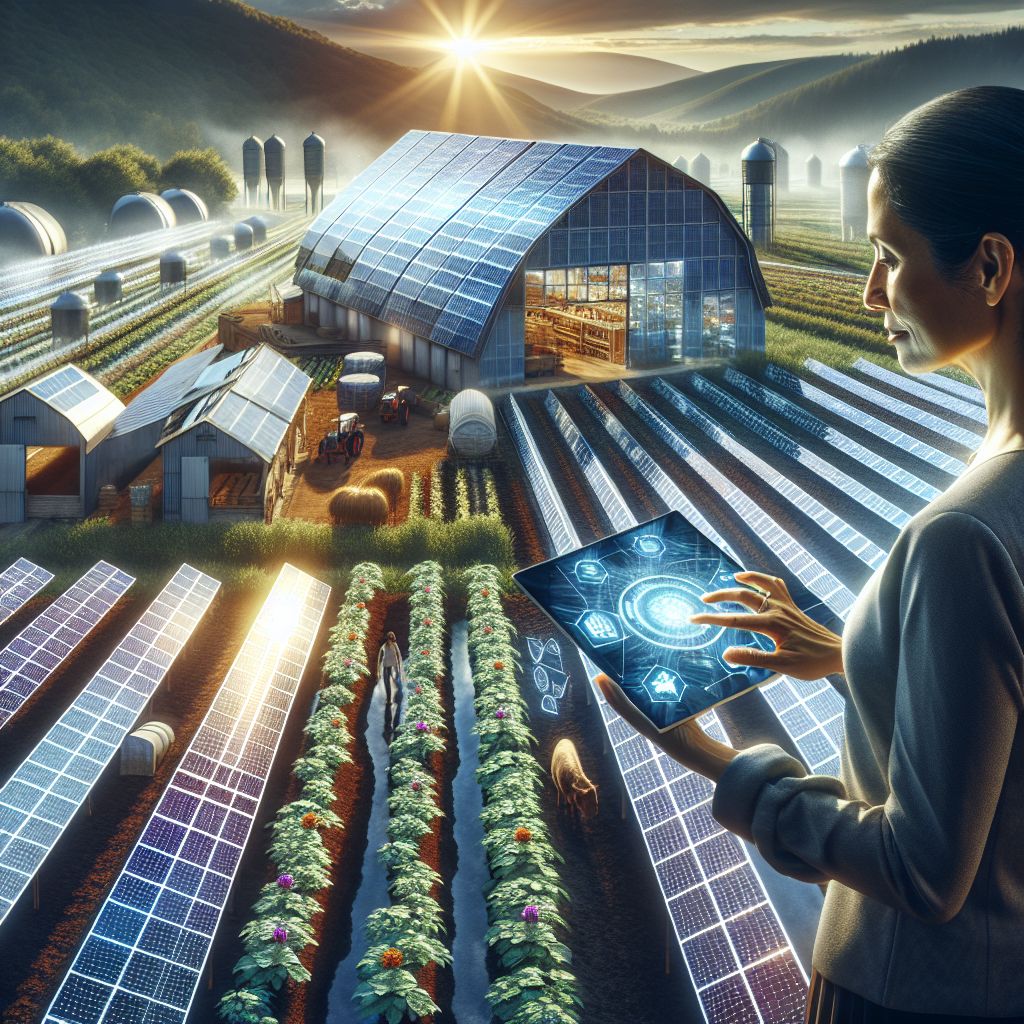
The future of solar power in agriculture is bright, with ongoing advancements and innovations poised to further enhance the benefits of solar energy for farmers. As technology improves and costs continue to decrease, solar panels will become an increasingly integral part of modern farming operations.
By adopting solar power, farmers can achieve greater energy independence, reduce operational costs, and contribute to a more sustainable and environmentally friendly agricultural industry. For more information on how solar technology is transforming agriculture, explore the latest innovations and solutions.
Trends and Innovations to Watch
Several trends and innovations are shaping the future of solar power in agriculture. These include the development of more efficient solar cells, improved energy storage solutions, and smart technology integration.
Farmers should stay informed about these developments to take advantage of new opportunities and enhance their solar energy systems. By doing so, they can remain competitive and ensure the long-term success of their farming operations.
Furthermore, innovations such as agrivoltaics, which combine solar energy production with agricultural activities, offer exciting possibilities for maximizing land use and increasing farm productivity.
Is Monocrystalline Solar Panels a Good Investment for a Farmer
Monocrystalline solar panels are an excellent investment for farmers seeking to reduce energy costs and improve sustainability. Their high efficiency and durability make them well-suited for agricultural applications. For more information, check out this solar panel investment guide for farmers.
- High energy yield and efficiency.
- Long lifespan and durability.
- Potential for significant long-term savings.
- Environmental benefits and reduced carbon footprint.
By investing in monocrystalline panels, farmers can enhance their energy independence and contribute to a more sustainable future. For more on the latest innovations, check out this article on new solar panel technology.
Ultimately, the decision to invest in solar panels should consider the specific needs and circumstances of the farm, as well as the availability of financial incentives and support programs.
Frequently Asked Questions
Farmers often have questions about the benefits and practicalities of using monocrystalline solar panels on their farms. Here are some of the most common inquiries:
What are the main advantages of monocrystalline panels for farmers?
“Monocrystalline panels offer high efficiency, space-saving design, and long-term durability, making them ideal for agricultural applications.”
These panels provide reliable energy production, even in low-light conditions, which is crucial for maintaining farm operations throughout the year. For farmers looking to enhance their irrigation systems, solar-powered irrigation systems can be a smart choice.
Their space-saving design allows farmers to maximize land use, while their durability ensures a long lifespan with minimal maintenance requirements.
How do monocrystalline solar panels differ from polycrystalline panels?
Monocrystalline panels are made from a single crystal of silicon, giving them higher efficiency and a more uniform appearance compared to polycrystalline panels, which are made from multiple silicon crystals.
“While monocrystalline panels are typically more expensive, their higher efficiency can lead to greater long-term savings. For farmers considering solar investments, exploring the benefits of solar panel investments can be a wise decision.”
Polycrystalline panels are generally less efficient but are often chosen for their lower initial cost. The choice between the two depends on the specific needs and budget of the farm. For farmers interested in the latest advancements, exploring new solar panel technology might offer innovative solutions.
How long do monocrystalline solar panels typically last?
Monocrystalline solar panels typically have a lifespan of 25 to 30 years. With proper maintenance, they can continue to produce electricity efficiently throughout their lifetime.
Regular maintenance, including cleaning and inspection, can help ensure that the panels remain in good condition and continue to provide reliable energy for the farm. For more on how solar power can enhance agricultural practices, explore the benefits of solar panel investment for farmers.
Are there any specific government programs that support farmers in adopting solar power?
Many governments offer programs to support farmers in adopting solar power, including tax credits, grants, and low-interest loans. These programs can significantly reduce the cost of solar panel installations.
What maintenance is required for solar panels used in farming environments?
Maintenance for solar panels includes regular cleaning to remove dust and debris, inspecting for any damage, and ensuring all electrical connections are secure. This helps maintain efficiency and prolong the lifespan of the panels.
Farmers should establish a routine maintenance schedule to keep their monocrystalline solar panels in optimal condition. By doing so, they can ensure consistent energy production and protect their investment.
Overall, monocrystalline solar panels offer a sustainable and cost-effective energy solution for farmers. By understanding the materials, benefits, and installation considerations, farmers can make informed decisions that enhance their operations and contribute to a greener future.







Leave a Reply