
Key Takeaways
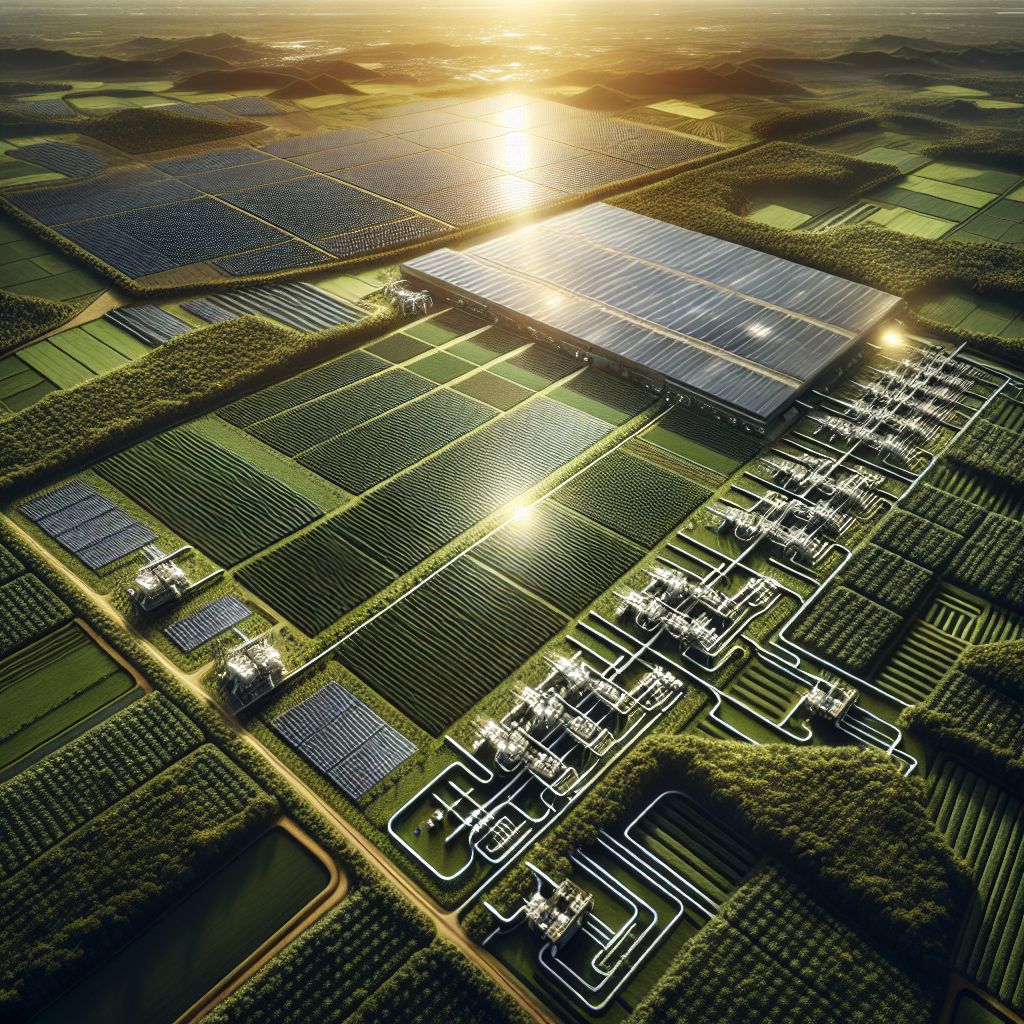
- Solar panels on farms can significantly reduce electricity bills, often by up to 70%.
- Solar farms require large tracts of land but generate substantial energy for communities and industries.
- Installing solar panels on your farm offers energy independence and reduces reliance on fossil fuels.
- Government incentives can cover up to 30% of the initial cost of solar installations.
- Choosing between solar panels and a solar farm depends on your farm’s size, energy needs, and financial goals.
Exploring Solar Energy Options for Farms
In recent years, solar energy has emerged as a beacon of hope for farmers seeking sustainable and cost-effective energy solutions. Whether it’s through installing solar panels directly on the farm or investing in a solar farm, the options are vast and varied. Understanding these choices is crucial for making informed decisions that align with your farm’s needs and goals.
Sustainable Practices Boosting Agriculture
By adopting solar energy, farmers not only reduce their carbon footprint but also enhance their farm’s efficiency and resilience. Solar energy systems provide a clean, renewable source of power that can be tailored to suit different farm sizes and types. This move towards sustainability is not just beneficial for the environment but also makes good economic sense.

Solar Panels for Farm Operations
Let’s dive into the specifics of using solar panels directly on your farm. This option is ideal for those looking to harness the sun’s energy right where it’s needed, powering everything from irrigation systems to barn lighting.
Introduction to On-Site Solar Solutions
On-site solar solutions involve installing solar panels directly on the farm premises, usually on rooftops or unused land. These systems convert sunlight into electricity, which can be used immediately or stored in batteries for later use. This approach offers farmers the ability to generate their own power, leading to greater control over energy costs.
Benefits for Individual Farmers
The benefits of installing solar panels on your farm are numerous and impactful. Firstly, there’s a significant reduction in electricity bills. With solar panels, farmers can produce their own electricity, often covering up to 70% of their energy needs. This translates to substantial savings over time.
Moreover, solar panels increase energy independence. By generating your own power, you’re less reliant on external sources, which is especially beneficial in areas prone to power outages. Additionally, solar panels contribute to environmental sustainability by reducing reliance on fossil fuels and decreasing greenhouse gas emissions. Learn more about how solar panels can increase farm efficiency.
Installation and Maintenance Considerations
Installing solar panels on a farm requires careful planning and consideration. It’s important to assess the available space, whether on rooftops or land, and ensure that it’s suitable for solar panel installation. The installation process itself involves setting up the panels, inverters, and possibly battery storage systems.
Maintenance of solar panels is relatively straightforward. Regular cleaning and periodic inspections are usually sufficient to keep the system running efficiently. Most importantly, many manufacturers offer warranties that cover maintenance and repairs, providing peace of mind to farmers. For more insights on how solar panels can help cut operational costs in agriculture, explore this guide.
Overview of Solar Farms
Now, let’s shift our focus to solar farms. These large-scale energy production facilities differ significantly from on-site solar panel installations, both in scope and impact.
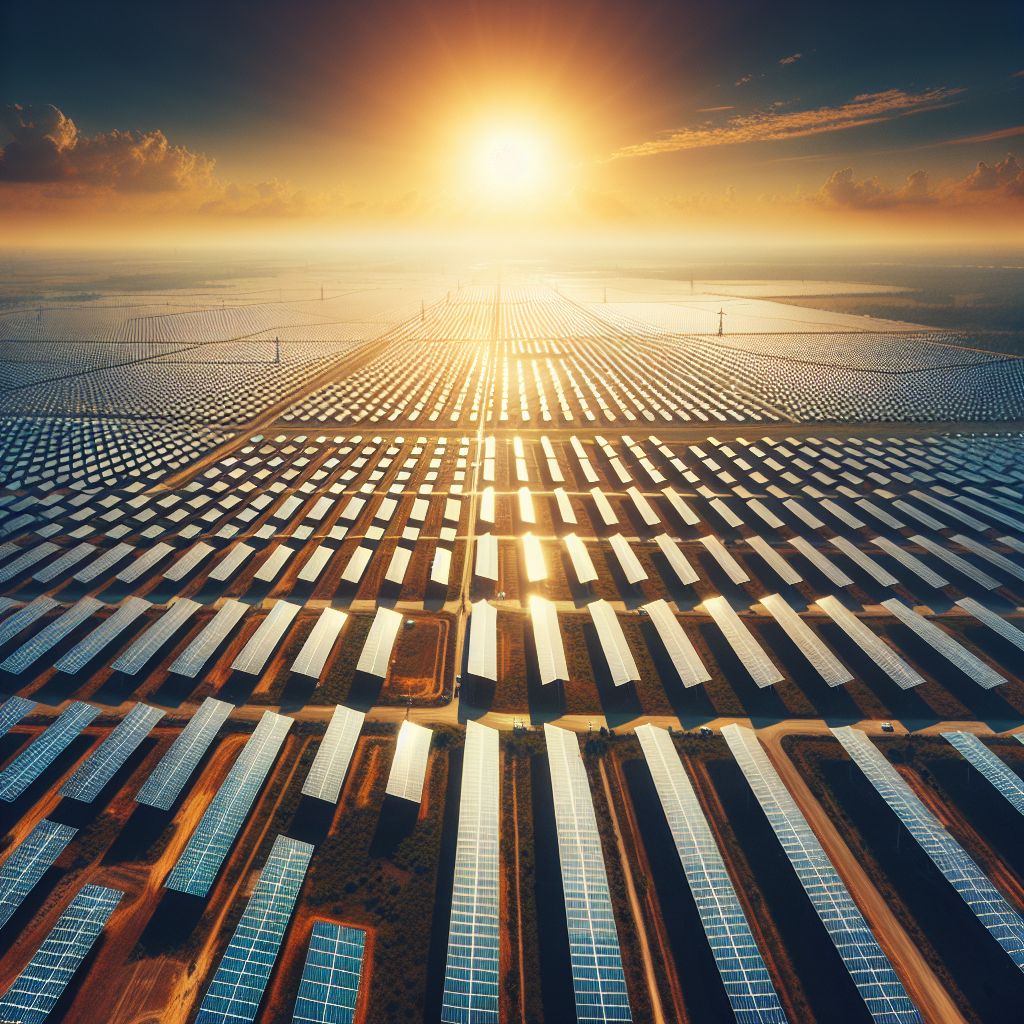
Solar farms are large-scale installations designed to produce electricity on a grand scale. Unlike on-site solar panels tailored for individual farm use, solar farms cover extensive areas, often spanning several acres. They are capable of generating substantial amounts of energy, which is then fed into the power grid for widespread distribution.
The concept of solar farms revolves around maximizing the capture of solar energy. These installations are typically situated in areas with high solar exposure to ensure optimal energy production. They utilize photovoltaic panels similar to those used in smaller installations, but on a much larger scale. For more information on how these panels are utilized in agriculture, you can explore how solar panels in agriculture help cut operational costs.
Large-Scale Energy Production Explained
Solar farms play a crucial role in the renewable energy landscape. By harnessing the sun’s power on a massive scale, they contribute significantly to the overall energy supply, supporting both residential and industrial demands. The energy produced by solar farms can power thousands of homes, making them an essential component of the clean energy transition.
Because solar farms are not limited by the constraints of individual properties, they can be strategically placed in locations that receive maximum sunlight. This strategic placement, combined with advanced technology, ensures that solar farms operate at high efficiency, generating consistent and reliable power.
Corporate and Government Involvement
The development and operation of solar farms often involve collaboration between corporate entities and government bodies. Corporations invest in solar farms as part of their sustainability initiatives, while governments support these projects through incentives and regulatory frameworks.
- Corporate investments drive innovation and expansion in solar technology.
- Government incentives, such as tax credits and grants, reduce financial barriers for solar farm projects.
- Regulatory support ensures that solar farms comply with environmental standards and land use policies.
This collaboration is vital for the growth of solar farms, as it aligns economic interests with environmental goals, fostering a sustainable energy future.
Environmental Impact and Land Use
Solar farms, while beneficial for energy production, do require significant land use. This can raise concerns about habitat disruption and land availability for other purposes. However, careful planning and site selection can mitigate these impacts.
Many solar farms are developed on marginal lands that are not suitable for agriculture or other productive uses. This approach minimizes competition for valuable land resources and reduces potential conflicts with local communities.

Comparing Energy Generation: Farm Operations vs. Solar Farms
When deciding between installing solar panels for farm operations or investing in a solar farm, it’s essential to consider various factors that influence energy generation and overall benefits.
Cost Implications and Financial Incentives
The cost of installing solar panels on a farm can vary significantly based on the system size and complexity. However, there are financial incentives available that can offset these costs. Government programs, such as the Federal Investment Tax Credit (ITC), can cover up to 30% of the installation expenses.
On the other hand, solar farms require substantial upfront investments due to their large scale. These projects often involve partnerships with investors and utility companies to share the financial burden and ensure long-term profitability.
Energy Output and Scalability
Solar panels on a farm provide energy tailored to meet the specific needs of that operation. This localized approach ensures that energy is used efficiently, with any excess potentially sold back to the grid.
In contrast, solar farms produce energy on a much larger scale, contributing to the overall power supply of a region. This scalability makes solar farms an attractive option for meeting broader energy demands and supporting grid stability.
Community Impact and Benefits
Both solar panels for farm operations and solar farms offer distinct community benefits. Local solar panel installations can enhance energy independence for individual farms, leading to more stable and predictable energy costs.
- Solar farms create jobs during construction and operation, boosting local economies.
- They contribute to regional energy resilience, reducing reliance on fossil fuels.
- Community solar programs associated with solar farms allow residents to benefit from clean energy without installing panels on their own properties.
Here’s a table discussing the differences between using solar panels for farm operations and a solar farm:
|
Aspect |
Solar Panels for Farm Operations |
Solar Farm |
|---|---|---|
|
Purpose |
Power farm buildings and equipment |
Generate electricity for the grid |
|
Scale |
Smaller, typically 4-20 kW 1 |
Larger, ranging from 1 MW to 2,000 MW or more 1 |
|
Installation |
Rooftop or small ground-mounted systems | |
|
Energy Use |
Directly supplies the farm’s energy needs |
Feeds power into the electrical grid 7 |
|
Cost per Watt |
Higher due to smaller scale |
Lower due to economies of scale (avg. $0.98/watt in 2025) 1 |
|
Land Use |
Minimal, often using existing structures |
Extensive, dedicated land use 4 |
|
Ownership |
Typically owned by the farmer |
Often owned by developers or utility companies 1 |
|
Power Purchase Agreements |
Not common |
Usually have long-term contracts with utilities 7 |
|
Environmental Impact |
Minimal local impact |
Can affect local ecosystems and land use 1 |
|
Accessibility |
Limited to farm owner |
Can support community solar programs 1 |
|
Maintenance |
Managed by farm owner |
Professionally maintained 1 |
|
Panel Size |
Typically, 350-450 watts |
Often larger, 500 watts or more 1 |
|
Design Flexibility |
Limited by existing structures |
More flexible, optimized for sun exposure 1 |
This table highlights the key differences between solar installations for individual farm operations and larger-scale solar farms. While both harness solar energy, they differ significantly in scale, purpose, and implementation.
Ultimately, the choice between solar panels and solar farms depends on a farm’s specific circumstances and goals. By carefully evaluating these options, farmers can make informed decisions that align with their energy needs and sustainability objectives.

Making the Right Choice for Your Farm
Consider your farm’s size, energy requirements, and financial goals when deciding between solar panels and a solar farm. Evaluate the available incentives and potential environmental impacts to make an informed decision that benefits both your farm and the community.
In conclusion, both solar panels for farm operations and solar farms offer unique advantages and challenges. By understanding these differences and considering the specific needs of your farm, you can harness the power of solar energy to drive sustainability and profitability.
Assessing Farm Size and Energy Needs
When deciding between solar panels for farm operations and a solar farm, the size of your farm and its energy requirements play a crucial role. Smaller farms might find on-site solar panels more suitable due to space limitations and specific energy needs. These installations provide sufficient power to run essential operations, such as lighting, irrigation, and heating, without the need for extensive land use.
Larger farms, on the other hand, may benefit from the scale of solar farms. These can supply energy not only for the farm’s operations but also for surrounding communities. Evaluating your farm’s energy consumption and future needs is essential in determining the best solar solution.
Long-Term Planning and Investment
Solar energy systems, whether panels or farms, require a substantial initial investment. However, they offer long-term savings and potential revenue through energy sales. It’s crucial to consider your financial capacity and access to incentives when planning your solar investment. Government programs, like tax credits and grants, can significantly reduce upfront costs and improve the return on investment.
Environmental and Economic Considerations
Besides financial aspects, environmental impacts should also influence your decision. Solar panels and farms contribute to reducing carbon emissions and promoting sustainability. However, solar farms require significant land use, which could impact local ecosystems. Balancing these considerations ensures that your solar choice aligns with both environmental and economic goals. For more information on solar agriculture integration, explore agrivoltaics explained.
Furthermore, solar installations can enhance the local economy by creating jobs and supporting community energy needs. By choosing solar energy, farmers contribute to a cleaner, more sustainable future while enjoying economic benefits.
Solar energy is not just a viable alternative; it’s a smart choice for those looking to future-proof their farms. By understanding your farm’s unique requirements and weighing the pros and cons of each solar option, you can make an informed decision that benefits both your farm and the environment.
Remember, the right choice will depend on your specific circumstances, including farm size, energy needs, and available incentives. Carefully evaluate these factors to make the best decision for your farm’s future, and consider exploring different types of solar batteries that could enhance your energy storage capabilities.
Conclusion
In conclusion, choosing between solar panels for farm operations and a solar farm involves assessing various factors, including farm size, energy needs, and financial goals. Both options offer distinct advantages and challenges, but ultimately, the decision should align with your farm’s specific circumstances and sustainability objectives.
By investing in solar energy, farmers can achieve energy independence, reduce operational costs, and contribute to a cleaner environment. Whether through on-site panels or large-scale solar farms, the benefits of solar energy are clear and compelling.
Can a Farm Using Solar Panels to Power Its Operations Also Qualify as a Solar Farm
Technically, a farm with extensive solar panel installations could qualify as a solar farm if it generates surplus energy that feeds into the grid. However, this depends on the scale of the installation and local regulations. It’s important to consult with energy experts and local authorities to understand the specific criteria and potential benefits.
Frequently Asked Questions
Here are some common questions farmers might have when considering solar energy options.
Are solar panels suitable for all types of farms?
Yes, solar panels can be adapted to suit various types of farms, from small-scale operations to large agricultural enterprises. The key is to assess the farm’s energy needs and available space for installation.
How much land is needed for a solar farm?
The land required for a solar farm varies based on the desired energy output. Typically, solar farms need several acres to accommodate the large number of panels necessary for significant energy production. It’s important to choose land that receives ample sunlight and is not suitable for other productive uses.
What are the financial incentives for installing solar panels?
Farmers can benefit from various financial incentives, including the Federal Investment Tax Credit, which covers up to 30% of installation costs. Additionally, state and local programs may offer grants, rebates, and other incentives to reduce financial barriers.
It’s advisable to research available programs and consult with solar energy experts to maximize these benefits.
Do solar panels affect farming operations?
Solar panels can integrate seamlessly into farming operations without disrupting daily activities. They can be installed on rooftops or unused land, ensuring that valuable agricultural space remains productive. Moreover, the energy generated supports farm operations, enhancing efficiency and sustainability.
Proper planning and installation ensure that solar panels complement rather than hinder farming activities.
Can excess energy be sold back to the grid?
Yes, many regions allow farmers to sell excess energy back to the grid through net metering programs. This not only provides additional revenue but also contributes to the local energy supply. It’s important to check with your local utility provider to understand the specific terms and conditions of such programs.
Participating in these programs can enhance the financial viability of solar installations and support broader community energy needs.

Leave a Reply