
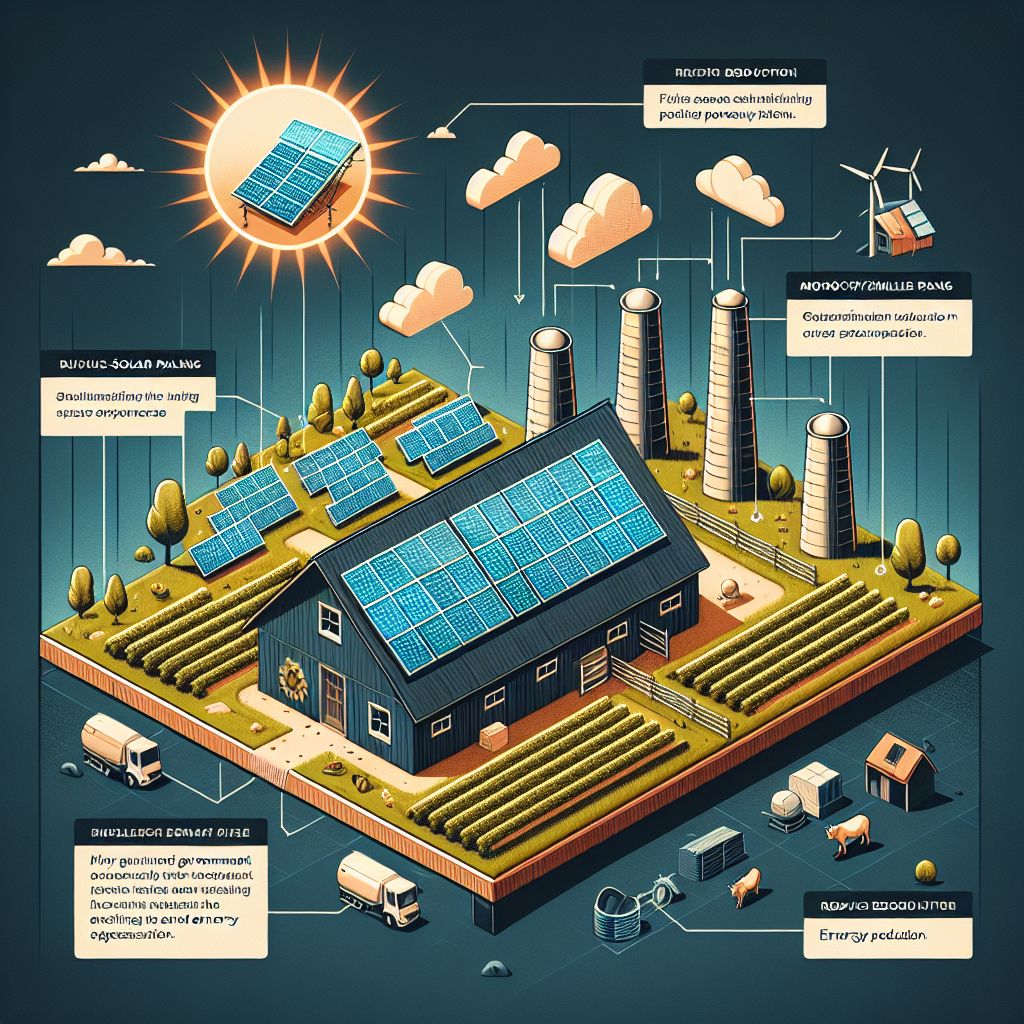
Main Points
- Monocrystalline solar panels offer efficiency rates between 17-22%, making them the most effective choice for farms.
- They save room by producing more power per square foot, which is ideal for farms with limited installation space.
- These panels are durable and can withstand a variety of weather conditions, ensuring consistent energy production.
- Using solar energy can significantly reduce farm energy expenses, resulting in long-term financial savings.
- Government incentives and rebates can greatly reduce the initial cost of installing solar panels.
Increasing Farm Efficiency with Monocrystalline Solar Panels
In the rapidly changing world of agriculture, efficiency and sustainability are more important than ever. Monocrystalline solar panels are a top choice for farms looking to increase energy efficiency and lower costs. Let’s look at how these panels can revolutionize your farm operations.
Understanding Monocrystalline Solar Panels
Monocrystalline solar panels are made from a single crystal structure. This gives them an edge over other kinds of solar panels. Their single-crystal structure allows them to have a higher efficiency rate. This means they can convert sunlight into electricity more effectively. For farmers, this means they can generate more power with fewer panels.
Not only do these panels have a sleek, uniform look, but they also have a long lifespan, often exceeding 25 years. Monocrystalline panels are a great investment for farms looking to harness solar energy due to their high efficiency and durability.
Maximizing Your Energy with Efficiency
Monocrystalline panels are the top choice for many because of their unbeatable efficiency. They typically have efficiency rates from 17% to 22%, which is higher than other types of panels such as polycrystalline and thin-film solar panels. This allows you to produce more electricity in a smaller space, which is especially beneficial for farms where space may be limited.
Monocrystalline panels can help your farm become less reliant on traditional energy sources by optimizing energy production. This can lower your energy bills and make your operation more sustainable and environmentally friendly.
Reducing Energy Expenses for Farms
For many farms, especially those with high energy requirements for irrigation, heating, and cooling systems, energy costs can be a significant expense. Monocrystalline solar panels provide a practical answer to this problem by providing a renewable energy source that can significantly reduce energy costs.
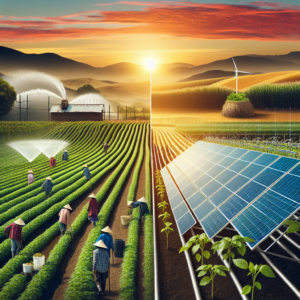
Imagine this: a farm in California decided to use monocrystalline panels to run its irrigation system. What happened? There was a significant drop in the monthly energy bills and a general increase in operational efficiency. This case shows the potential for considerable cost savings over time.
Optimizing Limited Space on Farms
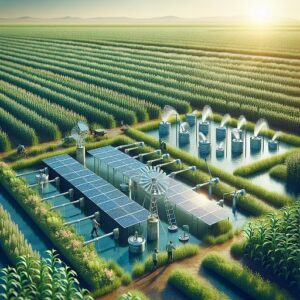
Monocrystalline panels have a compact design that is especially beneficial for farms that have limited roof or land space. These panels can produce more power per square foot than other solar technologies, which means you can maximize the use of your available space.
Regardless of whether you’re placing them on the tops of barns or in open fields, monocrystalline panels guarantee that you get the most energy yield without giving up valuable land that could be utilized for crops or livestock.
Resilience Against Different Weather Conditions
Farms are frequently subjected to a wide range of difficult weather conditions, from strong sunlight to heavy rain and snow. Monocrystalline panels are designed to resist these elements, ensuring high performance and efficiency all year round.
They are built to last, ensuring that they continue to provide a reliable source of energy, no matter what the weather is doing. This durability means fewer maintenance issues and a longer lifespan, making them a cost-effective choice for farmers.
Here is a table summarizing the advantages and disadvantages of using monocrystalline solar panels to power a farm’s operations:
|
Pros |
Cons |
|---|---|
|
High Efficiency: Monocrystalline panels have efficiency rates between 17-22%, maximizing energy production per square foot. 1, 3 |
High Upfront Cost: These panels are more expensive than alternatives like polycrystalline panels. 1, 3 |
|
Space-Saving: Their compact design allows farms to generate more power with fewer panels, ideal for limited installation areas. 3 |
Performance Drop in High Temperatures: Efficiency can decrease slightly in very hot conditions. 1 |
|
Durability and Longevity: Often come with warranties of 25 years or more, ensuring long-term reliability. 1, 3 |
Fragility: Panels require careful handling during installation and maintenance. 1 |
|
Low Maintenance: Minimal upkeep is needed, with predictable operational costs over time. 1 |
Shading Sensitivity: Performance drops significantly if part of the panel is shaded, requiring strategic placement. 1 |
|
Environmental Benefits: Solar energy eliminates greenhouse gas emissions and reduces reliance on fossil fuels. 1, 3 |
Weather Dependency: Energy generation depends on sunlight, making battery storage essential during cloudy or rainy periods. 1, 3 |
|
Ideal for Irrigation Systems: Peak energy production aligns with high irrigation needs during hot, dry periods. 1 |
Cleaning Requirements: Regular cleaning is necessary to maintain efficiency, which may require additional labor. 1 |
|
Government Incentives: Rebates and tax credits can offset installation costs significantly. 3 |
Initial Investment Barrier: Despite incentives, upfront costs can still be prohibitive for some farmers. 3 |
Monocrystalline solar panels are an excellent choice for farms seeking high energy efficiency and long-term sustainability. However, their higher initial cost and sensitivity to shading may require careful planning to maximize their benefits.
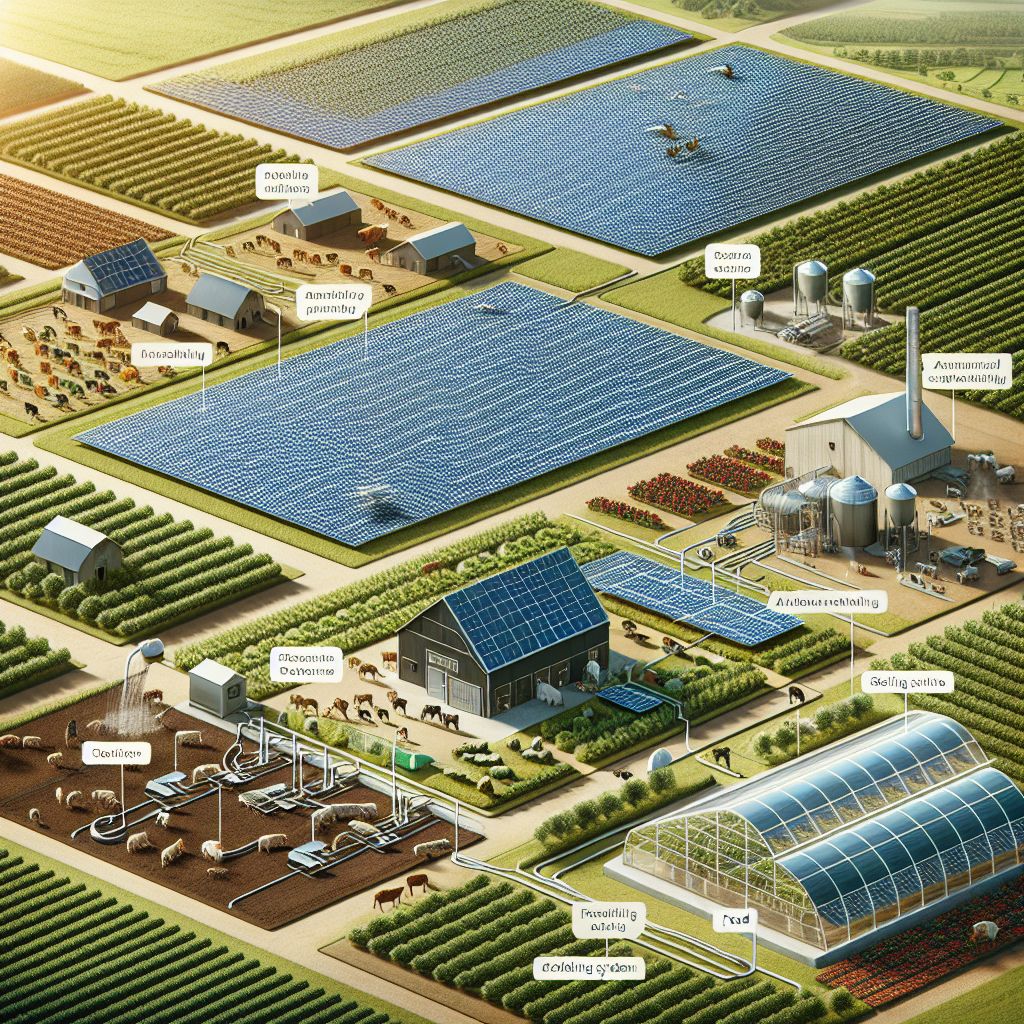
Improving the Farms Efficiency with Monocrystalline Solar Panels
Monocrystalline solar panels offer farmers a way to significantly increase productivity and reduce their environmental footprint. Using solar energy not only reduces costs, but it also improves the reliability and efficiency of many farm operations.
Solar panels offer a versatile and sustainable energy solution, powering irrigation systems, optimizing greenhouse operations, and improving livestock management. This allows farmers to focus on what they do best: producing high-quality food and agricultural products.
Improving Irrigation Systems
Here are some steps to take to get the most out of solar-powered irrigation:
- Place solar panels in areas that receive the most sunlight.
- Combine solar power with automated irrigation controls for accurate water management.
- Regularly check the system’s performance to maintain peak efficiency.
When farmers implement these strategies, they can save a lot of water and increase crop yields, making their agricultural operations more sustainable. For more insights, consider exploring how solar panels boost farm irrigation system efficiency.
Not only does solar-powered irrigation save water, but it also reduces reliance on traditional energy sources, providing long-term cost savings and environmental benefits.
Boosting Greenhouse Efficiency
Greenhouses play a crucial role in lengthening the growing season and shielding crops from harsh weather conditions. Yet, they consume a lot of energy for heating, cooling, and lighting. Monocrystalline solar panels offer a green energy alternative that reduces dependency on fossil fuels and cuts down operational expenses.
Solar power enables farmers to create the perfect conditions in their greenhouses. They can make sure that their plants get just the right amount of light and that the temperature is controlled. This is especially crucial for delicate crops that need very specific environmental conditions to do well.
In addition, solar-powered greenhouses can be combined with other technologies, such as automated ventilation systems and climate control software, to further improve efficiency and productivity. By using solar energy, farmers can create a more resilient and adaptable agricultural operation.
Enhancing the Efficiency of Livestock Management
Managing livestock requires a lot of energy for tasks such as lighting, ventilation, and feeding systems. Monocrystalline solar panels can supply the energy needed for these operations, ensuring that livestock facilities run smoothly and efficiently.
For instance, solar energy can power automatic feeding systems that dispense the correct amount of feed at scheduled times, which reduces waste and improves the health of animals. Additionally, solar-powered ventilation systems help to maintain the best air quality, which is essential for preventing respiratory problems in livestock.
Solar panels can be used to power livestock facilities, leading to better animal welfare and increased productivity. The solar energy can be used to power automated systems for feeding, lighting, and ventilation, thus reducing labor costs and improving efficiency. This approach not only improves farm operations, but also contributes to a more sustainable and ethical agricultural practice.
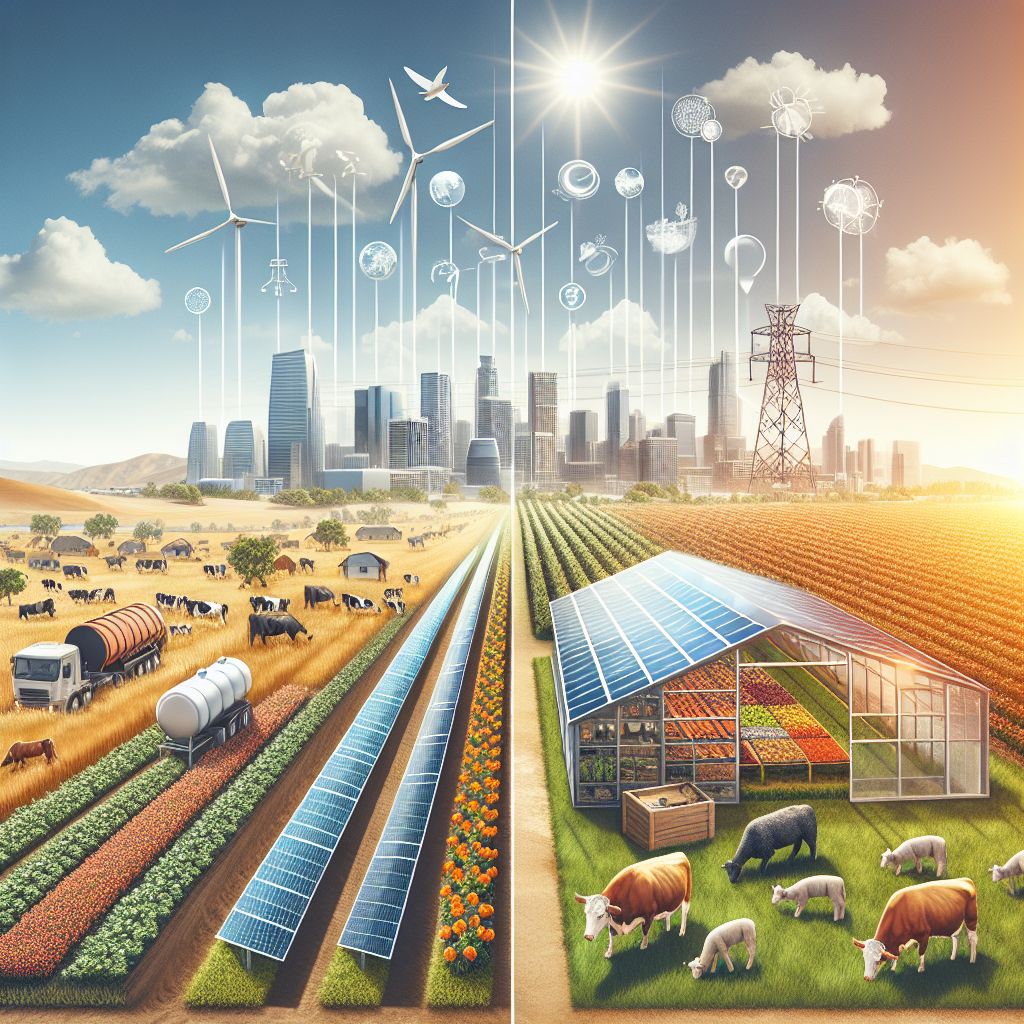
Real-Life Case Studies: Monocrystalline Solar Panels Powering a Farms Operation
There are plenty of real-world examples of farms that have switched to monocrystalline solar panels and are reaping the rewards. These case studies show the real-world benefits of solar energy and the success stories that have come from making the switch.
A farm in California provides a great example of the benefits of monocrystalline panels. The farm used these panels to power its irrigation and livestock operations. As a result, the farm saw a major decrease in energy costs and an increase in efficiency. This shows the potential of solar energy to revolutionize farming operations.
In the same vein, a farm in Texas was able to successfully incorporate solar panels into their greenhouse management system. By using solar power to maintain optimal growing conditions, they were able to increase their crop yields and reduce their energy expenses. For more information on how solar panels can enhance farm efficiency, check out this article on solar panels increasing farm efficiency.
Monocrystalline solar panels are becoming increasingly popular in the agricultural sector due to their high efficiency and durability. These panels are known for their ability to convert sunlight into electricity more effectively than other types of solar panels. As a result, they are an excellent choice for farmers looking to reduce energy costs and increase productivity. If you’re considering solar energy for your farm, learn more about the best solar panels for farm efficiency and how they can benefit your operations.
Monocrystalline Panels in Action on a California Farm
A farm in California chose to install monocrystalline solar panels to provide power for its large-scale irrigation system. The outcome was nothing short of amazing: in the first year alone, the farm saw its energy costs drop by 40%. On top of that, the farm experienced better water control and increased crop yields. This real-world example clearly demonstrates the cost savings and operational improvements that solar energy can bring to a farm.
How a Texas Farm Improved Greenhouse Management
A farm in Texas incorporated solar panels into its greenhouse operations, which allowed for better control of temperature and lighting. The farm was able to increase its production by 30% and decrease its energy costs by 25% as a result. This case study shows how solar energy can improve greenhouse productivity and sustainability.
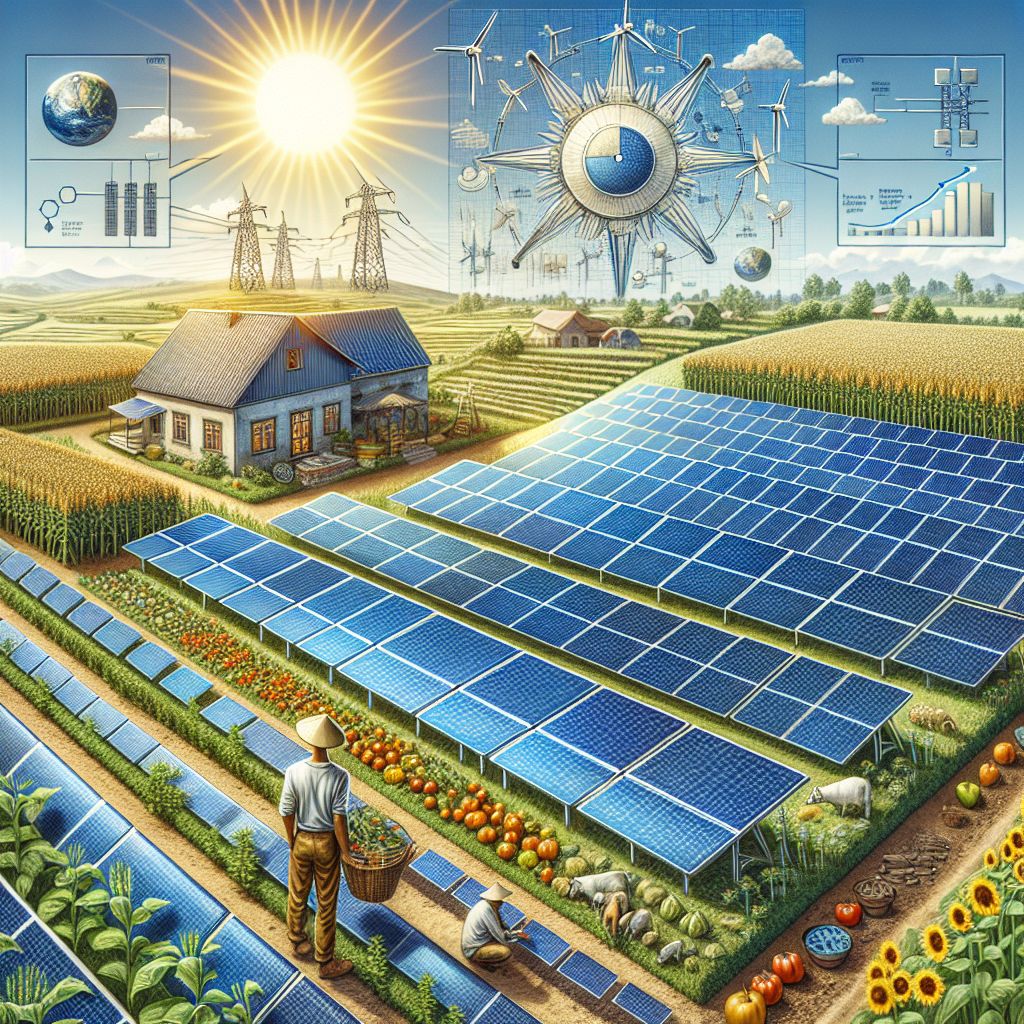
Cost Benefits and Long-Term Savings
While the initial investment for monocrystalline solar panels may be substantial, the financial incentives and long-term savings make it an attractive option for farmers. Knowing these advantages can assist you in making educated choices about adopting solar power.
Government programs like tax credits and rebates can greatly decrease the initial price of installing solar panels. Furthermore, the long-term savings on electricity bills can counterbalance the upfront investment, resulting in significant financial benefits in the long run. For more insights on how solar panels increase farm efficiency, explore our detailed guide.
How Government Incentives and Rebates Work
Many governments globally provide different incentives to promote the use of solar energy. These incentives can include:
- Federal tax credits are available to cover a portion of the installation cost.
- There are also state and local rebates that provide additional financial assistance.
- Renewable energy projects can also receive grants and low-interest loans.
Farmers can greatly reduce the cost of installing monocrystalline solar panels and speed up their return on investment by utilizing these incentives.
Not only do these incentives provide financial support, but they also highlight the increasing significance of renewable energy in sustainable agriculture. By switching to solar energy, farmers are helping to create a cleaner environment and a more sustainable future.
Understanding the Return on Investment for Solar Panels
Monocrystalline solar panels can be a smart investment for any farm, but it’s important to understand the return on investment. This is the amount of time it will take for the energy savings to pay for the initial cost of the solar panel system. Generally, this time frame is between 5 and 10 years, but it can vary based on factors like the size of the installation, local energy costs, and any incentives that are available.
When determining the payback period, farmers should consider the overall cost of the system. This includes the cost of installation and maintenance. They can then compare this to the annual savings they receive on their energy bills. From this, they can figure out how long it will take for them to recover their initial investment. For more insights, check out how solar panels increase the efficiency of a farm. After this point, they will begin to see pure savings.
Saving Money in the Long Run
Once the initial investment is recouped, the financial advantages of solar panels become apparent. Monocrystalline solar panels have a life expectancy of over 25 years, during which they continue to produce free electricity. This results in significant cost savings over time, as farms decrease or even eliminate their dependence on grid electricity.
Furthermore, solar panels boost the worth of farm properties. With the increasing demand for sustainable and energy-efficient farms, properties with solar installations are more appealing to buyers and investors. This added value is an extra financial benefit that makes solar panels a cost-effective option for farms.
Final Thoughts on Using Monocrystalline Solar Panels for Farming
Switching to monocrystalline solar panels is a progressive move that supports the objectives of efficiency, sustainability, and profitability. By utilizing solar energy, farms can cut their energy expenses, boost productivity, and promote a greener environment.
Summary
Monocrystalline solar panels are a great choice for farms that want to improve their energy efficiency. They are compact and durable, and they can handle all kinds of weather. They also come with financial incentives and long-term savings, making them a smart investment for farmers who want to use solar energy.
Are Monocrystalline Solar Panels a Wise Investment for Farmers?
For the majority of farmers, investing in monocrystalline solar panels is a wise decision. The blend of high efficiency, durability, and financial advantages make them a valuable asset to any farming operation. Solar panels aid in the reduction of energy costs and the improvement of productivity, paving the way for a more sustainable and profitable future in farming. For more insights on how solar panels can enhance farm operations, consider reading about using solar panels to power farm operations.
Frequently Asked Questions (FAQ)
Several farmers are curious about the advantages and practicality of monocrystalline solar panels. Here are a few typical questions and their responses:
Why Are Monocrystalline Panels More Efficient Than Other Types?
Monocrystalline panels are made from a single crystal structure, which allows them to convert sunlight into electricity more efficiently. This higher efficiency leads to more power generation per square foot compared to other types such as polycrystalline and thin-film panels.
Also, their design helps to reduce energy loss, which means that more sunlight can be converted into usable electricity. This is especially helpful for farms that have limited space for installation.
How Can Monocrystalline Solar Panels Improve Farm Productivity?
Monocrystalline solar panels offer a dependable and efficient energy solution that can power a range of farm operations. Whether it’s irrigation systems, greenhouse management or livestock facilities, solar energy can support these vital processes, improving farm productivity as a whole.
By lowering energy expenses and providing a reliable power source, solar panels enable farmers to devote more resources to enhancing crop production and the health of their livestock.
Do Farmers Get Special Benefits for Using Solar Panels?
Absolutely, farmers can take advantage of several benefits when they switch to solar energy. These benefits include federal tax credits, rebates from the state and local governments, and grants for renewable energy projects. These benefits can greatly lower the upfront cost of installing solar panels, making it more affordable for farmers.
Moreover, some areas provide performance-based rewards, compensating farms for the quantity of energy their solar systems generate.
What Impact Does Weather Have on Solar Panel Efficiency?
Monocrystalline solar panels are built to function effectively in a range of weather conditions. They can endure severe temperatures, rain, and snow, while still maintaining high efficiency all year round. However, their performance can dip slightly on overcast days, as they depend on sunlight for power generation.
Which Farm Types Gain the Most from Installing Solar Panels?
Any farm can take advantage of solar power, but farms with high energy requirements, like dairy farms, poultry farms, and large crop farms, will see the biggest savings. These farms usually have high energy needs for heating, cooling, and running equipment, so solar power is a cost-effective solution for them.
Solar panels are particularly beneficial for farms in remote locations where access to grid electricity is limited, as they provide a reliable and independent source of energy.
In summary, monocrystalline solar panels provide a green and effective energy answer that improves farm processes and contributes to a more robust agricultural future.


Leave a Reply