
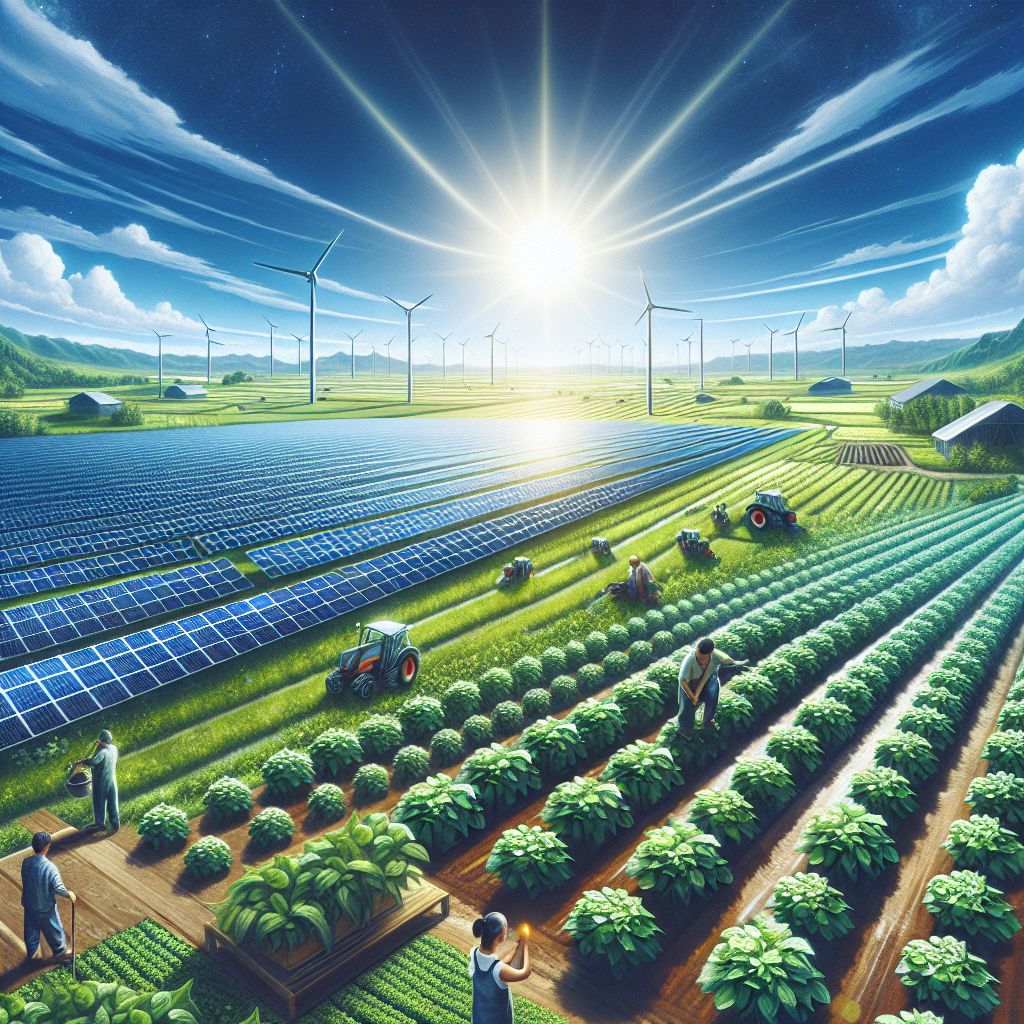
Key Takeaways
- Agrivoltaics can increase land productivity by up to 70% by allowing simultaneous crop cultivation and solar energy generation on the same land.
- Some crops like blueberries, lettuce, and certain vegetables actually perform better under the partial shade provided by solar panels.
- Dual land use farming can provide farmers with stable additional income through energy sales while protecting crops from extreme weather conditions.
- Water conservation benefits of up to 30% have been documented in agrivoltaic systems due to reduced evaporation rates beneath panels.
- Modern panel designs allow for customized light penetration and equipment access, making implementation more practical for working farms.
Farming has always been about maximizing what the land can provide. Now, with agrivoltaics gaining momentum across agricultural regions, farmers are discovering they don’t have to choose between growing food and generating energy – they can do both simultaneously on the same plot of land.
Agrivoltaics, the practice of integrating solar panel systems with active agricultural production, represents one of the most promising innovations in sustainable farming today. By combining crops and solar panels, farmers are finding new ways to diversify income, improve crop conditions, and contribute to renewable energy goals without sacrificing valuable farmland.
Agrivoltaics: The Future of Farming Is Above Your Crops
Imagine harvesting tomatoes in the partial shade of solar panels that are simultaneously generating electricity for the grid. That’s the reality of agrivoltaic systems, where specially designed solar installations are integrated with crop production. The concept is elegantly simple: panels are mounted high enough to allow farming underneath, creating a dual-purpose landscape that generates both food and energy. This synergistic approach turns potential competition for land into a complementary relationship that can benefit both agriculture and clean energy production.

Why Farmers Are Adding Solar Panels to Their Fields
The traditional image of sprawling solar farms consuming agricultural land is being replaced by a more integrated vision. Innovative farmers are now seeing solar panels as agricultural allies rather than competitors for land use. The movement toward dual land use farming isn’t just environmentally forward-thinking – it’s economically compelling in an era where farm profitability faces increasing challenges.
In regions facing water scarcity, the shade from solar panels can reduce evaporation and create microclimates that actually benefit certain crops. Some farmers report water savings of up to 30% in their agrivoltaic systems compared to conventional field production. This resource efficiency, combined with the potential for two revenue streams, makes the concept increasingly attractive to forward-thinking agricultural producers.
The financial math is compelling: a single acre of land can now produce both agricultural yield and approximately 350,000-500,000 kilowatt-hours of electricity annually with properly designed systems. For farmers facing thin margins, this additional income stream can mean the difference between profitability and financial strain.
“We’re seeing crop yields maintain or even improve under certain panel configurations, while the energy generation provides consistent revenue regardless of agricultural market fluctuations. It’s creating resilience in farm business models that hasn’t existed before.” – Agricultural Researcher, Georgia Tech
The Economic Pressure on Modern Farms
Modern farming faces relentless economic challenges – from rising input costs to market volatility and increasing competition. Small and medium-sized farms particularly feel the squeeze as they try to remain viable in a landscape dominated by large-scale operations. Agrivoltaics offers a compelling solution by introducing a steady, weather-independent income stream through power generation. Unlike traditional crops that pay once at harvest, solar panels generate revenue continuously throughout the year.
For many farmers, electricity costs represent a significant operational expense. On-site generation through agrivoltaic systems can substantially reduce these costs while potentially allowing for the sale of excess power back to the grid. This approach transforms energy from a pure expense into a potential profit center, fundamentally altering the farm’s financial equation.
Climate Challenges Facing Agricultural Land
Climate change is introducing unprecedented challenges for farmers worldwide. Extreme weather events, prolonged droughts, and rising temperatures are becoming increasingly common, threatening crop yields and farm sustainability. In many regions, traditional growing conditions are shifting faster than agricultural practices can adapt, creating urgent need for innovative solutions. Agrivoltaic systems can help mitigate these climate risks by providing partial shading that reduces heat stress on plants during extreme temperature events.
The protective canopy created by solar panels can shield sensitive crops from excessive solar radiation while maintaining sufficient light for photosynthesis. In areas experiencing increased precipitation intensity, panels can also help manage rainfall distribution, preventing soil erosion and reducing crop damage from heavy downpours. This climate resilience aspect of agrivoltaics may soon become as valuable as its energy-generating capabilities.
Creating Two Income Streams From the Same Acreage
Land efficiency is at the heart of agrivoltaics’ appeal. By stacking two productive functions on the same acreage, farmers can significantly increase the economic output per square foot of their property. A well-designed system allows for continued agricultural production while adding approximately $15,000-$40,000 per acre annually in energy revenue, depending on local solar resources and power purchase agreements. This dual-income approach helps farms diversify their revenue streams, creating financial stability even when agricultural markets fluctuate.
The power generation component provides predictable long-term income, typically secured through 15-25 year contracts with utilities or energy buyers. This steady revenue can help offset the inherent volatility of agricultural markets and weather-dependent crop yields. For family farms looking to secure their financial future or create succession opportunities, this diversification strategy offers compelling advantages over single-use farming approaches.
Here’s a clear and organized table outlining the benefits of dual land use—growing crops alongside installing solar panels (agrivoltaics)—specifically for farmers:
|
Benefit Category |
Description & Impact |
Supporting Evidence |
|---|---|---|
|
Increased Land Productivity |
Enables simultaneous crop cultivation and solar energy generation, maximizing land use efficiency. | |
|
Additional & Stable Income |
Farmers gain a steady revenue stream from solar leases alongside traditional agricultural earnings, improving resilience. | |
|
Improved Crop Yields |
Solar panels provide shade, reducing heat stress, optimizing light, and minimizing water evaporation, often boosting yields. | |
|
Reduced Water Use |
Shaded microclimate under panels decreases soil evaporation, leading to lower irrigation needs. | |
|
Protection from Weather |
Panels shield crops from hail, frost, and drought, reducing crop losses and the need for protective materials. | |
|
Enhanced Soil Health |
Native vegetation and reduced erosion improve soil structure and carbon sequestration. | |
|
Biodiversity & Pollinators |
Planting pollinator-friendly species boosts insect populations and ecosystem services, benefiting crop production. | |
|
Livestock Integration |
Grazing sheep under panels reduces mowing costs, provides extra farm income, and improves land management. | |
|
Community & Economic Support |
Dual-use projects create rural jobs, support local economies, and help keep farms in families. | |
|
Climate Resilience |
Microclimates under panels help crops and livestock better withstand drought and heat, supporting adaptation to climate change. | |
|
Preservation of Farmland |
Allows continued agricultural use, addressing concerns about losing farmland to solar-only projects. |
Key takeaways from the table
- Dual land use (agrivoltaics) enables farmers to diversify income, improve resilience, and enhance both agricultural and environmental outcomes without sacrificing farmland. 1, 2, 4, 10
- Research and real-world projects show measurable benefits in crop yield, water savings, soil health, and rural economic development. 1, 2, 5, 7, 9
- Integrating solar and agriculture supports long-term sustainability for both food and energy production. 2, 6, 10
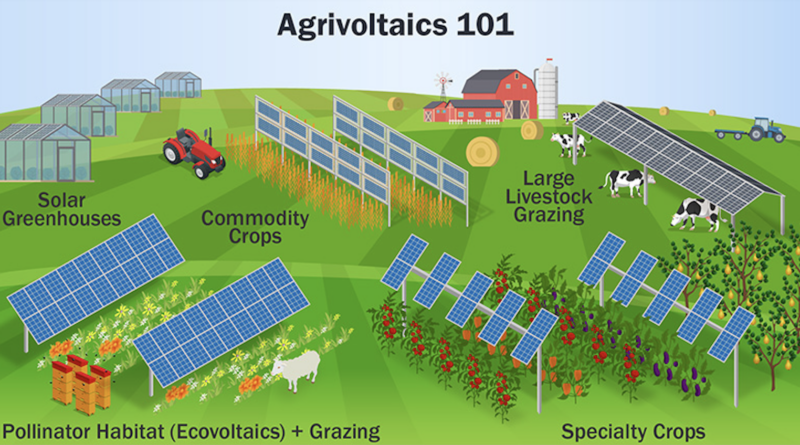
How Solar Panels and Crops Can Share Land Successfully
The key to successful agrivoltaic systems lies in thoughtful design that prioritizes both energy generation and agricultural production. Gone are the days of solar arrays that monopolize land use. Modern agrivoltaic installations are engineered specifically to create compatible growing environments underneath and between panel arrangements. The goal is complementary use rather than compromise.
Panel Height and Configuration Options
The height at which solar panels are mounted significantly impacts agricultural operations below. Most successful agrivoltaic systems position panels at least 8-12 feet above ground level, allowing for both human access and sufficient space for crops to grow without interference. Some systems are being installed at heights of 15-20 feet to accommodate farm equipment, though this increases initial construction costs.
Panel density and spacing are equally important considerations that must be customized based on the specific light requirements of intended crops. While conventional solar farms maximize panel coverage, agrivoltaic designs intentionally incorporate spacing that allows light to reach plants below. Configurations typically range from 30-70% panel coverage, with the balance determined by crop selection and local solar resources.
Light Management for Optimal Growth
Successful agrivoltaic systems carefully manage the amount, quality, and timing of light reaching crops. Strategic panel placement creates dynamic light patterns throughout the day, providing periods of full sun and partial shade that can benefit many plant varieties. Some advanced systems use semi-transparent or spectrum-selective panels that allow specific light wavelengths beneficial for plant growth to pass through while converting other wavelengths to electricity.
Research from the University of Arizona has demonstrated that the light levels under typical agrivoltaic arrays are sufficient for many common crops, with light reduction ranging from 30-60% depending on panel configuration. Far from being a limitation, this partial shading can actually enhance growth for certain crops by reducing heat stress and water loss during peak daylight hours. The key is matching the right crops to the specific light conditions created by the panel arrangement.
Water Conservation Benefits
One of the most significant advantages of agrivoltaic systems is their impact on water efficiency. Solar panels create a microclimate that reduces evaporation from soil and transpiration from plants, resulting in more efficient water use. Studies have documented water savings of 14-29% in agrivoltaic settings compared to conventional open-field agriculture, making these systems particularly valuable in drought-prone regions.
The partial shade provided by panels reduces soil surface temperatures, maintaining higher soil moisture levels between irrigation cycles. This effect is especially pronounced in hot, arid climates where water conservation is critical. The improved water retention not only reduces irrigation requirements but can also lead to more consistent growing conditions that benefit crop development and yield stability.
Equipment Access Considerations
For practical implementation, agrivoltaic systems must accommodate the movement of farm equipment necessary for planting, maintenance, and harvesting. Most commercial designs now incorporate wide spacing between panel rows (typically 12-20 feet) to allow standard tractors and implements to navigate between them. This represents a significant evolution from early systems that often required specialized or smaller equipment.
Some innovative installations utilize tracking systems that can temporarily reposition panels to create wider access corridors during critical farming operations. Height clearance remains a primary consideration, with panel undersides typically positioned at least 8 feet above ground level, though heights of 12-15 feet are becoming more common to accommodate larger equipment. The additional construction costs for taller mounting systems are often offset by improved agricultural access and productivity.
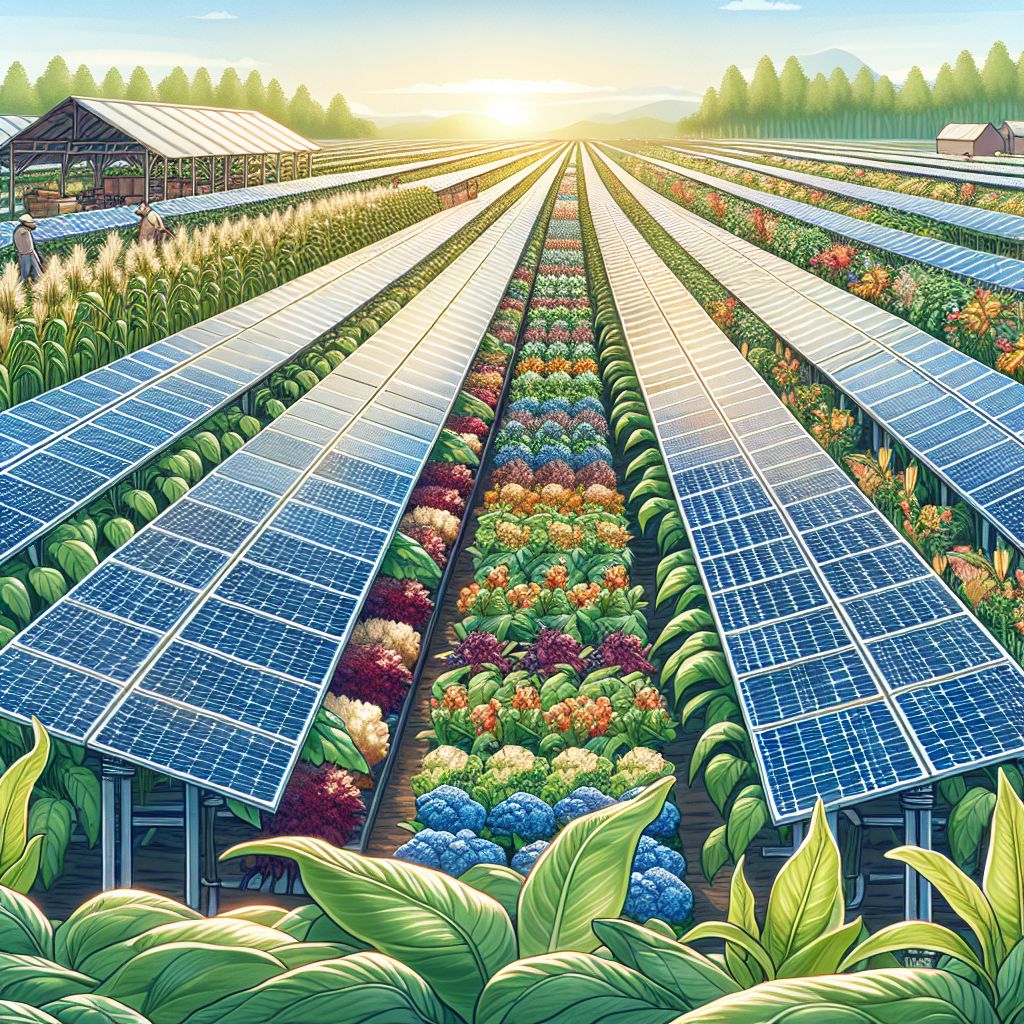
Best Crops for Growing Under Solar Panels
Not all crops are equally suited to agrivoltaic systems. The ideal candidates are those that can thrive in partial shade conditions or actually benefit from reduced direct sunlight. Selecting appropriate crop varieties is essential for maximizing the dual-use potential of these systems and achieving optimal returns from both energy and agricultural production.
Shade-Tolerant Vegetables
Leafy greens consistently perform well in agrivoltaic settings, with lettuce, spinach, kale, and chard showing excellent adaptation to the filtered light conditions beneath solar arrays. These crops often benefit from the reduced heat stress and lower evaporation rates, resulting in higher quality and extended growing seasons compared to open-field production. Root vegetables like radishes, turnips, and some potato varieties have also demonstrated successful growth in these environments, though with more variable results depending on the specific light conditions.
Certain herbs, particularly those native to forest understories or partial shade environments, thrive in agrivoltaic settings. Mint, cilantro, and many culinary herbs not only tolerate the light conditions but produce higher quality leaves with reduced bolting in the moderated temperatures beneath panels. For diversified vegetable operations, these shade-tolerant crops can be strategically incorporated into rotation plans that maximize the unique growing conditions of agrivoltaic systems.
Berries and Fruits That Thrive With Partial Sun
Berry crops have emerged as particularly promising candidates for agrivoltaic production. Blueberries, which naturally evolved as understory plants, show remarkable adaptation to panel-filtered light, with some studies documenting yield increases of 10-20% compared to full-sun plantings. The moderated temperatures and reduced UV exposure can also improve berry quality and size while extending the harvest window.
Certain bramble fruits like raspberries and blackberries also perform well in these systems, benefiting from the microclimatic conditions created by overhead panels. Even some tree fruits, particularly those prone to sunscald such as apples and pears, can benefit from strategic partial shading. The key is selecting varieties bred for tolerance to lower light conditions and positioning panels to ensure adequate light during critical flowering and fruit development periods.
Specialty Crops With Premium Pricing
The economics of agrivoltaics often favor high-value specialty crops that can command premium prices in local markets. Crops like ginseng, mushrooms, and certain medicinal herbs that naturally grow in woodland or shaded environments are particularly well-suited to the conditions beneath solar arrays. These specialty crops can generate significantly higher returns per square foot than commodity crops, making them ideal companions for dual-use systems focused on maximizing total land value.
Wine grape producers in several regions are exploring agrivoltaic approaches to mitigate increasing temperature extremes that threaten traditional vineyards. Early research suggests that strategic partial shading can reduce water requirements while protecting grapes from excessive heat that can compromise quality. For these high-value perennial crops, the long-term climate resilience provided by agrivoltaic systems may prove as valuable as the energy generation itself.
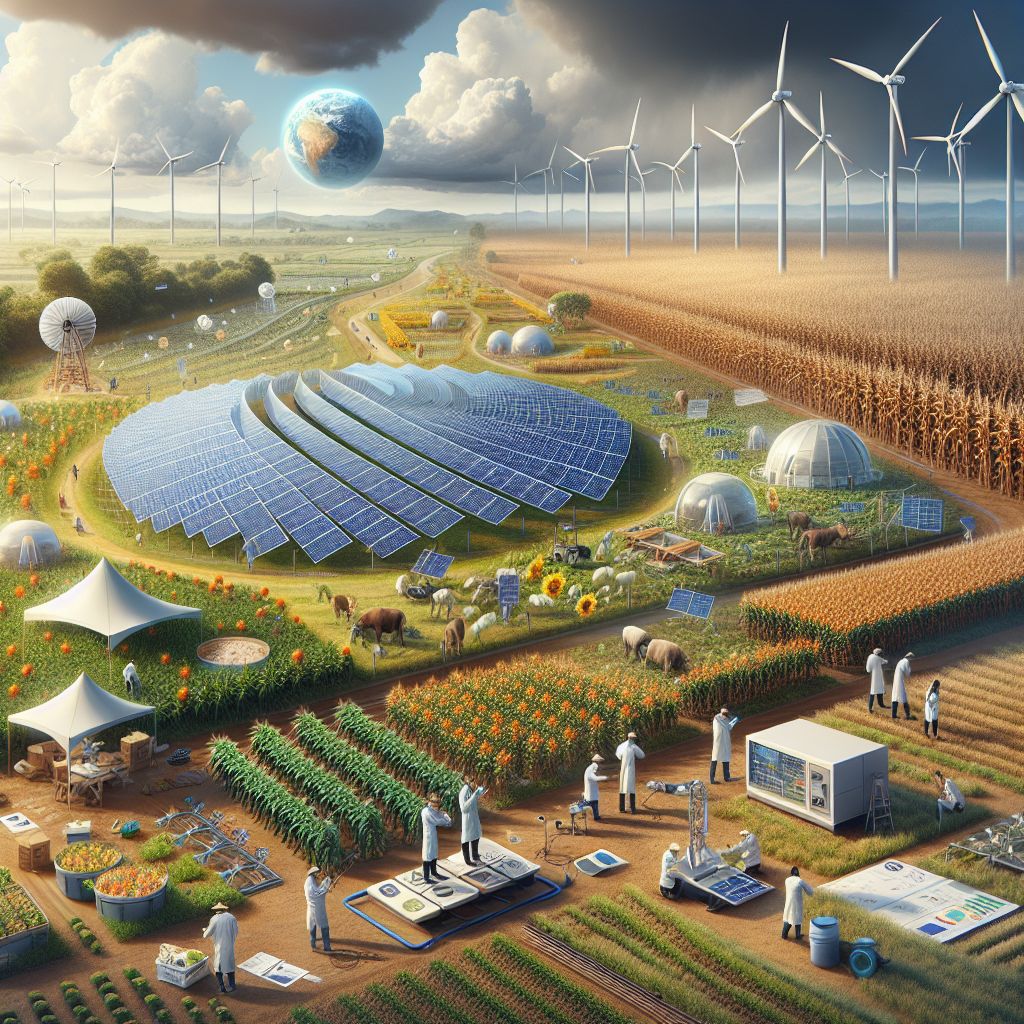
Real Results: What the Research Shows
As agrivoltaics moves beyond theoretical potential to practical implementation, a growing body of research is documenting concrete results from working systems. Field trials across diverse climates and agricultural contexts are providing valuable insights into both the benefits and limitations of these dual-use approaches.
Yield Improvements in Dry Climates
In arid and semi-arid regions, the shading effect of solar panels has demonstrated significant benefits for crop production. Research from the University of Arizona’s Biosphere 2 facility showed that total food production could increase by 60-70% in agrivoltaic systems compared to conventional agriculture in hot, dry environments. The most dramatic improvements were observed during periods of high heat stress, when crops under panels maintained productivity while those in full sun suffered yield losses.
Water use efficiency improvements of 15-30% have been consistently documented across multiple studies, translating to substantial irrigation savings. This reduced water requirement, combined with moderated temperatures, has allowed for extended growing seasons in some regions, enabling additional planting cycles or prolonged harvests that further increase annual productivity per acre. For more insights on improving irrigation systems, consider exploring the differences between solar drip and micro-sprinkler irrigation systems.
Temperature Regulation Effects
The microclimate created beneath solar panels has proven beneficial for maintaining optimal growing temperatures for many crops. Daytime soil temperatures under panels can be 10-15°F lower than in open fields during summer heat waves, reducing plant stress and water loss. Conversely, these same systems provide a degree of frost protection during marginal cold events, with air temperatures under panels remaining 2-4°F warmer on clear, cold nights.
These temperature moderating effects extend the viable growing season in many regions, allowing earlier spring planting and later fall harvests. For temperature-sensitive crops like lettuce and spinach that tend to bolt in excessive heat, this can translate to significantly longer production windows and improved crop quality during traditionally challenging periods.
Energy Production Numbers From Working Farms
The energy generation component of agrivoltaic systems typically produces 70-90% of the electricity that would be generated by conventional ground-mounted solar installations occupying the same footprint. While this represents a modest reduction in power output compared to dedicated solar farms, the agricultural production from beneath the panels more than compensates for this difference in total land productivity.
On average, a one-acre agrivoltaic system generates approximately 350,000-500,000 kilowatt-hours annually, depending on local solar resources and system design. At typical power purchase rates, this translates to $15,000-$40,000 in annual energy revenue per acre – income that comes with minimal additional labor requirements once the system is installed and operational.
“Our integrated cherry tomato and solar system produced 65% more combined economic value per acre than either component alone would have generated. The panels reduced irrigation needs by 20% while still allowing us to achieve 90% of our normal yield. When you add the electricity revenue, we’re seeing significantly improved returns per acre.” – Oregon Farmer implementing agrivoltaics since 2019
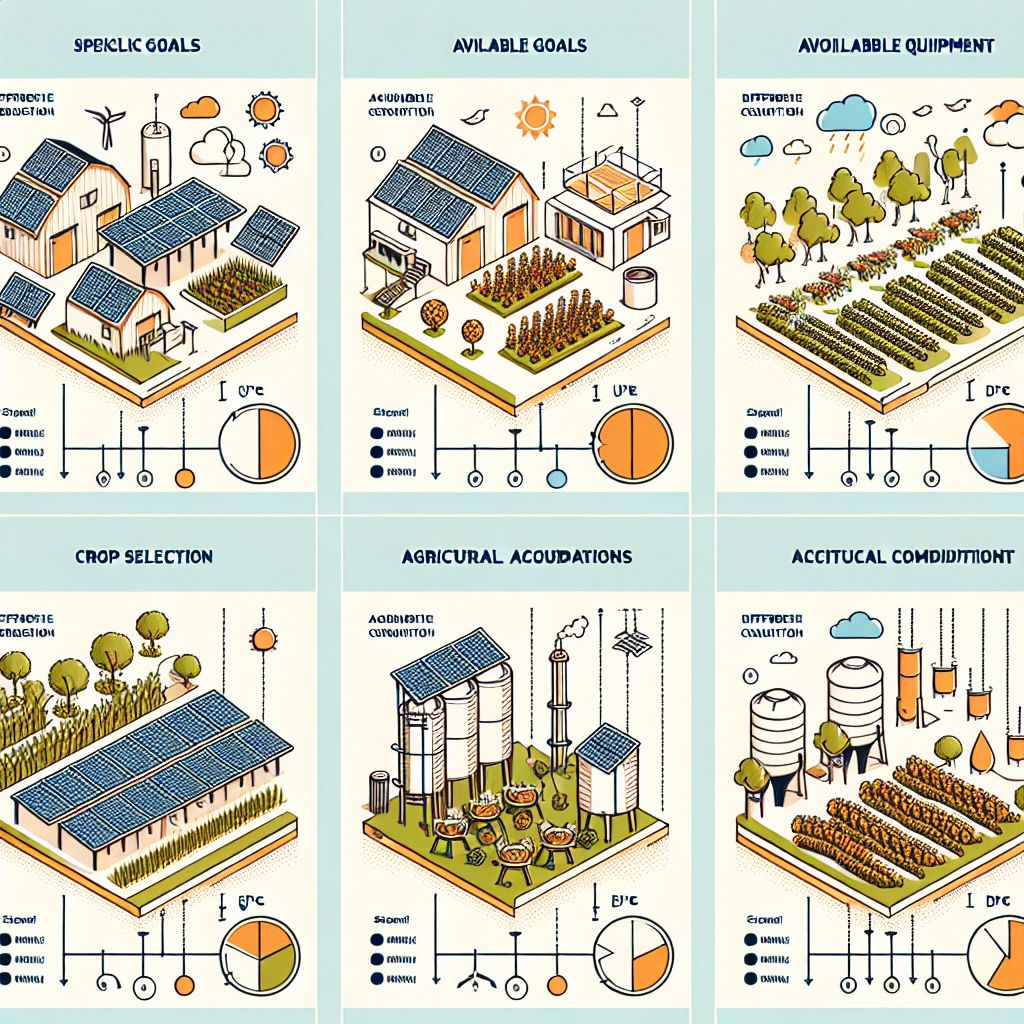
5 Design Approaches for Agrivoltaic Systems
As the field matures, several distinct design approaches have emerged, each offering different balances between energy production and agricultural accommodation. The right approach depends on specific farm goals, existing equipment, crop selection, and local climate conditions.
1. Elevated Fixed Panels
The most common agrivoltaic configuration features fixed solar panels mounted on tall structures, typically 8-15 feet above ground level. These systems maintain consistent shading patterns that crops can be specifically selected to match. With proper spacing between rows (usually 12-20 feet), standard farm equipment can operate beneath and between panel arrays.
This approach offers simplicity and reliability, with no moving parts in the panel mounting system to maintain. The fixed orientation is typically optimized for maximum annual energy production rather than seasonal adjustments to benefit specific crop growth stages. While requiring higher initial investment for robust mounting structures, these systems offer long-term operational simplicity that many farmers prefer.
2. Vertical Bifacial Arrays
An increasingly popular alternative positions bifacial solar panels (which generate electricity from both sides) in vertical rows across fields. This approach leaves the majority of the ground surface available for conventional farming operations while still generating substantial energy. The vertical orientation reduces direct competition for sunlight, casting narrow shadow patterns that move quickly across crops as the sun travels.
These systems are particularly well-suited to regions with significant diffuse light or snow cover, which enhances generation from the rear-facing panel surface. The vertical positioning also makes these systems extremely resistant to wind damage and allows for virtually unchanged farm operations between the widely-spaced panel rows. For more details on optimal setups, check out our solar panel placement guide.
3. Tracking Systems That Follow the Sun
More sophisticated installations incorporate single or dual-axis tracking systems that move panels throughout the day to maximize energy capture. Some advanced agrivoltaic designs use this tracking capability to create dynamic shading patterns that benefit crops – providing shade during the hottest parts of the day while allowing full sun during morning and evening hours. This approach can optimize both energy production and growing conditions for specific crops. For more details, check out this solar panel placement guide.
The added complexity of tracking systems increases both initial costs and maintenance requirements, but the improved energy output (typically 20-30% greater than fixed systems) often justifies this investment. For specialty crops with specific light timing needs, the ability to program seasonal shading patterns represents a significant advantage over static systems.
4. Spaced Panel Arrangements
Some designs intentionally incorporate widely-spaced or checkerboard panel arrangements that allow direct sunlight to reach portions of the growing area throughout the day. This approach sacrifices some energy production potential but creates a more diverse light environment that supports a wider range of crops. For diversified farming operations growing multiple crop types with varying light requirements, this flexibility can be invaluable.
The intentional light gaps in these systems create microclimates with different temperature and moisture profiles, allowing farmers to match specific crops to the conditions where they’ll thrive best. While total energy output is reduced compared to more densely packed arrays, the agricultural benefits can compensate through improved crop performance and variety.
5. Greenhouse Integration Solutions
Perhaps the most sophisticated approach integrates solar technology directly into greenhouse structures, using semi-transparent panels or strategic panel placement that allows controlled light transmission. These systems can incorporate wavelength-selective materials that allow beneficial light spectrums to pass through to plants while converting other wavelengths to electricity. The controlled environment of greenhouses amplifies the benefits of agrivoltaics by adding precise climate management to the energy generation capabilities.
Overcoming Common Challenges
Despite the promising potential, agrivoltaic systems face several implementation challenges that farmers should consider before investing. Understanding these hurdles and available solutions, such as those discussed in farming and solar integration, is essential for successful adoption of dual-use approaches.
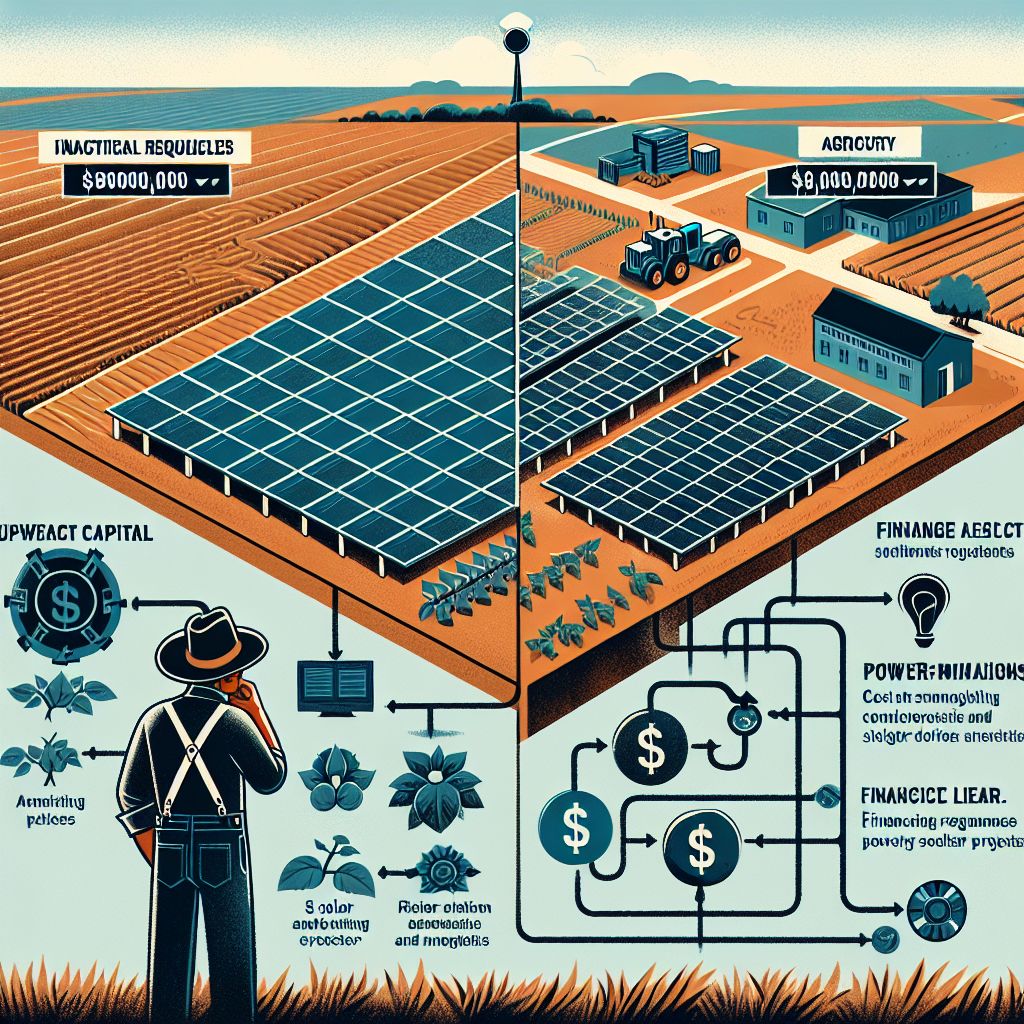
Initial investment costs represent the most significant barrier for many farmers. While long-term economics often favor these systems, the upfront capital requirements can be substantial, ranging from $800,000 to $1.5 million per megawatt of installed capacity. Various financing mechanisms are emerging to address this challenge, including specialized agricultural solar leases, power purchase agreements that require no upfront farmer investment, and cost-sharing programs through USDA and other agencies.
Technical complexity also presents challenges, as these systems require expertise in both agriculture and renewable energy – disciplines that have traditionally operated separately. Successful implementation typically requires collaboration between solar developers and agricultural specialists to ensure that both components function optimally together.
Zoning and Permitting Hurdles
Many jurisdictions have not yet updated their regulatory frameworks to accommodate dual-use systems that don’t fit neatly into either agricultural or energy development categories. Farmers may face zoning restrictions, complex permitting processes, or property tax implications when installing agrivoltaic systems. Agricultural land preservation programs sometimes create additional complications if they restrict non-farm development without specific allowances for dual-use approaches.
- Some states have implemented “dual-use” designations that maintain agricultural tax status while allowing solar development
- Working with local officials early in the planning process can identify potential regulatory issues
- Involving agricultural organizations as advocates can help navigate policy barriers
- Demonstration projects on public land are helping establish regulatory precedents
Successful projects typically engage with local planning authorities early in the development process to identify and address potential regulatory conflicts. Several states, including Massachusetts, Maine, and Oregon, have developed specific agrivoltaic permit pathways that can serve as models for other regions. These frameworks often include performance requirements to ensure genuine agricultural production continues beneath the solar installations.
Community perception can also present challenges, particularly in rural areas with strong agricultural traditions. Effective projects invest in education and outreach to demonstrate the agricultural benefits of these systems, often through field days, demonstration sites, and partnerships with respected local farmers.
Grid Connection Requirements
Connecting agrivoltaic systems to the electrical grid involves navigating technical requirements, interconnection agreements, and sometimes waiting periods for utility approval. Rural locations may face additional challenges with grid capacity limitations or distance to suitable connection points. Working with experienced solar developers who understand local utility requirements is essential for navigating these complexities efficiently. Some farmers are exploring behind-the-meter systems that primarily offset on-farm electricity use, which can simplify interconnection requirements while still providing substantial value.
Adapting Farming Practices
Successful agrivoltaics requires adapting agricultural practices to the modified growing environment created by overhead panels. This may include adjusting planting patterns, irrigation scheduling, equipment operations, and crop selection. The transition typically involves a learning period as farmers gain experience with how different crops respond to the particular light and microclimate conditions of their system.
Most successful operations start with smaller pilot areas before expanding, allowing for adaptation and optimization based on observed results. Agricultural extension services and a growing network of experienced agrivoltaic farmers provide valuable knowledge sharing that can accelerate this learning process. Some solar developers now offer agricultural management plans and ongoing technical support as part of their installation packages, helping bridge the knowledge gap for farmers new to these systems.
The Bigger Picture: Creating Resilient Farming Operations
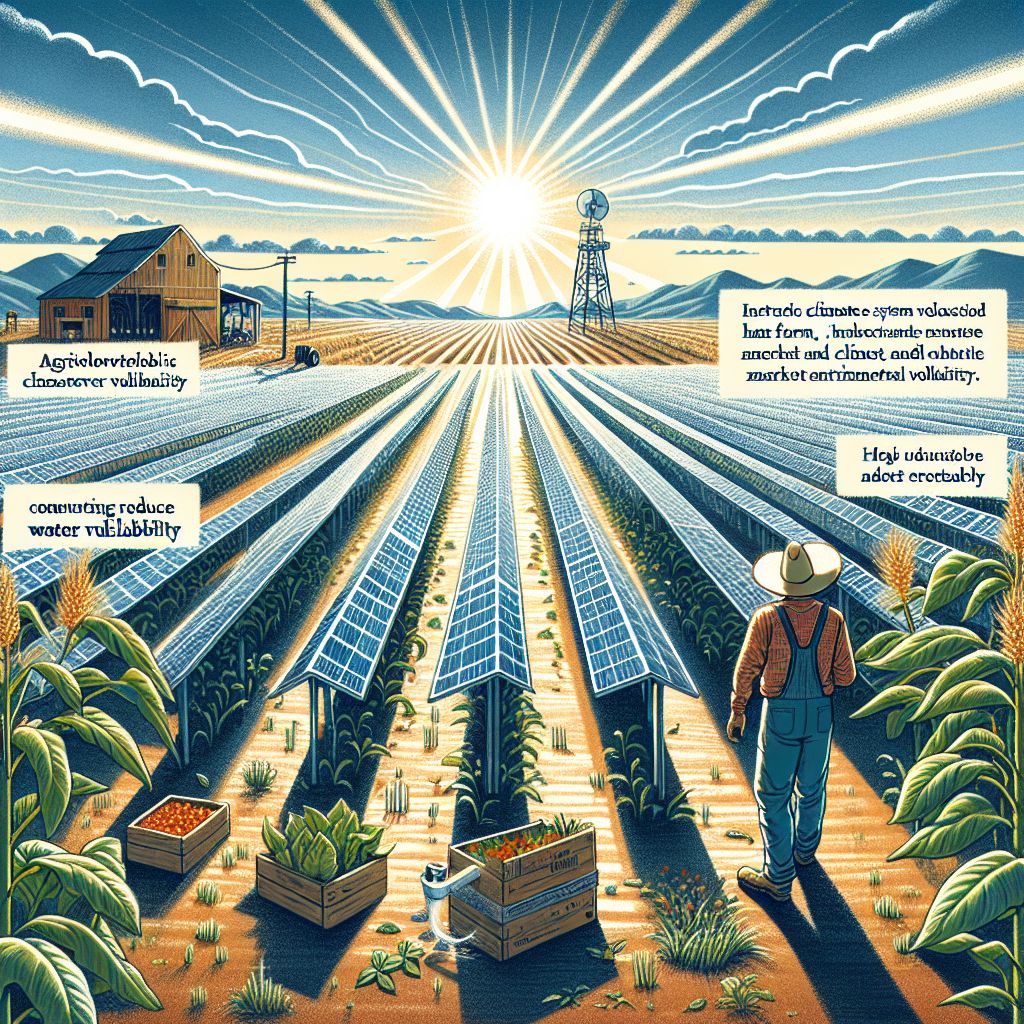
Beyond the immediate benefits to individual farms, agrivoltaics contributes to broader agricultural resilience in an era of climate uncertainty and economic pressure. By diversifying income streams, reducing water vulnerability, and creating climate-adaptive growing environments, these systems help insulate farming operations from both market and environmental volatility. As agricultural regions face increasing climate challenges, the ability to maintain productive land use while generating clean energy represents a powerful adaptation strategy that serves both farm viability and broader sustainability goals. For more insights, explore how agrivoltaics helps farmers in diverse ways.
Frequently Asked Questions
As interest in agrivoltaics grows, farmers consistently raise several common questions about implementation, economics, and practical considerations. Addressing these concerns is essential for informed decision-making about whether these systems make sense for specific farm operations.
While every farm situation is unique, the experiences of early adopters provide valuable insights into what works, what doesn’t, and what factors most significantly impact success. The following responses reflect current best practices and research findings, though this rapidly evolving field continues to develop improved approaches.
The most successful agrivoltaic adopters approach these systems with clear goals, whether prioritizing energy revenue, crop benefits, or balanced dual production. This clarity helps guide system design decisions and set realistic expectations for both agricultural and energy outcomes. For more insights on how agrivoltaics helps farmers, explore this detailed article.
How much does it cost to install an agrivoltaic system?
Installation costs for agrivoltaic systems typically range from $1.50-$3.00 per watt of capacity, which translates to approximately $1.5-3 million for a one-megawatt system covering 5-8 acres. This is approximately 20-40% higher than conventional ground-mounted solar due to the elevated mounting structures, wider spacing, and agricultural accommodations. However, these systems often qualify for multiple incentive programs that can substantially reduce net costs, including federal tax credits, USDA REAP grants, and state-specific agricultural solar incentives.
Several financing models have emerged to address the upfront cost barrier, including specialized agricultural solar leases, developer-owned systems with land lease payments to farmers, and community solar arrangements that allow multiple investors to share costs and benefits. For farmers without the capital or tax appetite for direct ownership, these third-party models can provide immediate benefits without upfront investment.
Will solar panels damage my soil or affect crop rotation?
When properly designed, agrivoltaic systems have minimal negative impact on soil health and can actually provide benefits in many contexts. The support structures typically have a small physical footprint on the ground, with posts spaced widely enough to allow normal soil management. Most systems use driven piles or small concrete foundations rather than extensive continuous footings, preserving soil structure across the majority of the field area.
The partial shading created by panels reduces soil temperature extremes, which can benefit soil microbial activity in hot climates. Research has documented increased soil organic matter and improved moisture retention in the moderated environment beneath panels. The reduced evaporation rates also help maintain more consistent soil moisture levels, which can benefit certain soil biological processes.
Crop rotation practices can continue beneath agrivoltaic systems, though farmers typically adapt their rotation plans to favor crops well-suited to the specific light conditions. The panel infrastructure remains constant, so rotation planning needs to account for the consistent shading patterns and access considerations across seasons.
In grazing applications, careful management is needed to prevent soil compaction around panel supports, but many successful operations have integrated sheep or other livestock with solar arrays without significant soil impacts. Some systems now incorporate rainwater harvesting from panels to support controlled irrigation, further benefiting soil moisture management. For more insights on how agrivoltaics helps farmers, explore this detailed article.
- Post foundations typically impact less than 1% of total field area
- Reduced soil temperature fluctuations benefit microbial activity
- Lower evaporation rates improve moisture consistency
- Some systems incorporate rainwater harvesting for irrigation
- Managed grazing between panels can maintain soil health
Can I still use tractors and farm equipment with solar panels installed?
Modern agrivoltaic systems are specifically designed to accommodate standard farm equipment, though some adaptations may be necessary depending on the specific system design and existing machinery. Most installations maintain row spacing of 12-20 feet between panel arrays, sufficient for standard tractors and implements to operate. Vertical clearance is typically 8-15 feet, allowing most equipment to pass underneath, though very tall equipment like some combine harvesters may require special consideration. For more details on optimal solar panel placement for farms, you can explore additional resources.
Equipment width is usually the most significant constraint, with farmers sometimes needing to adjust implement selections to match the available corridors between panel rows. Some operations transition to narrower equipment or multiple passes with smaller implements to accommodate panel spacing. The growing market for precision agriculture and electric farm equipment is creating new options specifically sized for agrivoltaic settings.
For operations heavily dependent on aerial applications (spraying or seeding), the panel infrastructure can present challenges, though drone-based applications are increasingly filling this gap. Most successful agrivoltaic farms make some adjustments to their equipment strategy, but these adaptations typically represent evolution rather than complete transformation of existing practices.
|
Equipment Type |
Typical Compatibility |
Common Adaptations |
|---|---|---|
|
Tractors (under 8ft tall) |
Fully compatible |
Established driving lanes between panel rows |
|
Irrigation systems |
Highly compatible |
Drip systems or modified sprinkler patterns |
|
Planting equipment |
Compatible with adaptation |
Narrower units or multiple passes |
|
Harvesting equipment |
Varies by crop |
May require smaller specialized harvesters |
|
Sprayers |
Compatible with adaptation |
Boom width adjustments or spot applications |
The most successful implementations incorporate equipment access planning from the earliest design stages, ensuring that panel layouts accommodate the specific machinery used in current farm operations. Working closely with solar developers who have agricultural experience is critical for creating systems that maintain practical farmability while still generating significant energy.
What happens during extreme weather events like hail or high winds?
Modern solar panels are engineered to withstand significant weather extremes, including hailstorms, high winds, and snow loads. Most panels are tested to withstand 1-inch hail impacts at terminal velocity and wind speeds of 140+ mph when properly mounted. The robust mounting systems used in agrivoltaic installations, with their substantial structural supports, often exceed the durability of conventional solar arrays. In fact, during several recent major storms, agrivoltaic systems suffered less damage than both conventional solar installations and traditional agricultural infrastructure like hoop houses or irrigation systems.
How long do solar panels last and what maintenance is required?
Solar panels typically carry 25-30 year power warranties but can continue producing electricity for 35+ years with gradual efficiency decline. Most manufacturers guarantee at least 80% of rated output after 25 years of operation. The mounting structures, which represent a significant portion of agrivoltaic system costs, have even longer expected lifespans of 30-50 years when properly galvanized or otherwise protected from corrosion.
Maintenance requirements are relatively minimal compared to most farm equipment. Typical maintenance includes annual electrical inspections, occasional panel cleaning in dusty regions, vegetation management beneath panels, and monitoring for any damage or connection issues. Many systems incorporate remote monitoring that automatically alerts to performance issues, allowing for prompt identification and resolution of any problems.
With no moving parts in fixed-mount systems, mechanical failures are rare. Tracking systems require additional maintenance for motors and tracking mechanisms, but even these components are designed for 15+ years of operation before major service requirements. Most solar developers offer maintenance packages that handle all routine service needs, typically costing $10-20 per kilowatt of capacity annually.
Farmers are increasingly turning to solar energy as a sustainable solution to power their operations. By integrating solar panels into their farms, they can reduce energy costs and minimize their carbon footprint. Additionally, the use of solar panels in farming not only provides a renewable energy source but also offers the potential for dual land use, allowing for both crop production and energy generation on the same land.







Leave a Reply