
Key Takeaways
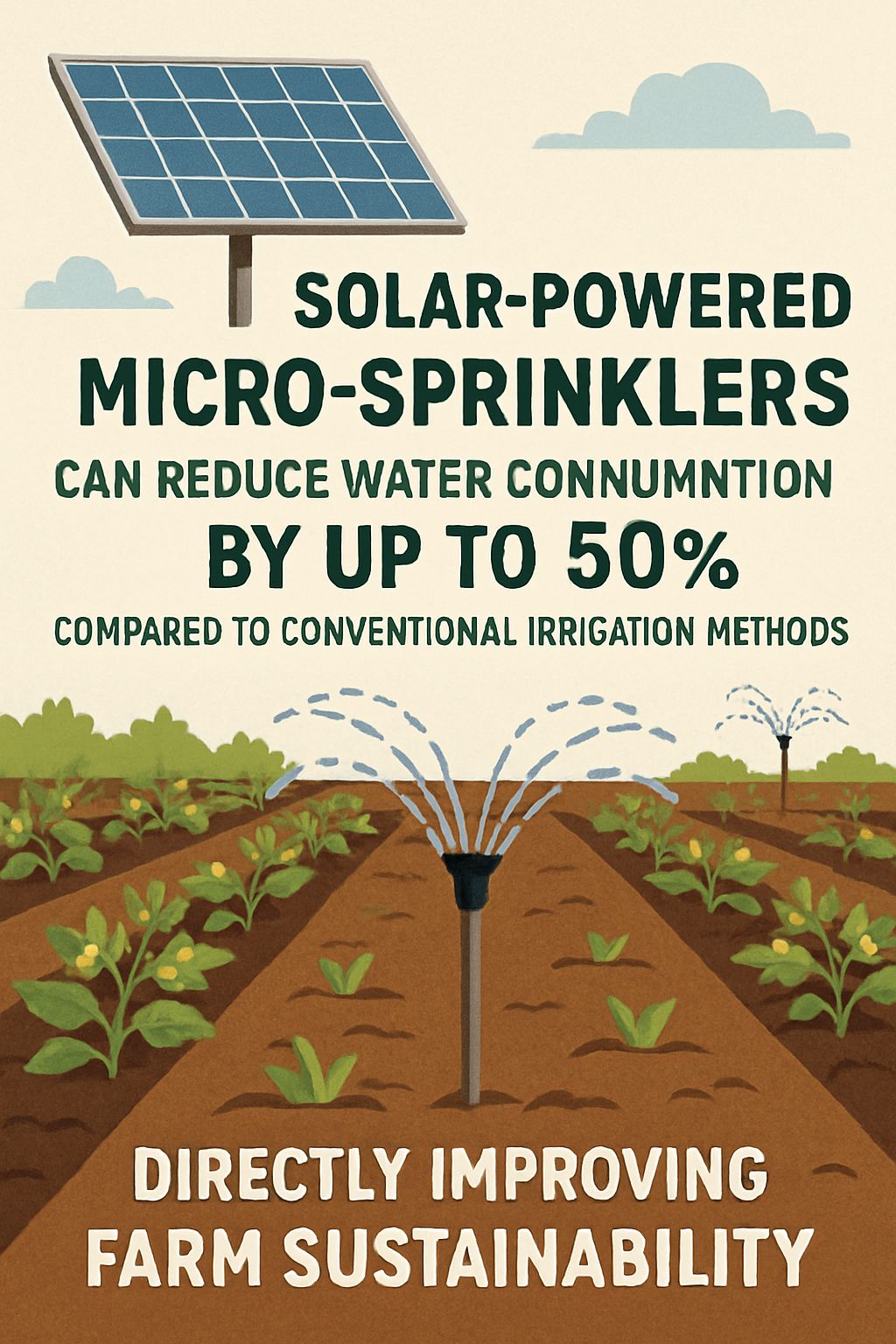
- Solar powered micro-sprinklers can reduce water consumption by up to 50% compared to conventional irrigation methods, directly improving farm sustainability.
- These systems eliminate electricity costs associated with irrigation, providing payback periods as short as 2-3 years depending on farm size and local conditions.
- Micro-sprinkler technology delivers water precisely to plant root zones, dramatically reducing evaporation and runoff while improving crop health.
- Many regions offer financial incentives and rebates for renewable energy irrigation systems, substantially offsetting initial installation costs.
- Growing Solar Mist offers customized solar irrigation solutions that can be scaled for operations of any size, from backyard gardens to commercial farms.
Water is becoming the new gold. As climate patterns shift and aquifers deplete, farmers worldwide face an existential challenge that threatens food production and livelihoods. The solution might be simpler than we think – and it’s powered by the sun.
Why Traditional Irrigation Is Draining Our Future
The agriculture industry consumes over 70% of the world’s freshwater resources, yet much of this precious resource never reaches plant roots. Between evaporation, runoff, and inefficient application methods, conventional irrigation systems waste water at alarming rates while simultaneously driving up energy bills for farmers struggling to maintain profitability.
The Hidden Water Crisis in Agriculture
Most farmers don’t realize they’re using 2-3 times more water than their crops actually need. Traditional flood irrigation and conventional sprinkler systems deliver water faster than soil can absorb it, creating substantial runoff and groundwater contamination. This inefficiency doesn’t just waste water—it also leaches nutrients from the soil and creates perfect conditions for fungal diseases and weed proliferation.
The numbers tell a sobering story: a single acre of conventionally irrigated land can waste up to 2,500 gallons of water daily during growing season. Multiply this across thousands of acres, and we’re talking about trillions of gallons annually that never contribute to plant growth.
Environmental Toll of Conventional Watering Systems
Beyond water waste, traditional irrigation methods create a cascade of environmental problems. The energy required to pump water from increasingly deeper aquifers generates significant carbon emissions when powered by fossil fuels. Excessive irrigation leads to soil salinization, rendering once-productive farmland sterile. Waterlogged fields emit methane, a greenhouse gas 25 times more potent than carbon dioxide.
The wildlife impact is equally concerning. Excessive irrigation runoff carries agricultural chemicals into natural waterways, disrupting aquatic ecosystems and contributing to dead zones in rivers, lakes and coastal areas. These environmental costs are rarely factored into the “true price” of conventional irrigation.
Energy Waste and Rising Costs
The economics of traditional irrigation grow more problematic yearly. Many farmers remain reliant on electric or diesel-powered pumps to move water through their irrigation systems. As energy prices continue their upward trend, irrigation can consume 20-30% of a farm’s operating budget. During peak summer months, when water needs are highest, electricity demand charges can skyrocket, sometimes doubling a farm’s power bill. For a sustainable alternative, consider exploring solar power micro-sprinkler systems to reduce energy costs.
This dependency creates a vulnerability many growers can no longer afford. When grid power fails during critical growing periods, crops suffer immediate stress. For operations with tight margins, these compounding challenges threaten their very survival in an increasingly competitive global market. To mitigate such risks, many are exploring solar panels cost benefits as a sustainable alternative.
The Real Price of Inefficient Irrigation
The consequences of outdated irrigation practices extend far beyond individual farms. Water tables are dropping at alarming rates in agricultural regions worldwide. In California’s Central Valley, some areas have seen groundwater levels drop more than 100 feet in recent decades. This depletion creates a precarious situation where future farming viability is increasingly uncertain. To combat these challenges, exploring solar-powered irrigation systems can offer sustainable solutions.
What Happens When Water Becomes Scarce
Water scarcity doesn’t arrive gradually—it often hits with shocking suddenness. When reservoirs drop below critical levels, water restrictions prioritize human consumption over agriculture, sometimes forcing farmers to abandon fields mid-season. The financial impacts can be devastating, with losses extending beyond immediate crop failure to include damaged soil health and reduced property values.
Water rights battles intensify during shortage periods, pitting farmer against farmer, agriculture against urban development, and human needs against ecosystem requirements. These conflicts are expensive, divisive, and rarely produce satisfactory outcomes for agricultural producers. Exploring solutions such as solar-powered irrigation systems could help mitigate some of these issues by providing sustainable water management options.
- Crop failure and total loss of investment
- Forced reduction in planted acreage
- Expensive emergency drilling of deeper wells
- Legal costs from water rights disputes
- Increased borrowing costs as farms become higher risk investments
Forward-thinking farmers are recognizing that water security equals farm security. Those implementing water-efficient technologies today are positioning themselves to withstand the shortages that climate models predict will become increasingly common.
Climate Change Is Making Irrigation Harder
Climate change has turned predictable weather patterns upside down, creating new challenges for agricultural water management. Rainfall has become increasingly erratic, with longer dry periods followed by intense downpours that cause more runoff than soil absorption. Higher temperatures increase evaporation rates, meaning crops need more water precisely when less is available.
Heat waves that once occurred every few decades now happen with alarming regularity, pushing traditional irrigation systems beyond their capacity. Many farmers report needing to run irrigation equipment up to 40% longer during these extreme heat events, dramatically increasing both water and energy use at exactly the wrong time.
The Economic Threat to Farm Survival
The financial implications of inefficient irrigation extend beyond operational costs. Farms struggling with water and energy expenses often delay critical investments in soil health, equipment upgrades, and technology adoption. This creates a downward spiral where short-term survival takes precedence over long-term sustainability and competitiveness.
Banking institutions increasingly consider water security when evaluating agricultural loans, making financing more difficult for farms with outdated irrigation systems. Insurance costs rise with water risk, creating another financial burden on already stressed operations.
Solar-Powered Micro-Sprinklers: The Smart Solution
The integration of solar power with micro-sprinkler technology represents one of the most promising developments in sustainable agriculture. This marriage of renewable energy with precision water delivery addresses multiple challenges simultaneously, creating resilience against both climate and economic uncertainties.
What is A Micro-Sprinklers Irrigation System
Micro-sprinklers are low-volume irrigation emitters that distribute water in precise patterns directly to plant root zones. Unlike traditional overhead sprinklers that shoot water high into the air, micro-sprinklers operate close to the ground, dramatically reducing evaporation and wind drift. They deliver water at slower rates that match soil infiltration capacity, eliminating runoff and ensuring moisture reaches intended targets.
These systems typically operate at lower pressure than conventional sprinklers (15-30 PSI versus 40-100 PSI), which translates directly to reduced pumping power requirements. The water droplet size can be controlled through different emitter designs, allowing customization for different soil types, crops, and climate conditions.
What is Solar Power
Solar power for irrigation involves converting sunlight into electricity through photovoltaic (PV) panels to power water pumps and control systems. Modern solar irrigation setups can be designed as standalone systems with battery storage or direct-drive systems that operate only during daylight hours. The technology has advanced dramatically in the past decade, with panel efficiency increasing while costs have dropped by more than 80%.
One of the most compelling aspects of solar irrigation is that peak sunlight coincides naturally with peak crop water demand. When the sun is strongest and evaporation highest, solar systems are generating their maximum power output – creating a perfect natural synchronization that conventional power sources cannot match.
How These Systems Actually Work Together
Solar-powered micro-sprinkler systems create an elegant closed loop of sustainability. Photovoltaic panels capture solar energy and convert it to electricity that powers a variable speed pump. This pump draws water from a well, reservoir, or municipal source and delivers it to a filtration system that prevents clogging. The filtered water then travels through main lines and sub-mains to distribution tubing that feeds individual micro-sprinklers positioned throughout the growing area.
Smart controllers monitor soil moisture levels, weather conditions, and energy availability to determine optimal irrigation timing and duration. When soil sensors indicate moisture has dropped below crop-specific thresholds, the system activates automatically, using only the precise amount of water needed to return soil moisture to ideal levels. This intelligence eliminates both under-watering stress and over-watering waste.
“Solar-powered micro-sprinkler systems represent the most significant advancement in irrigation efficiency since drip systems were introduced in the 1960s. They combine energy independence with water conservation in a way that transforms farm economics while enhancing environmental stewardship.” – Journal of Sustainable Agriculture, 2023
Components You Need to Get Started
A complete solar-powered micro-sprinkler system requires several key components working in harmony. The heart of the system is the solar array, sized according to water volume requirements and available sunlight hours. For most small to medium operations, a 1-5kW system provides sufficient power, though larger farms may require 10kW or more depending on water source depth and delivery distance. The solar array connects to a pump controller that regulates power flow and protects equipment from damage during variable sun conditions.
Water Savings: Up to 60% Less Than Traditional Methods
The water efficiency gains from micro-sprinkler systems are nothing short of revolutionary. By delivering water directly to root zones at rates that match soil infiltration capacity, these systems eliminate the 30-50% water loss typical of flood irrigation and overhead sprinklers. For a typical 10-acre vegetable operation, this can translate to savings of over 1 million gallons annually – water that remains available for future use or environmental flows.
The precision of micro-sprinklers extends beyond volume to distribution uniformity, ensuring every plant receives equal access to moisture. This eliminates the common problem in traditional systems where some areas receive too much water while others receive too little, creating stress-induced yield variations across fields. For those considering energy-efficient solutions, exploring thin-film solar panels can complement micro-sprinkler systems effectively.
Power From the Sun: Breaking Free from the Grid
The economic advantage of solar-powered irrigation becomes most apparent during peak growing seasons when conventional electricity rates often surge with demand charges. A properly sized solar system eliminates these costs entirely while providing complete energy independence. During extreme weather events when grid power frequently fails, solar systems with battery backup continue operating, protecting crops during their most vulnerable periods. This reliability factor alone can justify the investment for many operations, as a single saved crop can offset the entire system cost.
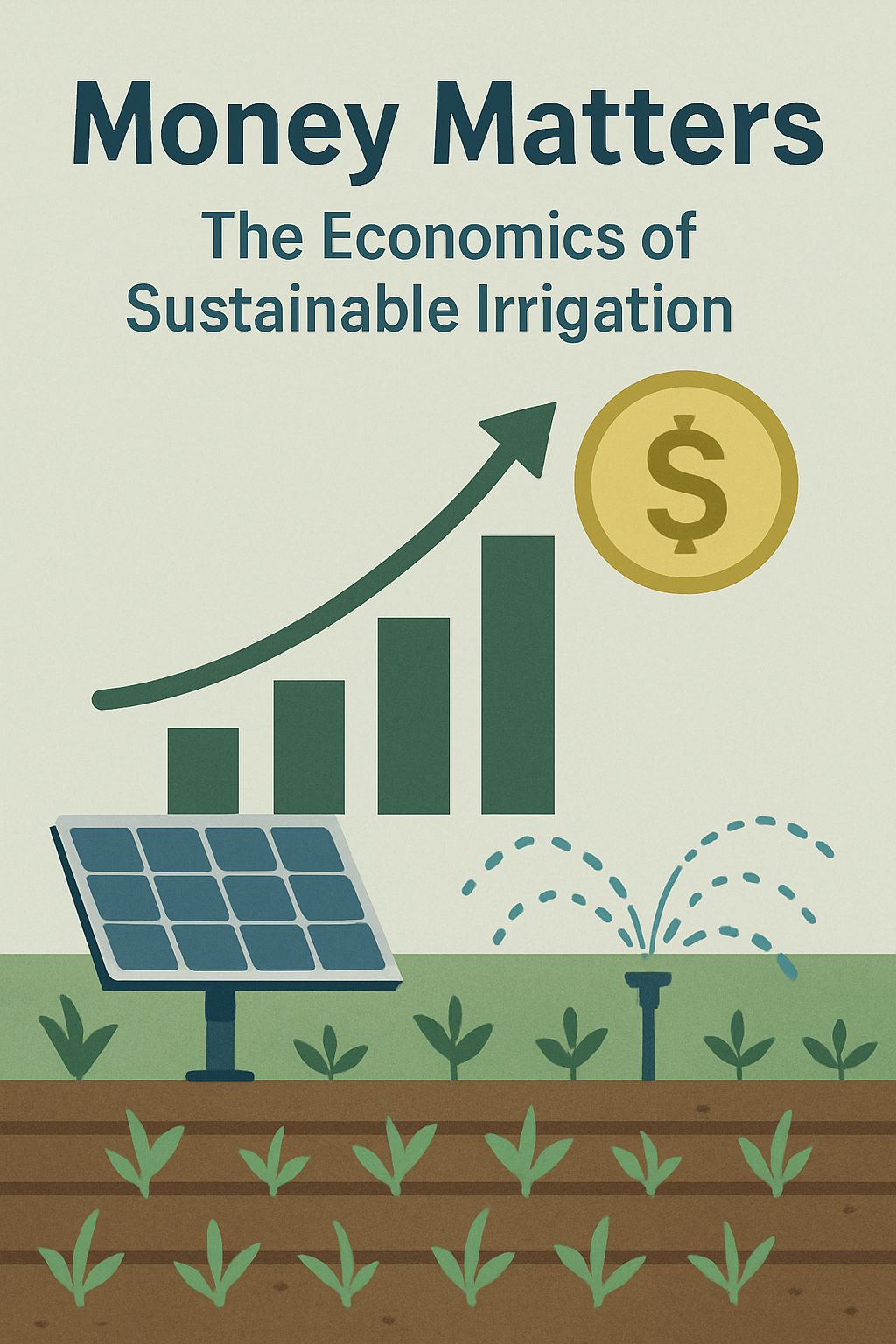
Money Matters: The Economics of Sustainable Irrigation
|
System Size |
Initial Investment |
Annual Savings |
Payback Period |
20-Year ROI |
|---|---|---|---|---|
|
Small (1-5 acres) |
$5,000-$15,000 |
$1,200-$3,600 |
3-5 years |
300-500% |
|
Medium (6-20 acres) |
$15,000-$40,000 |
$3,600-$12,000 |
3-4 years |
400-600% |
|
Large (21-100 acres) |
$40,000-$150,000 |
$12,000-$45,000 |
2.5-4 years |
450-700% |
|
Commercial (100+ acres) |
$150,000+ |
$45,000+ |
2-3.5 years |
500-800% |
While the upfront investment in solar-powered micro-sprinkler systems exceeds that of conventional irrigation, the financial analysis reveals a compelling long-term advantage. The combined savings from reduced water pumping costs, eliminated electricity bills, decreased fertilizer requirements, and improved crop yields typically deliver full investment recovery within 2-5 years, depending on operation size and local conditions.
Payback Period for Different Farm Sizes
The economic return on solar-powered micro-sprinkler systems varies significantly based on farm size, with larger operations often seeing faster payback periods due to scale efficiencies. Small farms (1-5 acres) typically recoup their investment in 3-5 years, primarily through water and electricity savings. The reduced labor requirements—up to 70% less time spent managing irrigation—create additional value that’s often overlooked in basic ROI calculations.
Mid-sized operations (6-50 acres) generally experience payback periods of 2.5-4 years, benefiting from optimal economies of scale without the complexity of larger installations. Commercial farms over 50 acres can see returns in as little as 2-3 years, especially when factoring in tax incentives, depreciation benefits, and the premium prices many sustainably-grown products command in the marketplace. In all cases, these systems continue generating value long after the payback period, with most components designed to last 15-25 years.
Available Rebates and Incentives
Government programs across North America, Europe, and Australia offer substantial financial support for solar-powered irrigation systems, recognizing their dual contributions to water conservation and renewable energy adoption. The U.S. Department of Agriculture’s EQIP program can cover up to 75% of implementation costs for qualifying farmers, while the Rural Energy for America Program (REAP) provides grants and loan guarantees for up to 25% of renewable energy project costs. State-level incentives often layer additional benefits, with California’s State Water Efficiency and Enhancement Program (SWEEP) offering up to $100,000 per farm. When combined with federal tax credits, these incentives can reduce initial investment costs by 30-80%, dramatically accelerating payback periods for Growing Solar Mist customers nationwide.
Common Challenges and Simple Solutions
Despite their numerous advantages, solar-powered micro-sprinkler systems come with challenges that farmers should anticipate. System sizing represents the most critical initial hurdle—undersized solar arrays lead to insufficient pumping capacity during peak demand, while oversized systems waste capital investment. Proper design requires careful analysis of water requirements, sun exposure patterns, and crop-specific needs, ideally performed by irrigation specialists with solar expertise.
Initial water quality testing is another essential step often overlooked. High mineral content, particularly iron, calcium, and magnesium, can lead to emitter clogging without proper filtration systems. These minerals may require specific pre-treatment solutions beyond standard filters to ensure long-term system performance. Thankfully, once identified, most water quality issues can be addressed with targeted filtration technology.
“The biggest mistake I see farmers make is treating solar micro-sprinklers as a simple equipment purchase rather than an integrated agricultural system. Success requires understanding the relationship between your specific crops, soil conditions, climate patterns, and system capabilities. When these elements align, the results are remarkable—both environmentally and financially.” – Dr. Elena Vasquez, Agricultural Engineering Specialist
Backup power solutions present another consideration, especially for operations where even brief irrigation interruptions could damage high-value crops. Battery storage adds cost but provides crucial resilience during extended cloudy periods or nighttime irrigation needs. Hybrid systems that can switch between solar and grid power offer the ultimate protection, though they increase system complexity and initial investment. For more insights, explore the types of solar-powered irrigation systems available.
Dealing With Seasonal Sun Variations
Solar irradiation fluctuates substantially throughout the year, creating a fundamental challenge for irrigation systems that must adapt to both changing sun intensity and seasonal crop water requirements. In northern regions, winter sunlight may provide less than 30% of summer solar energy, while water needs typically decrease by 50-80% during cold months. This natural alignment helps, but doesn’t entirely solve the mismatch between energy production and irrigation demands. For more insights on solar panel types, check out this comparison of monocrystalline vs. bifacial solar panels.
- Adjustable panel mounting systems that can be tilted seasonally to optimize sun exposure
- Hybrid systems that supplement solar with grid power during low-light periods
- Battery storage solutions sized for critical irrigation cycles during cloudy periods
- Smart controllers that prioritize irrigation timing to match peak solar production
- Seasonal system adjustments including pressure regulation and nozzle changes
Modern solar irrigation systems increasingly incorporate weather forecasting data to optimize operations. When consecutive cloudy days are predicted, these smart systems can pre-irrigate during available sunshine, building a soil moisture buffer that carries crops through low-energy periods. This predictive capability transforms a potential liability into a manageable variable.
For regions with extreme seasonal variations, some farms implement a dual-purpose approach where excess summer solar production powers other farm operations or feeds back to the grid through net metering programs, generating credits that offset winter energy costs. This maximizes the economic value of the solar investment across all seasons.
Preventing Clogging in Micro-Sprinklers
Clogging represents the most common maintenance challenge for micro-sprinkler systems, potentially reducing irrigation uniformity and efficiency. Biological contaminants like algae, bacterial slime, and root intrusion can develop even in initially clean water sources, especially in warmer climates. Physical particles including sand, silt, and organic debris require filtration matched to emitter orifice size—typically removing particles one-tenth the diameter of the smallest water passage. For more information on optimizing irrigation systems, consider exploring thin-film solar panels which can complement sustainable farming practices.
Chemical precipitates present a more complex challenge, forming when dissolved minerals in irrigation water concentrate due to evaporation or pH changes. These precipitates, often calcium carbonate or iron oxides, can build up slowly over time, gradually reducing flow rates before causing complete blockages. Water testing before system design helps identify potential chemical issues, allowing for preventative treatment strategies.
Regular system maintenance dramatically reduces clogging problems. Periodic line flushing removes accumulated sediment, while chemical treatments including chlorination for biological growth or acidification for mineral deposits keep systems running efficiently. Manufacturers typically recommend specific maintenance schedules based on water quality and system design. For more information on types and examples of irrigation systems, check out this article on solar-powered irrigation systems.
- Multi-stage filtration systems combining screen, disc, and media filters
- Automatic self-cleaning filters that reduce maintenance requirements
- Chemical injection systems for continuous water treatment
- Regular system flushing at the ends of irrigation lines
- Periodic inspection and cleaning of individual emitters
Scaling Systems for Larger Operations
Large-scale farms face unique challenges when implementing solar-powered micro-sprinklers across extensive acreage. The primary consideration becomes balancing centralized versus distributed system architecture. Centralized systems with single large solar arrays and pumping stations minimize equipment redundancy but require more extensive piping networks with potential pressure and flow rate inconsistencies across fields. Distributed systems with multiple smaller solar-pump combinations provide redundancy and consistent performance but increase maintenance complexity.
Zone management becomes increasingly important as systems scale up. Dividing large fields into irrigation zones allows for rotation of water delivery, reducing instantaneous flow requirements and therefore solar array size. Advanced controllers can automatically sequence these zones based on crop needs, soil moisture readings, and available solar energy. This intelligent scheduling maximizes the utility of available resources while maintaining optimal growing conditions.
Data management represents another scaling challenge, as large operations generate thousands of data points daily from soil moisture sensors, weather stations, flow meters, and system performance monitors. Cloud-based irrigation management platforms now enable farmers to integrate this information, visualizing system performance and crop conditions across their entire operation. These platforms can identify developing issues before they become critical, directing maintenance resources where they’ll provide the greatest benefit.
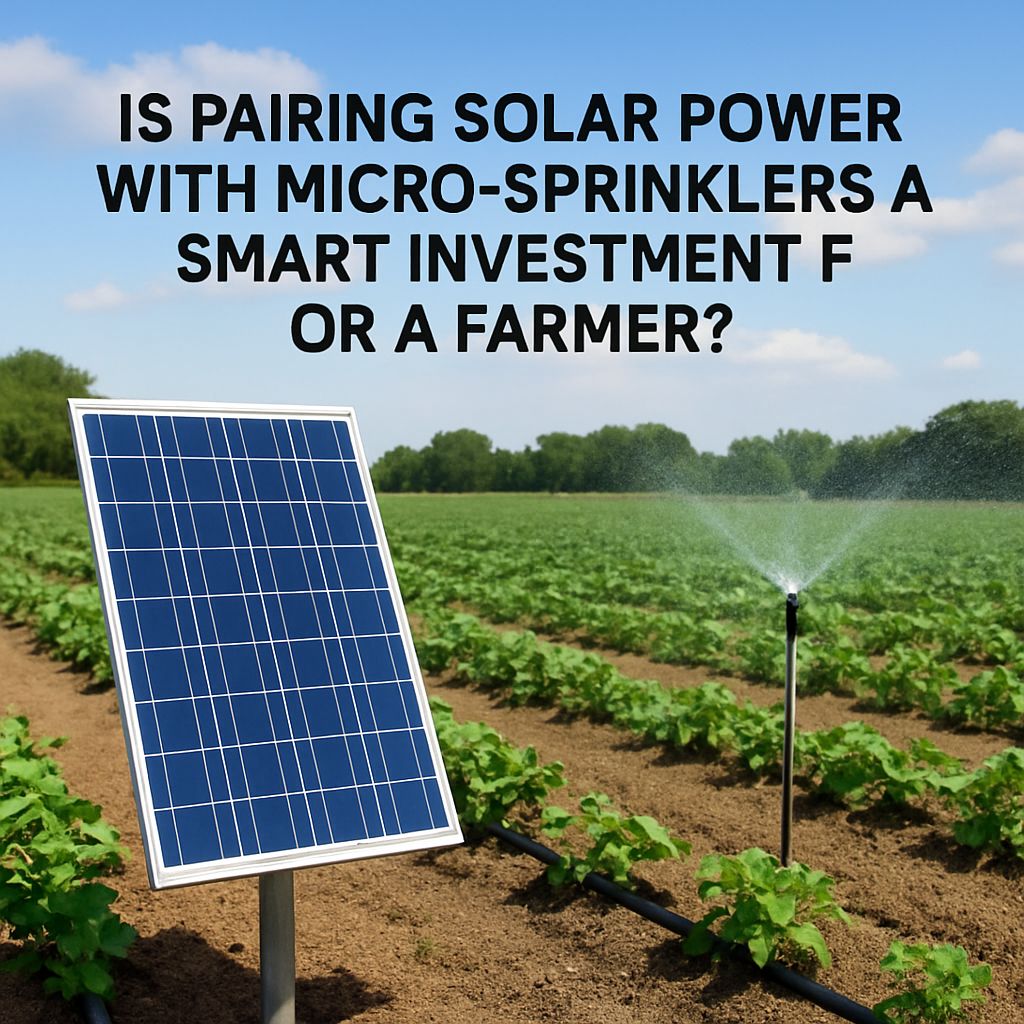
Is Pairing Solar Power with Micro-Sprinklers a Smart Investment for a Farmer
The decision to invest in solar-powered micro-sprinklers ultimately comes down to a farm’s specific circumstances, but several factors make this technology increasingly compelling for operations of all sizes. Beyond the quantifiable returns of water savings, energy independence, and increased yields, these systems provide critical risk mitigation in an era of climate uncertainty. They insulate farms from escalating water costs, unreliable electric grids, and the regulatory restrictions that increasingly target inefficient irrigation practices. For operations planning multi-generational sustainability, few investments offer comparable long-term value.
Perhaps most importantly, these systems position farms at the forefront of agricultural innovation rather than perpetually catching up to regulatory requirements. As consumers and retailers increasingly demand sustainable production practices, early adopters gain market advantages while developing valuable operational experience with technologies that will likely become standard practice in the coming decades. When viewed through this lens, the question becomes less about whether farmers can afford to implement these systems and more about whether they can afford not to.
Frequently Asked Questions
As interest in sustainable irrigation grows, we receive many questions about implementing solar-powered micro-sprinkler systems. While each farm presents unique circumstances, these common questions address the fundamental considerations most growers share when evaluating this technology. The answers provide general guidance, though specific recommendations should always be based on your individual farm’s conditions.
Remember that proper system design is crucial to success. Working with experienced irrigation specialists who understand both solar power and agricultural water management will significantly improve your results. Most reputable providers offer free consultations to help determine if solar micro-sprinkler systems are right for your operation.
How much does a complete solar micro-sprinkler system cost for one acre?
For a single acre, complete solar-powered micro-sprinkler systems typically range from $3,000-$7,000, depending on water source, crop type, and local conditions. This includes solar panels, pump, controller, filtration, mainlines, distribution tubing, and emitters. Shallow water sources (ponds, streams, shallow wells) reduce costs significantly compared to deep groundwater applications that require more powerful pumps and larger solar arrays.
|
Component |
Typical Cost Range (1 acre) |
Factors Affecting Cost |
|---|---|---|
|
Solar Panels & Mounting |
$800-$1,800 |
Water depth, volume needs, sun hours |
|
Pump & Controller |
$600-$1,500 |
Flow rate, lift requirements, smart features |
|
Filtration System |
$300-$700 |
Water quality, automation level |
|
Piping & Distribution |
$700-$1,400 |
Field layout, pressure requirements |
|
Micro-sprinklers & Emitters |
$400-$900 |
Spacing, flow rates, specialty features |
|
Installation & Labor |
$200-$1,500 |
DIY vs. professional, terrain complexity |
Costs per acre decrease significantly as system size increases, with 10-acre systems often costing 40-50% less per acre than single-acre installations. This economies of scale makes solar micro-sprinklers particularly attractive for mid-sized operations. Many suppliers offer financing options that align monthly payments with projected savings, creating positive cash flow from the first year.
After accounting for available tax incentives, grants, and rebates, the effective cost can be reduced by 30-60% in many regions. Agricultural extension offices or renewable energy associations can provide information about local financial assistance programs. Growing Solar Mist specialists can also help identify and apply for incentives specific to your location and farming operation. For more insights, you can explore whether solar panels are a good investment for a farmer.
Can solar-powered systems work during cloudy periods?
Modern solar irrigation systems employ several strategies to maintain functionality during cloudy periods. Direct-drive systems operate at reduced capacity during partial cloud cover, with pump controllers that adjust flow rates to match available power. For critical applications, battery storage components can provide 1-3 days of normal operation during completely overcast conditions. Hybrid systems that can switch between solar and conventional power sources offer the ultimate reliability, automatically transitioning to grid power when solar production falls below critical thresholds and returning to solar when sunlight becomes available.
What maintenance is required for micro-sprinklers compared to drip irrigation?
Micro-sprinklers generally require less maintenance than drip irrigation while delivering comparable water efficiency. Their larger orifices (typically 0.5-3mm compared to drip’s 0.2-1mm) make them less susceptible to clogging, especially in water with higher mineral content or organic matter. Routine maintenance includes periodic filter cleaning (typically monthly), end-of-line flushing (quarterly), visual inspection of emitters during operation (monthly), and occasional replacement of damaged sprinklers. The elevated placement of micro-sprinklers also reduces rodent damage and soil ingestion problems common with surface drip lines, resulting in longer system lifespan and more consistent performance with less hands-on attention.
Are solar-powered irrigation systems suitable for all crop types?
Solar-powered micro-sprinkler systems can be adapted for virtually any crop type through appropriate component selection and configuration. Tree crops benefit from micro-sprinklers’ wider coverage pattern and ability to provide frost protection when needed. Vegetables and row crops can use specialized linear patterns that concentrate water along planting lines. Even traditionally flood-irrigated crops like rice are increasingly grown with modified micro-sprinkler approaches that maintain saturated soil conditions while reducing water consumption by 40-60%. The key consideration isn’t crop type but rather matching the specific water delivery characteristics (droplet size, distribution pattern, application rate) to your crop’s growth habits, root structure, and developmental stages.
How long do solar panels and micro-sprinkler components typically last?
Quality solar panels carry 25-30 year warranties and typically maintain at least 80% of their original production capacity after this period. The solar industry standard includes performance guarantees that ensure predictable energy production throughout the warranty period. This exceptional longevity makes solar the most durable component in irrigation systems.
Pump components generally last 7-15 years depending on water quality and run time, with controllers and electronics averaging 8-12 years before requiring replacement. Underground PVC mainlines and sub-mains last 25-40 years when properly installed, while above-ground distribution tubing typically requires replacement every 5-10 years due to UV degradation and mechanical damage. Micro-sprinkler emitters themselves represent the most frequently replaced component, with 3-7 year life expectancies depending on water quality and environmental conditions.
For those seeking maximum system longevity, investing in higher-quality components and comprehensive filtration systems significantly extends operational life. Many Growing Solar Mist customers report their systems performing at near-original efficiency even after 15+ years with proper maintenance and occasional component replacement. For more insights on solar-powered irrigation systems, explore the different types and examples available.
Sustainable irrigation practices are essential for modern agriculture, and one effective method is pairing solar power with micro-sprinklers. This approach not only conserves water but also utilizes renewable energy, reducing the carbon footprint of farming operations. By leveraging solar-powered irrigation systems, farmers can efficiently manage water resources and promote sustainable farming practices.







Leave a Reply