
Key Takeaways
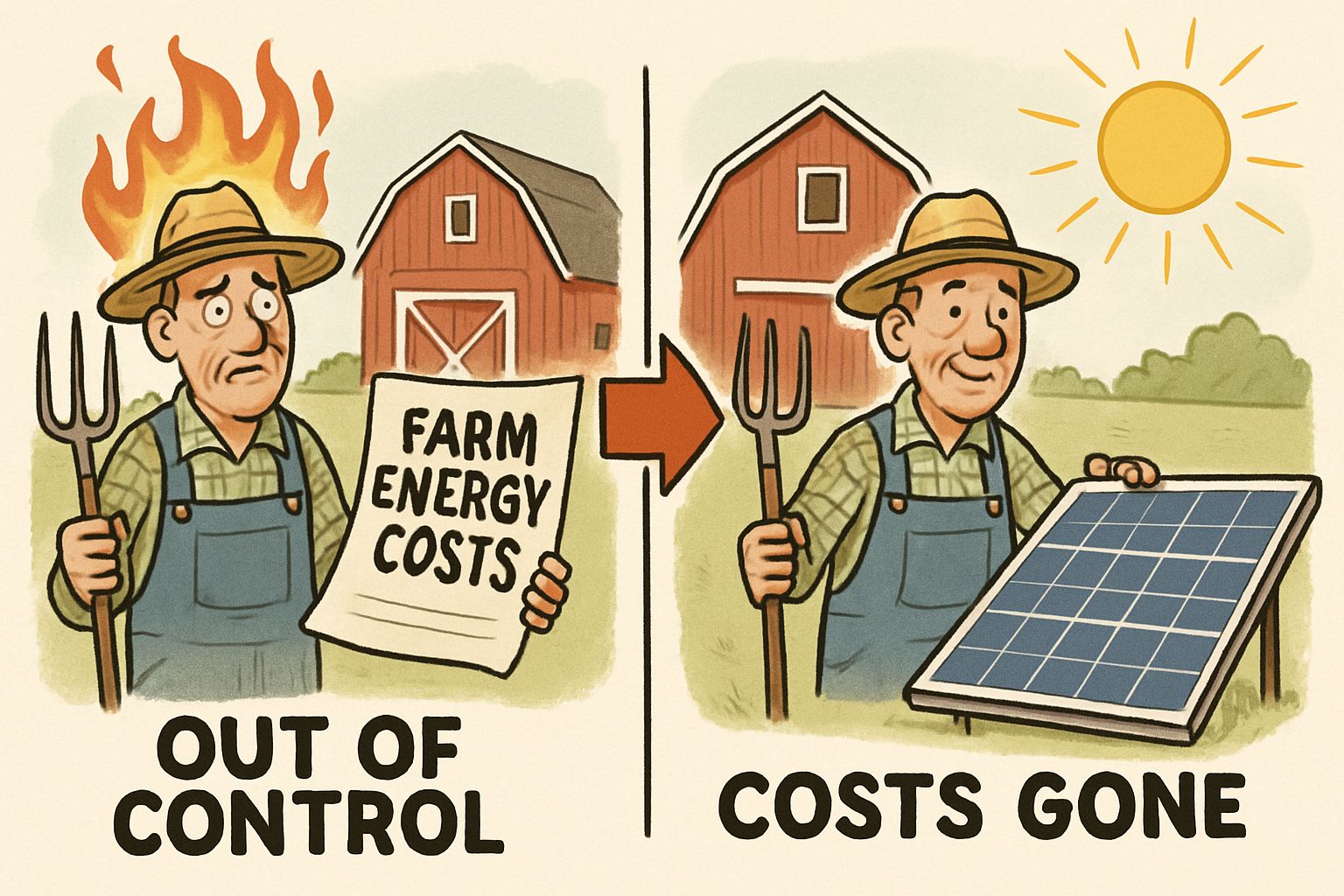
- Solar panels can cut farm energy bills by a significant margin — irrigation pumps, grain dryers, cold storage, and livestock systems are among the highest energy consumers on a farm, and solar directly offsets those costs.
- The USDA Rural Energy for America Program (REAP) covers up to 50% of solar installation costs for eligible agricultural producers, making the upfront investment far more manageable than most farmers realize.
- Agrivoltaics — growing crops underneath solar panels — is producing surprising results, with some studies showing improved yields for shade-tolerant crops while simultaneously generating clean energy from the same land.
- A properly sized farm solar system typically pays for itself within 5 to 10 years and continues generating free electricity for 25 to 30 years with minimal maintenance.
- There are real challenges to adoption — including upfront costs, permitting delays, and grid connection hurdles — but practical solutions exist for farms of every size.
Farm Energy Bills Are Breaking Budgets — Here Is What Solar Can Do
Energy is one of the fastest-growing expenses on modern farms, and for many agricultural producers, it has quietly become one of the most dangerous threats to profitability. Electricity bills for large irrigated operations can run tens of thousands of dollars annually. Diesel costs for pumps, dryers, and generators add another heavy layer. When margins are already razor-thin, energy expenses can be the difference between a farm surviving the season or not.
Solar panels are not a trendy environmental gesture — they are a hard financial tool that farms across the United States and beyond are using to take control of their energy costs. The U.S. Department of Energy’s Farmer’s Guide to Going Solar outlines exactly how agricultural producers can transition to solar and begin reducing reliance on grid electricity and diesel. The transition is not instant, and it is not without challenges, but the data consistently points in one direction: solar works for farms.

Why Farm Energy Costs Keep Rising
Before looking at solutions, it helps to understand exactly why farm energy costs have become such a serious problem. Several compounding forces are driving bills higher year after year, and none of them are showing signs of reversing.
- Grid electricity prices for agricultural users have climbed steadily, driven by aging infrastructure upgrades, transmission costs, and regional energy market volatility.
- Diesel fuel prices remain unpredictable, with global supply chain disruptions causing sharp spikes that are nearly impossible for farmers to plan around.
- Modern farming requires more electricity than ever before — precision irrigation systems, automated climate controls, cold chain refrigeration, and high-capacity grain processing equipment all draw significant power.
- Rural electricity rates in many states carry additional delivery fees and demand charges that urban consumers do not face, inflating agricultural bills beyond the base energy cost.
The Energy-Intensive Nature of Modern Farming
Today’s farms run on electricity in ways that would be unrecognizable to farmers from even two decades ago. Center-pivot irrigation systems covering hundreds of acres run powerful electric motors for hours at a time. Broiler houses and dairy barns require continuous ventilation and temperature management year-round. Grain dryers — some of the most energy-hungry machines on any farm — can consume as much electricity in a single harvest season as an average household uses in several years. The operational scale of energy use has grown dramatically, and grid prices have not been kind about it.
How Grid Electricity Prices Have Increased for Agricultural Users
Agricultural electricity rates vary widely by region and utility provider, but the consistent trend over the past decade has been upward. Farmers locked into older rate structures have watched demand charges — fees based on peak power draw rather than total consumption — balloon their monthly bills even during low-usage periods. These demand charges are particularly punishing for farm operations that run high-draw equipment in short intensive bursts, like irrigation pumps during planting season.
Why Diesel Dependency Makes the Problem Worse
Many farms that operate in areas with unreliable grid access, or that run remote equipment far from electrical infrastructure, have historically depended on diesel generators and diesel-powered pumps. This creates a double vulnerability: exposure to volatile fuel markets and the ongoing cost of fuel storage, maintenance, and transport. A solar-powered irrigation pump eliminates that fuel cost entirely, replacing a recurring variable expense with a fixed infrastructure investment that depreciates slowly over decades.
How Solar Panels Work on a Farm
Understanding the mechanics of a farm solar system removes a lot of the mystery and hesitation around adoption. The core technology is straightforward, and modern systems are more reliable and configurable than ever.
Converting Sunlight into Farm Power
Photovoltaic (PV) solar panels convert sunlight directly into direct current (DC) electricity using semiconductor cells — most commonly silicon-based. An inverter then converts that DC power into alternating current (AC), which is what farm equipment and buildings actually use. Panels are typically mounted on south-facing roof structures, open ground-mount frames, or pole-mount systems positioned for maximum sun exposure. The output of a solar system is measured in kilowatts (kW) for capacity and kilowatt-hours (kWh) for actual energy produced over time — the same units that appear on a farm’s monthly electricity bill. Learn more about how solar panels can reduce energy costs for farms.
How Net Metering Lets Farmers Sell Energy Back to the Grid
Net metering is one of the most financially powerful features of a grid-tied solar system. When a farm’s solar array generates more electricity than the operation is currently consuming — which happens regularly on sunny days with low equipment loads — the excess power flows back into the utility grid. The utility credits the farm’s account for that exported energy, effectively running the electricity meter backward. Over a billing period, those credits offset the cost of electricity the farm draws from the grid during nights, cloudy days, or peak-demand moments. In strong net metering states, this arrangement can dramatically reduce or even eliminate a farm’s monthly electricity bill.
Battery Storage: Running the Farm After Sunset
Grid-tied systems with net metering work well where utility infrastructure is reliable, but battery storage adds a layer of energy independence that many farms need. Lithium iron phosphate (LFP) batteries — the technology now dominating agricultural and commercial storage applications — store excess solar generation during the day for use at night or during grid outages. For farms that have experienced costly disruptions from grid failures during critical periods like harvest or farrowing, battery backup is not a luxury — it is operational insurance. Systems like the Tesla Powerwall or larger commercial-scale solutions from manufacturers like Generac PWRcell can be scaled to match a farm’s specific overnight energy demands.

Which Farm Operations Benefit Most from Solar Energy
Not every farm operation draws energy equally, and knowing where your highest consumption points are helps prioritize where solar delivers the fastest return. These four areas consistently represent the largest energy loads on working farms — and the strongest case for solar investment.
Irrigation Pumps and Water Systems
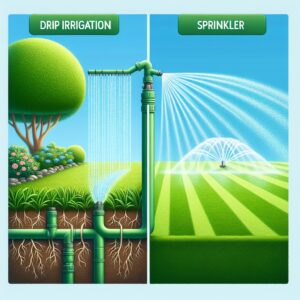
Irrigation is the single largest electricity consumer on most crop farms. Center-pivot systems, submersible well pumps, and drip irrigation infrastructure can run for thousands of hours annually, with motors ranging from 10 horsepower to well over 100 horsepower depending on acreage and water depth. A solar array sized specifically to power irrigation loads can eliminate that electricity draw almost entirely. Solar-powered irrigation is particularly effective because peak sunlight hours naturally align with peak irrigation demand during the growing season — the system generates the most power exactly when the pumps need to run most.
Livestock Cooling and Heating
Temperature management in livestock facilities is a non-negotiable energy expense. Broiler houses, hog confinement buildings, and dairy barns run ventilation fans, evaporative cooling systems, and heating equipment continuously — often 24 hours a day, 365 days a year. For a mid-sized poultry operation running multiple houses, the monthly electricity bill for climate control alone can reach thousands of dollars.
Solar panels paired with battery storage are particularly well-suited to livestock facilities because the energy demand is continuous and predictable. Unlike seasonal crop operations, livestock farms provide a steady, year-round load that maximizes the financial return on a solar installation. The consistent draw means the system is always working, and the payback timeline shortens accordingly.
Cold Storage and Refrigeration
Post-harvest cold storage is an energy-intensive necessity for vegetable, fruit, and dairy operations. Refrigeration compressors run around the clock to maintain the precise temperatures that protect product quality and meet food safety requirements. For farms that have invested in on-site cold storage infrastructure, refrigeration can represent 30 to 40 percent of total energy consumption. Solar generation directly offset against refrigeration loads produces measurable monthly savings from the first day the system comes online.
Grain Drying and Processing Equipment
Grain dryers are among the most energy-intensive machines in all of agriculture. A continuous-flow natural gas or propane dryer handling corn at harvest can consume enormous amounts of energy over a compressed season. Farms that have converted or supplemented their drying operations with electric dryers powered by on-site solar generation have seen dramatic reductions in fuel costs. While the seasonal nature of grain drying means a dedicated solar-plus-storage system needs careful sizing, the per-bushel energy savings over a 25-year system lifespan are substantial.
Government Incentives and Subsidies for Farm Solar
The financial case for farm solar becomes considerably stronger once incentive programs are factored in. Between federal tax credits, USDA grants, and state-level programs, many farmers can reduce their net installation cost by 50 percent or more before the system generates a single kilowatt-hour.
Federal Tax Credits Available to Farmers in the U.S.
The Investment Tax Credit (ITC), extended and expanded under the Inflation Reduction Act of 2022, allows agricultural businesses to claim a 30 percent federal tax credit on the total installed cost of a solar energy system. For a farm installing a $200,000 solar array, that is a $60,000 direct reduction in federal tax liability — not a deduction, but a credit applied dollar-for-dollar against taxes owed. Farms structured as LLCs, S-corps, or sole proprietorships all qualify, provided the system is used for business purposes. Bonus depreciation provisions under the Tax Cuts and Jobs Act also allow farms to accelerate depreciation on solar equipment, further reducing taxable income in the installation year.
USDA REAP Grants: What They Cover and Who Qualifies
The USDA Rural Energy for America Program (REAP) is the most significant direct grant opportunity available to agricultural solar adopters. REAP provides grants covering up to 50 percent of eligible project costs for renewable energy systems, including solar PV installations on farm properties. To qualify, applicants must be agricultural producers with at least 50 percent of gross income coming from agricultural operations, or rural small businesses located in eligible rural areas. Grant amounts range from $2,500 to $1 million for renewable energy systems, with applications accepted on a rolling basis through USDA Rural Development state offices. Combining a REAP grant with the federal ITC can bring a farm’s net solar installation cost down to as little as 20 to 30 percent of the original price tag.
State-Level Solar Incentives Worth Knowing
Beyond federal programs, many states offer additional layers of financial support that vary significantly by location. California’s Self-Generation Incentive Program (SGIP) provides rebates for battery storage systems paired with solar. New York’s NY-Sun Initiative offers incentives specifically structured for agricultural installations. Iowa, Minnesota, and several other agricultural states maintain property tax exemptions on the added value solar systems bring to farm real estate — meaning a solar installation does not raise a farm’s property tax assessment. The Database of State Incentives for Renewables and Efficiency (DSIRE) at dsireusa.org is the most comprehensive resource for locating state, utility, and local incentive programs by zip code.
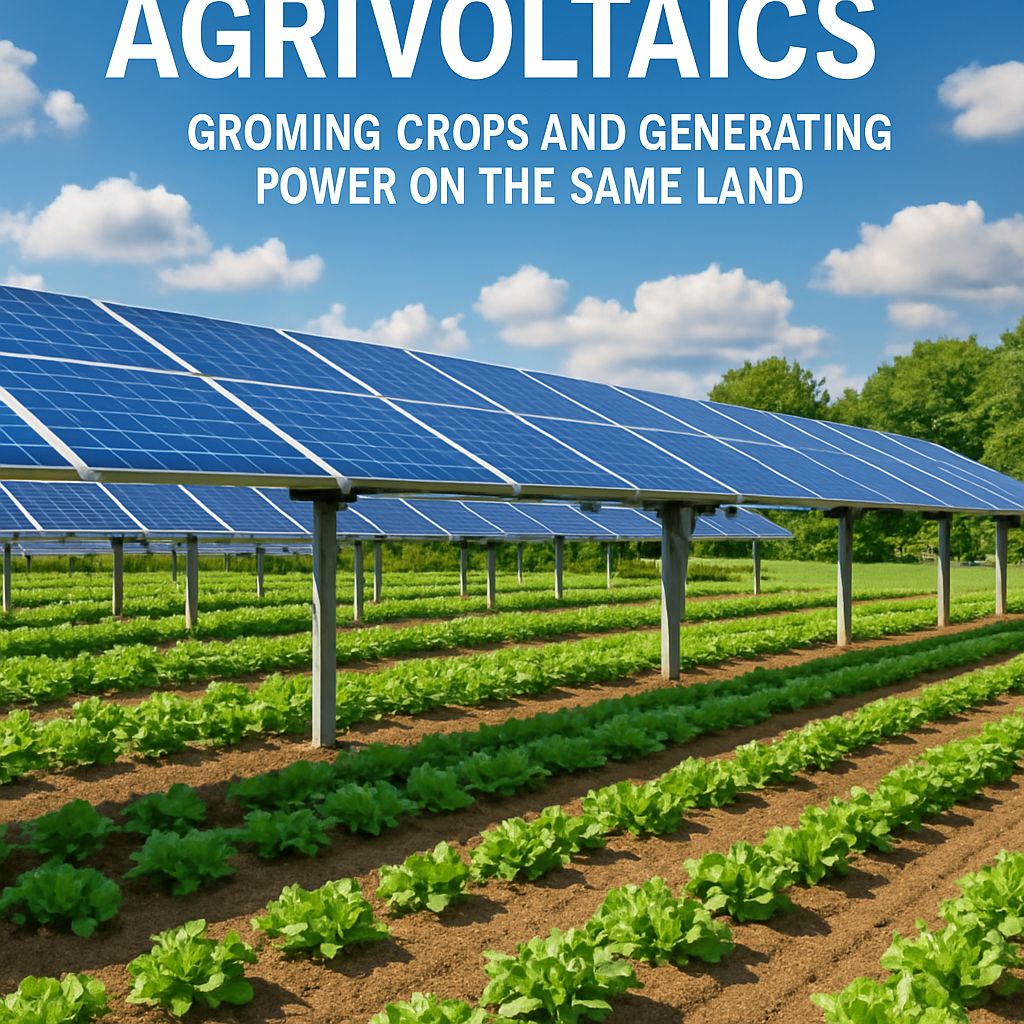
Agrivoltaics: Growing Crops and Generating Power on the Same Land
One of the most exciting developments in farm solar is agrivoltaics — the practice of co-locating solar panels and crop production on the same land. Rather than choosing between farming and solar energy generation, agrivoltaic systems do both simultaneously, and the results from field research are challenging some long-held assumptions about how plants and solar panels interact.
The concept emerged from a straightforward observation: solar panels shade the ground beneath them, and many crops — particularly in hot, arid climates — actually benefit from partial shade. Researchers began asking whether that shaded ground space could remain productive for agriculture while the panels above generated electricity. The answer, increasingly, is yes.
University of Arizona research on agrivoltaic systems found that shade-tolerant crops grown beneath solar panels required significantly less irrigation water while maintaining comparable yields. The panels reduced soil moisture evaporation, kept canopy temperatures lower during peak heat, and in some cases extended the growing season by protecting crops from heat stress. Meanwhile, the crops helped cool the panels — cooler panels operate more efficiently, improving electricity generation output compared to panels over bare ground.
Agrivoltaics in Practice: A study published in Nature Sustainability examining agrivoltaic installations found that the same land unit used for combined solar and crop production can yield more total value — measured in combined food and energy output — than land used exclusively for either purpose alone. Shade-tolerant crops including lettuce, tomatoes, peppers, and certain berries showed the strongest compatibility with panel shading conditions.
How Agrivoltaic Systems Work
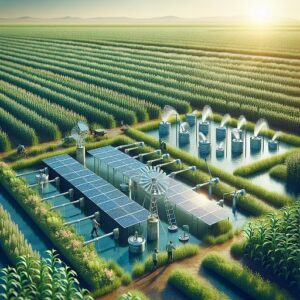
Standard ground-mount solar installations place panels on frames roughly 2 to 3 feet off the ground — too low for meaningful agricultural activity beneath them. Agrivoltaic systems solve this by elevating panel mounting structures to heights of 8 to 15 feet, creating usable growing space underneath while maintaining the solar array above. The panels can be fixed-tilt or single-axis tracking, and spacing between rows is widened compared to conventional dense ground-mount configurations to allow sunlight to reach crops at agronomically appropriate levels. Learn more about solar panels on center pivot irrigation as a smart idea for farmers.
The infrastructure investment for agrivoltaic systems is higher than for standard ground-mount solar because of the elevated mounting requirements and wider spacing. However, the ability to maintain agricultural production on the same land footprint — and in some cases qualify for both agricultural and energy-related incentive programs simultaneously — changes the financial calculation meaningfully.
Sheep grazing beneath solar panels is one of the most immediately practical agrivoltaic applications in the U.S. right now. Solar developers and farm operators have found that sheep can graze the vegetation beneath panel arrays, controlling weed growth that would otherwise require mechanical or chemical management, while the farm collects grazing lease income. Organizations like the American Solar Grazing Association have formalized this model and provide resources for farmers interested in participating.
|
Crop Type |
Agrivoltaic Compatibility |
Reported Benefit |
|---|---|---|
|
Lettuce |
High |
Reduced heat stress, lower irrigation need |
|
Tomatoes |
High |
Extended season, maintained yield |
|
Peppers |
High |
Reduced water use, comparable yield |
|
Wheat / Corn |
Low to Moderate |
Yield reduction in dense shade configurations |
|
Sheep Grazing |
Very High |
Weed control, additional lease income |
|
Berries |
Moderate to High |
Heat protection during fruiting period |
Crop Yield Results Under Solar Panels
Results vary depending on crop selection, panel height, spacing configuration, and local climate — but the research trend is clear. Shade-tolerant and heat-sensitive crops perform well or better under agrivoltaic conditions compared to full-sun exposure in warm climates. The University of Arizona’s Biosphere 2 agrivoltaic research demonstrated that chiltepin peppers produced three times more fruit under solar panels than in full sun during hot summer months, while sweet potatoes and cherry tomatoes also showed strong performance. The dual-use land model is not suitable for every crop or every farm, but for the right operation, it represents one of the most financially and agronomically compelling applications of solar technology in modern agriculture.
Honest Challenges Farmers Face with Solar Adoption
Solar energy is a genuinely powerful tool for farms, but glossing over the real obstacles would not serve farmers well. The transition to solar is not frictionless, and understanding the specific challenges ahead of time is what separates successful installations from costly mistakes. Three friction points come up consistently across agricultural solar projects of every size.
The good news is that none of these challenges are insurmountable. Each one has documented, practical solutions that farms are already using — and knowing about them before signing a contract with an installer puts farmers in a significantly stronger position.
High Upfront Costs for Small-Scale Farms
A commercial-scale farm solar installation can run anywhere from $50,000 to well over $500,000 depending on system size, battery storage inclusion, and site-specific installation complexity. For a small family farm operating on tight margins, that upfront figure is a serious barrier even after REAP grants and the federal ITC reduce the net cost. The most effective approach for smaller operations is to start with a targeted system sized specifically for the highest-cost energy loads — like a single irrigation pump or a specific barn — rather than attempting to offset the entire farm’s consumption at once. This phased approach keeps the initial capital requirement manageable while delivering immediate, measurable bill reductions that build the financial case for future expansion. Farm Credit Services, USDA Farm Service Agency loan programs, and many state agricultural development authorities offer financing specifically structured for renewable energy projects.
Land and Roof Space Limitations
Not every farm has the ideal conditions for solar installation. Older barn roofs may not carry the structural load of a panel array without costly reinforcement. Heavily wooded or north-facing properties reduce solar irradiance enough to extend payback timelines significantly. For farms where rooftop installation is not viable, ground-mount systems require land that is not otherwise productive — and on small acreage operations, that trade-off can be a real constraint. Agrivoltaic elevated mounting systems, discussed earlier, offer one solution by maintaining crop production beneath the panels. Carport-style canopy structures over equipment storage and paved areas are another option that adds solar capacity without sacrificing any farmable ground.
Grid Connection and Permitting Delays
Interconnection — the process of connecting a farm solar system to the utility grid — is one of the most consistently frustrating parts of the solar adoption process. Rural electric cooperatives and investor-owned utilities in agricultural regions vary enormously in how efficiently they process interconnection applications. Some approvals come through in weeks; others drag on for six months to over a year, during which the installed system sits idle and generates nothing. Farmers can reduce this risk by working with solar installers who have established relationships with local utilities and a track record of successful rural interconnection projects in the same service territory.
Permitting requirements add another layer of complexity. Agricultural buildings are sometimes exempt from standard building permit requirements, but solar installations typically trigger their own permit process through county or municipal authorities. Zoning regulations in some rural counties have not kept pace with solar adoption and can create unexpected compliance requirements. Engaging a local agricultural extension office or a farm energy consultant early in the planning process — before any contracts are signed — is one of the most practical steps a farmer can take to avoid permitting surprises that stall a project mid-installation.
Solar Is Not a Silver Bullet, But It Is the Best Tool Farmers Have Right Now
No single technology solves every farm energy problem, and solar panels will not eliminate every cost or eliminate every grid dependency overnight. What solar does — better than any other currently available technology at scale — is convert a recurring, unpredictable, rising operating expense into a fixed infrastructure investment with a defined lifespan and a predictable return. For farms facing decades of escalating grid electricity prices and diesel market volatility, that shift in the fundamental economics of energy is not a minor convenience. It is a structural change that strengthens the long-term financial position of the operation. Farms that have made the transition consistently report not just lower bills, but a sense of operational control they did not have before — and that matters in an industry where so many variables are entirely outside a farmer’s hands. For more insights on integrating solar with farm operations, check out the benefits of solar panels on center pivot irrigation.
Frequently Asked Questions
Farmers considering solar consistently run into the same practical questions, and the answers matter for making a confident, well-informed decision. Here are the most common ones, answered directly.
How Many Solar Panels Does a Farm Typically Need?
The number of panels depends entirely on the farm’s energy consumption and which loads the system is designed to offset. A small family farm looking to power a single well pump and basic outbuilding lighting might need 20 to 40 panels producing 8 to 15 kilowatts of capacity. A large irrigated grain operation or multi-house poultry farm might require 200 to 600 panels delivering 100 to 300 kilowatts or more. The starting point is always a 12-month energy audit — pulling actual utility bills and diesel records to establish a baseline consumption figure — and then sizing the system against that real-world data rather than rough estimates.
Can Solar Panels Power Farm Equipment Like Tractors?
Conventional diesel tractors cannot run directly on solar electricity, but the intersection of solar energy and electric farm equipment is developing quickly. Electric utility vehicles, smaller electric tractors from manufacturers like Monarch Tractor and Solectrac, and electric-powered irrigation systems can all be charged or powered from on-farm solar generation. For standard large-frame diesel tractors, solar does not replace fuel — but it can offset the electricity costs of every other farm system, freeing up cash that was previously spent on grid power to absorb diesel costs more comfortably.
The longer-term trajectory of electric agricultural equipment is moving fast. Several major equipment manufacturers have announced electric tractor programs for the coming years, and farms that establish solar infrastructure now will be better positioned to transition their equipment fleets as electric options become commercially viable at full working scale.
What Happens to a Solar-Powered Farm During a Power Outage?
A grid-tied solar system without battery storage automatically shuts down during a grid outage — this is a required safety feature that prevents the farm’s solar array from back-feeding electricity into lines where utility workers may be making repairs. Farms that need outage protection must pair their solar installation with battery storage or a transfer-switch-equipped backup generator. A properly designed solar-plus-battery system can keep critical loads — refrigeration, ventilation fans, water pumps — running through outages that would otherwise cause significant livestock or crop losses.
Is Solar Energy Viable for Small Family Farms?
Yes, but the approach needs to match the scale. Small family farms benefit most from targeted solar installations focused on their highest-cost energy loads rather than whole-farm offset systems. A $25,000 to $40,000 solar installation that eliminates the electricity cost of a single center-pivot irrigation pump can deliver a payback period of 6 to 9 years and then generate free irrigation energy for another 15 to 20 years beyond that. USDA REAP grants are available to small agricultural producers and can cover up to 50 percent of project costs, making the entry point far more accessible than the gross installation price suggests. Learn more about how solar panels can reduce energy costs for farms.
How Long Do Farm Solar Panel Systems Last?
Most commercial-grade solar panels carry performance warranties of 25 to 30 years, guaranteeing that the panels will still produce at least 80 to 87 percent of their original rated output at the end of that period. In practice, well-maintained systems often continue operating productively beyond their warranty period. Inverters — the component that converts DC solar power to usable AC electricity — typically carry 10 to 15 year warranties and represent the most likely replacement cost within the system’s first three decades of operation. String inverters run $1,500 to $6,000 to replace depending on system size; microinverters, which are mounted per-panel and have become increasingly common, often carry 25-year warranties matching the panels themselves.
Maintenance requirements for farm solar systems are genuinely minimal. Panel surfaces should be inspected and cleaned periodically — more frequently in dusty agricultural environments where field operations deposit particulate on panel surfaces and reduce output. Annual electrical inspections by a qualified solar technician are sufficient for most systems. There are no moving parts in a standard PV array, which is one of the primary reasons the technology holds up so reliably over multi-decade timeframes.

Leave a Reply