
Key Takeaways
- Proper site assessment is critical for solar panel efficiency, with overlooked factors like seasonal shading patterns potentially reducing energy production by up to 30%
- Undersized solar systems fail to meet peak farm energy demands during crucial seasons, while oversized systems waste investment capital
- Agricultural-specific mounting systems must accommodate farm equipment clearance and soil conditions unique to working farmland
- GrowingSolarMist helps farmers navigate the complex technical requirements of agricultural solar installations to maximize ROI
- Missing out on USDA REAP grants and agricultural-specific incentives can leave thousands of dollars in potential funding untapped
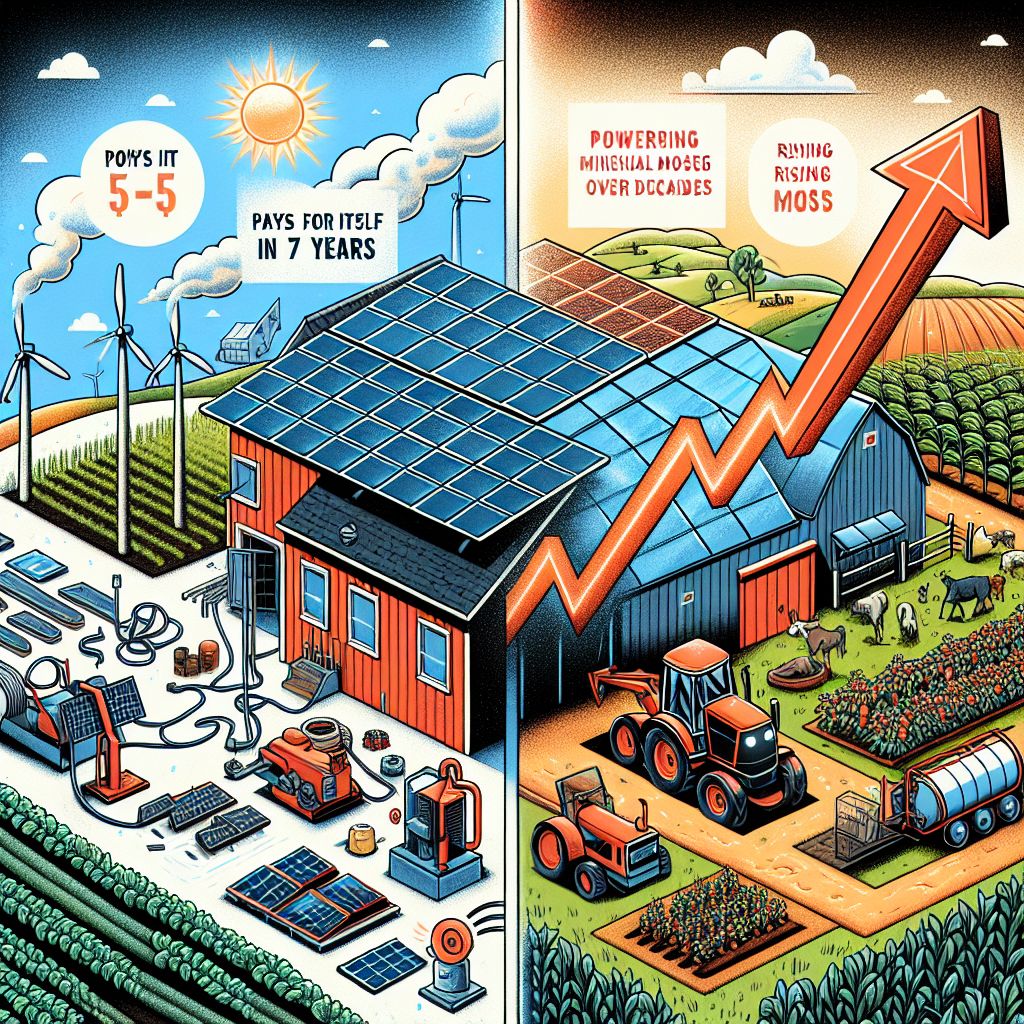
When it comes to powering your farm with solar energy, installation mistakes can be costly. Not just in terms of immediate expenses, but in long-term efficiency losses that impact your operation’s bottom line for decades. Understanding these pitfalls before breaking ground can mean the difference between a system that pays for itself in 5-7 years versus one that never delivers its promised returns.
7 Critical Solar Mistakes That Cost Farmers Thousands
Solar energy offers farmers a path to energy independence and significant operational savings. However, the agricultural environment presents unique challenges that standard residential or commercial installations don’t address. GrowingSolarMist has analyzed hundreds of farm installations to identify the most common and costly mistakes that impact agricultural operations specifically.
Why Proper Installation Matters for Farm Operations
Agricultural operations have energy demand patterns dramatically different from residential or commercial buildings. Peak usage often aligns with seasonal activities like irrigation, harvesting, or climate control for livestock. A properly installed farm solar system accounts for these fluctuations while withstanding the harsh realities of agricultural environments—from dust and equipment traffic to weather extremes.
Proper installation isn’t just about immediate performance; it’s about longevity. Farm equipment represents long-term capital investments, and your solar array should be approached with the same mindset. Cutting corners during installation typically results in maintenance headaches, reduced efficiency, and shortened system lifespan—all of which erode the financial benefits that motivated the investment in the first place.
Here’s a comprehensive table outlining 7 Critical Solar Panel Installation Mistakes That Cost Farmers Thousands, with explanations of each mistake, and what the impact on the farm is:
|
Mistake |
Description |
Impact on Farmers |
Source(s) |
|---|---|---|---|
|
Poor Site Assessment: The #1 Installation Mistake |
Failing to properly assess site conditions (sun exposure, shading, soil, roof condition, water distribution, etc.) before installation. |
Can result in suboptimal energy production, unexpected land use conflicts, interference with irrigation, and costly system relocation or redesign. | |
|
Undersizing Your Farm’s Solar System |
Designing a system that does not meet current or future energy needs due to inaccurate load calculations or lack of expansion planning. |
Leads to insufficient power, inability to offset energy costs, and expensive upgrades or add-ons later. | |
|
Choosing the Wrong Mounting System |
Selecting mounting systems inappropriate for the site (e.g., wrong type for soil, roof, or weather conditions). |
May cause structural failures, roof leaks, excessive weight, or soil degradation, increasing maintenance and repair costs. | |
|
Electrical Integration Failures |
Poor integration with existing farm electrical infrastructure, improper wiring, or neglecting phase balancing. |
Causes inefficiencies, safety hazards, system downtime, or even electrical fires. | |
|
Ignoring Agricultural Incentives and Tax Benefits |
Overlooking available government incentives, rebates, or tax credits due to lack of paperwork or knowledge. |
Missed financial savings, longer payback periods, and reduced return on investment. | |
|
Maintenance Oversights That Cripple Farm Systems |
Underestimating the need for regular maintenance, monitoring, and understanding warranties. |
Results in reduced system performance, undetected faults, higher repair costs, and shorter system lifespan. | |
|
Choosing the Wrong Installation Partner |
Hiring inexperienced or unreliable installers, or those using subpar equipment. |
Leads to poor workmanship, lack of ongoing support, voided warranties, and costly rework or system failures. |
Key Takeaways:
- Each mistake can significantly reduce the financial and operational benefits of solar on farms.
- Proper planning, vendor selection, and ongoing maintenance are critical to long-term success.
- Farmers should prioritize site-specific assessments, system scalability, and take advantage of all available incentives and expert guidance to avoid costly errors
Poor Site Assessment: The #1 Installation Mistake
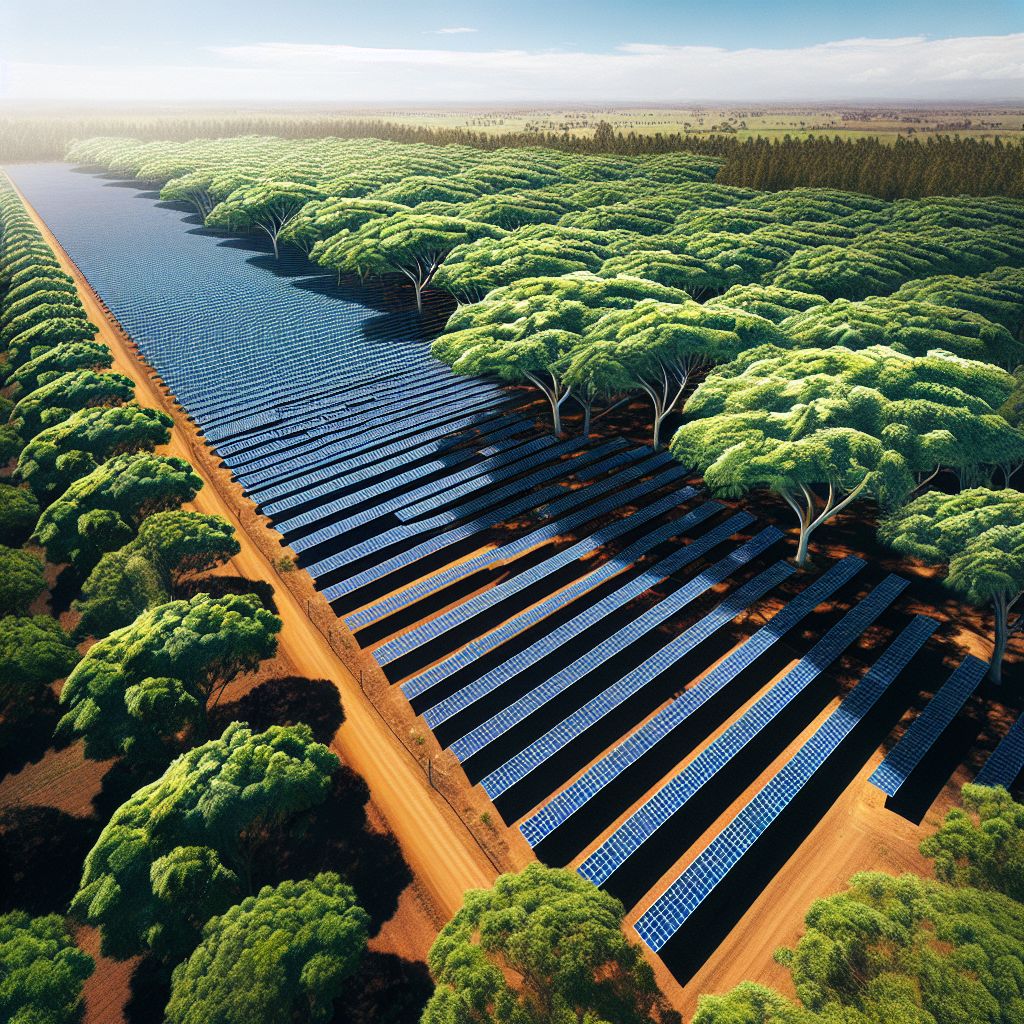
The foundation of every successful solar installation begins with thorough site assessment, yet this crucial step is often rushed or performed by individuals without agricultural expertise. A proper assessment must consider more than just available space—it needs to account for the unique operational patterns of a working farm throughout all seasons and production cycles.
Common site assessment oversights include failing to account for equipment movement pathways, seasonal flooding patterns, and future expansion plans. Additionally, many assessments don’t properly factor in how the farm’s energy usage patterns align with solar production cycles, potentially leaving critical operations without power when needed most. For a deeper understanding of efficient energy solutions, explore solar panel battery technology for agriculture.
Ignoring Field Shading Patterns Throughout Seasons
Shading issues in agricultural settings differ significantly from residential installations. While a residential assessment might account for neighboring buildings or trees, farm assessments must consider crop growth, seasonal equipment storage, grain bins, and outbuildings that may cast shadows at different times of year. Even partial shading on a single panel can reduce the output of an entire string by 30% or more. For farmers looking to optimize their solar energy use, understanding solar irrigation system components can be crucial.
What appears to be an ideal location in winter may be significantly compromised during summer months when crops reach full height or when seasonal structures are erected. Professional assessments should include sun path analysis across all seasons, accounting for both permanent structures and seasonal changes unique to agricultural settings.
Case Study: Johnson Family Farm
The Johnsons installed a 50kW system on what appeared to be an ideal south-facing field edge. By mid-July, their corn had grown tall enough to cast afternoon shadows across the bottom row of panels, reducing overall system efficiency by 23% during peak production months. A proper seasonal shading analysis would have identified this issue and recommended either a different location or adjusted mounting height.
Failing to Consider Soil Stability and Drainage
Agricultural land often has soil conditions that change dramatically throughout the year. Areas that appear perfectly stable during dry months may become problematic during spring thaws or heavy rain seasons. Ground-mounted systems require foundations that can withstand these changes without shifting, which may require deeper pilings or concrete footings than standard installations.
Not Accounting for Farm Equipment Clearance
One of the most frequently overlooked aspects of farm solar installations is adequate clearance for agricultural equipment. Farm operations require regular movement of tall equipment like combines, sprayers, and loaders. Standard mounting heights that work for residential installations often create dangerous obstacles in a working farm environment. Your installation plan must account for the tallest equipment that will need to pass near or under any solar array.
Ground clearance issues are compounded when installers fail to understand seasonal land use changes. Areas that might seem unused during certain months may become critical access points during planting or harvest. Always document your equipment movement patterns throughout the entire year before finalizing mounting locations and heights.
Undersizing Your Farm’s Solar System
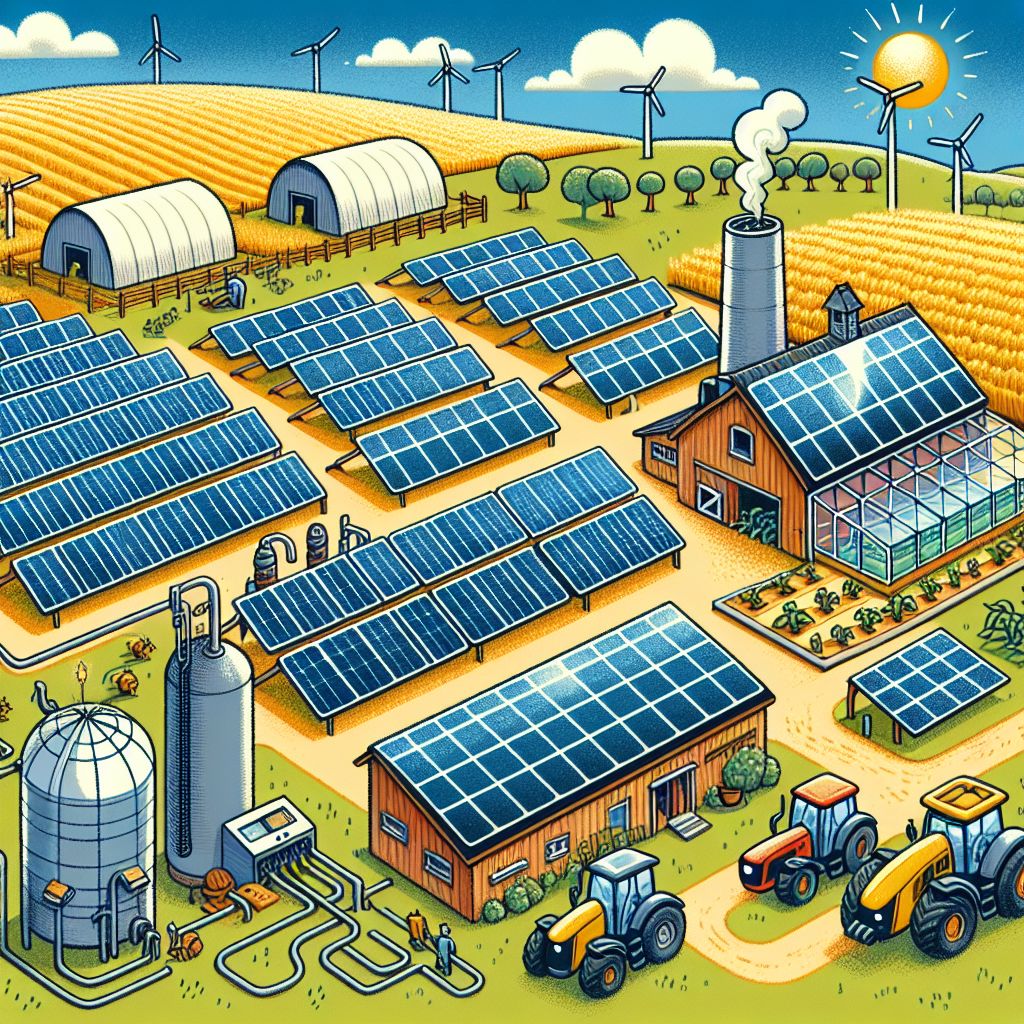
Many farmers experience disappointment with their solar investments due to undersized systems that can’t meet their actual energy needs. This common mistake stems from basing calculations on average energy usage rather than peak demand periods. Agricultural operations typically have significant seasonal fluctuations in energy consumption, with critical periods during harvest, irrigation, or climate control for livestock facilities.
Designing a system that only covers your annual average can leave you drawing expensive grid power precisely when you need energy the most. Conversely, oversizing without proper analysis can result in wasted capital on excess capacity. The ideal approach balances peak needs with financial constraints through careful load analysis and potential battery storage solutions.
Not Calculating Peak Energy Demands During Harvest
Harvest periods often represent the highest energy consumption of the year for many farming operations. Grain drying, processing equipment, and extended working hours all contribute to dramatic spikes in electricity usage. A system designed around average monthly consumption will invariably fall short during these critical periods. To better manage energy needs, some farmers are exploring options like a flow battery backup for solar panels to ensure consistent power availability.
Comprehensive energy planning should include detailed analysis of at least 24 months of utility bills with special attention to harvest season peaks. The system design should then account for these peaks while considering whether battery storage might be more cost-effective than oversizing the entire array.
Ignoring Future Farm Expansion Plans
Agriculture is a dynamic business, and today’s energy needs rarely reflect tomorrow’s requirements. Many farmers install solar systems perfectly sized for current operations only to find themselves needing to expand just a few years later. Planning for growth from the beginning typically costs far less than adding capacity to an existing system.
Consider your five-year plan when sizing your system. If you anticipate adding irrigation, cold storage, or additional outbuildings, factor these into your initial design. Most inverters and electrical infrastructure can be sized to accommodate future panel additions, allowing for more cost-effective expansion when needed.
Common Sizing Calculation Errors
Beyond overlooking peak demands, many sizing calculations fail to account for system losses specific to agricultural environments. Dust accumulation from field operations, higher ambient temperatures in rural areas without shade, and longer wire runs all contribute to efficiency losses that should be factored into sizing calculations.
Professional agricultural solar assessments should include a derate factor that accounts for these farm-specific conditions. Generally, agricultural installations should use more conservative production estimates than residential systems, with additional capacity to compensate for the harsher operating environment.
Choosing the Wrong Mounting System
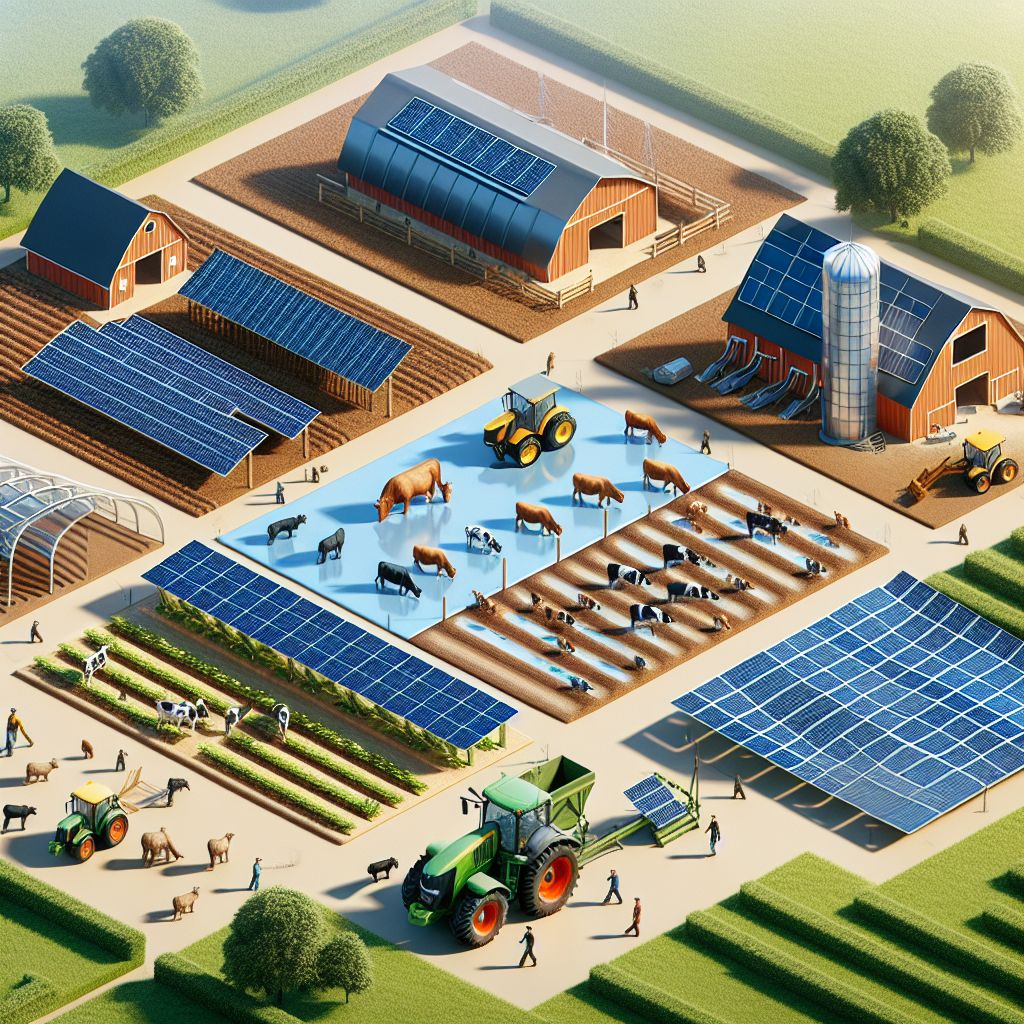
The mounting system is the literal foundation of your solar installation, yet it’s often where farmers accept inappropriate residential or commercial solutions. Agricultural settings present unique challenges including exposure to heavy equipment, livestock interactions, and extreme weather conditions that standard mounting systems weren’t designed to handle. For more on how solar technology can be adapted to agricultural needs, explore our efficient energy solutions for agriculture.
Choosing between ground mounts, roof mounts, or innovative solutions like solar canopies over livestock areas should be based on a thorough analysis of your specific operation. Each option presents different advantages for land use efficiency, equipment clearance, and potential dual-purpose benefits.
Fixed vs. Tracking Systems: Which Works Best for Farms
Tracking systems that follow the sun’s path can increase energy production by 20-30% compared to fixed arrays, which seems like an obvious advantage. However, on farms, the additional moving parts and maintenance requirements can become problematic when exposed to agricultural dust and debris. Fixed systems generally offer greater reliability in harsh farm environments and lower lifetime maintenance costs. For more insights, explore the solar panel challenges for farmers.
The decision between fixed and tracking systems should balance the increased production against higher initial costs and maintenance requirements. For most agricultural operations, fixed systems tilted to optimize harvest season production provide the best long-term value. However, operations with high summer energy demands might benefit from the increased summer production that tracking systems provide.
When selecting between mounting options, also consider snow shedding capabilities and wind resistance ratings that match your local climate conditions. Some fixed mounting systems can be adjusted seasonally to optimize for winter or summer production, offering a middle ground between fully fixed and tracking systems.
Ground Mount Mistakes in Agricultural Settings
Ground-mounted systems are popular on farms due to available land, but installation teams often use residential-grade foundations insufficient for agricultural conditions. Farm soil experiences more frequent freezing/thawing cycles, equipment vibration, and seasonal water table fluctuations that can compromise standard mounting solutions over time.
- Insufficient foundation depth failing to reach below frost lines
- Inadequate protection against livestock damage or rubbing
- Poor drainage planning leading to erosion around mount bases
- Failure to protect wiring from rodents and other farm pests
Proper ground mount installations for farms should include concrete foundations that extend well below the frost line, metal conduit for all ground-level wiring, and appropriate fencing if livestock have access to the area. Some installations may require engineered solutions specific to your soil type and local climate conditions.
When selecting ground mount locations, consider not just current land usage but also how it might impact future land value. Permanent installations may affect property assessments or limit future agricultural options for that section of land.
Building-Mounted Systems: Roof Load Concerns
Farm buildings often weren’t designed with the additional load of solar panels in mind. Many agricultural structures have roof designs optimized for cost rather than additional loading capacity. Installing panels without proper structural assessment can lead to dangerous roof failures, especially when snow or ice accumulation adds weight.
Before proceeding with any roof-mounted installation, engage a structural engineer familiar with agricultural buildings to evaluate the existing structure. Retrofitting additional support is often possible but must be factored into your budget and timeline. Metal roofs common on farm buildings may require special mounting hardware and techniques different from residential installations.
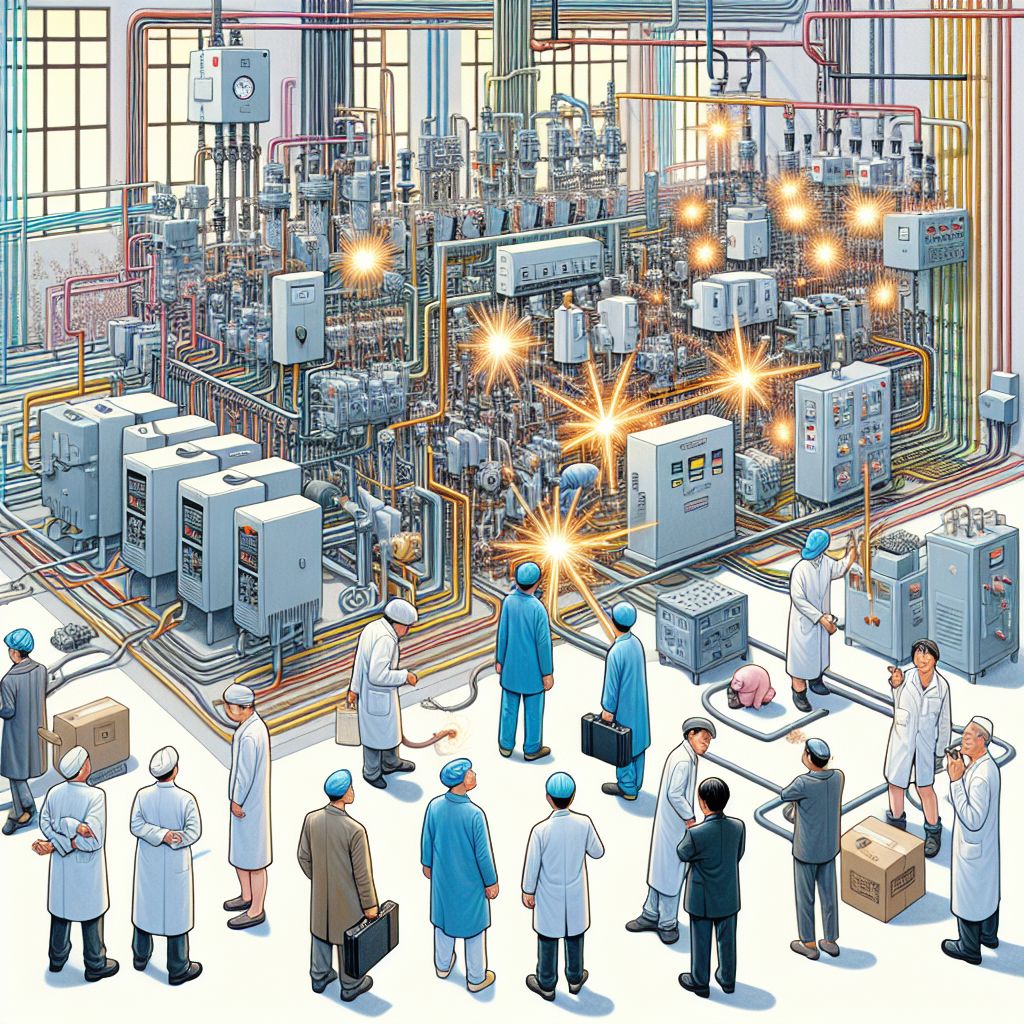
Electrical Integration Failures
Agricultural operations have complex electrical systems that differ significantly from residential setups. Many farms run both single-phase and three-phase equipment, have multiple service entrances, and may have specialized equipment with sensitive power requirements. Improper integration can result in equipment damage, production disruptions, and safety hazards.
Successful integration requires detailed electrical planning by professionals who understand both solar systems and agricultural equipment. This should include comprehensive analysis of existing wiring, load balancing across phases, and appropriate overcurrent protection designed specifically for your operation’s unique needs.
Improper Wiring for Harsh Farm Environments
Standard outdoor wiring practices often fall short in agricultural settings where exposure to fertilizers, pesticides, animal waste, and extreme temperature fluctuations accelerate degradation. Using inappropriate wire types or inadequate conduit protection leads to premature system failures and potential safety hazards. For farmers looking to optimize their solar installations, understanding the components of a solar irrigation system can be crucial in ensuring long-term efficiency and safety.
Agricultural solar installations should exclusively use UV-resistant, chemical-resistant wiring in heavy-duty conduit, with special attention to junction boxes and connection points. Proper wire sizing must account for longer run distances common on farms and higher ambient temperatures in equipment areas.
All equipment should be properly grounded according to agricultural standards, which often exceed residential requirements due to increased lightning risk in open areas and the presence of sensitive electronic equipment in modern farming operations.
Panel-to-Inverter Ratio Miscalculations
The relationship between your solar array size and inverter capacity (known as the DC-to-AC ratio) requires careful calibration for farm applications. While residential installers often use standard ratios, agricultural systems may benefit from different configurations based on your specific production needs and utility interconnection agreements.
Undersized inverters create production bottlenecks during peak sunlight hours, while oversized inverters operate inefficiently and waste money. The ideal ratio depends on your location, panel orientation, and whether your goal is maximizing total production or optimizing production during specific seasons of agricultural activity. For efficient energy solutions, consider exploring solar panel battery technology for agriculture.

Ignoring Agricultural Incentives and Tax Benefits
Perhaps the most costly mistake is failing to capture the full range of incentives specifically designed for agricultural solar installations. Many farmers leave thousands of dollars on the table by not thoroughly researching programs available exclusively to agricultural producers, or by structuring their projects in ways that disqualify them from maximum benefits.
Beyond standard solar incentives like the federal Investment Tax Credit, agricultural operations can often access specialized funding through USDA programs, state agricultural initiatives, and rural development grants that aren’t available to residential or commercial installations.
Missing USDA REAP Grant Opportunities
The USDA’s Rural Energy for America Program (REAP) provides grants covering up to 25% of total renewable energy project costs for agricultural producers. Many farmers miss application deadlines or submit incomplete applications due to the program’s complex requirements and limited application windows. To better understand the integration of renewable energy in agriculture, explore solar panel battery technology for agriculture.
Successful REAP applications require detailed energy audits, project planning, and financial analysis that should begin 6-12 months before installation. Working with a grant specialist familiar with agricultural energy projects significantly increases approval chances and maximum award amounts.
State-Specific Farm Solar Programs Many Miss
Beyond federal incentives, most states offer agricultural-specific renewable energy incentives that many farmers overlook. These programs often include combinations of grants, low-interest loans, property tax exemptions, and specialized net metering arrangements specifically designed for farm operations.
Because these programs frequently operate through agricultural departments rather than energy offices, many solar installers without agricultural expertise may be unaware of their existence. Taking time to research your state’s agricultural energy programs can uncover substantial additional funding sources.
Depreciation and Tax Strategies for Farm Solar
Agricultural businesses have unique tax considerations that can dramatically improve the economics of solar investments when properly structured. Options like accelerated depreciation, bonus depreciation, and strategic timing of installation to align with farm income patterns can significantly improve return on investment timelines.
Consult with an accountant experienced in both agricultural taxation and renewable energy investments before finalizing your solar project. The tax implications should be considered during the planning phase, as certain decisions about system size, ownership structure, and timing can have substantial financial impacts.
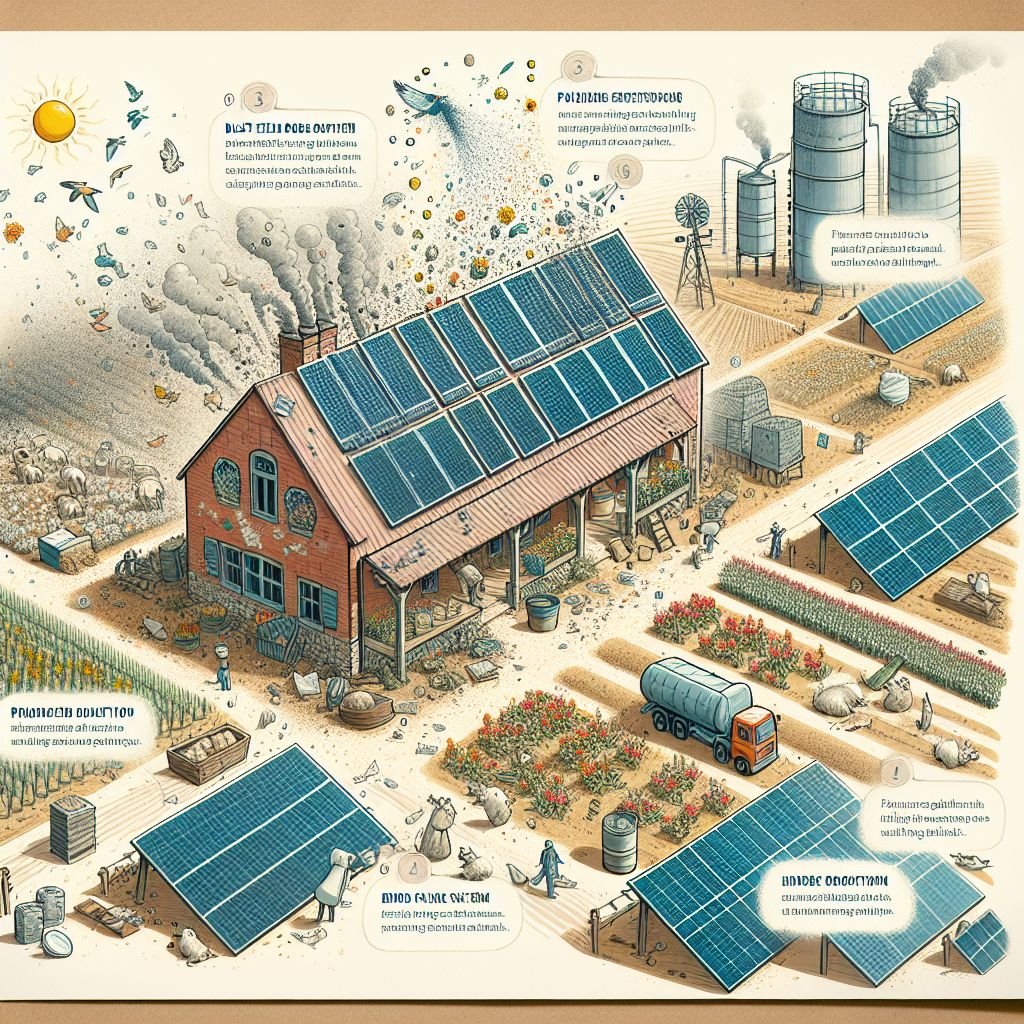
Maintenance Oversights That Cripple Farm Systems
The agricultural environment presents unique maintenance challenges that can significantly reduce system performance if not properly addressed. Dust from field operations, pollen, bird droppings, and debris accumulation occur at much higher rates than in residential settings. Without appropriate maintenance protocols, these factors can reduce energy production by 15-30% annually. For more insights on optimizing farm systems, explore the farmer’s guide to solar panels and irrigation systems.
Many installers provide maintenance recommendations based on residential or commercial experiences that prove inadequate for farm conditions. Developing a maintenance plan specifically tailored to your agricultural operation is essential for maximizing system lifetime and production efficiency.
Dust and Debris Management in Field Settings
Agricultural operations generate significantly more airborne particulates than residential environments. Plowing, harvesting, and other field operations create dust that settles on panel surfaces, forming a layer that can substantially reduce light transmission. This effect is compounded when moisture creates a cement-like coating that becomes increasingly difficult to remove.
- Cleaning frequency should increase during high-dust operational periods
- Water quality matters—hard water leaves mineral deposits that reduce efficiency
- Automated cleaning systems may be cost-effective for larger installations
- Panel tilt angles may need adjustment to optimize between dust shedding and production
Establish a regular cleaning schedule that aligns with your operational calendar, with additional cleanings following major field work. Using proper cleaning techniques and appropriate tools prevents panel damage while maximizing light transmission.
Consider incorporating a rainwater collection system for panel cleaning to avoid mineral buildup from hard well water common on many farms. The investment in proper cleaning equipment and procedures typically pays for itself through improved system performance. For more information on solar irrigation components, explore our guide on solar irrigation system components.
Weather Protection Strategies
Agricultural solar installations face more extreme weather exposure than their urban counterparts. Unprotected systems in open farm areas experience stronger wind forces, more direct lightning strike risks, and greater hail exposure. Without proper protections, weather events that wouldn’t damage urban installations can cause catastrophic failures in farm settings.
- Enhanced mounting systems rated for higher wind loads
- Comprehensive lightning protection beyond standard grounding
- Hail-resistant panel selection and protective measures
- Snow load management strategies for northern operations
Work with installers who can document experience with agricultural installations in your specific climate zone. The additional cost of weather-hardened components typically represents a small percentage of total project cost but can prevent catastrophic system failures. For more information on efficient energy solutions, explore solar panel battery technology for agriculture.
Insurance coverage should explicitly include weather-related damage to your solar equipment, with policy limits that reflect full replacement cost. Standard farm policies may exclude or inadequately cover renewable energy systems without specific endorsements.
Monitoring System Failures
Remote farm locations often have less reliable internet connectivity, leading to monitoring system failures that leave performance issues undetected for extended periods. Without consistent performance data, production problems from component failures, shading issues, or maintenance needs may go unaddressed for months, significantly reducing your return on investment.
Invest in monitoring systems with offline capabilities and multiple notification methods. Cellular-based monitoring systems independent of your farm’s internet connection provide more reliable oversight, especially for installations distant from main buildings. Regular physical inspections should complement electronic monitoring, with a simple visual check procedure that farm staff can perform during routine operations. For more efficient energy solutions, consider exploring solar panel battery technology for agriculture.
Choosing the Wrong Installation Partner
Perhaps the most consequential decision in your solar journey is selecting an installation partner. Many farmers choose installers based primarily on price, only to discover that the lowest bid often comes from companies without agricultural experience. This frequently results in systems that fail to address farm-specific challenges, leading to underperformance and higher long-term costs.
The ideal installation partner combines solar technical expertise with genuine agricultural understanding. They should demonstrate familiarity with farm operations, equipment, seasonal patterns, and the specific needs of your agricultural enterprise. Their proposal should reflect this understanding with farm-specific design elements and maintenance recommendations.
Why Agricultural Experience Matters for Installers
Solar installers with agricultural experience understand the unique challenges of farm environments that generic installers often miss. From designing systems that accommodate equipment clearance to selecting components that withstand agricultural dust and chemicals, this expertise translates directly to system performance and longevity. For instance, choosing the right solar irrigation system components is crucial for ensuring efficiency and durability in agricultural settings.
Experienced agricultural solar installers will discuss how the system integrates with your specific farming operations, not just your energy bills. They should ask detailed questions about operational patterns, seasonal activities, and future farm plans that might affect system design or placement.
Look for installers who can provide references from other farms similar to yours in size, type, and regional climate. Direct conversations with these references can provide valuable insights about the installer’s understanding of agricultural needs and their post-installation support quality.
- Verify they understand agricultural electrical systems including three-phase power
- Confirm experience with USDA grant applications and agricultural incentives
- Check their familiarity with farm-specific mounting solutions
- Assess their knowledge of maintenance requirements in agricultural settings
Red Flags When Getting Farm Solar Quotes
Several warning signs indicate an installer may lack the agricultural expertise necessary for a successful farm installation. Be wary of proposals that use generic residential designs without addressing farm-specific challenges, or quotes significantly lower than competitors that likely indicate corners being cut on system quality or design thoroughness.
Proposals that lack detailed site-specific production estimates, fail to discuss agricultural incentives, or don’t address maintenance requirements for farm environments should be approached with caution. Quality installers should provide comprehensive proposals that demonstrate clear understanding of agricultural applications and include realistic production estimates based on your specific farm conditions. For more information, check out this article on solar panel challenges for farmers.
Your Solar-Powered Farm Future: Next Steps
- Conduct an energy audit to identify consumption patterns specific to your operation
- Research agricultural-specific incentives available in your state and region
- Consult with farmers in your area who have successfully implemented solar
- Interview multiple installers with documented agricultural experience
- Consider phased implementation if budget constraints exist
Starting your solar journey with proper planning can help you avoid the costly mistakes outlined in this guide. Begin by documenting your farm’s energy usage patterns across all seasons, paying particular attention to peak demand periods during critical agricultural activities.
Next, explore the full range of incentives available specifically for agricultural producers. Contact your state’s department of agriculture, USDA office, and rural electric cooperative to identify all potential funding sources before finalizing your project budget.
When evaluating potential installation partners, prioritize agricultural experience over lowest price. The right partner will demonstrate understanding of farm-specific challenges and provide a comprehensive proposal that addresses your operation’s unique needs, such as integrating solar panel battery technology.
Consider whether a phased implementation approach might better align with your farm’s financial cycles and allow you to learn from initial installations before expanding. Many successful farm solar projects begin with powering specific high-consumption areas before expanding to cover broader operations.
Frequently Asked Questions
Below are answers to the most common questions farmers ask when considering solar installations for their operations.
How much does a solar system typically cost for a mid-sized farm?
For mid-sized farms (approximately 500-1000 acres), solar system costs typically range from $50,000 to $200,000 before incentives, depending on energy requirements, system complexity, and regional pricing factors. This investment can often be reduced by 50-60% through a combination of federal tax credits, USDA grants, accelerated depreciation, and state-specific agricultural incentives.
The most accurate cost estimate requires analysis of your specific energy usage patterns, existing electrical infrastructure, and site conditions. Agricultural operations with high electricity consumption for irrigation, dairy, or processing typically see faster payback periods due to higher offset values.
Can I install solar panels myself to save money on my farm?
While DIY installation might seem appealing from a cost perspective, agricultural solar systems involve complex electrical integration, structural considerations, and incentive compliance requirements that typically require professional expertise. Most agricultural incentive programs and insurance policies require professional installation by certified contractors, and improper installation can create safety hazards, void equipment warranties, and result in significantly reduced system performance. For more information on efficient energy solutions, you can explore solar panel battery technology for agriculture.
Will solar panels interfere with my crop production?
When properly designed, solar installations can coexist with agricultural production through approaches like elevated mounting systems that allow for continued farming underneath panels, strategic placement on less productive land, or integration with buildings and infrastructure. Emerging agrivoltaic designs specifically optimize for dual-use scenarios, sometimes even improving crop yields for certain plant varieties by providing partial shade and reducing water evaporation.
How do I know if my farm qualifies for USDA renewable energy grants?
Most agricultural operations that derive at least 50% of their gross income from agricultural production qualify for USDA’s Rural Energy for America Program (REAP) grants. Eligibility requirements include being located in a rural area and demonstrating financial need and project viability through a comprehensive application process.
The application process requires detailed energy audits, financial projections, and technical specifications. Working with a grant writer familiar with USDA requirements significantly increases approval chances. Applications are typically accepted during specific windows each year, so planning should begin 6-12 months before intended installation.
What’s the typical payback period for agricultural solar installations?
With current incentives, most properly designed agricultural solar systems achieve payback periods of 5-8 years, depending on local utility rates, available incentives, and system optimization. Operations with high daytime electricity usage or favorable net metering policies typically see faster returns. After the payback period, systems continue generating essentially free electricity for 20+ years.
The financial analysis should consider not just energy cost savings but also potential revenue from renewable energy credits, demand charge reductions, and tax benefits specific to agricultural businesses. Additionally, solar installations can provide a hedge against future utility rate increases, adding further value beyond direct payback calculations.
For comprehensive guidance on avoiding costly solar installation mistakes on your farm and maximizing available incentives, GrowingSolarMist offers specialized consulting services tailored to agricultural operations.
Farmers looking to enhance their irrigation systems with renewable energy should consider the benefits of solar-powered furrow irrigation systems. These systems not only reduce reliance on traditional energy sources but also offer a sustainable solution for water management in agriculture. By integrating solar panels, farmers can ensure a more consistent and eco-friendly water supply, ultimately leading to improved crop yields and resource efficiency.

Leave a Reply