

Key Takeaways: Materials in Polycrystalline Solar Panels
- Polycrystalline solar panels are made from multiple silicon crystals, making them less expensive but slightly less efficient than monocrystalline panels.
- The manufacturing process involves melting silicon fragments and casting them into square molds, resulting in a distinctive mosaic-like appearance.
- Polycrystalline panels are cost-effective due to simpler manufacturing and lower raw material costs.
- Silicon, glass, and aluminum are the primary materials used, each playing a crucial role in the panel’s structure and function.
- While they are durable and environmentally friendly, polycrystalline panels can be less efficient in high temperatures.
Introduction to Polycrystalline Solar Panels
When it comes to harnessing the power of the sun, polycrystalline solar panels are one of the most popular choices. They offer a balance between cost and efficiency, making them accessible for both residential and commercial applications. But what exactly goes into these panels, and how do they differ from other types? Let’s dive into the materials that make polycrystalline solar panels a key player in the renewable energy landscape.
Polycrystalline panels are known for their characteristic blue hue and mosaic-like pattern. This is a result of the manufacturing process, which involves melting multiple silicon crystals together. While this process might sound complex, it is actually more straightforward and cost-effective compared to the production of monocrystalline panels.
Most importantly, understanding the materials and processes behind polycrystalline panels can help you make informed decisions about your solar energy investments. This knowledge can empower you to choose the right type of solar panel for your specific needs.
Cost-Effective Manufacturing Process
The manufacturing process of polycrystalline solar panels is a key factor in their cost-effectiveness. Unlike monocrystalline panels, which require a single, pure silicon crystal, polycrystalline panels use silicon fragments. These fragments are melted and poured into square molds to form the solar cells. This process is not only simpler but also reduces waste, making it a more economical choice.
Distinguishing Appearance and Color
One of the first things you’ll notice about polycrystalline solar panels is their distinctive appearance. They have a speckled, blue surface that sets them apart from the uniform black of monocrystalline panels. This appearance is due to the multiple silicon crystals used in their construction.
Besides that, the color and pattern of polycrystalline panels can affect their efficiency. The presence of multiple crystals creates boundaries within the panel, which can slightly impede the flow of electricity. However, the cost savings often outweigh this minor efficiency loss, especially in large-scale installations.
Efficiency Compared to Other Panels
When it comes to efficiency, polycrystalline panels typically fall between monocrystalline and thin-film solar panels. While they are not as efficient as monocrystalline panels, they offer a higher efficiency rate than thin-film options. This makes them a versatile choice for various applications. To understand more about how solar panels work and their efficiency, you can refer to this guide on solar panel efficiency.
It’s important to consider the trade-offs between cost and efficiency when choosing solar panels. Polycrystalline panels offer a good balance, providing reliable energy output without breaking the bank. They are particularly suitable for installations where space is t a constraint, allowing for the use of additional panels to meet energy needs.

Core Material Components
Now that we have a basic understanding of polycrystalline solar panels, let’s take a closer look at the materials that make them work. The core components include silicon, glass, and aluminum, each playing a crucial role in the panel’s performance and durability.
Silicon Fragments and Ingots
Silicon is the primary material used in polycrystalline solar panels. The process begins with silicon fragments, which are melted and formed into ingots. These ingots are then sliced into wafers, which become the solar cells. The use of silicon fragments makes the process less costly and more sustainable.
The silicon ingots are not as pure as those used in monocrystalline panels, which can lead to slightly lower efficiency. However, the cost savings and reduced environmental impact make polycrystalline panels an attractive option for many solar projects.
Raw Material Sourcing
Raw material sourcing is a critical aspect of solar panel production. Silicon is abundant, but the quality and purity can vary. Polycrystalline panels use lower-purity silicon, which is more readily available and requires less energy to process.
Besides silicon, glass and aluminum are also essential materials. Glass is used to protect the solar cells, while aluminum provides a sturdy frame. Both materials are widely available and contribute to the overall durability and longevity of the panels. To understand more about how these components work together, you can explore the function and efficiency of solar panels.
“Polycrystalline solar panels use lower-purity silicon, which is more readily available and requires less energy to process.”
Role of Glass and Aluminum in Structure
The structure of polycrystalline solar panels relies heavily on glass and aluminum. The glass layer covers the solar cells, protecting them from environmental damage while allowing sunlight to pass through. It’s typically tempered glass, which is durable and resistant to impact.
Aluminum frames provide support and stability, ensuring that the panels can withstand various weather conditions. These frames are lightweight yet strong, making them ideal for rooftop installations. Together, glass and aluminum play a vital role in the functionality and longevity of polycrystalline panels.
Manufacturing Process of Polycrystalline Panels
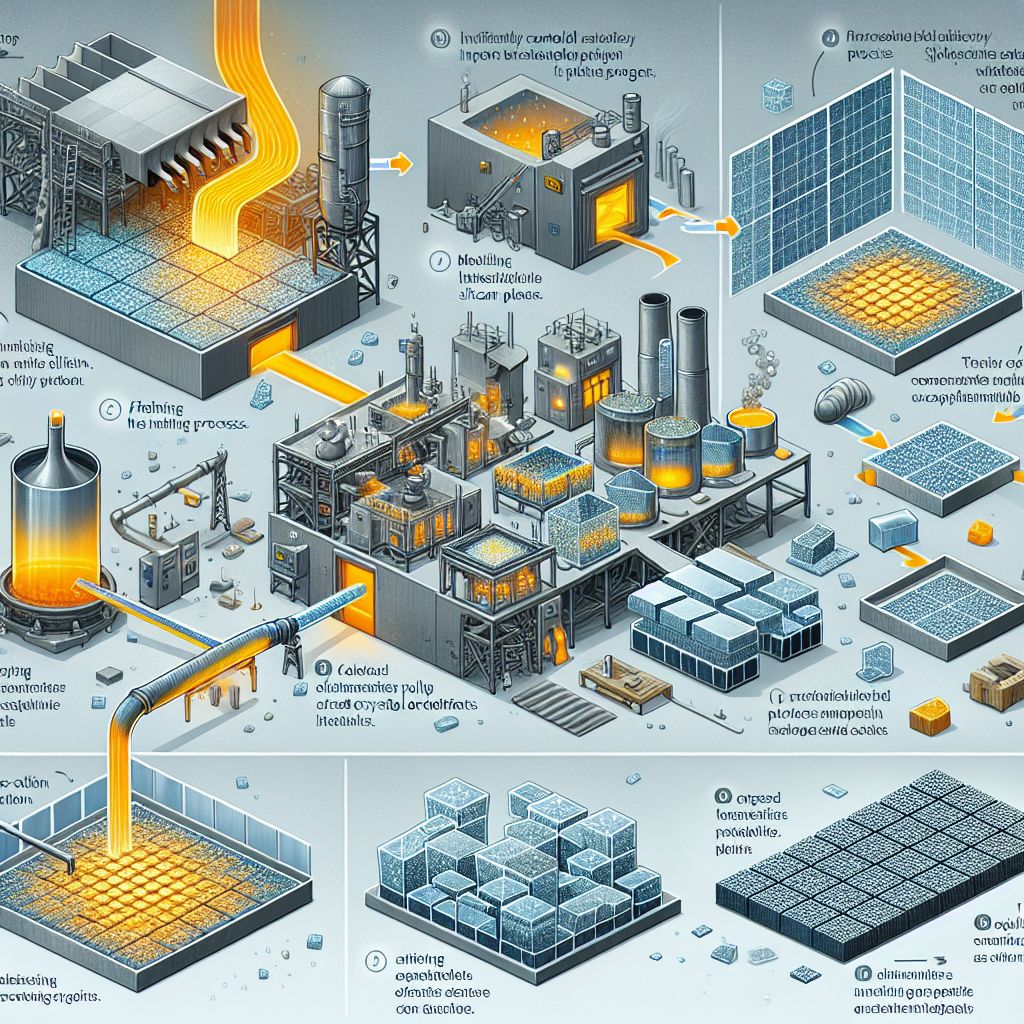
The manufacturing process of polycrystalline solar panels is what sets them apart in terms of cost and efficiency. Understanding this process helps us appreciate why these panels are a popular choice for many solar energy projects.
Melting and Casting Process
The journey begins with silicon fragments. These fragments are melted down in a furnace at extremely high temperatures. Once liquefied, the silicon is poured into square molds to create ingots. This method is less wasteful and more economical compared to the complex process used for monocrystalline panels.
Because the silicon doesn’t need to be as pure, the melting and casting process is faster and requires less energy. This efficiency in production is one reason why polycrystalline panels are more affordable.
Cooling and Solidification Techniques
After the silicon is cast into molds, the cooling process begins. It’s crucial that this process is controlled carefully to ensure the formation of solid silicon ingots. The cooling must be gradual to avoid any defects or stress within the silicon structure. For more insights on how solar technology functions, you can explore how solar panels work.
“Controlled cooling is essential to prevent defects and ensure the integrity of the silicon ingots used in polycrystalline panels.”
Once cooled, the ingots are sliced into thin wafers. These wafers are then treated to enhance their electrical conductivity, preparing them for assembly into solar cells.
The precise cooling and solidification techniques used in this stage are vital for the performance of the final product. They ensure that the silicon wafers have the necessary properties to efficiently convert sunlight into electricity.
Mosaic Pattern Formation
One of the most recognizable features of polycrystalline solar panels is their mosaic-like appearance. This pattern results from the multiple silicon crystals used in their construction. As the molten silicon cools, crystals form in various orientations, creating a unique texture and color.
This mosaic pattern is not just for aesthetics; it also plays a role in the panel’s efficiency. The boundaries between the crystals can slightly impede the flow of electricity, which is why polycrystalline panels are generally less efficient than their monocrystalline counterparts. However, the cost savings often make this trade-off worthwhile.
Advantages of Using Polycrystalline Panels
Despite their slightly lower efficiency, polycrystalline solar panels offer several advantages that make them an attractive option for many users. Let’s explore these benefits in more detail.
Polycrystalline panels are known for their balance between cost and performance, making them a popular choice for residential and commercial installations. They provide reliable energy output without the high price tag associated with other types of solar panels.
Cost-Effectiveness and Accessibility
One of the primary advantages of polycrystalline panels is their cost-effectiveness. The simpler manufacturing process and use of readily available materials result in lower production costs. This savings is passed on to consumers, making solar energy more accessible to a wider audience.
Durability and Longevity
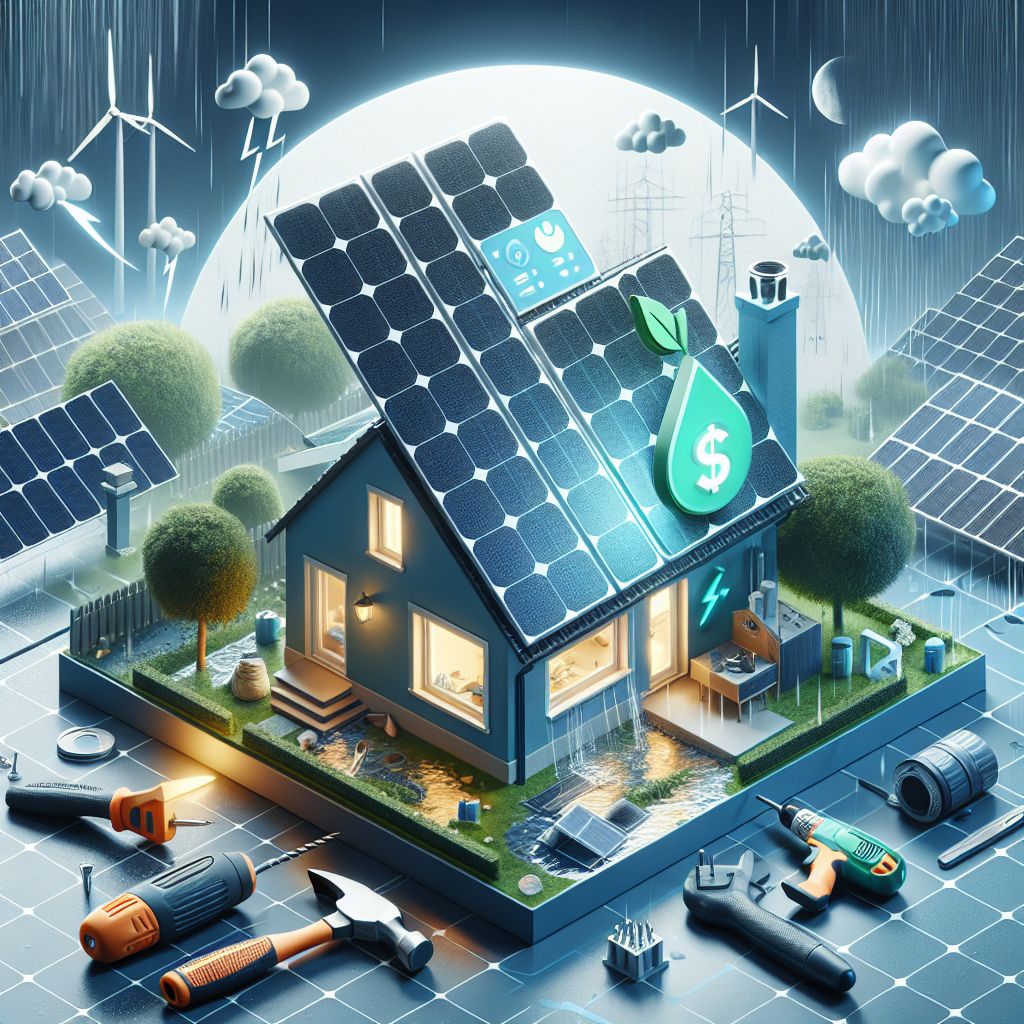
- Resistant to harsh weather conditions, including high winds and heavy rain.
- Tempered glass and sturdy aluminum frames enhance durability.
- Long lifespan with minimal maintenance required.
These panels are built to last, with many manufacturers offering warranties of 25 years or more. This longevity ensures a solid return on investment over time.
Besides their durability, polycrystalline panels are also easy to install and maintain. Their robust construction allows them to withstand various environmental challenges, providing consistent energy output for decades.
Because of their durability, polycrystalline panels are a reliable choice for long-term solar energy generation. They require minimal maintenance, which further reduces the overall cost of ownership.
Environmental Benefits
Polycrystalline solar panels offer significant environmental benefits. The manufacturing process uses less energy and generates fewer emissions compared to monocrystalline panels. This makes them a more sustainable choice for eco-conscious consumers.
Moreover, the materials used in polycrystalline panels, such as silicon, glass, and aluminum, are abundant and recyclable. This reduces the environmental impact of production and disposal, further enhancing their green credentials.
Therefore, choosing polycrystalline panels can contribute to reducing your carbon footprint and promoting sustainable energy practices. Their environmental benefits make them a compelling choice for those looking to minimize their impact on the planet.
Polycrystalline solar panels offer a balance of cost-effectiveness and performance, making them a popular choice for various solar installations. Here’s a table discussing the advantages and challenges of using polycrystalline panels:
|
Advantages |
Challenges |
|---|---|
|
Lower efficiency (13-17%) compared to monocrystalline panels. 3, 7 | |
|
Requires more space for installation due to lower efficiency. 3, 7 | |
|
Long lifespan (25-35 years). 7 |
Less aesthetically pleasing (blue, marbled appearance). 3, 7 |
|
Lower power output (typically 240-300W). 7 | |
|
Decent efficiency (13-17%). 7 | |
|
Better performance in low-light conditions. 1 |
Less uniform appearance due to multiple silicon crystals. 7 |
|
May face recycling challenges at end-of-life. 8 | |
|
Versatile for various installations. 7 |
Snow and ice accumulation can affect performance in cold climates. 2 |
|
Lower heat tolerance, maintaining output better in warm conditions. 4, 9 |
Potential material durability issues in harsh weather conditions. 2 |
Polycrystalline solar panels present a viable option for those seeking a balance between cost and performance, especially in areas with ample space and moderate climates. Their environmental benefits and improving technology make them an increasingly attractive choice for both residential and commercial solar installations. 1, 3, 7
Challenges with Polycrystalline Panels
While polycrystalline solar panels offer numerous advantages, they also come with some challenges. Understanding these limitations is crucial when deciding if they are the right choice for your solar energy needs.
One of the main challenges is their lower efficiency compared to monocrystalline panels. The presence of multiple silicon crystals can create boundaries that impede the flow of electricity, reducing overall performance.
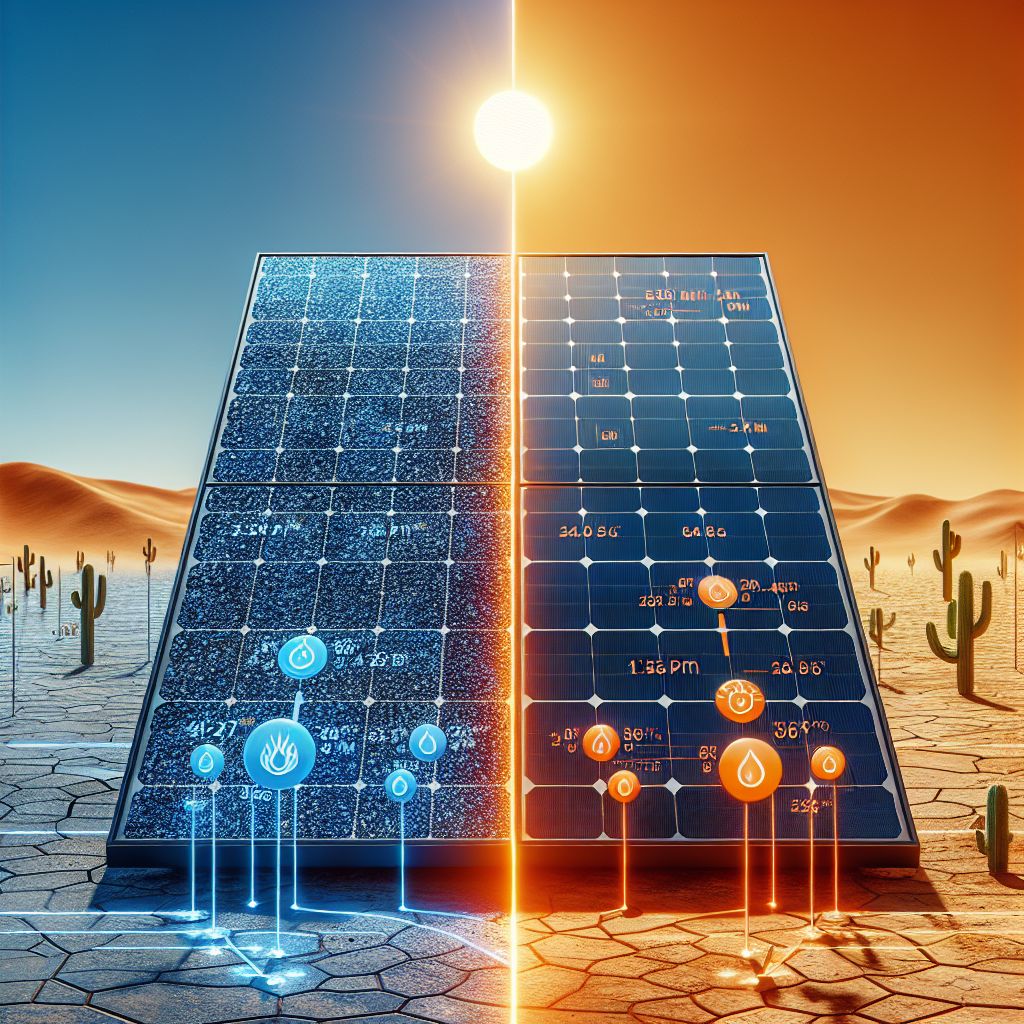
Additionally, polycrystalline panels can be sensitive to high temperatures. Their efficiency can decrease in extremely hot conditions, making them less suitable for some climates. However, proper installation and ventilation can mitigate this issue.
Despite these challenges, polycrystalline panels remain a popular choice due to their cost-effectiveness and environmental benefits. By weighing the pros and cons, you can determine if they are the best option for your solar energy project.
Lower Efficiency Compared to Alternatives
Polycrystalline solar panels, while cost-effective, generally have a lower efficiency compared to monocrystalline panels. This is primarily due to the presence of multiple silicon crystals, which create boundaries that can impede the flow of electricity. These boundaries reduce the overall energy conversion efficiency, meaning that polycrystalline panels typically require more space to produce the same amount of energy as their monocrystalline counterparts.
Sensitivity to High Temperatures
Another challenge with polycrystalline panels is their sensitivity to high temperatures. As the temperature rises, the efficiency of these panels can decrease, leading to reduced energy output. This is because the electrical resistance in the silicon increases with temperature, making it harder for the electrons to flow freely.
For installations in particularly hot climates, this can be a significant drawback. However, proper installation techniques, such as ensuring adequate ventilation and using reflective coatings, can help mitigate some of the temperature-related efficiency losses.
Aesthetic Considerations
The distinctive blue hue and speckled appearance of polycrystalline panels may not appeal to everyone. While some people appreciate their unique look, others prefer the sleek, uniform appearance of monocrystalline panels. When aesthetics are a priority, it’s essential to consider how the panels will look on your property and whether they align with your design preferences. For those interested in the broader applications of solar technology, exploring how solar panels work can provide valuable insights.
Conclusion: Choosing the Right Solar Panel
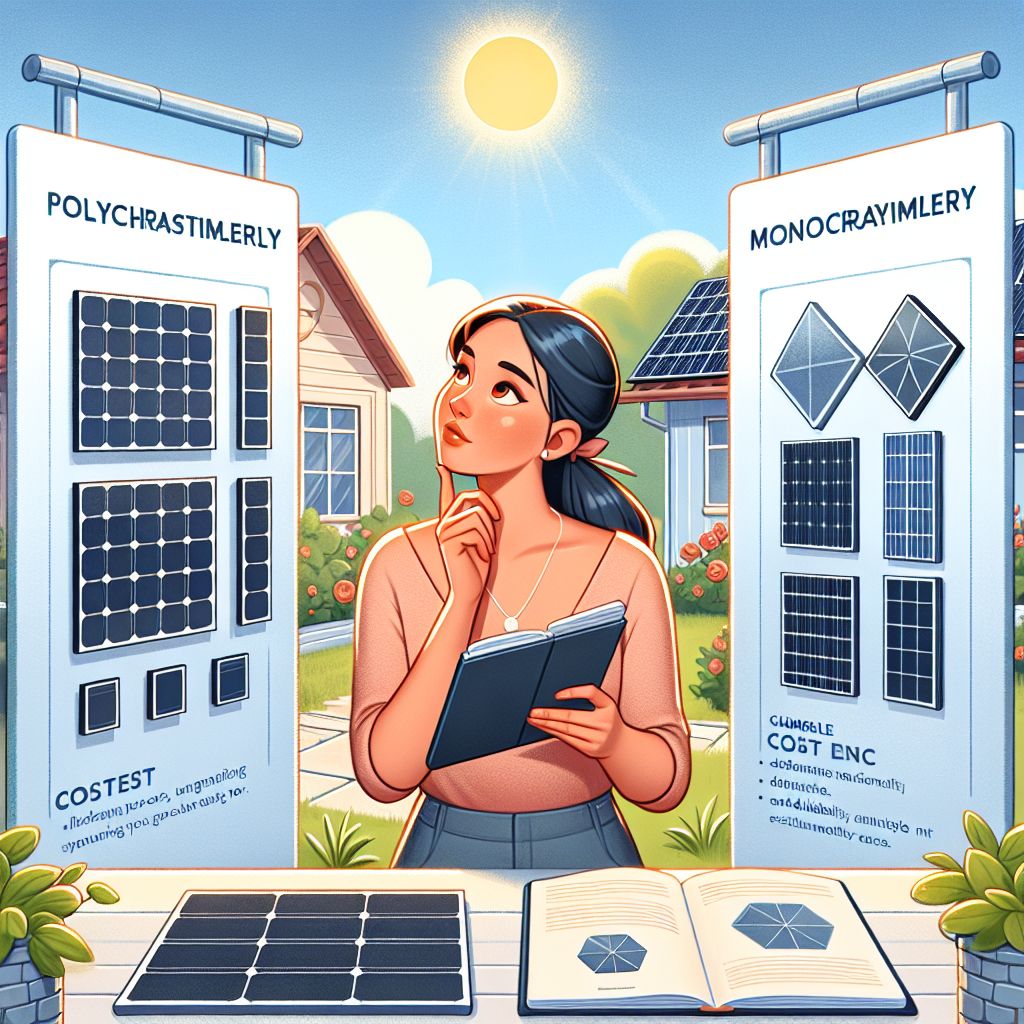
Choosing the right solar panel involves balancing several factors, including cost, efficiency, durability, and aesthetics. Polycrystalline panels offer a compelling mix of affordability and reliable performance, making them a popular choice for many solar energy projects. However, it’s crucial to weigh their benefits against their limitations to ensure they meet your specific needs. For more insights, explore how solar panels work and their efficiency benefits.
Balancing Cost and Efficiency
When cost is a significant consideration, polycrystalline panels provide an excellent option. Their lower price point makes them accessible to a wider range of consumers, allowing more people to take advantage of solar energy. While their efficiency is slightly lower than that of monocrystalline panels, the cost savings often make up for this difference. To understand more about how solar panels work and their benefits, further exploration can be insightful.
For those with ample space for installation, adding extra panels can compensate for the lower efficiency, ensuring you still meet your energy needs without exceeding your budget.
Environmental and Aesthetic Considerations
Polycrystalline panels are a more environmentally friendly option due to their less energy-intensive manufacturing process. They use lower-purity silicon, which reduces the carbon footprint of production. This makes them an attractive choice for environmentally conscious consumers looking to minimize their impact.
In terms of aesthetics, it’s essential to consider how the panels will integrate with your property’s overall look. If appearance is a priority, you might weigh the distinctive look of polycrystalline panels against other options.
“Choosing the right solar panel involves balancing cost, efficiency, durability, and aesthetics to meet your specific needs.”
Ultimately, the decision comes down to your priorities and circumstances. By considering the factors outlined in this article, you can make an informed choice that aligns with your goals and values. For more insights, explore our guide on solar panel efficiency and benefits.
Frequently Asked Questions
“Polycrystalline panels offer a balance of cost-effectiveness and reliable performance, making them a popular choice for many solar energy projects.”
Let’s address some common questions about polycrystalline solar panels to further clarify their features and benefits.
What are Polycrystalline Solar Panels Made Of?
Polycrystalline solar panels are made from multiple silicon crystals that are melted and cast into square molds. This process results in a panel with a mosaic-like appearance. The primary materials include silicon, glass, and aluminum, each playing a crucial role in the panel’s structure and function.
How Does the Manufacturing Process Affect Efficiency?
The manufacturing process of polycrystalline panels involves melting silicon fragments, which are less pure than the single crystals used in monocrystalline panels. This results in slightly lower efficiency due to the boundaries between crystals that impede electron flow. However, the simpler and less wasteful process makes polycrystalline panels more cost-effective.
Are Polycrystalline Solar Panels Suitable for Warm Climates?
Polycrystalline panels can be less efficient in high temperatures due to increased electrical resistance. However, with proper installation techniques, such as ensuring good ventilation and using reflective coatings, they can still perform effectively in warm climates.
What is the Lifespan of Polycrystalline Panels?
Polycrystalline solar panels are known for their durability, with many manufacturers offering warranties of 25 years or more. They are built to withstand harsh weather conditions, providing reliable energy output over their lifespan.
How Do I Choose Between Mono and Polycrystalline Panels?
- Consider your budget: Polycrystalline panels are more affordable.
- Evaluate space availability: Monocrystalline panels offer higher efficiency, requiring less space.
- Assess aesthetic preferences: Choose based on appearance if design is important.
- Think about climate: Consider temperature sensitivity if you live in a hot area.
- Weigh environmental impact: Polycrystalline panels have a lower carbon footprint.
By considering these factors, you can make an informed decision that best suits your needs and priorities. Whether you choose polycrystalline or monocrystalline panels, investing in solar energy is a step toward a more sustainable future.
Thank you for joining me on this exploration of polycrystalline solar panels. I hope this article has provided valuable insights and guidance as you navigate your renewable energy journey.
Remember, the key to successful solar energy adoption is understanding your options and making choices that align with your goals and values. With the right information, you can harness the power of the sun to create a brighter, more sustainable future. For example, learning about how solar panels work can provide valuable insights into their efficiency and benefits.




Leave a Reply