

Key Takeaways
- Solar-powered furrow irrigation systems can reduce farm operating costs by up to 90% compared to traditional electricity or diesel-powered systems
- These systems combine renewable energy with traditional furrow irrigation techniques, making them both environmentally sustainable and water-efficient
- Farmers using solar irrigation systems report increased self-sufficiency and resilience against power outages and fuel price fluctuations
- Installation costs can be offset by various government incentives, tax benefits, and grants available for renewable energy adoption in agriculture
- The technology is especially beneficial for farms in remote locations or areas with unreliable grid access, providing consistent water supply regardless of external infrastructure
Water flows gently down carefully carved channels between crop rows, powered entirely by the sun. This isn’t futuristic farming—it’s a practical reality transforming agricultural operations worldwide. Solar-powered furrow irrigation systems represent the perfect marriage between traditional agricultural techniques and cutting-edge renewable technology.
At Growing Solar, we’ve watched firsthand as this technology has revolutionized water management for farms of all sizes. By harnessing solar energy to power water pumps for traditional furrow irrigation, these systems offer an environmentally friendly and cost-effective solution to one of farming’s most resource-intensive activities. The integration of solar panels with conventional irrigation methods creates a sustainable approach that addresses multiple challenges facing modern agriculture.
Solar-powered furrow irrigation systems allow farmers to irrigate their crops using renewable energy, reducing dependence on fossil fuels while maintaining the proven efficiency of furrow irrigation. This technology represents a significant advancement in sustainable farming practices, offering benefits that extend beyond simple water delivery to impact the entire agricultural operation.
Why Traditional Irrigation Methods Are Becoming Unsustainable
Conventional irrigation systems, while effective at delivering water to crops, come with significant drawbacks that make them increasingly problematic in today’s agricultural landscape. These traditional methods often rely heavily on grid electricity or fossil fuels, creating financial and environmental challenges that can threaten farm viability in the long term.
Rising Energy Costs Hit Farmer Profits Hard
The cost of powering irrigation systems has become a major concern for farmers worldwide. Electricity rates continue to climb in many regions, with some agricultural areas seeing increases of 5-15% annually. Diesel-powered pumps offer no relief, as fuel prices fluctuate unpredictably and generally trend upward over time. For many farming operations, irrigation energy costs now represent 20-30% of operational expenses, directly impacting bottom-line profitability and making cost-effective alternatives increasingly essential.
- Electricity rates in agricultural zones have increased by an average of 8% annually in many regions
- Diesel fuel costs remain volatile, creating budget uncertainty for irrigation planning
- Remote farms face additional costs for power line extensions or fuel transport
- Peak-season energy demands often coincide with highest utility rate periods
- Generator maintenance adds another layer of expense to traditional systems
The economic pressure of these rising costs forces many farmers into difficult decisions about irrigation frequency and coverage, potentially compromising crop yield and quality. In drought-prone regions, this financial strain becomes even more acute, as reducing irrigation isn’t a viable option for maintaining production.
Water Scarcity Threatens Crop Production Worldwide
Water availability has emerged as one of the most critical challenges facing global agriculture. According to the United Nations, agricultural activities account for approximately 70% of global freshwater withdrawals, placing enormous pressure on this finite resource. Climate change has exacerbated this issue, creating unpredictable rainfall patterns and extended drought conditions in many agricultural regions. Traditional irrigation systems often contribute to the problem through inefficient water use, with significant losses from evaporation, runoff, and over-application.
Environmental Impact of Conventional Irrigation Systems
The environmental footprint of traditional irrigation extends well beyond water consumption. Conventional pumping systems powered by fossil fuels contribute significantly to greenhouse gas emissions, with diesel-powered irrigation being particularly problematic. A medium-sized farm using diesel pumps for irrigation can produce carbon emissions equivalent to dozens of passenger vehicles annually. Additionally, the electricity required for large-scale irrigation operations often comes from coal or natural gas power plants, further contributing to environmental degradation.
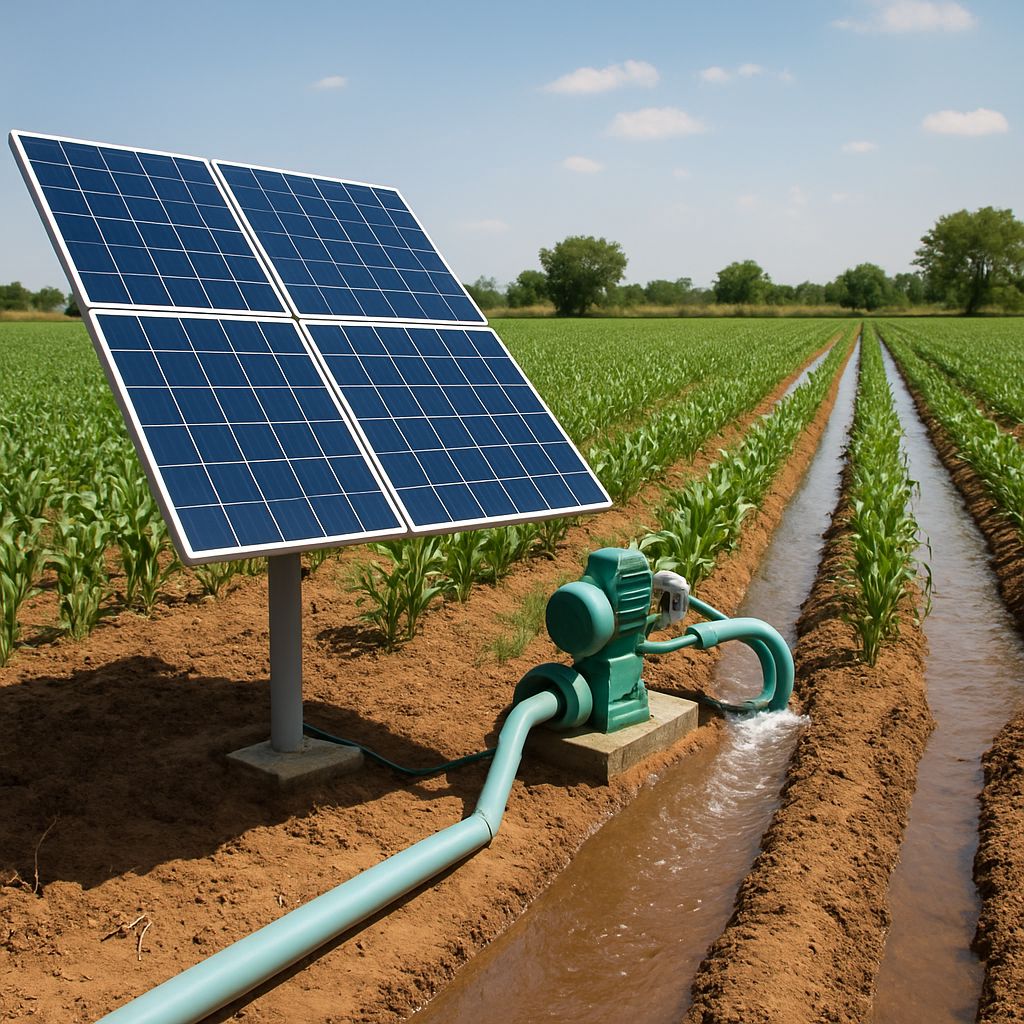
6 Major Benefits of Solar-Powered Furrow Irrigation
Solar-powered furrow irrigation systems offer a comprehensive solution to the challenges facing traditional irrigation methods. By combining renewable energy with proven water distribution techniques, these systems provide multiple advantages that benefit both farm operations and the broader environment. The integration of solar technology transforms conventional furrow irrigation from a resource-intensive necessity into a sustainable asset.
1. Significant Reduction in Operating Costs
Perhaps the most immediate benefit farmers notice when switching to solar-powered systems is the dramatic decrease in operating expenses. Once installed, solar irrigation systems run on free energy from the sun, eliminating the monthly utility bills or fuel costs associated with conventional pumping systems. Studies show that farmers can reduce irrigation energy expenses by 70-90% after transitioning to solar power. For a medium-sized operation, this can represent savings of thousands of dollars annually, significantly improving farm profitability and economic sustainability.
2. Independence from Grid Electricity
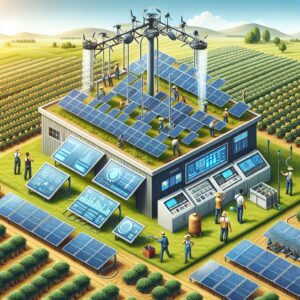
Solar-powered irrigation systems offer invaluable energy independence, particularly beneficial for farms in remote locations or areas with unreliable electrical infrastructure. By generating power on-site, these systems eliminate vulnerabilities to grid outages, service interruptions, or utility company policies that might otherwise disrupt critical irrigation schedules. This energy autonomy allows farmers to maintain consistent irrigation even during peak demand periods when conventional grid systems might face restrictions or higher rates. Discover how solar panels transform modern farming operations and ensure reliable power supply.
3. Environmental Sustainability and Reduced Carbon Footprint
Solar-powered irrigation systems significantly reduce the carbon footprint of agricultural operations. By replacing fossil fuel-powered pumps or grid electricity (often generated from coal or natural gas), solar systems can eliminate several tons of CO2 emissions annually per farm. This reduction contributes meaningfully to climate change mitigation while positioning farms as environmental stewards. Many consumers and distributors increasingly value sustainably produced crops, potentially opening premium markets for environmentally conscious farmers.
The environmental benefits extend beyond emissions reduction. Unlike diesel pumps that risk soil and water contamination from fuel spills, solar systems eliminate these hazards entirely. The clean operation of solar-powered systems preserves soil health and protects local water sources, creating a healthier overall farm ecosystem that benefits both current production and long-term land viability.
4. Water Conservation Through Optimized Distribution
Modern solar-powered furrow irrigation systems often incorporate advanced control mechanisms that optimize water use efficiency. Automated systems can be programmed to deliver precise water volumes at ideal times, reducing waste through evaporation or excessive application. Many systems include soil moisture sensors that trigger irrigation only when necessary, further conserving water resources. This precision approach can reduce water consumption by 15-30% compared to conventional furrow irrigation methods while maintaining or even improving crop yields.
The water conservation aspect becomes particularly valuable in regions facing drought conditions or water use restrictions. Farms with efficient irrigation systems often receive priority during water allocation decisions and may avoid the most stringent restrictions during shortage periods. This resilience factor provides important operational stability during challenging climate conditions.
5. Low Maintenance Requirements
Solar irrigation systems feature remarkably few moving parts compared to conventional alternatives, translating to reduced maintenance needs and fewer operational interruptions. Solar panels typically require only occasional cleaning to maintain efficiency, with most manufacturers guaranteeing performance for 25+ years. The elimination of fuel-dependent components removes common failure points like carburetors, fuel filters, and ignition systems that plague diesel pumps.
This maintenance simplicity proves especially valuable during peak growing seasons when irrigation reliability is critical and time for equipment repairs is scarce. Many farmers report significant reductions in system downtime after transitioning to solar power, with some experiencing near-zero unplanned interruptions during critical growing periods. The reduced maintenance burden also allows farm labor to be redirected toward more productive activities, improving overall operational efficiency.
6. Government Incentives and Tax Benefits
The financial case for solar-powered irrigation is further strengthened by numerous government programs designed to encourage renewable energy adoption. These incentives can significantly offset initial installation costs, improving project economics and accelerating return on investment. In the United States, the Rural Energy for America Program (REAP) offers grants covering up to 25% of project costs and loan guarantees for renewable energy systems. Additional federal investment tax credits can reduce costs by another 26%, with many states offering supplemental incentives like property tax exemptions or simplified permitting procedures.
International support programs exist in many agricultural regions, with organizations like the World Bank and regional development agencies offering specialized financing packages for agricultural solar projects. These programs often include technical assistance components alongside financial support, helping farmers optimize system design and maximize benefits. Taking full advantage of available incentives typically requires careful planning and documentation, but the potential savings justify the effort involved.
Core Components of an Effective Solar Irrigation System
A well-designed solar-powered furrow irrigation system consists of several integrated components working together to capture solar energy and convert it into effective water distribution. Understanding these components helps farmers evaluate system options and determine the best configuration for their specific needs. While system complexity varies based on farm requirements and budget considerations, certain fundamental elements remain consistent across implementations.
Solar Panel Array: Sizing for Your Farm’s Needs
The solar array serves as the power generation heart of the system, converting sunlight into usable electricity for pumping operations. Proper sizing of this array is critical—undersized systems won’t deliver adequate water, while oversized arrays represent unnecessary expense. Most agricultural systems utilize photovoltaic (PV) panels rated between 350-450 watts each, with array size determined by water requirements, pumping depth, and daily operation hours. A typical mid-sized vegetable operation might require a 5-10kW system, while larger farms with deep groundwater may need 20kW or more. For more information on how solar panels transform modern farming operations, consider exploring additional resources.
Panel mounting options include fixed ground mounts, pole mounts, or tracking systems that follow the sun’s movement throughout the day. Tracking systems capture up to 25% more energy but add mechanical complexity and cost. For most furrow irrigation applications, fixed ground-mounted systems positioned at the optimal angle for your latitude provide the best balance of performance, simplicity, and cost-effectiveness. Panel quality matters significantly—premium panels with longer warranties and better temperature performance characteristics justify their additional cost through improved long-term reliability and output.
Pumping Systems and Water Delivery Options
Solar-compatible pumps designed specifically for variable power input conditions form another critical system component. These pumps typically operate on direct current (DC) electricity produced by the solar panels, though alternating current (AC) pumps with inverters are also common in larger installations. Surface pumps work effectively for shallow water sources like ponds, streams, or shallow wells, while submersible pumps handle deeper groundwater extraction. System pressure requirements depend on field topography and furrow design, with most systems operating between 20-60 PSI for effective water distribution.
Water delivery infrastructure connects pumping capacity to field application through main lines, valves, and furrow inlets. High-density polyethylene (HDPE) piping offers excellent durability for main distribution lines, while gated pipes or siphon tubes provide controlled water delivery into individual furrows. Flow regulation becomes particularly important in solar systems where pumping capacity may vary throughout the day with changing sunlight conditions. Pressure-compensating gates or advanced zone control systems help maintain consistent water delivery despite fluctuating input power.
Battery Storage Solutions for Consistent Operation
Battery storage represents an optional but valuable component that extends system functionality beyond daylight hours and maintains consistent operation during cloudy periods. Lithium-ion batteries have become the preferred technology for agricultural applications, offering excellent cycle life, minimal maintenance, and compact installation. A properly sized battery bank can extend irrigation operations into evening hours when evaporation losses decrease, potentially improving water use efficiency by 10-15% compared to midday operation.
While batteries add significant cost to system installations, their benefits often justify the investment for farms with limited irrigation windows or critical crop periods requiring consistent water application. Some farmers adopt a hybrid approach, incorporating minimal battery storage sufficient to stabilize system operation during brief cloudy periods without attempting to achieve full night-time irrigation capability. This approach balances cost considerations with operational reliability, particularly in regions with generally reliable sunshine but occasional weather variability.
Control Systems for Automated Irrigation
Modern solar-powered furrow irrigation systems benefit tremendously from advanced control technologies that optimize both energy usage and water application. At the basic level, a controller manages pump operation based on available solar power, automatically adjusting flow rates to match energy availability. More sophisticated systems incorporate programmable logic controllers (PLCs) that integrate environmental data from multiple sources to create intelligent irrigation schedules.
Soil moisture sensors placed at strategic field locations provide real-time feedback on water needs, enabling precision irrigation that applies water only when and where needed. Weather monitoring stations can further refine operation by factoring in rainfall, temperature, humidity, and evapotranspiration rates. These smart controls not only conserve resources but also improve crop outcomes by maintaining optimal soil moisture conditions throughout the growing season.
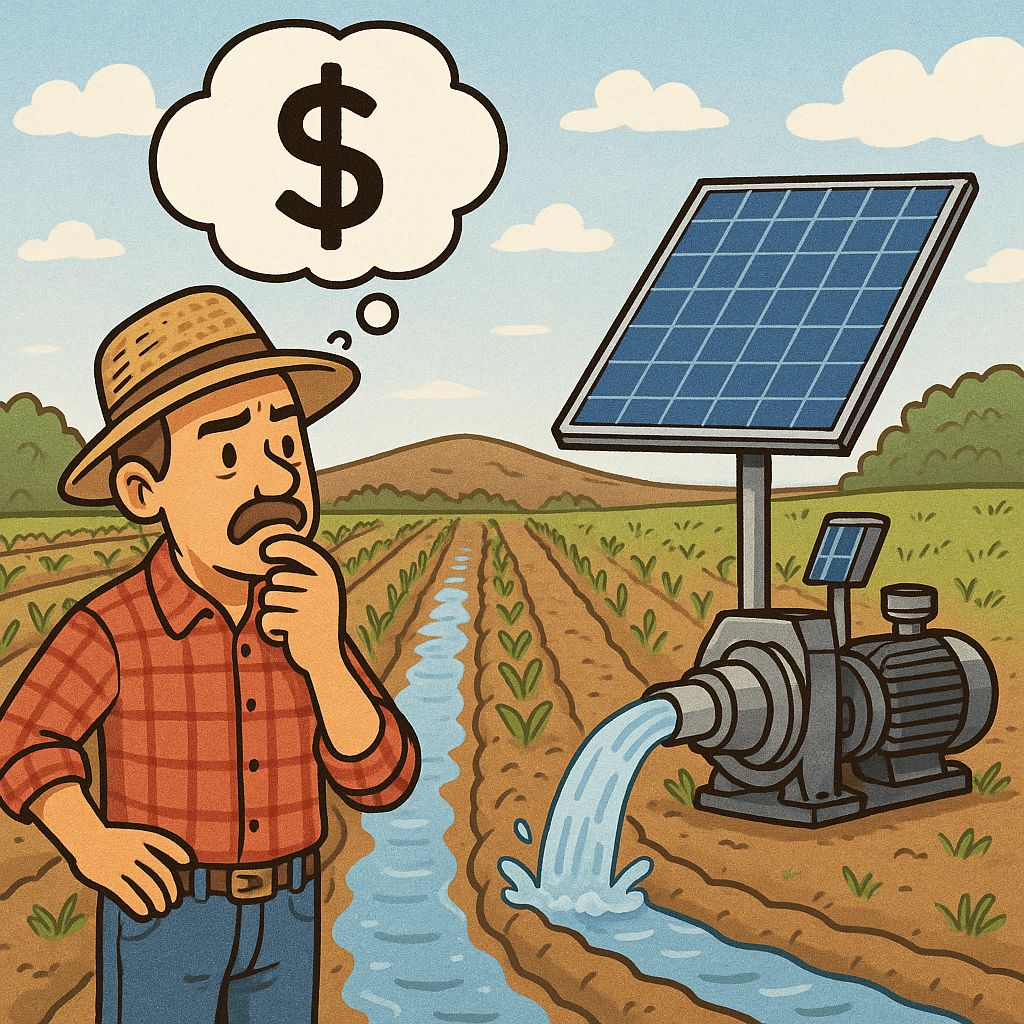
“Furrow Irrigation Solar Panels …” from growingsolarmist.com and used with no modifications.
Real Cost Analysis: Investment vs. Long-Term Savings
Understanding the financial implications of solar furrow irrigation requires examining both initial investment requirements and long-term operational benefits. While conventional systems typically have lower upfront costs, their lifetime expenses often exceed solar alternatives when considering energy, maintenance, and replacement costs over a 20+ year operational lifespan.
Initial Setup Costs Breakdown
The upfront investment for a complete solar-powered furrow irrigation system typically ranges from $7,000-$15,000 per acre for small to medium installations, with economies of scale reducing per-acre costs for larger operations. This investment covers solar panels, mounting structures, pumping equipment, controllers, and basic water distribution infrastructure. The solar array itself represents approximately 40-50% of system cost, with pumping equipment accounting for another 20-30%, and remaining expenses divided among controllers, installation labor, and distribution components.
These initial costs can be significantly offset through available incentive programs, potentially reducing net investment by 30-50% depending on location and specific program availability. When comparing costs with traditional alternatives, it’s important to include infrastructure expenses like power line extensions or fuel storage facilities that may be required for conventional systems but eliminated with solar options.
Return on Investment Timeline
Most solar irrigation systems achieve positive return on investment within 3-7 years, depending on previous energy costs, system size, available incentives, and local solar conditions. Farms previously using diesel generators or paying high electricity rates typically experience faster payback periods, sometimes as short as 2-3 years when all incentives are applied. After this initial payback period, the system continues producing nearly free irrigation energy for decades, creating substantial long-term operational savings.
Case Study: Rodriguez Family Farm (California Central Valley)
Previous annual irrigation energy cost: $14,800
Solar system investment: $68,000
Incentives received: $29,500
Net investment: $38,500
Annual maintenance cost: $450
Payback period: 2.7 years
20-year savings: $246,500
Financial analysis should include not only direct energy savings but also indirect benefits like reduced maintenance downtime, extended equipment lifespan, and potential crop yield improvements from more consistent irrigation. Many farmers also report qualitative benefits like reduced stress during peak water demand periods and improved farm resilience during energy supply disruptions, which, while difficult to quantify, represent real operational advantages.
Maintenance Expenses You Should Budget For
While solar systems require significantly less maintenance than conventional alternatives, proper budgeting for ongoing care ensures optimal performance throughout system life. Annual maintenance costs typically run 0.5-1% of initial system cost, primarily covering periodic panel cleaning, pump servicing, and control system updates. Panel cleaning requirements vary by location—dusty or pollen-rich environments may require monthly cleaning during growing seasons, while other locations might need only quarterly attention.
Most system components carry warranties between 5-25 years, with solar panels typically warranting 25-year performance guarantees with minimal degradation. Pump replacement represents the most significant recurring expense, with most solar-specific pumps lasting 7-10 years before requiring rebuilding or replacement. Setting aside approximately $1,000-$1,500 annually for a mid-sized system (10-15 acres) generally provides adequate reserves for both routine maintenance and eventual component replacement.
Is Solar Furrow Irrigation Right for Your Farm?
While solar-powered furrow irrigation offers numerous advantages, determining its suitability for a specific farm requires careful evaluation of several key factors. The technology works exceptionally well in many agricultural contexts but isn’t universally ideal for all operations. Understanding how farm characteristics interact with system requirements helps farmers make informed implementation decisions.
Farm Size Compatibility Assessment
Solar-powered furrow irrigation systems can be designed for farms of virtually any size, though economic efficiencies vary with scale. Small operations (1-10 acres) typically experience higher per-acre costs but may still achieve attractive returns if replacing particularly expensive energy sources like transported diesel fuel. Medium-sized farms (10-100 acres) often represent the economic sweet spot for solar irrigation, achieving excellent economies of scale while remaining manageable for modular implementation.
Larger operations (100+ acres) generally implement solar irrigation in phases or zones, allowing targeted deployment for areas with highest energy costs or critical crop values. These phased approaches spread investment requirements over multiple seasons while providing immediate benefits in high-priority areas. Field layout also influences system suitability—farms with consolidated fields generally achieve more efficient solar implementations than those with widely dispersed growing areas requiring multiple pumping stations.
Climate and Geographic Suitability Factors
Solar radiation availability represents the most obvious climatic factor affecting system viability, with locations receiving 4+ peak sun hours daily generally achieving excellent performance. However, even regions with moderate solar resources can implement successful systems through appropriate sizing adjustments. Seasonal solar patterns must align reasonably well with irrigation needs—northern locations with peak sun availability during summer growing seasons often perform exceptionally well despite lower annual averages than some tropical regions where cloud cover may coincide with peak growing periods.
Crop Types That Benefit Most
While solar furrow irrigation can support virtually any crop traditionally grown using furrow methods, certain varieties demonstrate particular compatibility advantages. Row crops like corn, cotton, soybeans, and vegetables with moderate water requirements and defined growing seasons match well with solar production patterns. Crops requiring precise irrigation timing or having particularly high-value during specific growth stages benefit from the reliability and operational control solar systems provide. Additionally, drought-sensitive crops with significant yield response to irrigation consistency often show improved performance under solar systems due to the elimination of power-related irrigation disruptions.
Success Stories: Farmers Thriving with Solar-Powered Furrow Irrigation
The real-world impact of solar-powered furrow irrigation is best illustrated through the experiences of farmers who have successfully implemented these systems. Maria Gonzalez, a vegetable farmer in Arizona’s Sonoran Desert, reduced irrigation energy costs by 92% after installing a 15kW solar system to power her 20-acre operation. Beyond the financial savings, Maria reports that “the consistency of our irrigation timing has improved crop quality significantly, especially for our specialty peppers that command premium prices.” Similarly, the Wilson family farm in Nebraska implemented solar furrow irrigation for their corn rotation and documented a 22% yield increase attributed to more frequent irrigation cycles made economically viable through solar power. In drought-prone regions of India, community-based solar irrigation projects have transformed agricultural productivity, with participating farmers reporting income increases of 30-45% through improved crop reliability and reduced production costs.

Take the Next Step: Planning Your Transition to Solar-Powered Furrow Irrigation System
Transitioning to solar-powered furrow irrigation begins with a comprehensive assessment of your farm’s specific needs and conditions. Start by documenting current irrigation patterns, energy costs, and water requirements throughout your growing season. Collect at least 12 months of energy bills to establish accurate baseline costs and consult solar insolation maps or online calculators to determine average sun hours for your location. Consider engaging a qualified agricultural solar installer for a preliminary site assessment—most reputable companies offer this service at minimal or no cost. They can provide system size recommendations, cost estimates, and guidance on available incentives specific to your region. Many agricultural extension offices also offer resources for renewable energy planning, sometimes including grant assistance for system design work. With this preparation completed, you’ll be well-positioned to make an informed decision about implementing this sustainable irrigation solution for your operation.
Frequently Asked Questions
As farmers consider transitioning to solar-powered furrow irrigation, several common questions arise regarding system performance, maintenance, and economics. Here are answers to the most frequently asked questions about this technology.
How long does a solar-powered furrow irrigation system typically last?
A properly designed and maintained solar irrigation system has an exceptional operational lifespan. The solar panels themselves typically carry 25-year performance warranties but often continue functioning effectively for 30+ years with only minimal output degradation (typically 0.5-0.7% annually). This significantly exceeds the 7-10 year average lifespan of diesel pumping systems or the 15-year typical replacement cycle for grid-connected electric pumps. For more insights on how solar panels transform modern farming operations, explore this article.
System components have varying replacement schedules, with pumps typically requiring rebuilding or replacement after 7-10 years of operation, controllers lasting 10-15 years, and mounting structures maintaining integrity for 25+ years when properly installed. With appropriate maintenance and component replacement, the overall system infrastructure can continue operating effectively for decades, providing exceptional long-term value compared to conventional alternatives.
Can solar irrigation systems work during cloudy days or winter months?
Solar irrigation systems continue functioning during cloudy conditions, though typically at reduced capacity proportional to available sunlight. Modern controllers automatically adjust pump operation to match available power, maintaining irrigation functionality even when solar conditions aren’t optimal. For operations requiring full capacity during cloudy periods, battery storage or hybrid systems incorporating backup power sources provide operational consistency regardless of weather conditions. In winter months, reduced sunlight coincides with lower irrigation requirements for most crops, creating a natural alignment between resource availability and demand in many agricultural settings.
What maintenance does a solar furrow irrigation system require?
Maintenance requirements for solar irrigation systems are remarkably minimal compared to conventional alternatives. Regular panel cleaning represents the most consistent maintenance task, with frequency varying from monthly to quarterly depending on local dust conditions and rainfall patterns. Simple inspection of electrical connections, mounting hardware, and pump operation should be conducted seasonally, typically requiring less than two hours per inspection. Pump maintenance follows standard agricultural pump schedules, though many solar-specific pumps feature brushless designs with extended service intervals. Most system components are designed for outdoor agricultural environments, with robust protection against dust, moisture, and temperature extremes minimizing weather-related maintenance concerns.
Are there financing options available for installing solar irrigation systems?
Numerous financing pathways exist specifically for agricultural solar projects, making these systems accessible even for farms with limited capital reserves. Traditional agricultural lenders increasingly offer specialized loan products for renewable energy infrastructure, often featuring extended terms that align payments with expected energy savings. Equipment leasing programs provide another approach, with some structures allowing lease payments derived directly from energy savings. For qualified projects, USDA’s Rural Energy for America Program (REAP) offers both grants and loan guarantees, while many states operate additional agricultural energy financing programs with favorable terms. Some solar providers also offer Power Purchase Agreements (PPAs) for larger systems, installing and maintaining equipment while selling the generated power to the farm at rates below grid electricity costs.
How does furrow irrigation compare to drip irrigation when powered by solar?
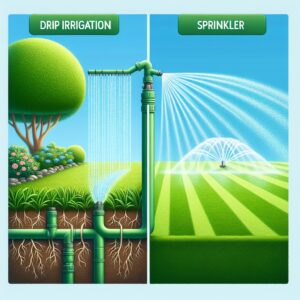
Both furrow and drip irrigation systems can be effectively powered by solar energy, with the choice between methods depending more on crop requirements, soil conditions, and water availability than energy considerations. Furrow irrigation typically requires more water volume but less filtration and pressure than drip systems, generally translating to lower energy requirements per acre irrigated. This often allows furrow systems to irrigate larger areas with equivalent solar capacity. Drip irrigation achieves higher water use efficiency but requires more sophisticated filtration and consistent pressure maintenance, sometimes necessitating additional battery storage to maintain consistent operation. Many farms implement hybrid approaches, using solar-powered furrow irrigation for field crops while deploying drip systems for high-value specialty crops where precise water application justifies the additional infrastructure investment.
Solar-powered irrigation represents one of the most practical and immediately beneficial renewable energy applications available to modern farmers. By combining proven furrow irrigation techniques with clean solar energy, these systems address multiple agricultural challenges simultaneously—reducing costs, improving sustainability, and enhancing operational independence. As climate variability and resource constraints continue challenging traditional farming approaches, technologies that improve both economic and environmental performance become increasingly essential.
At Growing Solar, we’re dedicated to helping farmers implement sustainable irrigation solutions tailored to their specific operational needs. Contact our agricultural specialists today to explore how solar-powered furrow irrigation can transform your farm’s water management approach while reducing operating costs for decades to come.

Leave a Reply