
Key Takeaways
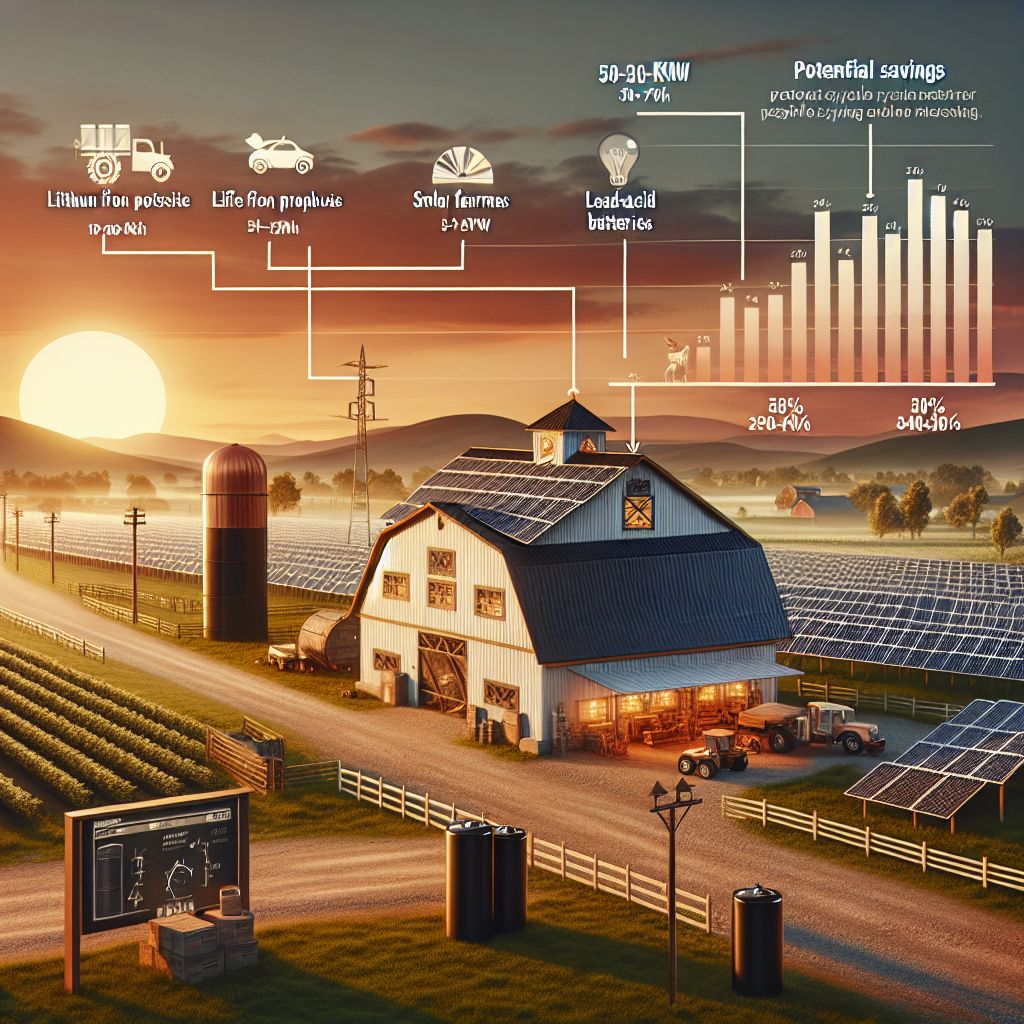
- Lithium Iron Phosphate (LiFePO4) batteries are the best overall choice for most farms, offering excellent longevity and performance in varying temperatures.
- Battery capacity requirements vary significantly based on farm size, with small farms needing 10-20kWh and large operations often requiring 50+ kWh systems.
- Lead-acid batteries provide a budget-friendly entry point but have shorter lifespans and higher maintenance needs than lithium-based alternatives.
- Solar battery storage systems can reduce farm operating costs by 30-70% depending on implementation and usage patterns.
- Proper system sizing and placement are critical factors that can make or break the success of an agricultural solar battery installation.
Farmers face unique energy challenges that make selecting the right solar battery storage solution critical for operational success. With rising energy costs and increasing climate unpredictability, investing in the right battery technology can dramatically improve a farm’s resilience and bottom line. Solar Emporium has been working with agricultural communities to implement sustainable energy solutions that address these specific challenges, providing power independence even in remote locations.
Why Farmers Need Reliable Solar Battery Storage
Agricultural operations experience energy demands unlike most other businesses. Power needs fluctuate dramatically with seasonal activities, weather patterns, and daily operations that range from irrigation pumping to cold storage. Without reliable storage, solar panels alone leave farms vulnerable during cloudy periods or at night when production stops but critical systems must continue running.
Energy independence becomes particularly crucial during extreme weather events when grid connections may fail. For livestock operations, even brief power outages can threaten animal welfare through ventilation system failures or temperature control issues. Battery storage provides the critical backup that keeps essential systems running without interruption.
- Reduces dependency on fluctuating utility rates that can devastate farm budgets
- Enables irrigation scheduling during optimal growing periods regardless of grid availability
- Provides power resilience during harvest seasons when electrical demand peaks
- Allows for strategic energy use during peak rate periods, dramatically reducing costs
- Creates energy self-sufficiency for remote operations where grid connections are unreliable or unavailable
The financial advantages of properly implemented solar battery systems extend beyond simple utility savings. Many farmers report being able to take advantage of time-of-use billing structures, storing energy during low-cost periods and using battery power during expensive peak hours. This load-shifting capability often results in faster return on investment than solar panels alone. For more insights on this, check out this article on solar battery storage investment for farmers.
Top Battery Options for Farm Solar Systems
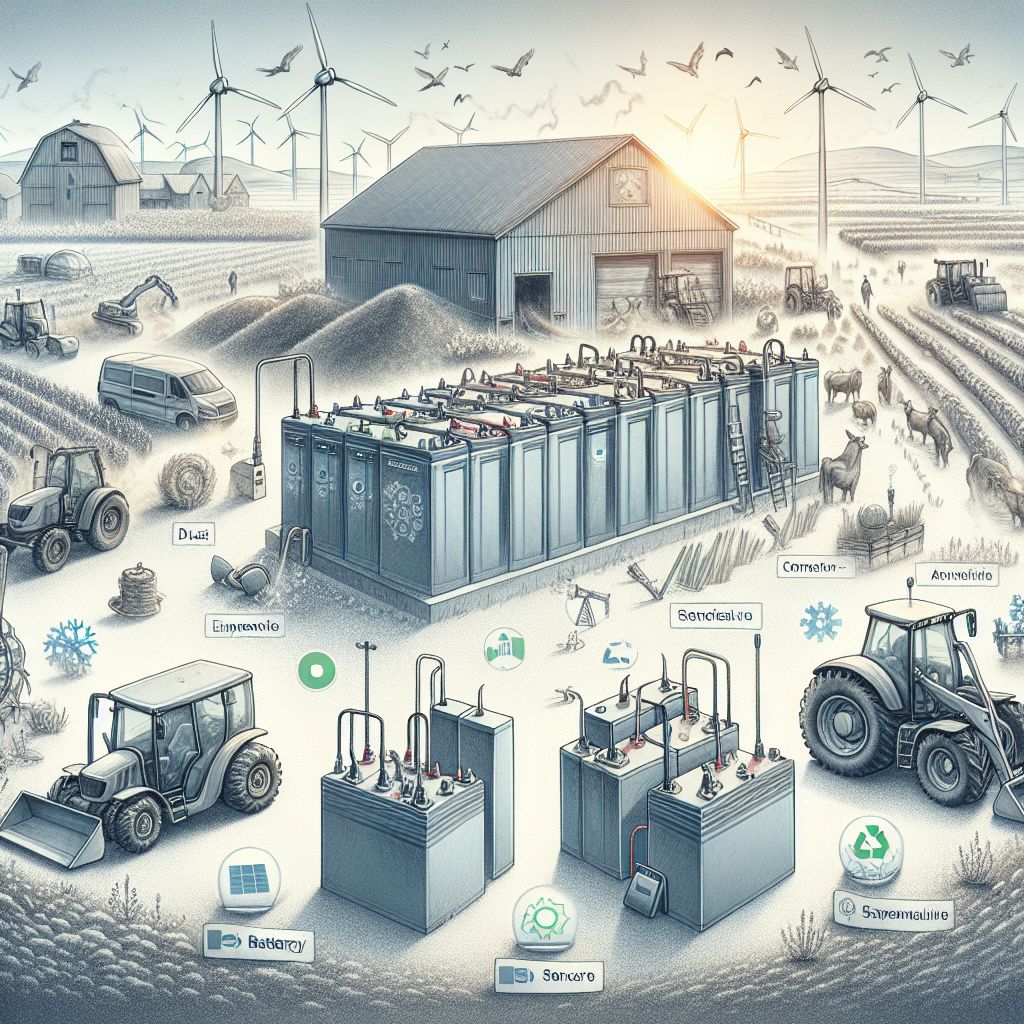
Not all battery technologies are created equal when it comes to agricultural applications. Farm environments present unique challenges including dust exposure, temperature fluctuations, and variable load demands that can stress battery systems. The right choice depends on your specific farm needs, budget constraints, and long-term energy goals.
Lithium-Ion Batteries: The Premium Choice
Lithium-ion technology has revolutionized energy storage for agricultural applications. These batteries offer exceptional depth of discharge, typically allowing farmers to use 80-100% of their rated capacity compared to just 50% for traditional options. This effectively means you need to purchase less overall capacity to meet your needs.
The superior cycle life of lithium-ion batteries makes them particularly valuable for daily farm use patterns. While the upfront investment is higher, most lithium-ion batteries can handle 3,000-5,000 complete charge/discharge cycles before significant degradation. For a system used daily, this translates to 8-13 years of reliable service – often doubling the usable lifespan of alternative technologies.
Another significant advantage is their minimal maintenance requirements. Unlike flooded lead-acid batteries that require regular water additions and ventilated housing, lithium-ion systems can be installed and largely forgotten, allowing farmers to focus on agricultural operations rather than battery maintenance.
Lithium-Ion Battery Quick Facts:
• Typical Lifespan: 10-15 years
• Depth of Discharge: 80-100%
• Efficiency Rating: 90-95%
• Maintenance Requirements: Very Low
• Best Use Case: Daily cycling applications with higher power demands
• Temperature Tolerance: Moderate to good (varies by specific chemistry)
Lead-Acid Batteries: Budget-Friendly but Limited
For farmers with tight initial budgets, lead-acid batteries remain a viable entry point into solar storage. Available in flooded (requiring maintenance) and sealed/AGM varieties (maintenance-free but more expensive), these traditional batteries come at roughly one-third to one-half the upfront cost of lithium alternatives. This accessibility makes them appropriate for small-scale or pilot solar projects where minimizing initial investment is critical. For more information on whether solar battery storage is a good investment for farmers, check out this article.
However, the lower cost comes with significant trade-offs in performance and longevity. Lead-acid batteries typically last 500-1,000 cycles and deteriorate more quickly in high-temperature environments common in many agricultural settings. The limited depth of discharge (typically 50%) means you’ll need to purchase approximately twice the rated capacity compared to lithium options to deliver the same usable energy.
Flow Batteries: Ideal for Large-Scale Operations
Flow batteries represent an emerging technology that’s gaining traction for extensive agricultural operations with substantial power requirements. Unlike conventional batteries, flow batteries store energy in liquid electrolyte solutions contained in separate tanks. This unique design allows for virtually unlimited scaling by simply increasing tank size, making them particularly well-suited for large farms requiring extended duration storage.
Their exceptional cycle life sets them apart from other options on the market. Many flow batteries can endure 20,000+ cycles with minimal degradation, potentially offering decades of service under proper maintenance. For operations planning long-term renewable energy investments, this extended longevity can significantly reduce lifetime energy costs despite higher initial investment.
While their efficiency (70-80%) lags behind lithium-ion options, flow batteries excel in applications requiring many hours of continuous power. They also present minimal fire risk and operate effectively across a wide temperature range without active cooling systems, simplifying installation in various farm environments.
Saltwater Batteries: The Eco-Friendly Alternative
Environmentally conscious farmers are increasingly considering saltwater (sodium-ion) batteries as a sustainable storage solution. These batteries utilize non-toxic saltwater electrolytes instead of the potentially hazardous materials found in other battery chemistries. Their inherently non-flammable nature eliminates fire risks that can be particularly concerning in dry agricultural settings or near combustible materials like hay storage.
The technology offers moderate performance characteristics with cycle life typically ranging from 2,000-3,000 cycles and depth of discharge around 80%. While not matching the peak performance of lithium-ion systems, saltwater batteries present a balance of sustainability, safety, and reasonable performance that aligns well with agricultural values of environmental stewardship.
|
Battery Type |
Pros |
Cons |
Typical Lifespan |
Maintenance |
Cost |
Suitability for Farms |
|---|---|---|---|---|---|---|
|
Lithium-Ion |
– High energy density |
– High upfront cost |
10+ years |
Low |
High ($10k–$30k+) | |
|
Lead-Acid |
– Low upfront cost |
– Shorter lifespan (~5 years) |
~5 years |
High (flooded), Low (sealed) |
Low ($5k–$15k) |
Good for budget or occasional backup, less ideal for daily use 6, 8, 10 |
|
Flow |
– 100% depth of discharge |
– Bulky (low energy density) |
~30 years |
None |
High |
Best for large-scale, space-rich farms; limited for small farms 10 |
|
Saltwater |
– Non-toxic, environmentally friendly |
– Lower energy density |
Longer than lead-acid |
None |
Moderate |
Good for eco-conscious farms, moderate backup needs 9 |
Summary of Key Considerations:
- Lithium-Ion: Best overall performance, long life, low maintenance, but high upfront cost. Ideal for farms needing reliable, space-efficient daily backup. 1, 6, 8
- Lead-Acid: Affordable and proven, but bulkier, shorter-lived, and higher maintenance (unless sealed). Good for budget-conscious or occasional-use scenarios. 6, 8, 10
- Flow Batteries: Offer exceptional lifespan and safety, but are bulky and expensive, making them better suited for large farms with ample space and high storage needs. 10
- Saltwater: Eco-friendly and maintenance-free, with moderate cost and lifespan. Suitable for those prioritizing environmental impact and safety. 9
Farmers should weigh cost, space, maintenance, and environmental priorities when selecting a battery backup for solar systems.
How to Choose the Right Solar Battery for Your Farm
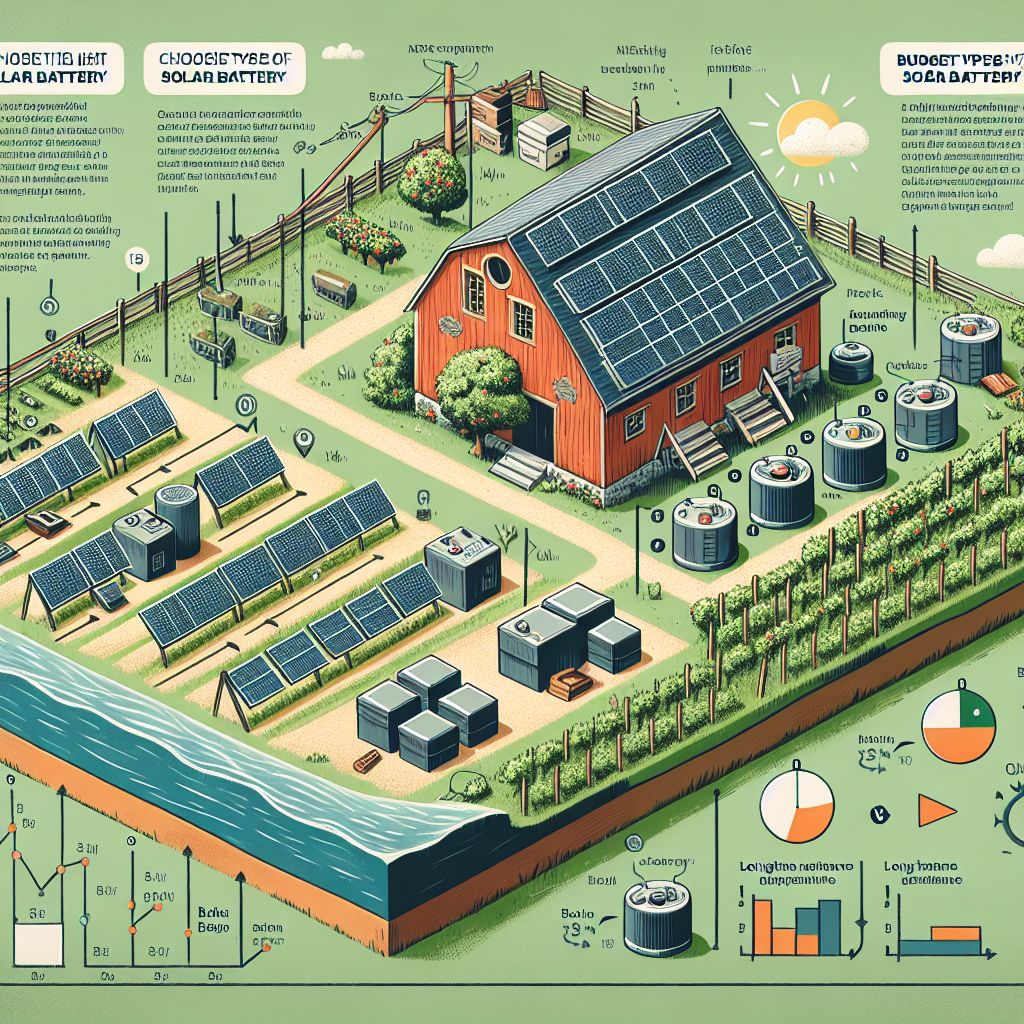
Selecting the optimal battery solution requires a methodical approach tailored to your specific agricultural operation. The right choice balances immediate budgetary constraints against long-term performance needs, ensuring your investment delivers maximum value throughout its lifespan.
Assess Your Daily Power Requirements
Begin by conducting a comprehensive energy audit of your farm operations. Document all electrical equipment—from irrigation pumps and ventilation systems to refrigeration units and processing machinery—noting both their power consumption (watts) and daily run times. Don’t forget seasonal equipment that may operate intensively during specific periods. This baseline calculation provides the foundation for accurately sizing your battery system.
Pay particular attention to critical loads that must remain operational during power outages. These essential systems should determine your minimum battery capacity requirements. Remember that battery systems experience efficiency losses during charging and discharging, so add a 15-20% buffer to your calculated needs to ensure adequate coverage.
Consider Weather Conditions and Seasonal Demands
Agricultural operations face unique seasonal challenges that significantly impact solar production and energy consumption patterns. During planting and harvest seasons, power demands typically spike while available daylight for solar generation varies throughout the year. Your battery system must be sized to accommodate these seasonal variations.
Local weather patterns play a crucial role in system design. Farms in regions with frequent cloudy periods may require larger battery capacities to bridge extended periods of limited solar production. Similarly, extreme temperature regions need battery chemistries that can withstand these conditions without significant performance degradation or requiring costly climate control systems.
Some agricultural businesses experience dramatic seasonal shifts in energy usage—cooling requirements during summer months or heating needs during winter. Your battery selection should accommodate your highest demand season while remaining economically feasible.
Evaluate Battery Lifespan and Warranty
Farm investments demand durability, and battery systems are no exception. When evaluating lifespan, look beyond simple year specifications to cycle life ratings that reflect how many complete charge/discharge cycles the battery can endure before significant capacity loss. This metric provides a more accurate representation of expected service life under actual farm usage patterns.
Warranty terms reveal manufacturer confidence in their products. Premium batteries typically offer 10-year warranties with performance guarantees ensuring the battery will maintain a specified percentage of its original capacity throughout the warranty period. These guarantees provide valuable protection for your investment and should be carefully evaluated alongside initial purchase price.
Calculate Total Cost of Ownership
Initial purchase price represents only one component of your battery investment. A true cost analysis must incorporate lifespan, efficiency, maintenance requirements, and eventual replacement costs. Divide the total system cost by expected lifetime energy throughput (kWh) to determine your true cost per kilowatt-hour stored.
Consider maintenance requirements and their associated expenses over the system’s lifetime. Lead-acid batteries typically demand regular maintenance including water additions, terminal cleaning, and more frequent replacements. While lithium-based systems command premium upfront pricing, their extended lifespan and minimal maintenance requirements often result in lower lifetime costs, particularly for daily-use agricultural applications.
Don’t overlook system integration costs like specialized enclosures, temperature management systems, or specific inverter requirements that vary between battery chemistries. These seemingly minor expenses can significantly impact overall project economics and should factor into your decision-making process.
Check Compatibility with Existing Systems
If you’re adding battery storage to an existing solar installation, compatibility becomes a critical concern. Certain battery systems may require specific inverter types or additional components to integrate properly. Engaging with a qualified agricultural energy consultant can help identify the most compatible options for your current setup, potentially saving thousands in unnecessary equipment purchases.
Voltage compatibility is particularly important when connecting batteries to solar panels or existing electrical systems. Mismatched voltage systems can lead to efficiency losses, equipment damage, or even safety hazards. Always verify that your chosen battery technology can interface correctly with your current or planned solar array specifications.
Farm electrical systems often evolve over time with additional equipment or expanded operations. Choose battery systems that offer modular expansion capabilities, allowing you to incrementally increase capacity as your energy needs grow without replacing the entire system.

Lithium Iron Phosphate: The Best Overall Battery for Most Farms
Among the various lithium-ion technologies available, Lithium Iron Phosphate (LiFePO4) batteries consistently prove to be the most advantageous option for agricultural applications. Their robust chemistry provides an ideal balance of performance, safety, and longevity that aligns perfectly with farm operating conditions.
Exceptional Cycle Life for Daily Farm Use
LiFePO4 batteries typically deliver 3,000-7,000 cycles at 80% depth of discharge, significantly outperforming other common battery types. This extended cycle life makes them particularly valuable for agricultural settings where daily charging and discharging is the norm. For most farms, this translates to 10+ years of reliable operation before replacement becomes necessary.
The technology maintains consistent performance throughout its lifespan, without the dramatic capacity degradation seen in other battery chemistries. This predictable performance allows for more accurate long-term energy planning and consistent operation of critical farm equipment.
Superior Performance in Extreme Temperatures
Agricultural environments often subject equipment to temperature extremes that challenge conventional battery systems. LiFePO4 technology excels in this regard, functioning effectively across a broader temperature range (-4°F to 140°F) than most alternatives. This temperature tolerance eliminates the need for expensive climate control systems in many installations, reducing both initial investment and ongoing operating costs.
The chemistry’s inherent stability also provides superior safety characteristics, with minimal risk of thermal runaway even under adverse conditions. This safety profile makes LiFePO4 batteries particularly appropriate for dusty agricultural environments where fire risks must be carefully managed.
Lower Maintenance Requirements
Farm operations already demand extensive equipment maintenance routines, making low-maintenance energy systems particularly valuable. LiFePO4 batteries require virtually no routine maintenance beyond occasional connection inspections and keeping the exterior clean. This hands-off operation contrasts sharply with flooded lead-acid batteries that demand regular electrolyte level checks, terminal cleaning, and specific charging protocols.
The technology’s built-in battery management systems automatically optimize performance and prevent damaging operating conditions, further reducing the monitoring burden on farm personnel. This self-protection feature proves especially valuable during seasonal agricultural activities when staff attention is focused on time-sensitive farming operations.
Proper Battery Sizing for Agricultural Operations
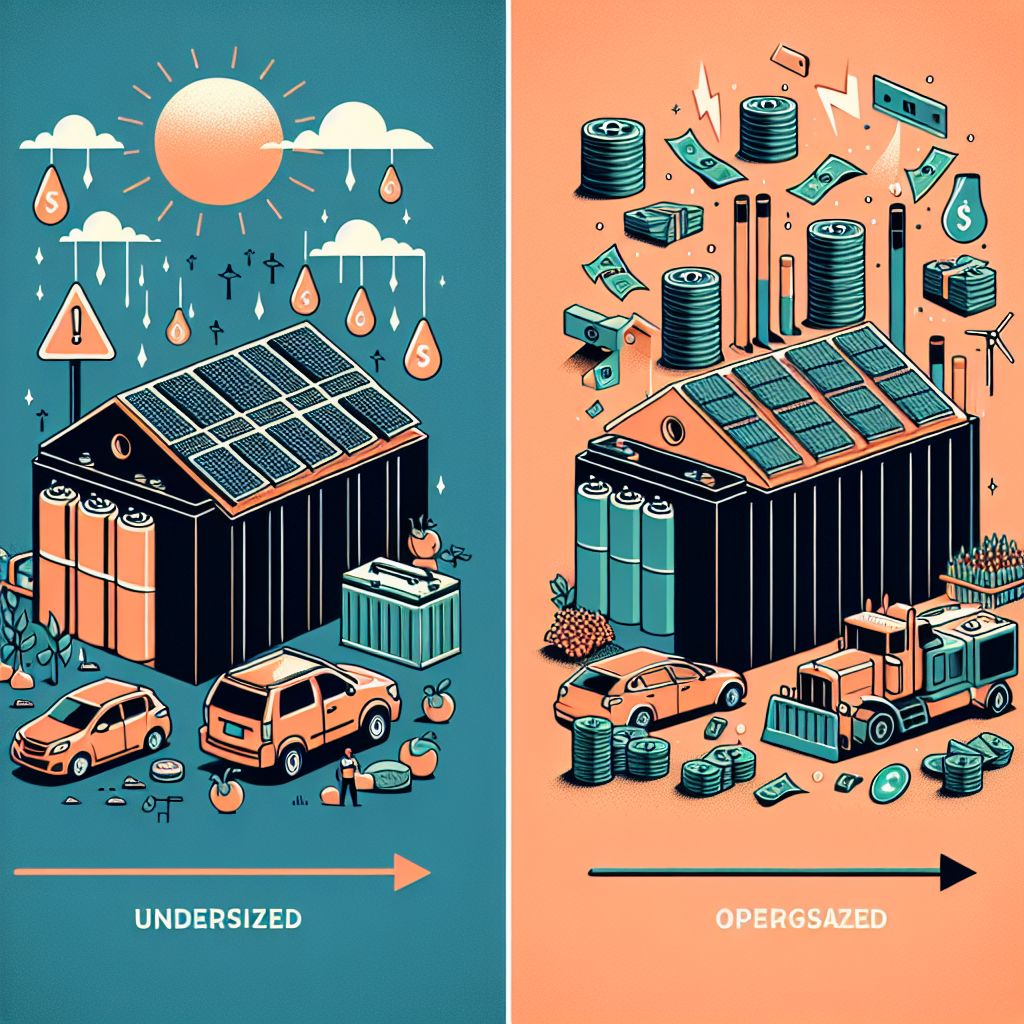
Correctly sizing your battery system is perhaps the most critical factor in achieving satisfactory performance and economic returns. Undersized systems fail to provide adequate backup during extended cloudy periods, while oversized systems represent wasted capital that could be better deployed elsewhere in your operation.
Small Farms (Under 50 Acres)
- Typical capacity requirements: 10-20kWh
- Common applications: Small irrigation pumps, workshop equipment, basic lighting
- Recommended battery type: Lithium Iron Phosphate for best long-term value
- Budget alternative: Quality AGM lead-acid if initial cost is the primary concern
- Typical investment range: $8,000-$15,000 including installation
For smaller operations, simplicity and reliability typically outweigh advanced features. Focus on batteries with straightforward installation and minimal maintenance requirements, as smaller farms rarely have dedicated maintenance staff. Single-phase systems that easily integrate with standard residential-type solar installations often provide the best value.
Many small farms benefit from mobile battery options that can be deployed where needed seasonally. Consider whether flexibility might provide additional value for your operation compared to fixed installations.
Even modest systems can significantly impact small farm economics. A properly sized 15kWh system can often reduce grid electricity consumption by 70-90% when paired with appropriate solar generation, potentially delivering complete return on investment within 7-10 years depending on utility rates and available incentives.
Start with covering only critical loads, then expand as budget allows. This phased approach minimizes initial capital requirements while providing immediate energy security for essential operations. For more insights on solar energy investments, explore solar battery storage for farmers.
Medium-Sized Farms (50-500 Acres)
Medium operations typically require 20-50kWh systems to address their more substantial energy demands. These farms often benefit from sophisticated battery management systems that can intelligently allocate stored energy between multiple competing needs based on programmable priorities. Three-phase compatibility becomes increasingly important at this scale to power larger agricultural motors and equipment.
Consider hybrid systems that combine different battery technologies to optimize performance and cost. For example, using lithium batteries for daily cycling needs while maintaining some lead-acid capacity for occasional deep backup can provide cost-effective resilience for medium operations.
Strategic load management becomes essential at this scale. Implementing automated controls that sequence equipment operation to prevent simultaneous peak demands can dramatically reduce required battery capacity and associated costs. The ability to automatically shed non-critical loads during extended low-production periods preserves battery capacity for essential functions.
Large Agricultural Operations (500+ Acres)
- Typical capacity requirements: 50kWh to several hundred kWh
- Common applications: Multiple irrigation systems, processing equipment, cold storage
- Recommended battery types: Commercial-grade lithium systems or flow batteries
- Integration requirements: Advanced energy management systems, often grid-interactive
- Typical investment range: $50,000-$500,000+ depending on capacity and features
Large-scale agricultural operations often benefit from custom-engineered battery solutions that integrate with existing farm management systems. These sophisticated installations typically incorporate predictive energy management using weather forecasts and operational schedules to optimize battery charging and discharging cycles. For more insights, consider exploring whether solar battery storage is a good investment for farmers.
Commercial-scale operations should evaluate batteries capable of providing grid services like frequency regulation or demand response participation. These capabilities can generate additional revenue streams that improve overall system economics through utility program participation.
For operations with substantial, consistent thermal loads (like dairy processing), consider battery systems that can capture and redirect waste heat from the battery cooling systems. This integrated approach improves overall system efficiency and can significantly enhance return on investment metrics.
Large operations should evaluate battery suppliers based not just on product specifications but also on their experience with agricultural installations specifically. Proper commissioning and ongoing support from vendors with agricultural expertise can be as important as the battery technology itself in ensuring successful implementations.

Installation and Maintenance Tips for Farm Battery Systems
Proper installation and maintenance dramatically impact both the performance and lifespan of agricultural battery systems. While specific requirements vary by technology, these general principles apply across most farm installations and help ensure maximum return on your energy storage investment.
Optimal Placement for Weather Protection
Position battery systems in locations that minimize exposure to temperature extremes while maintaining adequate ventilation. Dedicated outbuildings or repurposed farm structures often provide ideal protection, but ensure the location allows for easy monitoring and maintenance access. Always maintain proper clearances around battery installations as specified by manufacturers to prevent overheating and ensure safety compliance.
Seasonal Maintenance Schedule
Develop a regular maintenance schedule aligned with seasonal farm activities. Perform comprehensive system inspections during less busy periods, typically scheduling major maintenance for off-seasons when agricultural demands are lower. This approach minimizes the impact of any necessary system downtime on critical farming operations.
For lead-acid systems, monthly electrolyte level checks and terminal inspections are essential, while lithium systems typically require only quarterly visual inspections of connections and cooling systems. All battery types benefit from annual professional evaluation of overall system performance, ideally scheduled before high-demand agricultural seasons.
Monitoring System Essentials
Invest in comprehensive monitoring systems that provide real-time visibility into battery performance metrics including state of charge, charging/discharging rates, and temperature. Modern monitoring solutions offer mobile alerts for critical conditions, allowing farm managers to address potential issues before they impact operations. This proactive approach prevents most common battery failures and extends system lifespan significantly.
Real-World Cost Savings from Farm Solar Battery Systems
Agricultural operations across the country report substantial economic benefits from properly implemented battery storage systems. Dairy farms in California have documented 40-60% reductions in annual electricity costs through strategic load shifting that minimizes expensive peak-hour grid consumption. These operations typically achieve complete return on investment within 5-7 years while gaining valuable operational resilience.
Irrigation-intensive operations in the Midwest have leveraged battery storage to optimize pumping schedules around solar production rather than grid pricing, reducing electricity costs by 30-50% annually while improving crop yields through more consistent moisture management. The ability to maintain irrigation during grid outages provides additional risk reduction value that, while difficult to quantify precisely, offers significant peace of mind during critical growing periods.
Making the Switch to Solar Battery Storage on Your Farm
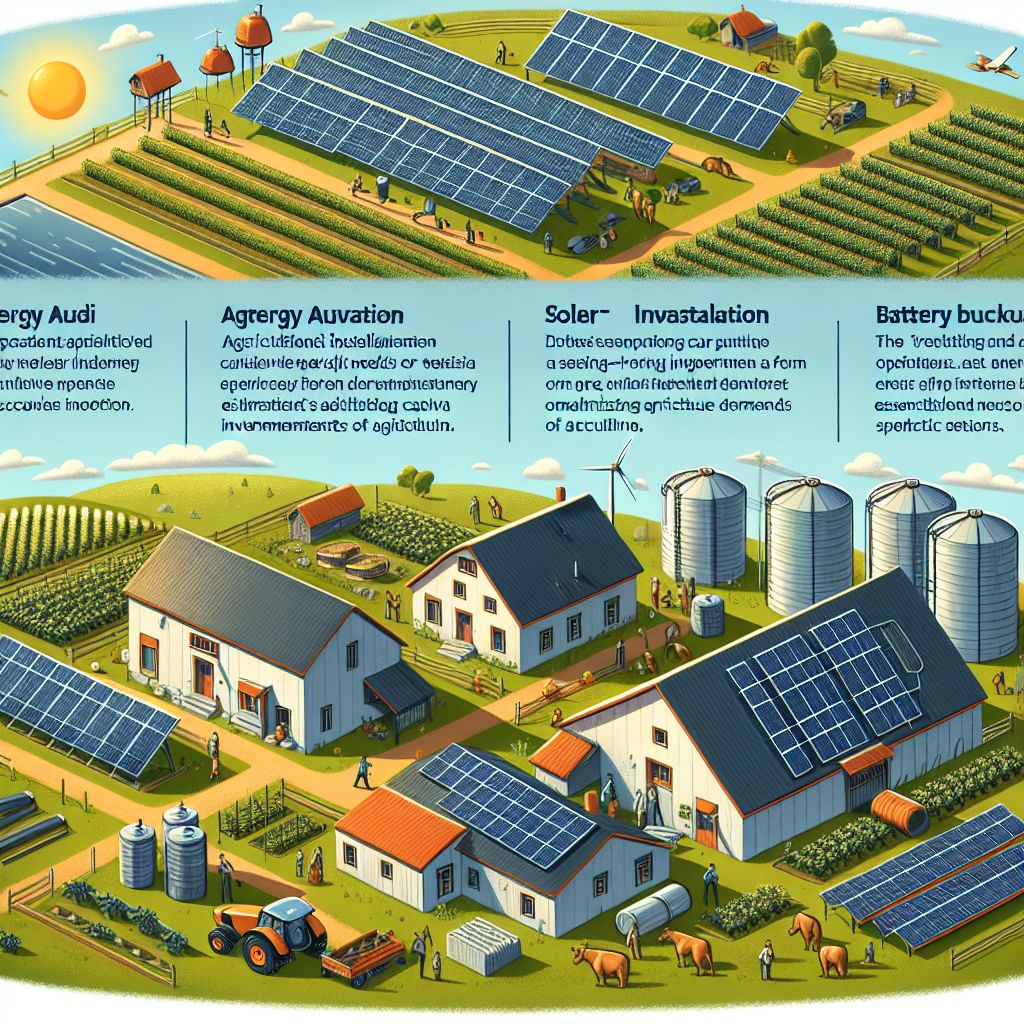
Begin your transition to solar battery storage with a professional energy audit that identifies your specific farm needs and opportunities. Engage with agricultural-focused renewable energy consultants who understand farming operations rather than general solar installers. This specialized expertise ensures your system addresses the unique demands of agricultural settings and maximizes available agricultural-specific incentives.
Consider starting with a pilot installation focused on your most critical or energy-intensive operations before scaling to full implementation. This phased approach allows you to gain experience with the technology while distributing capital investments over time. Many successful farm implementations begin by securing essential operations with battery backup before expanding to optimize economic performance across all farm activities.
Frequently Asked Questions
The transition to solar battery storage raises numerous questions specific to agricultural applications. Understanding these common concerns helps farmers make informed decisions that align with their operational needs and financial objectives.
Here are answers to the most frequently asked questions about implementing battery storage in farm settings:
How long do solar batteries typically last on a farm?
Battery lifespan varies significantly based on technology, usage patterns, and environmental conditions. In agricultural settings, lithium iron phosphate batteries typically provide 10-15 years of reliable service, while lead-acid options generally require replacement after 3-7 years depending on maintenance quality and depth of discharge patterns.
The cycle life rating provides the most accurate prediction of longevity in farm applications. Premium lithium batteries rated for 5,000+ cycles at 80% depth of discharge typically deliver at least a decade of service when cycled daily, making them particularly cost-effective for consistent agricultural loads like irrigation or climate control systems.
Can I add batteries to my existing solar panel system?
Most existing solar installations can be retrofitted with battery storage, though the complexity and cost vary based on your current system configuration. AC-coupled solutions offer the simplest integration path for most farms, allowing batteries to be added with minimal disruption to existing solar production. Consult with an agricultural energy specialist to evaluate your specific system for compatibility requirements.
What government incentives are available for farm solar battery storage?
Agricultural operations can often access multiple incentive programs including the federal Investment Tax Credit (currently 30% for systems installed before 2032), USDA REAP grants covering up to 25% of system costs, accelerated depreciation benefits, and various state-specific agricultural energy programs. Many utility companies also offer additional incentives for systems that can participate in demand response programs, providing another potential revenue stream for properly configured farm battery systems.
Do I need a special inverter for my solar battery system?
Battery storage typically requires either a specialized hybrid inverter or additional battery-specific inverters depending on your configuration. Existing string inverters generally cannot directly integrate with batteries without additional equipment. For new installations, battery-ready inverters may represent a small premium but provide significantly simplified integration.
Agricultural operations should prioritize inverters with three-phase output capabilities if powering farm equipment with three-phase motors. While more expensive than single-phase alternatives, these specialized inverters prevent potential damage to valuable farm equipment and provide more efficient power delivery for larger agricultural motors.
How do extreme temperatures affect farm solar battery performance?
Temperature impacts vary significantly by battery chemistry. Lead-acid batteries experience reduced capacity in cold conditions (often 20-40% less effective below freezing) and accelerated degradation in high heat. Lithium iron phosphate offers superior performance across typical farm temperature ranges but may require built-in heating elements for optimal winter performance in extremely cold regions.
Flow batteries provide exceptional temperature tolerance without significant capacity reduction, making them appropriate for installations without climate control. For any battery technology, providing basic shelter from direct sun and precipitation dramatically improves performance and longevity, making proper installation location a critical factor in agricultural settings.
Proper battery selection based on your farm’s specific climate conditions prevents unexpected performance issues and ensures consistent power availability during critical agricultural operations. When in doubt, choose batteries with temperature operating ranges that comfortably exceed your region’s historical extremes.




Leave a Reply