
Key Takeaways
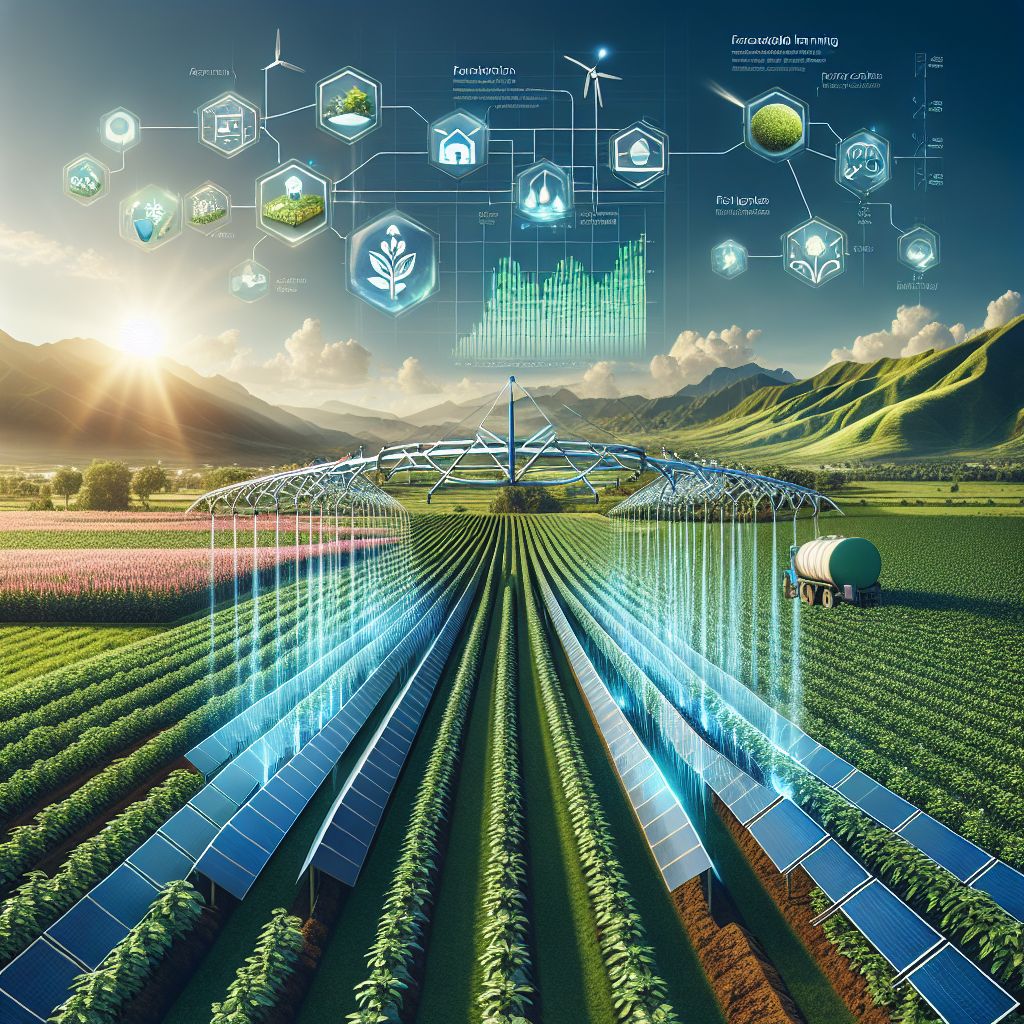
Solar irrigation systems can save farmers thousands of dollars on electricity and fuel costs.
These systems reduce greenhouse gas emissions, promoting a cleaner environment.
Solar irrigation improves water efficiency, ensuring crops get the right amount of water.
Advanced technology in solar irrigation can integrate with smart farming tools for real-time monitoring.
While initial costs can be high, various funding options are available to support farmers.
Benefits of Solar Irrigation Systems in Agriculture
Solar irrigation systems are transforming agriculture by providing a sustainable and cost-effective solution for water management. These systems harness the power of the sun to pump water, making them an excellent alternative to traditional, fossil fuel-dependent methods. Let’s dive into the numerous benefits that make solar irrigation an attractive option for farmers.
Cost-Effectiveness and Financial Savings
One of the primary advantages of solar irrigation systems is their potential to save farmers a significant amount of money. By switching to solar power, farmers can eliminate or drastically reduce their electricity and fuel expenses.
Eliminates Electricity Costs
Electricity costs can be a substantial part of a farmer’s budget, especially for those who rely heavily on irrigation. Solar irrigation systems use photovoltaic panels to convert sunlight into electricity, which powers the water pumps. This means that once the system is installed, the energy required to pump water is essentially free.
“By using solar energy, farmers can save up to 90% on their irrigation-related electricity costs.”
Reduces Maintenance Expenses
Solar irrigation systems are designed to be low-maintenance. Unlike traditional irrigation pumps that have many moving parts and require regular servicing, solar-powered pumps have fewer components that can wear out. This results in lower maintenance costs and less downtime for repairs.
Additionally, because solar panels have a long lifespan, typically around 25 years, the need for replacement is infrequent. This durability further contributes to the cost savings over time.
Protection Against Fuel Price Hikes
Farmers who use diesel or gasoline-powered irrigation systems are at the mercy of fluctuating fuel prices. Solar irrigation systems provide a stable and predictable energy source, protecting farmers from the financial impact of rising fuel costs.
Environmental Sustainability and Clean Energy
Besides the financial benefits, solar irrigation systems also offer significant environmental advantages. By reducing the reliance on fossil fuels, these systems help decrease greenhouse gas emissions and promote a cleaner, healthier environment.
Reduces Carbon Footprint
Traditional irrigation systems powered by fossil fuels contribute to carbon emissions, which are a leading cause of climate change. Solar irrigation systems, on the other hand, use clean, renewable energy from the sun, significantly reducing the carbon footprint of farming operations.
“Switching to solar irrigation can reduce a farm’s carbon emissions by up to 30%.”
Promotes Cleaner Air
Burning fossil fuels releases pollutants into the air, which can harm human health and the environment. Solar irrigation systems eliminate the need for combustion engines, resulting in cleaner air and a healthier ecosystem.
Helps Mitigate Climate Change
Climate change poses a significant threat to agriculture, with unpredictable weather patterns and extreme conditions affecting crop yields. By adopting solar irrigation systems, farmers can contribute to the global effort to mitigate climate change, ensuring more stable and sustainable farming practices.
Improving Water and Soil Management
Effective water management is crucial for successful farming. Solar irrigation systems offer several benefits in this area, helping farmers optimize water use and maintain soil health.
Precision irrigation
Prevention of waterlogging
Enhanced soil structure
Enhances Water Efficiency
Solar irrigation systems can be integrated with advanced technologies like drip irrigation and smart controllers. These tools ensure that water is delivered precisely where and when it is needed, reducing waste and improving overall water efficiency. Learn more about the best solar irrigation batteries for agriculture.
Integration with Smart Farming Technology
One of the most exciting aspects of solar irrigation systems is their ability to integrate seamlessly with smart farming technology. This integration allows farmers to optimize their irrigation practices using real-time data and advanced analytics. The result is a more efficient and productive farming operation.
Smart farming tools can monitor various parameters such as soil moisture levels, weather conditions, and crop health. When combined with solar irrigation, these tools can automatically adjust water delivery to meet the specific needs of the crops, ensuring optimal growth and yield.
Real-Time Monitoring of Soil and Weather
Real-time monitoring is a game-changer for modern agriculture. With sensors placed throughout the farm, farmers can receive instant updates on soil moisture, temperature, and other critical factors. This data can be accessed remotely via smartphones or computers, allowing farmers to make informed decisions on the go.
For example, if the sensors detect that the soil is too dry, the solar irrigation system can be activated to provide the necessary water. Conversely, if rain is forecasted, the system can be paused to prevent over-irrigation. This level of precision helps conserve water and ensures that crops receive the right amount of hydration.
Efficient Water Use and Distribution
Efficient water use is essential for sustainable farming. Solar irrigation systems excel in this area by delivering water directly to the root zone of the crops, minimizing evaporation and runoff. This targeted approach not only conserves water but also promotes healthier plant growth. For more information, you can read about the science behind a solar-powered water pump connected to a farmer’s irrigation system.
Moreover, solar irrigation systems can be programmed to operate during specific times of the day when water loss due to evaporation is minimal. This ensures that every drop of water is used effectively, leading to better crop yields and reduced water waste.

Economic and Long-Term Benefits
The economic and long-term benefits of solar irrigation systems extend beyond immediate cost savings. These systems provide a reliable water supply, extend growing seasons, and have the potential to increase crop yields significantly.
Reliable Water Supply
One of the most critical advantages of solar irrigation systems is their ability to provide a consistent and reliable water supply. Unlike traditional systems that may be affected by power outages or fuel shortages, solar-powered pumps can operate as long as there is sunlight. This reliability ensures that crops receive the necessary water even during peak growing seasons.
Extends Growing Seasons
Solar irrigation systems can extend the growing season by providing water during periods when rainfall is insufficient. This capability is particularly beneficial in regions with irregular rainfall patterns or prolonged dry spells. By ensuring a steady water supply, farmers can cultivate crops year-round, increasing their overall productivity and profitability.
Potential for Higher Yields
With the precise water management offered by solar irrigation systems, crops are more likely to thrive and produce higher yields. Healthy, well-watered plants are less susceptible to stress and diseases, leading to better-quality produce and increased harvests.
Reduced crop loss due to drought
Improved crop quality
Increased market value of produce
Here’s a table summarizing the Economic and Long-Term Benefits of Solar Irrigation Systems in Agriculture:
|
Economic Benefits |
Long-Term Benefits |
|---|---|
|
Increased food security and rural development 3 | |
|
Environmental sustainability and reduced carbon footprint 2, 5 | |
|
Enhanced community resilience to climate change 2 | |
|
Reliable and affordable energy source 4 | |
|
Minimal maintenance requirements 2 | |
|
Potential for income diversification 3 | |
|
Potential for rural electrification 4 | |
|
Promotion of innovative farming practices 4 |
These benefits contribute to a more sustainable and profitable farming operation, making solar irrigation an excellent investment for the long term.
Practical Considerations and Challenges
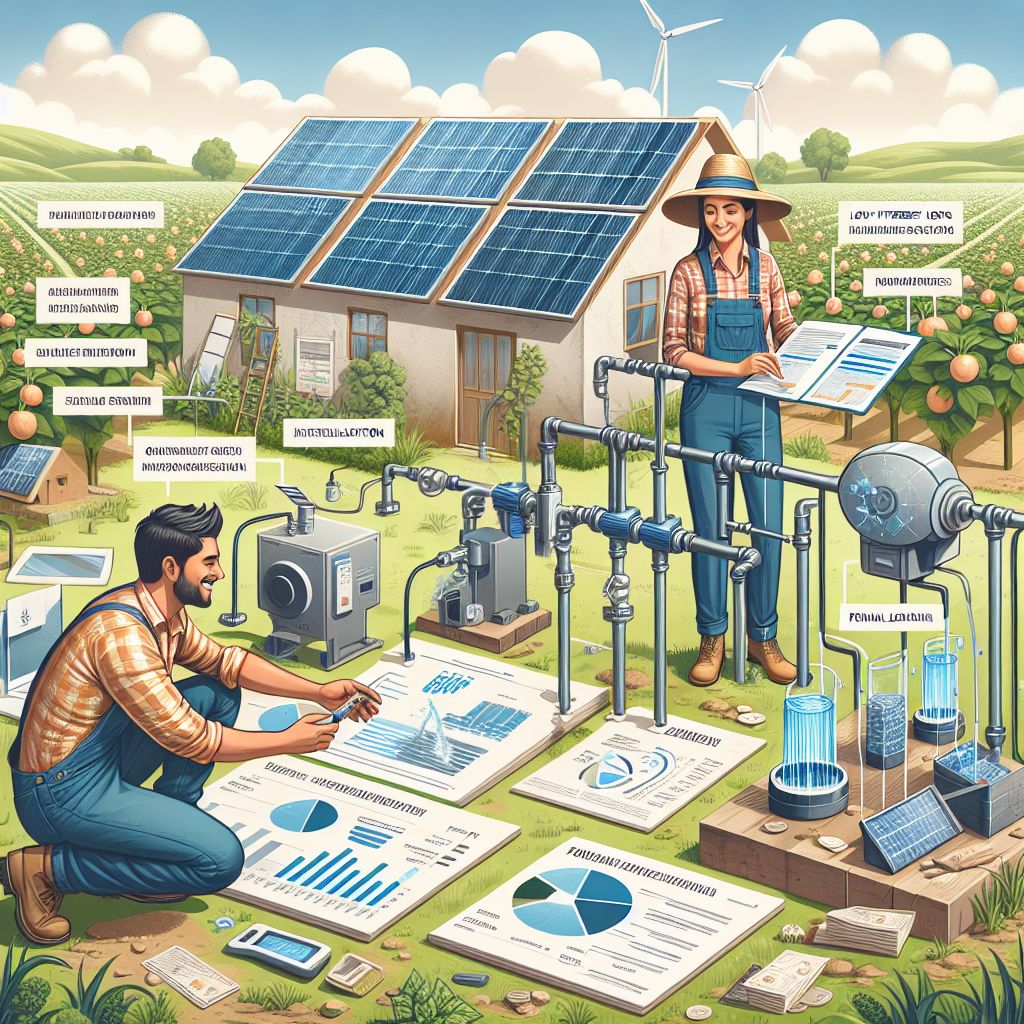
While solar irrigation systems offer numerous benefits, there are practical considerations and challenges that farmers need to address. Understanding these factors, such as the science behind a solar-powered water pump, can help ensure the successful implementation and operation of the system.
Initial Investment and Funding Options
The initial cost of installing a solar irrigation system can be a significant barrier for some farmers. However, various funding options are available to help offset these costs. Government grants, tax credits, and low-interest loans are some of the financial incentives that can make solar irrigation more accessible.
It’s essential to research and apply for these funding opportunities to reduce the financial burden and make the transition to solar irrigation more feasible.
System Maintenance and Longevity
While solar irrigation systems are generally low-maintenance, regular inspections and upkeep are necessary to ensure optimal performance. Cleaning the solar panels, checking the pumps, and monitoring the system’s overall functionality are crucial maintenance tasks. For more detailed information, you can refer to solar irrigation systems resources.
Proper maintenance can extend the lifespan of the system and prevent unexpected breakdowns, ensuring a continuous and reliable water supply for the crops. For more information on how to maintain your system, check out the science behind a solar-powered water pump.
Availability of Technical Support
Access to technical support is vital for the successful operation of a solar irrigation system. Farmers should choose reputable suppliers who offer comprehensive support services, including installation, training, and troubleshooting.
Here’s a table summarizing the practical considerations and challenges that farmers need to address when implementing solar irrigation systems:
|
Consideration/Challenge |
Explanation |
|---|---|
|
High initial costs |
Solar irrigation systems require substantial upfront investment, which can be prohibitive for many smallholder farmers. 2, 4 |
|
Technical expertise |
Farmers may lack the necessary knowledge for proper installation, operation, and maintenance of solar-powered systems. 2 |
|
System sizing |
Selecting appropriately sized systems is crucial; oversized systems waste resources, while undersized ones may not meet irrigation needs. 3 |
|
Financing access |
Limited access to financing options can hinder adoption, especially for smallholder farmers. 2, 4 |
|
Weather dependence |
Solar panel efficiency can be affected by cloudy conditions, potentially impacting irrigation reliability. 2 |
|
Water resource management |
The ease of pumping with solar power may lead to overexploitation of groundwater resources. 3 |
|
Integration with existing practices |
Farmers may resist adopting new technologies if they don’t seamlessly integrate with established methods. 1 |
|
Maintenance and repairs |
Regular upkeep and occasional repairs require specific skills and may incur additional costs. 1, 4 |
|
Theft and vandalism |
Solar panels and equipment may be targets for theft, necessitating security measures. 1 |
|
Agronomic knowledge |
Maximizing benefits requires understanding of crop water requirements and efficient irrigation practices. 1 |
|
Seasonal variations |
Irrigation needs and solar energy availability may not always align, requiring careful planning. 3 |
|
Grid integration |
In some cases, connecting solar systems to the existing power grid can be challenging. 2 |
This table highlights the key practical considerations and challenges that farmers must address when implementing solar irrigation systems. While these systems offer significant benefits, careful planning and support are necessary to overcome these hurdles and ensure successful adoption.
Having a reliable support network can help address any issues that arise and ensure that the system operates efficiently and effectively. For more information on how solar energy can benefit agriculture, visit Smart Commercial Solar.
Case Studies and Success Stories
Real-world examples of successful solar irrigation implementations can provide valuable insights and inspiration for farmers considering this technology. These case studies highlight the practical benefits and challenges experienced by early adopters, such as using a solar-powered water pump.
Real-World Examples
One notable example is a farm in California that switched to solar irrigation to combat rising electricity costs. By installing a solar-powered drip irrigation system, the farm reduced its water consumption by 40% and saved over $10,000 annually on energy bills.
“Since implementing solar irrigation, our farm has seen a significant increase in crop yields and a reduction in operational costs. It’s been a game-changer for us.”
Another success story comes from a smallholder farmer in India who struggled with unreliable electricity supply. After installing a solar irrigation system, the farmer reported a 50% increase in crop production and a substantial improvement in income.
These examples demonstrate the transformative potential of solar irrigation systems and underscore the importance of adopting sustainable farming practices.
Another example is a cooperative of farmers in Kenya who faced challenges with inconsistent rainfall. They installed a solar irrigation system that utilized solar-powered pumps and drip irrigation. As a result, they experienced a 30% increase in crop yields and were able to grow crops during the dry season, significantly improving their food security and income.
Lessons Learned from Early Adopters
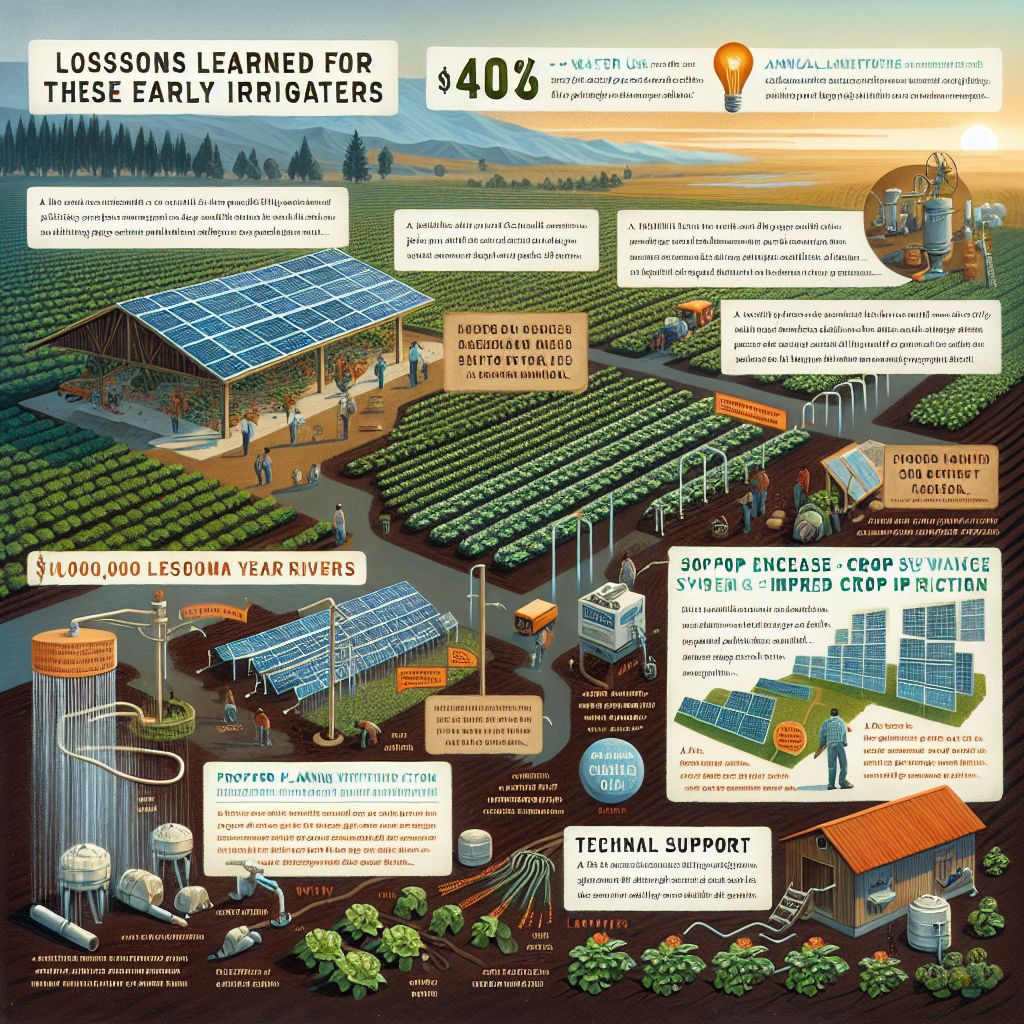
The experiences of early adopters of solar irrigation systems provide valuable lessons for other farmers. One key takeaway is the importance of proper planning and system design. Ensuring that the system is appropriately sized for the farm’s water needs and local climate conditions is crucial for its success.
Another lesson is the need for regular maintenance and monitoring. While solar irrigation systems are low-maintenance, neglecting routine checks can lead to reduced efficiency and potential breakdowns. Farmers should schedule regular inspections and cleanings to keep the system running smoothly.
Additionally, early adopters emphasize the value of technical support and training. Working with knowledgeable suppliers and accessing training resources can help farmers troubleshoot issues and optimize their system’s performance.
Future of Solar Irrigation in Agriculture
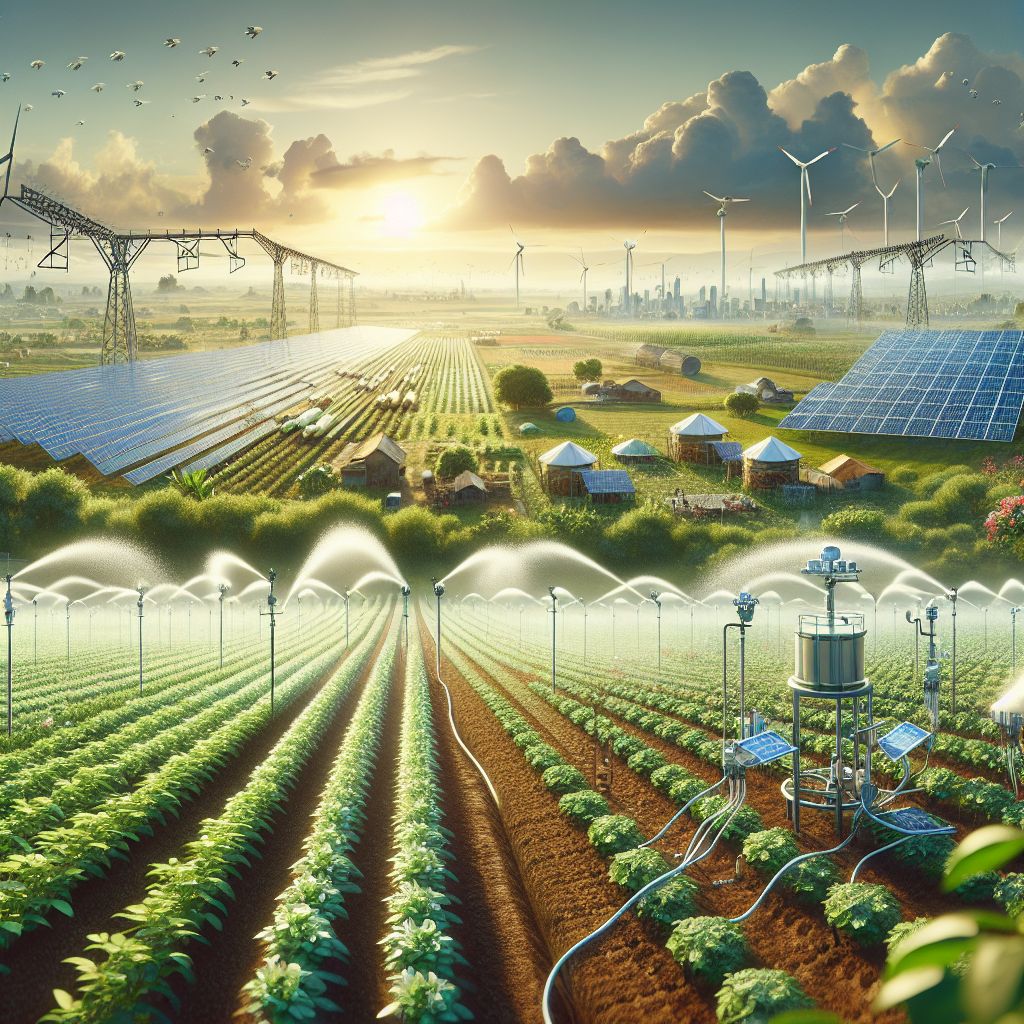
The future of solar irrigation in agriculture looks promising, with ongoing innovations and potential for widespread adoption. As technology advances, solar irrigation systems are becoming more efficient, affordable, and accessible to farmers worldwide.
Upcoming Innovations
One exciting innovation is the development of more efficient solar panels that can generate electricity even in low-light conditions. These advancements will make solar irrigation systems more reliable and effective in regions with less consistent sunlight.
Another area of innovation is the integration of solar irrigation systems with other smart farming technologies, such as automated weather stations and advanced soil sensors. These integrations will enable even more precise water management and further enhance the efficiency of farming operations.
Potential for Expansion
- Increased adoption in developing countries
- Expansion to larger-scale commercial farms
- Integration with renewable energy grids
The potential for expansion is vast, particularly in developing countries where access to reliable electricity and water is limited. Solar irrigation systems can provide a sustainable solution for smallholder farmers, improving their productivity and livelihoods.
Moreover, as the technology becomes more cost-effective, larger-scale commercial farms are likely to adopt solar irrigation systems to reduce their operational costs and environmental impact.
Finally, integrating solar irrigation systems with renewable energy grids can create a more resilient and sustainable agricultural infrastructure, benefiting both farmers and the environment.
Frequently Asked Questions (FAQs)
To help farmers make informed decisions about solar irrigation systems, here are answers to some frequently asked questions:
What is the initial cost of a solar irrigation system?
The initial cost of a solar irrigation system can vary depending on the size and complexity of the setup. On average, small systems for individual farms can cost between $5,000 and $10,000, while larger systems for commercial farms can range from $20,000 to $50,000. However, various funding options, such as grants and loans, can help offset these costs.
How much can I save annually by switching to solar irrigation?
Farmers can save a significant amount by switching to solar irrigation. On average, savings can range from $2,000 to $10,000 annually, depending on the farm’s size and water needs. These savings come from reduced electricity and fuel costs, as well as lower maintenance expenses. Learn more about the science behind a solar-powered water pump connected to a farmer’s irrigation system.
Are solar irrigation systems suitable for all types of farms?
Solar irrigation systems are versatile and can be adapted to various types of farms, including smallholder farms, commercial farms, and even urban gardens. The key is to design the system to meet the specific water needs and conditions of the farm.
What maintenance is required for solar irrigation systems?
Solar irrigation systems require minimal maintenance compared to traditional systems. Key maintenance tasks include cleaning the solar panels to ensure maximum efficiency, inspecting the pumps and controllers for any issues, and monitoring the system’s performance regularly. Scheduling annual professional inspections can also help maintain the system’s longevity.
What are the main types of solar panels used in agriculture?
There are three main types of solar panels used in agriculture: monocrystalline, polycrystalline, and Thin-film panels. Monocrystalline panels are more efficient and have a longer lifespan, but they are also more expensive. Polycrystalline panels are more affordable and still provide good efficiency, making them a popular choice for many farmers. Thin-film panels are often used in portable solar applications, such as powering farm equipment in remote locations
Solar irrigation systems have revolutionized the agricultural sector by providing a sustainable and cost-effective solution for water management. These systems utilize solar energy to power water pumps, ensuring a consistent water supply without the dependency on traditional energy sources. This not only reduces operational costs but also minimizes the environmental impact. Farmers can now harness the power of the sun to irrigate their fields efficiently, leading to increased crop yields and better resource management. For those interested in optimizing their solar irrigation setup, understanding the best solar irrigation batteries is crucial for maximizing efficiency and longevity.







Leave a Reply