
Key Takeaways
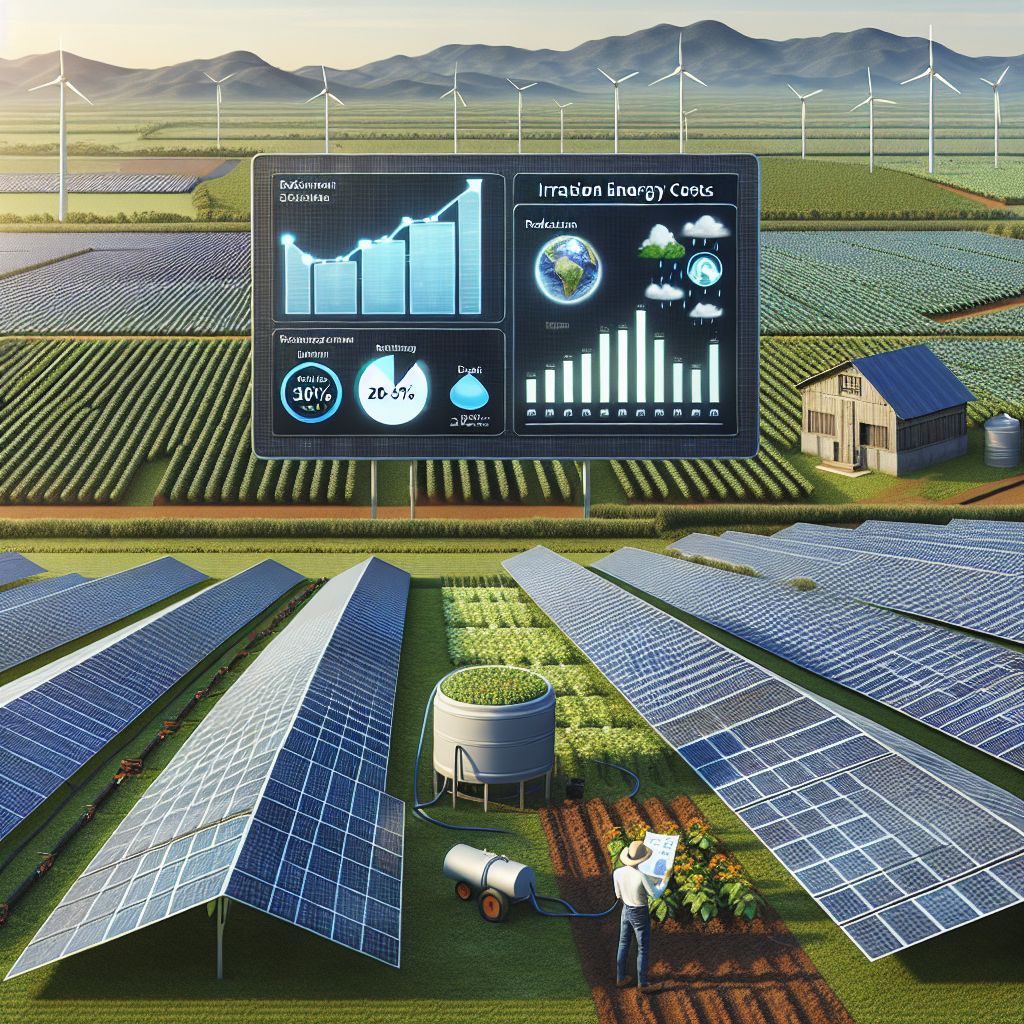
Solar panels can significantly reduce irrigation energy costs by 20-50%, depending on the farm’s location and energy needs.
Monocrystalline solar panels are the most efficient, converting up to 22% of sunlight into energy, making them ideal for farms with limited space.
Assessing your farm’s specific water usage and energy requirements is crucial before choosing a solar system.
Weather resistance is key; panels must withstand wind, rain, and dust to ensure longevity and consistent energy output.
Government incentives and rebates can offset the initial investment cost of solar panels by up to 30%.
Why Solar is Key to Efficient Farm Irrigation
In today’s world, sustainable farming is more important than ever. One way to achieve this is by using solar panels to power irrigation systems. Solar energy provides a clean and renewable source of power that can help farmers reduce costs and increase efficiency. It’s not just about saving money, though. Using solar panels also reduces a farm’s carbon footprint, making it an environmentally friendly choice.
Most importantly, solar panels offer a degree of energy independence. Farms often rely on electricity from the grid, which can be costly and unreliable. By generating their own power, farmers can ensure their irrigation systems run smoothly, even in remote locations. This independence is especially beneficial during peak irrigation seasons when energy demands are high.
Advantages of Solar-Powered Irrigation Systems
Solar-powered irrigation systems bring numerous benefits to the table. For starters, they significantly reduce energy costs. Traditional irrigation systems can consume a lot of electricity, especially during hot, dry seasons. By switching to solar, farms can cut their electricity bills by a substantial margin.
Another advantage is the ease of installation and maintenance. Solar panels are relatively easy to install, and once in place, they require minimal maintenance. This simplicity means farmers can focus more on their crops and less on managing their energy systems.
Impact on Sustainability and Cost Reduction
Switching to solar energy is a step towards a more sustainable future. Solar panels have a minimal environmental impact compared to fossil fuels. They produce no greenhouse gases, helping to combat climate change and promote cleaner air.
Besides that, the cost savings are significant. The initial investment in solar panels can be high, but the long-term savings on energy bills often justify the expense. In many cases, farms see a return on investment within a few years, thanks to reduced energy costs and potential government incentives.
Enhancing Energy Independence for Farmers
Energy independence is a game-changer for many farmers. By generating their own power, they are less vulnerable to fluctuations in electricity prices and supply disruptions. This stability is crucial for planning and managing farm operations effectively.
Moreover, solar panels can be a reliable energy source in areas where grid electricity is not available or is unreliable. This reliability ensures that irrigation systems can operate consistently, supporting healthy crop growth and productivity.
Understanding Your Farm’s Irrigation Needs
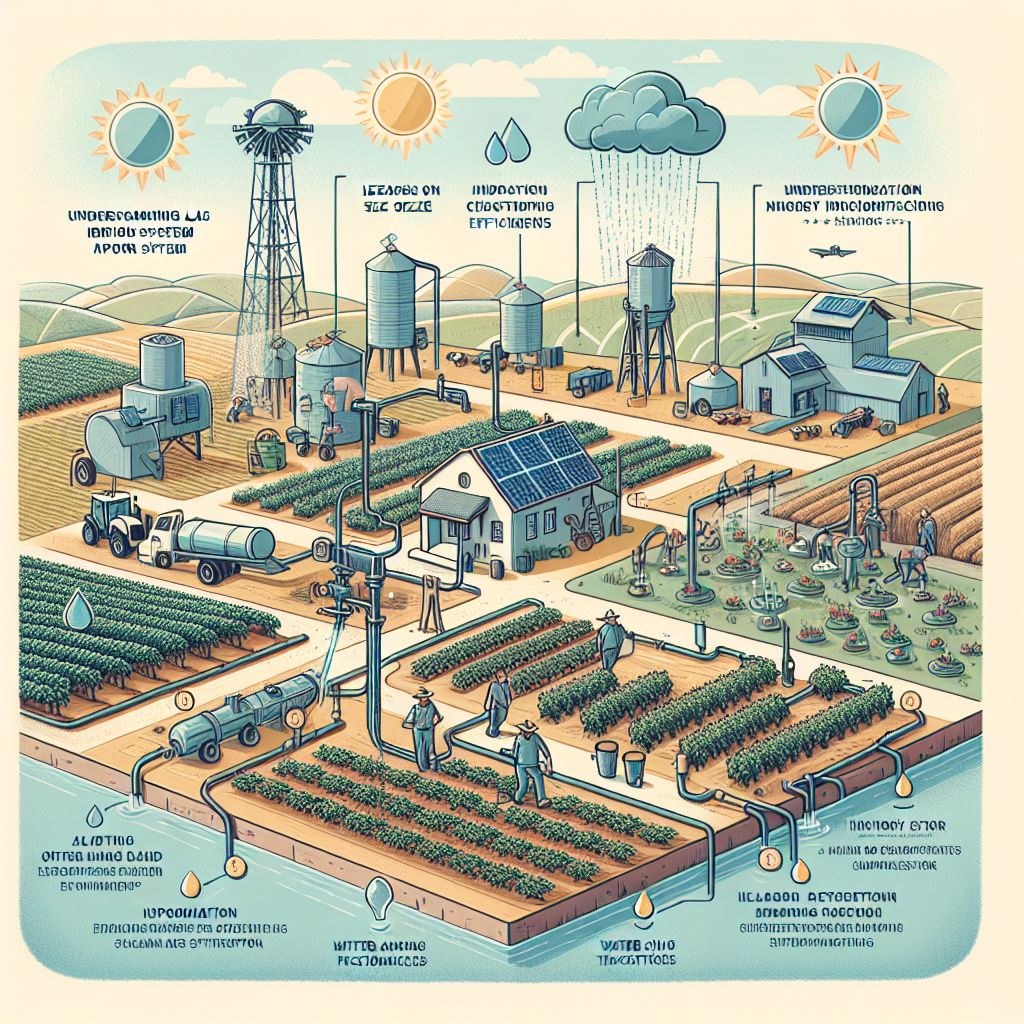
Before investing in solar panels, it’s crucial to understand your farm’s specific irrigation needs. Knowing these details helps in selecting the right solar system that meets your energy demands efficiently.
Identifying Energy Requirements for Irrigation
Start by assessing how much energy your irrigation system currently uses. This information will guide you in determining the size and type of solar panels required. Consider factors such as the size of your farm, the type of crops you grow, and the climate in your region.
Most irrigation systems require a substantial amount of energy, especially during peak growing seasons. By calculating your energy needs, you can ensure that your solar system is capable of meeting these demands.
Assessing Water Usage Patterns
Understanding your farm’s water usage patterns is equally important. This includes knowing how much water your crops need and when they need it. By aligning your irrigation schedule with solar power availability, you can maximize efficiency and reduce waste.
Evaluating Current System Efficiency
Take a close look at your current irrigation system. Is it operating efficiently? Are there any leaks or issues that need addressing? By optimizing your existing system, you can enhance the benefits of switching to solar power.
Consider upgrading outdated equipment or implementing water-saving techniques. These improvements will complement your solar system and contribute to overall efficiency.
Factors to Consider When Selecting Solar Panels
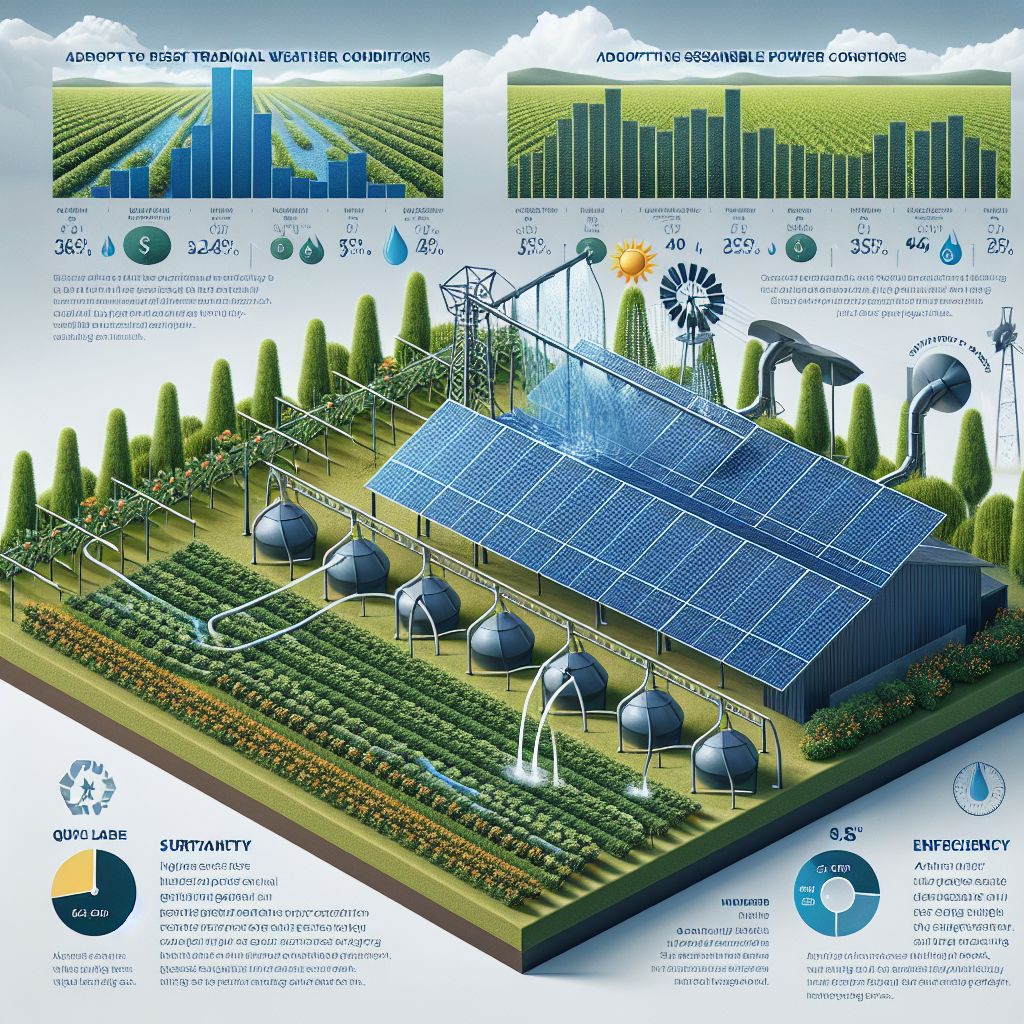
Integrating solar panels into an irrigation system can revolutionize the way farmers manage energy use, reduce dependence on traditional power sources, and sustainably enhance efficiency. By considering factors such as durability, efficiency, weather resistance, and cost, farmers can make informed decisions that directly contribute to the long-term success of their agricultural operations. Embracing solar technology is not just a trend; it’s a step toward fostering sustainability in the farming industry, ensuring that our agricultural systems thrive for generations to come.
Durability in Agricultural Settings
When selecting solar panels for an irrigation system, durability is paramount. Farms can be harsh environments, with panels exposed to dirt, dust, and debris. Agricultural settings often entail heavy machinery and the potential for physical impacts, so the solar panels must withstand this rigorous environment.
Here are key factors related to durability you should consider:
Material Quality: Look for panels made from high-quality materials, such as tempered glass and corrosion-resistant framing. These materials not only enhance performance but also prolong the panel’s lifespan.
Weather Resistance Ratings: Panels should have proper ratings for resistance to extreme weather conditions, including wind, hail, and snow load. Investing in panels with high ratings ensures that they can withstand extreme weather events common in agricultural areas.
Warranty: Reliable manufacturers often back their products with warranties ranging from 10 to 25 years. A good warranty signifies the manufacturer’s confidence in their solar panels’ durability and long-term performance.
Certifications and Standards: Seek out panels certified by industry standards, such as IEC 61215 for performance and IEC 61730 for safety. Certifications ensure that the panels have undergone rigorous testing and meet the necessary durability criteria.
Design and Installation Considerations: In addition to choosing durable panels, it’s vital to ensure that they are correctly installed. Proper mounting systems can prevent damage from shifting soil or physical impacts from farm equipment.
Solar Panel Efficiency and Space Consideration
Solar panel efficiency is a crucial measure of performance that indicates how well a solar panel can convert sunlight into usable electricity. Typically expressed as a percentage, the efficiency rating can vary significantly from one solar panel to another, typically ranging from 10% to 22% for most commercially available panels.
Apart from efficiency, available space for installation is another critical factor for consideration when selecting solar panels. Farms can vary widely in layout and topography, and understanding the spatial limitations will help in designing an effective solar installation.
Weather Resistance and Longevity
Given the unpredictability of climate, ensuring your solar panels can withstand various weather conditions is crucial. Look for panels that are tested for moisture resistance and can perform well under rain, snow, hail, and extreme temperatures. Certifications, such as the IEC 61215 standard, can provide assurance of quality and reliability.
Extreme weather events—such as heavy rainfall, hail, snow, and intense sunlight—can inflict significant damage to solar panels. Here are some reasons why weather resistance should be a top priority when selecting solar panels for your irrigation system:
Durability Against Elements: Panels that are built to withstand high winds, heavy snow loads, and hail impact are essential for providing reliable energy generation. Investing in panels with robust frames and materials can minimize maintenance costs and ensure continual operation.
Efficiency in Changing Conditions: Weather resistance directly correlates with a solar panel’s ability to perform effectively in varying climatic conditions. High-quality panels often come equipped with protective coatings that allow for better performance in humid or rainy weather.
Electrical Safety: Long-term exposure to harsh weather can lead to electrical failures, which may cause damage to both the solar panel and connected systems. Ensuring your chosen panels have proper ingress protection (IP) ratings can reduce the risk of water or dust ingress, thus enhancing safety and reliability.
Longevity is another critical factor. You want solar panels that can serve you for decades without significant performance degradation. Choose panels that utilize high-quality materials and superior engineering to extend their lifespan. Researching products with positive performance reviews in similar climates or conditions can offer insight into longevity and reliability.
Cost of the Solar Panels
When considering solar panels for your farm, understanding the costs involved is crucial. The price of solar panels can vary widely depending on the type and size of the system. Generally, solar panels cost between $0.70 to $1.50 per watt. For a typical farm irrigation system, you might need a solar array that generates around 10 to 20 kilowatts, which translates to a cost range of $7,000 to $30,000.
However, this upfront cost can be offset by government incentives and rebates. Programs like the Federal Investment Tax Credit (ITC) can reduce the cost by up to 26%. Additionally, some states offer grants or low-interest loans to support solar energy projects in agriculture. It’s worth researching these opportunities to minimize your initial investment.
Here’s a table outlining more key factors to consider when selecting solar panels for a farm’s irrigation system:
|
Factor |
Description |
|---|---|
|
Farm Size |
The total acreage to be irrigated determines the required system capacity 1, 3. |
|
Water Demand |
Daily water requirements based on crop types and irrigation methods 3, 4. |
|
Solar Irradiation |
Available sunlight in the area affects panel efficiency and system sizing 2, 3. |
|
Geographical Location |
Influences solar potential and system design requirements 1, 2. |
|
Pumping Head |
The vertical distance water needs to be lifted impacts energy requirements 2, 3. |
|
Water Source |
Depth and type of water source (e.g., well, surface water) affect pump selection 3, 4. |
|
Irrigation Method |
Different methods (drip, sprinkler, flood) have varying energy needs 3, 4. |
|
Land Availability |
Sufficient unshaded area for panel installation 2. |
|
Climate Conditions |
Temperature affects panel efficiency; consider local weather patterns 2, 3. |
|
Budget |
Initial investment costs and long-term savings potential 1, 3. |
|
Energy Efficiency |
Select panels and pumps with optimal efficiency ratings 3. |
|
Maintenance Requirements |
Consider ease of cleaning and servicing in the farm environment 1, 3. |
Types of Solar Panels Suitable for Farms
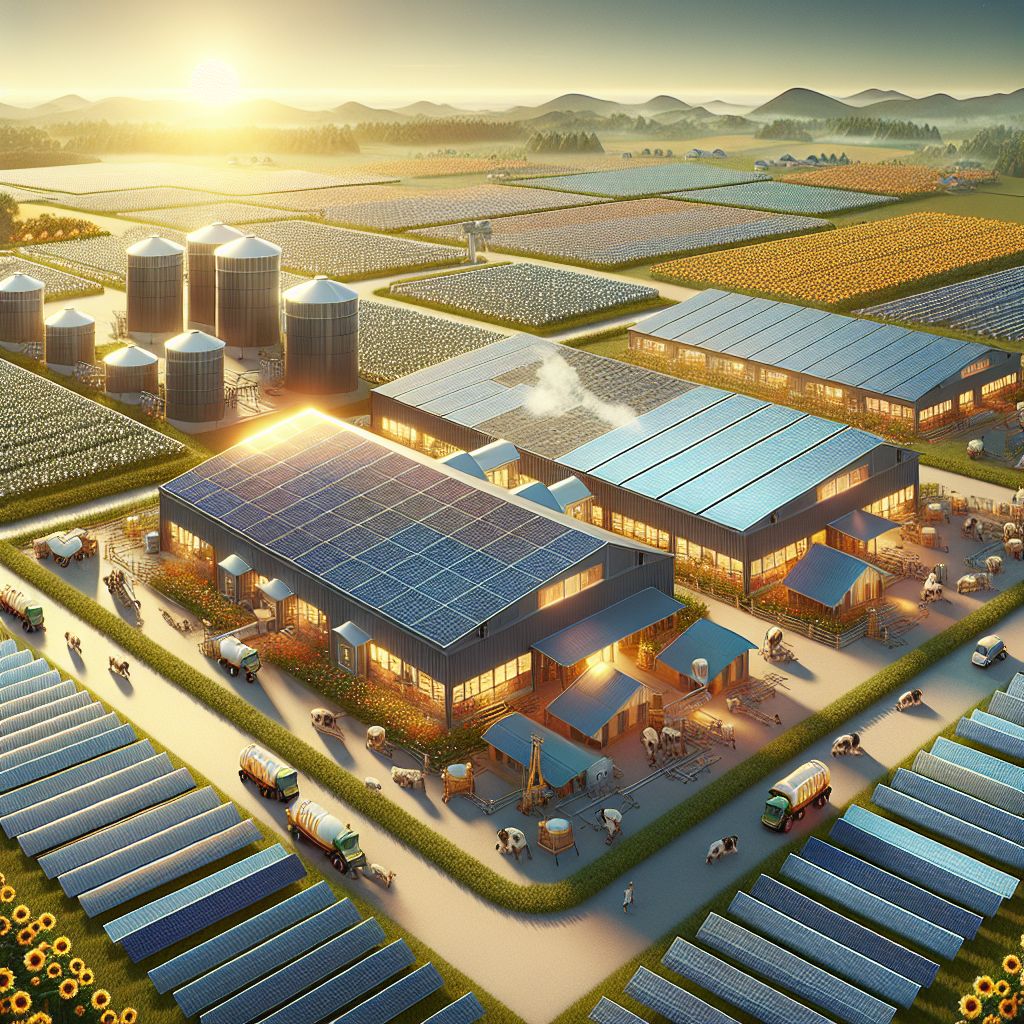
Choosing the right type of solar panel is essential to maximize efficiency and cost-effectiveness. There are three main types of solar panels that are commonly used in agricultural settings:
Monocrystalline Panels
Polycrystalline Panels
Thin-Film Panels
Each type has its own advantages and considerations, which we’ll explore in detail.
Monocrystalline panels are known for their high efficiency and space-saving design. They are made from a single crystal structure, which allows them to convert more sunlight into electricity compared to other types.
Polycrystalline panels, on the other hand, are made from multiple silicon crystals. They are generally less expensive but slightly less efficient than monocrystalline panels. Despite this, they can still be a good choice for farms with ample space.
Monocrystalline Panels: High Efficiency
“Monocrystalline panels have the highest efficiency rates, typically between 17% and 22%, making them ideal for farms with limited space.” – Solar Energy Industries Association
Monocrystalline panels are a top choice for farmers looking to maximize energy production in a limited area. Their efficiency means you can generate more power with fewer panels, which is particularly beneficial for farms with space constraints. For more information on selecting the right solar panels, check out key factors and best choices.
These panels are also known for their durability and longevity. They tend to perform well in both high and low temperatures, ensuring consistent energy production throughout the year. However, they are usually more expensive than other types of panels. It’s important to weigh the long-term benefits against the initial cost to determine if they are the right fit for your farm.
Polycrystalline Panels: Cost-Effective Choices
Polycrystalline panels are a budget-friendly option for farmers. They are less expensive to produce, which translates to lower costs for consumers. While they are slightly less efficient than monocrystalline panels, they still offer reliable performance and are a popular choice for larger farms with more space.
Thin-Film Panels: Flexible Options for Varied Applications
Thin-film panels are unique in their flexibility and adaptability. They are lightweight and can be installed on a variety of surfaces, making them ideal for unconventional or irregular farm layouts. However, they generally have lower efficiency rates compared to crystalline panels.
Here’s a table comparing solar panel types for a farms irrigation system:
|
Solar Panel Type |
Efficiency |
Cost per Watt |
Pros |
Cons |
|---|---|---|---|---|
|
Monocrystalline |
17-22% |
$1.00 – $1.50 |
– Highest efficiency. 1, 3 |
– Most expensive option. 1, 3 |
|
Polycrystalline |
13-17% |
$0.90 – $1.20 |
– Lower cost than monocrystalline. 1, 3 |
– Slightly lower efficiency. 1, 3 |
|
Thin-Film |
10-13% |
$0.70 – $1.00 |
– Lowest cost. 1, 3 |
– Lowest efficiency. 1, 3 |
Installation Practices for Optimal Performance
Proper installation is key to getting the most out of your solar panels. Here are some best practices to ensure optimal performance:
Conduct a thorough site assessment to determine the best location for your panels.
Ensure panels are oriented to capture maximum sunlight, typically facing south in the northern hemisphere.
Consider potential shading from trees, buildings, or other structures.
Besides these considerations, working with a professional installer can make a significant difference in the effectiveness of your solar system.
Choosing the Right Location and Panel Orientation
Location and orientation are critical factors in solar panel performance. Ideally, panels should be installed in an area that receives full sunlight throughout the day. In the northern hemisphere, south-facing panels are optimal because they capture the most sunlight.
It’s also important to consider seasonal changes in the sun’s path. Adjusting the tilt of your panels to accommodate these changes can enhance energy production.
Importance of Professional Installation
Professional installation ensures that your solar panels are set up correctly and safely. Experts have the knowledge and experience to assess your farm’s unique needs and install a system that maximizes efficiency. They can also help with permits and paperwork, making the process smoother and more efficient.
Scalability for Future Farm Expansion
When planning your solar installation, consider the future growth of your farm. A scalable system allows you to add more panels as your energy needs increase. This flexibility is crucial for farms that plan to expand operations or introduce new technology that requires additional power.
By considering scalability from the start, you can ensure that your solar system will continue to meet your farm’s needs for years to come.
Real-World Examples of Success
“Many farms across the country have successfully integrated solar panels into their irrigation systems, resulting in significant cost savings and increased efficiency.” – National Renewable Energy Laboratory
Real-world examples demonstrate the tangible benefits of solar-powered irrigation. These success stories highlight how solar energy can transform farm operations and contribute to a more sustainable future.
Let’s explore some specific cases where solar panels have made a positive impact on farm irrigation.
Case Study: Solar Panel Adoption in a Dairy Farm
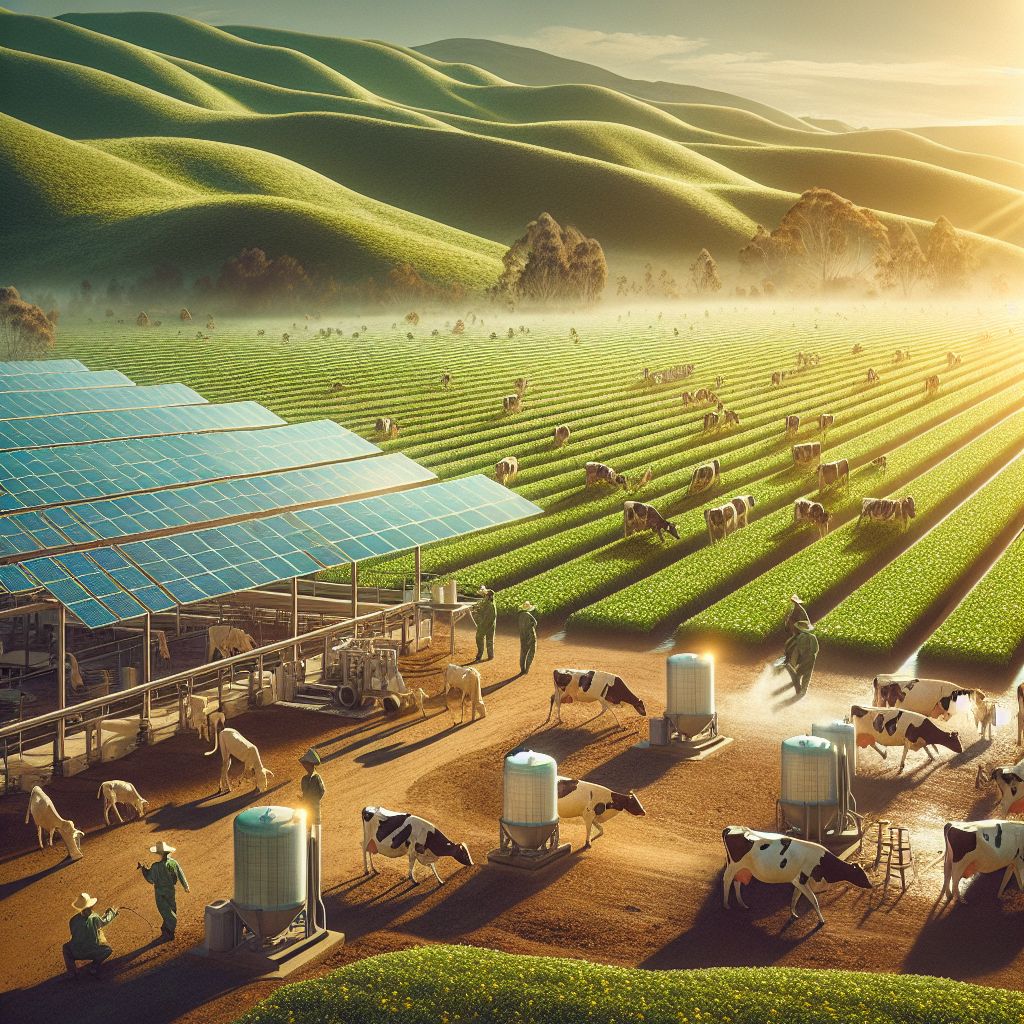
One dairy farm in California installed a solar system to power its irrigation and milking operations. The farm saw a 40% reduction in energy costs within the first year. The solar panels also provided a reliable power source, ensuring that irrigation and milking could continue uninterrupted, even during peak demand periods.
Impact Assessment of Solar Irrigation in Crop Farms
In another example, a crop farm in Texas adopted solar panels to support its extensive irrigation system. The farm reported a 30% decrease in electricity costs and noted improved crop yields due to more consistent irrigation. The solar panels also reduced the farm’s carbon footprint, aligning with its sustainability goals.
These examples illustrate the potential of solar energy to enhance farm efficiency and sustainability. By investing in solar panels, farmers can reduce costs, increase productivity, and contribute to a cleaner environment.
Ensuring Long-Term Maintenance and Efficiency
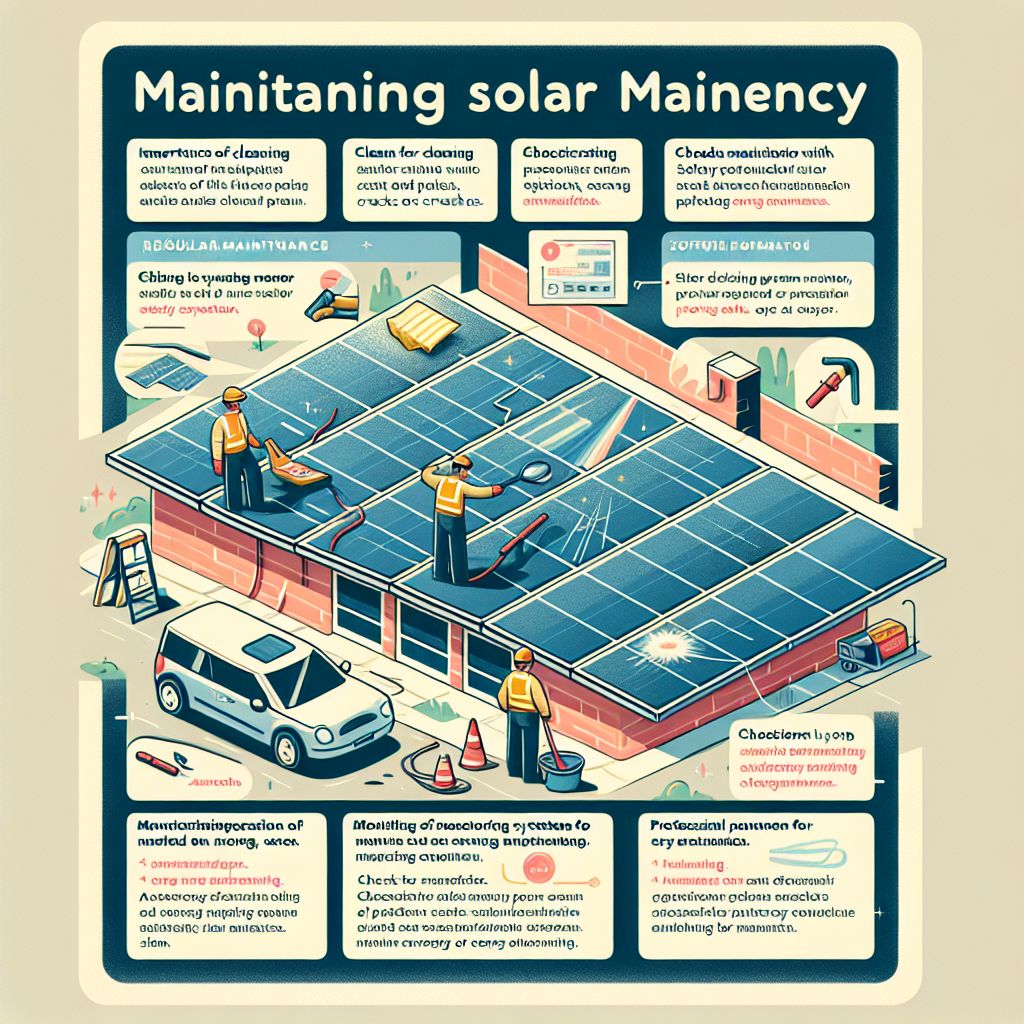
Maintaining your solar panels is crucial for ensuring they operate efficiently and last as long as possible. Regular maintenance can prevent potential issues and maximize the energy output of your system.
Regular Cleaning and Inspection Procedures
Solar panels can accumulate dust, dirt, and debris over time, which can reduce their efficiency. Regular cleaning helps to keep them in optimal condition.
Clean panels with water and a soft brush to remove dirt and grime.
Inspect for any physical damage, such as cracks or scratches, that could affect performance.
Check electrical connections and wiring for signs of wear or corrosion.
Regular inspections can help identify and address issues before they become major problems. By keeping your panels clean and well-maintained, you can ensure they continue to produce energy efficiently.
Besides cleaning, it’s important to have a professional inspection at least once a year. This ensures that your system is functioning correctly and safely.
Monitoring System Performance and Output
Use monitoring software to track energy production and detect any drops in performance.
Keep records of energy output to identify trends and potential issues over time.
Set alerts for performance deviations to address problems quickly.
Monitoring your system’s performance is key to maintaining its efficiency. Most solar systems come with monitoring tools that allow you to track energy production and identify any drops in performance.
By keeping an eye on your system’s output, you can quickly detect and address issues, ensuring your solar panels continue to operate at peak efficiency.
Therefore, regular monitoring and maintenance are essential components of a successful solar energy system.
Conclusion: Future of Solar Energy in Agriculture
The future of solar energy in agriculture is bright. As technology advances and costs decrease, more farmers are turning to solar power to meet their energy needs. Solar panels offer a sustainable and cost-effective solution for powering irrigation systems, reducing energy costs, and promoting environmental stewardship.
Integrating Technology for Sustainable Growth
Integrating solar technology into farm operations is a significant step towards sustainable growth. By harnessing the power of the sun, farmers can reduce their reliance on fossil fuels and decrease their environmental impact.
Moreover, solar energy can be combined with other technologies, such as smart irrigation systems and precision agriculture tools, to enhance farm efficiency further.
This integration allows farmers to optimize water usage, improve crop yields, and reduce waste, contributing to a more sustainable and productive agricultural sector.
Key Considerations for ongoing success
To ensure ongoing success with solar energy, farmers should consider several key factors, such as selecting the best solar panels for farming.
Choose the right type of solar panels for your farm’s specific needs and conditions.
Invest in professional installation and regular maintenance to maximize efficiency.
Explore government incentives and rebates to offset initial costs.
Stay informed about new technologies and innovations in solar energy and agriculture.
Frequently Asked Questions
As solar energy becomes more prevalent in agriculture, many farmers have questions about its benefits and implementation. Here are some common questions and answers to help guide your decision-making process. For a deeper understanding, explore this solar irrigation system technology guide.
Is solar energy cost-effective for small farms?
Yes, solar energy can be cost-effective for small farms. While the initial investment may be high, the long-term savings on energy costs can outweigh the upfront expenses. Additionally, government incentives and rebates can help reduce the initial cost. For more information on sustainable solutions, explore our guide on cost-effective solar-powered water pumps.
Many small farms have successfully implemented solar systems and seen significant savings in their energy bills.
What is the lifespan of solar panels used for farm irrigation?
Solar panels typically have a lifespan of 25 to 30 years. With proper maintenance, they can continue to produce energy efficiently throughout their lifespan.
How can I maintain my solar panels effectively?
“Regular cleaning and professional inspections are key to maintaining solar panel efficiency and longevity.” – Solar Energy Maintenance Expert
By following a regular maintenance schedule and addressing any issues promptly, you can ensure your solar panels operate efficiently and last as long as possible.
Regular monitoring of energy output can also help identify potential problems early, allowing for quick resolution.
Are there any government incentives for solar adoption in agriculture?
Yes, there are several government incentives available for solar adoption in agriculture. These include federal tax credits, state rebates, and grants that can significantly reduce the cost of solar systems.
Farmers should research available programs in their area to take advantage of these financial benefits.
Can solar panels work efficiently while it is cloudy or rainy?
Solar panels can still generate electricity on cloudy or rainy days, although their efficiency may be reduced. They are designed to capture diffuse sunlight, so they continue to produce energy even in less-than-ideal weather conditions.
“Solar panels are effective in various weather conditions, though they perform best in direct sunlight.” – Solar Technology Specialist
By installing a battery storage system, farmers can store excess energy generated on sunny days for use during cloudy periods, ensuring a consistent energy supply.
In conclusion, solar energy offers a sustainable and cost-effective solution for farm irrigation systems. By choosing the right panels, maintaining them properly, and taking advantage of available incentives, farmers can enhance their efficiency and contribute to a more sustainable future.

Leave a Reply