
Key Takeaways
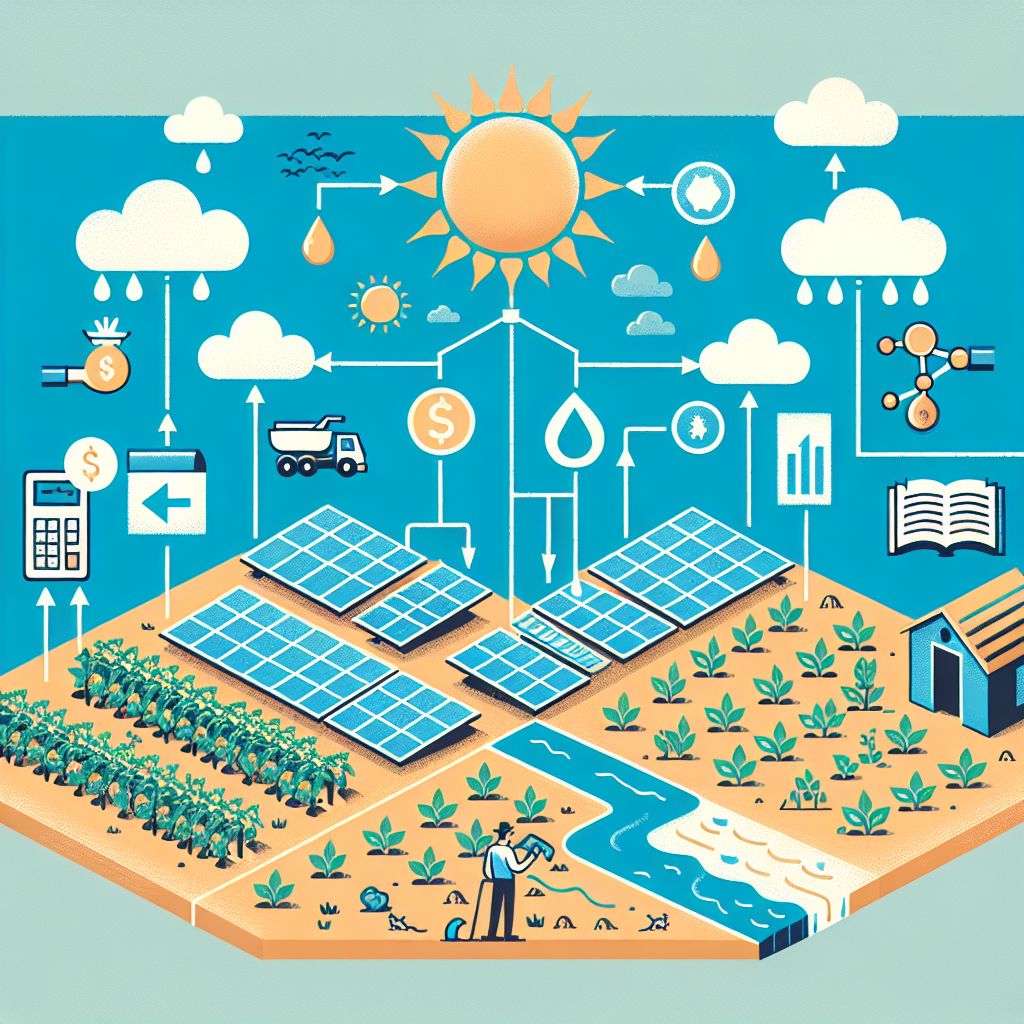
- Solar irrigation systems often have high upfront costs, ranging from $10,000 to $50,000, making them inaccessible for many small farmers.
- Maintenance can be challenging due to the need for specialized knowledge and frequent repairs.
- Solar irrigation efficiency is highly dependent on weather conditions, which can lead to inconsistent water supply.
- Installing solar panels requires significant land space, potentially affecting local ecosystems and biodiversity.
- Without proper regulation, solar irrigation can lead to overuse of groundwater resources, risking depletion.
Challenges with Solar Irrigation on Farms
Solar irrigation systems have emerged as a promising solution for sustainable agriculture. They harness renewable energy from the sun to power irrigation systems, reducing reliance on fossil fuels. However, this technology is not without its drawbacks. Farmers need to weigh these disadvantages carefully before making the switch.
Introduction to Solar Irrigation
Solar irrigation uses solar panels to convert sunlight into electricity, which powers water pumps for irrigation. This system is especially appealing in regions with high solar exposure. The technology promises reduced energy costs and environmental benefits. But, as with any technology, it’s crucial to understand the full picture, including the potential downsides.
Advantages That Lead to Unforeseen Drawbacks
Initially, solar irrigation systems appear to be an ideal solution. They offer a renewable energy source and can potentially lower long-term energy costs. However, these advantages can sometimes mask significant challenges. The cost of installation, maintenance needs, and environmental impacts are often underestimated.
Solar irrigation systems offer numerous benefits for farmers, but they also come with several challenges. Here’s a table discussing the main challenges associated with solar irrigation on farms:
|
Challenge |
Description |
|---|---|
|
High Initial Cost |
The upfront investment for solar panels, pumps, and infrastructure can be substantial, especially for small-scale farmers. 2, 4, 6 |
|
Weather Dependency |
Solar irrigation systems rely on sunlight, making them less effective during cloudy days or continuous rainy periods. 2, 9 |
|
Space Requirements |
Solar panels are bulky and require significant space, which may compete with available land for cultivation. 3, 4 |
|
Maintenance Expertise |
While maintenance is generally limited, accessing technicians for repairs can be difficult in remote locations. 2, 8 |
|
Energy Storage Costs |
Storing energy for nighttime use requires expensive battery systems. 4 |
|
Unsustainable Water Use |
Without proper regulation, farmers may overexploit groundwater resources due to the lack of recurring energy costs. 4, 5, 7 |
|
Technical Knowledge Gap |
Farmers and local technicians may lack the necessary expertise to properly install, operate, and maintain solar irrigation systems 3, 8 |
|
System Design Challenges |
Proper sizing and design of the system is crucial for optimal performance, requiring expert consultation. 9 |
|
Limited Awareness |
Many farmers lack understanding of solar irrigation’s potential benefits and cost savings. 2 |
|
Geographical Limitations |
Regions with low solar radiation may not be ideal for solar irrigation systems. 9 |
High Initial Costs and Maintenance
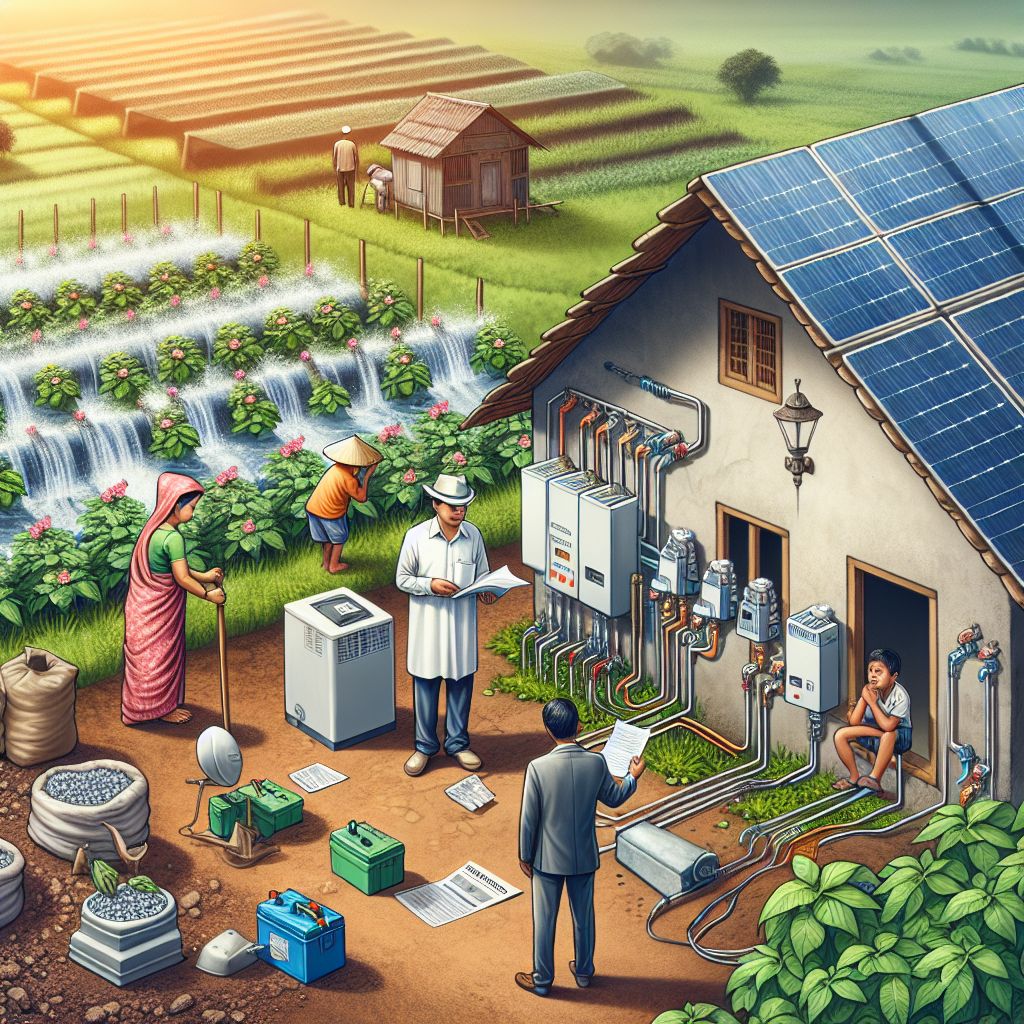
“Even though solar irrigation systems are considered an accessible and cost-effective alternative to fuel or electricity, the initial cost for material and installation of the system is relatively high.” – Ecavo
One of the biggest hurdles is the high initial investment required for solar irrigation systems. This includes the cost of solar panels, inverters, batteries, and installation. For small farmers, this financial burden can be overwhelming.
Besides the initial cost, maintenance of solar irrigation systems can also be a challenge. These systems require regular upkeep to ensure they operate efficiently. This maintenance often requires specialized knowledge, which can be difficult to find in rural areas.
Barrier to Entry for Small Farmers
For many small farmers, the high upfront costs of solar irrigation systems create a significant barrier to entry. While larger agricultural operations might absorb these costs, smaller farms often struggle to justify the investment. As a result, many small-scale farmers continue to rely on traditional irrigation methods, which may be less sustainable.
Governments and organizations sometimes offer subsidies or financial assistance to help offset these costs. However, these programs are not always available or sufficient, leaving many farmers without viable options.
Long-Term Maintenance Challenges
Maintaining a solar irrigation system requires more than just financial investment. It demands ongoing attention to keep the system running smoothly. Regular cleaning of solar panels, checking connections, and replacing parts are all necessary tasks. Farmers need to be prepared for these responsibilities or risk system failure.
Additionally, the need for technical expertise can be a significant hurdle. Farmers may need to hire specialists to perform repairs or maintenance, which can be costly and time-consuming. For more insights on the challenges, check out this article on solar irrigation systems.
Weather Dependency
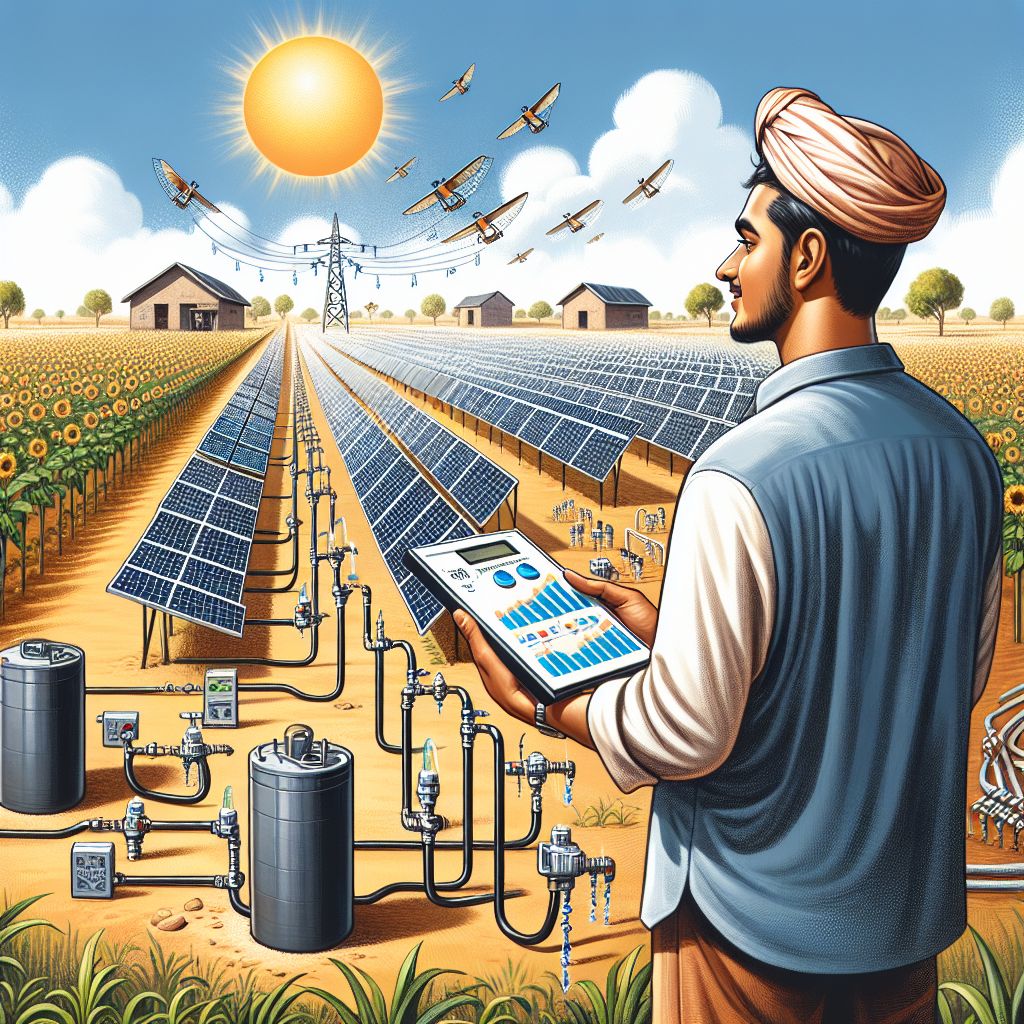
One of the most significant challenges of solar irrigation is its dependency on weather conditions. Solar panels require sunlight to generate electricity, which means that their efficiency can fluctuate based on the weather. This dependency makes it difficult for farmers to rely solely on solar power for their irrigation needs, especially in areas with unpredictable weather patterns. For more insights, explore the impact of solar irrigation on farms.
Impact of Cloudy Days on Efficiency
Cloudy days can significantly reduce the efficiency of solar panels. When the sun is obscured by clouds, the amount of energy generated decreases, leading to less power available for irrigation. For farmers, this can mean insufficient water supply for their crops during critical growth periods.
To mitigate this issue, farmers can use energy storage systems like batteries to store excess energy generated on sunny days. However, this adds another layer of complexity and cost to the solar irrigation system.
Seasonal Limitations of Solar Power
Besides daily weather fluctuations, seasonal changes also impact solar power availability. During winter months or rainy seasons, sunlight hours are reduced, which can limit the energy produced by solar panels. This seasonal limitation can create challenges for farmers who need consistent irrigation throughout the year.
In some cases, farmers might need to supplement solar power with other energy sources, such as diesel generators, to ensure a reliable water supply. This hybrid approach can help maintain irrigation efficiency but may also increase operational costs.
Adapting to Power Variability
To adapt to the variability in solar power, farmers must implement strategies to optimize energy use. This might involve adjusting irrigation schedules based on energy availability or using more efficient irrigation methods that require less power. For more information on these methods, check out our guide on solar sprinkler irrigation systems.
Farmers can also invest in advanced monitoring systems to track energy production and consumption. These systems can provide valuable data to help farmers make informed decisions about their irrigation practices and energy management.
Land Use and Environmental Concerns
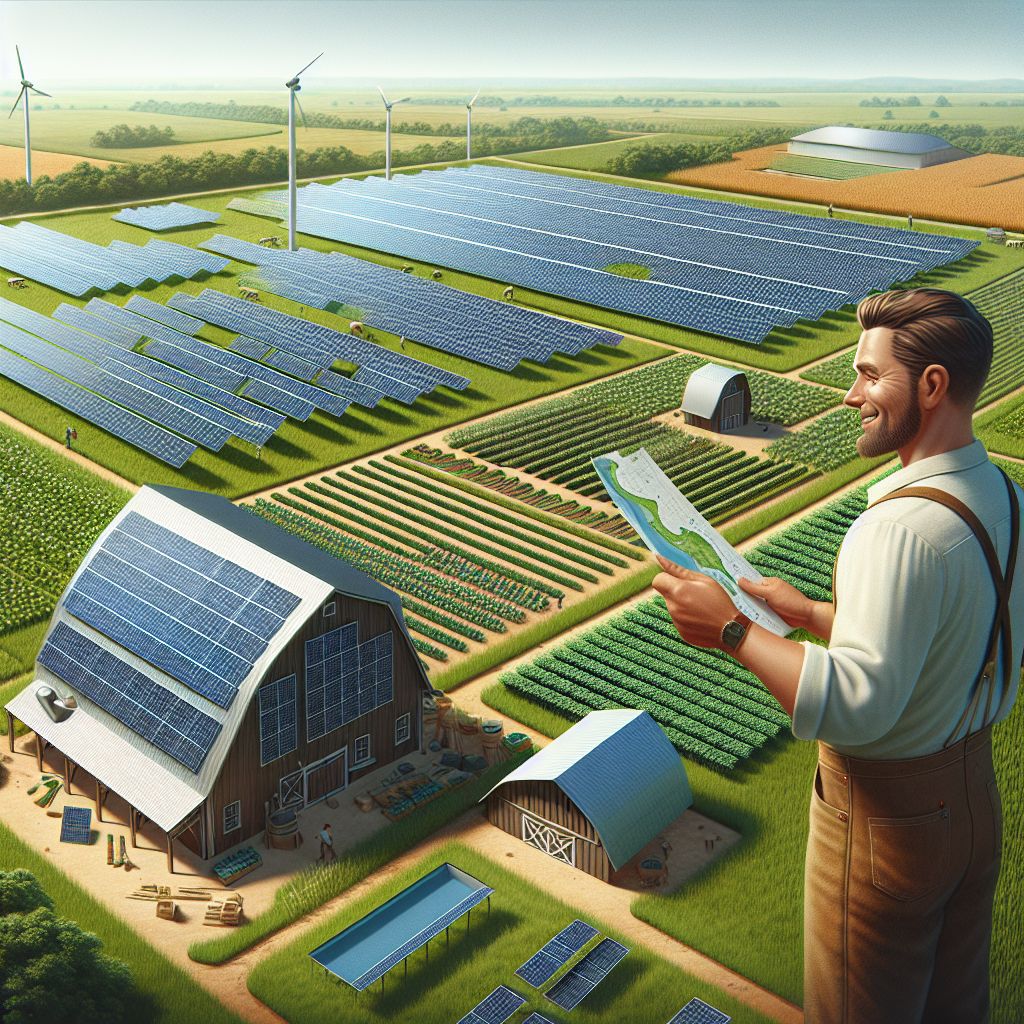
Solar irrigation systems require significant land space for the installation of solar panels. This can pose challenges, particularly for farms with limited available land. Moreover, the environmental impact of these installations must be considered to ensure sustainable farming practices.
Space Requirements for Solar Panels
Solar panels need to be installed in areas with maximum sunlight exposure, which often means dedicating large tracts of land to the solar array. This can be a challenge for farms that need to balance crop production with energy generation. To better understand the impact of solar irrigation on farm operations, analyzing real-world examples can be insightful.
Farmers must carefully plan the layout of their solar installations to minimize the impact on arable land. In some cases, it might be possible to integrate solar panels into existing structures, such as barn roofs, to save space.
Effects on Local Ecosystems and Biodiversity
The installation of solar panels can alter local ecosystems and impact biodiversity. Clearing land for solar arrays can disrupt habitats and affect wildlife. It’s essential for farmers to conduct environmental assessments before installation to understand and mitigate these impacts.
By choosing locations that minimize disruption and implementing measures to protect local flora and fauna, farmers can help preserve biodiversity while benefiting from solar energy.
Potential Heat Emission Impacts
Solar panels can contribute to local heat emissions. The panels absorb sunlight and convert it to electricity, but some of the absorbed energy is released as heat. This can increase local temperatures and potentially affect nearby crops and wildlife.
- Position panels to minimize heat impact on sensitive areas.
- Use vegetation to provide natural cooling around solar arrays.
- Consider installing reflective surfaces to reduce heat absorption.
By addressing these potential impacts, farmers can ensure that their solar irrigation systems contribute positively to both their agricultural productivity and the environment.
Water Resource Management Issues
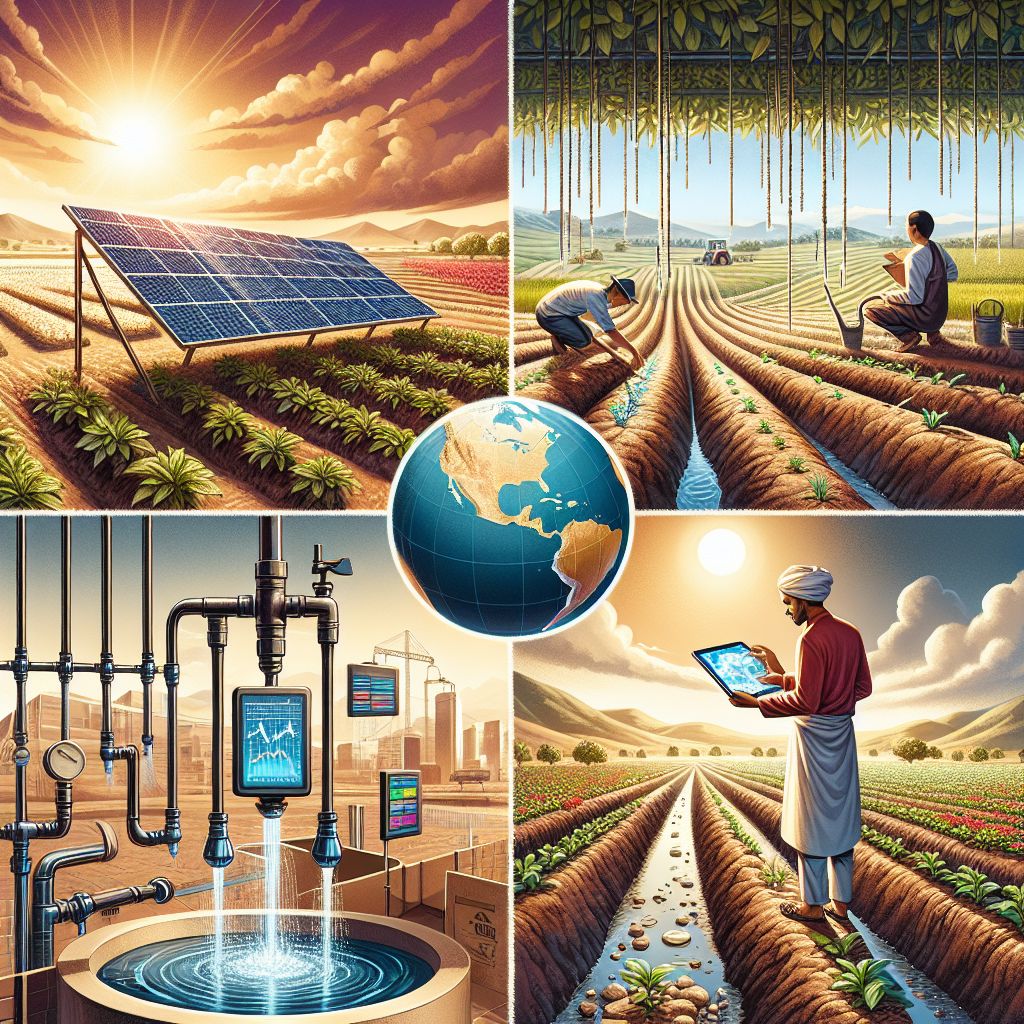
Solar irrigation systems can lead to challenges in water resource management. While they provide a sustainable energy source, they can also contribute to unsustainable water use if not properly managed. For a deeper understanding, explore the solar-powered irrigation systems and their impact on water management.
Risk of Groundwater Overexploitation
With the ability to pump water continuously, solar irrigation systems can lead to overexploitation of groundwater resources. This is particularly concerning in areas where water scarcity is already an issue.
To prevent groundwater depletion, farmers should implement water-saving techniques and closely monitor their water usage. This might include using drip irrigation systems or scheduling irrigation during cooler parts of the day to reduce evaporation.
Need for Monitoring and Regulation
Effective water management requires regular monitoring and regulation. Farmers need to track their water use and ensure it aligns with sustainable practices. Local governments and agricultural organizations can play a crucial role by providing guidelines and support for water management.
Implementing policies that encourage responsible water use and penalize overuse can help protect valuable water resources for future generations.
Sustainable Water Use Practices
To make solar irrigation truly sustainable, farmers must adopt practices that conserve water and protect resources. This includes using efficient irrigation techniques, such as drip or sprinkler systems, and investing in technology that monitors soil moisture levels.
Education and training programs can also help farmers understand the importance of sustainable water use and how to implement best practices on their farms.
Technological and Skill Requirements
Solar irrigation systems require a certain level of technical knowledge and skill to install and maintain. Farmers must be prepared to invest time and resources into learning about the technology and how to manage it effectively.
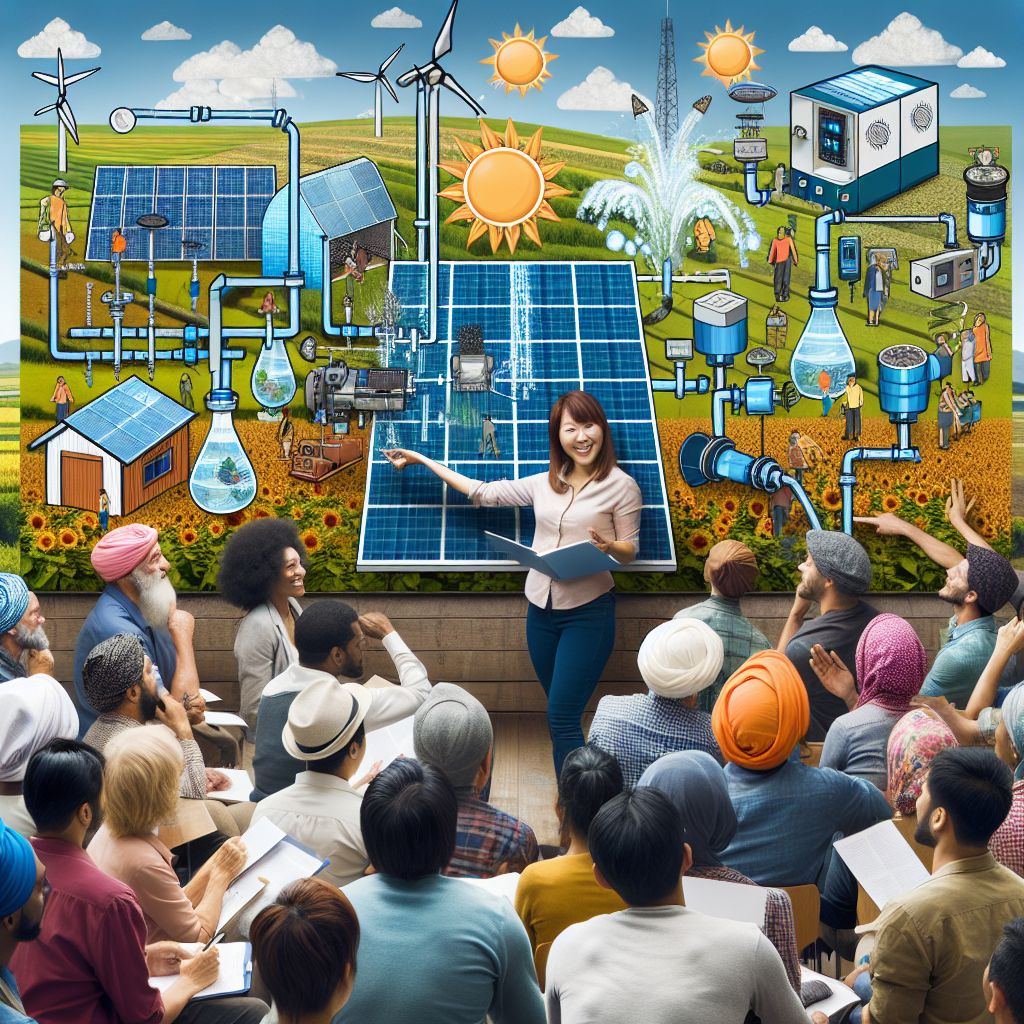
Training programs and workshops can provide valuable support for farmers looking to adopt solar irrigation. By building their skills and knowledge, farmers can maximize the benefits of their solar systems and ensure long-term success.
Need for Technical Knowledge and Training
Solar irrigation systems are not plug-and-play solutions. They require a certain level of technical expertise to install, operate, and maintain. Farmers need to be familiar with the components of the system, such as solar panels, inverters, and pumps, to ensure everything functions smoothly.
Training programs are essential for farmers to gain the skills necessary to manage these systems. Workshops, online courses, and field demonstrations can provide hands-on experience and build confidence in using solar technology.
Complexity in System Management
Managing a solar irrigation system involves more than just technical know-how. It requires strategic planning and decision-making to optimize energy use and water management. Farmers must monitor weather patterns, energy production, and water needs to adjust their irrigation schedules accordingly.
Integrating Solar with Other Energy Sources
To overcome the limitations of solar power, many farmers choose to integrate their solar irrigation systems with other energy sources. This hybrid approach can provide a more reliable and consistent energy supply, ensuring that irrigation needs are met even when solar power is insufficient.
Using Backup Power Solutions
Backup power solutions, such as diesel generators or grid electricity, can supplement solar energy during periods of low sunlight. This ensures that farmers have access to a continuous power supply for irrigation, regardless of weather conditions.
However, relying on backup power can increase operational costs and reduce the environmental benefits of solar irrigation. Therefore, it’s important to use these solutions judiciously and only when necessary.
Example: “In regions with frequent cloudy days, farmers have successfully integrated battery storage systems to store excess solar energy. This stored energy can then be used during periods of low sunlight, reducing the need for backup generators.” – Real World Farming Solutions
By incorporating energy storage into their systems, farmers can enhance the reliability of solar irrigation and reduce their dependence on fossil fuels. Learn more about the benefits of solar panel batteries for agriculture use.
Benefits of a Combined Energy Approach
Combining solar power with other energy sources offers several advantages. It provides flexibility in energy management, allowing farmers to switch between energy sources as needed. This approach also enhances the resilience of irrigation systems, ensuring that water needs are met under varying conditions. To learn more about the revolutionizing watering practices with solar energy, explore our detailed guide.
Concluding Thoughts on Solar Irrigation
Solar irrigation systems present both opportunities and challenges for sustainable agriculture. While they offer significant environmental benefits and potential cost savings, they also come with drawbacks that must be carefully considered.
Balancing Benefits and Drawbacks
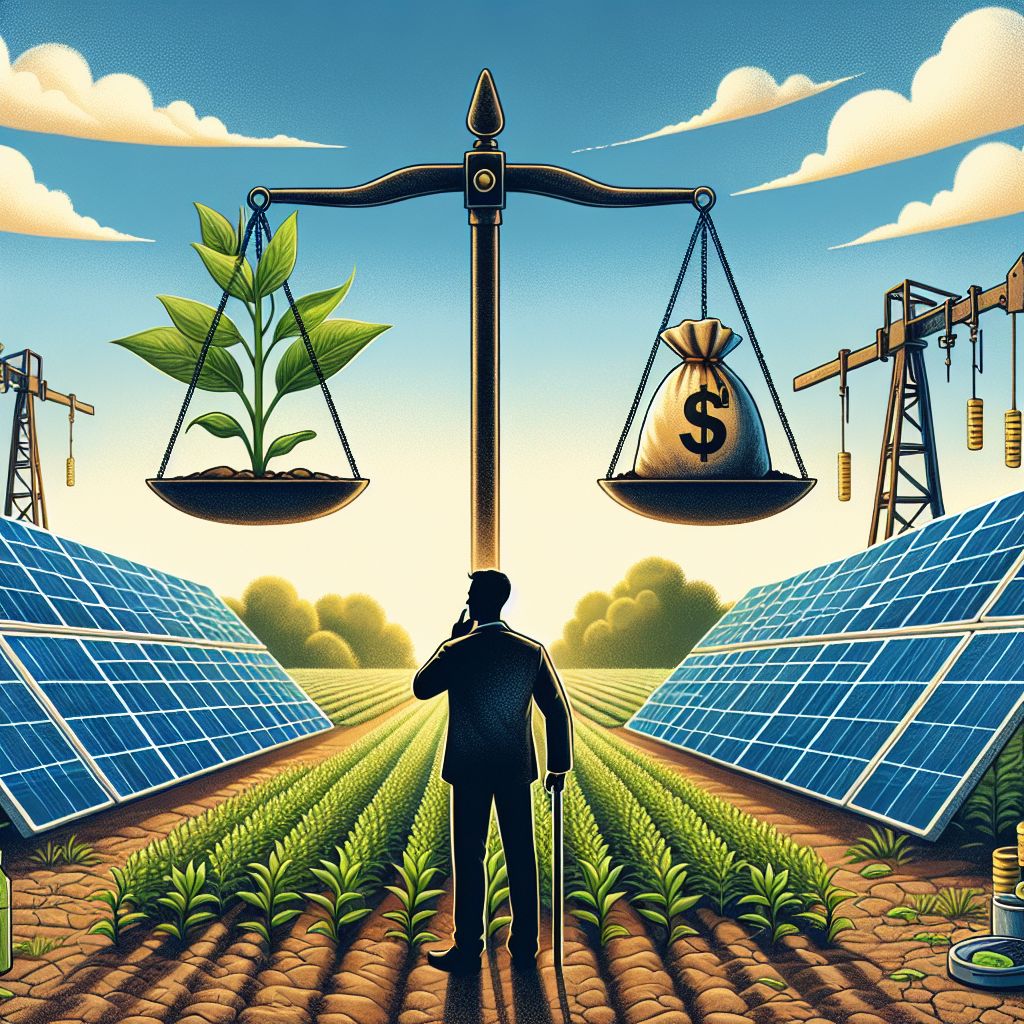
Farmers need to weigh the advantages of solar irrigation against the potential challenges. High initial costs, maintenance requirements, and environmental impacts are significant factors to consider. By understanding these challenges and planning accordingly, farmers can make informed decisions about whether solar irrigation is the right choice for their operations.
Ultimately, the success of solar irrigation depends on careful management, ongoing education, and a willingness to adapt to changing conditions.
With All Challenges is a Solar Irrigation System Worth the Investment for a Farmer
For many farmers, the decision to invest in solar irrigation comes down to a cost-benefit analysis. If the long-term savings and environmental benefits outweigh the initial costs and challenges, solar irrigation can be a valuable addition to their farming practices.
Farmers should consider their specific circumstances, including available resources, environmental conditions, and financial capacity, before making a decision. Consulting with experts and exploring available subsidies or incentives can also help make solar irrigation more accessible.
Frequently Asked Questions (FAQ)
Many farmers have questions about solar irrigation systems and how they can benefit their operations. Here are some of the most common inquiries:
What Are the Initial Costs of a Solar Irrigation System?
The initial costs of a solar irrigation system can vary widely depending on the size and complexity of the installation. On average, farmers can expect to spend between $10,000 and $50,000 on solar panels, inverters, batteries, and installation.
These costs can be a significant barrier for small farmers, but financial assistance programs and subsidies may be available to help offset expenses.
- Solar panels: $5,000 – $20,000
- Inverters: $1,000 – $5,000
- Batteries: $2,000 – $10,000
- Installation: $2,000 – $15,000
How Does Weather Affect the Efficiency of Solar Irrigation?
Weather conditions have a direct impact on the efficiency of solar irrigation systems. Cloudy days, rain, and shorter daylight hours during winter can reduce the amount of solar energy generated. This can lead to inconsistent water supply if no backup power solutions are in place.
What Are the Environmental Concerns with Solar Irrigation?
While solar irrigation offers environmental benefits, such as reducing reliance on fossil fuels, it can also pose challenges. The installation of solar panels may require significant land use, which can impact local ecosystems and biodiversity. Additionally, improper management of water resources can lead to overuse and depletion of groundwater.
Can Solar Irrigation Systems Lead to Water Overuse?
Yes, solar irrigation systems can contribute to water overuse if not properly managed. The ability to pump water continuously can lead to excessive extraction of groundwater, particularly in areas with limited water resources. Farmers must implement sustainable water management practices to prevent overexploitation.
Example: “In regions with water scarcity, farmers have successfully implemented drip irrigation systems alongside solar irrigation to minimize water use and maximize efficiency.” – Sustainable Agriculture Practices







Leave a Reply