

“Solar-Powered Center Pivot Irrigation …” from growingsolarmist.com and used with no modifications.
Key Takeaways
- Solar-powered pivot sprinkler systems use renewable energy, cutting down on electricity costs significantly.
- These systems offer precise water management, enhancing crop yields and conserving water.
- Farmers can save up to 30% on energy costs compared to traditional systems.
- Government grants and incentives are available to help cover initial setup costs.
- Switching to solar-powered systems reduces the farm’s carbon footprint, promoting sustainable agriculture.
Understanding Solar-Powered Pivot Sprinkler Systems
Solar-powered pivot sprinkler systems are transforming how farmers irrigate their fields. These systems harness solar energy to power the irrigation process, making them a sustainable and cost-effective choice. By reducing reliance on traditional energy sources, farmers can not only cut costs but also minimize their environmental impact.
Components and Functionality of Solar-Powered Pivot Sprinkler Systems
The main components of a solar-powered pivot sprinkler system include solar panels, a water pump, pivot sprinklers, and a control unit. Solar panels capture sunlight and convert it into electrical energy. This energy powers the water pump, which pushes water through the pivot sprinklers, ensuring even distribution across the field. The control unit manages the system’s operations, allowing farmers to adjust water flow and scheduling.
One of the standout features of these systems is their ability to operate autonomously. The solar panels charge batteries during the day, providing power even during cloudy periods or at night. This ensures that crops receive consistent irrigation, crucial for maintaining health and productivity.
Here’s a table comparing the different solar panel you can use with an irrigation system on a farm:
|
Solar Panel Type |
Efficiency |
Cost per Watt |
Pros |
Cons |
|---|---|---|---|---|
|
Monocrystalline |
17-22% |
$1.00 – $1.50 |
– Highest efficiency. 1, 3 |
– Most expensive option. 1, 3 |
|
Polycrystalline |
13-17% |
$0.90 – $1.20 |
– Lower cost than monocrystalline. 1, 3 |
– Slightly lower efficiency. 1, 3 |
|
Thin-Film |
10-13% |
$0.70 – $1.00 |
– Lowest cost. 1, 3 |
– Lowest efficiency. 1, 3 |
Monocrystalline panels are highly efficient and durable, making them ideal for high-performance irrigation systems that require consistent power output. Their higher cost is often offset by their superior performance in the long run 3.
Polycrystalline panels offer a good balance between cost and efficiency, making them suitable for medium-scale irrigation projects. They perform well in most conditions and are a popular choice for many agricultural applications 3.
Thin-film panels, while less efficient, are more affordable and flexible. They can be a good option for portable irrigation systems or installations where weight is a concern. Their lower efficiency means you may need more panels to achieve the same power output as crystalline options 3.
Energy Source and Conversion Process
Solar panels are the heart of the system, converting sunlight into electricity through photovoltaic cells. This process is both efficient and eco-friendly, as it utilizes a renewable energy source. The electricity generated is stored in batteries or used directly to power the irrigation system. For more information on the latest innovations, check out new solar panel technology.
Most importantly, this conversion process reduces dependency on non-renewable energy sources like diesel or electricity from the grid. By utilizing the sun’s energy, farmers can achieve energy independence, a crucial factor in reducing operational costs and environmental impact.
Comparison with Traditional Sprinkler Systems
Traditional sprinkler systems often rely on diesel or electric power, which can be expensive and harmful to the environment. In contrast, solar-powered systems offer a sustainable alternative that significantly reduces energy costs. Here’s a comparison to illustrate the differences:
Here’s a table comparing Solar-Powered Pivot Sprinkler Systems with Traditional Pivot Sprinkler Systems:
|
Feature |
Solar-Powered Pivot Systems |
Traditional Pivot Systems |
|---|---|---|
|
Energy Source |
Solar panels |
Grid electricity or diesel |
|
Environmental Impact |
Zero emissions during operation 1 |
Higher emissions, especially with diesel |
|
Long-term Costs |
Lower due to free solar energy 3 |
Higher due to ongoing fuel or electricity costs |
|
Initial Investment |
Higher upfront costs 3 |
Lower initial costs |
|
Maintenance |
Less maintenance, fewer moving parts 3 |
More frequent servicing, especially for diesel systems |
|
Operational Flexibility |
Can operate in remote areas without grid access 1 |
Dependent on fuel delivery or grid connectivity |
|
Water Efficiency |
Precise water distribution, minimizes waste 3 |
Can be efficient, but may have higher water loss |
|
Energy Independence |
Provides energy autonomy for farms 1 |
Reliant on external energy sources |
|
Government Incentives |
May qualify for solar energy tax credits 3 |
Typically not eligible for renewable energy incentives |
|
Remote Operation |
Often includes advanced automation and remote control 3 |
May have limited remote capabilities |
|
Lifespan |
Longer lifespan due to fewer moving parts 1 |
Shorter lifespan, especially for diesel components |
This table highlights the key differences between solar-powered and traditional pivot sprinkler systems, showcasing the advantages of solar technology in terms of sustainability, long-term cost savings, and operational flexibility. 1, 3
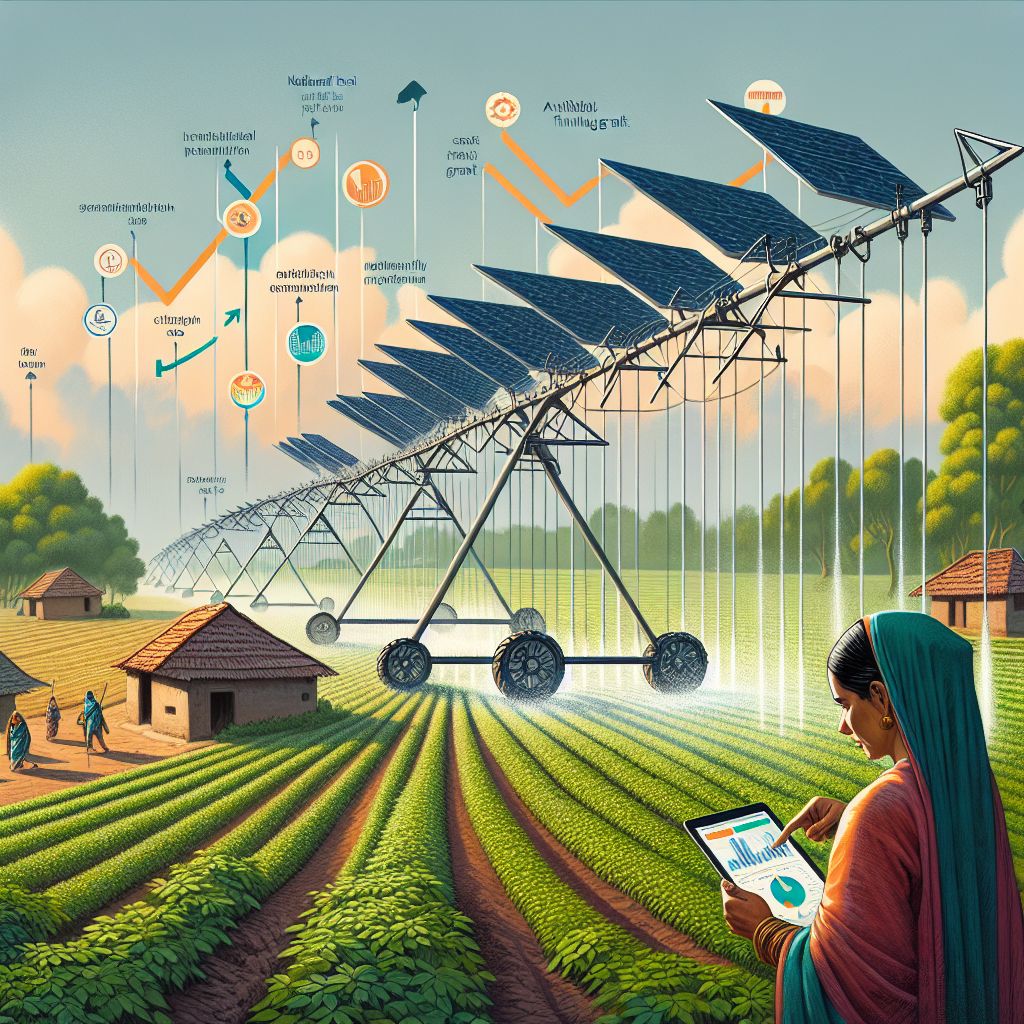
Economic Benefits for Farmers
Switching to solar-powered pivot sprinkler systems can offer significant economic benefits for farmers. These benefits include cost reduction in energy usage, long-term savings, and access to funding opportunities.
Cost Reduction in Energy Usage
One of the most compelling reasons to switch to solar-powered systems is the reduction in energy costs. Traditional systems often incur high fuel or electricity bills, which can eat into a farmer’s profits. By using solar energy, farmers can significantly cut these costs, freeing up resources for other investments.
Besides that, the cost savings are not just limited to energy. Maintenance costs are also lower, as solar-powered systems have fewer moving parts and require less frequent servicing.
Long-Term Savings Compared to Diesel or Electric Systems
While the initial investment for solar-powered systems may be higher, the long-term savings can be substantial. Farmers can expect to save up to 30% on energy costs annually, with the system paying for itself in a few years. Over time, these savings can add up, providing a significant return on investment.
Moreover, the reduction in energy costs allows farmers to allocate funds to other areas of their operations, such as improving crop quality or expanding their farm. This not only boosts productivity but also enhances overall farm sustainability.
Funding Opportunities: Grants and Incentives
Switching to solar-powered pivot sprinkler systems can be financially daunting, but numerous funding opportunities exist to ease this burden. Governments and environmental organizations offer grants and incentives to promote sustainable farming practices. These programs are designed to help farmers cover the initial costs of purchasing and installing solar systems.
To take advantage of these opportunities, farmers should start by researching available grants in their region. Many programs require a detailed proposal outlining the expected environmental and economic benefits of the system. It’s crucial to prepare a comprehensive application that highlights how solar-powered irrigation will contribute to sustainable agriculture on your farm.
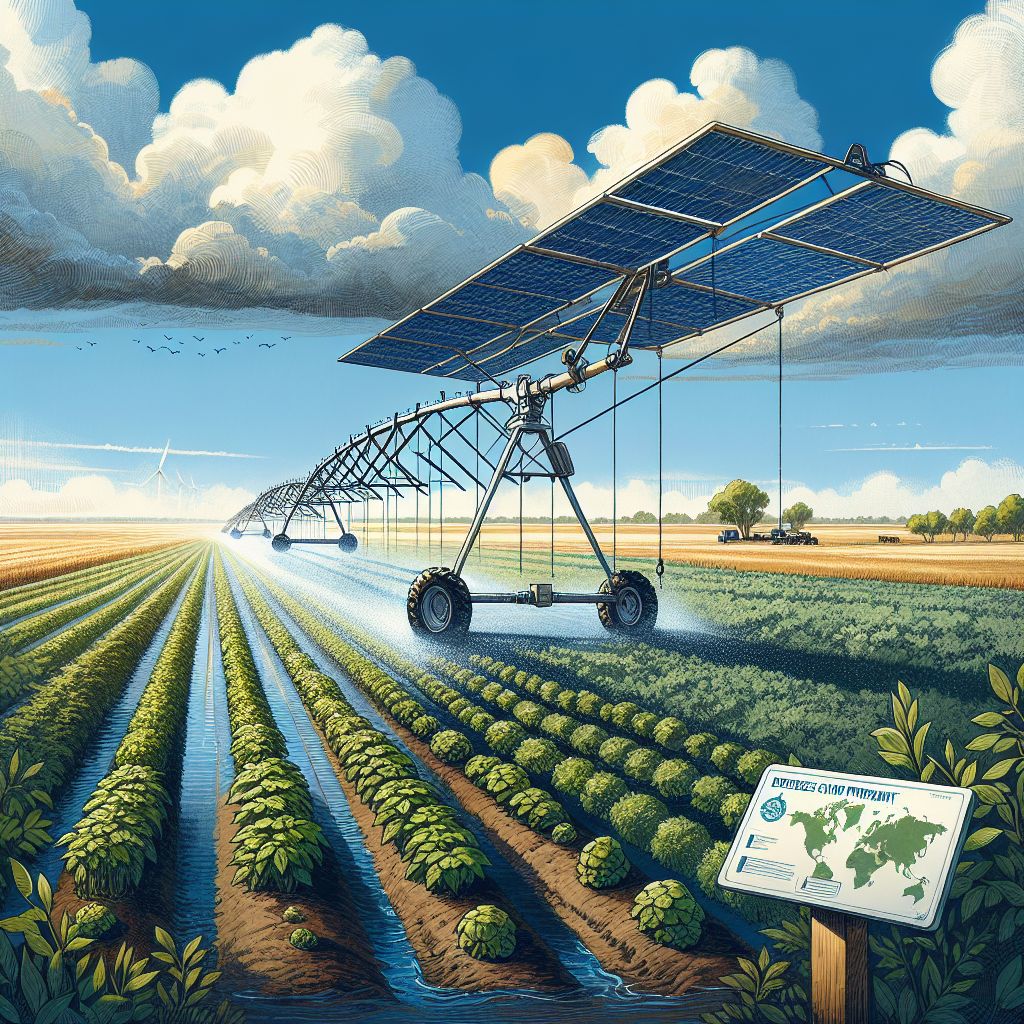
Environmental and Sustainable Farming Advantages
Solar-powered pivot sprinkler systems not only offer economic benefits but also contribute significantly to environmental sustainability. By embracing this technology, farmers can play a pivotal role in conserving resources and reducing their ecological footprint.
Decreased Carbon Footprint
One of the most significant advantages of solar-powered systems is their ability to reduce carbon emissions. Traditional irrigation systems often rely on fossil fuels, which contribute to greenhouse gas emissions. By switching to solar energy, farmers can significantly lower their carbon footprint, contributing to global efforts to combat climate change.
Promotion of Renewable Energy Utilization
Solar-powered irrigation systems demonstrate a commitment to renewable energy. By harnessing the sun’s power, farmers help promote the use of clean energy sources. This shift not only benefits the environment but also sets an example for other industries to follow. For more information on the benefits and setup of these systems, check out this guide on solar-powered center pivot irrigation systems.
Moreover, using renewable energy reduces reliance on non-renewable resources, which are finite and environmentally damaging. This transition supports the broader goal of creating a sustainable energy future.
Water Conservation through Efficient Irrigation
Water conservation is another critical advantage of solar-powered pivot sprinkler systems. These systems are designed to deliver precise amounts of water directly to crops, minimizing wastage. This precision helps preserve water resources, which are becoming increasingly scarce in many regions.
Furthermore, efficient water use improves soil health and reduces the risk of erosion. By maintaining optimal moisture levels, farmers can enhance crop yields and ensure the long-term sustainability of their land.

“Center-pivot Irrigation Systems” from teltonika-networks.com and used with no modifications.
Remote Operation and Automation Benefits
Technology plays a crucial role in modern agriculture, and solar-powered pivot sprinkler systems are no exception. These systems offer advanced features that allow for remote operation and automation, streamlining the irrigation process.
Farmers can monitor and control their irrigation systems from anywhere using smartphones or computers. This capability provides flexibility and convenience, enabling farmers to manage their operations more efficiently. For those interested in comparing technologies, here’s a useful comparison between solar and conventional irrigation systems.
Technology Integration: Smartphone and Computer Control
Integrating technology with irrigation systems allows for seamless operation and monitoring. Farmers can access real-time data on water usage, weather conditions, and system performance. This information helps them make informed decisions and adjust irrigation schedules as needed.
Additionally, remote control capabilities mean that farmers can respond quickly to changing conditions, such as unexpected weather events or equipment malfunctions. This responsiveness helps ensure that crops receive the right amount of water at the right time. For more information on the benefits of these systems, check out this guide on solar-powered irrigation systems.
Scheduling Flexibility and Water Management Precision
Automation features in solar-powered systems provide scheduling flexibility, allowing farmers to tailor irrigation schedules to their specific needs. They can set precise watering times and durations, optimizing water use and enhancing crop health.
This precision not only conserves water but also reduces labor requirements. Farmers can spend less time manually managing irrigation, freeing up resources for other essential tasks on the farm.
Reduced Labor Requirements for Monitoring and Maintenance
Solar-powered pivot sprinkler systems require minimal maintenance compared to traditional systems. The reduced number of moving parts means fewer breakdowns and less time spent on repairs. This efficiency allows farmers to focus on other critical aspects of their operations. For more information on the benefits and setup of these systems, check out this guide on solar-powered center pivot irrigation systems.
Moreover, automated monitoring systems can alert farmers to potential issues before they become significant problems. This proactive approach helps prevent costly downtime and ensures the system operates at peak efficiency.

“Solar Irrigation Systems for Growing …” from growingsolarmist.com and used with no modifications.
Impact on Crop Yields and Farm Productivity
Adopting solar-powered pivot sprinkler systems can have a profound impact on crop yields and overall farm productivity. By providing consistent and efficient irrigation, these systems help farmers optimize their operations and maximize output.
Consistent Water Supply and Crop Health Improvement
Consistent water supply is crucial for maintaining healthy crops. Solar-powered systems ensure that crops receive the right amount of water, regardless of weather conditions. This reliability helps prevent stress on plants, leading to improved growth and higher yields.
Healthy crops are more resilient to pests and diseases, reducing the need for chemical interventions. This not only benefits the environment but also enhances the quality and marketability of the produce.
Case Studies: Increased Yields in Different Regions
Several farmers have reported significant increases in crop yields after switching to solar-powered irrigation systems. For instance, a farmer in California saw a 20% increase in yields within the first year of using a solar-powered pivot system. The precise water distribution and energy savings allowed him to invest more in other areas of his farm, leading to overall improved productivity.
“Switching to solar-powered irrigation has been a game-changer for my farm. Not only have my yields increased, but I’ve also saved a lot on energy costs.” – John, California Farmer
Data-Driven Decisions to Optimize Irrigation
Solar-powered systems provide farmers with valuable data that can be used to optimize irrigation practices. By analyzing this data, farmers can identify patterns and trends, allowing them to make informed decisions about water use and crop management. Learn more about new solar panel technology for farmers to further enhance these practices.
This data-driven approach helps farmers fine-tune their operations, ensuring that resources are used efficiently and effectively. As a result, they can achieve higher yields and better-quality produce, enhancing their competitiveness in the market.
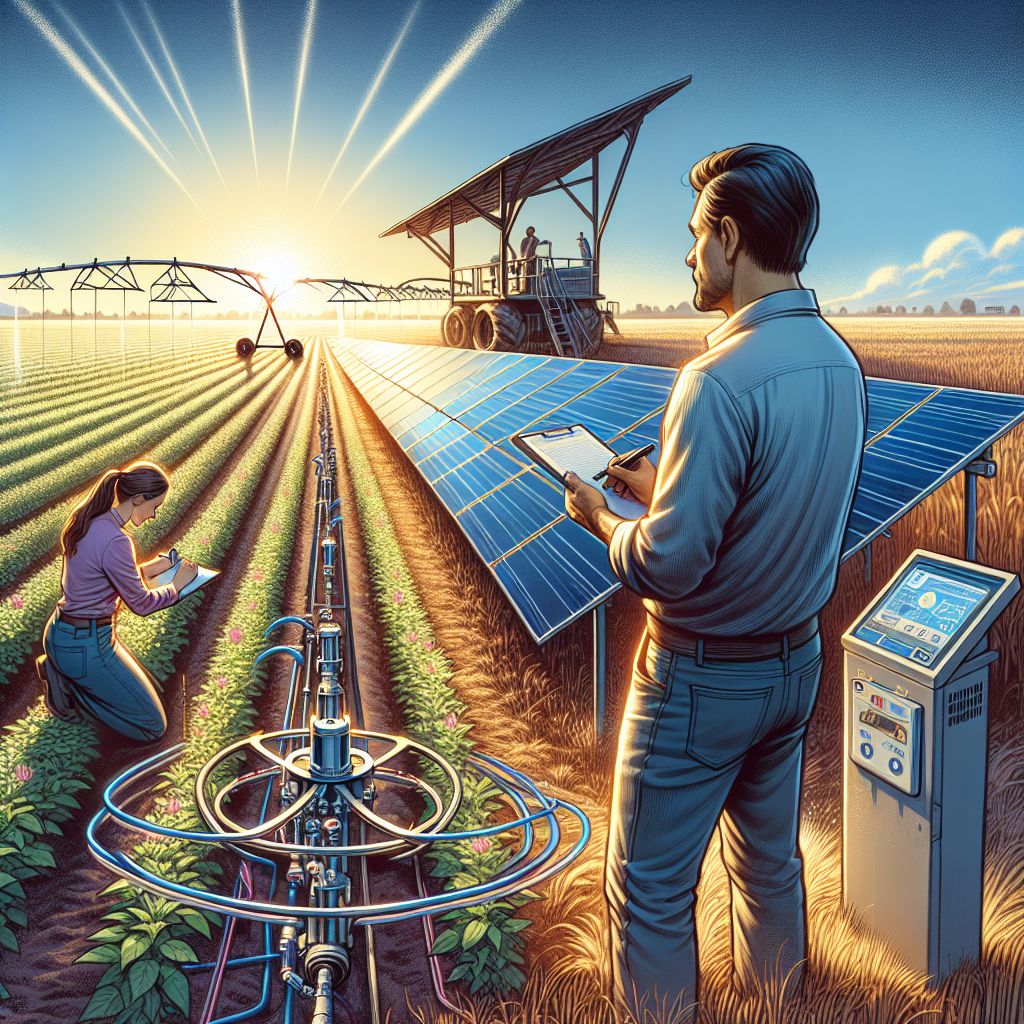
Steps to Transition to Solar-Powered Systems
Transitioning to solar-powered pivot sprinkler systems requires careful planning and consideration. Farmers should follow these steps to ensure a smooth and successful transition:
- Conduct an initial assessment of the farm’s energy and water needs.
- Research available solar-powered systems and choose one that suits your requirements.
- Apply for grants and incentives to help cover the initial costs.
- Work with a reputable installer to ensure proper setup and configuration.
- Monitor the system regularly and perform maintenance as needed.
By following these steps, farmers can successfully transition to solar-powered systems and reap the benefits of sustainable and efficient irrigation.
Initial Assessment and Planning
The first step in transitioning to solar-powered systems is conducting a thorough assessment of your farm’s current energy and water usage. This assessment will help you determine the size and capacity of the system needed to meet your needs.
Consider factors such as the size of your fields, the types of crops you grow, and the availability of sunlight in your region. This information will guide your decision-making and ensure that you choose a system that is both efficient and effective.
Installation Process and Key Considerations
Installing a solar-powered pivot sprinkler system involves several key steps. First, you’ll need to select a suitable location for the solar panels. This area should receive ample sunlight throughout the day to maximize energy capture. Next, work with a qualified installer to properly set up the system, ensuring all components are correctly aligned and connected.
It’s crucial to consider the orientation and tilt of the solar panels, as these factors can significantly impact energy efficiency. Additionally, ensure that the system is integrated with existing irrigation infrastructure to facilitate seamless operation. Proper installation is vital for optimizing performance and longevity.
Maintenance and Monitoring Best Practices
- Regularly clean solar panels to remove dust and debris.
- Inspect connections and wiring for any signs of wear or damage.
- Monitor battery health and replace if necessary.
- Check water pump and sprinklers for proper functioning.
- Utilize system data to adjust irrigation schedules as needed.
Maintaining a solar-powered pivot sprinkler system is relatively straightforward. Routine cleaning of the solar panels ensures optimal energy capture. Additionally, periodic inspections of the system’s components can help identify potential issues before they escalate. Keeping an eye on battery performance is also essential, as it ensures uninterrupted operation.
By following these best practices, farmers can maximize the lifespan and efficiency of their solar-powered systems. Regular monitoring allows for timely adjustments, ensuring that the system continues to meet the farm’s irrigation needs effectively.

“Center Pivot Irrigation System …” from growingsolarmist.com and used with no modifications.
Potential Challenges and Solutions
While solar-powered pivot sprinkler systems offer numerous benefits, they also come with certain challenges. Understanding these challenges and how to address them is key to successful implementation.
One potential issue is the initial setup cost, which can be higher than traditional systems. However, the long-term savings on energy costs often offset this initial investment. Additionally, farmers can explore grants and incentives to alleviate financial strain.
“The initial investment was daunting, but the energy savings have been remarkable. Within a few years, the system paid for itself.” – Sarah, Midwest Farmer. For more insights, explore the future prospects of solar irrigation systems.
Another challenge is ensuring reliable performance during periods of low sunlight. To mitigate this, consider installing a backup battery system or integrating with grid power as a supplementary energy source.
Lastly, adapting the system to various crop types and weather conditions may require some trial and error. However, leveraging data from the system can help farmers make informed decisions and optimize irrigation practices.
Initial Setup Costs Management
Managing the initial setup costs of a solar-powered pivot sprinkler system requires strategic planning. Begin by researching available financial aid, such as government grants and subsidies, which can significantly reduce upfront expenses.
Additionally, consider financing options that allow for incremental payments, easing the financial burden. Partnering with reputable suppliers and installers can also provide cost-effective solutions and access to discounts.
Technical Support and Troubleshooting
Having access to reliable technical support is crucial for addressing any issues that may arise with solar-powered systems. Work with suppliers that offer comprehensive support services, including troubleshooting and maintenance assistance.
Adaptation to Various Crop Types and Weather Conditions
Adapting solar-powered pivot sprinkler systems to different crops and weather conditions involves careful calibration and monitoring. Utilize system data to understand the specific water needs of each crop and adjust schedules accordingly. For more information on how these systems work, check out this guide on center pivot irrigation.
In regions with variable weather, consider integrating weather sensors that can provide real-time data to optimize irrigation practices. This proactive approach ensures that crops receive adequate water without wastage.

“Solar-Powered Center Pivot Irrigation …” from growingsolarmist.com and used with no modifications.
Conclusion: Embracing Solar for a Sustainable Future
- Solar-powered pivot sprinkler systems offer substantial energy savings and environmental benefits.
- They contribute to water conservation and improved crop yields.
- Farmers can take advantage of financial incentives to ease the transition.
- Regular maintenance and monitoring are key to maximizing system efficiency.
- Embracing solar technology supports sustainable agricultural practices.
In conclusion, solar-powered pivot sprinkler systems present a compelling option for farmers seeking to enhance sustainability and efficiency. By reducing energy costs and promoting environmental conservation, these systems align with the goals of modern agriculture. For a detailed comparison, explore solar vs. conventional irrigation systems to understand their efficiency.
Adopting solar technology not only benefits individual farms but also contributes to broader efforts to combat climate change. As more farmers embrace renewable energy, the agricultural sector can play a pivotal role in driving sustainability initiatives.
By carefully planning the transition and leveraging available resources, farmers can successfully implement solar-powered systems and enjoy the long-term benefits they offer.
Final Thoughts on Agricultural Efficiency
Efficiency in agriculture is about more than just maximizing yields; it’s about doing so in a way that preserves resources and minimizes environmental impact. Solar-powered pivot sprinkler systems exemplify this approach by combining advanced technology with sustainable practices.
Is Using Solar-Powered Pivot Sprinkler Systems a Good Investment for Farmers
Investing in solar-powered pivot sprinkler systems is a wise decision for farmers committed to sustainability and cost-effectiveness. While the initial investment may be higher, the long-term savings and environmental benefits make it a worthwhile endeavor.
Frequently Asked Questions (FAQ)
Many farmers have questions about the transition to solar-powered systems. Here are some common inquiries and their answers, including information on solar irrigation systems.
What is the initial investment for solar-powered pivot systems?
The initial investment for solar-powered pivot systems can range from $20,000 to $50,000, depending on the size and complexity of the system. However, grants and incentives can help reduce these costs. For a detailed comparison, explore solar vs. conventional irrigation systems to understand efficiency benefits.
How reliable are solar-powered systems during cloudy days?
Solar-powered systems are designed to store energy in batteries, ensuring reliable performance even during cloudy days. Additionally, integrating with grid power can provide supplementary energy if needed.
“Despite some cloudy days, our solar system has consistently delivered the power we need to keep our irrigation running smoothly.” – Tom, Texas Farmer
It’s important to have a robust energy storage solution to maintain consistent operation during periods of low sunlight.
Can solar-powered systems handle large-scale farms?
Yes, solar-powered systems can be scaled to meet the needs of large farms. By selecting appropriately sized solar panels and pumps, farmers can ensure sufficient energy and water supply for extensive fields.
What maintenance is required for solar panels?
Solar panels require minimal maintenance. Regular cleaning to remove dust and debris is essential, along with periodic inspections to check for any damage or wear. Monitoring system performance can help identify any issues early.
Are there government subsidies available for installing these systems?
Yes, many governments offer subsidies and grants to support the installation of solar-powered systems. Farmers should research programs in their region and apply for those that align with their needs.
By taking advantage of these opportunities, farmers can reduce the financial burden of transitioning to solar-powered irrigation systems and enjoy the long-term benefits they provide.







Leave a Reply