
Key Takeaways
- Solar panels can reduce a farm’s energy costs by up to 70%, allowing farmers to reinvest savings into other areas.
- Government incentives and subsidies can significantly offset the initial installation costs of solar panels.
- Solar panels provide a renewable energy source, decreasing reliance on fossil fuels and contributing to environmental sustainability.
- Adopting solar panels can improve farm efficiency by powering machinery, irrigation systems, and livestock facilities.
- Energy independence from solar panels reduces vulnerability to energy price fluctuations and supply disruptions.
Using the Sun to Run the Farm
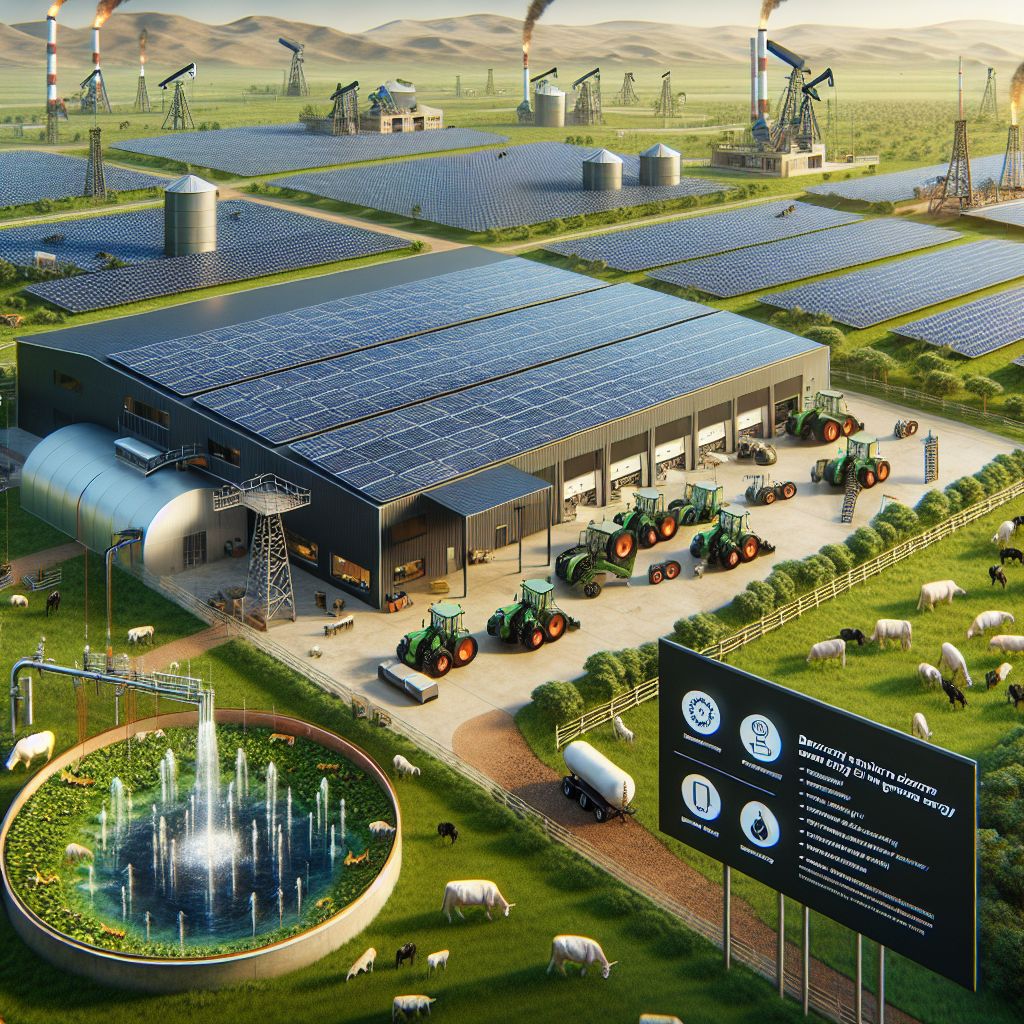
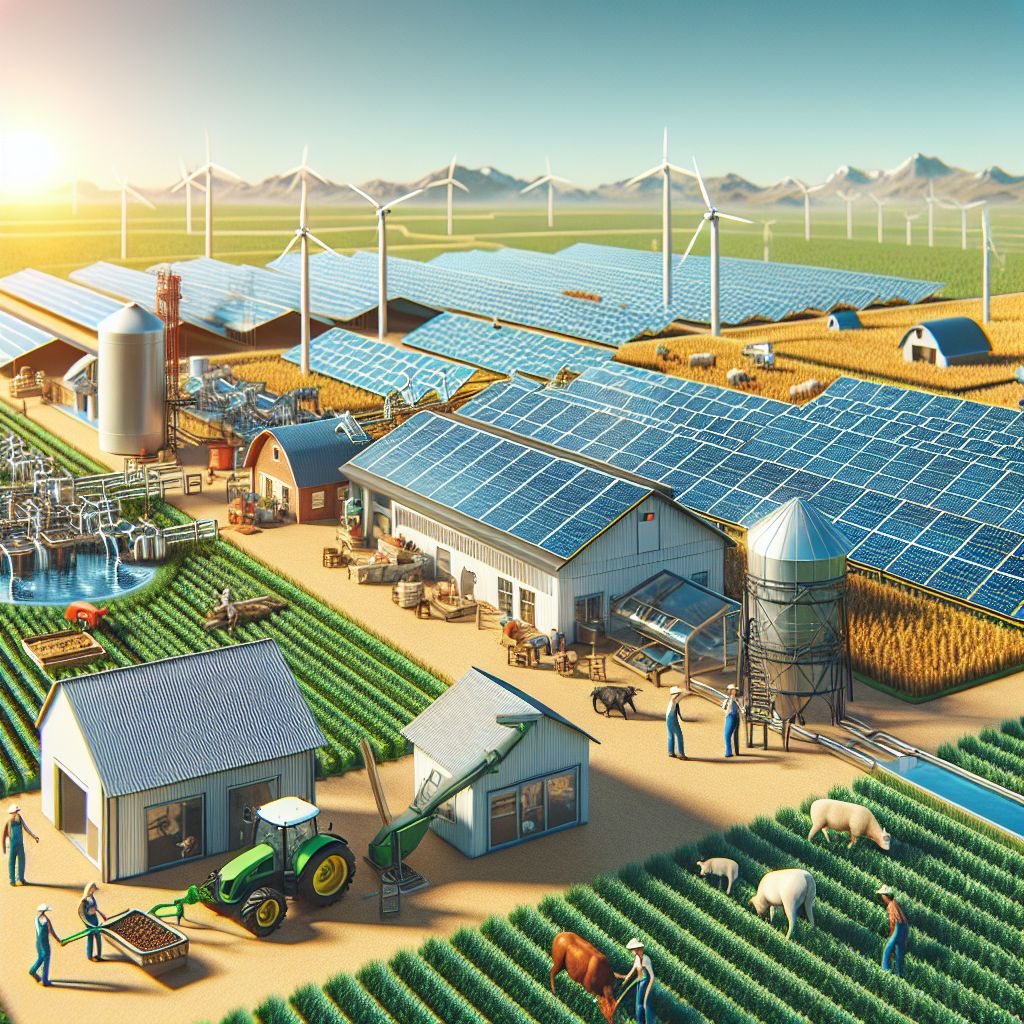
Imagine a world where farms are powered not by traditional electricity but by the sun. This is not just a futuristic dream but a present-day reality that more farmers are embracing. Solar panels offer a powerful and sustainable way to run farm operations, and their adoption is growing rapidly.
Is it Even Possible?
Absolutely! Solar panels harness sunlight and convert it into electricity, which can be used to power various farm operations. With advancements in technology, solar panels have become more efficient and affordable, making them an attractive option for farmers looking to boost their farm’s efficiency.
How Would It Work?
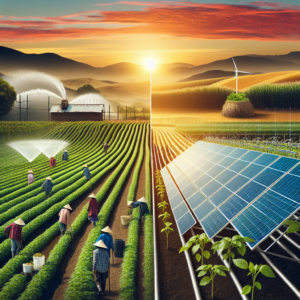
Solar panels are installed in areas with maximum sun exposure, typically on rooftops or open fields. These panels capture sunlight and convert it into direct current (DC) electricity. An inverter then transforms this DC electricity into alternating current (AC), which is the type of electricity used in most homes and farms.
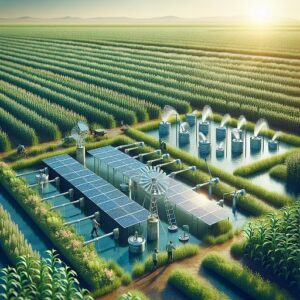
Once installed, the solar panel system can power everything from irrigation systems to machinery and livestock facilities. This integration allows farms to operate more efficiently and sustainably.
“Solar panels can reduce a farm’s energy costs by up to 70%, making them a cost-effective solution for farmers.”

Why Farmers Benefit from Solar Panel Adoption
Adopting solar panels on farms offers both economic and environmental benefits. By providing a renewable energy source, solar panels reduce reliance on fossil fuels and contribute to a cleaner, more sustainable environment. Learn more about how solar can help your farm.
Immediate Cost Savings
One of the most compelling reasons for adopting solar panels on farms is the potential for significant energy cost savings. By generating their electricity, farms can reduce their reliance on external energy providers and lower their energy bills.
The savings from reduced energy costs can be significant, allowing farmers to reinvest in other areas of their operations, such as purchasing new equipment, expanding production, or improving farm infrastructure.
Long-term Financial Advantages
Besides immediate savings, solar panels offer long-term financial benefits. The initial investment in solar panels can be offset by government incentives and subsidies, making them an economically viable option for farmers.
In the long run, the savings from reduced energy costs can outweigh the initial investment in solar panels, making them a financially sound choice for farmers looking to boost their farm’s efficiency and profitability.
- Government incentives can cover a significant portion of installation costs.
- Energy savings can be reinvested into other farm operations.
- Long-term energy independence reduces vulnerability to market fluctuations.
Moreover, solar panels can increase the overall value of a farm. As energy-efficient properties become more desirable, farms equipped with renewable energy sources like solar panels can command higher market prices. This can be a valuable asset for farmers considering selling or leasing their land in the future.
Improved Farm Sustainability
Adopting solar panels contributes to a farm’s sustainability by providing a clean and renewable energy source. This shift reduces reliance on fossil fuels, decreases carbon emissions, and supports environmental conservation efforts.
Farmers who adopt solar panels are also better positioned to meet consumer demand for sustainable practices, enhancing their reputation and potentially attracting more business. For those interested in the process, here’s a step-by-step guide on how to install solar panels on your farm.
Solar panels can power a wide range of farm machinery and equipment. From tractors to processing equipment, solar energy provides a clean and renewable power source. This not only reduces energy costs but also decreases reliance on fossil fuels.
Implementing solar panels on a farm requires careful planning and consideration. By following a systematic approach, farmers can ensure a successful transition to solar power and maximize the benefits of this renewable energy source.
Here’s a table comparing the use of solar power to run a farm versus using electricity from the grid:
|
Aspect |
Solar Power |
Grid Electricity |
|---|---|---|
|
Cost |
Lower upfront costs, but ongoing expenses subject to market fluctuations | |
|
Energy Independence |
Provides energy independence and security. 7 |
Reliant on external power suppliers |
|
Environmental Impact |
Often relies on fossil fuels, contributing to greenhouse gas emissions | |
|
Reliability |
Dependent on weather conditions and sunlight. 6 |
Generally stable, but subject to grid outages |
|
Land Use |
Requires significant land area for solar arrays. 6 |
No additional land use required |
|
Revenue Potential | Possible additional income from selling excess energy1, 7 |
No additional revenue streams |
|
Maintenance |
Low maintenance costs over 25-30 year lifespan. 1 |
Ongoing maintenance costs for electrical systems |
|
Versatility |
Can power various farm operations and irrigation systems. 1, 3 |
Easily powers all farm equipment and systems |
|
Initial Setup |
Complex installation process. 4 |
Typically pre-existing infrastructure |
|
Long-term Sustainability |
Sustainability depends on the grid’s energy mix |
This table highlights the key differences between using solar power and grid electricity for running a farm, considering factors such as cost, environmental impact, reliability, and long-term sustainability.
Reducing Energy Expenses
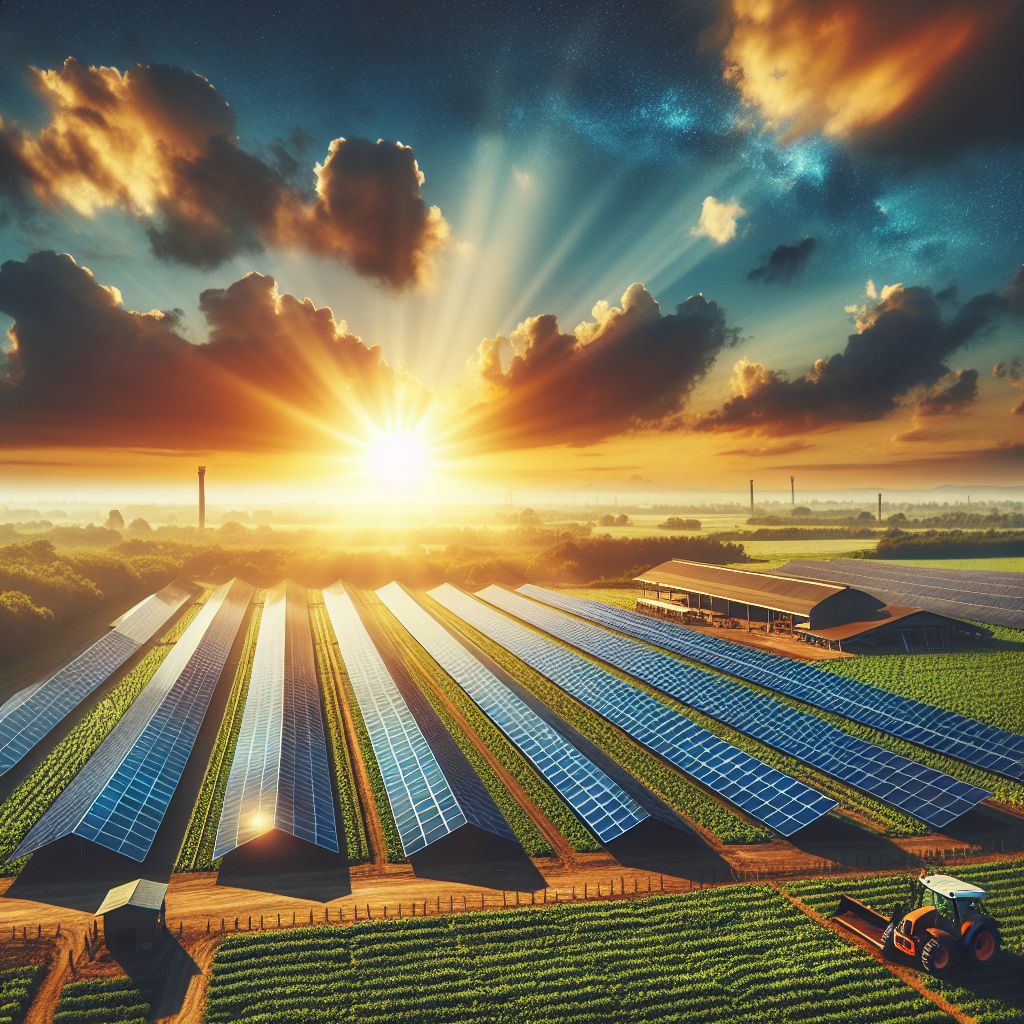
Energy expenses can be a significant burden for farmers, but solar panels offer a solution to reduce these costs dramatically. By generating electricity on-site, farms can minimize their reliance on expensive, traditional energy sources.
Moreover, solar energy provides a stable and predictable cost structure. Unlike fluctuating energy prices, the cost of maintaining solar panels remains relatively constant, allowing farmers to budget more effectively.
Lower Electricity Bills
One of the most immediate benefits of solar panels is the reduction in electricity bills. By producing their power, farms can cut down on the amount of electricity they need to purchase from utility companies. This reduction can be as high as 70%, translating into significant savings over time.
For many farmers, these savings can be reinvested into the farm, whether it’s upgrading equipment, expanding operations, or simply increasing profitability.
Independence from Energy Providers
Solar panels provide farmers with a degree of energy independence that is not possible with traditional energy sources. By generating their electricity, farms are less susceptible to price hikes and supply disruptions from energy providers. This independence allows farmers to plan their operations with greater confidence and stability.
Reliable Energy Source
Solar energy is incredibly reliable. The sun rises every day, providing a consistent and predictable energy source. Even on cloudy days, solar panels can still generate electricity, albeit at a reduced rate. This reliability ensures that farms have a steady supply of power to keep operations running smoothly.
In addition to reliability, solar panels require minimal maintenance. Once installed, they can operate efficiently for decades with little intervention, further enhancing their appeal as a sustainable energy solution.
Enhancing Farm Efficiency
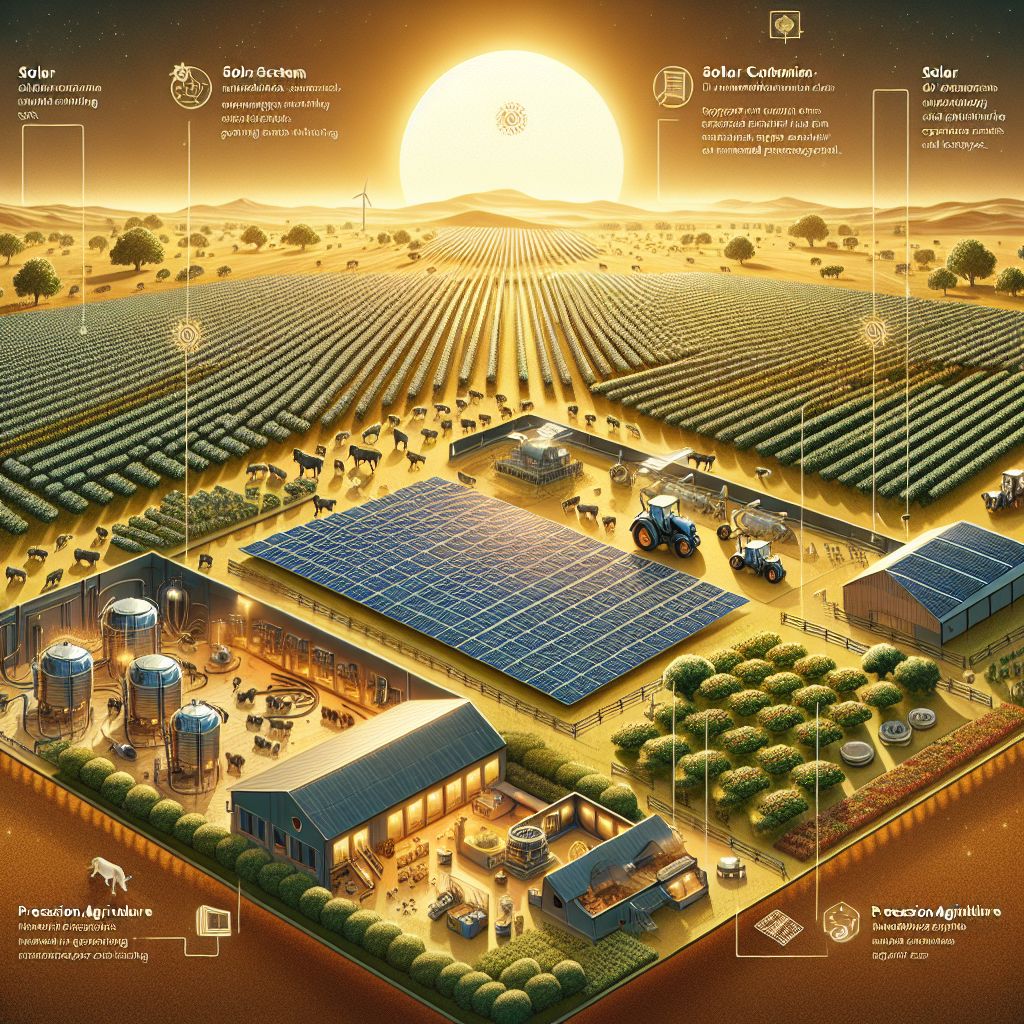
Beyond cost savings, solar panels can significantly enhance farm efficiency. By providing a consistent and renewable energy source, solar panels can power a wide range of farm operations, leading to increased productivity and efficiency.
Powering Machinery and Equipment
Farm machinery and equipment are essential for modern agricultural operations. Solar panels can provide the power needed to run everything from tractors to processing equipment. This not only reduces energy costs but also ensures that machinery operates smoothly and efficiently.
By integrating solar energy into their operations, farmers can reduce downtime and maintenance costs associated with traditional energy sources. This efficiency boost can lead to increased productivity and profitability.
Benefits for Irrigation Systems
Irrigation is a critical component of successful farming, and solar panels can play a vital role in powering these systems. Solar-powered irrigation systems can operate independently of the grid, providing water to crops even in remote areas without access to traditional electricity.
This independence allows farmers to irrigate their fields more consistently, leading to healthier crops and increased yields. Additionally, solar-powered irrigation systems are environmentally friendly, reducing water waste and conserving resources.
Optimizing Livestock Facilities
Solar panels can also enhance the efficiency of livestock facilities. By providing a reliable energy source, solar panels can power ventilation systems, lighting, and temperature control systems, ensuring that livestock remain healthy and productive.
- Improved air quality through efficient ventilation systems.
- Consistent lighting for better animal welfare.
- Temperature control to optimize livestock health and productivity.
These improvements can lead to increased livestock yields and overall farm profitability.
Crop Efficiency
Finally, solar panels can contribute to increased crop efficiency. By powering advanced farming technologies, such as precision agriculture tools, solar energy can help farmers optimize crop production and reduce waste.
Precision agriculture tools, powered by solar energy, allow farmers to monitor soil conditions, track crop growth, and make data-driven decisions. This technology leads to more efficient use of resources, higher yields, and increased profitability.
In summary, solar panels offer numerous benefits for farmers, from reducing energy expenses to enhancing farm efficiency and sustainability. By adopting solar energy, farmers can position themselves for success in a rapidly changing agricultural landscape. For those interested in learning more, here is a step-by-step guide on installing solar panels on your farm.

Environmental Impact
Besides the financial and operational benefits, solar panels offer significant environmental advantages. By reducing reliance on fossil fuels, solar energy contributes to a cleaner and more sustainable environment.
Decreasing Carbon Footprint
One of the most critical environmental benefits of solar panels is their ability to decrease a farm’s carbon footprint. By generating electricity from a renewable source, farms can significantly reduce their greenhouse gas emissions, contributing to global efforts to combat climate change.
This reduction in emissions not only benefits the environment but also aligns with consumer demand for sustainable practices, potentially enhancing a farm’s reputation and marketability. For more information on how solar energy can benefit your farm, check out these 7 ways solar can help your farm.
Contributing to Biodiversity
Solar panels can also contribute to biodiversity. By reducing the need for traditional energy sources, solar energy helps preserve natural habitats and ecosystems. Additionally, solar farms can provide habitats for various species, contributing to local biodiversity.
Farmers who adopt solar panels can play a vital role in preserving the environment and promoting biodiversity, ensuring a healthier planet for future generations.
In conclusion, solar panels offer numerous benefits for farmers, from reducing energy expenses to enhancing farm efficiency and sustainability. By adopting solar energy, farmers can position themselves for success in a rapidly changing agricultural landscape. To learn more about how solar panels can increase farm efficiency, check out this detailed guide.
Consumer Demand for Green Practices
Today’s consumers are increasingly aware of the environmental impact of their purchases. They are looking for products that align with their values, including sustainability and eco-friendliness. For farmers, this shift in consumer demand represents an opportunity to differentiate their products in a competitive market.
By adopting solar panels, farmers can demonstrate their commitment to sustainable practices. This can enhance their brand image and attract environmentally conscious consumers, potentially leading to increased sales and profitability. For more information, explore how solar panels increase the efficiency of a farm.
Government Support and Incentives
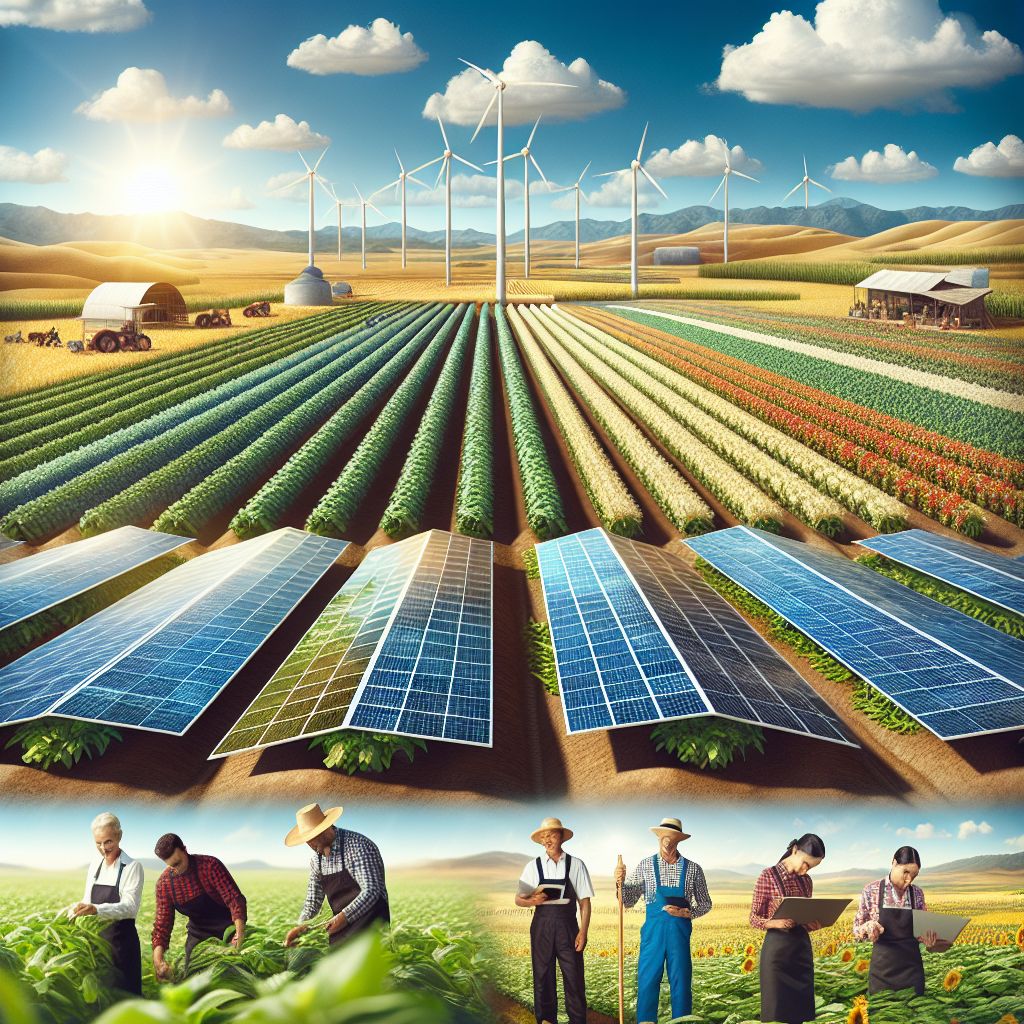
One of the most compelling reasons for farmers to consider solar panels is the availability of government support and incentives. These programs can significantly offset the initial costs of solar panel installation, making it a financially viable option for many farmers. Additionally, understanding the differences between solar panels for farm operations and solar farms can help farmers make informed decisions about their investments.
In many regions, government incentives are available to encourage the adoption of renewable energy. These incentives can take various forms, including subsidies, grants, tax benefits, and early adoption credits.
Available Subsidies and Grants
Subsidies and grants are often available to help cover the cost of solar panel installation. These financial aids can reduce the upfront investment required, making solar energy more accessible to farmers.
Tax Benefits and Rebates
Tax benefits and rebates are another way that governments encourage the adoption of solar panels. Farmers can take advantage of these incentives to reduce their tax liability, further offsetting the cost of solar panel installation. For more details, check out this step-by-step guide to installing solar panels on your farm.
Early Adoption Credits
“In some regions, farmers who adopt solar panels early may qualify for additional credits or incentives. These programs are designed to reward early adopters and encourage more widespread use of renewable energy.”
These incentives can make a significant difference in the financial feasibility of solar panels for farmers, allowing them to reap the benefits of renewable energy without a prohibitive initial investment.
By taking advantage of these government programs, farmers can reduce the cost of solar panel installation and enjoy the long-term benefits of renewable energy.
Conclusion:
In conclusion, solar panels offer numerous benefits for farmers, from reducing energy expenses to enhancing farm efficiency and sustainability. By adopting solar energy, farmers can position themselves for success in a rapidly changing agricultural landscape.
Review of Key Points
Solar panels can significantly reduce a farm’s energy costs, allowing farmers to reinvest savings into other areas. Government incentives and subsidies can offset the initial installation costs, making solar panels a financially viable option. Additionally, solar panels provide a renewable energy source, decreasing reliance on fossil fuels and contributing to environmental sustainability.
Beyond cost savings, solar panels enhance farm efficiency by powering machinery, irrigation systems, and livestock facilities. They also offer energy independence, reducing vulnerability to energy price fluctuations and supply disruptions.
Is Using Solar Power to Run a Farm a Good Investment for a Farmer?
Absolutely. The combination of cost savings, government incentives, and environmental benefits make solar panels a smart investment for farmers. By adopting solar energy, farmers can improve their farm’s efficiency, sustainability, and profitability, positioning themselves for long-term success.
Frequently Asked Questions (FAQ)
Farmers often have questions about implementing solar panels on their farms. Here are some common queries and answers to help guide the transition to solar power.
How much can solar panels reduce farm energy costs?
Solar panels can reduce a farm’s energy costs by up to 70%. This significant reduction allows farmers to reinvest savings into other areas of their operations, enhancing overall productivity and profitability. For those interested in the installation process, here’s a step-by-step guide to installing solar panels on your farm.
What is the lifespan of solar panels on a farm?
Solar panels typically have a lifespan of 25 to 30 years. During this time, they require minimal maintenance, providing a reliable and sustainable energy source for farm operations.
Are there any government programs that help with the cost of solar panels?
Yes, many government programs offer incentives to help offset the cost of solar panel installation. These can include subsidies, grants, tax benefits, and early adoption credits, making solar energy more accessible to farmers.
How can solar panels affect farm equipment productivity?
Solar panels can power a wide range of farm equipment, from machinery to irrigation systems. By providing a reliable energy source, solar panels can enhance equipment productivity, reduce downtime, and lower maintenance costs.
“By integrating solar energy into their operations, farmers can reduce downtime and maintenance costs associated with traditional energy sources.”
These improvements can lead to increased productivity and profitability for farmers. Learn more about how solar panels increase farm efficiency.
What are the environmental benefits of using solar panels on a farm?
Solar panels offer significant environmental benefits by reducing reliance on fossil fuels and decreasing carbon emissions. This shift contributes to a cleaner, more sustainable environment and aligns with consumer demand for sustainable practices.
Additionally, solar panels can contribute to biodiversity by preserving natural habitats and ecosystems. By adopting solar energy, farmers can play a vital role in promoting environmental conservation and sustainability.


Leave a Reply