
Key Takeaways
- HPBC solar panels are a new technology that improves efficiency by removing metal busbars from the front of the cell, increasing light absorption.
- These panels are especially beneficial in agriculture due to their superior performance in low light and high temperature conditions.
- HPBC technology can significantly reduce energy costs for farmers by powering irrigation systems, greenhouses, and farm equipment.
- Farmers can expect increased crop yields and quality when using HPBC solar panels due to enhanced energy efficiency.
- Despite the initial investment, HPBC solar panels offer long-term cost savings and energy independence for agricultural operations.
HPBC Solar Panels: Revolutionizing Agricultural Practices
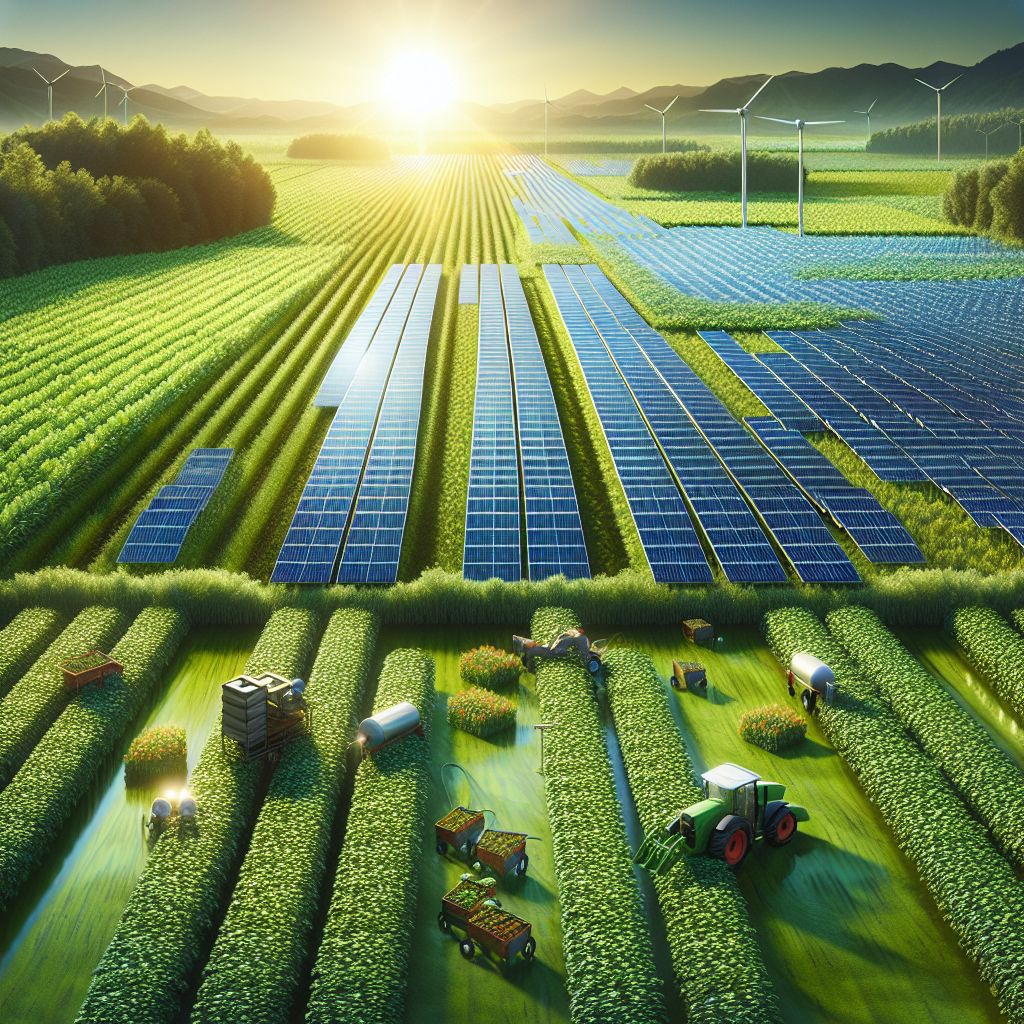
Solar energy has been a game-changer for many industries, and agriculture is no exception. As we delve into the potential of HPBC solar panels, it’s important to understand how this technology can transform farming practices. Most importantly, HPBC solar panels offer a way to harness the sun’s power more efficiently than ever before, providing farmers with a reliable and sustainable energy source.
The Importance of Solar Power in Agriculture
Agriculture relies heavily on energy to power various operations, from irrigation systems to machinery. Traditionally, this energy has come from fossil fuels, which are not only costly but also environmentally damaging. Solar power provides a cleaner, more sustainable alternative. By using solar panels, farmers can reduce their carbon footprint, lower their energy costs, and ensure a more reliable energy supply.
With the advent of HPBC solar panels, the efficiency of solar energy in agriculture has reached new heights. These panels are designed to work well even in less-than-ideal conditions, such as cloudy days or high temperatures, making them a perfect fit for the agricultural sector.
Definition and Features of HPBC Solar Panels
HPBC stands for Hybrid Passivated Back Contact, a cutting-edge technology in the world of solar energy. Unlike traditional solar cells, HPBC panels have no metal contacts on the front side. This design eliminates shading and allows the cells to capture more sunlight, increasing their efficiency. For those considering solar options for agriculture, you might want to explore the best solar panel options for farmers.
Distinct Advantages in Various Conditions
One of the standout features of HPBC solar panels is their ability to perform under a variety of environmental conditions. These panels maintain high efficiency even in low light or high temperature settings, making them ideal for diverse agricultural environments.
Enhanced Power Output and Efficiency
- Increased light absorption due to the absence of front-side metal busbars.
- Higher efficiency rates, leading to more energy generation per square meter.
- Improved performance in partial shading and suboptimal conditions.
Besides that, HPBC solar panels offer enhanced durability, reducing the risk of microcracks which can occur in traditional panels. This means that farmers can rely on these panels for a longer period, maximizing their return on investment.
Understanding these benefits can help farmers make informed decisions about integrating HPBC solar panels into their operations. For instance, learning about the best solar panels for farm power can guide them in choosing the right type and options available. Now, let’s explore how these panels can be specifically applied within the agricultural sector.

“How Solar Panels Help Farm Operations …” from growingsolarmist.com and used with no modifications.
Applying HPBC Solar Panels in the Agricultural Sector
Integrating HPBC solar panels into agricultural practices is not just about cutting costs; it’s about enhancing efficiency and productivity. With these panels, farmers can power a variety of operations, ensuring a more sustainable and effective farming process.
For instance, solar-powered irrigation systems can dramatically reduce the need for traditional energy sources. This not only saves money but also conserves water by allowing for more precise control over irrigation schedules and amounts.
“HPBC solar panels have the potential to transform agriculture by providing a reliable and efficient energy source for essential operations like irrigation and climate control.”
Solar-Powered Irrigation Systems
Irrigation is a critical component of agriculture, and it requires a significant amount of energy. By using HPBC solar panels to power these systems, farmers can ensure a steady supply of water to their crops without relying on fossil fuels. This approach not only saves money but also promotes sustainable farming practices.
Greenhouse Climate Control Mechanisms
Greenhouses play a pivotal role in modern agriculture, allowing for the cultivation of crops year-round in controlled environments. However, maintaining the ideal climate within a greenhouse can be energy-intensive. HPBC solar panels can significantly reduce these energy demands by powering heating, cooling, and ventilation systems. This not only cuts down on energy costs but also ensures that crops receive the optimal conditions needed for growth, regardless of external weather conditions.
Electricity for Farm Equipment and Operations
Farm equipment and operations require a substantial amount of electricity. Tractors, plows, and other machinery are essential for daily tasks but can be costly to operate if relying solely on traditional energy sources. HPBC solar panels offer a sustainable alternative, providing clean energy to power this equipment. By harnessing solar power, farmers can reduce their dependency on fossil fuels and lower their operational costs.
Additionally, HPBC panels are versatile enough to support various farming operations. For instance, they can power lighting systems for barns and storage facilities, ensuring that work can continue even after the sun sets. This adaptability makes them an invaluable asset to any farming operation.
Moreover, the durability and efficiency of HPBC solar panels mean that they can withstand the rigors of farm life, providing consistent power without frequent maintenance. This reliability is crucial for farmers who need to focus on their crops and livestock without worrying about energy supply interruptions.
Powering the Farms Living Quarters
Farms are not just workplaces; they are homes for many families. Providing electricity to living quarters is essential for comfort and safety. HPBC solar panels can be used to power household appliances, lighting, and heating systems, ensuring that farm families have access to modern conveniences without the high costs associated with traditional energy sources. This not only improves the quality of life for those living on the farm but also contributes to energy independence and sustainability.

“Farms Irrigation Solar Panels System …” from growingsolarmist.com and used with no modifications.
Benefits of HPBC Solar Panels for Farmers
Embracing HPBC solar panels offers numerous benefits for farmers, from cost savings to environmental sustainability. These panels are designed to maximize energy output, making them a smart investment for any agricultural operation.
Cost Savings and Energy Independence
One of the most significant advantages of HPBC solar panels is the potential for cost savings. By generating their own electricity, farmers can reduce or even eliminate their reliance on grid power, leading to substantial savings on energy bills. Over time, these savings can offset the initial investment in solar technology, making it a financially viable option for many farmers.
Environmental Sustainability Contributions
HPBC solar panels contribute to environmental sustainability by reducing the carbon footprint of agricultural operations. By using renewable energy, farmers can decrease their reliance on fossil fuels, which are a major source of greenhouse gas emissions. This shift towards cleaner energy helps protect the environment and promotes sustainable farming practices.
Furthermore, the use of solar power in agriculture supports biodiversity by reducing the need for land-intensive energy sources like coal or natural gas. This allows more land to be preserved for natural habitats or agricultural use, enhancing the overall sustainability of farming operations.
Increased Crop Yields and Quality
By providing reliable and efficient energy, HPBC solar panels can lead to increased crop yields and improved quality. With consistent power, farmers can maintain optimal growing conditions, ensuring that crops receive the necessary resources to thrive. This can result in healthier plants, higher yields, and better-quality produce, ultimately boosting the farm’s profitability and reputation.
This table below lists the Benefits of HPBC Solar Panels for Farm Operations Compared to Traditional Solar Panels
|
Benefit Area |
HPBC Solar Panels |
Traditional Solar Panels |
|---|---|---|
|
Energy Efficiency |
Achieve higher efficiencies (often 25–27%+), especially with bifacial and back-contact designs, leading to more energy generation per panel. 1, 3, 4, 5 |
Typically 18–22% efficiency, with more shading losses due to front contacts. 3, 4 |
|
Performance in Low Light & Variable Conditions |
Superior performance in low-light and variable conditions, maximizing energy harvest throughout the day and in cloudy weather. 5 |
Less efficient in low-light or diffuse light conditions. 5 |
|
Temperature Tolerance |
Lower temperature coefficient; efficiency drops less in hot weather, ideal for farms in warmer climates. 4 |
Greater efficiency loss at high temperatures. 4 |
|
Bifacial Energy Capture |
Can utilize sunlight from both front and rear sides, capturing reflected light from ground or nearby surfaces—boosting total output. 1 |
Most traditional panels are monofacial, missing out on reflected light. 1 |
|
Durability & Longevity |
Built for robust performance and long lifespan, with resilience against harsh weather (wind, snow, humidity). 1, 4 |
Standard durability; may degrade faster in extreme environments. 1, 4 |
|
Customization & Flexibility |
Can be tailored in size, configuration, and output to fit specific farm layouts, maximizing use of available space. 1 |
Standardized sizes and designs limit adaptability to unique farm requirements. 1 |
|
Maintenance & Reliability |
Fewer front-side contacts mean less soiling and easier cleaning; lower maintenance needs overall. 4 |
Front-side wiring can trap dirt, increasing cleaning and maintenance frequency. 4 |
|
Aesthetics |
Sleeker, busbar-free appearance; can be important for farm tourism or agri-voltaic projects. 3 |
Visible front busbars and wiring; less visually appealing. 3 |
|
Cost-Effectiveness |
Higher upfront cost, but improved efficiency and lower maintenance yield better long-term ROI, especially for large-scale farm operations. 1, 4 |
Lower initial cost, but less energy per panel and potentially higher long-term costs. 1, 4 |
|
Sustainability |
Higher efficiency means fewer panels needed for the same output, reducing land use and installation footprint; supports hybrid and off-grid systems. 1 |
More panels needed for same output, increasing installation footprint. 1 |
Key Takeaways from the table
- HPBC solar panels deliver more energy from the same area, making them highly suitable for farms where maximizing output and reliability is crucial. 1, 3, 4, 5
- Their ability to perform well in varied weather, withstand harsh environments, and require less maintenance translates to better long-term value for agricultural operations. 1, 4
- While the initial investment is higher, the efficiency gains and durability often result in a faster payback period and lower total cost of ownership for farm-scale solar projects. 1, 4
These advantages make HPBC panels a compelling choice for powering modern, sustainable farm operations.

Case Studies: Successful Implementations of HPBC Solar Panels in Agriculture
To truly understand the impact of HPBC solar panels, let’s explore some real-world examples where this technology has been successfully implemented in agriculture.
Diverse Crop Farms: Enhanced Growth and Yield
In regions with diverse crop farms, HPBC solar panels have been used to power irrigation systems and climate control mechanisms. Farmers have reported increased yields and improved crop quality due to the consistent and efficient energy supply. This has allowed them to expand their operations and meet growing market demands.
Dairy Farms: Improved Operations and Energy Savings
Dairy farms have also benefited from the integration of HPBC solar panels. By powering milking machines, refrigeration units, and lighting systems, these farms have reduced their energy costs and improved their operational efficiency. The savings on energy bills have allowed dairy farmers to reinvest in their businesses, enhancing productivity and sustainability. For those interested in exploring different solar options, the best solar panels for farm power offer various types and options tailored for farmers.
Rural Farms: Transition to Renewable Energy
In rural areas, where access to grid power may be limited or unreliable, HPBC solar panels have provided a much-needed solution. By transitioning to renewable energy, these farms have achieved greater energy independence and stability. This has not only improved their day-to-day operations but also contributed to the long-term viability of rural farming communities.
These case studies highlight the transformative potential of HPBC solar panels in agriculture. By adopting this technology, farmers can enhance their operations, reduce costs, and contribute to a more sustainable future. For those considering this shift, understanding the benefits of solar panels for farm operations is crucial.
Challenges and Considerations for Farmers
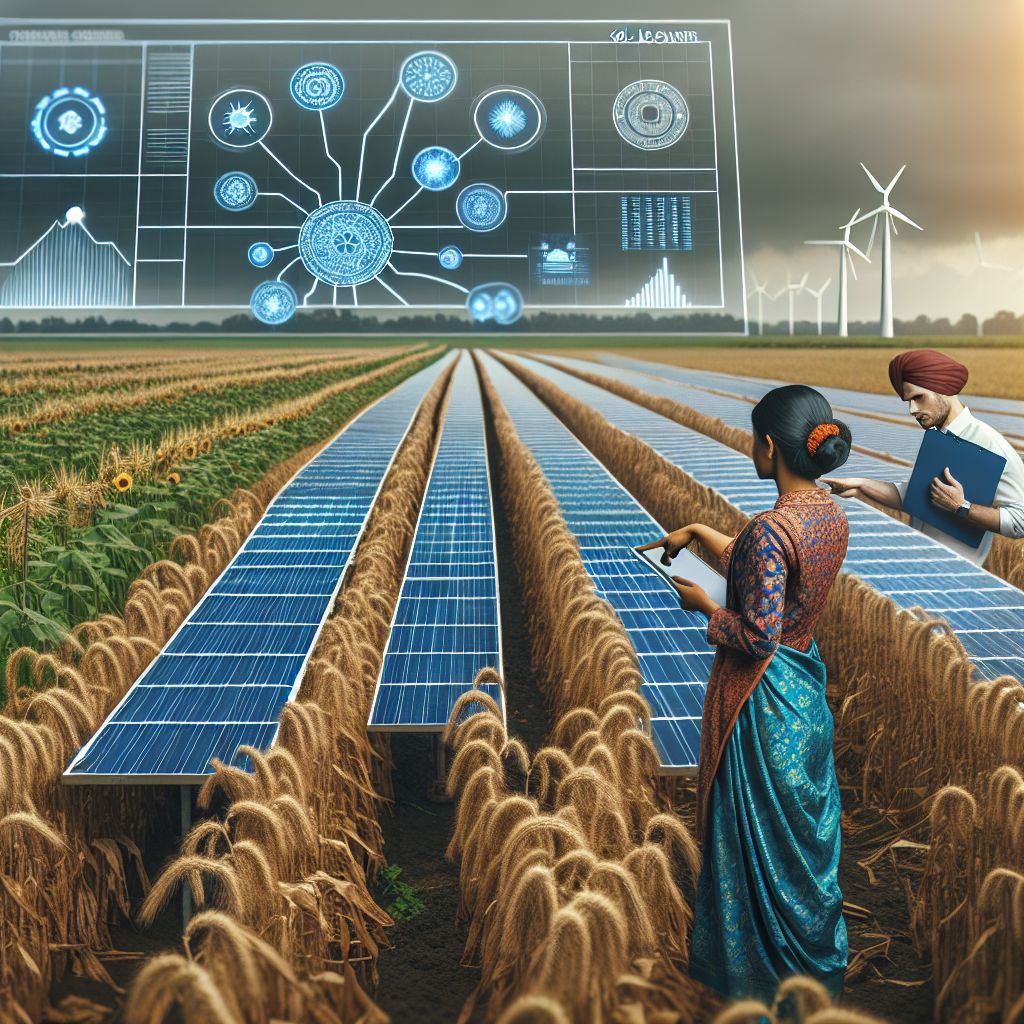
While HPBC solar panels offer numerous benefits, there are also challenges and considerations that farmers need to keep in mind when deciding to adopt this technology.
Potential Initial Costs and Returns
The initial cost of installing HPBC solar panels can be a significant investment for many farmers. However, it’s important to consider the long-term savings and benefits. By reducing energy costs and increasing operational efficiency, these panels can offer a substantial return on investment over time. Farmers should carefully assess their energy needs and financial situation to determine if solar technology is a viable option for their operations.
Weather Dependence and Resource Management
While HPBC solar panels are highly efficient, their performance can still be influenced by weather conditions. In areas with prolonged periods of cloud cover or rain, the energy output may be reduced. Farmers need to consider backup energy solutions or storage systems to ensure a consistent power supply. Effective resource management, such as water conservation and energy use optimization, is crucial to maximize the benefits of solar technology in agriculture.
Technical Expertise and Support Needs
Installing and maintaining HPBC solar panels requires a certain level of technical expertise. Farmers might need to seek professional assistance for installation and regular maintenance to ensure optimal performance. It’s important to establish a relationship with a reliable solar provider who can offer support and guidance throughout the lifecycle of the solar system. This ensures that any technical issues are promptly addressed, minimizing downtime and maximizing energy production.
Conclusions: The Future of HPBC in Agriculture
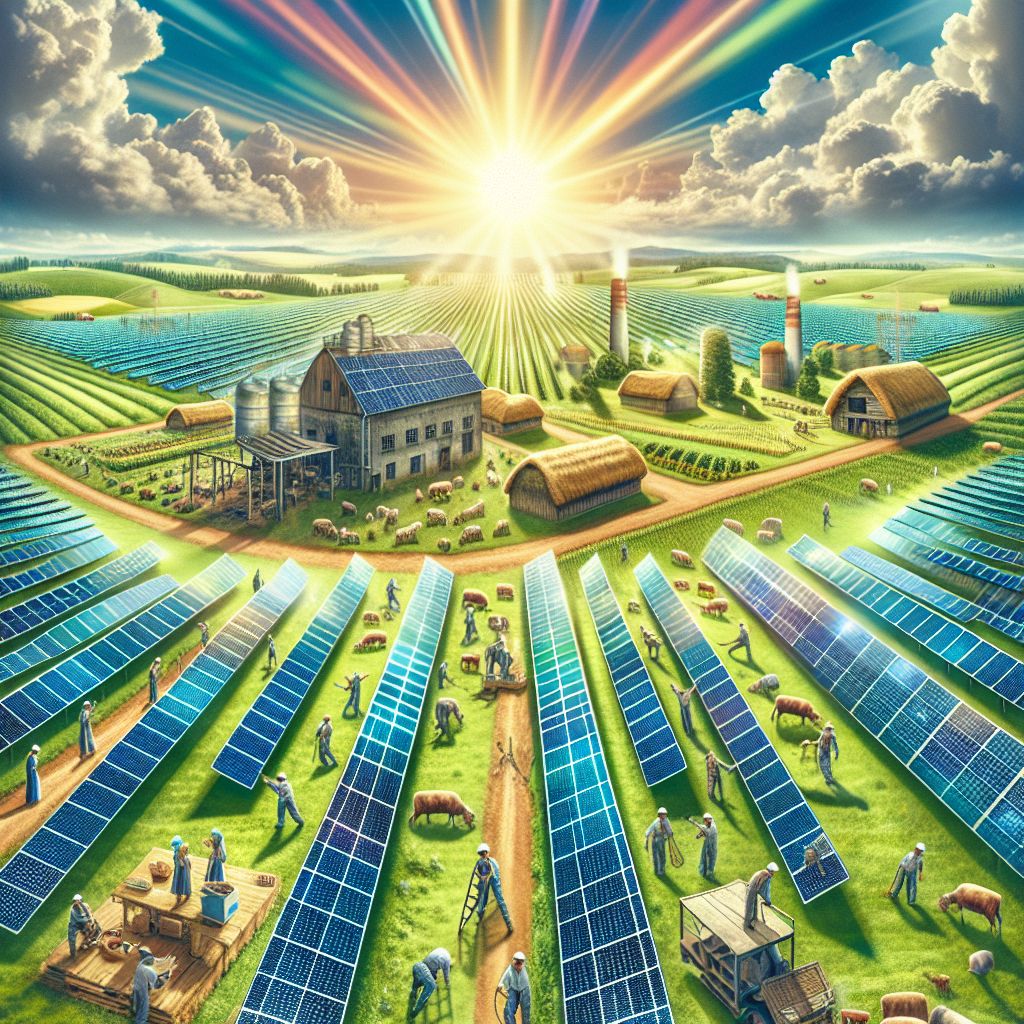
HPBC solar panels represent a significant advancement in renewable energy technology, offering numerous benefits to the agricultural sector. By providing a reliable and efficient energy source, these panels can help farmers reduce costs, increase productivity, and contribute to environmental sustainability.
The potential of HPBC solar panels in agriculture is immense. As technology continues to evolve, we can expect even greater improvements in efficiency and affordability, making solar energy an increasingly attractive option for farmers worldwide.
Innovations Driving Sustainable Farming
Innovation is at the heart of sustainable farming, and HPBC solar panels are a prime example of how technology can drive positive change. By harnessing the power of the sun, farmers can reduce their reliance on fossil fuels and embrace more sustainable practices.
These innovations not only benefit individual farmers but also have a broader impact on the agricultural industry as a whole. By adopting solar technology, farmers can contribute to a more sustainable future, ensuring that agriculture remains viable for generations to come.
“The integration of HPBC solar panels into agriculture is a testament to the power of innovation and its ability to transform industries for the better.”
As we look to the future, continued advancements in solar technology will play a crucial role in shaping the future of agriculture, promoting sustainability, and enhancing productivity.
Long-term Gains and Community Impact
Adopting HPBC solar panels offers long-term gains for farmers, from financial savings to increased energy independence. These benefits extend beyond individual farms, impacting rural communities and the agricultural industry as a whole.
“By reducing energy costs and promoting sustainable practices, HPBC solar panels can help build stronger, more resilient farming communities.”
The shift towards renewable energy in agriculture can lead to job creation, economic growth, and environmental preservation, contributing to the overall well-being of rural areas and the planet.
As more farmers embrace solar technology, the collective impact on the environment and the economy will be substantial, paving the way for a brighter and more sustainable future.
Is Using HPBC Solar Panels a Good Investment for a Farmer
Investing in HPBC solar panels can be a wise decision for farmers looking to reduce energy costs and enhance their operations. While the initial investment may be significant, the long-term benefits, including cost savings, energy independence, and environmental sustainability, make it a worthwhile consideration. For more information on the best solar panels for farm power, explore the types and options available for farmers.
Farmers should assess their energy needs, financial situation, and available resources to determine if solar technology is a viable option for their operations. By doing so, they can make informed decisions that align with their goals and contribute to a more sustainable future.
Frequently Asked Questions
Many farmers have questions about HPBC solar panels and their application in agriculture. Here are some common inquiries and their answers to help guide your decision-making process.
How do HPBC solar panels differ from traditional panels?
HPBC solar panels differ from traditional panels by having no metal contacts on the front side, allowing for greater light absorption and increased efficiency. This design reduces shading and enhances the panel’s overall performance, making it ideal for agricultural use.
What initial investments are involved for farmers?
The initial investment for HPBC solar panels includes the cost of the panels themselves, installation fees, and any necessary infrastructure, such as mounting systems and inverters. While this can be a significant expense, the long-term savings on energy bills can offset these costs over time. For more information on the best options for farmers, consider exploring best solar panels for farm power.
What maintenance is required for HPBC panels?
HPBC solar panels require regular cleaning to remove dust and debris that can affect performance. It’s also important to conduct periodic inspections to ensure that all components are functioning properly. Partnering with a reliable solar provider can help with maintenance and technical support.
How do HPBC solar panels help increase crop yields?
By providing a reliable and efficient energy source, HPBC solar panels enable farmers to maintain optimal growing conditions, leading to increased crop yields and improved quality. Consistent energy supply ensures that irrigation and climate control systems operate effectively, promoting healthier plant growth.
Additionally, the cost savings from reduced energy bills can be reinvested into other areas of the farm, further enhancing productivity and profitability.
What are the long-term cost benefits for farmers?
In the long term, HPBC solar panels offer significant cost benefits by reducing or eliminating reliance on grid power, leading to substantial savings on energy bills. These savings can offset the initial investment and contribute to greater financial stability for farming operations. For more insights, consider exploring why farmers should consider using solar panels to power their farms.
Moreover, by adopting renewable energy, farmers can protect themselves from fluctuating energy prices and achieve greater energy independence, ensuring a stable and sustainable future for their operations.







Leave a Reply