
Key Takeaways
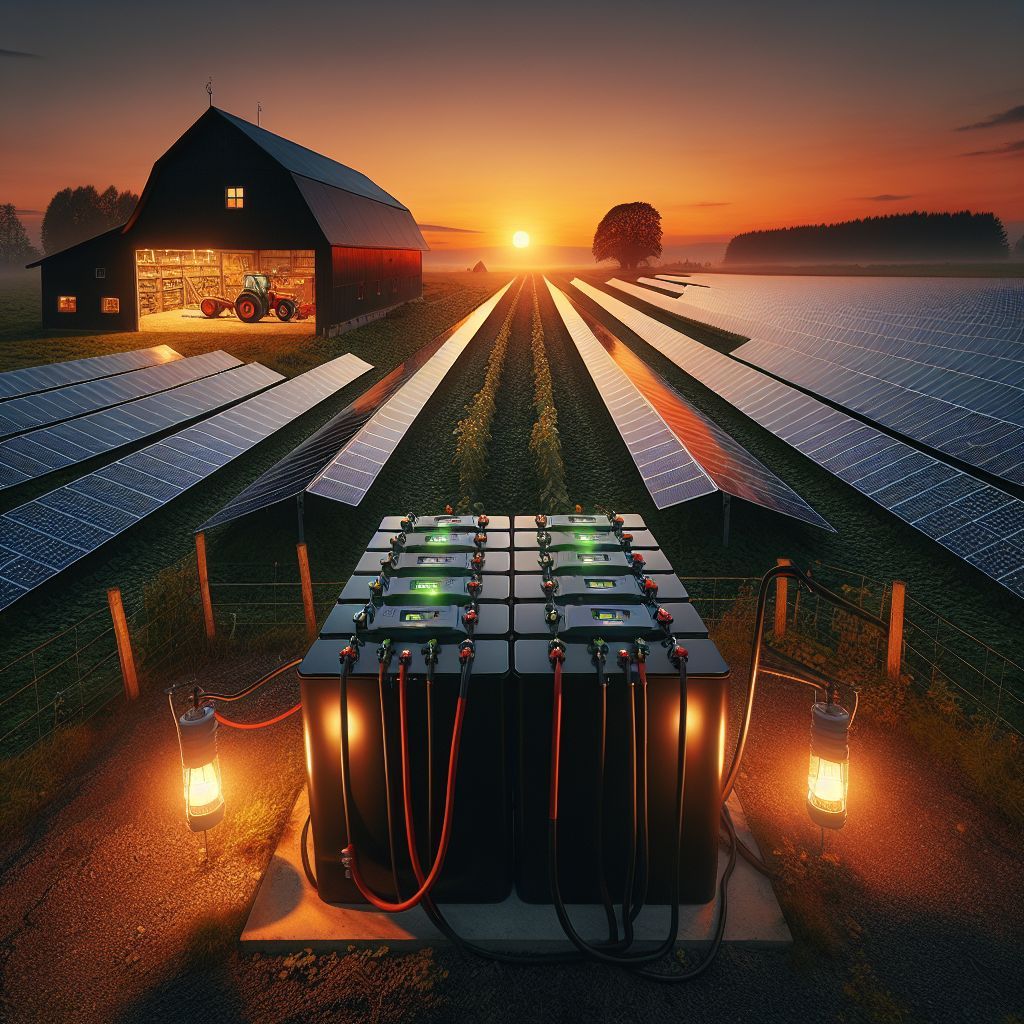
- Solar panel batteries can significantly reduce energy costs for farmers, potentially saving thousands of dollars annually.
- They provide a reliable power source, especially during outages, ensuring farm operations run smoothly.
- By storing excess solar energy, batteries maximize the efficiency of solar panels and reduce dependence on the grid.
- Government incentives and subsidies can offset the initial investment cost, making solar batteries a financially viable option.
- Implementing solar panel batteries can decrease a farm’s carbon footprint, promoting environmental sustainability.
Why Solar-Powered Farms Are the Future
In an era where sustainability is becoming increasingly important, solar-powered farms represent a forward-thinking approach to agriculture. The integration of solar energy into farming not only supports environmental goals but also offers practical benefits. With the ability to harness renewable energy, farmers can reduce their reliance on traditional power sources, thereby decreasing costs and increasing energy security.
The Benefits of Solar Energy in Agriculture
Solar energy offers numerous advantages for the agricultural sector. First and foremost, it provides a clean and renewable source of power. This means farmers can significantly reduce their carbon footprint, contributing positively to environmental conservation efforts. Moreover, solar energy is abundant and accessible, especially in rural areas where farms are often located.
Another key benefit is the potential for cost savings. By utilizing solar panels, farmers can reduce or even eliminate their electricity bills. Over time, these savings can be substantial, allowing farmers to reinvest in their operations or expand their businesses. Additionally, solar energy systems require minimal maintenance, further reducing long-term costs.
Challenges Faced by Farmers Using Traditional Solar Panels
While the benefits of solar energy are clear, farmers face several challenges when using traditional solar panels. One major issue is the intermittent nature of solar power. The sun does not shine 24/7, which can lead to periods of low energy production. This is particularly problematic during peak usage times or in areas with less consistent sunlight.
Moreover, the initial cost of installing solar panels can be prohibitive for some farmers. Although prices have decreased in recent years, the upfront investment remains a significant barrier. Additionally, integrating solar panels with existing farm infrastructure can be complex, requiring careful planning and expertise. For a deeper understanding of the feasibility and benefits of solar panels for farm operations, further reading is recommended.
Economic Advantages of Solar for Farms
Despite these challenges, the economic advantages of solar energy for farms are compelling. By reducing reliance on grid electricity, farmers can achieve substantial cost savings. Furthermore, solar panels can increase the value of farm properties, making them more attractive to potential buyers or investors.
Importantly, many governments offer incentives to encourage the adoption of solar energy. These can include tax credits, grants, and rebates, which can offset the initial installation costs. By taking advantage of these programs, farmers can improve their return on investment and make solar energy a financially viable option. For more on how solar power can increase farmer independence and flexibility, explore this resource.
How Batteries Enhance Solar Panel Efficiency
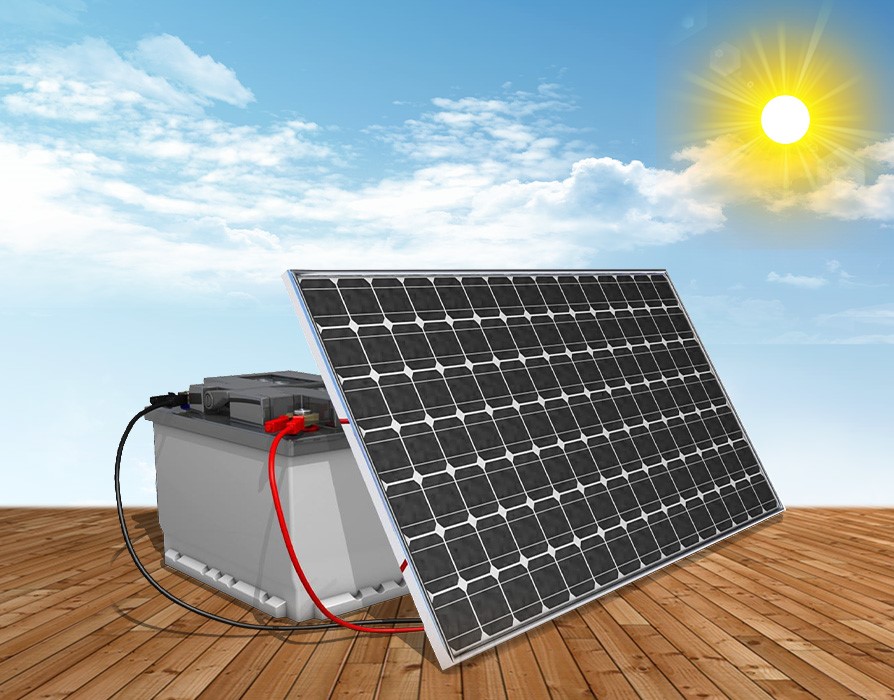
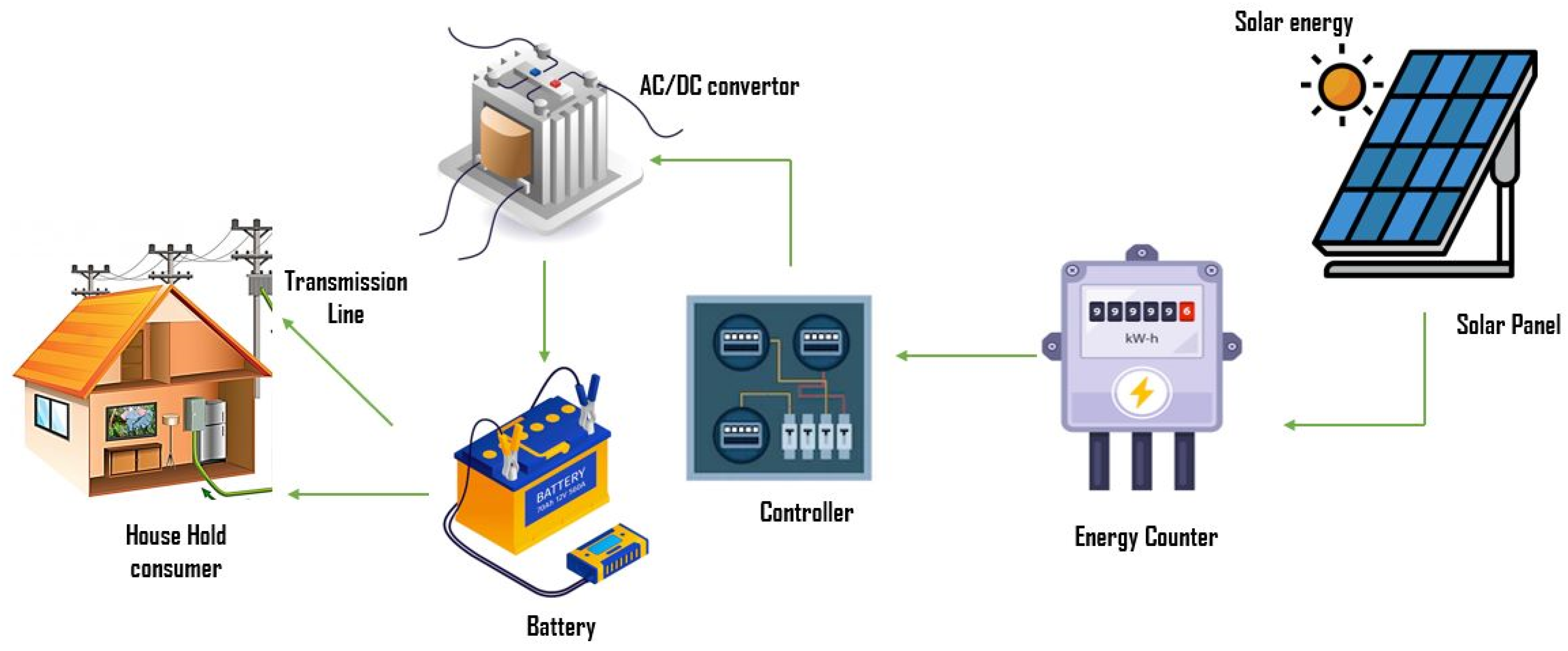
Solar panel batteries play a crucial role in maximizing the efficiency of solar energy systems. By storing excess energy generated during sunny periods, batteries ensure that power is available when needed, even when the sun isn’t shining. This ability to store energy effectively addresses one of the main challenges of solar power: its intermittency.
Storing Excess Solar Energy for Later Use
One of the primary functions of solar panel batteries is to store excess energy for later use. During the day, solar panels often produce more electricity than a farm can immediately consume. Without a battery system, this surplus energy would be wasted. However, by storing it, farmers can ensure a continuous power supply even during cloudy days or at night.
This capability is particularly beneficial for farms with high energy demands, such as those operating irrigation systems, refrigeration units, or processing equipment. By having access to stored solar energy, farmers can optimize their operations and reduce their reliance on grid electricity.
Reducing Dependence on the Grid
Reducing reliance on the electrical grid is one of the most significant advantages of using solar panel batteries on farms. By generating and storing their own electricity, farmers can become more self-sufficient and less vulnerable to fluctuations in energy prices or disruptions in service. This independence is especially beneficial in rural areas where grid access might be limited or unreliable.
Solar batteries provide a buffer against power outages, ensuring that critical farm operations continue without interruption. For instance, dairy farms rely heavily on electricity to power milking machines and refrigeration units. With solar batteries, these farms can maintain operations even during grid failures, protecting their products and their livelihoods.
Ensuring Energy Availability During Peak Usage
Energy demand on farms can vary significantly throughout the day. Peak usage times often coincide with early morning and late afternoon, when activities such as milking, feeding, and irrigation are most intense. Solar panel batteries help ensure that energy is available during these critical periods.
- Morning milking sessions require a steady power supply for machinery.
- Afternoon irrigation systems need reliable electricity to operate efficiently.
- Evening processing tasks can continue uninterrupted with stored solar energy.
By storing excess energy generated during the day, solar batteries provide a consistent power supply, allowing farmers to manage their operations efficiently without worrying about energy shortages or high electricity costs.
Here’s a table discussing how batteries enhance solar panel efficiency, broken down by key aspects:
|
How Batteries Enhance Solar Panel Efficiency |
Description |
Key Benefits |
|---|---|---|
|
Energy Storage for Later Use |
Batteries store excess solar energy generated during peak sunlight hours for use at night or on cloudy days, instead of sending it back to the grid. 5 |
Maximizes utilization of solar output; increases self-consumption. 5 |
|
Reduces Grid Reliance |
Stored solar energy can be used when panels aren’t producing, reducing the need to draw electricity from the grid. 5, 4 |
Greater energy independence; lower utility bills. 4 |
|
Time-Shifting and Cost Savings |
Batteries allow users to shift energy use to periods of high electricity rates, using stored solar power when it’s most cost-effective. 5, 4 |
Increased savings on utility bills; protection from peak pricing. 4 |
|
Improves Energy Security |
Provides backup power during grid outages or emergencies, ensuring continuous electricity supply. 4, 5 |
Enhanced resilience and safety during power outages. 4 |
|
Environmental Impact |
Enables more use of clean solar energy, reducing reliance on fossil fuels and lowering carbon footprint. 1, 4 |
Lower greenhouse gas emissions; supports grid sustainability. 1 |
|
Optimizes Return on Investment |
By increasing the proportion of solar energy used on-site, batteries improve the overall efficiency and financial return of a solar system. 5, 8 |
Higher return on investment; better system performance. 8 |
|
Advances in Battery Technology |
Modern batteries (like lithium-ion) offer high round-trip efficiencies (90–95%), meaning minimal energy is lost during storage and retrieval. 8 |
More efficient energy use; maximized solar system effectiveness. 8 |
Batteries do not directly increase the conversion efficiency of solar panels, but they significantly enhance the overall efficiency and value of solar energy systems by ensuring more of the generated power is stored and used effectively. 5, 8
Steps to Implement Solar Batteries on Farms
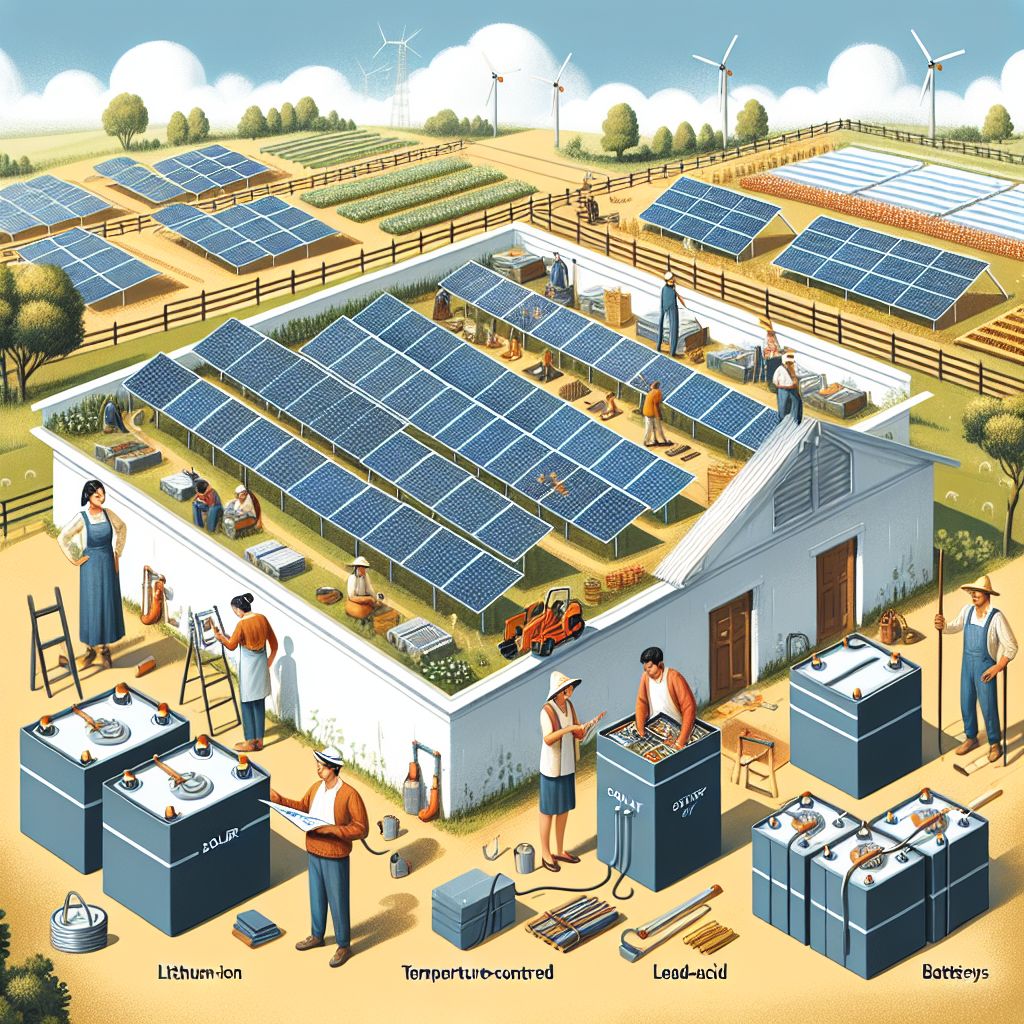
Transitioning to solar energy with battery storage involves several key steps. By following a structured approach, farmers can ensure a smooth and successful implementation of their solar energy systems. For more insights, explore the benefits of solar power irrigation systems for farmers.
Assessing Energy Needs and Capacity
Before investing in solar panel batteries, it’s crucial to assess the farm’s energy needs and capacity. This involves analyzing current electricity usage patterns and identifying peak demand periods. By understanding these factors, farmers can determine the appropriate size and type of battery system required to meet their energy needs.
It’s also essential to consider future growth and expansion plans. If a farm anticipates increasing its operations, the energy system should be scalable to accommodate additional demand. Consulting with a solar energy expert can provide valuable insights and recommendations tailored to the specific needs of the farm.
Choosing the Right Battery System
Selecting the right battery system is a critical decision that can impact the efficiency and effectiveness of the solar energy setup. There are several types of batteries available, including lithium-ion, lead-acid, and flow batteries, each with its own advantages and disadvantages.
Lithium-ion batteries are popular due to their high energy density and long lifespan. They are suitable for farms with moderate to high energy demands. Lead-acid batteries, while more affordable, have a shorter lifespan and lower energy density. Flow batteries offer flexibility and scalability, making them ideal for larger operations. For more information on the feasibility and benefits of solar panels for farm operations, visit our detailed guide.
Installation Best Practices
Proper installation is essential for maximizing the performance of solar panel batteries. It’s important to follow best practices and adhere to manufacturer guidelines during the installation process. This includes ensuring the batteries are placed in a well-ventilated, temperature-controlled environment to prevent overheating and extend their lifespan. For more information on how solar power can benefit farm operations, check out this article on solar panels for farm operations.
Maintenance Tips for Longevity
Regular maintenance is key to ensuring the longevity and efficiency of solar panel batteries. Farmers should conduct routine inspections to check for any signs of wear or damage. Cleaning the batteries and monitoring their charge levels can help prevent issues and maintain optimal performance. For more insights, explore how solar panel batteries benefit agriculture.
Most importantly, staying informed about the latest advancements in solar battery technology can provide opportunities to upgrade and enhance the energy system as needed. This proactive approach ensures that the farm remains at the forefront of sustainable energy practices.
Financial Benefits and Government Incentives
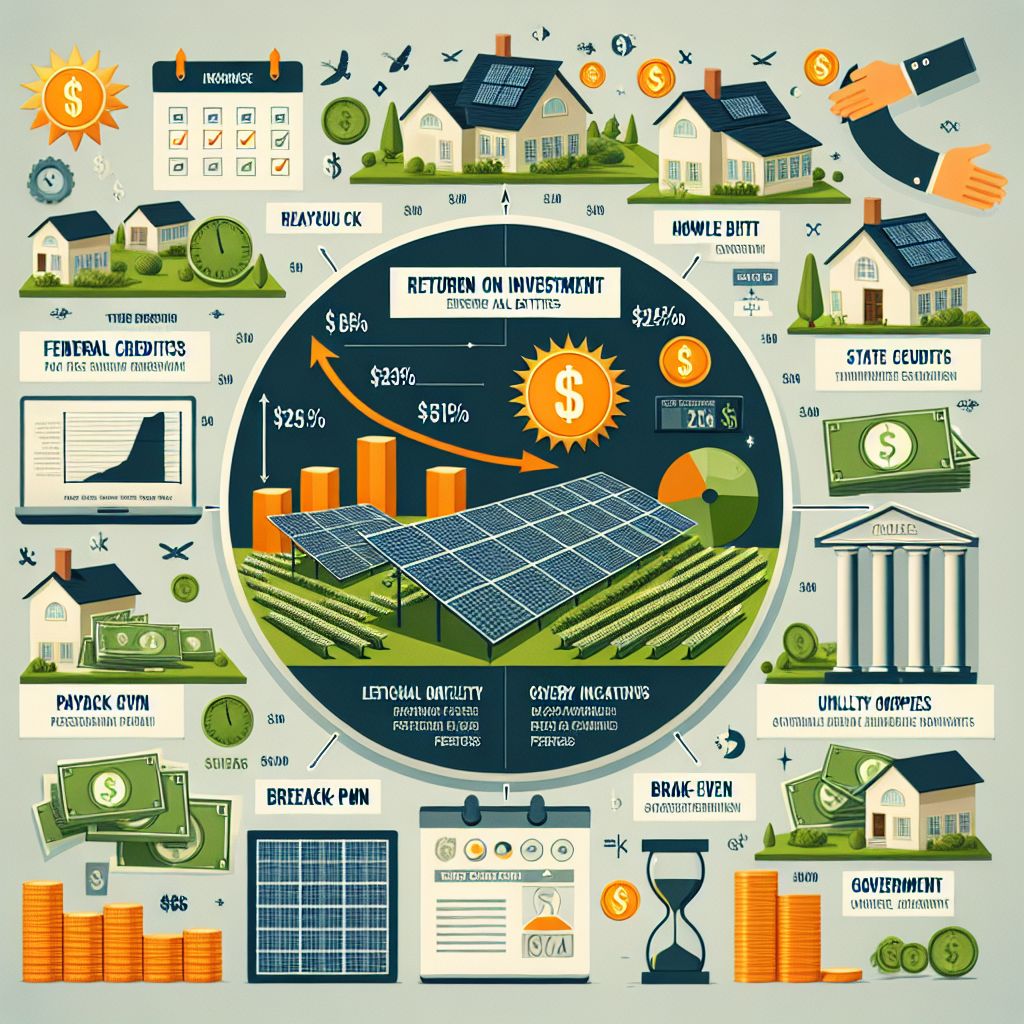
The financial benefits of solar panel batteries extend beyond cost savings on energy bills. By investing in renewable energy, farmers can also take advantage of various government incentives and subsidies designed to promote sustainable practices.
Cost Reduction in Energy Bills
By generating and storing their own electricity, farmers can significantly reduce their reliance on grid electricity, leading to substantial savings on energy bills. Over time, these savings can offset the initial investment in solar panel batteries, making them a cost-effective solution for farms of all sizes.
Investment Returns and Payback Periods
The return on investment (ROI) for solar panel batteries can be quite attractive. Many farmers find that the savings on energy bills, combined with government incentives, result in a favorable payback period. In some cases, the investment can be recouped within a few years, after which the farm continues to benefit from reduced energy costs. For more information on how solar panels can be utilized on farms, check out this article on farm solar panel uses.
Available Subsidies and Tax Credits
- Federal tax credits for renewable energy installations can cover up to 30% of the cost.
- State-specific grants and rebates are available to support sustainable farming initiatives.
- Local utility companies may offer incentives for reducing grid demand through solar energy.
By exploring these opportunities, farmers can reduce the financial burden of transitioning to solar energy and enhance the economic viability of their operations.
Case Studies: Solar Battery Success Stories
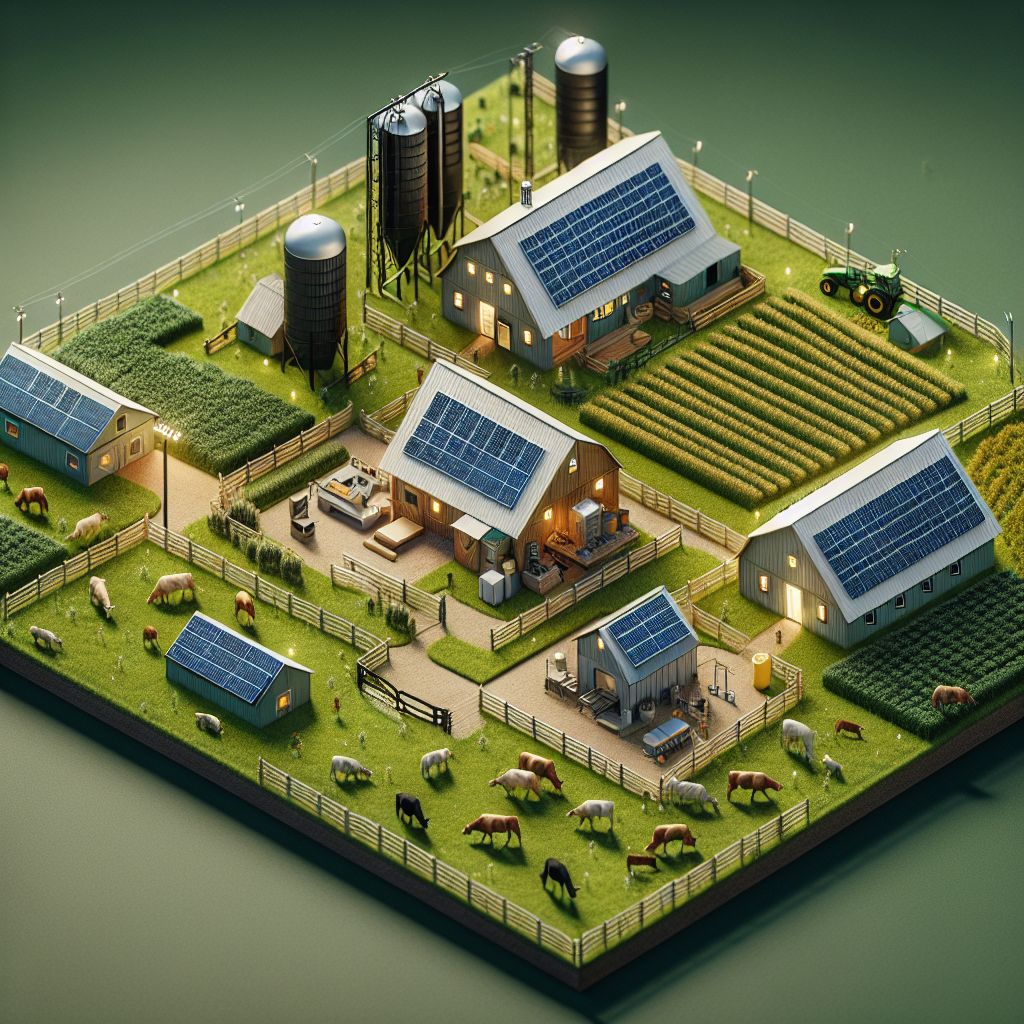
Real-world examples demonstrate the transformative impact of solar panel batteries on farms. These success stories highlight the diverse applications and benefits that solar energy can bring to agricultural operations.
Small Family Farms Leading the Way
Small family farms across the country are embracing solar panel batteries to enhance their sustainability and reduce operational costs. One such farm, located in rural Iowa, installed a solar energy system with battery storage to power its livestock operations. The result was a 50% reduction in energy costs and increased energy independence.
“By using solar energy, we’ve not only cut our electricity bills in half but also ensured that our farm can operate smoothly even during power outages. It’s been a game-changer for us.” – Farmer John, Iowa
This example illustrates how even small farms can benefit from solar energy, making it a practical option for those looking to improve efficiency and sustainability. Discover more about solar power savings and how it can boost your farm’s bottom line.
Other small farms have reported similar successes, with many taking advantage of government incentives to offset the initial costs. By sharing their experiences, these pioneers are encouraging other farmers to consider the potential of solar energy.
Large-Scale Agricultural Operations
Large-scale agricultural operations are also reaping the benefits of solar panel batteries. These farms often have higher energy demands, making the cost savings and reliability of solar energy even more impactful. For example, a large dairy farm in California installed a solar energy system with battery storage to power its milking and refrigeration operations. The farm now saves over $100,000 annually on energy costs.
Unexpected Benefits Realized by Farmers
Besides the obvious financial and environmental benefits, many farmers have reported unexpected advantages from using solar panel batteries. These include improved equipment performance due to a more stable power supply, reduced maintenance costs, and enhanced farm productivity.
By providing a reliable and cost-effective energy source, solar batteries contribute to increased farm productivity. Farmers can optimize irrigation schedules, extend operating hours, and enhance the efficiency of various agricultural processes. This holistic approach to energy management ensures that farms can thrive in a sustainable and economically viable manner.

Environmental and Sustainability Impacts
Solar panel batteries are not just a financial boon for farmers; they also represent a significant step forward in environmental sustainability. By harnessing the power of the sun, farms can drastically reduce their reliance on fossil fuels, which are a major contributor to greenhouse gas emissions.
Reducing Carbon Footprint
One of the most impactful benefits of solar panel batteries is their ability to reduce a farm’s carbon footprint. Traditional energy sources, such as coal and natural gas, release large amounts of carbon dioxide into the atmosphere. By switching to solar power, farmers can significantly cut these emissions.
In fact, a single solar panel system can prevent the release of thousands of pounds of carbon dioxide annually. For farmers committed to environmental stewardship, this reduction is not just a bonus—it’s a necessity. By adopting solar energy, farms can become leaders in the fight against climate change.
Enhancing Biodiversity through Clean Energy
Beyond reducing carbon emissions, solar energy also contributes to biodiversity. By decreasing pollution and minimizing habitat disruption, solar farms can support a wider range of plant and animal life. This is particularly important in agricultural settings, where biodiversity can enhance soil health and crop yields.
Moreover, the use of clean energy reduces the need for harmful pesticides and fertilizers, further protecting local ecosystems. By integrating solar energy into their operations, farmers can cultivate a more balanced and resilient environment, ensuring the long-term viability of their land.
Future Outlook: Solar Panels and Battery Integration
The future of agriculture is bright with solar energy. As technology continues to advance, the integration of solar panels and batteries will become even more efficient and cost-effective. This progress will pave the way for widespread adoption across farms of all sizes.
Technological Advancements on the Horizon
In the coming years, we can expect to see significant advancements in solar technology. Innovations such as more efficient photovoltaic cells, improved battery storage solutions, and smart energy management systems will enhance the performance of solar energy systems.
These advancements will not only reduce costs but also increase the accessibility of solar energy for farmers. As technology evolves, solar panels and batteries will become an increasingly attractive option for agricultural operations worldwide.
Paving the Way for Sustainable Farming Globally
The integration of solar panels and batteries represents a crucial step toward sustainable farming practices. By reducing reliance on non-renewable energy sources, farms can operate more sustainably and contribute to global efforts to combat climate change.
As more farmers adopt solar energy, we will see a ripple effect, encouraging others to follow suit. This shift will not only benefit individual farms but also contribute to a more sustainable and resilient agricultural industry as a whole.
Conclusion:
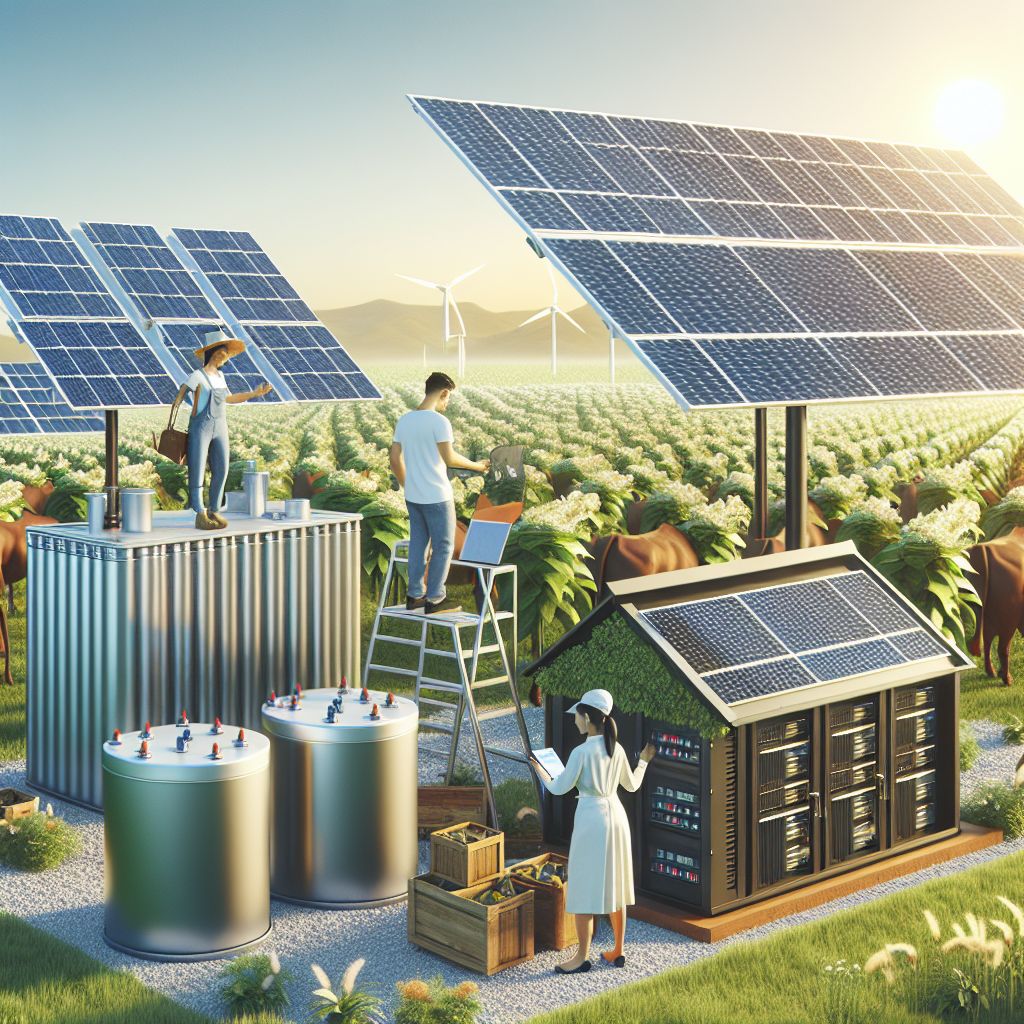
In conclusion, solar panel batteries offer a practical and sustainable solution for farmers seeking to enhance their operations. By reducing energy costs, increasing reliability, and promoting environmental sustainability, these systems represent a smart investment for the future of agriculture.
With the support of government incentives and ongoing technological advancements, the transition to solar energy has never been more feasible. By embracing this opportunity, farmers can ensure a stable and prosperous future for their farms and the planet. Learn more about the investment in solar battery storage for farmers and ranchers.
Is Using a Battery a Practical Option for Farmer to Back Up Their Solar Panels
Absolutely. Using a battery to back up solar panels is not only practical but also essential for maximizing the benefits of solar energy. By storing excess energy, batteries ensure a reliable power supply and reduce dependence on the grid. This capability is particularly valuable during peak usage times and power outages, making solar energy a viable option for farms of all sizes.
Frequently Asked Questions
As farmers consider transitioning to solar energy, they often have several questions about the process and its implications. For example, many are curious about the feasibility and benefits of solar panels in farm operations. Here are some common inquiries and their answers:
What types of batteries are best for farms?
Lithium-ion batteries are generally recommended for farms due to their high energy density, long lifespan, and efficiency. However, the choice of battery may depend on specific needs and budget constraints. Consulting with a solar energy expert can provide tailored recommendations.
How long do solar batteries last on average?
Solar batteries typically last between 5 to 15 years, depending on the type and usage. Regular maintenance and proper installation can extend their lifespan. It’s important to monitor battery performance and replace them as needed to ensure continuous energy supply.
Can solar batteries provide backup during power outages?
Yes, solar batteries are designed to provide backup power during outages. By storing excess energy, they ensure that essential farm operations can continue uninterrupted, protecting both productivity and profitability.
Are there specific brands or companies recommended for farm installations?
Several reputable companies specialize in solar energy systems for farms, including Tesla, LG, and Sonnen. It’s important to research and compare options to find a solution that meets the farm’s specific needs and budget. Seeking recommendations from other farmers can also be helpful. For more information on solar energy systems, check out this article on solar panels for farm operations.
What is the process for acquiring government subsidies?
To acquire government subsidies, farmers should start by researching available programs at the federal, state, and local levels. This may involve submitting applications, providing documentation of the solar energy system, and meeting specific eligibility criteria. Working with a solar energy provider can simplify the process and ensure that all opportunities for financial assistance are maximized.







Leave a Reply