
Key Takeaways
- Solar power irrigation systems can save farmers up to 90% on energy bills by replacing diesel or grid electricity.
- These systems enable irrigation in remote areas without access to electricity, increasing agricultural productivity.
- Solar-powered systems offer independence from fluctuating energy prices and reduce carbon emissions.
- Initial installation costs can be high, but government incentives and long-term savings make it a worthwhile investment.
- Farmers can improve water management and crop yield through precise and sustainable irrigation methods.
What is Solar Power Irrigation
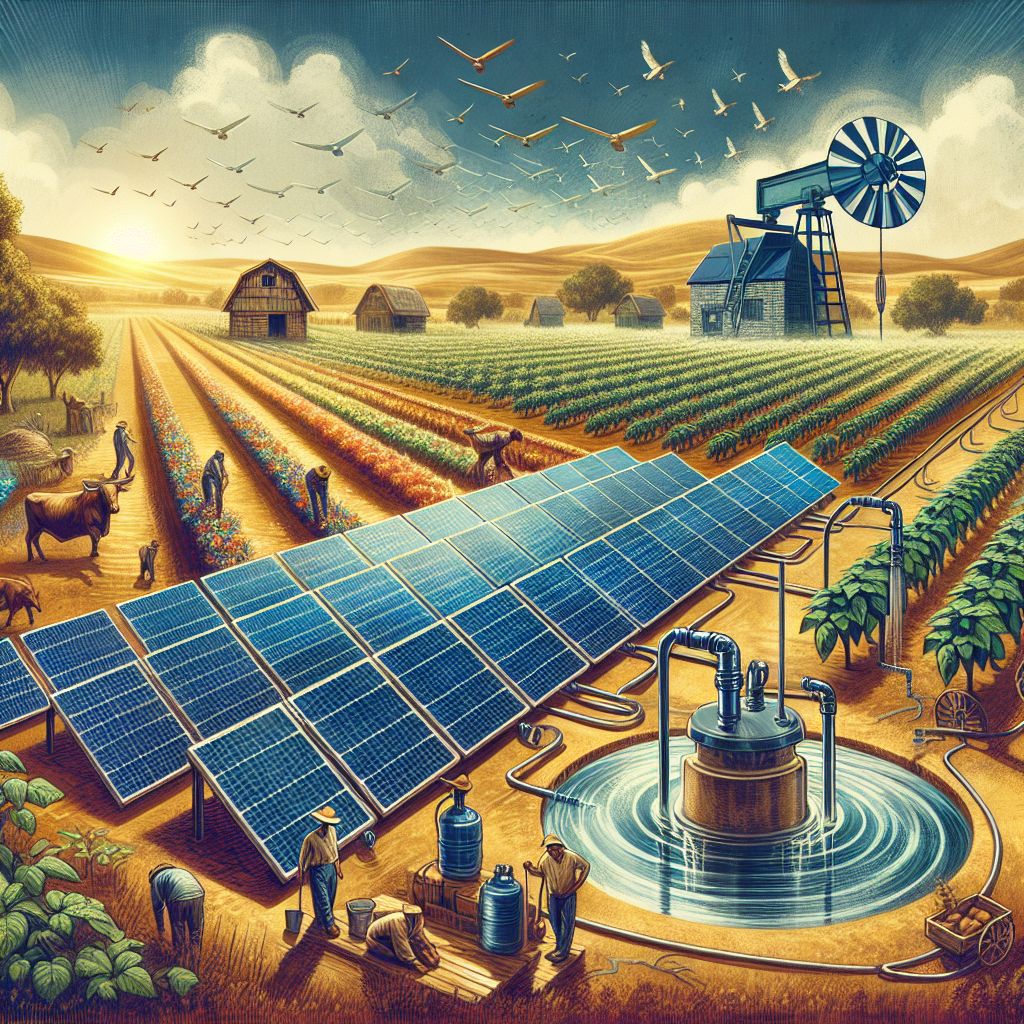
Solar power irrigation is a transformative approach that uses solar energy to power irrigation systems on farms. This technology harnesses sunlight to generate electricity, which in turn operates water pumps, allowing farmers to water their crops efficiently and sustainably.
What is Irrigation System on a Farm
An irrigation system on a farm is designed to provide crops with the necessary water they need to grow, especially in areas where rainfall is insufficient. Traditional systems often rely on electricity from the grid or diesel-powered pumps, which can be costly and environmentally harmful.
How does Solar Power Work
Solar power works by converting sunlight into electricity using solar panels. These panels are made up of photovoltaic cells that capture sunlight and convert it into direct current (DC) electricity. An inverter then transforms this DC electricity into alternating current (AC), which can be used to power irrigation pumps and other farm equipment.
The Power of Connecting an Irrigation System with Solar Power for a Farmer
Connecting an irrigation system with solar power offers numerous advantages for farmers. It not only reduces dependency on fossil fuels but also provides a reliable source of energy that is not subject to price fluctuations. This connection empowers farmers to manage their water resources more effectively, leading to improved crop yields and better sustainability practices.
Immediate Benefits of Solar Power Irrigation for Farmers
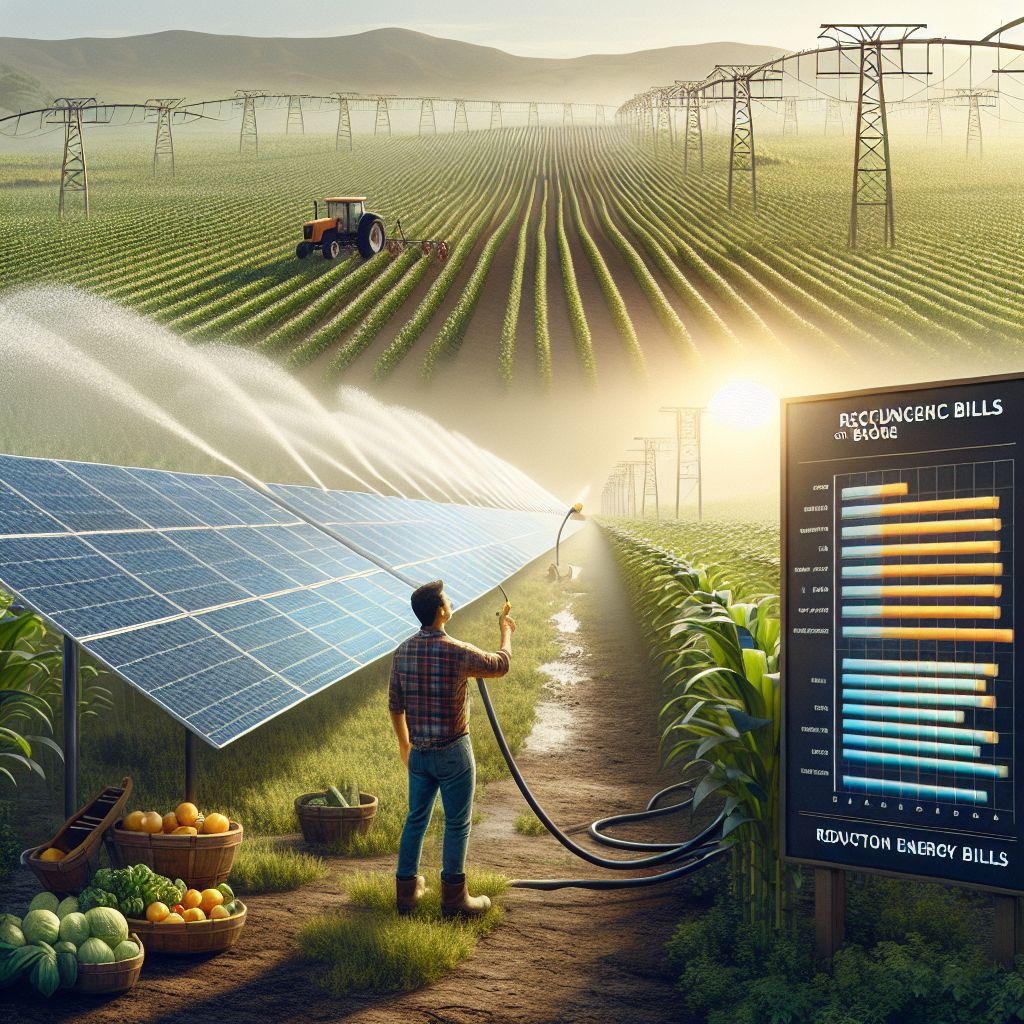
The benefits of solar power irrigation systems are immediate and profound. Farmers can see a significant reduction in their energy bills, enabling them to allocate resources to other critical areas of their operations. Furthermore, solar-powered systems provide the flexibility to irrigate crops in remote locations where traditional power sources are unavailable.
Reducing Energy Bills
One of the most compelling reasons to switch to solar power irrigation is the potential for reducing energy costs. By utilizing the sun’s energy, farmers can eliminate the need for costly diesel fuel or electricity from the grid. This change can result in savings of up to 90% on energy expenses, allowing farmers to reinvest in their farms. For more information on the best solar options for farmers, check out this comparison of solar panels.
Irrigation in Remote Areas
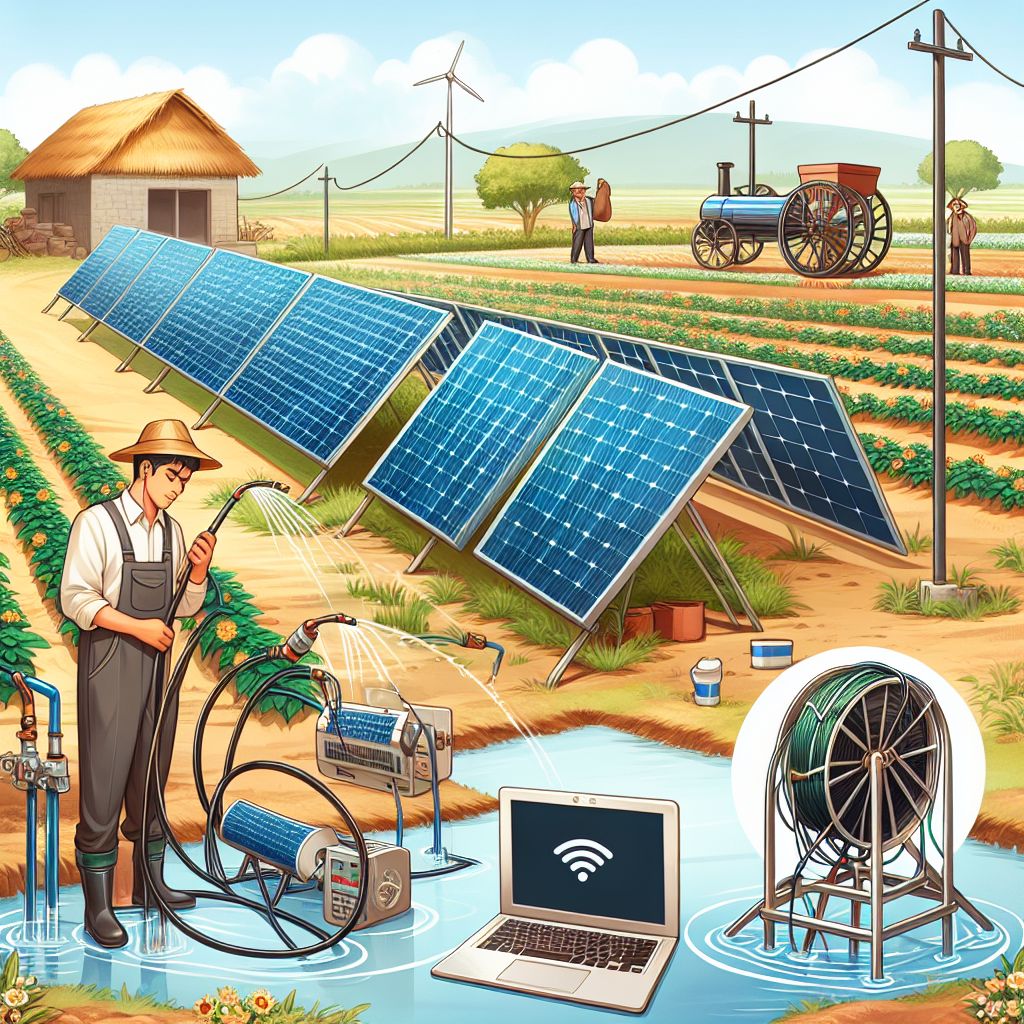
Solar power irrigation systems are a game-changer for farmers in remote areas. These systems don’t require a connection to the electrical grid, making it possible to irrigate fields that were previously inaccessible. As a result, farmers can expand their operations and increase their crop production without worrying about the limitations of traditional power sources.
Increased Flexibility and Independence
With solar power, farmers gain increased flexibility and independence. They are no longer at the mercy of rising fuel costs or electricity outages. Instead, they have a reliable and consistent source of energy that allows them to plan and manage their irrigation schedules according to their needs, leading to better crop management and productivity. For more information on how PERC solar panels can power your farm efficiently, click here.
Comparison to Traditional Irrigation Methods
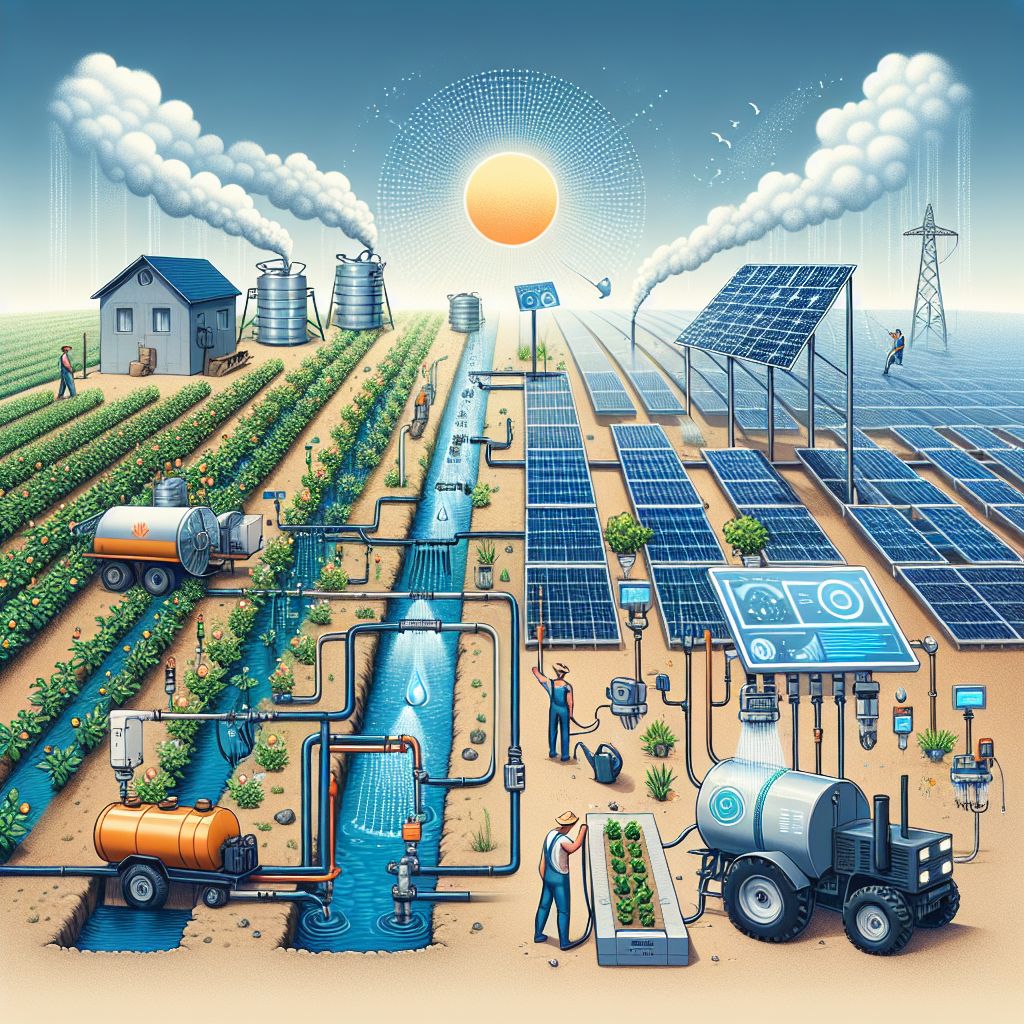
When comparing solar-powered irrigation systems to traditional methods, the differences are significant. Traditional irrigation often relies on electricity from the grid or diesel generators. These methods are not only expensive but also contribute to environmental pollution. In contrast, solar-powered systems provide a cleaner, more sustainable solution.
Traditional methods can be unpredictable due to fluctuating fuel prices and electricity outages. Solar-powered systems, however, harness the sun’s energy, which is abundant and free. This reliability ensures that farmers can maintain consistent irrigation schedules, which is crucial for optimal crop growth.
Improved Water Management
Solar-powered irrigation systems offer improved water management capabilities. By using advanced sensors and controls, these systems can deliver precise amounts of water to crops, reducing waste and conserving valuable water resources. This precision is particularly beneficial in areas prone to drought or water scarcity.
Moreover, solar irrigation systems can be integrated with smart technologies that monitor soil moisture levels and weather conditions. This integration allows farmers to make data-driven decisions about when and how much to irrigate, ensuring that crops receive the right amount of water at the right time.
For example, a farmer in a semi-arid region can use a solar-powered system to adjust irrigation based on real-time data, optimizing water use and minimizing runoff. This approach not only conserves water but also enhances crop yield and quality.
Cost-Effectiveness
Switching to solar power irrigation is a cost-effective solution for farmers. While the initial investment may be higher compared to traditional systems, the long-term savings on energy costs can be substantial. Over time, the reduction in fuel and electricity expenses can offset the initial installation costs, resulting in significant financial benefits.
Compatibility with Existing Systems
Solar-powered irrigation systems are designed to be compatible with existing irrigation infrastructure. Farmers can retrofit their current systems with solar technology, allowing them to enjoy the benefits of renewable energy without having to replace their entire setup. This compatibility makes the transition to solar power more accessible and less disruptive.
This below table is comparing solar-powered irrigation systems to traditional irrigation methods.
|
Feature |
Solar-Powered Irrigation Systems |
Traditional Irrigation Methods |
|---|---|---|
|
Energy Source |
Uses solar panels to harness renewable energy for pumping water. 1, 7 |
Relies on diesel, electricity from the grid, or manual labor (non-renewable/variable). 1, 7 |
|
Initial Investment |
Higher upfront cost due to solar panel and system installation. 1, 2 |
Lower upfront cost, especially for manual or basic systems. 1, 2 |
|
Operating Costs |
Minimal ongoing costs—no fuel or electricity bills; lower maintenance over time. 1,7 |
Ongoing expenses for fuel, electricity, and frequent maintenance. 1, 7 |
|
Water Use Efficiency |
High—precision delivery reduces water waste by up to 28–50%. 2, 4, 5, 8 |
Lower—significant water loss through evaporation and runoff, especially with flood or manual methods. 2, 4, 5, 8 |
|
Crop Yield |
Higher and more consistent due to reliable, scheduled irrigation and optimal water supply. 5, 7 |
Lower and less consistent—affected by irregular supply and inefficiency. 5, 7 |
|
Maintenance |
Infrequent but may require specialized technical expertise for repairs. 1 |
More frequent but generally simpler and locally manageable maintenance. 1 |
|
Environmental Impact |
Low—reduces carbon emissions, uses renewable energy, and minimizes water waste. 2, 5, 7 |
High—relies on fossil fuels, higher emissions, greater water and resource waste. 2,5, 7 |
|
Reliability |
Dependent on sunlight; can include batteries for cloudy days; independent of grid outages17. |
Reliable if fuel/electricity is available; can operate in all weather, but vulnerable to outages17. |
|
Lifespan |
7–15 years for pumps; manual systems last as long as materials hold up. 2, 1 | |
|
Suitability for Remote Areas |
Excellent—no grid needed, ideal for off-grid or rural locations. 1, 7 |
Limited—manual possible, but powered systems need fuel/electricity access. 1, 7 |
|
Automation/Smart Features |
Supports smart controls for optimized, automated irrigation schedules, remote monitoring, and precision management. 7, 8 |
Usually manual or basic controls, limited automation and precision. 7, 8 |
|
Resilience to Power Outages |
High—independent of grid or fuel supply, continues during outages. 7 |
Vulnerable to grid outages or fuel shortages.7 |
|
Long-Term Profitability |
High—long-term savings on energy and maintenance, increased yields. 1, 7 |
Lower—rising fuel/electricity costs, variable yields, higher maintenance. 1, 7 |
Sources:1 FarmstandApp, 2 GrowingSolarMist, 4 8MSolar, 5 IOSR Journals, 7 The Farming Insider, 8 Nature

Economic Impact of Solar-Powered Irrigation
The economic impact of adopting solar-powered irrigation systems extends beyond individual farms. By reducing energy costs and increasing productivity, these systems contribute to the overall economic stability of agricultural communities. Farmers can reinvest savings into their operations, leading to job creation and community development.
Cost Savings Over Time
One of the most significant economic benefits of solar-powered irrigation is the cost savings over time. By eliminating the need for diesel or grid electricity, farmers can drastically reduce their operational expenses. These savings accumulate year after year, providing a strong return on investment and improving the financial viability of farming operations.
Government Incentives and Support
Many governments offer incentives and support programs to encourage the adoption of solar power in agriculture. These incentives can include tax credits, grants, and low-interest loans, making it more affordable for farmers to invest in solar technology. By taking advantage of these programs, farmers can reduce their initial costs and expedite the transition to renewable energy.
For instance, a farmer who applies for a government grant can receive financial assistance to cover a portion of the installation costs, making solar power irrigation more accessible and economically feasible.
Long-Term Investment Benefits
Investing in solar-powered irrigation is not only a smart financial decision but also a long-term commitment to sustainability. As energy prices continue to rise, farmers who have adopted solar technology will be better positioned to withstand market fluctuations and maintain their competitiveness.
Additionally, the longevity and low maintenance requirements of solar systems ensure that farmers can enjoy reliable and cost-effective irrigation for years to come. This long-term stability is crucial for the continued success and growth of agricultural enterprises.
Environmental and Sustainability Advantages
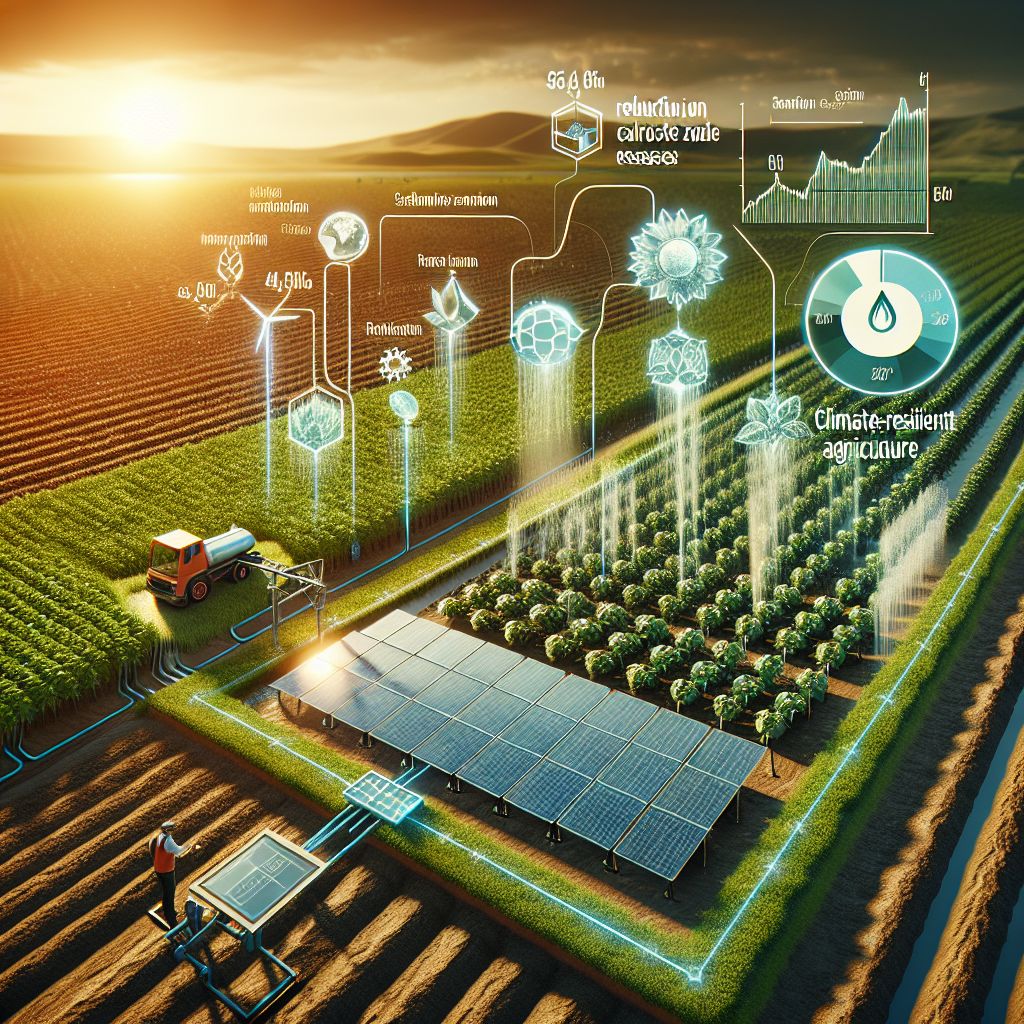
Beyond economic benefits, solar-powered irrigation systems offer significant environmental and sustainability advantages. By reducing reliance on fossil fuels, these systems help decrease greenhouse gas emissions and mitigate climate change. This shift towards renewable energy is essential for creating a more sustainable agricultural sector.
Reducing Greenhouse Gas Emissions
Solar power irrigation systems play a vital role in reducing greenhouse gas emissions. By eliminating the need for diesel or grid electricity, these systems lower the carbon footprint of farming operations. This reduction in emissions contributes to cleaner air and a healthier environment for both farmers and their communities. Learn more about the benefits of solar-powered irrigation systems.
For example, a farm that switches from diesel-powered pumps to solar energy can prevent the release of thousands of kilograms of carbon dioxide each year, making a significant impact on the fight against climate change.
Water Conservation Techniques
Solar-powered irrigation systems incorporate advanced water conservation techniques that help preserve precious water resources. By delivering water directly to the root zone of plants, these systems minimize evaporation and runoff, ensuring that every drop is used efficiently.
Contribution to Climate Resilience
Adopting solar-powered irrigation systems enhances a farm’s resilience to climate change. By providing a reliable and sustainable source of energy, these systems enable farmers to adapt to changing weather patterns and maintain productivity even in adverse conditions. This resilience is crucial for ensuring food security and supporting the livelihoods of farming communities.
Moreover, the use of renewable energy sources like solar power contributes to the broader goal of building climate-resilient agricultural systems that can withstand the challenges of the future.

Impact on Crop Yield and Quality
Solar-powered irrigation systems have a direct impact on crop yield and quality. By providing consistent and precise irrigation, these systems ensure that crops receive the optimal amount of water, leading to healthier plants and higher yields. This improvement in crop performance translates to increased profitability for farmers.
Precision Irrigation
Precision irrigation is a key feature of solar-powered systems. By using sensors and automated controls, farmers can tailor irrigation schedules to the specific needs of their crops. This level of precision ensures that plants receive the right amount of water at the right time, promoting healthy growth and maximizing yield potential.
Improved Plant Health
Consistent and accurate irrigation provided by solar-powered systems leads to improved plant health. Well-watered crops are less susceptible to stress and disease, resulting in better overall quality and increased resistance to pests. This enhanced plant health contributes to higher yields and better marketability of produce.
Stability in Drought Conditions
Solar-powered irrigation systems offer stability in drought conditions by providing a reliable source of water. In regions prone to water scarcity, these systems enable farmers to maintain crop production even during dry spells. This stability is essential for ensuring food security and supporting the economic well-being of farming communities.
By investing in solar-powered irrigation, farmers can safeguard their crops against the impacts of drought and continue to thrive in challenging environments.
Potential Challenges and Solutions
While solar power irrigation systems offer numerous benefits, they also come with certain challenges. Understanding these challenges and implementing effective solutions can help farmers maximize the advantages of solar technology.
Initial Installation Costs
One of the primary challenges farmers face when considering solar-powered irrigation is the initial installation cost. Solar panels and associated equipment can be expensive, creating a financial barrier for some farmers.
To address this challenge, farmers can explore government incentives and grants designed to support the adoption of renewable energy in agriculture. Additionally, financing options such as low-interest loans can help spread the cost over time, making the investment more manageable.
Maintenance and Lifespan
Solar-powered systems require regular maintenance to ensure optimal performance. While these systems are generally low-maintenance, periodic inspections and cleaning are necessary to keep them functioning efficiently.
Farmers should establish a maintenance schedule that includes checking for dust accumulation on panels, inspecting electrical connections, and monitoring system performance. Proper maintenance can extend the lifespan of the system and ensure long-term reliability. For more information on choosing the right solar panels, consider the best solar panels for farmers.
Grid Connectivity and Technical Support
In some cases, farmers may face challenges related to grid connectivity and access to technical support. Remote locations can make it difficult to obtain assistance when needed.
Example: A farmer in a rural area without reliable internet access may struggle to access online support resources or contact technical experts for assistance.
To overcome these challenges, farmers can collaborate with local agricultural organizations or cooperatives that provide support services. Additionally, investing in training and education can empower farmers to perform basic troubleshooting and maintenance tasks independently.
Adoption and Future Outlook
The adoption of solar-powered irrigation systems is on the rise, driven by increasing awareness of their benefits and the growing demand for sustainable agricultural practices. The future outlook for solar irrigation is promising, with continued advancements in technology and expanded support from governments and organizations.
Trends in Solar Irrigation Adoption
Recent trends indicate a steady increase in the adoption of solar-powered irrigation systems among farmers worldwide. As more farmers recognize the economic and environmental advantages, the demand for solar technology in agriculture is expected to grow.
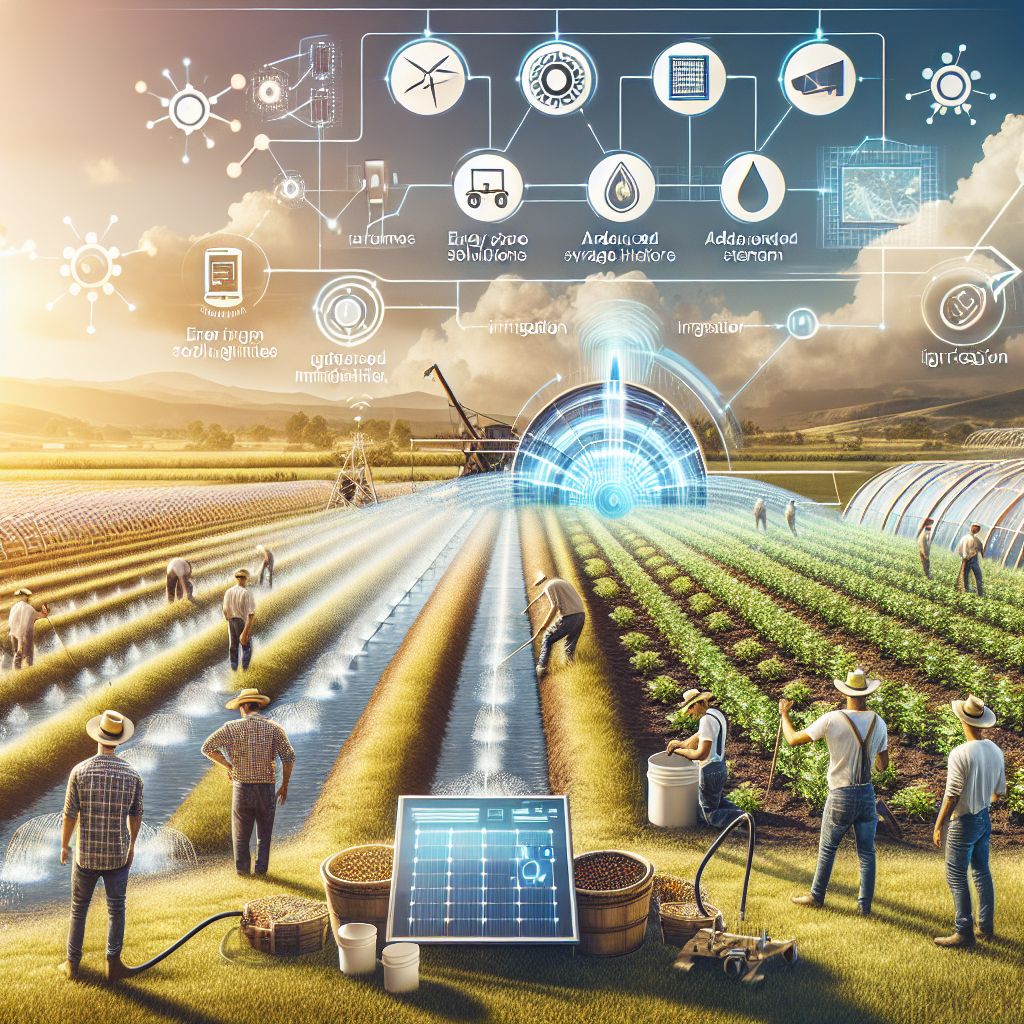
Innovations such as smart irrigation systems and integrated solar solutions are further driving adoption by offering enhanced efficiency and convenience.
Regional Differences
Adoption rates of solar irrigation systems vary by region, influenced by factors such as climate, government policies, and access to technology. In regions with abundant sunlight and supportive policies, adoption is more widespread.
Conversely, areas with limited sunlight or less supportive regulatory environments may experience slower adoption rates. Tailoring solutions to address regional challenges can help accelerate the transition to solar-powered irrigation.
Future Innovations
The future of solar-powered irrigation holds exciting possibilities, with ongoing research and development leading to new innovations. Emerging technologies such as energy storage solutions, advanced sensors, and AI-driven irrigation management are poised to enhance the efficiency and effectiveness of solar irrigation systems.
These innovations will empower farmers to optimize their water and energy use, further contributing to sustainable agriculture and food security.
Conclusion:
Solar power irrigation systems offer a compelling solution for farmers seeking to improve sustainability, reduce costs, and enhance productivity. By harnessing the power of the sun, farmers can achieve greater independence and resilience in their agricultural operations.
Should a Farmer Use a Solar Powered Irrigation System Over Traditional Irrigation Methods
In most cases, adopting a solar-powered irrigation system is a wise choice for farmers. The long-term benefits, including cost savings, environmental sustainability, and improved crop management, outweigh the initial investment and challenges.
Farmers should carefully evaluate their specific needs, resources, and regional conditions to determine the best approach for integrating solar technology into their operations. With the right support and planning, solar power irrigation can be a transformative force in modern agriculture.
Frequently Asked Questions
As farmers consider transitioning to solar-powered irrigation, they may have questions about the costs, benefits, and practicalities of this technology. Here are some common inquiries and answers to guide farmers in their decision-making process.
What are the installation costs associated with solar power irrigation?
The installation costs of solar power irrigation systems can vary widely based on factors such as system size, location, and available incentives. On average, farmers can expect to invest between $10,000 and $30,000 for a mid-sized system. For those considering different solar panel options, it’s worth exploring the comparison between thin-film and polycrystalline solar panels to make an informed decision.
Government grants, tax credits, and financing options can help offset these costs, making solar power more accessible to farmers.
It’s important to obtain multiple quotes and work with reputable installers to ensure a fair price and quality installation.
Example: A farmer who received a government grant was able to reduce their initial investment by 30%, making the transition to solar power more affordable.
How can solar irrigation systems conserve water?
Solar irrigation systems conserve water by using precise irrigation techniques and advanced controls. These systems can deliver water directly to the root zone of plants, minimizing evaporation and runoff. To learn more about the benefits and advantages of these systems, visit Solar-Powered Irrigation Systems.
By integrating sensors and automation, farmers can optimize irrigation schedules based on real-time data, ensuring efficient water use and reducing waste.
Are there government programs that support solar irrigation?
Yes, many governments offer programs to support the adoption of solar irrigation systems. These programs may include financial incentives such as grants, tax credits, and low-interest loans.
Farmers should research available programs in their region and apply for assistance to reduce the cost of transitioning to solar power.
What maintenance is required for solar-powered irrigation systems?
Solar-powered irrigation systems require minimal maintenance compared to traditional systems. Regular tasks include cleaning solar panels, checking electrical connections, and monitoring system performance.
Farmers should establish a routine maintenance schedule and perform periodic inspections to ensure optimal system operation and longevity.
Can solar irrigation work in low sunlight areas?
Solar irrigation systems can still function in areas with low sunlight, although efficiency may be reduced. It’s important to size the system appropriately and consider additional measures such as energy storage to ensure reliable performance. For more details on irrigation systems and solar panels, you can explore further resources.
Farmers in low sunlight regions can also explore hybrid systems that combine solar power with other energy sources to maintain consistent irrigation.
By carefully evaluating site conditions and system requirements, farmers can successfully implement solar-powered irrigation even in challenging environments.







Leave a Reply