
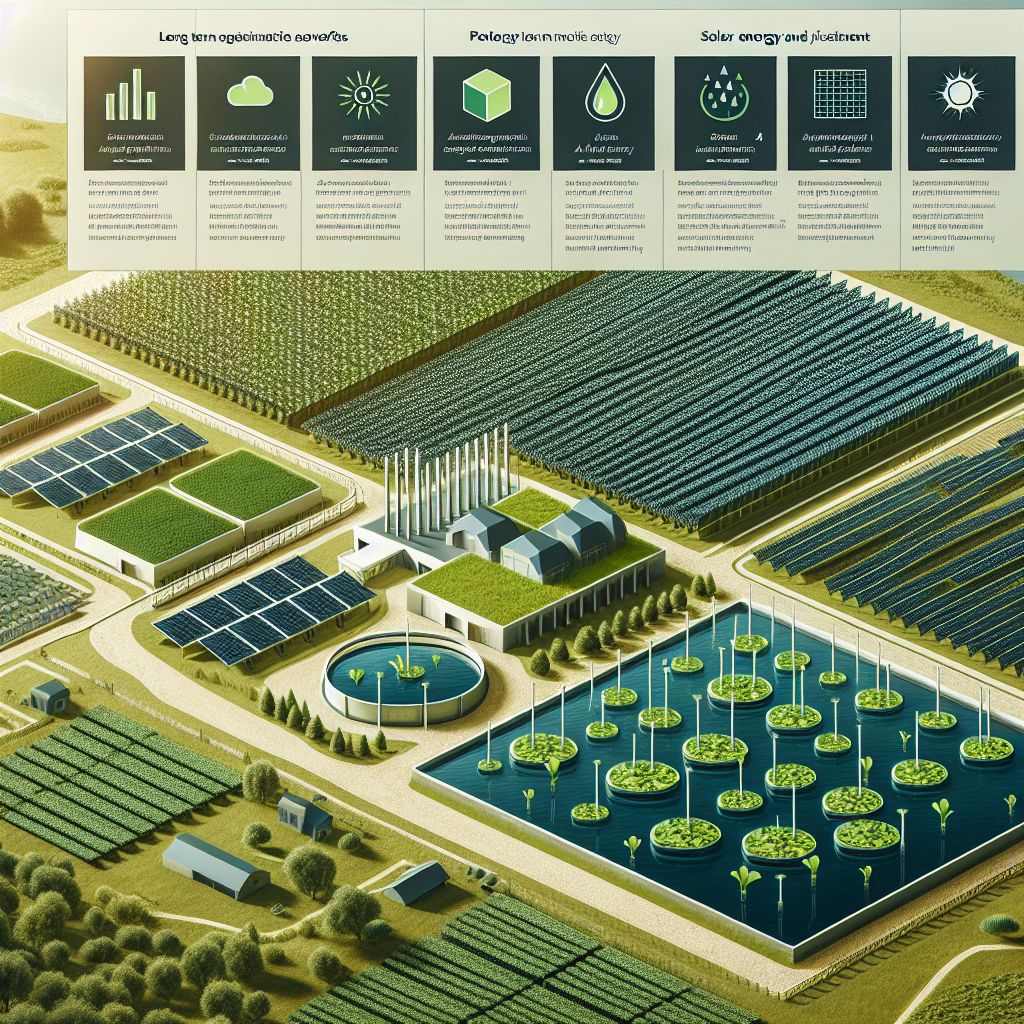
Key Takeaways:
- Algaculture is the farming of algae for biofuel, food, and other products.
- Solar panels provide a sustainable energy source, reducing reliance on fossil fuels.
- Using solar panels in algaculture can significantly cut operational costs.
- Solar energy systems contribute to environmental conservation by reducing carbon emissions.
- Initial investment in solar technology can be high, but long-term savings are substantial.
Introduction to Solar Panels in Algaculture
Algaculture might sound like a complicated term, but it’s quite simple. It’s the practice of farming algae. Algae, those green, slimy organisms you often see in ponds, are incredibly versatile. They can be used for biofuel, food, and even in cosmetics. But to farm them efficiently, you need energy—lots of it. That’s where solar panels come into play.
What is Algaculture?
Algaculture is essentially the cultivation of algae. These tiny organisms are powerhouses of nutrition and energy. They’re grown in water-based environments, and their farming has become a focal point for producing biofuels and other valuable products. Algae can grow fast and don’t require arable land, making them a sustainable resource.
The Role of Solar Panels
Solar panels are more than just shiny surfaces on rooftops. In algaculture, they are a game-changer. They convert sunlight into electricity, which is used to power algae cultivation systems. This clean energy source reduces the dependency on fossil fuels, making the entire process more eco-friendly. Solar panels help maintain the right conditions for algae growth by powering essential systems like water circulation and temperature control.
Here’s a table comparing the different solar panel you can use with an irrigation system on a farm:
| Solar Panel Type | Efficiency | Cost per Watt | Pros | Cons |
|---|---|---|---|---|
| Monocrystalline | 17-22% | $1.00 – $1.50 | – Highest efficiency. 1, 3 – Performs well in low light. 2, 3 – Space-efficient. 1, 3 | – Most expensive option. 1, 3 – Performance drops in high heat. 2, 3 |
| Polycrystalline | 13-17% | $0.90 – $1.20 | – Lower cost than monocrystalline. 1, 3 – Good efficiency. 1, 3 – Tolerates high temperatures better. 2, 3 | – Slightly lower efficiency. 1, 3 – Requires more space than mono. 2, 3 |
| Thin-Film | 10-13% | $0.70 – $1.00 | – Lowest cost. 1, 3 – Flexible and lightweight. 2, 3 – Performs well in high heat. 2, 3 | – Lowest efficiency. 1, 3 – Requires the most space. 2, 3 – Shorter lifespan. 1, 3 |

Key Benefits of Solar Panels in Algaculture
Using solar panels in algaculture offers several advantages that are hard to ignore. They not only make the process more sustainable but also bring down costs and improve efficiency. Let’s dive into these benefits.
Energy Efficiency
Solar panels are known for their energy efficiency. They harness the sun’s power, which is abundant and free. By using solar panels, algae farms can operate efficiently without relying heavily on non-renewable energy sources. This shift not only conserves energy but also reduces the carbon footprint of algaculture.
Reducing Operational Costs
One of the most compelling reasons to use solar panels in algaculture is cost savings. While the initial setup might seem pricey, the long-term benefits are undeniable. Once installed, solar panels have low maintenance costs and can significantly reduce electricity bills. Over time, the savings on energy expenses can outweigh the initial investment.
Environmental Impact
The environmental impact of solar panels in algaculture is profound. By utilizing solar energy, algae farms drastically reduce their carbon footprint. Traditional energy sources like coal and natural gas emit carbon dioxide and other harmful gases, contributing to climate change. In contrast, solar panels provide a clean, renewable energy source that emits no pollutants. This switch not only helps in preserving our environment but also aligns with global sustainability goals.
Here is a table discussing benefits of using solar Panels in algaculture
| Benefit | Explanation |
|---|---|
| Cost Savings | Solar panels reduce electricity costs by generating renewable energy on-site, lowering dependency on grid electricity and protecting against rising energy prices. 1, 3, 7 |
| Energy Independence | Farmers can produce their own energy, ensuring reliable power for algaculture operations like water pumps, aeration systems, and lighting, even in remote areas without stable grid access. 4, 7 |
| Increased Productivity | Solar-powered systems enable efficient automation of algaculture processes, such as irrigation and temperature control, improving algae growth and overall productivity. 3, 5 |
| Environmental Sustainability | Solar panels reduce reliance on fossil fuels, cutting greenhouse gas emissions and supporting sustainable farming practices. This aligns with climate change mitigation goals. 1, 5, 7 |
| Water Conservation | Solar panels provide shade over algae ponds, reducing evaporation and conserving water resources critical for algaculture. 1, 5 |
| Dual Land Use | Agrivoltaic systems allow farmers to combine solar energy generation with algaculture, optimizing land use while maintaining algae production beneath the panels. 1, 3 |
| Temperature Regulation | Panels provide shading that helps maintain optimal water temperatures for algae growth, preventing overheating in outdoor ponds or photobioreactors. 1, 5 |
| Revenue Generation | Excess electricity generated by solar panels can be sold back to the grid, providing an additional income stream for farmers. 1, 3 |
| Climate Resilience | Solar-powered systems ensure consistent energy supply during extreme weather conditions, enabling uninterrupted algaculture operations despite climate challenges. 5, 7 |
| Innovative Applications | Algae-based materials (e.g., “algica”) can enhance solar panel efficiency while promoting circular economy practices. This synergy between algae and solar technology benefits both renewable energy and algaculture sectors. 2, 6 |
Solar panels offer numerous benefits for farmers engaged in algaculture by reducing costs, improving operational efficiency, conserving resources, and promoting sustainability. The integration of solar technology with algae farming creates a resilient and eco-friendly model for modern agriculture.
Practical Uses of Solar Panels in Algaculture
Solar panels are not just theoretical solutions; they have practical applications that enhance the efficiency and sustainability of algae farming. By integrating solar technology, algaculture operations can become more self-sufficient and environmentally friendly.
Let’s look at some specific ways solar panels are utilized in algaculture.
Powering Algae Cultivation Systems
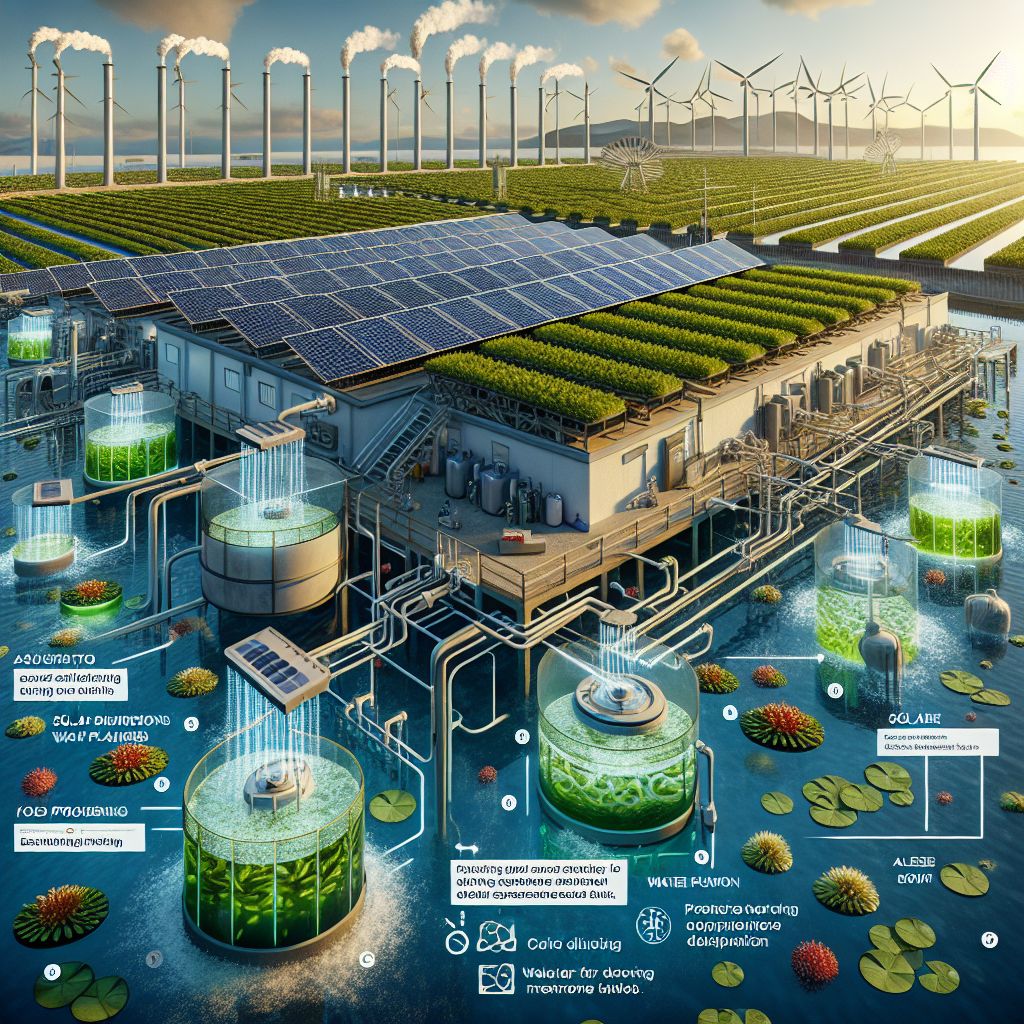
In algaculture, maintaining the right conditions for algae growth is crucial. Solar panels play a significant role in powering the systems that control these conditions. They provide electricity to power lights, pumps, and other essential equipment, ensuring that algae receive the optimal light and nutrient distribution needed for healthy growth.
Supporting Water Circulation
Water circulation is a critical component of successful algaculture. It prevents stagnation, promotes nutrient distribution, and helps maintain the overall health of the algae. Solar panels can power the pumps and systems required for effective water movement. Here are some specific uses:
- Pumping water through algae tanks to ensure even nutrient distribution.
- Operating filtration systems to remove impurities and maintain water quality.
- Providing power for aeration systems that enhance oxygen levels in the water.
These applications highlight how solar energy can be harnessed to improve the operational efficiency of algae farms.
Moreover, by relying on solar power, algae farms can operate independently of the grid, reducing their reliance on external energy sources and increasing their resilience to power outages.
Temperature Regulation
Temperature is another critical factor in algaculture. Algae thrive in specific temperature ranges, and deviations can affect growth rates and yields. Solar panels can power heating and cooling systems to maintain these ideal temperatures. This ensures that algae farms can operate year-round, regardless of external weather conditions.
- Heating systems powered by solar energy can prevent water temperatures from dropping too low during colder months.
- Cooling systems can prevent overheating during the summer, ensuring algae remain in their optimal growth range.
By using solar panels for temperature regulation, algae farms can maintain stable environments that promote consistent and healthy algae production.
Powering an Irrigation System
In addition to cultivation and temperature regulation, solar panels can power irrigation systems. While algae farms typically don’t require traditional irrigation unlike most other farm that grow crops, maintaining water levels and quality is essential. Solar-powered pumps can ensure that water is circulated effectively, preventing stagnation and promoting a healthy growing environment.
Solar-Powered Algaculture: Success Stories
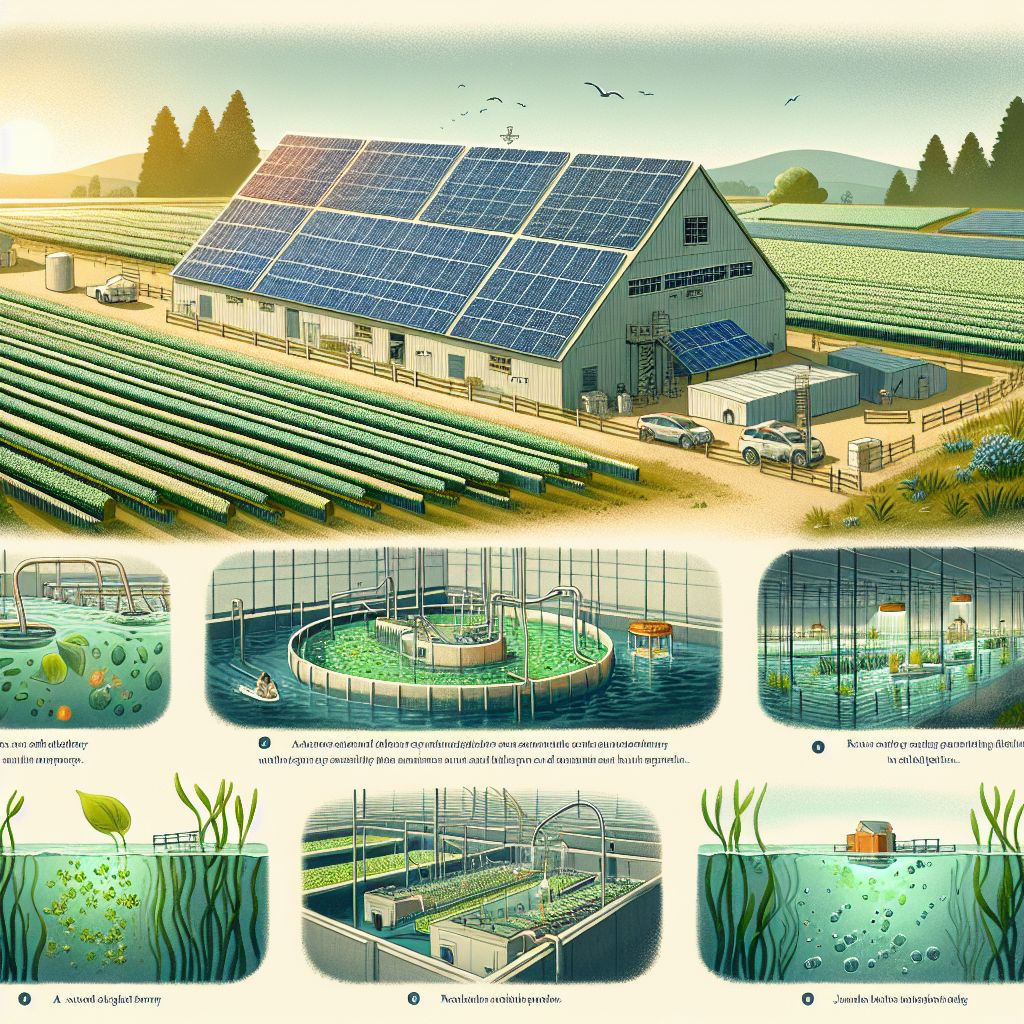
Real-world examples demonstrate the effectiveness and benefits of using solar panels in algaculture. These success stories serve as inspiring models for other algae farms considering the transition to solar energy.
One such example is an algae farm in California that implemented solar panels to power its entire operation. By doing so, the farm not only reduced its carbon footprint but also cut its energy costs by over 50%. This allowed the farm to reinvest the savings into expanding its operations and exploring new algae-based products.
Another case is a small algae farm in Spain that used solar energy to power its water circulation and aeration systems. The farm reported a 30% increase in algae yield due to the improved efficiency and consistency of the growth conditions.
Case Study: Solar Innovations in Algae Farms
In a groundbreaking project, a research facility in Japan integrated solar panels with advanced algae cultivation techniques. The facility focused on producing biofuel from algae, and solar energy played a pivotal role in powering the cultivation systems. The project successfully demonstrated that solar energy could be harnessed to produce sustainable biofuels, paving the way for larger-scale implementations.
This case study highlights the potential of combining renewable energy with innovative farming techniques to create sustainable solutions for energy production and environmental conservation.
Lessons Learned and Best Practices
From these success stories, several lessons and best practices emerge. Firstly, it’s crucial to assess the specific energy needs of an algae farm before implementing solar technology. Understanding the power requirements for different systems allows for more efficient solar panel installations.
Secondly, ongoing maintenance and monitoring of solar panels ensure they operate at peak efficiency. Regular cleaning and inspections can prevent issues and extend the lifespan of the panels.
Lastly, collaboration with experts in solar technology and algaculture can provide valuable insights and guidance throughout the implementation process. By learning from others’ experiences, algae farms can optimize their solar energy systems and achieve better results.

Common Challenges and Solutions
While the benefits of solar panels in algaculture are clear, there are challenges to consider. The initial investment for solar technology can be a significant barrier for some algae farms. However, various financing options and government incentives can help offset these costs.
Maintenance and upkeep of solar panels are also essential to ensure their longevity and efficiency. Regular cleaning and monitoring can prevent potential issues and ensure the system operates smoothly.
Initial Investment and Funding
Investing in solar panels for algaculture can be a substantial financial commitment initially. The costs include purchasing solar panels, installation, and setting up the necessary infrastructure to integrate them with existing systems. However, it’s important to consider the long-term financial benefits. Many farms find that the reduction in energy costs eventually covers the initial expenses. For more information on how solar panels work and their benefits for farmers, check out this detailed guide.
Maintenance and Upkeep
- Regular cleaning of solar panels to ensure maximum efficiency.
- Periodic inspections to identify and fix any issues early.
- Monitoring energy output to ensure the system is functioning correctly.
Maintaining solar panels is relatively straightforward compared to other energy systems. They require minimal upkeep, but regular cleaning is essential to remove dust and debris that can obstruct sunlight. Scheduling periodic inspections can help catch any potential issues early, preventing costly repairs.
Most importantly, monitoring the energy output ensures that the panels are functioning efficiently. This can be done using various software tools that track performance and alert you to any deviations from expected output levels.
By staying on top of maintenance, algae farms can ensure their solar panels operate at peak efficiency, maximizing the return on their investment.
Conclusion: Embracing a Sustainable Future
Incorporating solar panels into algaculture is a step towards a sustainable and eco-friendly future. The benefits, including reduced operational costs, lower carbon emissions, and improved energy efficiency, make solar panels a valuable addition to algae farms. By harnessing the power of the sun, these farms can produce algae more sustainably, contributing to environmental conservation and energy independence.
Is Using Solar Panels in Algaculture a Good Investment for Farmers
For many farmers, the decision to invest in solar panels comes down to balancing the initial costs with long-term savings. While the upfront investment can be significant, the reduction in energy expenses and potential for government incentives often make it worthwhile. Over time, the savings on energy bills can offset the initial costs, leading to increased profitability.
Additionally, using solar energy aligns with consumer preferences for sustainable and environmentally friendly products. This can enhance the marketability of algae-based products and open up new opportunities for growth.
- Significant reduction in energy costs over time.
- Potential eligibility for government incentives and rebates.
- Increased marketability of algae products due to sustainable practices.
Overall, the investment in solar panels can yield substantial returns for algae farms, both financially and environmentally.
Frequently Asked Questions (FAQ)
To help you understand the benefits and considerations of using solar panels in algaculture, here are some frequently asked questions.
How do solar panels benefit algaculture financially?
Solar panels reduce reliance on traditional energy sources, lowering electricity bills. The savings on energy costs can be significant over time, offsetting the initial investment. Additionally, solar energy systems can increase the overall value of the farm by making it more sustainable and efficient.
What types of solar panels are best for algae farms?
When choosing solar panels for algae farms, it’s important to consider efficiency, durability, and cost. Monocrystalline panels are known for their high efficiency and longevity, making them a popular choice. However, polycrystalline panels can also be a cost-effective option for those with budget constraints.
Another option is thin-film solar panels, which are flexible and can be integrated into various surfaces. While they may have lower efficiency compared to crystalline panels, their versatility can be advantageous in certain setups.
Ultimately, the best choice depends on the specific needs and conditions of the algae farm, including available space, budget, and energy requirements.
How does solar energy improve algae cultivation efficiency?
Solar energy powers essential systems in algaculture, such as lighting, water circulation, and temperature regulation. By providing a consistent and reliable energy source, solar panels ensure that algae receive the optimal conditions for growth. This leads to higher yields and more efficient production processes.
Are there government incentives for solar panels in algaculture?
Many governments offer incentives and rebates for adopting renewable energy technologies, including solar panels. These incentives can significantly reduce the initial costs of installation. It’s important for algae farmers to research available programs in their region and take advantage of any financial assistance offered.
What maintenance do solar panels require in algaculture?
Solar panels require minimal maintenance compared to other energy systems. Regular cleaning is necessary to remove dirt and debris that can block sunlight. Inspections should be conducted periodically to ensure the system is functioning correctly and to address any potential issues.
Monitoring the energy output is also crucial to identify any deviations from expected performance. By keeping up with maintenance, algae farms can ensure their solar panels operate efficiently and continue to provide reliable energy.
Solar panels have become an essential tool in algaculture, providing a sustainable energy source for various farming operations. By harnessing solar power, farmers can reduce their reliance on traditional energy sources, thereby cutting costs and minimizing their carbon footprint. Additionally, solar panels can be used to power solar irrigation systems, which are crucial for maintaining optimal water levels in algae ponds. This integration of solar technology not only supports environmental sustainability but also enhances the efficiency and productivity of algaculture practices.







Leave a Reply