
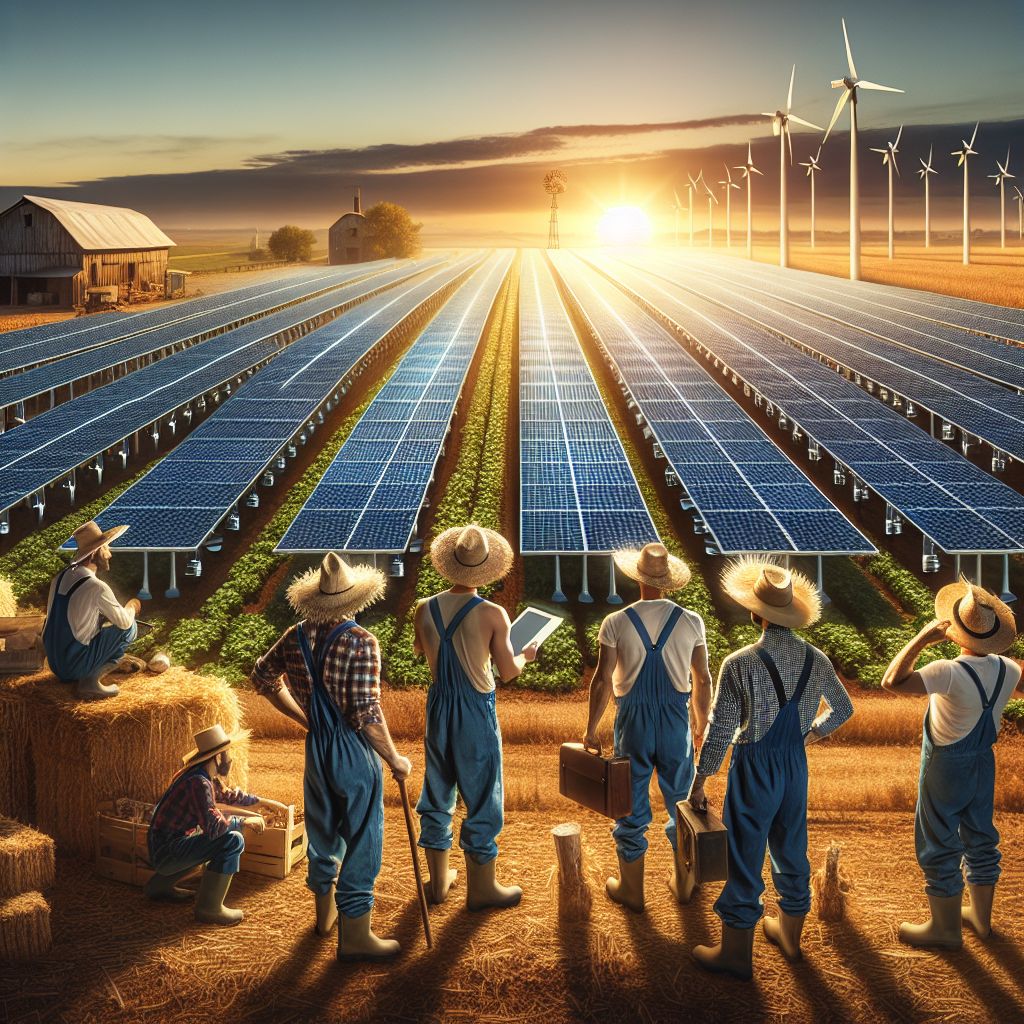
Article-at-a-Glance
- TOPCon (Tunnel Oxide Passivated Contact) solar panels offer 2-3% higher efficiency than traditional panels, translating to more power per square foot for space-conscious farms
- Agricultural operations using TOPCon solar technology can reduce energy costs by 30-40% while accessing specialized agricultural solar incentives unavailable to other industries
- These advanced panels demonstrate superior performance in extreme weather conditions with bifacial capabilities that capture reflected light from farm surfaces
- The 25-30 year lifespan of TOPCon panels aligns perfectly with long-term farm planning and generational sustainability goals
- SolarFarm Solutions helps agricultural operations transition to renewable energy with customized TOPCon installations that work harmoniously with existing farm infrastructure
The future of farming isn’t just about what grows in your fields—it’s also about how you power those operations. TOPCon solar technology is revolutionizing agricultural energy systems across America’s farmlands. As energy costs continue climbing, more farmers are discovering that advanced solar solutions can dramatically reduce overhead while boosting sustainability credentials that increasingly matter to consumers and distributors alike.
As a farmer weighing energy options, you’re looking at more than just today’s electric bill. You’re considering generational sustainability, operational resilience, and long-term profitability. SolarFarm Solutions specializes in helping agricultural operations harness the superior efficiency of TOPCon solar panels, offering systems specifically engineered for the unique demands of farm environments. Their agricultural-specific mounting systems preserve valuable cropland while their technicians understand the intricacies of farm power loads that conventional solar installers often miss.
Revolutionary TOPCon Solar Technology: A Game-Changer for Farmers
TOPCon (Tunnel Oxide Passivated Contact) solar technology represents a significant advancement over conventional solar panels. Unlike traditional panels that typically convert 15-20% of sunlight into electricity, TOPCon panels achieve conversion rates of 21-23% or higher. This efficiency boost isn’t just a technical specification—it translates directly into more kilowatt-hours per square foot, making TOPCon particularly valuable for agricultural operations where space optimization matters.
The innovation behind TOPCon technology lies in its unique cell structure. By adding a thin oxide layer and heavily doped polysilicon film to the back surface of the cell, these panels minimize electron recombination—the process where generated electrons are lost before they can be captured as usable electricity. This technical enhancement means your farm captures more energy even during less-than-ideal weather conditions or during early morning and late afternoon hours when traditional panels significantly underperform.
For agricultural applications, TOPCon’s superior temperature coefficient also proves invaluable. While conventional panels lose approximately 0.4-0.5% efficiency for every degree Celsius above standard testing conditions, TOPCon panels typically demonstrate lower temperature sensitivity at around 0.3-0.35%. This translates to better performance during hot summer days when irrigation systems and cooling equipment demand maximum power.
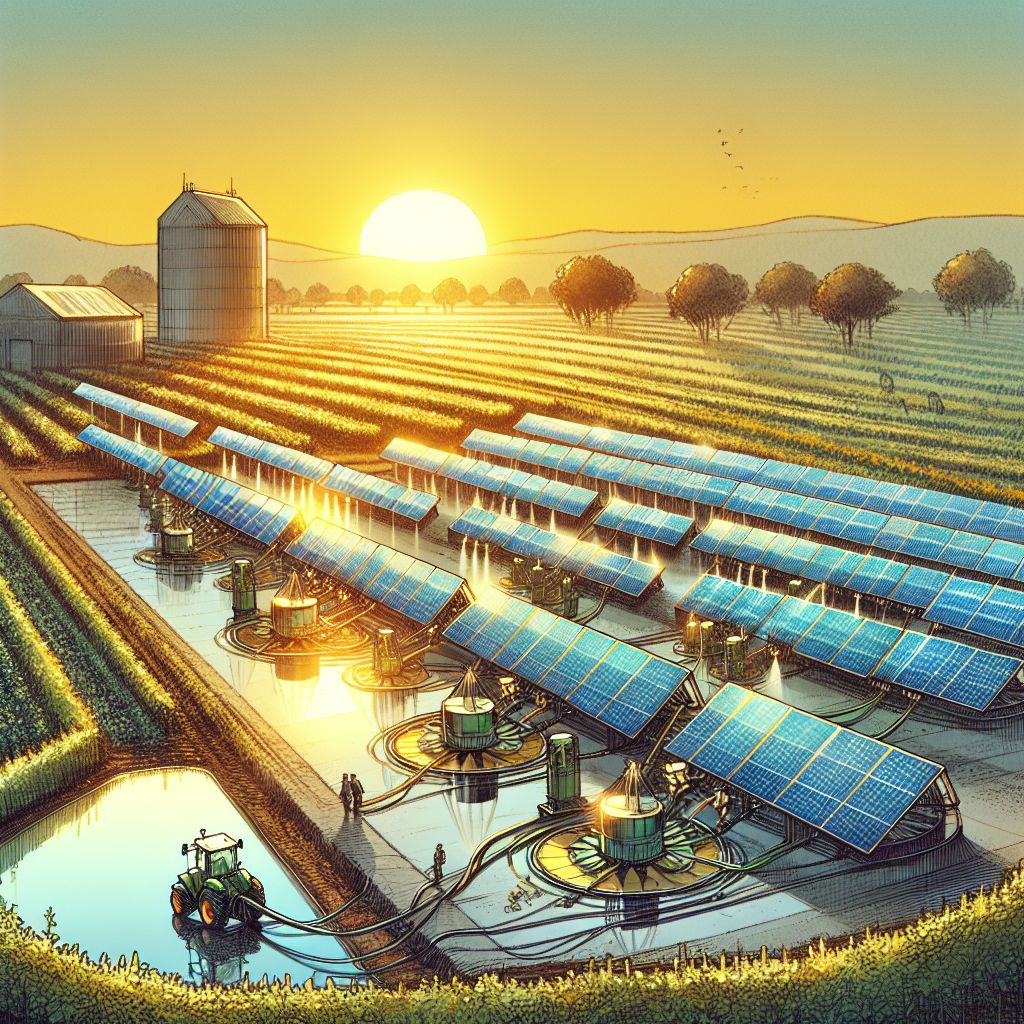
Why TOPCon Panels Outperform Traditional Solar for Farm Use
Agricultural operations present unique challenges for energy systems. From seasonal demand fluctuations to remote locations and harsh environmental conditions, farms need more than standard solar solutions. TOPCon technology addresses these challenges directly, offering performance advantages specifically beneficial to farming operations.
Superior Energy Conversion Rates in Agricultural Settings
TOPCon solar panels excel in the variable lighting conditions common across farmlands. The enhanced electron flow design captures more energy during overcast conditions and at low sun angles—times when conventional panels significantly underperform. For farming operations that start before dawn and continue past dusk, this extended production window means more usable power throughout your workday. Discover how solar panels save farmers energy costs and boost farm profits.
Many TOPCon panels also feature bifacial capabilities, allowing them to capture light reflected from the ground. On farms, this provides a notable advantage as light-colored soil, concrete pads around buildings, and even certain crops can reflect significant light to the panel undersides. This bifacial advantage can boost energy production by an additional 5-30% depending on installation configuration and surrounding surfaces.
“We installed TOPCon panels last year after calculating that traditional panels would require 4 additional acres to meet our power needs. The higher efficiency meant we could keep that land in production while still meeting our energy goals. The system has already outperformed projections by 12% during our first growing season.” — James Willard, Greenfield Farms, Iowa
Weather Resistance for Year-Round Farming Operations
Farms operate in all weather conditions, and your energy system must do the same. TOPCon panels demonstrate superior resilience to temperature fluctuations, maintaining higher efficiency during extreme heat waves when cooling systems and refrigeration demands peak. The advanced cell structure also performs better in low-light conditions during cloudy days and winter months when daylight hours are limited.
Modern TOPCon panels typically feature enhanced hail resistance with tempered glass capable of withstanding impacts from 1-inch hailstones at terminal velocity. Many manufacturers also offer specialized agricultural models with reinforced frames designed to withstand snow loads up to 5,400 Pa—equivalent to about 5 feet of fresh snow—ensuring year-round operation even in northern farming regions.
Longer Lifespan and Durability in Harsh Farm Environments
Farm environments present unique challenges for solar equipment. Dust from field operations, ammonia exposure from livestock facilities, and increased humidity from irrigation can accelerate degradation in standard solar equipment. TOPCon panels typically feature enhanced encapsulation materials that better resist these agricultural-specific environmental factors.
Most quality TOPCon panels carry degradation warranties limiting power loss to 0.25-0.35% annually compared to 0.5-0.7% for conventional panels. This slower degradation rate means your farm’s solar system maintains higher production capacity throughout its operational life. With expected lifespans of 25-30+ years, TOPCon panels align perfectly with the long-term planning horizons typical in agricultural businesses.
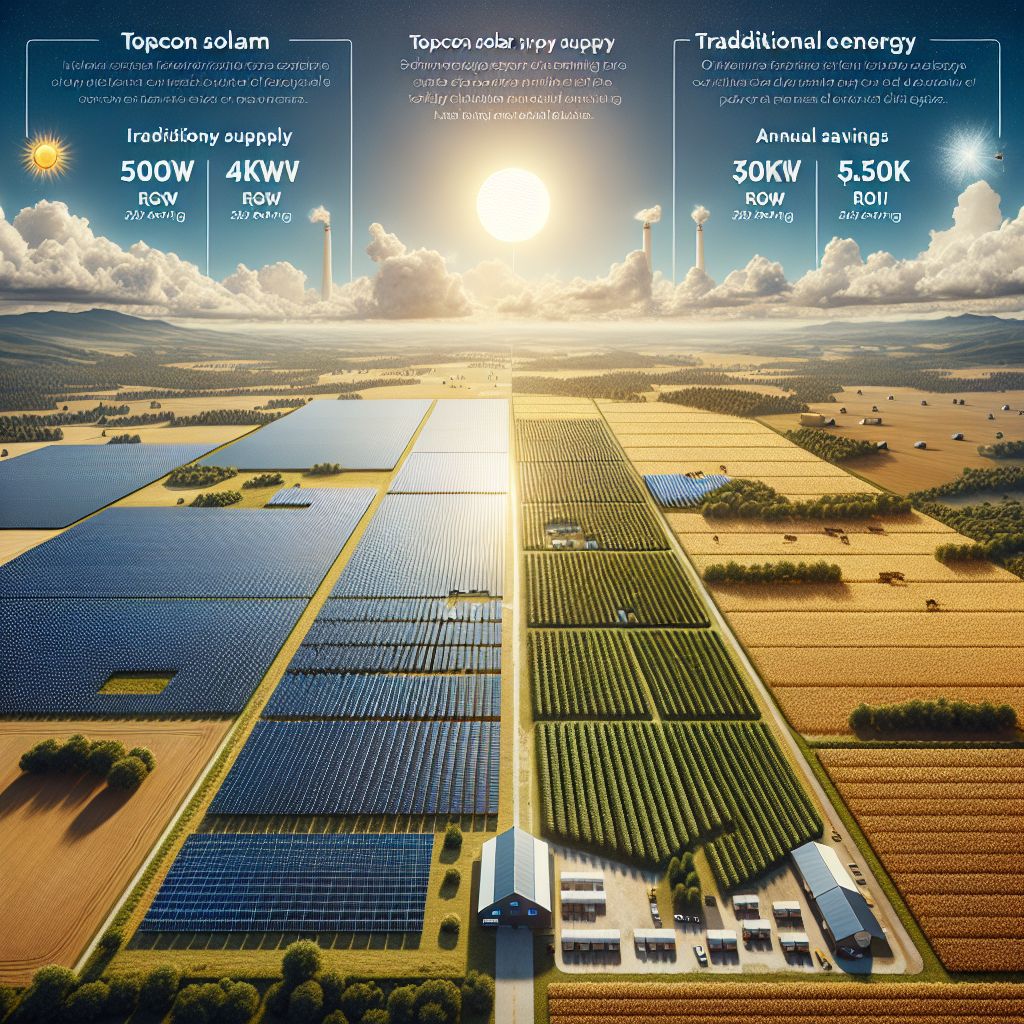
Real Cost Savings: TOPCon Solar vs. Traditional Energy for Farms
The financial advantages of TOPCon solar systems extend far beyond simple utility bill reductions. When evaluating the economics, you must consider both the immediate cash flow impacts and long-term financial benefits. Most agricultural operations see payback periods of 5-8 years for TOPCon systems, significantly faster than the 8-12 years typical with conventional panels due to their higher energy production capabilities.
Calculating Your Farm’s Energy Needs
Accurately assessing your operation’s energy requirements is the critical first step in designing an effective solar solution. Start by collecting 12-24 months of utility bills to establish your baseline consumption patterns. Pay special attention to seasonal variations that correlate with specific agricultural activities like irrigation cycles, harvest processing, or climate control for livestock buildings. This consumption profile will help determine the optimal system size while identifying opportunities to flatten demand curves through strategic equipment scheduling, ultimately leading to energy cost savings and boosted farm profits.
Most farms can offset 70-100% of their electricity needs with appropriately sized TOPCon systems. The higher efficiency means you’ll need approximately 15-20% less roof or ground space compared to conventional panels for equivalent power generation. For a typical 200-acre operation with 50,000 kWh annual consumption, a 40kW TOPCon system often suffices, requiring just 2,000-2,500 square feet of installation area—preserving valuable productive land for your core agricultural activities.
Typical ROI Timeline for Agricultural Operations
TOPCon solar investments typically deliver returns exceeding most other farm infrastructure improvements. With current electricity rates averaging 12-15 cents per kWh for agricultural customers in most regions (and significantly higher in states like California and New York), a properly designed system can generate $8,000-$15,000 in annual savings for medium-sized operations. The enhanced efficiency of TOPCon technology improves these economics further, especially during peak summer months when both solar production and farm energy demands typically reach their highest levels.
The long-term financial benefits become even more compelling when considering the escalating trend in utility rates. While electricity costs have historically increased 2-4% annually, recent infrastructure investments and generation transitions are accelerating this trend in many agricultural regions. A solar system with fixed upfront costs effectively locks in your electricity rates for the next 25+ years, creating predictable energy expenses that improve long-term financial planning for your operation.
Available Tax Credits and Agricultural Incentives
Agricultural operations enjoy unique advantages when investing in solar technology. Beyond the federal Investment Tax Credit (currently 30% of system cost), farmers can leverage additional benefits including accelerated depreciation through MACRS, USDA REAP grants covering up to 25% of project costs, and state-specific agricultural clean energy incentives. Many states also offer property tax exemptions for renewable energy improvements, ensuring your farm’s assessed value won’t increase despite the substantial infrastructure addition. For more insights on how solar technology can impact farm profitability, explore the effects and benefits of solar panels on farms.
Unlike residential installations, agricultural solar systems often qualify for production-based incentives that pay per kilowatt-hour generated over multi-year terms. These programs can add $0.02-$0.08 per kWh to your system’s value proposition, significantly enhancing return calculations. Additionally, many agricultural lenders now offer specialized green energy financing packages with favorable terms, recognizing both the financial stability solar provides and its contribution to sustainability metrics increasingly valued in agricultural supply chains.
Case Study: Riverdale Dairy Farm
Size: 350-cow operation
Annual Electricity Consumption: 187,000 kWh
TOPCon System Size: 125kW
Installation Type: Ground-mount on marginal land
Initial Investment: $312,500
After-Incentive Cost: $168,750
Annual Savings: $28,050
Payback Period: 6.0 years
20-Year Net Savings: $628,000
How One Dairy Farm Reduced Energy Costs by 40%
Whitewater Dairy in Wisconsin installed a 200kW TOPCon system in 2022, strategically designed to match their milking schedule and refrigeration loads. By synchronizing their twice-daily milking operations with peak solar production hours, they maximized self-consumption of generated electricity. The TOPCon panels’ superior performance in cold weather conditions proved especially valuable during Wisconsin winters, continuing to generate substantial power despite shorter daylight hours and occasional snow coverage. The system reduced their annual electricity expenses from $42,000 to just $25,200—savings that effectively increased their profit margin on milk production by 3.2 cents per gallon.
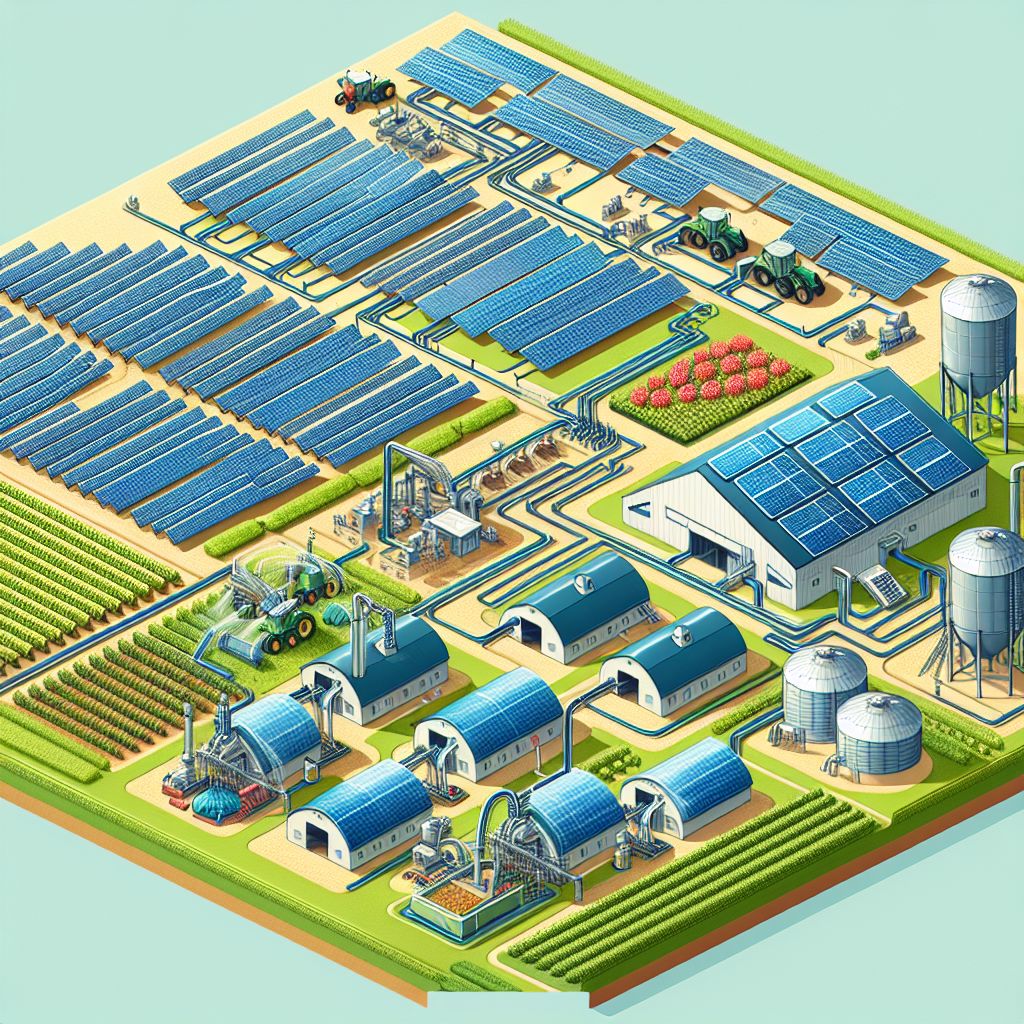
Practical Applications of TOPCon Solar Panels on Farms
The versatility of TOPCon solar technology enables it to power virtually every aspect of modern agricultural operations. From essential water management to sophisticated processing equipment, these high-efficiency panels provide reliable energy for critical farm functions while reducing operational costs and environmental impact. Understanding specific applications helps identify which farm systems offer the greatest potential benefits when converted to solar power.
1. Powering Irrigation Systems Efficiently
Water management represents one of the most energy-intensive aspects of modern farming, with irrigation pumps often accounting for 30-50% of total electricity consumption. TOPCon solar systems can be specifically designed to match irrigation schedules, operating pumps during daylight hours to maximize direct consumption of generated electricity. This synchronization eliminates the efficiency losses associated with battery storage while ensuring water delivery when evaporation rates are naturally highest.
For pivot irrigation systems covering large acreages, distributed TOPCon installations can power individual pivots directly, eliminating transmission losses and reducing the infrastructure requirements for remote fields. Many farmers are now implementing variable frequency drives (VFDs) alongside their solar installations, allowing pumps to operate at exactly the required pressure rather than cycling on and off. This combination of TOPCon solar and VFD technology can reduce irrigation energy consumption by up to 65% compared to conventional grid-powered systems.
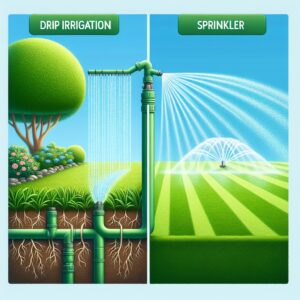
Drip irrigation systems paired with TOPCon solar offer particularly compelling efficiency gains. The lower pressure requirements of drip systems align perfectly with solar production capabilities, often eliminating the need for battery storage entirely. For specialty crop producers utilizing these precision irrigation methods, TOPCon solar can reduce water-related energy costs to near-zero while supporting marketing claims around sustainable production practices that increasingly command premium prices.
|
Irrigation Type |
Daily Energy Needs |
Recommended TOPCon System |
Annual Savings Potential |
|---|---|---|---|
|
Center Pivot (125 acres) |
40-60 kWh per day |
15-20kW system |
$4,800-$7,200 |
|
Drip Irrigation (40 acres) |
15-25 kWh per day |
5-8kW system |
$1,800-$3,000 |
|
Well Pump (200ft depth) |
30-45 kWh per day |
10-15kW system |
$3,600-$5,400 |
2. Climate Control for Greenhouses and Livestock Buildings
Temperature management in agricultural structures presents unique challenges that TOPCon solar systems are particularly well-suited to address. Greenhouse operations benefit from the natural alignment between solar production and heating/cooling needs—maximum sunlight coincides with peak cooling requirements, while improved insulation can retain solar-generated heat during nighttime hours. For livestock facilities, TOPCon systems can power ventilation fans, heaters, and cooling systems that maintain optimal growing conditions year-round. The higher efficiency of these panels ensures adequate power generation even during shorter winter days when supplemental lighting and heating demands increase substantially.
3. Running Processing and Storage Equipment
Post-harvest processing and storage often represent significant energy cost centers for diversified farming operations. TOPCon solar systems can power everything from grain dryers and refrigeration units to washing stations and packaging equipment. The higher efficiency particularly benefits operations with seasonal processing peaks, as fewer panels are needed to meet these intensive but time-limited demands. For on-farm value-added production like cheese making, juice pressing, or meat processing, TOPCon solar can substantially reduce production costs while supporting premium positioning around sustainable production methods that increasingly influence buyer decisions across both wholesale and direct-to-consumer channels.
4. Electrifying Farm Vehicles and Equipment
The rapidly expanding ecosystem of electric agricultural equipment offers exciting synergies with TOPCon solar installations. From utility ATVs and small tractors to specialized equipment like electric forklifts and fruit harvesters, these tools can be charged directly from your solar array during daylight hours or through battery storage systems. Early adopters report operational advantages beyond fuel savings, including reduced maintenance, instant torque for improved performance, and eliminated emissions that benefit both worker health and sensitive crops. As major equipment manufacturers continue expanding their electric offerings, TOPCon solar positions your operation to leverage these advancements while insulating your bottom line from volatile fuel prices that have severely impacted farm profitability in recent years.
5. Off-Grid Solutions for Remote Agricultural Areas
For operations with fields or facilities beyond utility service areas, TOPCon solar offers compelling alternatives to expensive line extensions or generator-based power. The higher efficiency means smaller battery banks can support equivalent loads, reducing both initial investment and ongoing replacement costs for energy storage components. Modern off-grid systems typically incorporate sophisticated load management capabilities that prioritize critical functions during extended low-production periods, ensuring continuous operation of essential systems like livestock watering, security monitoring, and refrigeration even during adverse weather events. For remote livestock operations, these systems eliminate the labor and expense of regular generator maintenance while providing silent, emission-free power that doesn’t disturb animals or require constant refueling trips.
Combining TOPCon Solar with Smart Farming Technologies
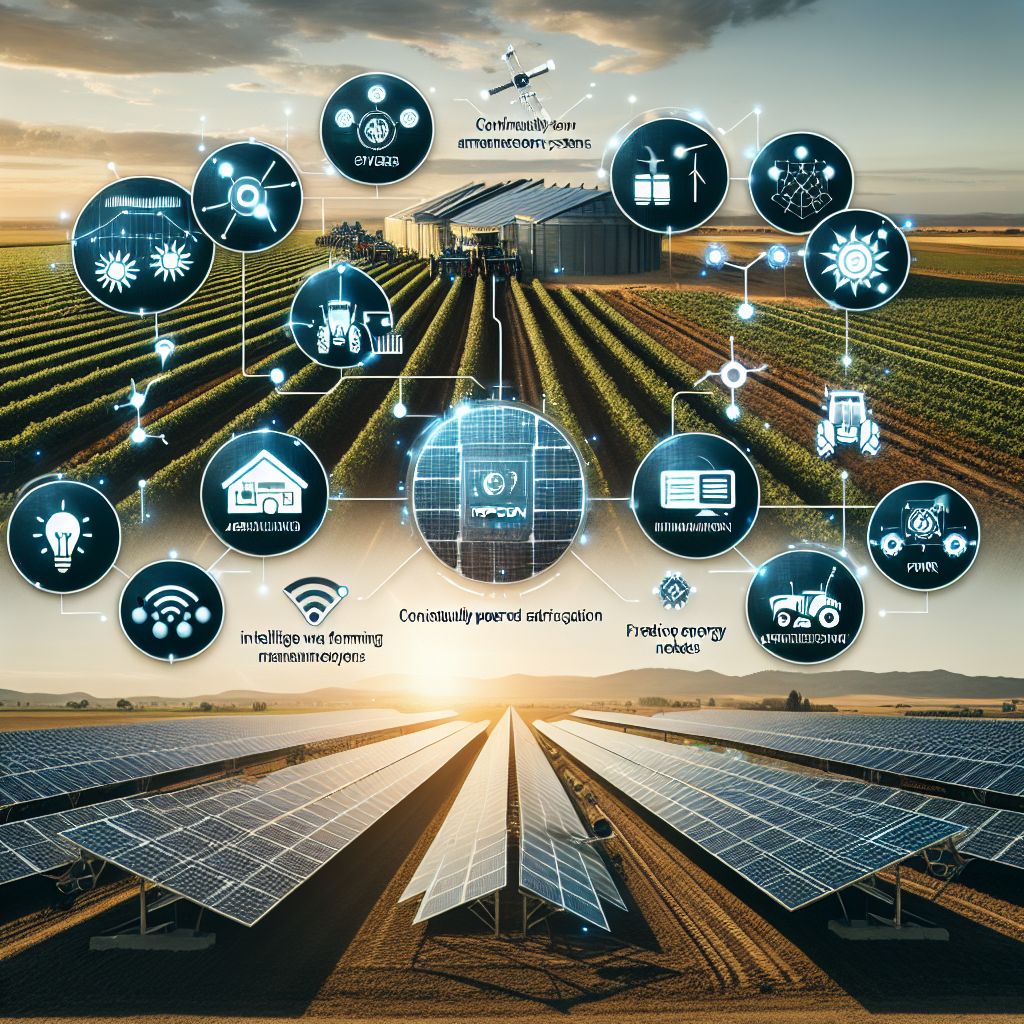
The true potential of TOPCon solar technology emerges when integrated with modern smart farming systems. This synergy creates an intelligent energy ecosystem that optimizes both power generation and consumption. Advanced monitoring systems track solar production alongside farm operations, automatically adjusting equipment schedules to utilize power when generation peaks and conserve during low-production periods. For more insights on how farmers are benefiting, explore the benefits of adding solar panels to fields.
Data-driven farming increasingly relies on continuous power for sensors, controllers, and communication systems. TOPCon solar provides the consistent, clean energy these sensitive electronics require while eliminating the power quality issues common with generator-based backup systems. By pairing high-efficiency solar with smart controllers, your farm can implement sophisticated load-shedding protocols that maintain critical operations during extended low-production periods while deferring non-essential power demands.
The combination of TOPCon solar with energy storage systems creates particularly powerful capabilities for agricultural operations. Modern battery systems can store excess daytime production for evening use, power critical systems during grid outages, and even participate in utility demand response programs that generate additional revenue. For operations with time-of-use utility rates, these systems can shift consumption to minimize expensive peak-hour purchases while maximizing the value of energy sold back to the grid. Additionally, solar panels can save farmers energy costs and boost farm profits.
- Precision agriculture sensors powered continuously without battery changes
- Automated climate control systems that adjust based on both conditions and available power
- Intelligent water management that optimizes irrigation timing with solar production
- Predictive energy management that anticipates farm needs based on weather forecasts
- Remote monitoring capabilities that allow system oversight from anywhere
Integration with Automated Irrigation Systems
Modern irrigation controllers can communicate directly with solar monitoring systems, automatically adjusting watering schedules to align with peak power production. These integrated systems can prioritize irrigation zones based on crop requirements, soil moisture readings, and available solar power, ensuring critical areas receive water while deferring less sensitive zones until optimal energy conditions. For operations with variable water sources, these systems can automatically select between wells based on water table levels and available solar power, maximizing efficiency while preserving aquifer health.
Powering IoT Sensors and Monitoring Equipment
The expanding network of agricultural IoT devices creates both challenges and opportunities for farm energy management. TOPCon solar systems provide ideal power sources for these distributed sensors, eliminating the maintenance burden of battery replacements while enabling more sophisticated, power-intensive monitoring capabilities. From soil moisture probes and weather stations to camera systems monitoring livestock and crop development, these technologies deliver actionable insights that improve decision-making across all aspects of farm operations. The higher efficiency of TOPCon panels means smaller, less obtrusive installations can power these systems even in field locations where traditional panels would be impractical.
Real-time data transmission from field sensors to central management systems enables responsive farming practices that optimize inputs while maximizing yields. Solar-powered cellular or LoRaWAN networks can cover entire farm operations, creating connectivity zones that support both automated systems and worker communications. These networks become particularly valuable during critical operational periods like planting and harvest, when timely information about equipment performance, weather conditions, and crop readiness directly impacts productivity and profitability.
Advanced analytics platforms can now integrate solar production data with farm management systems, providing comprehensive views of energy utilization across different activities. These insights help identify operations that might benefit from rescheduling to align with solar production peaks or equipment upgrades to improve energy efficiency. Many farmers report that these analytics reveal previously hidden energy consumption patterns, leading to operational improvements that reduce costs beyond the direct savings from solar power generation.
Making the Switch: Your Farm’s Path to Solar Independence
Transitioning to TOPCon solar requires thoughtful planning and implementation to maximize benefits for your specific agricultural operation. Begin with a comprehensive energy audit that identifies not just consumption patterns but also potential efficiency improvements that could reduce your overall system requirements. Experienced agricultural solar designers can help evaluate your infrastructure, operations, and growth plans to develop a system that balances current needs with future expansion potential. For additional insights, explore how solar panels save farmers energy costs and boost farm profits.
Phased implementation often proves most practical for working farms. Starting with critical, energy-intensive operations like irrigation or dairy equipment allows you to realize immediate savings while gaining experience with solar technology before expanding to full-farm coverage. This approach also distributes capital investment over multiple tax years, optimizing depreciation benefits while allowing system performance data to inform subsequent expansion phases.
Consider both immediate financial factors and long-term strategic benefits when evaluating TOPCon solar investments. Beyond direct energy savings, these systems can enhance operational resilience, provide insurance against utility rate increases, strengthen sustainability credentials for premium markets, and potentially increase property values. For multi-generational farm businesses, solar infrastructure represents an investment in long-term viability by permanently reducing one of agriculture’s most persistent and growing cost centers.
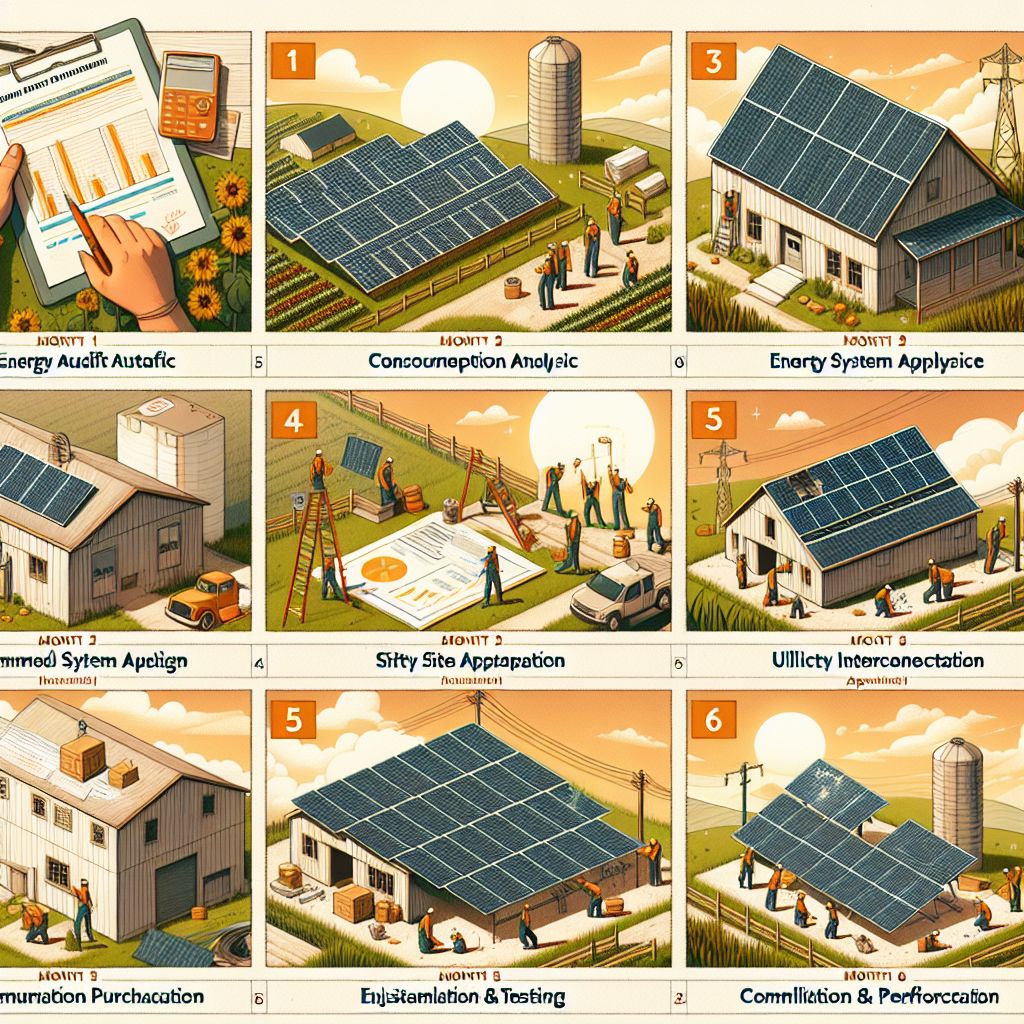
Implementation Timeline: 6-Month Roadmap to Farm Solar
- Month 1: Energy audit and consumption analysis
- Month 2: System design and incentive application submission
- Month 3: Permitting and utility interconnection approval
- Month 4: Equipment procurement and site preparation
- Month 5: Installation and testing
- Month 6: Commissioning and performance verification
Frequently Asked Questions
When considering TOPCon solar for your agricultural operation, you’ll likely encounter questions about practical aspects of implementation and operation. The following responses address common concerns based on actual experiences from hundreds of farm installations across diverse agricultural sectors and geographic regions.
These questions reflect real considerations that have significant impacts on system design, performance, and economics. While general guidance provides a starting point, remember that every farm presents unique circumstances that affect solar implementation details. Working with solar professionals experienced specifically in agricultural applications ensures your system addresses the particular characteristics of your operation.
|
Common Concerns |
TOPCon Solution |
|---|---|
|
Impact on productive land |
Higher efficiency means smaller footprint; agrivoltaic options maintain dual use |
|
Weather vulnerability |
Enhanced durability ratings specifically for agricultural environments |
|
Seasonal production variations |
Better low-light and temperature performance maintains winter production |
|
Installation disruptions |
Experienced agricultural installers work around planting/harvest schedules |
|
Equipment compatibility |
Modern inverters compatible with farm power quality requirements |
For specific technical details about TOPCon panel specifications and performance characteristics, consult product documentation from major manufacturers like Trina Solar, JinkoSolar, and Canadian Solar, all of whom now offer agricultural-specific TOPCon product lines with features tailored to farm applications.
How much farmland do I need to dedicate to TOPCon solar panels?
TOPCon’s higher efficiency significantly reduces land requirements compared to conventional panels. For ground-mounted systems, plan for approximately 7-8 acres per megawatt of capacity—about 15-20% less than traditional panels would require. However, many agricultural operations can avoid dedicating productive land entirely by utilizing roof space on existing structures, installing solar canopies over equipment yards or parking areas, or implementing agrivoltaic systems that maintain dual-use capabilities. These integrated approaches preserve valuable cropland while still meeting energy needs.
Innovative mounting solutions specifically designed for agricultural settings continue expanding installation options. These include elevated systems that maintain grazing access for livestock, specialized trackers that allow continued crop production underneath panels, and even floating systems for irrigation ponds that reduce evaporation while generating power. For operations with marginal land areas unsuitable for profitable crop production, solar installations can transform these locations into productive assets generating reliable revenue through energy savings.
Can TOPCon solar panels withstand extreme weather conditions common in agricultural areas?
Agricultural-grade TOPCon panels undergo rigorous testing specifically for farm environments, including enhanced resistance to ammonia exposure from livestock operations, salt spray for coastal areas, and hail impact testing exceeding standard requirements. Most manufacturers now offer reinforced frame options that increase snow load ratings to 5,400-5,600 Pa and wind resistance up to 2,400-3,000 Pa—sufficient for all but the most extreme weather events. The glass composition has also evolved to resist abrasion from airborne dust and sand common in agricultural settings, maintaining light transmission efficiency even in challenging conditions.
Will installing solar panels affect my eligibility for agricultural subsidies?
Most agricultural support programs maintain eligibility for land with solar installations, particularly when systems are designed to preserve agricultural use. The 2018 Farm Bill explicitly recognizes on-farm renewable energy as compatible with conservation programs, and many USDA initiatives now actively encourage solar adoption through dedicated funding mechanisms. Check with your local FSA office for specific guidance, as they can help structure your project to maintain compliance with all relevant programs. In many cases, renewable energy infrastructure actually enhances eligibility for certain conservation and sustainability incentives that offer additional revenue streams beyond direct energy savings.
What maintenance do TOPCon solar systems require in farm environments?
TOPCon systems require minimal maintenance, typically limited to periodic panel cleaning and routine electrical inspections. In dusty agricultural environments, plan for 2-4 cleaning sessions annually, though rainfall often provides sufficient natural cleaning in many regions. Modern monitoring systems automatically alert you to performance issues, eliminating the need for regular manual checks while ensuring any efficiency losses are quickly identified and addressed.
Specialized agricultural mounting systems incorporate features that minimize maintenance requirements in farm settings. These include steeper tilt angles that enhance self-cleaning through rainfall, corrosion-resistant components designed for exposure to fertilizers and agricultural chemicals, and wildlife barriers that prevent nesting underneath panels. For ground-mount systems, consider vegetation management strategies that minimize mowing requirements, such as sheep grazing, pollinator-friendly ground cover, or gravel installation in high-maintenance areas.
The electrical components of TOPCon systems, including inverters and disconnects, should be inspected annually by qualified personnel to ensure optimal performance and safety. This inspection typically requires just 1-2 hours for average farm installations and can often be scheduled alongside other routine electrical maintenance. Many agricultural solar installers offer maintenance agreements that include these inspections along with performance monitoring and priority service for any issues that arise.
- Inspect electrical connections annually for signs of corrosion or loosening
- Monitor panel cleanliness and clean when visible soiling occurs or production drops
- Check mounting hardware integrity after extreme weather events
- Verify monitoring system functionality quarterly
- Maintain clear access paths to equipment and keep vegetation from shading panels
Can I sell excess energy back to the grid from my farm’s solar system?
Most agricultural operations can indeed sell excess production back to utilities through net metering or feed-in tariff programs, though policies vary significantly by location. Farms often benefit from favorable interconnection policies due to their three-phase power connections and substantial existing electrical infrastructure. Before sizing your system, carefully review your utility’s specific compensation structure for exported energy, as this significantly impacts optimal system sizing and financial returns.
Some agricultural operations are exploring virtual net metering arrangements that allow solar generation at one location to offset consumption at other meters—particularly valuable for farms with multiple service points or scattered facilities. Additionally, emerging opportunities in community solar development enable some farms to generate additional revenue by hosting larger systems that serve nearby energy consumers, creating a new “crop” with predictable yields regardless of weather conditions.
For operations with substantial electricity exports, consider time-shifting strategies that maximize the value of your production. Battery storage systems can hold midday solar generation for release during higher-priced evening hours, substantially improving the economics in markets with time-of-use rate structures. Some utilities also offer demand response programs that pay premium rates for dispatchable capacity during grid stress events—creating additional revenue opportunities for solar-plus-storage systems beyond basic energy value.
TOPCon solar panels are increasingly being used on farms to power various agricultural operations. These panels are not only efficient in generating electricity but also help farmers save significantly on energy costs. For farmers looking to boost their farm profits, investing in solar technology can be a game-changer. Discover how solar panels can save farmers energy costs and enhance profitability.

Leave a Reply