
Key Takeaways
- Solar panel installations can reduce farm energy costs by up to 75%, creating immediate operational savings that go straight to your bottom line.
- Federal tax incentives currently cover 30% of installation costs, while USDA REAP grants can fund an additional 25% for eligible farm operations.
- Most agricultural solar systems achieve complete payback within 4-7 years, providing decades of essentially free electricity afterward.
- Farmers can generate new revenue streams by selling excess solar power back to the grid through net metering programs.
- Solar installations increase farm property values and create marketing advantages for sustainability-conscious consumers and buyers.
Rising Energy Costs Are Eating Farm Profits
Energy costs have become one of the largest operational expenses for modern farms, often accounting for 15-30% of total production costs. With electricity rates climbing an average of 3-5% annually, farmers face an increasingly difficult battle to maintain profit margins. Refrigeration, irrigation systems, ventilation, and processing equipment all demand substantial power, creating a constant drain on farm finances that only continues to grow.
This energy burden hits particularly hard during peak seasons when usage spikes dramatically. Dairy operations running constant refrigeration, poultry farms maintaining precise climate control, and crop producers powering irrigation during dry periods all face the crushing weight of utility bills that can devastate seasonal profits. For many farms, these fluctuating energy costs have become not just an expense but a genuine threat to long-term viability.
The financial strain doesn’t stop with direct electricity costs. Farms dependent on the traditional power grid also remain vulnerable to outages that can result in spoiled products, disrupted operations, and emergency generator expenses. This combination of rising costs and reliability concerns has pushed many agricultural operations to their financial breaking point, creating an urgent need for alternatives that can stabilize one of farming’s most unpredictable expenses.
Solar Panels can Save the Farmer from These Costs
Solar energy offers farmers a path to energy independence that directly addresses these mounting financial pressures. By generating electricity on-site, farms can significantly reduce or even eliminate their dependence on utility-supplied power. The technology has advanced dramatically in recent years, with modern solar panels achieving efficiency rates of 20-22% compared to just 12-15% a decade ago. This improved performance, combined with steadily declining installation costs, has transformed solar from an expensive experiment into a practical financial solution for agricultural operations of all sizes. For more insights, explore how solar boosts farm profits.Rising Energy Costs vs. Solar Panel Savings on Farms
Take a look at this table comparing the rising energy costs vs. solar panel savings on farms:
|
Issue/Aspect |
Rising Energy Costs Impact on Farms |
How Solar Panels Reduce Costs and Boost Profitability |
|---|---|---|
|
Profit Margins |
High energy bills eat into farm profits, especially for electricity-intensive operations like irrigation, refrigeration, and automated feeding systems. 1, 7, 10 |
Solar panels generate on-site electricity, reducing or eliminating reliance on the grid and lowering monthly utility bills. 1, 2, 7, 8, 9 |
|
Cost Predictability |
Energy prices can be volatile, making budgeting difficult and increasing financial uncertainty for farmers. 1, 10 |
Solar energy provides more predictable and stable energy costs over time, helping with long-term financial planning. 1, 7, 8 |
|
Energy Independence |
Farms are dependent on external utility providers, which can be unreliable or expensive, especially in rural areas. 5, 7 |
Solar panels enable farms to generate their own electricity, increasing energy independence and reliability, even in remote locations. 5, 7. |
|
Revenue Streams |
Rising costs reduce available capital for reinvestment or expansion; no direct revenue from energy use. 1, 10 |
Excess energy produced can be sold back to the grid through net metering, creating new income streams. 1, 6, 9 |
|
Upfront Investment |
No additional upfront costs, but ongoing and increasing operational expenses. 2, 8 |
Solar panel installation requires upfront investment, but this can be offset by tax credits, grants, and long-term savings. 1, 2, 6, 8, 9 |
|
Government Incentives |
No direct financial support for traditional energy use. |
Federal and state incentives (like the Investment Tax Credit and USDA grants) reduce installation costs and improve return on investment. 1, 6, 9 |
|
Environmental Impact |
Reliance on fossil fuels increases carbon footprint and may not align with sustainability goals. 5, 10 |
Solar power is renewable and clean, reducing greenhouse gas emissions and supporting sustainable farming practices. 5, 7, 8 |
|
Property Value |
Rising energy costs can make farms less attractive to buyers or renters. 6, 9 |
Solar-equipped farms often see increased property value due to sustainability and cost-efficiency. 6, 9 |

How Solar Panels Slash Farm Operating Expenses
The most immediate benefit of solar installation comes through direct reduction of monthly utility bills. Depending on system size and farm energy needs, solar panels can offset anywhere from 30% to 100% of electricity usage. This predictable energy cost creates budgeting stability that’s otherwise impossible with volatile utility rates. For operations with high daytime energy demands – like dairy processing, packing facilities, or irrigation systems – the alignment between peak solar production and peak usage creates maximum financial benefit.
Beyond monthly savings, solar installations provide a crucial hedge against future energy price increases. While traditional electricity costs have risen consistently for decades, solar locks in your energy costs at the point of installation. Once the system is paid off, the electricity it generates is essentially free aside from minimal maintenance costs. This long-term price protection becomes increasingly valuable as utility rates continue their upward trajectory, creating greater savings with each passing year.
Farm-Specific Solar Solutions That Work
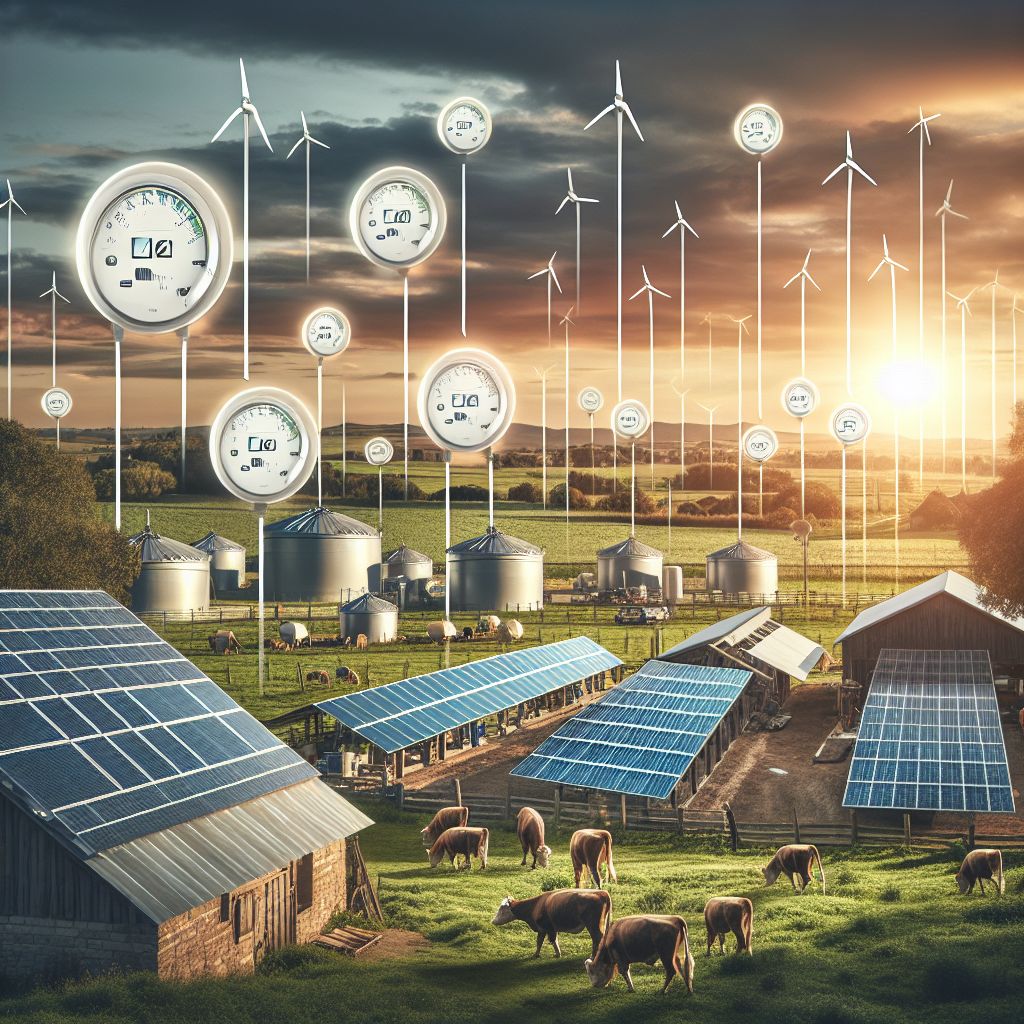
Modern agricultural solar installations can be customized to match specific farm needs and conditions. Roof-mounted systems utilize existing structures like barns, equipment sheds, and processing facilities, requiring no additional land while protecting these surfaces from weather damage. Ground-mounted arrays can be placed on marginal or underutilized land, providing flexibility in positioning to maximize sun exposure. For livestock operations, elevated systems can even create dual-purpose spaces, offering shade for animals while generating power above. To explore more about solar technology in agriculture, read about powering farmers’ operations with solar panels.
Specialized agricultural solar solutions now include solar-powered irrigation systems that eliminate the need for grid connections or diesel generators in remote fields. Cold storage facilities can be equipped with solar-plus-battery systems to maintain critical refrigeration during outages. Even tractors and farm equipment are beginning to incorporate solar charging stations, reducing fuel costs for smaller equipment. This adaptability allows farmers to target their highest energy expenses with customized solar solutions rather than requiring complete system overhauls.
Typical Energy Savings: What Real Farmers Are Seeing
Across diverse agricultural sectors, farmers report substantial energy savings after solar implementation. Dairy operations typically see $15,000-30,000 in annual electricity savings, as solar power offsets the massive energy demands of milk cooling, pasteurization, and equipment operation. Poultry producers, who face constant climate control requirements, report 60-70% reductions in electricity costs after installing appropriately sized solar systems. Even smaller diversified vegetable farms are cutting $5,000-10,000 from annual operating costs by powering irrigation, cold storage, and processing equipment with solar energy.
“Our 75kW solar system eliminated about $24,000 in annual electricity costs for our dairy operation. With the federal tax credit and USDA grant, our out-of-pocket cost was less than $50,000. We’ll have complete payback in just over 2 years, and then decades of essentially free power.” — James Wilson, Meadowbrook Dairy Farm
Payback Period: When Your System Starts Paying You
The financial calculation that ultimately matters most to farmers is how quickly a solar investment returns its costs. With current incentives, most agricultural solar installations achieve complete payback within 4-7 years, though this varies based on energy usage patterns, local electricity rates, and available incentives. Higher electricity costs actually accelerate payback periods, making solar particularly attractive in regions with expensive power. After this relatively brief payback window, the system effectively generates free electricity for the remainder of its 25-30 year lifespan, representing decades of pure profit contribution.
This payback calculation improves further when considering the time value of money. Since solar installations qualify for accelerated depreciation, farmers can capture significant tax benefits in the early years of system ownership. Many agricultural operations find that when accounting for all financial benefits – direct savings, tax incentives, depreciation, and potential revenue from excess production – their effective payback period shortens to as little as 3-5 years, creating one of the most reliable returns on investment available in modern farming. For more insights, explore the benefits of solar panels in farming operations.
Federal Tax Credits Cut Installation Costs by 30%
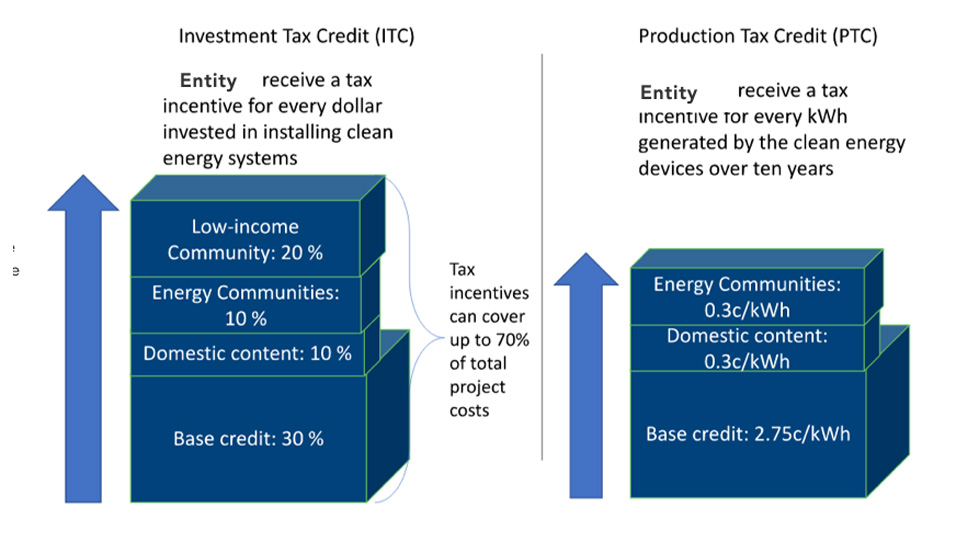
The federal Investment Tax Credit (ITC) currently provides a direct reduction of tax liability equal to 30% of the total cost of solar installation. This substantial incentive effectively reduces a $100,000 solar project to just $70,000 out of pocket, dramatically improving the financial equation. Unlike deductions that merely reduce taxable income, this credit directly reduces your tax bill dollar-for-dollar. The current 30% rate is guaranteed through 2032, providing a stable planning window for farmers considering solar investments.
This tax credit applies to all components of the solar energy system, including panels, inverters, mounting hardware, and installation labor. For farms undertaking battery storage installation alongside solar, the batteries also qualify for the same 30% credit when charged primarily by the solar system. Even related expenses like system engineering, permitting fees, and interconnection costs qualify, maximizing the financial benefit. The credit can be claimed in the year the system is placed in service, with provisions to carry forward any unused portion to future tax years.
For farm operations structured as pass-through entities like partnerships or S-corporations, the tax benefits flow directly to the owners’ personal tax returns. C-corporations can claim the credit directly on their corporate returns. This flexibility makes the incentive accessible regardless of how your agricultural business is structured. When combined with state-level incentives, these tax benefits often reduce the effective cost of solar installation by 40-60%, fundamentally transforming the return-on-investment calculation.
Step-by-Step Guide to Claiming Your Solar Tax Credit
- Confirm your tax liability covers the expected credit amount, as the ITC requires sufficient tax liability to capture the full benefit
- Maintain detailed records of all installation costs, including invoices, contracts, and proof of payment
- Complete and file IRS Form 3468 (Investment Credit) with your tax return for the year the system becomes operational
- Provide your tax professional with documentation showing the system meets IRS requirements for solar energy property
- Consider consulting with a renewable energy tax specialist to maximize depreciation benefits alongside the tax credit
USDA REAP Grants: Additional Funding for Farm Solar
The USDA’s Rural Energy for America Program (REAP) provides agricultural producers with grants covering up to 25% of renewable energy project costs. When combined with the 30% federal tax credit, these grants can reduce your out-of-pocket expenses to less than half of the total system cost. REAP grants are competitive but particularly favor small and mid-sized agricultural operations, with simplified applications for projects under $80,000. The program allocates over $100 million annually specifically for on-farm renewable energy, creating a substantial funding opportunity for forward-thinking farmers.
The application process requires energy audit documentation, project cost estimates, and financial projections showing the expected energy savings. Applications are accepted year-round, with funding decisions made quarterly. Unlike loans, these grants never require repayment, providing permanent cost reduction for qualifying projects. USDA’s regional rural development offices offer free application assistance, significantly increasing approval chances for first-time applicants who utilize these resources.
State-Specific Incentives That Boost Savings
Beyond federal programs, most states offer additional incentives that can further improve solar economics for farmers. Many agricultural states provide property tax exemptions for renewable energy improvements, preventing solar installations from increasing your property tax burden despite adding value to the farm. Performance-based incentives in states like Massachusetts, New York, and Illinois pay producers for every kilowatt-hour generated, creating income streams beyond direct electricity savings. Some states even offer sales tax exemptions on solar equipment purchases, providing immediate savings of 4-7% depending on local rates.
Agricultural-specific incentives exist in several key farming states. California’s Food Production Investment Program provides matching funds specifically for food processing operations installing renewable energy. Minnesota’s Renewable Development Fund offers special consideration for dairy and livestock operations implementing solar. Wisconsin’s Focus on Energy program provides cash-back rewards specifically increased for agricultural implementations. These targeted programs recognize the unique energy challenges farmers face and provide dedicated funding streams that general businesses cannot access. For those interested in innovative energy solutions, consider exploring solar panel battery technology for agriculture.

Turn Unused Farm Space Into Energy Production
Farms possess abundant space potential for solar installation that doesn’t compete with productive agricultural land. Strategic placement allows solar to complement rather than compete with farming operations, creating dual-revenue opportunities from the same acreage. When properly integrated, solar installations can transform liabilities like unused buildings or marginal land into productive assets generating both energy and income for decades. For farmers interested in enhancing their solar setup, exploring solar panel battery technology for agriculture can provide efficient energy solutions.
Roof Installations: No Land Required
Agricultural buildings offer ideal solar mounting locations, with large, unobstructed roof spaces perfectly positioned to capture sunlight. Modern barn roofs can typically support 10-30 kilowatts of solar capacity per 1,000 square feet, depending on panel efficiency and mounting configuration. Beyond generating power, roof-mounted solar extends building life by protecting roofing materials from weather damage and UV degradation. These installations require zero additional land while providing the structural benefits of reduced roof temperature and weather protection, effectively transforming existing overhead space into a revenue-generating asset.
Ground Mounts: Maximizing Underutilized Acreage
Marginal farmland that yields poor crop returns presents perfect opportunities for ground-mounted solar arrays. Areas with drainage issues, irregular terrain, or soil quality challenges that limit agricultural productivity can generate $3,000-7,000 per acre annually through solar production. These installations typically require about 5-7 acres per megawatt of capacity, with flexible configurations that can work around field boundaries, access roads, and other farm features. Modern mounting systems can be installed with minimal soil disturbance, and many can be completely removed at end-of-life, preserving long-term land options while maximizing current revenue potential from challenging acreage.
Dual-Use Systems: Combining Crops and Solar Production
Innovative agrivoltaic systems allow simultaneous solar production and farming on the same land. Elevated panel arrays mounted 8-12 feet high permit equipment access underneath while creating beneficial microclimates for certain crops. Research shows these dual systems can increase yields for shade-tolerant crops like leafy greens, berries, and certain herbs by reducing water requirements and heat stress. Livestock operations benefit particularly from these arrangements, as sheep, cattle, and poultry can graze beneath panels while benefiting from shade during hot periods. This integration allows farmers to maintain agricultural production while adding energy generation revenue, effectively doubling income potential per acre without sacrificing either purpose.
Net Metering: Your Electric Meter Running Backward
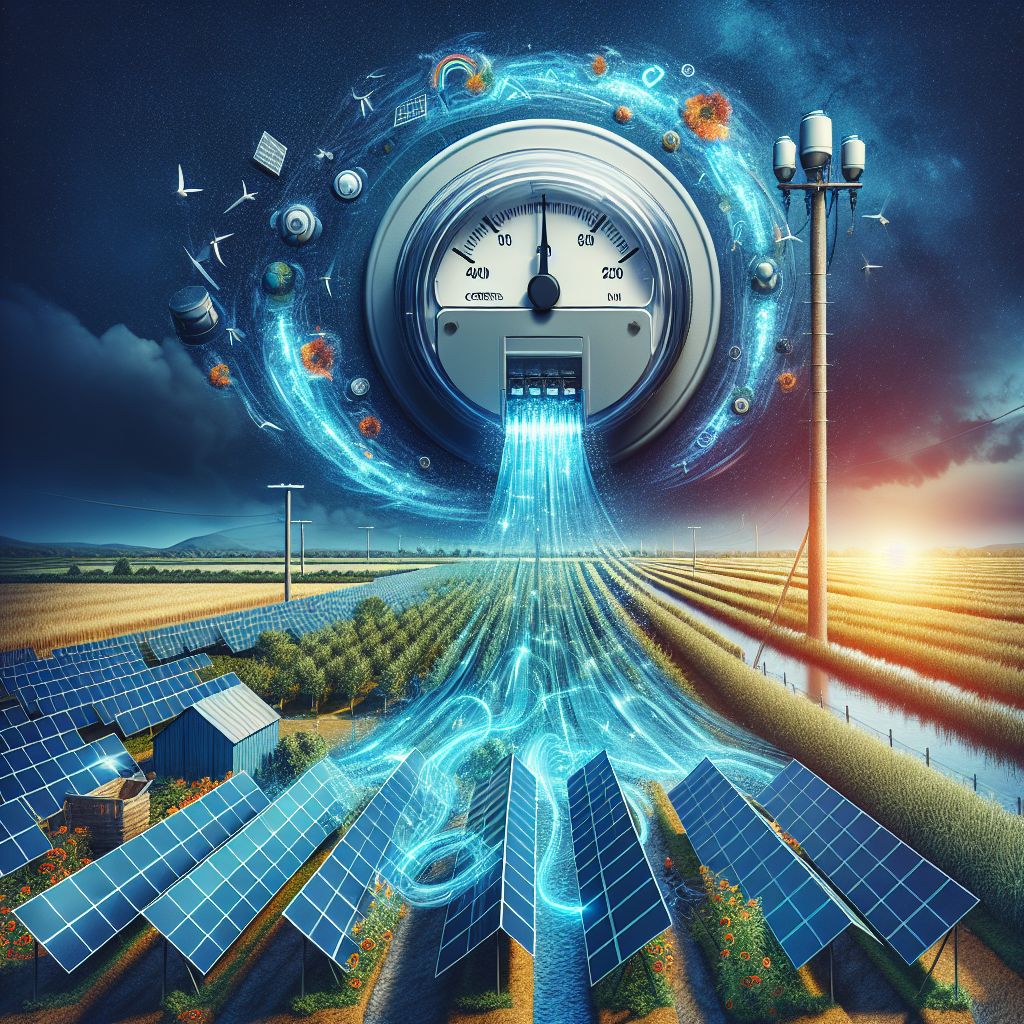
Net metering programs transform excess solar production into direct financial benefit by crediting farmers for power sent back to the grid. When your system produces more electricity than you’re using – common during peak daylight hours or seasonal low-usage periods – this excess automatically flows to the grid, spinning your meter backward. These credits offset consumption during nighttime or high-usage periods, effectively using the utility grid as a free storage system that balances your production and consumption over time rather than moment-by-moment. For more on how solar technology is benefiting agriculture, check out this article on powering farmers’ operations with solar panels.
This arrangement proves particularly valuable for agricultural operations with seasonal energy demands. Crop farms with irrigation needs concentrated in summer months can offset those high-usage periods with credits accumulated during lower-demand seasons. The financial value of these credits typically equals or approaches retail electricity rates, making each kilowatt-hour produced as valuable as one purchased. For many farms, this balancing effect transforms solar from merely reducing bills to potentially eliminating them entirely, even though the system might not produce power during all hours of operation.
How Selling Excess Power Creates New Income
- System sizing above base load creates surplus energy that generates ongoing revenue through utility credits
- Farm operations with seasonal fluctuations can bank credits during low-usage periods to offset high-demand seasons
- Some utilities offer feed-in tariffs paying premium rates for farm-generated renewable energy
- Community solar arrangements allow farmers to sell subscriptions to neighbors, creating additional revenue streams
- Renewable Energy Certificates (RECs) provide additional income from the environmental attributes of clean energy production
The financial impact becomes even more significant when considering time-of-use utility rates. Many agricultural regions have implemented peak pricing during afternoon hours – precisely when solar production is highest. This alignment allows farmers to offset the most expensive electricity with solar production or even sell power back to the grid at premium rates. Dairy operations running afternoon milking, packing houses processing during daylight hours, and irrigation systems operating during peak sun can all benefit from this natural alignment between solar production and agricultural energy needs.
Beyond traditional net metering, some regions offer specialized agricultural renewable energy programs. Massachusetts’ SMART program provides additional incentives for farm-based solar that maintains agricultural use. California’s Net Energy Metering Aggregation allows farmers to apply solar credits across multiple meters on the same property, ideal for operations with separate service connections for different buildings or functions. New York’s farm-specific net metering provisions allow larger system sizes for agricultural producers than for residential customers. These agricultural-specific provisions recognize farms’ unique energy needs and provide enhanced compensation models tailored to agricultural production patterns.
For farmers contemplating system sizing, this revenue potential often justifies installing larger systems than current usage alone might suggest. Many agricultural operations intentionally oversize their solar installations to generate additional income from excess production. With proper planning, a strategically oversized system can create thousands in additional annual revenue beyond direct savings, effectively turning your farm into a clean energy producer while maintaining its primary agricultural purpose.
Utility Connection Requirements
Connecting your farm solar system to the grid requires navigating utility interconnection processes that vary by region and provider. Most utilities require an interconnection application detailing system specifications, equipment certifications, and proposed connection points. This application typically triggers a technical review assessing potential grid impacts, particularly for larger systems above 25 kilowatts. Safety equipment including automatic disconnect switches, anti-islanding protection, and production meters must meet specific utility standards. While these requirements involve some additional cost and planning, experienced agricultural solar installers handle most technical compliance details, allowing farmers to focus on the financial and operational aspects rather than technical specifications.
Battery Storage: Power When You Need It Most
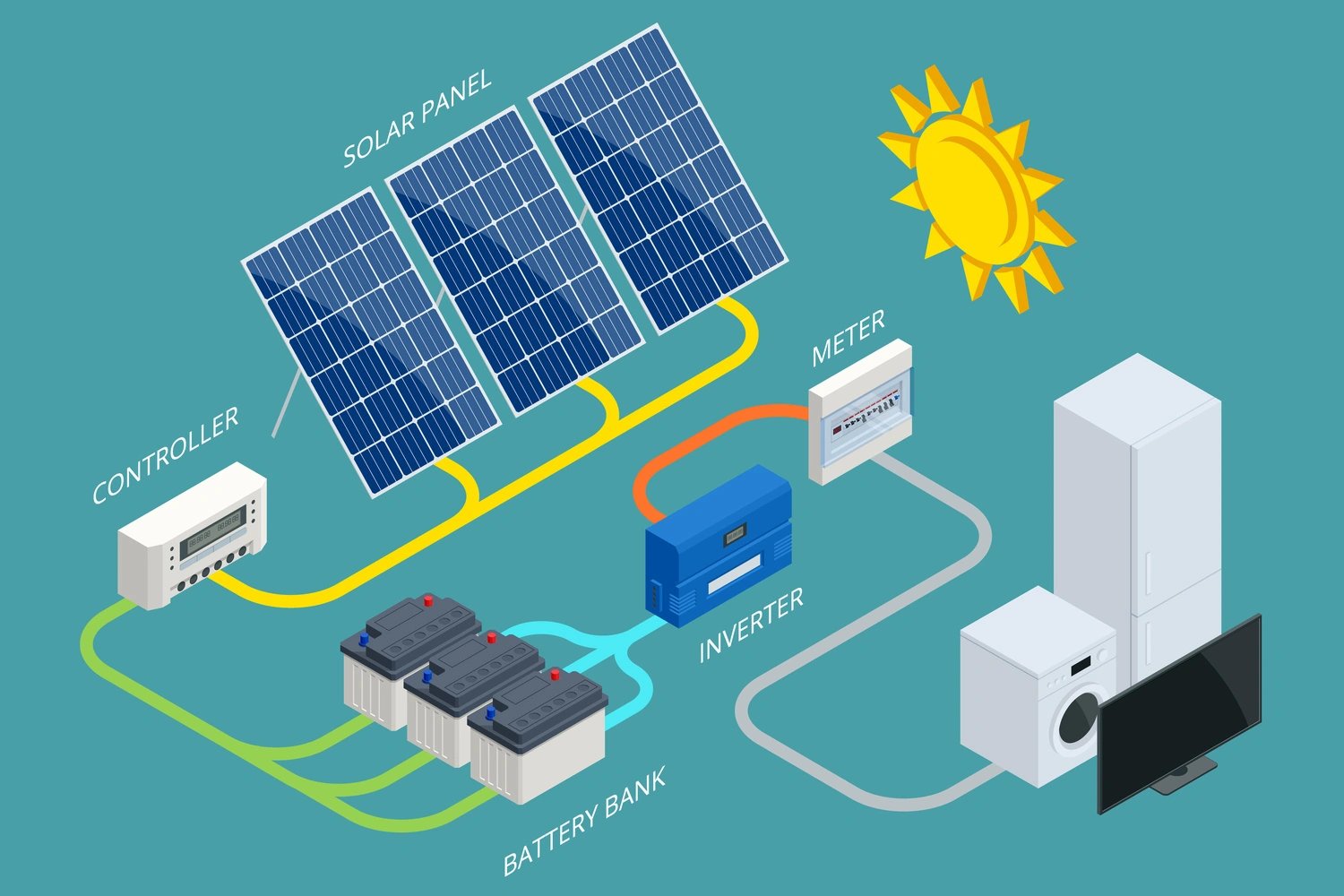
Battery storage systems transform intermittent solar power into reliable, on-demand energy available regardless of weather or time of day. Modern lithium-ion battery systems can store excess daytime production for evening or early morning use, allowing critical farm operations to run on solar power around the clock. These systems have declined dramatically in cost, dropping over 85% in the past decade while increasing in reliability and lifespan. For farms with critical continuous operations like refrigeration, ventilation, or processing equipment, batteries provide crucial protection against outages while optimizing solar utilization.
Agricultural battery applications extend beyond simple backup power. Strategic storage deployment allows farms to participate in demand response programs, earning additional income by reducing grid consumption during peak periods. Battery systems enable peak shaving – using stored energy during high-demand periods to avoid expensive demand charges that often comprise 30-50% of commercial electric bills. The combination of solar and storage effectively transforms your farm’s energy infrastructure from a pure expense into a sophisticated management system that reduces costs, increases reliability, and potentially generates revenue through grid services.
Running Critical Systems During Outages
Power outages can devastate farm operations, spoiling refrigerated products, disrupting climate control for livestock, or halting irrigation at critical growth stages. Battery backup systems provide seamless power transition during grid failures, maintaining essential functions without interruption. Modern agricultural battery systems can be configured to power only critical loads during outages, extending backup duration by prioritizing essential systems like refrigeration, ventilation, and water pumping. This selective approach maximizes resilience while optimizing battery capacity and cost, providing protection against the most damaging potential outage impacts.
The value of this continuity extends far beyond the cost of lost products. For dairy operations, maintaining milk cooling prevents entire days of production loss. Poultry facilities can maintain precise temperature control during critical growth periods, preventing catastrophic losses during extreme weather events. Greenhouse operations can protect delicate crops from freezing during winter power failures. This disaster prevention capability often justifies battery investment even separate from daily energy optimization benefits, providing insurance against the most unpredictable and potentially devastating farm operation risks.
Peak Load Management Savings
Many agricultural utilities assess demand charges based on a farm’s highest 15-30 minute usage period each month, often adding thousands to electricity bills despite representing only a tiny fraction of total usage time. Battery systems can strategically discharge during these peak demand periods, shaving the usage spikes that trigger substantial charges. By monitoring usage patterns and deploying stored energy precisely when equipment cycling threatens to create new demand peaks, smart battery systems can reduce monthly demand charges by 30-50% without changing actual operations or equipment usage patterns.
This load management capability creates particularly significant savings for operations with high-power equipment that cycles on and off. Irrigation pump startup, milk cooling compressor cycling, and grain drying fans all create momentary demand spikes that can establish high monthly demand charges. Battery systems flatten these peaks without requiring operational changes, allowing equipment to function normally while presenting a more consistent power profile to the utility. For many farms, this peak management capability alone justifies battery installation costs independent of outage protection benefits.
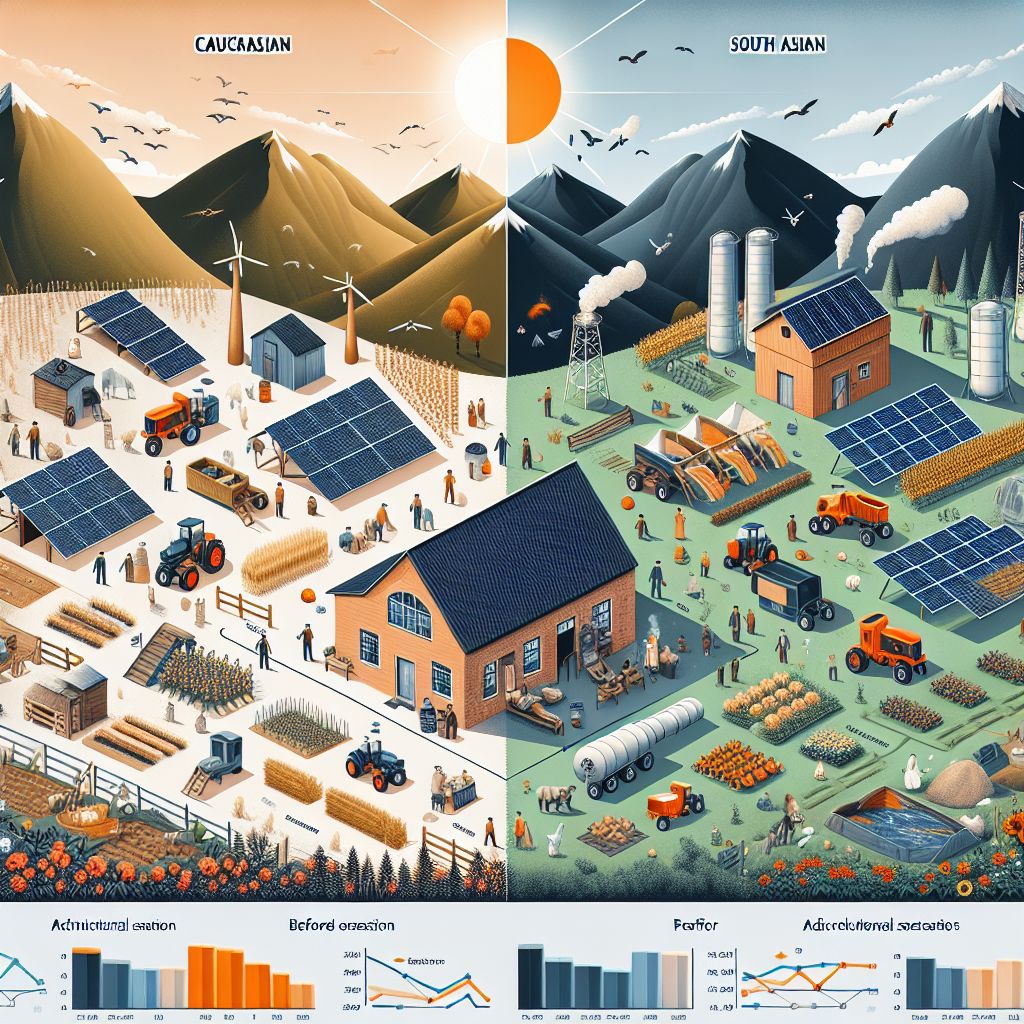
Real Farm Success Stories: Before and After Solar
The transformative financial impact of solar adoption becomes clear through real-world agricultural implementations across diverse farming sectors. These case studies demonstrate how solar transitions from theoretical benefit to practical profit enhancement through customized applications addressing specific farm energy challenges.
Dairy Operation Cuts $24,000 in Annual Energy Costs
Riverview Dairy in Wisconsin installed a 120kW solar array covering their milk house and barn roofs in 2019. Before installation, their monthly electricity costs averaged $2,700, primarily from milk cooling, pasteurization, and automated milking systems. After solar implementation, their average monthly bill dropped to $700 – a 74% reduction generating annual savings of approximately $24,000. With REAP grant funding covering 25% of costs and the federal tax credit providing another 30%, their net investment of $98,000 achieved complete payback in just over four years. The system is projected to produce clean energy for at least 25 years, representing over 20 years of essentially free electricity after the payback period.
Poultry Farm Eliminates Electric Bills Completely
Clarkson Family Farms in Georgia operates six poultry houses requiring constant climate control and ventilation. Their $42,000 annual electricity expense represented their third-largest operational cost behind feed and labor. In 2020, they installed a 200kW ground-mounted solar array on unproductive land adjacent to their poultry houses. The system’s annual production now exceeds their total consumption, generating excess credits during moderate weather periods that offset high usage during extreme summer and winter conditions. With net metering in place, their annual electricity bill has been eliminated entirely, improving cash flow by over $3,500 monthly. The installation qualified for accelerated depreciation, providing significant tax benefits in the first few years of operation in addition to ongoing energy savings.
Vegetable Greenhouse Powers Heating Systems Year-Round
Fresh Start Organics in Massachusetts operates year-round greenhouse production requiring significant electricity for heating, ventilation, and irrigation. Their 2021 solar installation combined a 75kW roof-mounted array with a 40kWh battery storage system. The battery component allows them to store excess daytime production for overnight heating needs during winter months, reducing propane consumption by 60% through strategic electrical heating during non-sunlight hours. The Massachusetts SMART program provides performance-based incentives of $0.17/kWh for their agricultural solar production on top of direct savings, generating approximately $14,000 in annual incentive payments beyond the $21,000 in direct electricity and heating fuel savings. Their hybrid solar-plus-storage approach achieved payback in under five years while significantly reducing weather-related production risks.
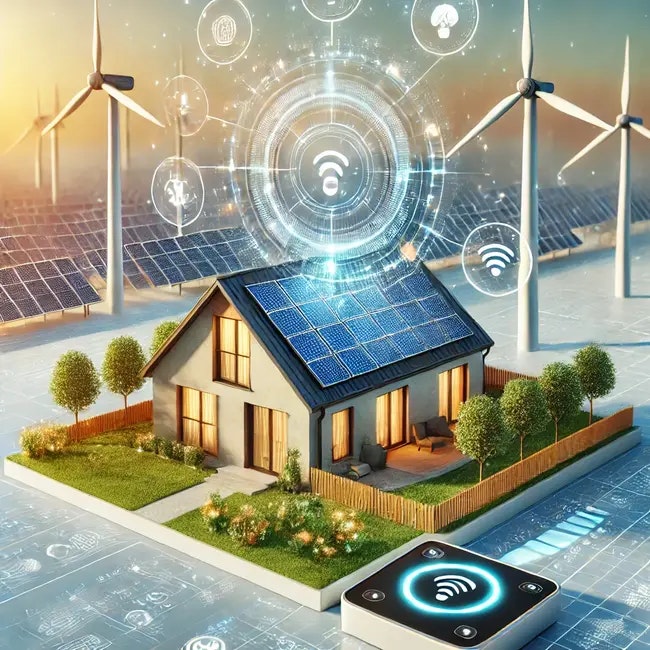
Long-Term Benefits Beyond Energy Savings
While immediate energy cost reduction provides the most visible benefit, solar installations deliver multiple additional long-term advantages that enhance farm profitability and stability. These secondary benefits often prove equally valuable over time, improving overall farm financial position, marketability, and resilience against future challenges.
Solar installations represent infrastructure investments that continue generating returns long after initial payback. Unlike tractors, irrigation equipment, or other depreciating farm assets, properly maintained solar systems continue functioning at near-original efficiency for decades. This long productive lifespan transforms energy from an unpredictable variable expense into a controlled, diminishing cost center as the effective per-kilowatt-hour price continues falling throughout the system’s operational life.
Increased Property Value With Solar Installations
Agricultural properties with existing solar installations command premium values in the real estate market, with studies showing value increases of $3-4 for every $1 of annual electricity savings generated by the system. This value appreciation stems from the capitalized value of future energy savings, which buyers recognize as a permanent operational advantage. Unlike many farm improvements that depreciate over time, solar installations maintain most of their value throughout their operational lifespan, creating lasting equity enhancement. For farms considering eventual transition or sale, solar installations provide immediately usable infrastructure that new operators can leverage without additional investment, significantly enhancing property marketability and reducing time-to-sale. Additionally, exploring options like a solar drip irrigation system can further improve the farm’s operational efficiency and appeal to potential buyers.
Energy Independence During Market Fluctuations
Solar-equipped farms gain significant protection against energy market volatility that increasingly threatens agricultural profitability. With utility rates rising faster than most agricultural commodity prices, farms locked into traditional energy sources face continued margin pressure from this uncontrollable input cost. Solar production effectively locks in electricity costs at the point of installation, creating budget certainty regardless of market fluctuations or geopolitical disruptions affecting energy prices. This price stability allows for more accurate long-term planning and protects operational viability during periods of extreme energy price volatility that have become increasingly common in agricultural regions.
Sustainability Marketing Advantages
Solar-powered farms gain significant marketing advantages in today’s sustainability-conscious marketplace. Consumer preference for environmentally responsible production continues strengthening, with 73% of consumers willing to pay premium prices for sustainably produced agricultural products. Direct-to-consumer operations can leverage solar investments in marketing materials, signage, and packaging to command higher prices and attract loyal customers. Even commodity producers benefit through preferred supplier programs with major food companies implementing carbon footprint reduction initiatives throughout their supply chains. These marketing advantages translate to tangible price premiums, expanded market access, and strengthened customer relationships that provide ongoing returns beyond direct energy savings.
The sustainability credentials provided by solar adoption also position farms advantageously for emerging carbon market opportunities. As carbon credit markets mature, solar-equipped farms qualify for additional revenue through verified emissions reduction credits. Early adopters establish baseline advantages in these developing markets, potentially generating thousands in additional annual revenue through carbon offset sales. Major food processors increasingly offer preferred contracts and pricing to suppliers demonstrating emissions reductions, creating competitive advantages for solar-equipped operations in securing stable, premium-priced supply relationships.
“Installing solar wasn’t just about cutting our electric bill. It’s opened doors to premium markets we couldn’t access before. We now supply three organic grocery chains that specifically sought out farms with renewable energy as part of their carbon reduction initiatives. The price premium on our produce is actually generating more additional revenue than the direct energy savings.” — Maria Gonzalez, Sunshine Valley Organics
The combined impact of these secondary benefits often exceeds the direct energy savings over the system’s lifespan. When properly leveraged through marketing, business development, and financial planning, solar installations transform from simple utility expense reduction into strategic assets that enhance multiple aspects of farm business performance. This multidimensional return on investment positions solar as one of the most financially complete farm infrastructure investments available in today’s agricultural economy.
Frequently Asked Questions
As you consider transitioning your farm to solar power, several common questions arise about system requirements, performance, and implementation. The following answers address the most frequent concerns farmers express when evaluating solar investments.
How many solar panels does my farm need?
The appropriate system size depends on your farm’s specific energy consumption patterns, available installation space, and financial goals. Most agricultural operations size systems to offset 70-100% of annual electricity usage, which typically requires approximately 8-10 solar panels per 1,000 kWh of monthly electricity consumption. A dairy farm using 5,000 kWh monthly would generally need a 40-50 kW system requiring approximately 100-125 standard panels. Your solar contractor can analyze your utility bills to determine precise sizing based on your actual consumption patterns and seasonal variations specific to your operation type.
Will solar panels work during winter months?
Solar panels continue producing electricity during winter, though at reduced output compared to summer months due to shorter daylight hours and potential snow coverage. Modern panels typically generate 50-60% of their summer production during winter months in most agricultural regions. This seasonal variation is accounted for in system design, with annual production calculations including these expected fluctuations. Snow generally slides off panels mounted at typical agricultural installation angles, but occasional manual clearing may maximize winter production in heavy snow regions. The combination of net metering and seasonal agricultural usage patterns often aligns well with this natural production cycle, as many farm operations use less electricity during winter months. For farms interested in energy storage, exploring options like battery backups can be beneficial.
Can I install solar panels myself to save money?
While DIY installation might seem appealing from a cost perspective, agricultural solar systems involve complex electrical integration, structural considerations, and utility interconnection requirements that typically require professional expertise. Mistakes in system design, mounting, or electrical connection can significantly reduce efficiency, void equipment warranties, create safety hazards, or even prevent utility approval. Additionally, many agricultural incentive programs and grants require professional installation by certified contractors to qualify for funding.
For farmers with construction experience, a hybrid approach often provides better results. Working alongside professional installers for certain aspects of the project – particularly site preparation, mounting structure construction, or panel placement – can reduce labor costs while ensuring proper system integration. This collaborative approach maintains access to warranties, incentives, and financing while still leveraging farm labor resources to reduce overall project costs.
- Professional installation ensures proper system design matching your specific farm energy patterns
- Certified installers understand agricultural-specific interconnection requirements and utility paperwork
- Warranty protection typically requires professional installation
- Most financial incentives and grants require licensed contractor involvement
- Professional installation typically includes permitting assistance and utility coordination
The cost premium for professional installation typically represents only 10-15% of total project costs while significantly reducing risks and implementation challenges. Most farmers find this investment in professional expertise delivers better long-term results than attempting complete DIY implementation, particularly for systems above 10kW in capacity.
A better approach to reducing costs involves thorough preparation before installation begins. Clearing installation areas, preparing mounting locations, and completing preliminary electrical work can reduce installation time and costs while still maintaining professional oversight for critical system components. This preparation work can often save 5-8% on installation costs without compromising system quality or incentive eligibility.
How long do farm solar systems typically last?
Agricultural solar installations consistently deliver 25-30 years of productive operation, with many systems continuing to function beyond their rated lifespan at slightly reduced efficiency. Modern solar panels typically carry 25-year production warranties guaranteeing at least 80% of original output at the 25-year mark, with actual field performance often exceeding these conservative warranty specifications. Inverters generally require replacement after 10-15 years, representing the only major system component with a shorter lifespan than the panels themselves. This exceptional longevity means many farm solar systems will continue generating valuable electricity for a generation or more, creating multi-decade returns on the initial investment.
What maintenance is required for farm solar systems?
Solar installations require minimal maintenance compared to most farm equipment, with no moving parts and durable construction designed for continuous outdoor exposure. Routine maintenance typically involves annual panel cleaning to remove dust and debris, visual inspection of mounting hardware and electrical connections, and monitoring system performance data to identify any production anomalies. In agricultural environments with high dust or pollen, more frequent cleaning may improve production, though most systems will continue functioning effectively even with some accumulation. Unlike tractors, irrigation systems, or other farm equipment requiring constant maintenance, solar systems operate reliably for years with only occasional attention.
The simplicity of solar maintenance makes it easily integrated into existing farm operation routines. Many farmers perform basic panel cleaning and visual inspections themselves while scheduling professional maintenance reviews every 2-3 years to verify electrical connections and system performance. Remote monitoring systems alert owners to performance issues, allowing immediate attention to any unexpected production decreases. This minimal maintenance requirement contributes significantly to solar’s favorable economics compared to other energy generation options requiring more frequent service or component replacement.
For agricultural operations in areas with severe weather, occasional post-storm inspections help identify any damage requiring repair. Most agricultural insurance policies can be expanded to cover solar equipment against storm damage, providing protection against the primary risk factor affecting these durable systems. With proper insurance coverage and minimal routine maintenance, farm solar installations represent one of the lowest-maintenance infrastructure investments available to modern agricultural operations. For more insights, explore how farmers can grow profits with solar.
Ready to transform your farm’s energy costs into profit? Contact World Solar today for a comprehensive assessment of your agricultural operation’s solar potential and start harvesting the sun alongside your crops.
Solar panels have become an essential tool for farmers looking to reduce energy costs and increase their profits. By harnessing the power of the sun, farmers can not only power their operations but also implement innovative systems like solar-powered drip irrigation to enhance water efficiency. This sustainable approach not only cuts down on utility bills but also contributes to environmental conservation, making it a win-win for both the farmer and the planet.



Leave a Reply