

Key Takeaways
- Solar panels are designed to withstand various extreme weather conditions, including high winds and hailstorms.
- Technological advancements, like tempered glass and robust frames, enhance the durability of solar panels.
- Proper installation and regular maintenance are crucial to ensure solar panels can endure severe weather events.
- Understanding warranties and insurance can help protect your investment in solar energy systems.
- Case studies demonstrate the resilience of solar panels in hurricane-prone and snowy regions.
The Resilience of Solar Panels in Harsh Weather
Solar panels have become a popular choice for generating clean energy, but many wonder if they can withstand the wrath of Mother Nature. The good news is, modern solar panels are engineered to endure a variety of extreme weather conditions. This is thanks to technological advancements and rigorous testing that ensure their durability. Let’s delve into how solar panels stand up to the elements.
Weather Elements Affecting Solar Panels
Several weather elements can affect the performance and longevity of solar panels. These include:
- High winds and hurricanes
- Heavy snowfall and hailstorms
- Intense heat and prolonged exposure to sunlight
- Heavy rain and flooding
Each of these elements poses unique challenges, but with the right design and installation, solar panels can continue to function effectively.
Technological Advancements in Durability
Thanks to advancements in technology, solar panels today are more resilient than ever. Manufacturers use tempered glass, which is highly resistant to impact, to protect the solar cells from hail and debris. The frames of the panels are constructed with robust materials that can withstand high winds and other mechanical stresses.
Moreover, many solar panels are equipped with protective coatings that guard against moisture and UV radiation, preventing degradation over time. These innovations not only improve the durability of the panels but also enhance their performance in various weather conditions.

Common Types of Extreme Weather
Understanding how different weather conditions affect solar panels can help in planning and maintaining solar energy systems. Let’s explore some of the most common types of extreme weather and their impact on solar panels.
Impact of Hurricanes and High Winds
Hurricanes and high winds can be particularly challenging for solar panels, especially in regions prone to such events. The key to ensuring that solar panels survive these conditions lies in their installation. Properly mounted panels with secure racking systems can withstand winds of up to 140 mph or more.
Additionally, manufacturers often test panels to ensure they meet specific wind load requirements. This testing is crucial, as it guarantees that the panels can endure the force exerted by strong winds without being dislodged or damaged.
Snow and Hail Effects on Performance
Snow and hail are other elements that can impact solar panel performance. When snow accumulates on the panels, it can obstruct sunlight and reduce energy output. However, most solar panels are designed with a smooth surface that allows snow to slide off easily.
Hail can pose a risk of physical damage, but the tempered glass used in solar panels is designed to withstand hailstones of a certain size and speed. In areas where hail is common, it’s advisable to choose panels that have been tested for hail resistance.
Damage from Heatwaves and High Temperatures
Extreme heat can be a silent adversary for solar panels. Although they are designed to function in high temperatures, efficiency tends to decrease as the mercury rises. This is primarily due to the way solar cells operate. When the temperature increases, the voltage output of the solar cells drops, which can reduce the overall power output.
To counter this, manufacturers often provide a temperature coefficient rating. This rating indicates the percentage decrease in efficiency for every degree Celsius increase in temperature. Choosing panels with a lower temperature coefficient can help maintain performance during heatwaves. Additionally, ensuring proper airflow around the panels by elevating them slightly above the roof can also help dissipate heat and keep the panels cooler. For more information on selecting the best panels, consider choosing the right solar panels for your specific needs.
Here’s a table discussing how solar panels react to different extreme weather conditions:
|
Extreme Weather |
Impact on Solar Panels |
|---|---|
|
Heat Waves |
Efficiency decreases by 0.3% to 0.5% for every 1°C above 25°C (77°F). 2, 6 |
|
Severe Storms |
Each severe weather event decreases annual productivity by about 1%. 3 |
|
Hail |
Can cause damage when exceeding 1 inch in diameter; most panels withstand average-size hailstorms. 3, 9 |
|
High Winds |
Long-term damage may occur at speeds above 56 mph; most panels certified for up to 140 mph. 3, 9 |
|
Heavy Snow |
Potential long-term damage at depths over 1 meter (3+ feet). 3 |
|
Heavy Rain |
Generally not an issue; can help clean panels of debri. 5 |
|
Hurricanes |
Well-installed panels can withstand winds up to 180 mph; flying debris poses the main risk. 9 |
|
Extreme Cold |
Can slightly increase efficiency, potentially producing 5-7% more power at 0°C (32°F). 6 |
This table summarizes the reactions of solar panels to various extreme weather conditions, highlighting both potential risks and some unexpected benefits.

Design Features That Enhance Durability
The durability of solar panels in extreme weather conditions heavily relies on their design features. Manufacturers incorporate various elements to ensure that panels can withstand the challenges posed by the environment. For those interested in the right solar panels for an irrigation system, understanding these design features is crucial.
Importance of Tempered Glass and Robust Frames
One of the most critical components of solar panels is the tempered glass that covers the solar cells. This glass is not only transparent but also incredibly tough, providing a first line of defense against hail, debris, and other impacts. Tempered glass is designed to shatter into small, blunt pieces rather than sharp shards, minimizing the risk of injury or further damage.
Additionally, robust frames made from materials like aluminum provide structural integrity to the panels. These frames are engineered to endure high winds and other mechanical stresses, ensuring that the solar panels remain securely mounted even during extreme weather events.
Role of Mounting Systems in Weather Resistance
The mounting system plays a pivotal role in the weather resistance of solar panels. Properly installed mounting systems ensure that panels are securely fastened to the roof or ground, reducing the risk of being blown away by strong winds. These systems are often designed to be adjustable, allowing for optimal positioning and tilt to maximize sunlight exposure and facilitate snow shedding.
Protective Coatings and Weather-Sealing
Protective coatings and weather-sealing are additional features that enhance the durability of solar panels. These coatings guard against moisture and UV radiation, preventing degradation of the solar cells and other components. Solar panel durability is further ensured by weather-sealing around the edges of the panels, which ensures that no water or dust can penetrate the system, potentially leading to corrosion or electrical issues.
- Moisture-resistant coatings
- UV protection layers
- Edge weather-sealing
These features collectively contribute to the longevity and reliability of solar panels, even in the face of challenging weather conditions.
Installation and Maintenance for Longevity
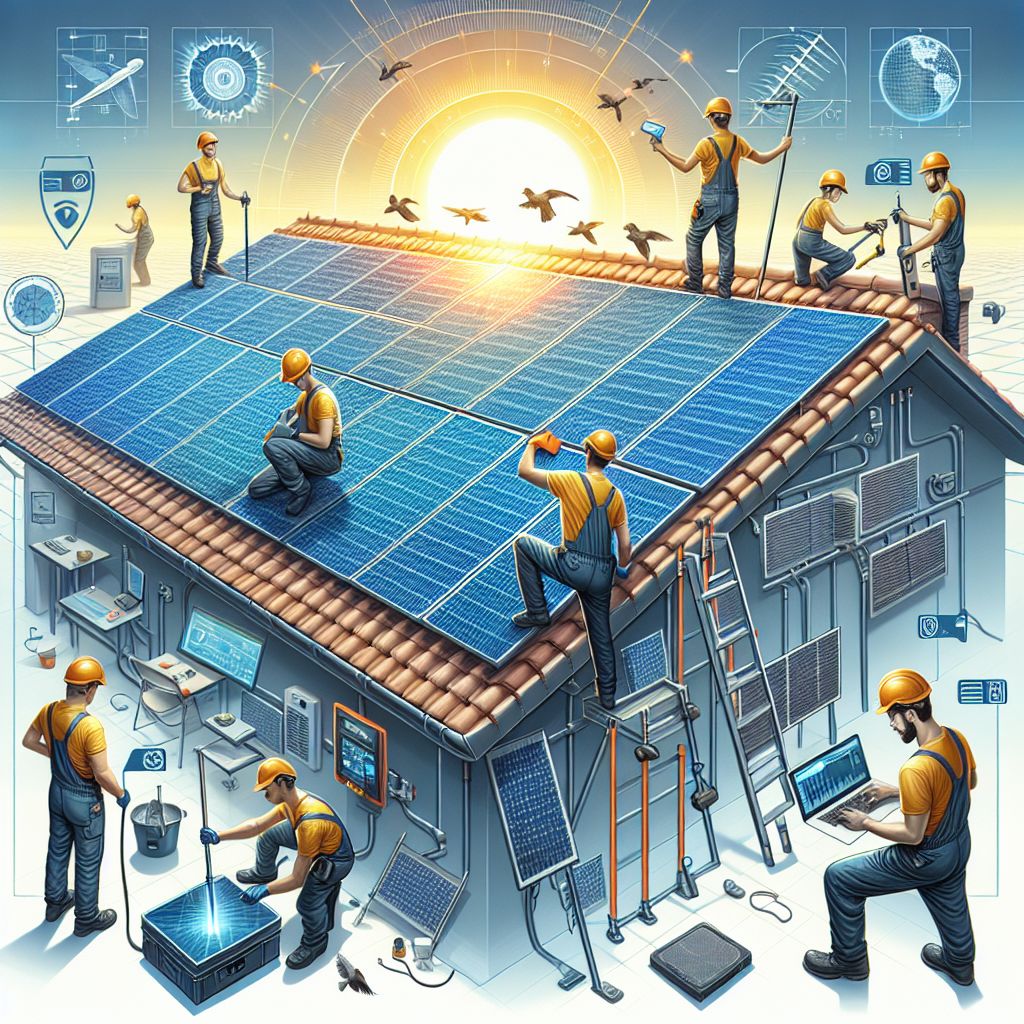
The installation process and ongoing maintenance are crucial for maximizing the lifespan of solar panels and ensuring their performance in extreme weather. Proper techniques and regular upkeep can make a significant difference. For more insights, learn about the weather impact on solar efficiency.
Proper Installation Techniques
When it comes to installation, following best practices is essential. This includes ensuring that the panels are securely mounted, using the right type of mounting system for the specific environment, and positioning the panels to optimize sunlight exposure.
- Secure mounting with appropriate hardware
- Use of wind-resistant racking systems
- Optimal panel positioning for sunlight and snow shedding
Proper installation not only enhances the efficiency of the solar panels but also protects them from potential damage during severe weather events.
Regular Maintenance Practices
Regular maintenance is equally important in preserving the integrity of solar panels. This involves cleaning the panels to remove dust, debris, and bird droppings, which can obstruct sunlight and reduce efficiency. Additionally, checking for any signs of wear or damage can help address issues before they become major problems.
Most importantly, keeping an eye on the performance of the panels through monitoring systems can provide early warnings of any anomalies, allowing for prompt corrective action.
Seasonal Inspections and Inspections After Severe Events
Seasonal inspections are a proactive way to ensure that solar panels remain in top condition. These inspections should focus on cleaning the panels, checking for loose connections, and inspecting the mounting systems for any signs of corrosion or damage.
After severe weather events, it’s crucial to conduct a thorough inspection to assess any potential damage. This includes checking for cracked glass, damaged frames, and ensuring that the mounting system remains intact. Addressing any issues promptly can prevent further damage and ensure the panels continue to operate efficiently. For more insights, consider how weather impacts solar system efficiency.

Case Studies of Successful Weathering
Real-world examples provide valuable insights into the resilience of solar panels in extreme weather conditions. These case studies demonstrate how proper installation, maintenance, and design features contribute to the durability of solar energy systems.
Survival in Hurricane-Prone Regions
In regions frequently hit by hurricanes, solar panels have proven their resilience. For instance, during Hurricane Irma in 2017, many solar installations in Florida remained intact and operational, thanks to robust mounting systems and careful planning.
These installations were able to withstand winds exceeding 100 mph, showcasing the importance of adhering to wind load requirements and using high-quality materials in construction.
Solar Performance in Snowy Climates
In snowy climates, solar panels continue to perform well, provided they are installed with a proper tilt to allow snow to slide off. For example, in parts of Canada, solar panels have successfully generated electricity throughout the winter months, despite heavy snowfall.
Resilience Against Hailstorms
Hailstorms are another test of solar panel durability. In areas like Colorado, where hail is common, solar panels withstood the impact of hailstones without significant damage. This resilience is largely due to the use of tempered glass and rigorous testing for hail resistance.
These examples underscore the effectiveness of design and installation practices in ensuring that solar panels can weather extreme conditions and continue to provide clean energy.

Future Trends and Developments
As technology continues to advance, the future of solar panel durability looks promising. Researchers and manufacturers are constantly working on new materials and innovations to enhance the resilience of solar panels.
New Materials for Enhanced Weather Resistance
One area of development is the use of advanced materials that offer better protection against environmental factors. For instance, new coatings are being developed that provide even greater resistance to moisture, UV radiation, and temperature fluctuations.
These materials aim to extend the lifespan of solar panels and ensure their performance remains consistent, even in the harshest of conditions. Learn more about solar panel durability.
Technological Innovations in PV Systems
Technological advancements in photovoltaic (PV) systems have significantly improved the resilience of solar panels against extreme weather. One notable innovation is the development of bifacial solar panels, which can capture sunlight from both sides, increasing energy efficiency even when the front side is partially covered by snow or debris. Moreover, the integration of smart monitoring systems allows for real-time performance tracking, enabling swift responses to any weather-induced issues.
Insurance and Warranty Considerations
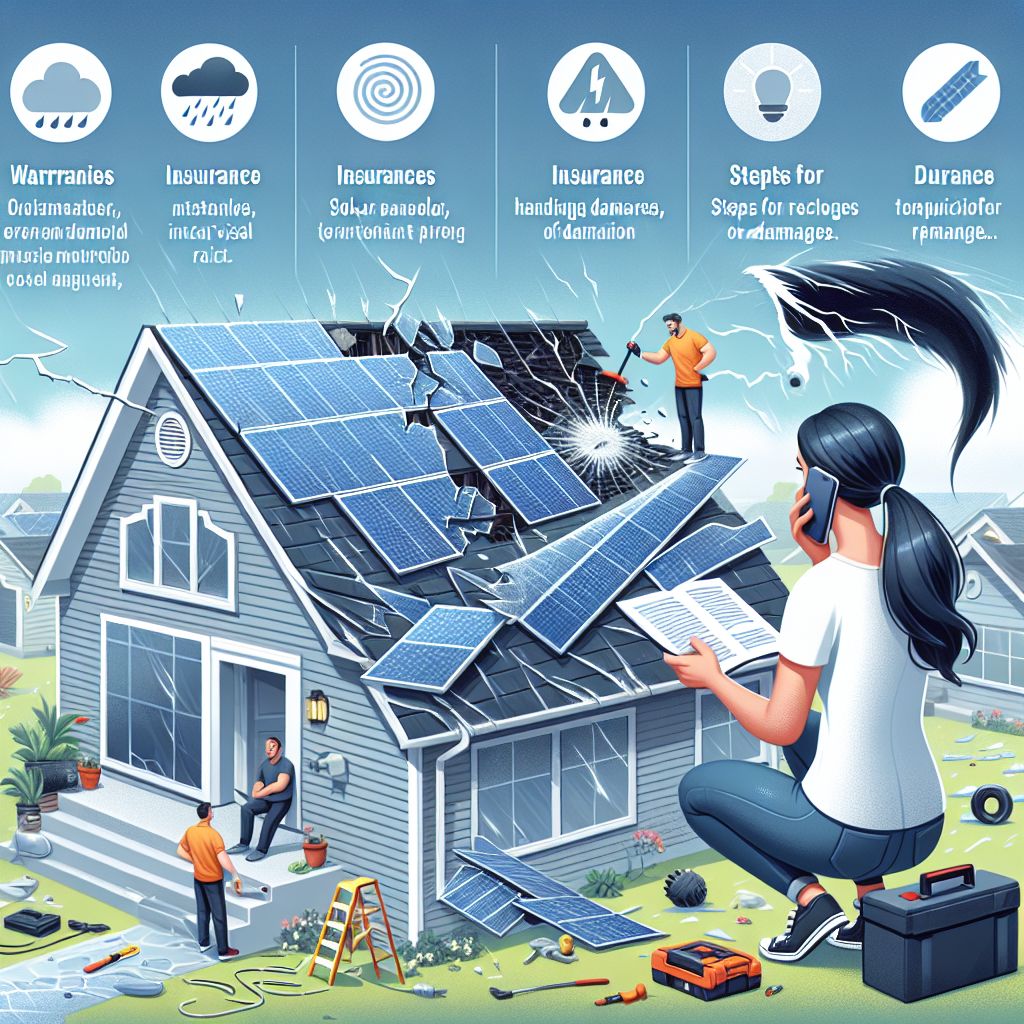
When investing in solar panels, it’s crucial to understand the insurance and warranty options available. These protections can safeguard your investment against unforeseen weather-related damages and ensure long-term reliability.
Understanding Solar Panel Warranties
Most solar panels come with a performance warranty that guarantees a certain level of efficiency over a specified period, often 25 years. This warranty typically covers defects in materials and workmanship. However, it’s important to read the fine print, as not all warranties cover damage from extreme weather events like hurricanes or hailstorms.
Role of Homeowner’s Insurance in Coverage
Homeowner’s insurance can play a significant role in covering solar panel damage caused by extreme weather. Many policies include solar panels as part of the home’s structure, but it’s essential to verify the extent of coverage and any exclusions. Consider adding a rider or endorsement to your policy for additional protection if necessary. For more information on the benefits of solar panels, you can explore their basic understanding and benefits.
Steps to Take if Panels Are Damaged
If your solar panels sustain damage during a severe weather event, follow these steps:
- Conduct a visual inspection to assess the damage. Look for cracked glass, bent frames, or detached panels.
- Contact your solar installer or manufacturer to report the damage and inquire about warranty coverage.
- File a claim with your homeowner’s insurance provider, providing documentation of the damage and any repair estimates.
- Schedule repairs with a qualified solar technician to restore the system to full functionality.
By taking these steps promptly, you can minimize downtime and ensure your solar panels continue to operate efficiently.
Frequently Asked Questions (FAQ)
Here are some common questions about solar panels and their ability to withstand extreme weather conditions.
Do all solar panels have the same resistance to extreme weather?
No, not all solar panels have the same resistance to extreme weather. The level of resistance depends on the materials used, the design of the panels, and the quality of installation. It’s important to choose panels that have been tested and certified for the specific weather conditions in your area.
How well do solar panels perform in snow?
Solar panels can still perform well in snowy conditions, especially if they are installed at an angle that allows snow to slide off. Additionally, the reflection of sunlight off the snow can enhance the panels’ efficiency. However, heavy snow accumulation can temporarily reduce energy output.
- Choose panels with a smooth surface for easier snow shedding.
- Consider installing panels with a higher tilt angle in snowy regions.
Regularly clearing snow from the panels can help maintain optimal performance.
Are there special solar panels for extreme climates?
Yes, some manufacturers offer solar panels specifically designed for extreme climates. These panels often feature enhanced durability and additional protective coatings to withstand harsh weather conditions, which can be beneficial when integrating solar panels with existing irrigation systems on a farm.
- Look for panels with a high wind load rating for hurricane-prone areas.
- Consider hail-resistant panels in regions with frequent hailstorms.
Choosing the right panels for your climate can improve their longevity and efficiency.
What should I do if my solar panels are damaged in a storm?
If your solar panels are damaged in a storm, it’s important to act quickly. Start by conducting a visual inspection to assess the extent of the damage. Then, contact your solar installer or manufacturer to report the issue and determine if the damage is covered under warranty. Finally, file a claim with your insurance provider and arrange for repairs with a qualified technician.
Can regular maintenance extend the life of my solar panels?
Absolutely. Regular maintenance, such as cleaning the panels, inspecting for damage, and ensuring secure mounting, can significantly extend the life of your solar panels. Scheduled maintenance checks can also help identify and address potential issues before they become serious problems.
Are solar panels worth the investment in areas with frequent severe weather?
Yes, solar panels can still be a worthwhile investment in areas with frequent severe weather, provided they are chosen and installed correctly. High-quality panels designed for your specific climate, combined with proper installation and maintenance, can ensure reliable performance and a good return on investment.
Moreover, the clean energy generated by solar panels can offset utility costs and contribute to a more sustainable environment. Learn more about the environmental benefits of using solar power.
What maintenance should be done after a severe weather event?
After a severe weather event, it’s crucial to perform a thorough inspection of your solar panels. Check for any physical damage, such as cracked glass or bent frames, and ensure that all connections are secure. If any issues are detected, contact a professional solar technician for repairs. Regular post-event maintenance can prevent further damage and maintain the efficiency of your solar system.
Documenting the condition of your panels after a storm can also be helpful when filing insurance claims or warranty requests.
How do solar panels help during power outages?
During power outages, solar panels can provide a reliable source of electricity, especially if paired with a battery storage system. This setup allows you to store excess energy generated during the day for use when the grid is down. While solar panels alone can’t power your home during an outage, a complete solar-plus-storage system can keep essential appliances running until the power is restored. For more information on the benefits of solar energy, check out this article on solar panels in agriculture.
Investing in battery storage can enhance the resilience of your solar energy system and provide peace of mind during emergencies.







Leave a Reply