
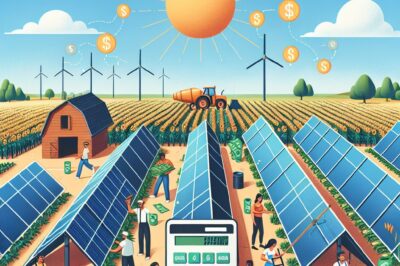
“Solar Power Savings Impact Farmer …” from growingsolarmist.com and used with no modifications.
Key Takeaways
- Farmers can slash electricity costs by 50-75% through strategic solar panel installations, delivering immediate operational savings.
- Federal tax credits currently cover 30% of solar installation costs, while USDA grants can fund up to an additional 25% for qualifying agricultural operations.
- Solar investments typically reach payback within 4-7 years, after which farmers enjoy essentially free electricity for 20+ years.
- Net metering programs allow farmers to sell excess solar energy back to the grid, creating a new revenue stream for their operations.
- Agrivoltaic systems combine solar energy production with crop cultivation or livestock grazing, maximizing land use efficiency and farm profitability.
Imagine slashing your farm’s monthly electricity bill by 70% while simultaneously increasing property value and earning tax incentives. This isn’t a far-fetched dream but the reality for thousands of agricultural operations nationwide that have embraced solar energy.
Rising energy costs continue to squeeze farm profitability, with electricity often ranking among the top five operational expenses for modern agricultural businesses. For many farmers, solar panel systems have become not just an environmental choice but a critical financial strategy that delivers immediate and long-term savings. At 8MSolar, we’ve helped countless agricultural operations transform their energy spending into energy investment, creating sustainable financial benefits that grow year after year.
The economics of solar for agricultural applications have fundamentally changed over the past decade. Panel efficiency has increased dramatically while installation costs have decreased by more than 70% since 2010. Today’s farm solar systems typically deliver payback periods of 4-7 years, after which they generate essentially free electricity for two decades or more.
Solar Panel Tax Credits That Put Money Back in Farmers’ Pockets
The federal government offers substantial financial incentives that dramatically reduce the upfront cost of solar installations for agricultural operations. These incentives can transform the economics of your solar investment, often covering up to 50% of total project costs when combined with state programs.
Tax incentives represent immediate cash flow benefits that accelerate your solar system’s payback period. Unlike loans or financing arrangements, these credits directly reduce your tax liability dollar-for-dollar, effectively giving you free money toward your solar investment.
Federal Investment Tax Credit: 30% Off Your Solar System
The Federal Investment Tax Credit (ITC) remains one of the most valuable incentives for farm solar adoption. Currently set at 30% of the total system cost through 2032, this credit allows farmers to deduct nearly one-third of their solar investment directly from their federal tax bill. For a $100,000 solar installation, that translates to $30,000 in direct tax savings. The credit applies to all system components including panels, inverters, mounting hardware, and installation labor. To qualify, farmers must own their solar system (rather than lease it) and have sufficient tax liability to claim the credit.
State-Specific Agricultural Solar Incentives
Beyond federal incentives, many states offer additional tax credits, rebates, and grants specifically for agricultural solar installations. These programs vary significantly by location but can provide substantial additional savings. In North Carolina, for example, farmers can access the Agricultural Cost Share Program which provides up to 75% of the cost of conservation practices, including solar-powered pumps and irrigation systems. Minnesota offers a 10% production incentive for clean energy production from agricultural operations. New York’s NY-Sun program provides cash incentives that can reduce installation costs by an additional $0.50 per watt.
State incentive programs frequently change and have varying qualification requirements. Many states prioritize funding for smaller family farms or operations in rural communities. Some programs have specific enrollment periods or require pre-approval before installation begins.
Property tax exemptions represent another significant state-level benefit. Many states exempt the added property value from solar installations from property tax assessments. This means you gain all the property value increase from your solar system without paying additional property taxes on that improved value. For efficient energy solutions in agriculture, you might also consider exploring solar panel battery technology.
Accelerated Depreciation Benefits for Farm Businesses
Farm businesses can take advantage of Modified Accelerated Cost Recovery System (MACRS) depreciation for solar assets, allowing for rapid depreciation of the system over just five years instead of the 20+ year actual lifespan. This accelerated schedule creates significant tax benefits during the early years of system ownership. Combined with bonus depreciation provisions, farmers can often deduct 100% of the remaining system cost (after applying the 30% ITC) in the first year of operation.
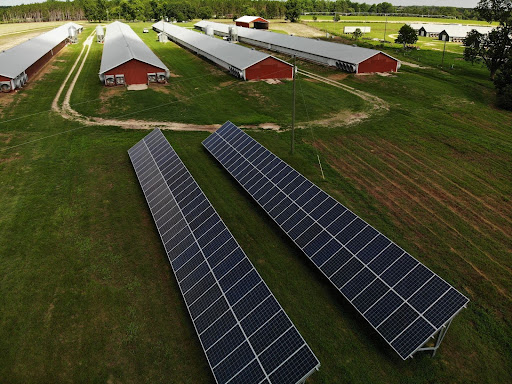
USDA Grants and Programs That Pay for Your Farm’s Solar Panels
Beyond tax credits, the U.S. Department of Agriculture offers several grant programs specifically designed to help farmers adopt renewable energy. These programs can significantly reduce out-of-pocket expenses and accelerate your return on investment. Unlike tax credits that come after installation, many of these grants provide funding upfront or during the construction phase. For more insights into how solar panels can power farming operations, check out this article on powering farmers’ operations with solar panels.
Rural Energy for America Program (REAP)
The REAP program stands as the cornerstone of agricultural solar funding, offering both grants and loan guarantees for renewable energy systems. REAP grants can cover up to 25% of total project costs, with maximum awards of $500,000 for renewable energy systems. The program is specifically designed for agricultural producers and rural small businesses, with applications accepted year-round and competitive funding awarded in batches throughout the year.
To qualify for REAP funding, your farm must derive at least 50% of gross income from agricultural operations and be located in an eligible rural area. Smaller projects under $20,000 benefit from a simplified application process, making this program accessible even for modest solar installations. The combination of a 25% REAP grant with the 30% federal tax credit can reduce your effective solar investment by more than half before even considering state incentives.
Environmental Quality Incentives Program (EQIP)
The EQIP program, administered by the Natural Resources Conservation Service (NRCS), provides financial assistance for conservation practices that include solar-powered irrigation systems and other renewable energy applications that reduce environmental impact. Unlike REAP, EQIP focuses specifically on conservation outcomes rather than energy production itself. Farmers can receive up to 75% of the costs associated with implementing conservation practices, with historically underserved producers potentially eligible for up to 90% cost-share.
Solar-powered pumping systems for livestock watering, efficient irrigation systems, and renewable energy solutions that reduce fossil fuel consumption all qualify under various EQIP initiatives. The application process requires working with local NRCS offices to develop a conservation plan that identifies resource concerns and proposed solutions. For those interested in enhancing their energy solutions, exploring solar panel battery technology for agriculture can provide efficient energy solutions.
How to Qualify for Maximum Grant Funding
Maximizing your grant potential requires strategic planning and attention to program requirements. First, engage with your local USDA Rural Development office or state energy office before finalizing system designs. These experts can help align your project with current funding priorities. Successful applications typically demonstrate clear energy savings metrics, include detailed energy audits, and show environmental benefits beyond simple cost reduction.
Grant programs often prioritize projects that incorporate multiple conservation practices or innovative approaches. For example, combining solar panels with water conservation measures or integrating agrivoltaics (growing crops beneath solar arrays) can strengthen your application. Documentation of current energy usage provides the baseline for projecting savings, so gather at least 12 months of utility bills before applying. Many farmers find that working with experienced grant writers significantly improves their chances of funding success.
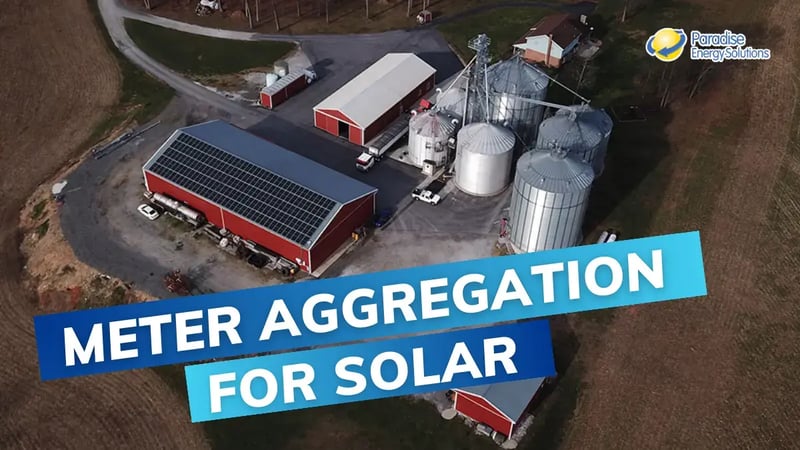
Net Metering: Turn Your Farm’s Excess Solar Power into Cash
Net metering transforms the economics of farm solar installations by allowing you to receive credit for excess electricity your system produces. During peak production periods—typically sunny summer days—your solar array often generates more power than your farm consumes. Rather than losing this excess energy, net metering enables you to effectively “bank” it with your utility company. For optimal results, consider reviewing a solar panel placement guide to maximize efficiency.
How Farm Net Metering Works in Different States
Net metering policies vary significantly by state and utility, creating a patchwork of opportunities and limitations for farmers. In states with favorable policies like Massachusetts and New Jersey, utilities provide full retail value credits for excess production. These credits offset consumption during nighttime or cloudy periods when your system isn’t producing. Other states offer wholesale rate compensation, which provides less value but still creates meaningful revenue streams.
Some states have implemented agricultural-specific net metering provisions that recognize the unique energy usage patterns of farms. Minnesota’s Net Metering for Agricultural Producers program, for example, allows for systems up to 40 kilowatts, larger than the standard residential allowance. California’s Net Energy Metering Aggregation (NEMA) program permits farmers to offset electricity used across multiple meters on the same property or adjacent properties, ideal for operations with separate buildings or irrigation pumps.
Selling Power Back to the Grid: Payment Structures
When your solar system generates more electricity than your farm uses over a billing cycle, utilities handle the excess in various ways. The most favorable arrangement is an indefinite rollover of kilowatt-hour credits at retail value, allowing you to bank summer production for winter use. Some utilities issue annual payments for excess generation, typically at wholesale or “avoided cost” rates. Others impose monthly reconciliation periods that effectively reset your credit balance more frequently, potentially reducing the value of your excess production. To further enhance your farm’s energy efficiency, consider exploring solar panel battery technology for agriculture.
Strategic system sizing becomes crucial in maximizing net metering benefits. For most farms, designing your system to produce 100-120% of your annual consumption typically delivers the optimal financial return under net metering. This slight overproduction accounts for panel degradation over time while still qualifying for net metering in most jurisdictions. Larger systems may trigger different compensation structures or require additional permits and interconnection studies.
Real Numbers: What Farmers Actually Save With Solar
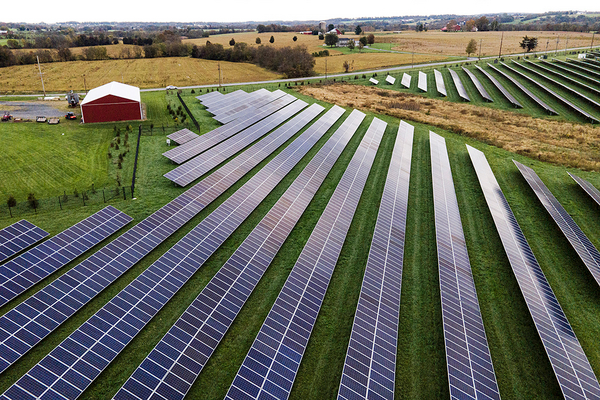
While theoretical savings are compelling, farmers need concrete figures to make informed decisions. Based on installations across diverse agricultural operations, we’ve compiled real-world financial outcomes that demonstrate the actual impact of solar investments on farm profitability.
Average Energy Cost Reduction: 50-75% Lower Bills
Most agricultural operations see immediate electricity bill reductions between 50-75% after solar installation. A 100-acre vegetable farm in California reduced its $24,000 annual electricity costs to just $6,800 after installing a 75kW system, representing a 72% savings. Dairy operations, which typically have high electricity demands for milk cooling and equipment, often achieve similar results. A 200-cow dairy in Wisconsin slashed its $18,500 annual energy bill to $7,200 through a properly sized solar array.
Irrigation-heavy operations experience some of the most dramatic savings. A 150-acre irrigated row crop farm in Nebraska reduced pumping costs from $15,000 annually to just $3,200 after solar installation – a remarkable 79% reduction. These savings translate directly to improved profit margins, especially important during periods of commodity price volatility.
Payback Period: When Your System Starts Making Money
After accounting for all available incentives, most farm solar installations reach payback within 4-7 years. System size, local electricity rates, and available incentives all influence this timeline. A 50kW system installed on a poultry operation in Georgia achieved complete payback in just 4.2 years due to the combination of federal tax credits, REAP grant funding, and high local electricity rates of $0.14/kWh. In contrast, a similar-sized system in Washington state with lower electricity prices ($0.08/kWh) reached payback in 6.8 years.
What’s remarkable about agricultural solar investments is what happens after the payback period. Once the system is paid off, your farm essentially receives free electricity for the remaining lifespan of the equipment – typically 25+ years. This represents two decades of substantial operational cost advantage over competitors still paying utility rates that continue to rise annually.
20-Year Savings Projection for Different Farm Types
Farm Type
System Size
Initial Investment*
Annual Savings
20-Year Total Savings
Dairy (200 cows)
100kW
$150,000
$14,500
$367,000
Poultry (4 houses)
75kW
$112,500
$10,800
$273,000
Row Crops (irrigated)
60kW
$90,000
$8,600
$218,000
Greenhouse Operation
40kW
$60,000
$5,700
$144,000
The figures above include projected utility rate increases of 3% annually, consistent with historical trends. Most farms experience even greater savings when factoring in additional benefits like depreciation and property value increases. These projections are conservative and don’t account for potential revenue from carbon credits or renewable energy certificates that may become more valuable as markets develop.
Maintenance Costs vs. Energy Savings
Solar systems require minimal maintenance, typically limited to occasional panel cleaning and inverter checks. Annual maintenance costs average just $300-$500 for typical farm installations, representing less than 5% of the energy savings generated. Most manufacturers recommend professional inspection every 2-3 years at a cost of $200-$300 per visit. Modern monitoring systems alert owners to performance issues, minimizing production losses and ensuring maximum financial returns.
Inverter replacement represents the most significant maintenance expense, typically occurring once during a system’s lifetime at years 12-15. This costs approximately 10% of the original system price but is easily offset by accumulated savings. Many farmers include this projected expense in their financial planning, effectively setting aside a small portion of annual savings to cover this anticipated cost.

Farm-Specific Solar Applications That Cut Costs
Different agricultural operations have unique energy needs and opportunities. Strategic implementation of solar technology for specific farm applications can maximize financial returns and operational benefits.
Irrigation Systems Powered by Solar
Solar-powered irrigation represents one of the most impactful applications of renewable energy on farms. By connecting solar arrays directly to pumping systems, farmers eliminate one of their largest electricity expenses while gaining independence from grid reliability issues. Direct-drive solar irrigation systems operate during daylight hours without batteries, perfectly aligning energy production with water needs. For operations requiring more flexible timing, battery storage or grid-tied systems provide additional options.
The economics of solar irrigation are particularly compelling. A 10-horsepower pump typically requires a 7-8kW solar array, costing $14,000-$18,000 before incentives. When accounting for available tax credits and USDA grants, farmers often recoup this investment within 3-5 years. Compared to the ongoing costs of grid electricity or diesel generators, solar irrigation delivers immediate positive cash flow and insulation from rising energy prices.
Barn and Outbuilding Energy Independence
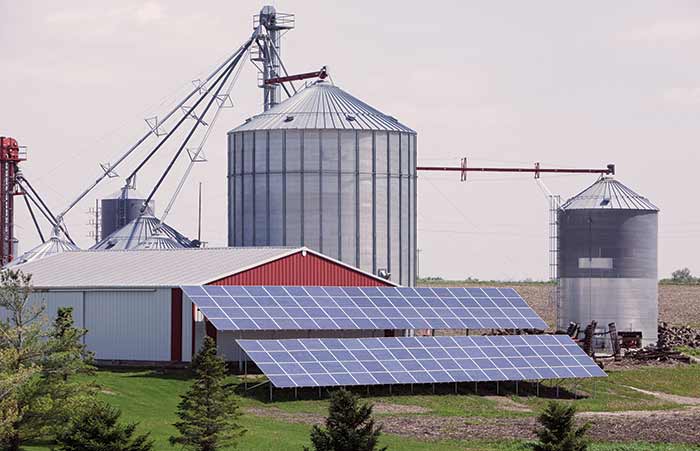
Agricultural buildings with substantial roof space present ideal opportunities for solar installation. Barns, equipment sheds, and processing facilities often have large, unobstructed south-facing roof areas that accommodate significant solar capacity. These installations serve dual purposes – generating electricity while utilizing otherwise unproductive space. Rooftop systems typically cost 10-15% less than ground-mounted alternatives because they eliminate the need for extensive racking structures.
Livestock operations benefit particularly from building-mounted solar. Poultry houses, which require significant electricity for ventilation and climate control, can offset 60-80% of their energy needs through rooftop solar. Dairy barns with milk cooling systems see similar advantages, especially when solar production aligns with peak milking times. Many farmers strategically oversize these systems to cover additional farm needs through net metering arrangements.
Cold Storage and Processing Equipment
For farms involved in value-added production or direct marketing, refrigeration and processing equipment represent major energy demands. Solar systems paired with efficient storage technology can dramatically reduce these operational costs. Modern cold storage facilities equipped with solar arrays often incorporate phase-change materials or thermal mass systems that store cooling capacity during peak solar production hours. This approach allows refrigeration systems to run primarily during daylight hours while maintaining temperatures throughout the night.
Matching solar capacity to processing schedules creates additional efficiencies. Farms can schedule energy-intensive activities like washing, sorting, and packaging during peak solar production periods. This load-shifting strategy maximizes self-consumption of solar electricity and reduces demand charges from utilities. For seasonal operations with preservation needs, solar systems sized for peak summer production align perfectly with both harvest activities and maximum solar generation.
The Residence: Where the Farmer and His Family Lives
While commercial agricultural applications typically deliver the highest solar ROI, don’t overlook farm residences when planning renewable energy systems. Incorporating the farmhouse into your solar strategy allows for additional capacity under agricultural incentive programs while addressing household energy needs. Many states permit agricultural solar incentives to cover residential usage provided the home is part of the farming operation.
This comprehensive approach creates practical advantages beyond simple economics. A unified system simplifies monitoring and maintenance while potentially qualifying for larger incentive packages. From a financial perspective, covering both farm and household electricity provides greater insulation from utility rate increases across all aspects of your operation and life.
Here’s a table outlining farm-specific solar applications and how each can reduce costs for farmers:
|
Solar Application |
Description & Use Case |
Cost-Saving Mechanism |
Additional Benefits |
Source |
|---|---|---|---|---|
|
Solar Irrigation Systems |
Solar-powered pumps for crop irrigation |
Eliminates diesel/electric pump fuel costs; lowers maintenance |
Enables irrigation in off-grid areas; increases crop reliability | |
|
Solar-Powered Refrigeration |
Solar energy runs cold storage for produce, dairy, or meat |
Reduces electricity bills for cooling; prevents spoilage losses |
Supports product quality and market access | |
|
Solar for General Electricity Needs |
Solar panels supply power for lighting, ventilation, and farm equipment |
Offsets or eliminates grid electricity costs; shields from energy price volatility |
Energy independence; predictable expenses | |
|
Agrivoltaics (Dual Use) |
Crops grown under/around solar panels (shade farming) |
Reduces water use and increases yields (up to 100-300% for some crops) |
Land optimization; climate resilience | |
|
Solar Water Pumping |
Solar pumps for livestock watering or remote tanks |
Cuts fuel/electricity costs for water delivery |
Reliable supply in remote pastures | |
|
Battery Storage Integration |
Solar with batteries to store excess energy for night use or cloudy days |
Maximizes solar use, reducing need for grid/diesel backup |
Improved energy resilience | |
|
Net Metering/Selling Excess Power |
Selling surplus solar electricity back to the grid |
Generates additional income; offsets installation costs |
Diversifies farm revenue streams | |
|
Solar-Powered Electric Fencing |
Solar panels power electric fences for livestock management |
Avoids cost of running power lines or using batteries |
Flexible fencing in remote locations | |
|
Solar Dryers |
Solar-powered dryers for grains, fruits, or herbs |
Reduces fuel/electricity costs for drying; minimizes post-harvest losses |
Improves product quality |
Solar applications tailored to farm operations can significantly reduce costs, improve resilience, and even generate new income, making them a strategic investment for modern agriculture.
“Balancing Solar Energy and Agriculture …” from farmonaut.com and used with no modifications.
Solar + Agriculture: Making Money from Both Sun and Soil
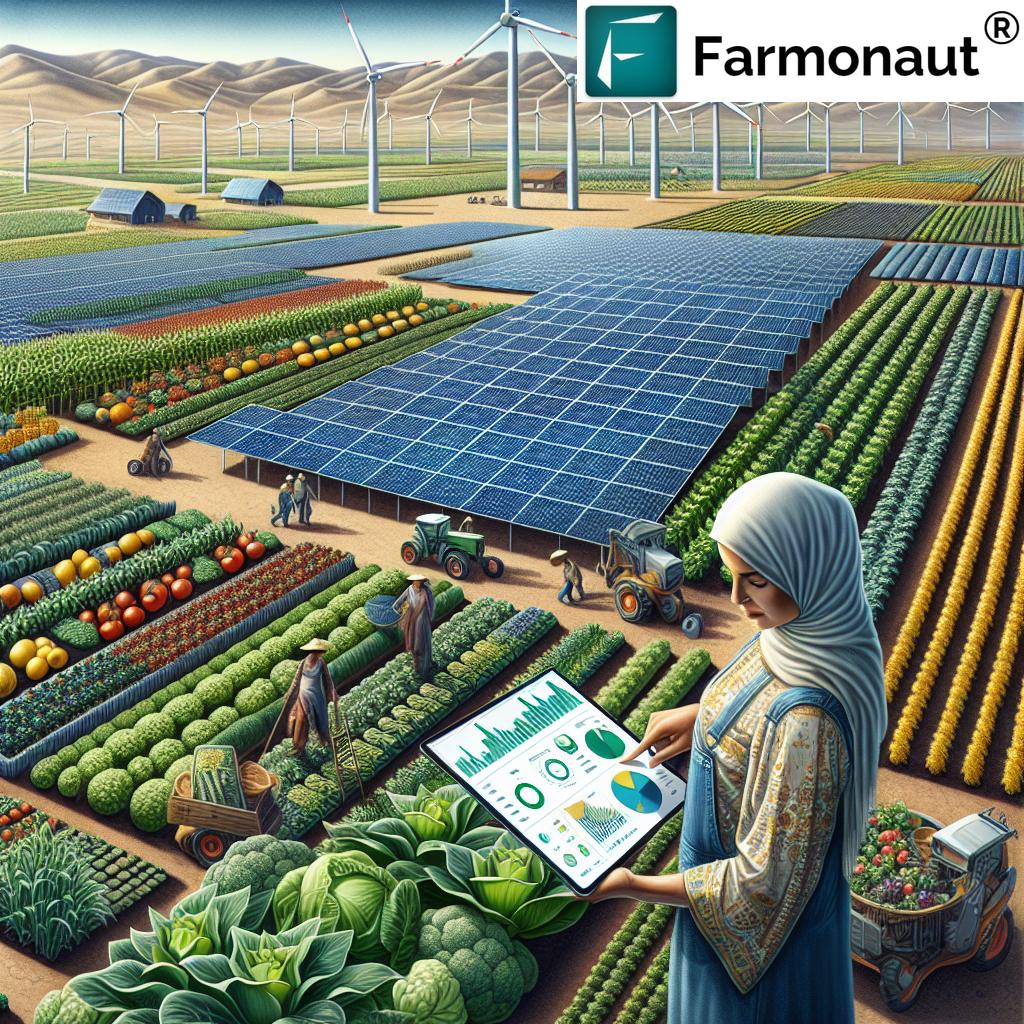
Forward-thinking farmers are discovering innovative ways to generate dual income streams from the same land, combining traditional agricultural production with solar energy generation. These complementary approaches maximize land productivity and create diversified revenue sources.
Agrivoltaics: Growing Crops Under Solar Panels
Agrivoltaics – the practice of growing crops beneath solar panels – represents one of the most promising developments in agricultural solar implementation. Research from the University of Arizona demonstrates that certain crops actually perform better under the partial shade of solar arrays, particularly in hot, dry climates. Leafy greens, root vegetables, and some berries have shown yield increases of 10-30% when grown under properly designed solar installations compared to full-sun conditions.
The economic advantages are substantial. Land that previously generated only agricultural income now produces both food and energy, effectively doubling its productive capacity. A well-designed agrivoltaic system on a single acre can generate $10,000-$15,000 in annual electricity value while still producing 80-90% of normal crop yields. This approach is particularly valuable for small and medium-sized farms seeking to maximize returns from limited acreage.
Implementation requires specialized solar mounting systems that raise panels higher (typically 8-12 feet) and space them to allow sufficient light penetration for plant growth. While these systems cost approximately 15-20% more than standard solar installations, the combined revenue streams easily justify the additional investment. Adjustable panels that can modify tilt angles throughout the growing season represent the cutting edge of this technology, optimizing both energy and crop production.
Grazing Livestock Around Solar Installations
Integrating grazing livestock with solar installations creates perfect symbiosis between renewable energy and agriculture. Sheep are particularly well-suited for solar grazing, naturally maintaining vegetation height without damaging equipment. A five-acre solar installation typically requires approximately $2,000-$3,000 annually for mechanical vegetation management, costs that can be eliminated or converted to income through grazing arrangements. Farmers report that solar arrays also provide beneficial shade for livestock during hot weather, improving animal welfare and potentially increasing weight gain. For more insights on solar panel placement, check out this solar panel placement guide.
Financing Your Farm Solar Project Without Upfront Costs
The initial investment for solar installations remains the primary barrier for many farmers, despite the compelling long-term economics. Fortunately, several financing options exist that eliminate or dramatically reduce upfront costs, allowing immediate positive cash flow from solar investments.
Understanding available financing options is crucial for making informed decisions about solar implementation. The right financing approach can transform solar from a capital expense into an operational one, preserving farm capital for other investments while still capturing energy savings. For more insights, explore the benefits of solar panels in farming operations.
Agricultural Solar Loans with Low Interest Rates
Specialized agricultural solar loans offer some of the most advantageous financing terms available. The USDA’s Rural Energy for America Program (REAP) provides loan guarantees that encourage private lenders to offer favorable rates and terms for renewable energy projects. These guarantees typically result in interest rates 1-2% lower than standard commercial loans and extended repayment periods of 15-20 years that match the productive lifespan of solar equipment. For more details on how solar can benefit your farm, check out solar farming benefits.
Farm Credit associations have developed specific solar lending programs with interest rates currently ranging from 4.5-6% and terms up to 20 years. These loans are structured to ensure that energy savings exceed monthly loan payments from the first year, creating immediate positive cash flow. Many agricultural lenders also offer seasonal payment schedules that align with farm income patterns, reducing financial strain during low-revenue periods.
When evaluating loan options, pay particular attention to prepayment terms and collateral requirements. The best agricultural solar loans use only the solar equipment as collateral, leaving other farm assets unencumbered. This approach preserves borrowing capacity for other operational needs while isolating the solar investment as a standalone project.
Power Purchase Agreements for Zero-Down Installation
Power Purchase Agreements (PPAs) enable farmers to host solar systems owned by third-party investors who handle all installation and maintenance costs. The farm simply purchases the electricity produced at a predetermined rate that’s typically 15-30% below utility prices. This arrangement requires zero upfront investment while immediately reducing energy expenses. Most agricultural PPAs include options to purchase the system after 5-7 years, allowing farmers to capture even greater savings once the initial tax benefits have been utilized by the investor.
Equipment Leasing Options for Solar Arrays
Solar equipment leases provide another zero-down option for agricultural operations. Similar to leasing farm equipment, these arrangements spread costs over 7-10 years with fixed monthly payments. The key advantage of leasing is simplicity – the lease provider handles system design, permitting, and installation while the farmer receives immediate energy savings. Most agricultural solar leases include maintenance packages that eliminate unexpected repair costs. At lease end, farmers typically have options to purchase the system at fair market value, extend the lease, or have the equipment removed.
Conclusion
Solar energy has evolved from an environmental choice to an essential financial strategy for forward-thinking agricultural operations. With potential electricity savings of 50-75%, rapid payback periods, and multiple financing options, farm solar installations deliver immediate benefits while building long-term energy independence. By strategically implementing renewable energy technologies tailored to specific agricultural needs, today’s farmers can significantly reduce operational costs while contributing to a more sustainable food system. Explore how 8MSolar can help your farm harness the financial power of the sun while continuing your essential work of feeding our communities.
Frequently Asked Questions
As you consider solar energy for your agricultural operation, you likely have specific questions about implementation, costs, and benefits. We’ve compiled answers to the most common questions farmers ask when evaluating solar investments.
How long do solar panels last on a farm property?
Modern solar panels installed on farms typically carry 25-year manufacturer warranties but often continue producing electricity at 80%+ efficiency for 30-35 years. The actual productive lifespan depends on several factors including panel quality, installation method, and environmental conditions. Premium panels from manufacturers like LG, SunPower, and REC tend to maintain higher efficiency over time, justifying their slightly higher initial cost through extended production. Inverters generally require replacement after 12-15 years, representing the most common maintenance expense during a system’s lifetime.
Can I install solar panels myself to save on installation costs?
While DIY installation is technically possible, it generally doesn’t make financial sense for agricultural systems due to several important factors. For a deeper understanding of solar panel technology and its benefits in farming, explore the science powering farmers’ operations.
- Self-installed systems may not qualify for certain tax incentives and grants that require professional certification
- Improper installation can void manufacturer warranties and reduce system efficiency
- Commercial-scale systems require specialized electrical expertise and equipment
- Professional installers handle permitting, utility interconnection, and incentive paperwork
- Insurance companies often require professional installation for coverage
If you’re determined to reduce costs through personal involvement, consider a hybrid approach. Some installers allow farm owners to handle site preparation, trenching, or mounting system assembly while professionals manage the electrical connections and final commissioning. This approach can reduce labor costs by 10-15% while preserving incentive eligibility and warranty protection.
For maximum savings, focus instead on becoming an informed customer who can effectively evaluate competing bids. Getting quotes from 3-4 qualified installers typically saves more money than attempting self-installation while ensuring optimal system performance.
Will solar panels work effectively in areas with frequent cloud cover?
Solar panels generate electricity even during cloudy conditions, typically producing 10-25% of their rated capacity depending on cloud density. Regions with frequent cloud cover simply require larger systems to achieve the same energy output. Germany, which has similar solar resources to Seattle, Washington, remains one of the world’s leading solar producers despite its cloudy climate. Modern panel technologies with improved low-light performance have further enhanced production in cloudy conditions.
Financial returns in cloudy regions remain strong, particularly when local electricity rates are high. Farms in the Northeast and Pacific Northwest often achieve payback periods comparable to sunnier locations due to higher avoided electricity costs. When evaluating potential solar production, installers should provide performance estimates based on local solar irradiance data that accounts for typical cloud patterns throughout the year.
How do extreme weather conditions affect farm solar systems?
Agricultural solar installations are engineered to withstand harsh farm environments including high winds, hail, snow loads, and temperature extremes. Quality systems are typically rated for winds up to 120-140 mph and hail impacts of 1-inch diameter at terminal velocity. Snow generally slides off panels installed at proper angles, though production decreases temporarily during snow coverage. Most installations include lightning protection systems and proper grounding to prevent electrical damage during storms. For areas with extreme weather concerns, specialized mounting systems and impact-resistant panels provide additional protection with minimal additional cost.
Can I combine solar with other renewable energy sources on my farm?
Hybrid renewable systems that combine solar with wind, biomass, or other technologies can provide more consistent energy production and maximize self-sufficiency. Solar-wind hybrid systems work particularly well in agricultural settings where open land offers good wind resources. These complementary technologies often produce energy on different schedules – wind turbines frequently generate more power during evening hours and cloudy days when solar production decreases.
For livestock operations, combining solar with biogas digesters creates an especially effective energy system. The digesters convert animal waste into usable methane that can fuel generators during periods of low solar production. This approach not only provides 24-hour renewable energy but also addresses waste management challenges.
Battery storage systems represent another valuable addition to farm solar installations. Strategic battery deployment allows you to store excess daytime solar production for evening use or power critical systems during grid outages. As battery costs continue to decline, these hybrid systems become increasingly cost-effective, particularly for operations with essential equipment that cannot tolerate power interruptions.
When designing hybrid renewable systems, focus on your farm’s specific energy usage patterns and critical loads. The optimal mix of technologies depends on your local resources, energy requirements, and financial goals. An experienced renewable energy consultant can help design an integrated system that maximizes both reliability and return on investment.







Leave a Reply