
Key Takeaways
- Solar-powered irrigation systems provide a sustainable solution for remote farmers, reducing reliance on fossil fuels.
- These systems harness solar energy to power water pumps, offering a reliable and cost-effective irrigation method.
- Implementing solar-powered irrigation can improve crop yields and ensure food security in regions with limited resources.
- Initial costs can be high, but long-term savings on energy expenses make these systems economically viable.
- Challenges include maintenance and weather dependency, but advancements in technology are addressing these issues.
The Role of Solar-Powered Irrigation in Remote Farming
Solar-powered irrigation systems are transforming the landscape of remote farming by providing an efficient and sustainable way to water crops. These systems are particularly beneficial in areas where traditional energy sources are scarce or unreliable. By utilizing solar energy, farmers can maintain consistent irrigation schedules, which is crucial for maximizing crop yields.
In many parts of the world, farmers face the challenge of accessing affordable and reliable energy for irrigation. This is where solar-powered systems come into play, offering a viable alternative that not only supports agricultural productivity but also promotes environmental sustainability.
Introduction to Solar-Powered Irrigation
Solar-powered irrigation involves using solar panels to convert sunlight into electricity, which then powers water pumps. These pumps draw water from sources such as rivers, lakes, or underground wells to irrigate crops. The process is simple yet effective, providing a steady water supply without the need for external power sources.
The technology behind solar-powered irrigation is not new, but its application in agriculture has gained momentum in recent years. As the cost of solar panels decreases and their efficiency increases, more farmers are adopting this technology to meet their irrigation needs.
Most importantly, solar-powered irrigation systems are scalable. They can be tailored to suit the specific needs of a farm, whether it’s a small plot or a large agricultural enterprise. This flexibility makes them an attractive option for farmers looking to optimize their irrigation practices.
Importance for Remote Farming
Remote farming often comes with a unique set of challenges, including limited access to electricity and water. Solar-powered irrigation systems address these challenges by providing a self-sufficient solution that does not rely on external power grids. This independence is crucial for farmers in isolated areas who need reliable irrigation to sustain their crops.
Besides that, solar-powered systems contribute to environmental conservation by reducing the carbon footprint associated with traditional irrigation methods. By eliminating the need for diesel or electric pumps, these systems help decrease greenhouse gas emissions, supporting the global effort to combat climate change.

How Solar-Powered Irrigation Systems Work on Remote Farms
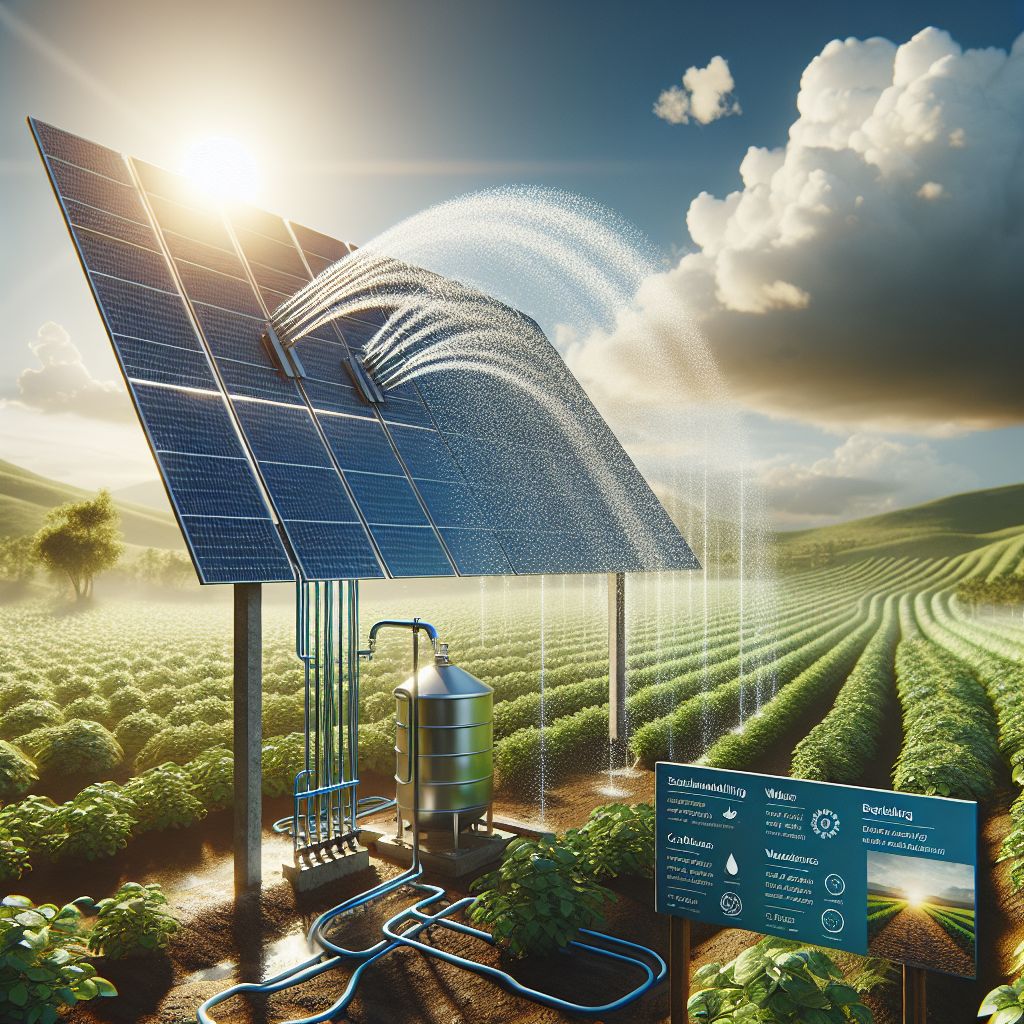
Understanding the mechanics of solar-powered irrigation systems is key to appreciating their benefits. At the core of these systems are solar panels, which capture sunlight and convert it into electricity. This electricity is then used to power water pumps that transport water to the fields.
Components of the Solar-Powered System Used on a Remote Farm
A typical solar-powered irrigation system consists of several key components:
- Solar Panels: These are the heart of the system, capturing sunlight and converting it into electrical energy.
- Inverter: Converts the direct current (DC) generated by the solar panels into alternating current (AC) used by most irrigation pumps.
- Water Pump: Powered by the electricity from the solar panels, it moves water from the source to the crops.
- Water Storage: Tanks or reservoirs that store water for use during cloudy days or at night.
- Distribution System: Pipes and sprinklers that deliver water evenly across the fields.
Here’s a table comparing the different solar panel you can use in with an Irrigation system:
|
Solar Panel Type |
Efficiency |
Cost per Watt |
Pros |
Cons |
|---|---|---|---|---|
|
Monocrystalline |
17-22% |
$1.00 – $1.50 |
– Highest efficiency. 1, 3 |
– Most expensive option. 1, 3 |
|
Polycrystalline |
13-17% |
$0.90 – $1.20 |
– Lower cost than monocrystalline. 1, 3 |
– Slightly lower efficiency. 1, 3 |
|
Thin-Film |
10-13% |
$0.70 – $1.00 |
– Lowest cost. 1, 3 |
– Lowest efficiency. 1, 3 |
Harnessing Solar Energy
Solar energy is a clean and renewable resource that can be harnessed effectively for irrigation purposes. The core of this technology lies in solar panels, which capture sunlight and convert it into electrical energy. This process is known as the photovoltaic effect, where sunlight strikes the photovoltaic cells in the panels, causing them to generate direct current (DC) electricity.
Once generated, this DC electricity needs to be converted into alternating current (AC) to power the irrigation pumps. This is achieved through an inverter, which seamlessly transforms the energy, making it suitable for agricultural applications. By leveraging this technology, farmers can access a sustainable and consistent power source, significantly reducing their dependence on traditional fossil fuels.
Irrigation Process Explanation
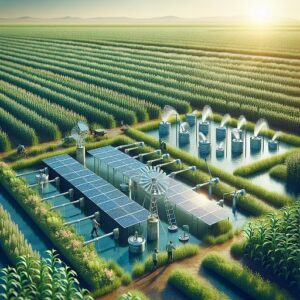
The irrigation process in solar-powered systems is designed to be efficient and straightforward. After the solar panels convert sunlight into electricity, the energy powers a water pump. This pump draws water from sources such as rivers, lakes, or underground wells, delivering it to the crops through a network of pipes and sprinklers.
- Water Source: Water can be sourced from nearby natural bodies or stored in reservoirs for later use.
- Pumping System: The pump, powered by solar energy, moves water from the source to the fields.
- Distribution Network: A system of pipes and sprinklers ensures that water is evenly distributed across the crops.
- Storage Solutions: Tanks or reservoirs store excess water for use during non-sunny periods.
This process not only ensures that crops receive adequate water but also optimizes water usage by minimizing waste. The use of storage solutions allows for a consistent water supply, even during cloudy days or at night, ensuring that irrigation schedules are maintained without interruption.
“Solar-powered irrigation systems are a game-changer for farmers in remote areas, providing a sustainable and reliable solution for watering crops.” – Agricultural Innovations Journal

Benefits of Using Solar-Powered Irrigation Systems in Remote Farming
Solar-powered irrigation systems offer a multitude of benefits, particularly for remote farming communities. These advantages extend beyond mere energy savings, impacting environmental sustainability, economic viability, and agricultural productivity.
One of the most significant benefits is the reduction in fossil fuel dependence. Traditional irrigation methods often rely on diesel or electric pumps, which are not only costly but also contribute to environmental pollution. By switching to solar-powered systems, farmers can significantly decrease their carbon footprint, supporting global efforts to combat climate change.
Reduction in Fossil Fuel Dependence
By utilizing solar energy, farmers can drastically cut down on the use of fossil fuels. This shift not only reduces greenhouse gas emissions but also lowers the overall operational costs associated with fuel consumption. Solar energy is abundant and free, making it an economically attractive option for farmers looking to reduce their reliance on non-renewable energy sources.
Moreover, the volatility of fuel prices can be a significant burden for farmers, especially in remote areas where transportation costs add to the expense. Solar-powered irrigation systems eliminate these uncertainties, providing a stable and predictable energy source that can help farmers plan their budgets more effectively.
Environmental Advantages
The environmental benefits of solar-powered irrigation systems are profound. By reducing the need for fossil fuels, these systems contribute to a cleaner and healthier environment. They help decrease air pollution and mitigate the effects of climate change, ensuring that future generations can enjoy a sustainable planet.
Cost Efficiency and Economic Sustainability
While the initial investment for solar-powered irrigation systems can be substantial, the long-term savings on energy costs make them economically viable. Once installed, these systems require minimal operational expenses, allowing farmers to allocate their resources more efficiently. Additionally, many governments and organizations offer incentives and subsidies to encourage the adoption of solar technology, further enhancing its economic appeal.
Improving Crop Yields and Food Security
Consistent and reliable irrigation is crucial for maximizing crop yields and ensuring food security. Solar-powered systems provide a dependable water supply, enabling farmers to maintain optimal growing conditions throughout the year. This reliability is particularly important in regions prone to droughts or erratic weather patterns, where traditional irrigation methods may fall short.
Solar-powered irrigation systems offer numerous benefits for remote farming operations. Here’s a table summarizing the key advantages:
|
Benefit |
Description |
|---|---|
|
Energy Independence |
Reduces reliance on grid power or fossil fuels, enabling irrigation in remote areas without access to traditional power sources. 1, 4 |
|
Cost-Effectiveness |
Lowers operational costs by eliminating fuel expenses and reducing electricity bills. 3, 4 |
|
Environmental Sustainability |
Operates without greenhouse gas emissions, promoting eco-friendly farming practices. 3 |
|
Increased Water Access |
Provides reliable water supply in drought-prone areas, mitigating risks of crop failure. 3 |
|
Improved Crop Yields |
Ensures consistent water supply, leading to increased productivity and better-quality produce. 3 |
|
Scalability |
Allows farmers to easily adjust their irrigation systems based on farm size and needs. 3 |
|
Easy Installation and Mobility |
Requires no complex wiring, making it simple to install, relocate, or adapt to crop rotation. 4 |
|
Remote Monitoring |
Enables real-time monitoring of field conditions (e.g., soil moisture, temperature) in distant locations. 4 |
|
Precision Irrigation |
Supports smart systems that optimize water usage based on crop needs and environmental conditions. 1, 4 |
|
Rural Electrification |
Contributes to electrification in remote areas, improving overall agricultural practices. 4, 5 |
This table highlights how solar-powered irrigation systems address key challenges faced by remote farmers, offering sustainable and efficient solutions for agricultural operations in off-grid locations.

Challenges and Considerations for Running a Solar-Powered Irrigation Systems on a Remote Farm
Despite their numerous advantages, solar-powered irrigation systems are not without challenges. Farmers must consider several factors when implementing these systems to ensure their success and longevity.
Initial Investment Costs
The upfront costs of installing solar-powered irrigation systems can be a barrier for many farmers. Solar panels, inverters, pumps, and distribution networks require a significant financial outlay. However, it’s essential to view this investment as a long-term solution that offers substantial returns in the form of energy savings and increased productivity. For more information on selecting the right solar panels, consider these factors to consider.
Dependence on Weather Conditions
Solar-powered systems rely heavily on sunlight, which means their efficiency can be affected by weather conditions. In regions with frequent cloudy days or during the rainy season, the energy output may decrease, impacting the irrigation schedule. To mitigate this, farmers can invest in storage solutions that allow them to store excess water or energy for use during less sunny periods.
Maintenance Needs
Regular maintenance is crucial to ensure the optimal performance of solar-powered irrigation systems. This includes cleaning the solar panels to remove dust and debris, checking the pumps and inverters for any signs of wear, and ensuring the distribution network is functioning correctly. While maintenance requirements are generally low, neglecting them can lead to decreased efficiency and increased repair costs.
|
Challenge |
Solution |
|---|---|
|
High Initial Costs |
Seek government subsidies and incentives to offset expenses. |
|
Weather Dependency |
Implement water and energy storage solutions for consistency. |
|
Maintenance Requirements |
Establish a regular maintenance schedule to prevent issues. |
Addressing these challenges requires careful planning and a willingness to invest in the necessary infrastructure. By doing so, farmers can ensure that their solar-powered irrigation systems operate efficiently and deliver the expected benefits.
Ultimately, the key to successful implementation lies in understanding the specific needs of the farm and tailoring the system to meet those needs. With the right approach, solar-powered irrigation can revolutionize remote farming, providing a sustainable and reliable solution for years to come.

Case Studies of Solar-Powered Irrigation
Examining real-world examples of solar-powered irrigation systems can provide valuable insights into their effectiveness and potential for broader adoption.
Successful Implementations in Africa
In Africa, solar-powered irrigation systems have been successfully implemented in various regions, transforming the agricultural landscape. For instance, in Kenya, farmers have reported increased crop yields and reduced water wastage after switching to solar-powered systems. These systems have enabled them to cultivate crops year-round, improving food security and economic stability.
Similarly, in Ethiopia, solar-powered irrigation projects have empowered smallholder farmers by providing access to affordable and sustainable energy. These initiatives have not only improved agricultural productivity but also contributed to community development by creating jobs and supporting local economies.
Lessons Learned from Asia and South America
In Asia, countries like India and Bangladesh have embraced solar-powered irrigation as a means to combat water scarcity and boost agricultural output. Farmers in these regions have benefited from reduced energy costs and increased resilience to climate change. The success of these projects highlights the importance of government support and community involvement in promoting sustainable farming practices.
In South America, solar-powered irrigation systems have been used to address the challenges of remote farming in countries like Brazil and Peru. These systems have proven effective in improving water management and enhancing crop yields, demonstrating their potential to support sustainable agriculture on a global scale.
Future Prospects for Solar-Powered Irrigation
The future of solar-powered irrigation looks promising, with technological advancements and increasing awareness of sustainable farming practices driving its adoption. As more farmers recognize the benefits of solar energy, we can expect a significant shift towards renewable energy solutions in agriculture.
“The global market for solar-powered irrigation systems is expected to grow significantly, driven by the need for sustainable agricultural practices and the decreasing cost of solar technology.” – International Renewable Energy Agency
Technological innovations continue to enhance the efficiency and affordability of solar-powered systems, making them accessible to more farmers worldwide. As the technology evolves, we can anticipate even greater improvements in performance and cost-effectiveness.
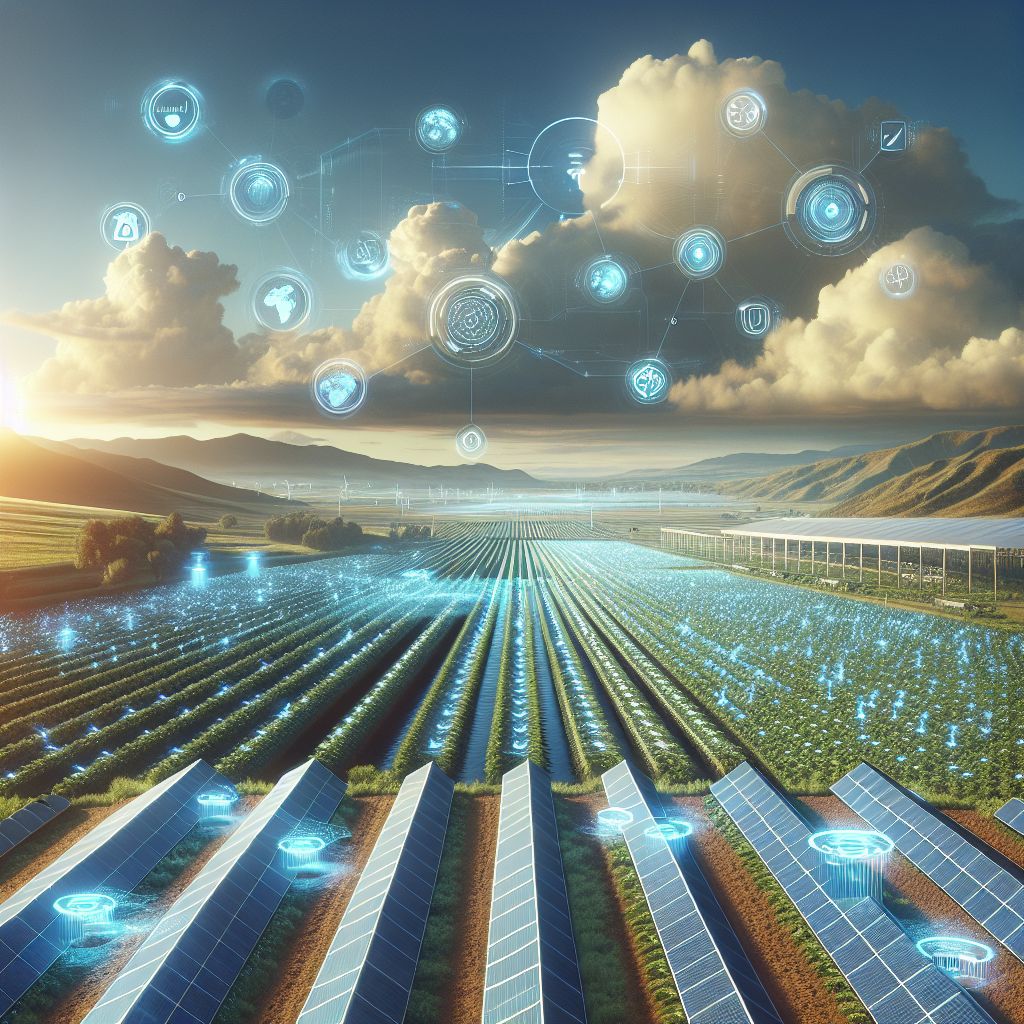
Most importantly, the integration of smart technologies, such as remote monitoring and automated controls, is set to revolutionize solar-powered irrigation. These advancements will enable farmers to optimize water usage, monitor system performance, and make data-driven decisions to enhance crop yields. For more insights, explore the impact of solar irrigation on farm analysis and examples.
Technological Advancements
Recent advancements in solar technology have led to the development of more efficient solar panels, capable of generating higher energy outputs even in low-light conditions. This progress is crucial for ensuring the reliability of solar-powered irrigation systems, particularly in regions with variable weather patterns.
Moreover, innovations in energy storage solutions, such as improved battery technologies, are addressing the challenge of energy availability during non-sunny periods. These advancements ensure that farmers have access to a consistent power supply, enabling uninterrupted irrigation schedules.
Potential Global Impact
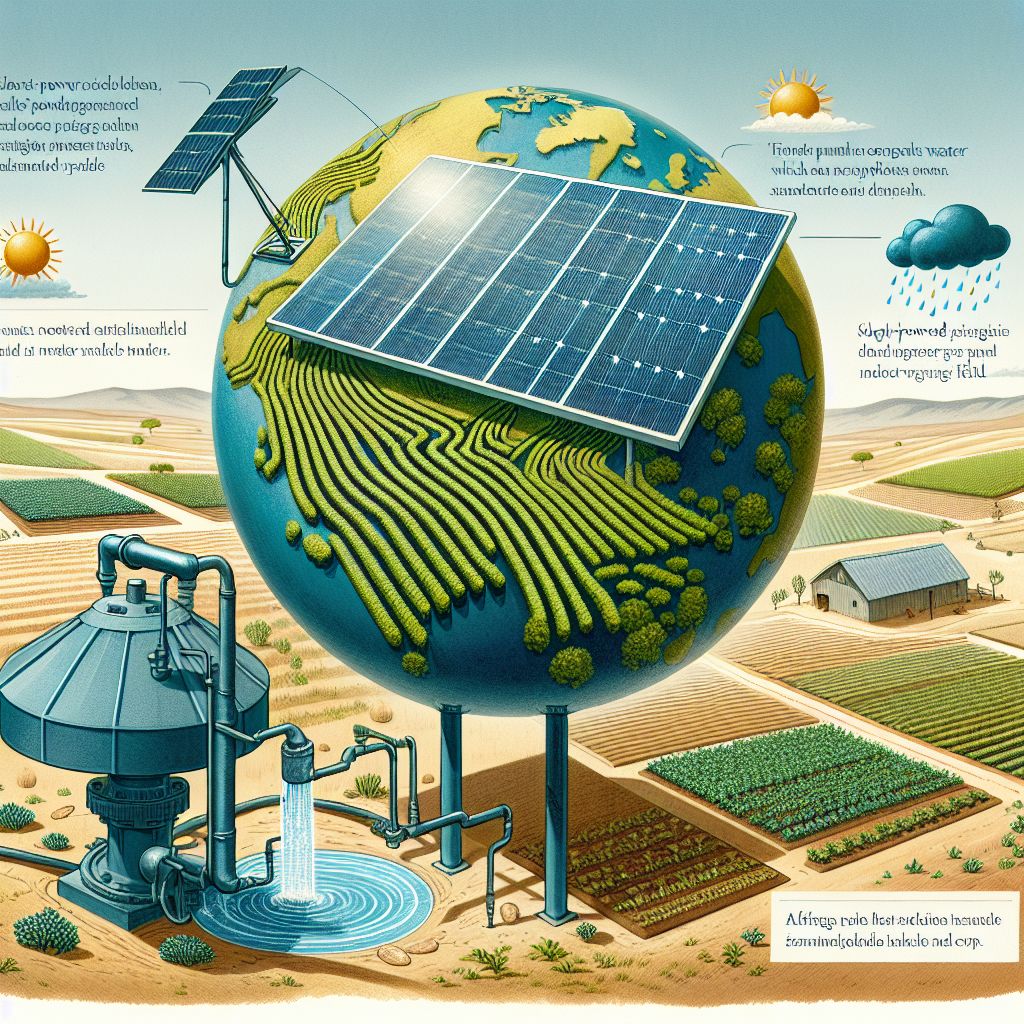
The global impact of solar-powered irrigation systems extends beyond individual farms. By reducing reliance on fossil fuels and minimizing environmental pollution, these systems contribute to global efforts to combat climate change. Furthermore, they support food security by ensuring that farmers can maintain consistent crop production, even in the face of challenging environmental conditions.
Conclusion
Solar-powered irrigation systems offer a sustainable and reliable solution for remote farming, addressing the challenges of energy access and environmental sustainability. By harnessing the power of the sun, these systems provide a consistent water supply, improving crop yields and supporting food security.
- Initial costs can be offset by government incentives and subsidies, making solar-powered systems economically viable in the long run.
- Technological advancements continue to enhance the efficiency and affordability of solar-powered irrigation, expanding its potential for adoption worldwide.
- Despite challenges such as weather dependency and maintenance needs, solar-powered systems offer significant environmental and economic benefits.
In conclusion, solar-powered irrigation systems represent a transformative approach to sustainable agriculture, empowering farmers to achieve greater productivity while minimizing their environmental impact.
Key Findings
The adoption of solar-powered irrigation systems is a crucial step towards achieving sustainable agriculture, particularly in remote farming communities. By reducing reliance on fossil fuels and improving water management, these systems contribute to environmental conservation and economic resilience.
Final Thoughts on Solar Irrigation Systems in Remote Farming
As we look to the future, it is essential to continue supporting the development and implementation of solar-powered irrigation systems. By fostering innovation and encouraging the adoption of renewable energy solutions, we can empower farmers to build a more sustainable and prosperous future for themselves and their communities.
Ultimately, the success of solar-powered irrigation systems lies in their ability to provide a reliable and cost-effective solution for farmers, enabling them to thrive in an increasingly challenging agricultural landscape.
Frequently Asked Questions (FAQ)
Solar-powered irrigation systems are gaining popularity, but many farmers still have questions about their implementation and benefits. Here are some common queries and answers to help you understand these systems better.
Is government support available for solar-powered irrigation in remote areas?
Yes, many governments offer incentives and subsidies to encourage the adoption of solar-powered irrigation systems. These programs can help offset the initial investment costs, making the technology more accessible to farmers.
In addition to financial support, some governments also provide technical assistance and training to ensure that farmers can effectively implement and maintain their solar-powered systems.
What is the primary advantage of solar-powered irrigation over traditional methods?
The primary advantage of solar-powered irrigation is its sustainability. By harnessing renewable solar energy, these systems reduce reliance on fossil fuels, lower operational costs, and minimize environmental pollution.
Additionally, solar-powered systems provide a consistent and reliable water supply, enabling farmers to maintain optimal irrigation schedules and improve crop yields.
How does solar-powered irrigation help in conserving water?
Solar-powered irrigation systems are designed to optimize water usage by delivering precise amounts of water to the crops. This reduces water wastage and ensures that crops receive the necessary hydration for healthy growth.
Are there government incentives for installing solar irrigation systems?
Many governments offer incentives, such as tax credits, grants, and low-interest loans, to promote the adoption of solar-powered irrigation systems. These incentives can significantly reduce the financial burden on farmers, making the technology more accessible.
It’s essential to research the specific incentives available in your region and take advantage of any programs that can support your transition to solar-powered irrigation.
What are the maintenance requirements for these systems?
Solar-powered irrigation systems require regular maintenance to ensure optimal performance. This includes cleaning the solar panels to remove dust and debris, checking the pumps and inverters for wear, and ensuring the distribution network is functioning correctly. For more insights, read about how solar-powered irrigation systems are enabling sustainable agriculture.
While maintenance requirements are generally low, neglecting them can lead to decreased efficiency and increased repair costs. Establishing a regular maintenance schedule is crucial for preventing issues and maximizing the system’s lifespan.
At night or on bad weather days, how does a solar-powered irrigation system work on a remote farm?
Solar-powered irrigation systems can incorporate energy storage solutions, such as batteries, to store excess energy generated during sunny periods. This stored energy can be used to power the irrigation system during cloudy days or at night.
Additionally, water storage solutions, such as tanks or reservoirs, can store excess water for use during non-sunny periods, ensuring a consistent water supply and uninterrupted irrigation schedules.
Remote farming has been revolutionized by the introduction of solar-powered irrigation systems. These systems are not only environmentally friendly but also cost-effective, providing a sustainable solution for farmers. By harnessing solar energy, farmers can reduce their dependency on traditional power sources and ensure a reliable water supply for their crops. For those interested in setting up such systems, understanding the setup and benefits of solar sprinkler irrigation systems is crucial.

Leave a Reply