

Key Takeaways
- Solar panels can significantly reduce energy costs on farms, providing a sustainable and renewable power source.
- Agrovoltaics allows farmers to grow crops and generate solar energy on the same land, optimizing space use.
- Solar-powered irrigation systems improve water efficiency, crucial for smart farming practices.
- Implementing solar technology can lead to lower carbon emissions and support environmental sustainability.
- Initial investment in solar panels can be high, but long-term savings and government incentives can offset costs.
Harnessing Solar Power in Smart Farming
Smart farming also known as smart agriculture, often referred to as precision agriculture, is revolutionizing the way we approach food production. It leverages technology to optimize the use of resources, improve crop yields, and reduce environmental impact. One of the most promising technologies in this field is solar power. By integrating solar panels into farm operations, we can create a more sustainable and efficient agricultural system.
What is Smart Farming
Smart farming is a modern agricultural practice that uses technology to increase efficiency and productivity. It involves the use of sensors, drones, GPS, and data analytics to monitor and manage crops, livestock, and resources. This approach allows farmers to make informed decisions and optimize their operations, resulting in higher yields and reduced waste.
Key components of smart farming include:
- Precision agriculture: Using data to guide planting, fertilizing, and harvesting decisions.
- Automated systems: Implementing robotics and machinery to perform tasks more efficiently.
- Resource management: Monitoring water, soil, and energy use to minimize waste.
Smart farming is the adoption of advanced technologies and data-driven farm operations to optimize and improve sustainability in agricultural production. Here’s a table explaining key aspects of smart farming:
|
Aspect |
Description |
|---|---|
|
Technologies Used |
IoT sensors, AI, GPS, GIS, UAVs, satellites, automation, robotics. 1, 2, 3 |
|
Data Collection | Real-time data on soil moisture, temperature, humidity, crop health, livestock behavior. 1 |
|
Data Analysis |
Advanced analytics and AI algorithms process data to provide actionable insights. 1 |
|
Precision Agriculture | GPS and GIS enable precise mapping of fields, optimizing planting and harvesting patterns. 1 |
|
Resource Optimization |
Smart irrigation systems and precise application of fertilizers and pesticides reduce waste. 1, 2 |
|
Crop Monitoring | UAVs and satellites capture high-resolution images to assess crop health and detect issues. 1 |
|
Livestock Management |
Sensors track animal activity and behavior to improve welfare and productivity. 2 |
|
Decision Making |
Data-driven insights enable informed decisions on crop and livestock management. 1 |
|
Environmental Impact |
Promotes sustainable farming by minimizing resource waste and chemical usage. 1 |
|
Yield Improvement |
Maximizes crop yields by identifying optimal planting times and crop varieties. 1 |
|
Climate Adaptation |
Helps farmers adapt to uncertainties brought by climate change. 2 |
Smart farming technologies are transforming traditional agricultural practices, increasing productivity, reducing environmental impact, and ensuring food security for the future 1.
Introduction to Solar Energy in Agriculture
Solar energy is a clean, renewable resource that has the potential to transform agriculture. By harnessing the power of the sun, farmers can reduce their reliance on fossil fuels and lower their carbon footprint. Solar panels convert sunlight into electricity, which can be used to power various farm operations, from irrigation systems to machinery.
Besides that, solar energy offers several benefits for agriculture:
- Cost savings: Reducing energy bills and providing a stable energy source.
- Environmental impact: Lowering greenhouse gas emissions and promoting sustainability.
- Energy independence: Reducing dependence on external energy sources.
Key Benefits of Solar Panels in Farming
Integrating solar panels into farming operations can offer numerous advantages. One of the most significant benefits is the reduction in energy costs. Farms often require substantial amounts of electricity for operations such as irrigation, heating, and cooling. By using solar panels, farmers can generate their own electricity, reducing their reliance on the grid and lowering their energy bills.
Moreover, solar panels contribute to environmental sustainability by reducing greenhouse gas emissions. As agriculture is a major contributor to climate change, adopting renewable energy sources like solar can help mitigate this impact. Additionally, solar panels require minimal maintenance and have a long lifespan, making them a cost-effective solution in the long run.
The Role of Solar Panels in Smart Farm Operations
Solar panels play a crucial role in smart farm operations by providing a reliable and sustainable energy source. They can power various technologies used in smart farming, such as sensors, automated systems, and data analytics tools. This allows farmers to monitor and manage their operations more effectively, leading to increased efficiency and productivity.
For example, solar-powered sensors can be used to monitor soil moisture levels, helping farmers optimize irrigation and reduce water waste. Similarly, solar energy can power drones and other automated systems used for crop monitoring and management. By integrating solar panels into their operations, farmers can enhance their smart farming practices and achieve better results.
Major Advantages of Solar-Powered Agriculture
The shift towards solar-powered agriculture brings several major advantages. Firstly, it enhances energy security by providing a stable and reliable power source. This is particularly important in rural areas where access to the grid may be limited or unreliable. By generating their own electricity, farmers can ensure their operations run smoothly without interruptions. For more information on how these systems work, explore this guide on solar panels for farmers.
Additionally, solar-powered agriculture supports environmental sustainability. By reducing reliance on fossil fuels, farmers can lower their carbon footprint and contribute to the fight against climate change. This not only benefits the environment but also improves the farm’s reputation and appeal to environmentally-conscious consumers.
Furthermore, solar energy can open up new revenue streams for farmers. In many regions, excess energy generated by solar panels can be sold back to the grid, providing an additional income source. This can help offset the initial investment costs and make solar technology more accessible to farmers.
Applications of Solar Technology on Farms
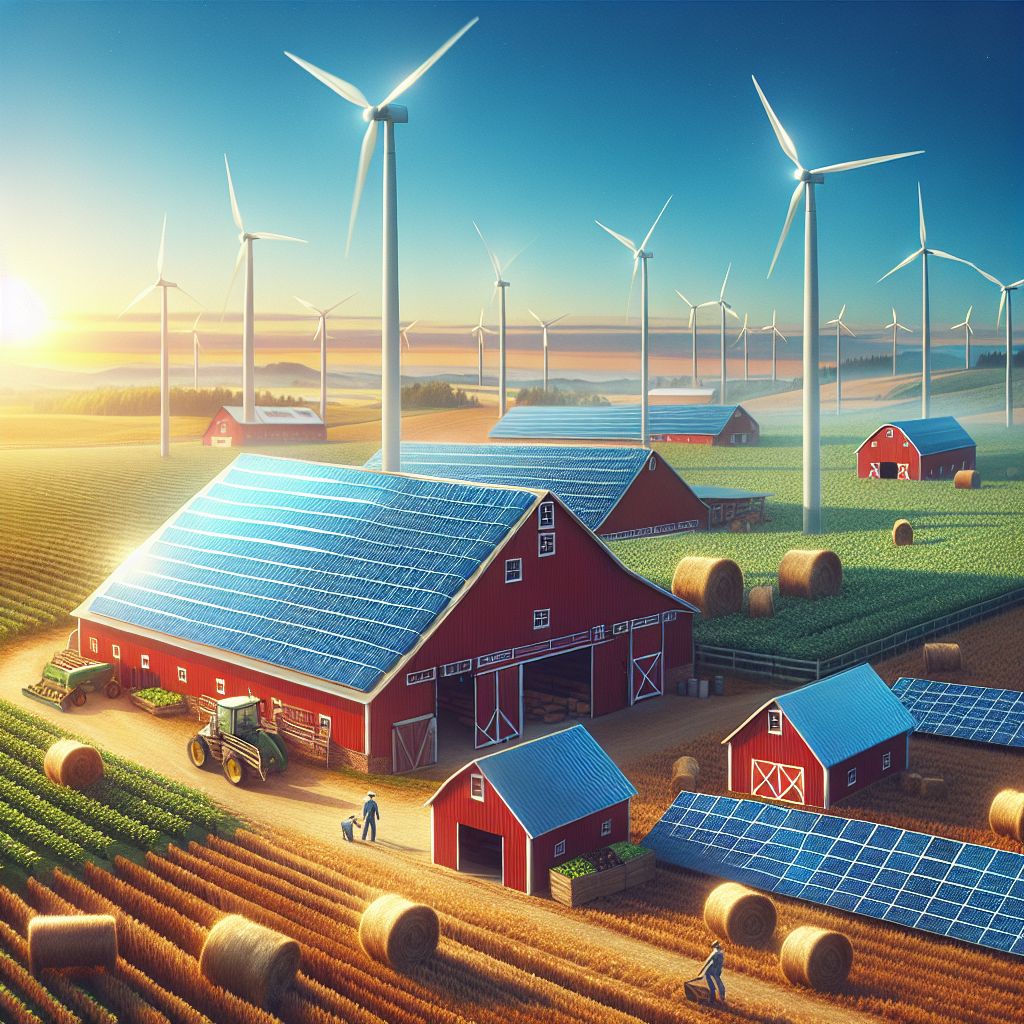
Solar technology has found its way into various aspects of farming, offering innovative solutions to age-old challenges. By harnessing the sun’s energy, farmers can power their operations sustainably and efficiently. Let’s delve into some specific applications where solar technology is making a difference on farms.
“By integrating solar technology, farmers can cut energy costs by up to 60%, making operations more sustainable and economically viable.”
One of the most significant applications is in powering farm buildings and operations. Solar panels can be installed on rooftops or open fields to generate electricity for lighting, heating, and cooling. This reduces the farm’s dependence on the grid and lowers energy bills.
Solar-Powered Irrigation Systems
Irrigation is a crucial component of farming, especially in arid regions. Traditional irrigation systems often rely on electricity or diesel generators, which can be expensive and environmentally damaging. Solar-powered irrigation systems provide a sustainable alternative by using solar panels to generate the electricity needed to pump water.
“Farmers using solar-powered irrigation have reported a 20% increase in water efficiency, leading to healthier crops and reduced water waste.”
These systems can be equipped with sensors to monitor soil moisture levels, ensuring that crops receive the optimal amount of water. This not only conserves water but also enhances crop yields, making it a win-win for farmers and the environment. For a comprehensive understanding, check out this guide on solar irrigation systems.
Energy Needs of Modern Smart Farms
Smart farms are characterized by their use of technology to optimize operations and improve productivity. This includes everything from automated machinery to data analytics tools. However, these technologies require a reliable and sustainable energy source. Solar panels can meet this need by providing clean and renewable electricity.
By integrating solar energy into their operations, smart farms can reduce their reliance on the grid and ensure a steady power supply. This is particularly important in remote areas where access to electricity may be limited. Solar panels can power sensors, drones, and other technologies, enabling farmers to monitor and manage their operations more effectively.
Solar-Powered Equipment and Machinery
Modern farms rely heavily on equipment and machinery to perform tasks efficiently. From tractors to harvesters, these machines require substantial amounts of energy to operate. Solar panels can provide the necessary power, reducing the farm’s dependence on fossil fuels and lowering emissions.
Solar-powered equipment not only cuts energy costs but also supports environmental sustainability. By reducing reliance on diesel and other fossil fuels, farmers can lower their carbon footprint and contribute to the fight against climate change. This not only benefits the environment but also improves the farm’s reputation among environmentally-conscious consumers.
Agrovoltaics: Combining Crops and Solar Panels
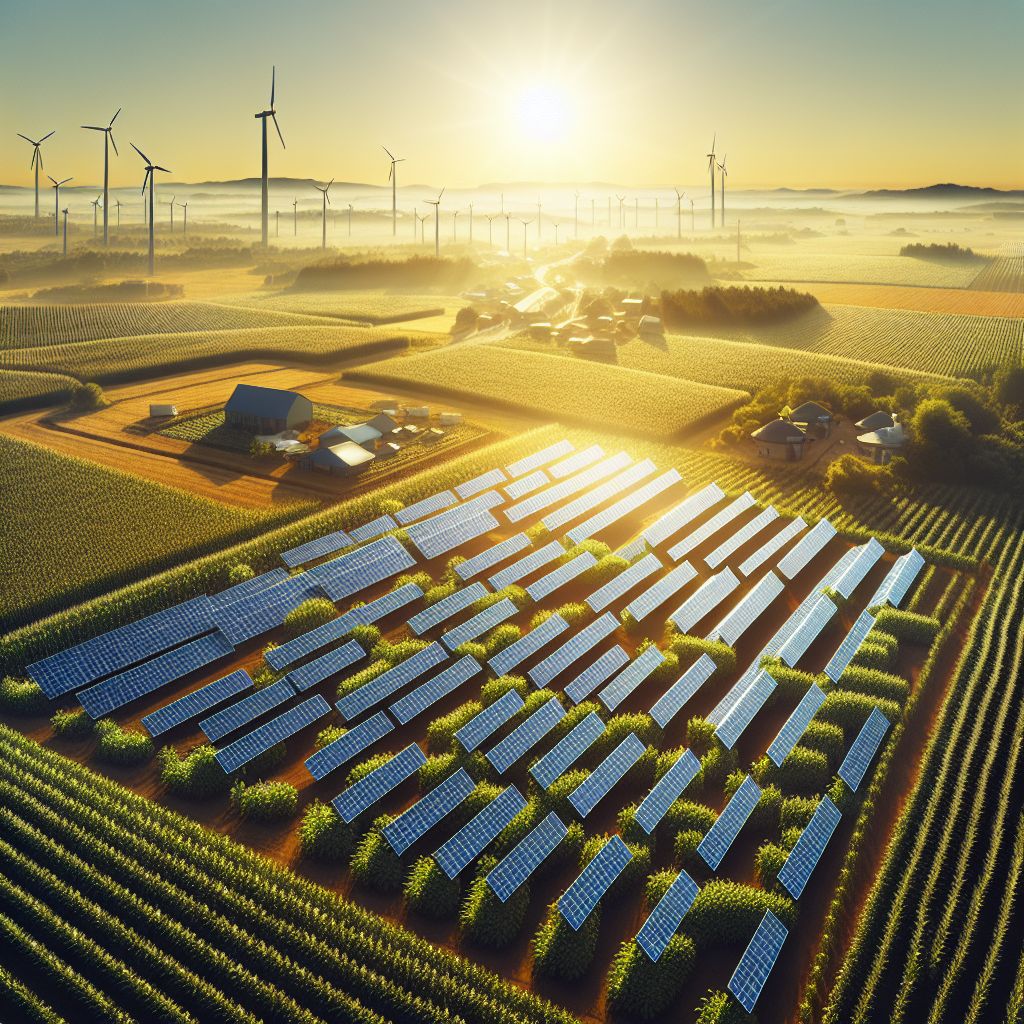
Agrovoltaics is an innovative approach that combines agriculture and solar energy production on the same land. By installing solar panels above crops, farmers can generate electricity while simultaneously growing food. This optimizes land use and provides a dual benefit of energy and food production.
One of the key advantages of agrovoltaics is that it provides shade for crops, reducing evaporation and conserving water. This is particularly beneficial in regions with high temperatures and limited water resources. Additionally, the income generated from selling excess solar energy can provide a financial boost for farmers.
Agrovoltaics is gaining traction worldwide, with several successful projects demonstrating its potential. For example, in France, a vineyard installed solar panels above grapevines, resulting in improved grape quality and increased energy production.
Impact of Solar Panels on Environment and Economy
The adoption of solar panels in agriculture has far-reaching impacts on both the environment and the economy. By reducing reliance on fossil fuels, solar energy supports environmental sustainability and helps mitigate climate change. Additionally, it offers economic benefits by lowering energy costs and providing new revenue streams.
Reducing Carbon Footprint with Solar Farms
One of the most significant environmental benefits of solar farms is their ability to reduce carbon emissions. Agriculture is a major contributor to greenhouse gas emissions, primarily due to its reliance on fossil fuels. By transitioning to solar energy, farmers can significantly lower their carbon footprint and contribute to global efforts to combat climate change.
Solar farms generate clean, renewable electricity, eliminating the need for fossil fuel-based power sources. This not only reduces emissions but also conserves natural resources, making agriculture more sustainable in the long term.
Economic Benefits and Cost Savings for Farmers
Implementing solar technology can lead to substantial cost savings for farmers. By generating their own electricity, farms can reduce their energy bills and become less dependent on external power sources. This is particularly beneficial in regions with high energy costs or unreliable grid access.
Moreover, solar panels have a long lifespan and require minimal maintenance, making them a cost-effective investment. In many areas, government incentives and subsidies are available to support the adoption of solar technology, further reducing the financial burden on farmers.
Solar Energy and Sustainable Farming Practices
Solar energy aligns with sustainable farming practices by promoting resource conservation and reducing environmental impact. By integrating solar technology into their operations, farmers can optimize resource use and minimize waste, leading to more sustainable and efficient agriculture.
“Farmers adopting solar energy have reported a 30% reduction in energy costs, allowing them to reinvest savings into sustainable farming practices.”
For example, solar-powered irrigation systems can improve water efficiency, while solar panels can power equipment and machinery, reducing reliance on fossil fuels. These practices not only benefit the environment but also enhance the farm’s productivity and profitability.

Challenges and Considerations in Implementing Solar Panels
While the benefits of solar panels in agriculture are clear, there are also challenges and considerations to keep in mind. Implementing solar technology requires careful planning and investment, and farmers must be aware of potential obstacles and how to overcome them.
Choosing the Correct Solar Panels to Use on Your Farm
When it comes to solar panels, there are three main types to consider: monocrystalline, polycrystalline, and thin-film. Each type has its own advantages and drawbacks. Choosing the correct solar panel for your farm can be tricky. They all have their pros and cons. Here is a quick look at the top types of solar panels.
- Monocrystalline: Known for their high efficiency and long lifespan, monocrystalline panels are made from a single crystal structure. They are typically more expensive but offer the best performance.
- Polycrystalline: These panels are made from multiple crystal structures and are usually less expensive than monocrystalline panels. They are slightly less efficient but still a popular choice for many farmers.
- Thin-film: These panels are lightweight and flexible, making them easier to install in unconventional spaces. However, they are less efficient and generally have a shorter lifespan.
Here’s a table comparing the different solar panel you can use with on a farm:
|
Solar Panel Type |
Efficiency |
Cost per Watt |
Pros |
Cons |
|---|---|---|---|---|
|
Monocrystalline |
17-22% |
$1.00 – $1.50 |
– Highest efficiency. 1, 3 |
– Most expensive option. 1, 3 |
|
Polycrystalline |
13-17% |
$0.90 – $1.20 |
– Lower cost than monocrystalline. 1, 3 |
– Slightly lower efficiency. 1, 3 |
|
Thin-Film |
10-13% |
$0.70 – $1.00 |
– Lowest cost. 1, 3 |
– Lowest efficiency. 1, 3 |
Monocrystalline panels are highly efficient and durable, making them ideal for high-performance irrigation systems that require consistent power output. Their higher cost is often offset by their superior performance in the long run 3.
Polycrystalline panels offer a good balance between cost and efficiency, making them suitable for medium-scale irrigation projects. They perform well in most conditions and are a popular choice for many agricultural applications 3.
Thin-film panels, while less efficient, are more affordable and flexible. They can be a good option for portable irrigation systems or installations where weight is a concern. Their lower efficiency means you may need more panels to achieve the same power output as crystalline options 3.
Initial Investment and Maintenance Costs
One of the main challenges of adopting solar technology is the initial investment required. Installing solar panels can be costly, and farmers must consider the financial implications before making a decision. However, it’s important to note that the long-term savings and potential government incentives can offset these costs.
Maintenance costs are generally low, but farmers should ensure that their solar panels are regularly cleaned and inspected to maintain efficiency. Partnering with a reputable solar provider can help ensure that the installation is done correctly and that maintenance is managed effectively.
Technical Requirements and Installation Challenges
Installing solar panels on a farm requires careful consideration of technical requirements and potential challenges. Factors such as location, land availability, and grid connectivity must be taken into account. Farmers should work with experienced professionals to assess their site’s suitability and design a system that meets their needs.
Additionally, farmers must ensure that their solar panels are compatible with existing equipment and operations. This may involve upgrading infrastructure or making adjustments to accommodate the new technology. By addressing these challenges proactively, farmers can maximize the benefits of solar energy and ensure a smooth transition.
Managing Space and Compatibility with Crops
Integrating solar panels with agricultural land requires careful planning to ensure that space is used efficiently and that panels do not interfere with crop growth. One solution is agrovoltaics, which strategically places solar panels above crops, allowing both to thrive simultaneously. This approach optimizes land use by combining energy production with agriculture.
However, not all crops are suitable for agrovoltaic systems. Farmers must consider the specific needs of their crops, such as sunlight and water requirements, to determine if solar panels are a viable option. Consulting with experts in both solar energy and agriculture can help farmers design a system that maximizes benefits without compromising crop health.

Future of Smart Farming with Solar Energy
The future of smart farming is bright, with solar energy playing a crucial role in its evolution. As technology advances, we can expect even greater integration of solar power into agricultural operations, enhancing efficiency and sustainability. This shift not only supports environmental goals but also provides economic opportunities for farmers worldwide.
Innovations in Solar Technology for Agriculture
Innovations in solar technology are driving the future of agriculture, offering new solutions to age-old challenges. One such innovation is the development of more efficient solar panels, which can generate more electricity from the same amount of sunlight. This makes solar energy more accessible and cost-effective for farmers.
Another promising development is the use of bifacial solar panels, which capture sunlight from both sides, increasing energy production. These panels can be particularly beneficial in agrovoltaic systems, where they can harness sunlight reflected off the ground or crops.
Additionally, advances in energy storage technology are enabling farmers to store excess solar energy for use during periods of low sunlight. This ensures a reliable power supply, even in cloudy conditions or at night, further enhancing the viability of solar energy for agriculture.
Potential for Scaling Solar Farms Globally
The potential for scaling solar farms globally is immense, with numerous opportunities for growth and expansion. As the cost of solar technology continues to decrease, more farmers worldwide are likely to adopt solar energy, driving a shift towards sustainable agriculture.
Government incentives and international cooperation can play a significant role in facilitating this transition. By providing financial support and sharing knowledge and expertise, countries can help farmers overcome barriers and successfully implement solar technology.
- Increased investment in solar infrastructure can accelerate adoption.
- International partnerships can promote knowledge sharing and best practices.
- Policy support can create a favorable environment for solar energy in agriculture.
By embracing these opportunities, we can create a global agricultural system that is more resilient, sustainable, and efficient, benefiting both farmers and the environment.
Moreover, scaling solar farms can contribute to energy security and economic growth, particularly in developing regions. By generating their own electricity, farms can become more self-sufficient and less reliant on external energy sources, reducing vulnerability to price fluctuations and supply disruptions.
Predictions and Trends in Renewable Energy for Agriculture
As we look to the future, several trends and predictions are emerging in the field of renewable energy for agriculture. One key trend is the increasing integration of solar energy with other renewable sources, such as wind and biomass. This hybrid approach can provide a more stable and reliable energy supply, further enhancing the sustainability of farming operations.
Another trend is the growing use of data analytics and artificial intelligence to optimize solar energy use on farms. By analyzing data on weather patterns, crop needs, and energy consumption, farmers can make more informed decisions and maximize the benefits of solar technology.
Finally, we can expect continued advancements in solar technology, making it more efficient, affordable, and accessible. As these innovations come to fruition, solar energy will play an even more prominent role in shaping the future of agriculture.
Frequently Asked Questions
Solar panels in smart farming raise several questions for those considering their implementation. Here are some of the most common inquiries and their answers.
How do solar panels work in agriculture?
Solar panels convert sunlight into electricity, which can be used to power various farm operations. This includes everything from irrigation systems to machinery and lighting. By generating their own electricity, farmers can reduce their reliance on the grid and lower energy costs.
What are the cost implications of using solar panels for farmers?
While the initial investment for solar panels can be high, the long-term savings on energy bills can offset these costs. Additionally, many regions offer government incentives and subsidies to support the adoption of solar technology, making it more financially accessible for farmers.
Are there any specific crops that benefit more from solar energy?
Agrovoltaics, which combines solar panels with crop cultivation, can benefit certain crops more than others. Crops that require partial shade, such as lettuce and spinach, can thrive under solar panels, as the panels provide shade and reduce evaporation.
“In a study conducted in Japan, farmers found that leafy greens grown under solar panels had better yields and required less water, demonstrating the potential benefits of agrovoltaics.”
However, each farm is unique, and farmers should consider their specific crop needs and environmental conditions when deciding to implement solar technology.
How does solar power contribute to sustainable farming?
Solar power contributes to sustainable farming by reducing reliance on fossil fuels and lowering carbon emissions. It provides a clean, renewable energy source that supports environmental sustainability and helps mitigate climate change. Additionally, solar energy can improve resource efficiency and reduce waste, further enhancing the sustainability of farming operations.
What are the common challenges farmers face with solar installations?
Common challenges associated with solar installations include the initial investment costs, technical requirements, and space management. Farmers must carefully plan and design their solar systems to ensure compatibility with their existing operations and optimize benefits. Additionally, maintenance and cleaning of solar panels are essential to maintain efficiency and performance.
Solar panels have become an essential part of modern farming practices, offering a sustainable and cost-effective energy solution. By harnessing the power of the sun, farmers can significantly reduce their reliance on traditional energy sources, leading to lower operational costs and a smaller carbon footprint. Among the various types of solar panels, thin-film solar panels are particularly beneficial for agricultural applications due to their flexibility and efficiency. As technology continues to advance, the integration of solar panels into farming operations will likely become even more prevalent, providing a reliable source of energy for a variety of agricultural needs.







Leave a Reply