

Article-at-a-Glance
- Bifacial solar panels capture sunlight from both sides, increasing energy efficiency by up to 30% compared to traditional panels.
- The primary materials used include monocrystalline and polycrystalline silicon, with a glass-glass configuration enhancing durability.
- Transparent backsheets are crucial for allowing light to pass through, optimizing energy capture on both sides.
- Bifacial panels perform best in environments with high surface reflectivity, such as snowy or sandy areas.
- While initial costs may be higher, long-term energy gains make bifacial panels a cost-effective choice for large-scale installations.
Introduction to Bifacial Solar Panels
As we journey deeper into the era of renewable energy, bifacial solar panels emerge as a promising innovation. Unlike traditional monofacial panels, which capture sunlight on one side, bifacial panels harness energy from both the front and the back. This dual-sided capability not only boosts efficiency but also maximizes the energy yield, making them a popular choice for solar enthusiasts and large-scale energy producers alike.
Imagine having a solar panel that doesn’t just rely on direct sunlight. Instead, it absorbs reflected light from the ground or surrounding surfaces, effectively doubling its capacity to generate electricity. This concept isn’t just theoretical; it’s a reality that bifacial panels bring to the table. Let’s delve into the materials that make these panels tick and understand their functionality.
What Makes Bifacial Panels Different
Bifacial panels stand out primarily because of their ability to absorb light from both sides. Traditional panels have a single face that captures sunlight, whereas bifacial panels have solar cells on both sides. This unique design is what sets them apart and allows for increased energy output.
Consider a sunny field with snow-covered ground. A traditional panel would only capture the sunlight hitting its front surface. In contrast, a bifacial panel would also capture the sunlight reflecting off the snow onto its back surface. This ability to utilize reflected light significantly enhances its efficiency.
“Bifacial solar panels can capture up to 30% more energy than traditional panels, especially in high-reflectivity environments like snowy or sandy areas.”
The technology behind bifacial panels is not just about adding another layer of solar cells. It involves careful consideration of materials, design, and installation techniques to maximize their potential. Let’s explore these materials in detail.
Key Advantages Over Traditional Panels
The advantages of bifacial solar panels are numerous. Firstly, they offer increased energy efficiency, as they can harness sunlight from both sides. This means more power generation without needing additional space. Secondly, their design allows for better performance in diverse environments, particularly those with reflective surfaces like snow or sand. For a comprehensive understanding of these panels, check out this guide on bifacial solar panels.
Another significant advantage is their durability. Bifacial panels often use a glass-glass configuration, providing extra protection against environmental factors such as wind, hail, and UV radiation. This not only prolongs their lifespan but also reduces maintenance costs.
Reasons for Rising Popularity
As the world moves towards sustainable energy solutions, the demand for efficient and reliable solar technology has skyrocketed. Bifacial solar panels meet these demands with their enhanced energy capture capabilities and robust design. Their ability to generate more power from the same surface area makes them an attractive option for large-scale solar farms and commercial installations.
Furthermore, advancements in technology have reduced the cost of producing bifacial panels, making them more accessible to a broader market. As more industries recognize their potential for higher returns on investment, bifacial panels are becoming a staple in the solar energy sector.

Materials Used in Bifacial Solar Panels
The materials used in bifacial solar panels are crucial to their performance and efficiency. The choice of materials impacts not only their energy capture capabilities but also their durability and cost-effectiveness. Let’s take a closer look at the key components.
Monocrystalline vs. Polycrystalline Silicon
Silicon is the primary material used in solar panels, and bifacial panels are no exception. The two main types of silicon used are monocrystalline and polycrystalline. Each has its advantages and is chosen based on specific needs and preferences.
Here’s a table comparing monocrystalline and polycrystalline silicon used in solar panels:
|
Feature |
Monocrystalline Silicon |
Polycrystalline Silicon |
|---|---|---|
|
Composition |
||
|
Appearance |
Dark black with rounded cell edges. 2 |
Light or dark blue with a fragmented look. 2 |
|
Efficiency |
17% to 22%. 5 |
15% to 17%. 5 |
|
Performance in high heat |
Better performance. 3 |
Slightly lower performance. 3 |
|
Low light performance |
Better in low-light conditions. 3 |
Less efficient in low-light conditions. 3 |
|
Cost |
||
|
Space efficiency |
||
|
Temperature coefficient |
-0.3% / °C to -0.5% / °C. 6 |
-0.3% / °C to -1% / °C. 6 |
|
Lifespan |
Around 40 years. 6 |
Around 35 years. 6 |
|
Manufacturing process |
More wasteful, cut from square silicon wafers. 3 |
Less wasteful, easier manufacturing process. 4 |
|
Typical applications |
Residential use, space-constrained installations. 5 |
Large-scale commercial applications, cost-sensitive projects. 5 |
Monocrystalline silicon panels generally offer higher efficiency and better performance in various conditions, making them ideal for residential use and space-constrained installations. Polycrystalline silicon panels, while slightly less efficient, are more cost-effective and suitable for large-scale projects where space is less of a concern (5). Both types can be used in bifacial panels, with the choice depending on specific project requirements and budget considerations.
Glass-Glass Configuration: Benefits and Drawbacks
The glass-glass configuration is a defining feature of bifacial solar panels. It involves enclosing the solar cells between two layers of glass, providing increased protection and durability. This setup offers several benefits, such as improved resistance to environmental stressors like hail, wind, and UV radiation. The glass layers also protect the cells from moisture, which can significantly extend the panel’s lifespan. To understand more about how solar panels work, you can explore this detailed guide on solar panel functionality.
However, the glass-glass configuration isn’t without its drawbacks. One of the primary concerns is the added weight, which can complicate installation and require more robust mounting systems. Additionally, while glass is durable, it can be more prone to breakage compared to traditional backsheet materials, particularly during transport or handling. For a deeper understanding of solar panel materials, you can explore more about solar panel construction and functionality.
“While the glass-glass configuration enhances durability and efficiency, it also increases the panel’s weight, requiring careful handling and installation.”
Despite these challenges, the benefits of increased energy yield and longevity often outweigh the potential downsides, making the glass-glass configuration a popular choice in the production of bifacial solar panels.
Role of Transparent Backsheets
Transparent backsheets play a crucial role in the functionality of bifacial solar panels. Unlike traditional opaque backsheets, these allow sunlight to pass through to the rear side of the panel, enabling the capture of reflected light. This transparency is essential for maximizing the energy output from both sides of the panel.
In addition to allowing light through, transparent backsheets must also provide structural support and protection against environmental elements. They are designed to be robust and weather-resistant, ensuring the longevity and efficiency of the panels over time.

How Bifacial Solar Panels Function
Understanding the functionality of bifacial solar panels is key to appreciating their advantages. These panels work by capturing sunlight on both the front and rear surfaces, effectively doubling their potential energy capture. This is achieved through their unique design and materials, which allow light to pass through and reflect back onto the solar cells.
Energy Generation from Both Sides
- Front side captures direct sunlight.
- Rear side captures reflected light from surrounding surfaces.
- Efficiency can increase by up to 30% in optimal conditions.
By utilizing both sides, bifacial panels can generate more energy without requiring additional space. This is particularly advantageous in areas with high surface reflectivity, such as snowy landscapes or desert regions, where the ground naturally reflects sunlight back onto the panels.
Imagine a solar farm in a snowy field. The snow acts as a natural reflector, bouncing sunlight back onto the rear side of the panels, significantly boosting their energy output. This dual-sided energy capture is what makes bifacial panels a game-changer in solar technology.
Influence of Environmental Reflectivity
The environment plays a critical role in the performance of bifacial solar panels. Surfaces like snow, sand, or even water can reflect sunlight, enhancing the energy capture on the rear side of the panels. This means that the location and surrounding environment are crucial factors to consider when installing bifacial panels.
In areas with high reflectivity, such as deserts or regions with frequent snow, bifacial panels can achieve substantial gains in energy efficiency. Conversely, in environments with low reflectivity, the additional energy capture may be less pronounced, though still beneficial compared to traditional panels.
Installation Angles and Their Impact
The angle at which bifacial panels are installed can significantly affect their performance. Proper angling ensures that the panels capture the maximum amount of direct and reflected sunlight. In general, bifacial panels should be installed at an angle that optimizes exposure to both direct sunlight and reflected light from the ground. For those interested in solar applications in agriculture, check out this solar irrigation systems basics guide.
For example, in a snowy environment, a steeper angle might be beneficial to capture more reflected light from the snow. In contrast, in a desert setting, a flatter angle might be optimal to take advantage of the abundant direct sunlight and sand reflection. To learn more about the benefits and applications of bifacial solar panels, check out this comprehensive guide from EnergySage.

Applications of Bifacial Solar Panels
Bifacial solar panels are versatile and can be used in a variety of settings. Their ability to capture light from both sides makes them suitable for environments where traditional panels might not perform as well. For example, monocrystalline solar panels are another type of solar technology that can be compared to bifacial panels in terms of efficiency and application. Let’s explore some of the key applications.
Suitable Environments for Maximum Efficiency
Bifacial panels excel in environments with high surface reflectivity. This includes snowy regions, deserts, and areas with reflective surfaces like bodies of water or light-colored rooftops. In these settings, the panels can capture significant amounts of reflected light, boosting their overall energy output.
In urban settings, bifacial panels can be installed on rooftops with reflective surfaces, such as white or metallic roofs, to enhance their efficiency. The flexibility in installation options makes them a viable choice for both rural and urban areas.
Commercial vs. Residential Uses
While bifacial panels are often associated with large-scale commercial installations, they are increasingly being used in residential settings. In commercial applications, they are typically installed in solar farms or large rooftop arrays, where their enhanced efficiency can lead to significant energy savings.
For residential use, bifacial panels can be installed on rooftops or in backyard solar arrays. Homeowners can benefit from the increased energy output, particularly in areas with high reflectivity. However, it’s important to consider factors such as installation cost and available space when opting for bifacial panels in residential settings.
Agricultural and Large-Scale Deployments
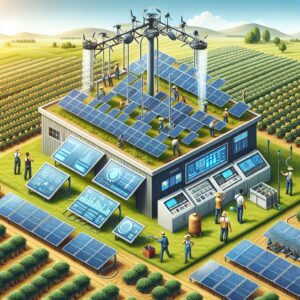
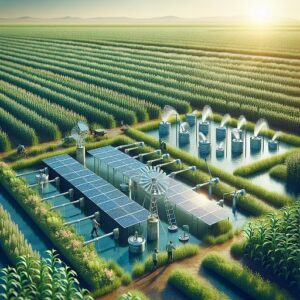
Agricultural settings offer unique opportunities for bifacial solar panel installations. The panels can be installed above crops, allowing for dual land use—energy production and agriculture. The additional energy captured from reflected sunlight can power farming operations or be fed back into the grid. Learn more about the benefits of solar panels for farmers.
Large-scale deployments, such as solar farms, are where bifacial panels truly shine. Their ability to generate more energy from the same footprint makes them ideal for maximizing output in expansive solar installations. This efficiency can lead to quicker returns on investment and greater overall energy production.

Challenges and Considerations
While bifacial solar panels offer numerous advantages, there are also challenges and considerations to keep in mind. The complexity of their design and installation can lead to higher initial costs compared to traditional panels. Additionally, their performance is highly dependent on environmental factors, such as ground reflectivity and installation angle.
Durability is another consideration. While the glass-glass configuration enhances protection, it also adds weight and requires careful handling. It’s essential to weigh these factors against the potential energy gains when deciding whether bifacial panels are the right choice for a particular application.
Structural Complexity and Installation Costs
When it comes to bifacial solar panels, structural complexity is a significant consideration. The dual-sided design requires careful planning and execution during installation. Bifacial panels are often heavier due to the glass-glass configuration, necessitating more robust mounting structures. This added complexity can lead to higher installation costs compared to traditional monofacial panels.
However, the investment in bifacial panels often pays off in the long run. Their increased efficiency and energy output can offset the initial costs, providing a more significant return on investment over time. It’s crucial to balance the upfront expenses with the potential long-term savings when considering bifacial panels for a project.
Durability and Long-Term Performance
Durability is a standout feature of bifacial solar panels. The glass-glass design not only protects the solar cells from environmental damage but also enhances the panels’ longevity. This durability translates to lower maintenance costs and a longer lifespan, making bifacial panels a reliable choice for various installations.
Comparisons with Monofacial Panels
Comparing bifacial and monofacial panels reveals several key differences. Bifacial panels offer increased energy efficiency due to their ability to capture light from both sides. In contrast, monofacial panels only harness energy from the front, limiting their potential output.
Another significant difference is the installation flexibility. Bifacial panels perform well in environments with high reflectivity, while monofacial panels are more suited to standard installations. The choice between the two depends on the specific needs and conditions of the installation site.
Cost is also a factor to consider. While bifacial panels may have higher upfront costs, their enhanced efficiency can lead to greater energy savings over time. It’s essential to evaluate the cost-benefit ratio when deciding between bifacial and monofacial panels for a project.

Future Outlook of Bifacial Solar Panels
The future of bifacial solar panels looks promising as technology continues to advance and the demand for renewable energy grows. With ongoing research and development, bifacial panels are becoming more efficient, cost-effective, and accessible to a broader range of applications.
Technological Advancements on the Horizon
Advancements in materials and manufacturing processes are expected to further enhance the efficiency and affordability of bifacial solar panels. Innovations such as improved transparent backsheets and lightweight glass materials are on the horizon, which could reduce costs and simplify installation.
Market Trends and Demand
The global demand for solar energy is rising, and bifacial panels are well-positioned to meet this demand. Their ability to generate more energy from the same footprint makes them an attractive option for both commercial and residential installations. As more industries recognize the benefits of bifacial panels, their market share is likely to increase.
In addition, government incentives and policies promoting renewable energy adoption are driving the growth of the bifacial solar panel market. These trends indicate a positive outlook for bifacial panels as a key player in the renewable energy sector.
Potential for Global Energy Transition
Bifacial solar panels have the potential to play a significant role in the global transition to renewable energy. Their enhanced efficiency and adaptability make them suitable for various environments, contributing to a more sustainable energy future. By maximizing energy capture and reducing reliance on fossil fuels, bifacial panels can help drive the shift towards cleaner, greener energy sources. Learn more about how solar panels work to understand their impact on energy transition.
Frequently Asked Questions
As bifacial solar panels gain popularity, several questions arise regarding their functionality, cost, and applications. Here are some common queries addressed to provide clarity and insight.
How do bifacial solar panels increase energy efficiency?
Bifacial solar panels increase energy efficiency by capturing sunlight from both the front and rear surfaces. This dual-sided design allows them to harness direct sunlight and reflected light from surrounding surfaces, resulting in higher energy output compared to traditional panels.
What materials are typically used in constructing bifacial panels?
The primary materials used in bifacial solar panels include monocrystalline or polycrystalline silicon for the solar cells. The panels are often enclosed in a glass-glass configuration, with transparent backsheets that allow light to pass through to the rear side. These materials are chosen for their efficiency, durability, and ability to maximize energy capture.
Besides silicon, other materials like aluminum frames and junction boxes are used to provide structural support and facilitate electrical connections. The combination of these materials ensures the panels’ longevity and performance.
Are bifacial solar panels more expensive than traditional ones?
Yes, bifacial solar panels typically have higher upfront costs compared to traditional monofacial panels. This is due to their more complex design and the materials used, such as the glass-glass configuration. However, the increased energy efficiency and potential long-term savings can offset these initial costs, making them a cost-effective option over time. For more information on bifacial solar panels, check out EnergySage’s guide.
How do installation environments affect bifacial panel performance?
The performance of bifacial solar panels is highly influenced by the installation environment. Environments with high reflectivity, such as snowy or sandy areas, enhance the panels’ ability to capture reflected light, boosting their energy output. Installation angles and the type of surface beneath the panels also play a critical role in maximizing efficiency.
Can bifacial solar panels be used in residential settings?
Yes, bifacial solar panels can be used in residential settings. They are particularly beneficial for homes with reflective roofs or surfaces, where they can capture additional energy from reflected light. However, it’s essential to consider factors such as installation costs, available space, and environmental conditions when opting for bifacial panels in a residential context.
In summary, bifacial solar panels offer a promising solution for increasing energy efficiency and harnessing renewable energy. By understanding their materials, functionality, and applications, you can make informed decisions about integrating bifacial panels into your solar energy projects. Their potential to contribute to a sustainable energy future makes them a valuable addition to the world of solar technology.
Bifacial solar panels are an innovative technology that allows solar cells to capture sunlight from both sides, increasing energy generation efficiency. These panels are becoming increasingly popular due to their ability to generate more electricity in the same amount of space compared to traditional solar panels. For a comprehensive understanding of their principles and applications, you can explore The Bifaciality of Solar Panels.




Leave a Reply