
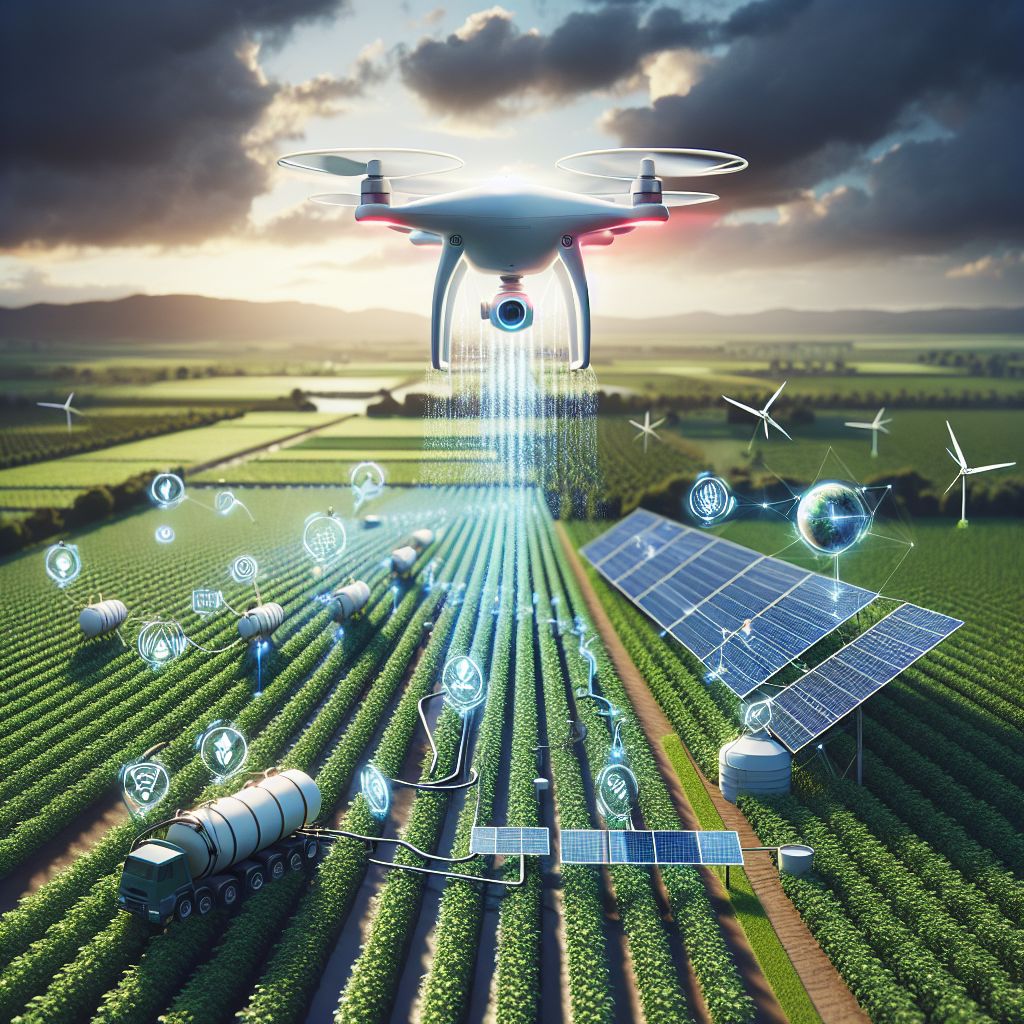
In today’s fast-paced world, agriculture is evolving rapidly, and technology plays a pivotal role in enhancing farming efficiency and sustainability. One of the most promising innovations is the integration of drones with solar-powered irrigation systems. This combination not only optimizes water use but also contributes to energy savings and environmental conservation.
Key Takeaways
- Drones can precisely manage irrigation, reducing water waste and improving crop yields.
- Solar energy can power both irrigation systems and drones, significantly cutting energy costs.
- Integrating drones with solar systems allows for real-time monitoring and management of crops.
- While the initial investment is high, the long-term savings make this technology cost-effective.
- Adopting this technology supports sustainable farming practices, leading to better resource management.
The Role of Drones in Boosting Solar Irrigation Efficiency
Solar-powered irrigation systems have already revolutionized how we water crops. However, adding drones to the equation takes efficiency to an entirely new level. Drones offer precision and flexibility that traditional methods lack, allowing farmers to apply water exactly where and when it’s needed.
Understanding Solar-Powered Irrigation Systems
Solar-powered irrigation systems use solar panels to generate electricity, which then powers water pumps. These systems are particularly beneficial in remote areas with limited access to electricity. By harnessing the sun’s energy, farmers can reduce their reliance on fossil fuels and cut down on operational costs.
Importance of Precision in Irrigation
Precision is crucial in irrigation because it ensures that crops receive the right amount of water. Too much water can lead to runoff and nutrient leaching, while too little can stress plants and reduce yields. Drones provide a solution by delivering targeted irrigation, minimizing waste, and optimizing water usage.
Consider a farmer who uses drones to survey their fields. With aerial images and data analysis, the farmer can identify areas that require more or less water. This targeted approach not only conserves water but also enhances crop health and productivity. Learn more about solar irrigation systems and how they help farmers.
Introduction to Drones in Modern Agriculture
Drones are more than just flying cameras; they are advanced tools that can transform agricultural practices. Equipped with sensors and cameras, drones can capture high-resolution images and collect valuable data. This information helps farmers make informed decisions about irrigation, fertilization, and pest control.
How Drones and Solar Systems Work Together
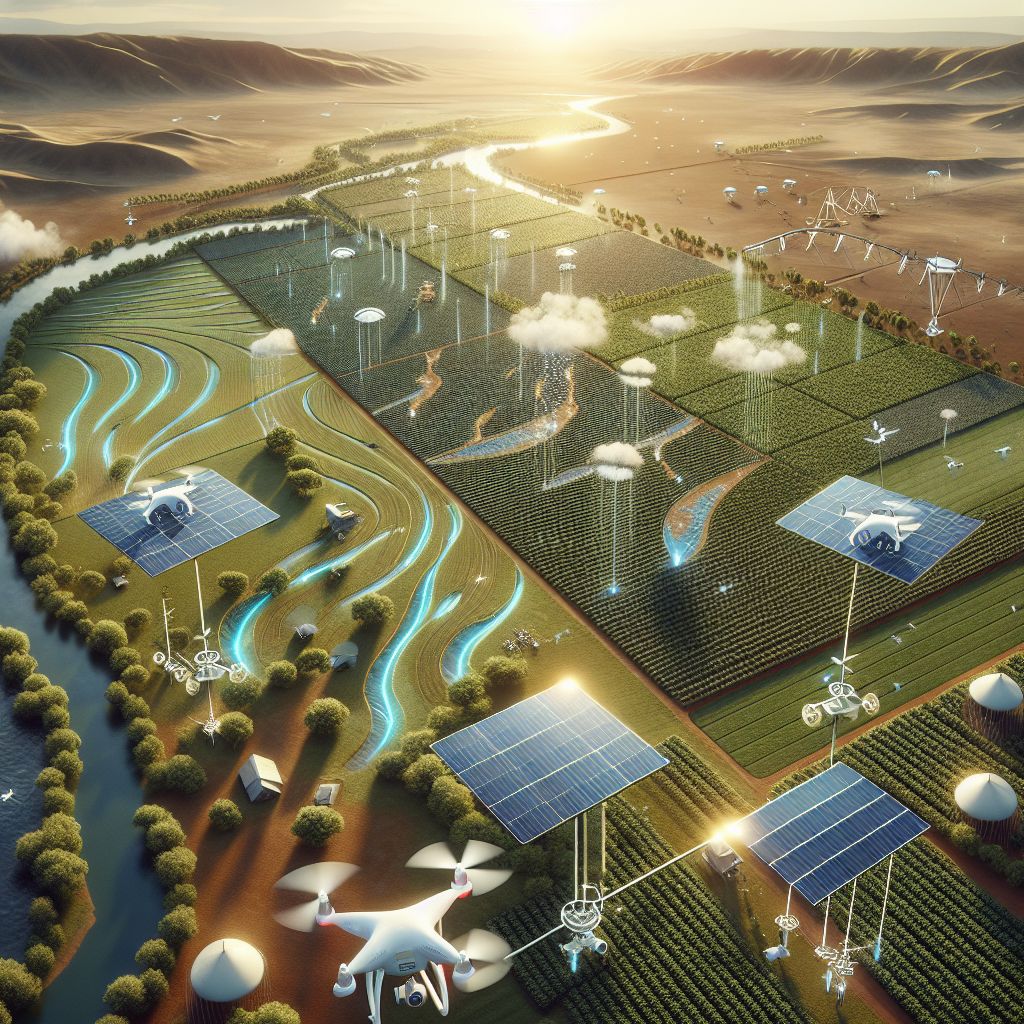
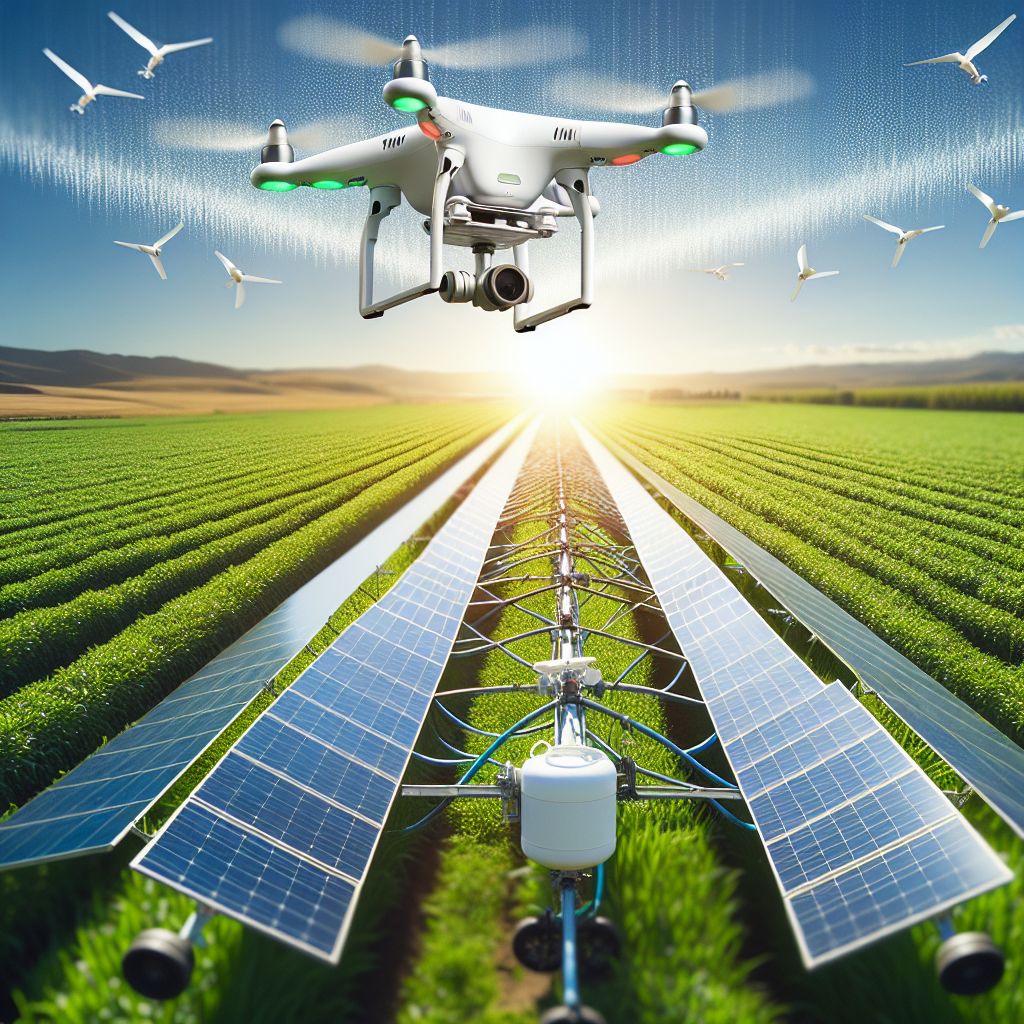
The synergy between drones and solar-powered irrigation systems is remarkable. Solar panels provide a renewable energy source for both irrigation pumps and drone batteries. This integration ensures a seamless operation, allowing farmers to monitor and manage their fields with minimal environmental impact.
Imagine a farm where drones fly over solar panel arrays, collecting data on sunlight exposure and energy production. This information helps optimize the placement and efficiency of solar panels, further enhancing the farm’s sustainability.
Ways Drones and Solar Irrigation Power Work Together
By combining drones with solar-powered irrigation systems, farmers can achieve unparalleled efficiency in their operations. This integration offers numerous benefits, from precise water management to real-time crop monitoring.
- Enhanced Monitoring: Drones equipped with solar panels can operate for longer periods, covering more ground.
- Real-Time Data: Solar-powered drones provide continuous data, allowing for timely interventions.
- Reduced Environmental Impact: By using renewable energy, farmers minimize their carbon footprint.
In essence, drones and solar power work hand in hand to create a more efficient and sustainable farming environment. It’s a win-win situation for both farmers and the planet. For a deeper understanding, explore how drones and solar panels impact farmers’ efficiency.
Drone-Assisted Water Management
Drones excel in water management by providing detailed aerial views of fields. These views help farmers identify areas with poor drainage or uneven water distribution. By addressing these issues, farmers can ensure that their crops receive the right amount of water.
- Soil Moisture Analysis: Drones can assess soil moisture levels, helping farmers adjust irrigation schedules.
- Water Resource Mapping: By mapping water resources, drones help optimize water usage.
- Leak Detection: Drones can identify leaks in irrigation systems, preventing water loss.
By using drones for water management, farmers can achieve a level of precision that was previously impossible. This not only saves water but also boosts crop yields.
Real-Time Crop Monitoring Benefits
One of the standout advantages of using drones in agriculture is real-time crop monitoring. This capability allows farmers to gain immediate insights into the health and condition of their crops, which is crucial for timely decision-making. For those interested in sustainable energy solutions, integrating solar irrigation systems can further enhance agricultural efficiency.
With drones, farmers can quickly identify issues such as pest infestations, diseases, or nutrient deficiencies. This early detection is vital because it allows for prompt intervention, reducing the risk of significant crop damage. For instance, if a drone detects signs of pest activity, farmers can apply targeted treatments to affected areas, minimizing the use of pesticides and preserving beneficial insects.
Furthermore, real-time monitoring helps optimize resource allocation. Farmers can focus their efforts on areas that need attention, ensuring that labor and resources are used efficiently. This not only saves time and money but also improves overall crop yields.
Energy Efficiency in Farming Operations
Energy efficiency is a critical consideration for modern farmers. By integrating solar power with drone technology, farming operations become more sustainable and cost-effective. Solar panels provide a renewable energy source that powers both irrigation systems and drones, reducing dependence on fossil fuels.
This transition to solar energy leads to significant cost savings. Farmers can expect to save between 20% and 40% on their electricity bills, which can be redirected towards other essential farming activities. Moreover, solar-powered drones have longer flight times, allowing for more extensive field coverage and data collection.
By embracing energy-efficient practices, farmers not only reduce their operational costs but also contribute to environmental conservation. This aligns with global efforts to combat climate change and promote sustainable agriculture.
Powering Drones with Solar Power
Solar power is an ideal energy source for drones, especially in agriculture. Lightweight solar panels can be integrated into drone designs, extending flight times and reducing the need for frequent battery changes. This innovation ensures that drones remain operational for longer periods, enhancing their effectiveness in farm management.
Here’s a table discussing ways drones and solar irrigation power work together to enhance a farms efficiency:
|
Aspect |
Drone Contribution |
Solar Irrigation Contribution |
Combined Benefit |
|---|---|---|---|
|
Precision Irrigation |
Drones use sensors to map field moisture levels and crop health. 1, 3 |
Solar panels power irrigation systems for sustainable water distribution. 1, 6 |
Targeted water application reduces waste and optimizes crop growth. 1, 3 |
|
Real-time Monitoring |
Drones capture high-resolution imagery for crop analysis. 2, 5 |
Solar energy enables continuous operation of irrigation systems. 6 |
Farmers can quickly respond to crop needs, improving overall health and yield 3, 5 |
|
Water Conservation |
Solar-powered systems reduce reliance on non-renewable energy for pumping. 7 |
Efficient water use leads to significant conservation and cost savings. 1, 3 | |
|
Energy Efficiency |
Drones can be powered by solar energy for extended flight times. 5 |
Solar panels provide clean, renewable energy for irrigation. 1, 6 |
Reduced operational costs and minimized carbon footprint. 5, 7 |
|
Data Collection |
Drones gather data on crop health, pest infestations, and nutrient deficiencies. 5, 8 |
Solar-powered sensors can continuously monitor soil conditions |
Comprehensive field insights enable data-driven decision-making. 5, 8 |
|
Cost-effectiveness |
Drones reduce labor costs for field inspections. 1 |
Solar energy eliminates ongoing fuel or electricity expenses for irrigation. 7 |
Long-term savings in both monitoring and irrigation operations. 1, 7 |
|
Sustainability |
Drones enable precise application of water and other inputs. 3, 8 |
Environmentally friendly farming practices with reduced resource consumption. 3, 8 |
This table illustrates how the combination of drone technology and solar-powered irrigation systems creates a synergistic effect, significantly enhancing farm efficiency through precision agriculture, resource conservation, and data-driven management.
Benefits of Solar-Powered Irrigation Systems
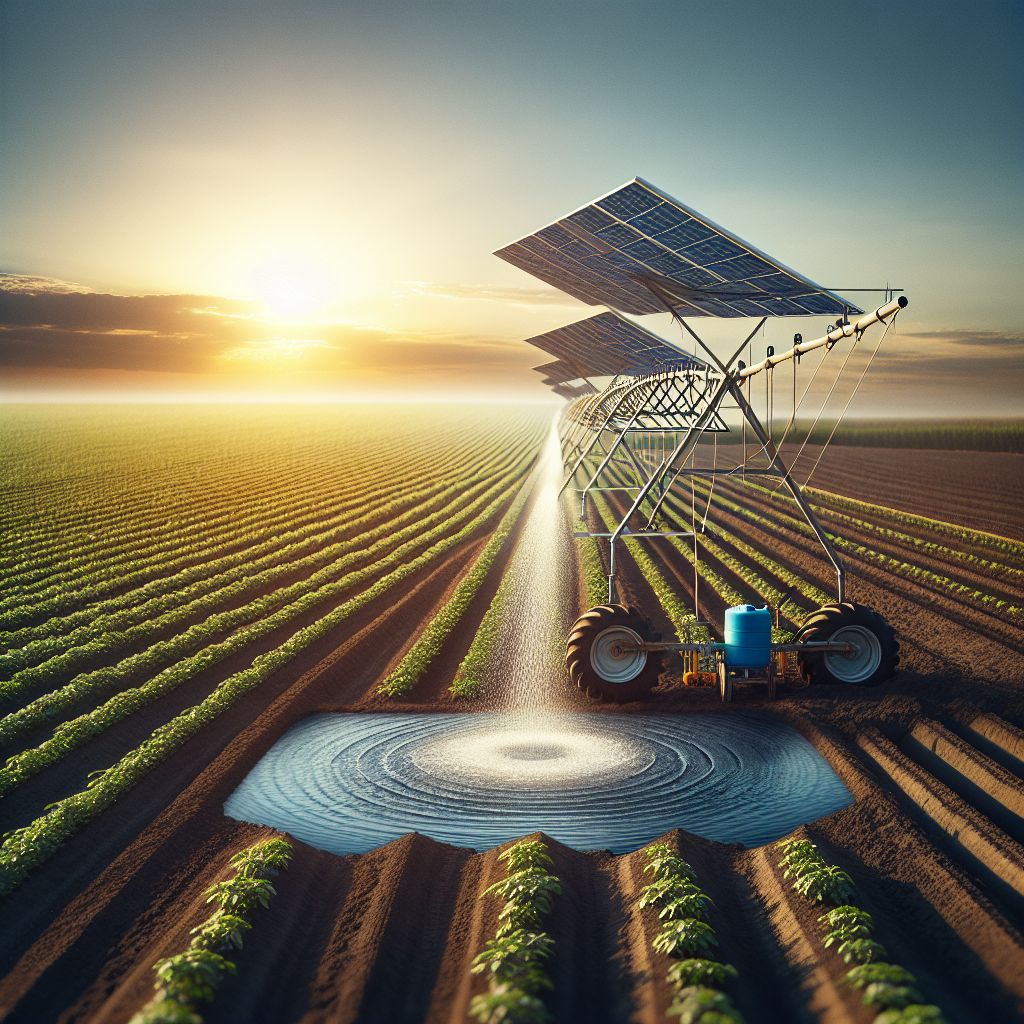
Solar-powered irrigation systems offer numerous advantages that make them an attractive option for modern farmers. By harnessing the power of the sun, these systems provide a sustainable and cost-effective solution for water management in agriculture.
One of the most significant benefits is the reduction in energy costs. Traditional irrigation systems often rely on diesel or electricity, which can be expensive and environmentally damaging. Solar energy, on the other hand, is free and abundant, especially in sunny regions.
“By using solar energy, farmers can cut their energy bills by up to 90%, making irrigation more affordable and sustainable.” – Renewable Energy Journal
Moreover, solar-powered systems are low-maintenance, requiring minimal upkeep compared to conventional systems. This ease of maintenance translates to less downtime and more consistent irrigation, ensuring that crops receive the water they need when they need it. For those interested in the components of an off-grid solar irrigation system, check out this guide for farmers.
Solar irrigation systems also contribute to environmental conservation. By reducing reliance on fossil fuels, these systems help decrease greenhouse gas emissions and promote cleaner air and water. This positive environmental impact aligns with the growing demand for sustainable farming practices.
Cost-Effectiveness of Solar Energy
While the initial investment for solar irrigation systems can be high, the long-term savings are substantial. Once installed, solar panels generate electricity at no additional cost, leading to significant reductions in operational expenses over time.
Reducing Environmental Impact
Solar-powered irrigation systems help mitigate environmental impact by reducing carbon emissions and reliance on non-renewable energy sources. This shift to renewable energy is crucial for combating climate change and preserving natural resources for future generations.
Energy Independence for Farmers
Energy independence is a significant advantage of solar irrigation systems. By generating their electricity, farmers are less vulnerable to fluctuations in energy prices and supply disruptions. This independence allows farmers to plan and budget more effectively, improving their overall financial stability.
Besides that, energy independence empowers farmers to adopt more sustainable practices, as they are no longer constrained by the limitations of traditional energy sources.

Innovative Drone Technology Features
Drones are equipped with cutting-edge technology that enhances their functionality and usefulness in agriculture. These features enable farmers to gather crucial data and make informed decisions about their crops and irrigation practices.
One of the standout features of modern drones is their advanced sensors. These sensors can detect a range of variables, from soil moisture levels to plant health indicators. This data is invaluable for optimizing irrigation schedules and improving crop management.
Advanced Sensors for Data Collection
Advanced sensors on drones provide real-time data collection, allowing farmers to monitor their fields continuously. This capability helps identify potential issues before they become significant problems, ensuring timely interventions and minimizing crop losses.
For instance, a farmer can use drone data to detect areas of a field that are experiencing water stress. By addressing these areas promptly, the farmer can prevent yield reductions and maintain healthy crop growth. For more insights, explore how drones and solar panels impact farmers’ efficiency.
High-Resolution Imaging Applications
Drones equipped with high-resolution cameras can capture detailed images of fields, revealing patterns and anomalies that might not be visible from the ground. These images help farmers assess crop health, detect pests or diseases, and plan more effective interventions. For more insights on how drones are revolutionizing agriculture, check out how AI-powered drones boost crop monitoring.
“High-resolution drone imagery allows farmers to see their fields from a new perspective, providing insights that can lead to more efficient and sustainable farming practices.” – Agricultural Technology Review
For example, a farmer can use drone images to map out areas of a field that require more or less water. This targeted approach ensures that resources are used efficiently, reducing waste and improving yields.
Drone-Assisted Fertilizers and Pesticides Application
Drones are not only useful for monitoring and data collection; they can also assist in the application of fertilizers and pesticides. By using drones, farmers can apply these substances precisely where they are needed, minimizing waste and environmental impact.
This precision application also reduces the risk of overuse, which can lead to runoff and contamination of nearby water sources. By ensuring that fertilizers and pesticides are used efficiently, drones help promote healthier crops and a cleaner environment. To further enhance sustainable practices, farmers can consider integrating solar panels for additional environmental benefits.
Moreover, drone-assisted applications can save farmers time and labor, as they can cover large areas quickly and accurately.
Implementing Drones and Solar Systems on Farms
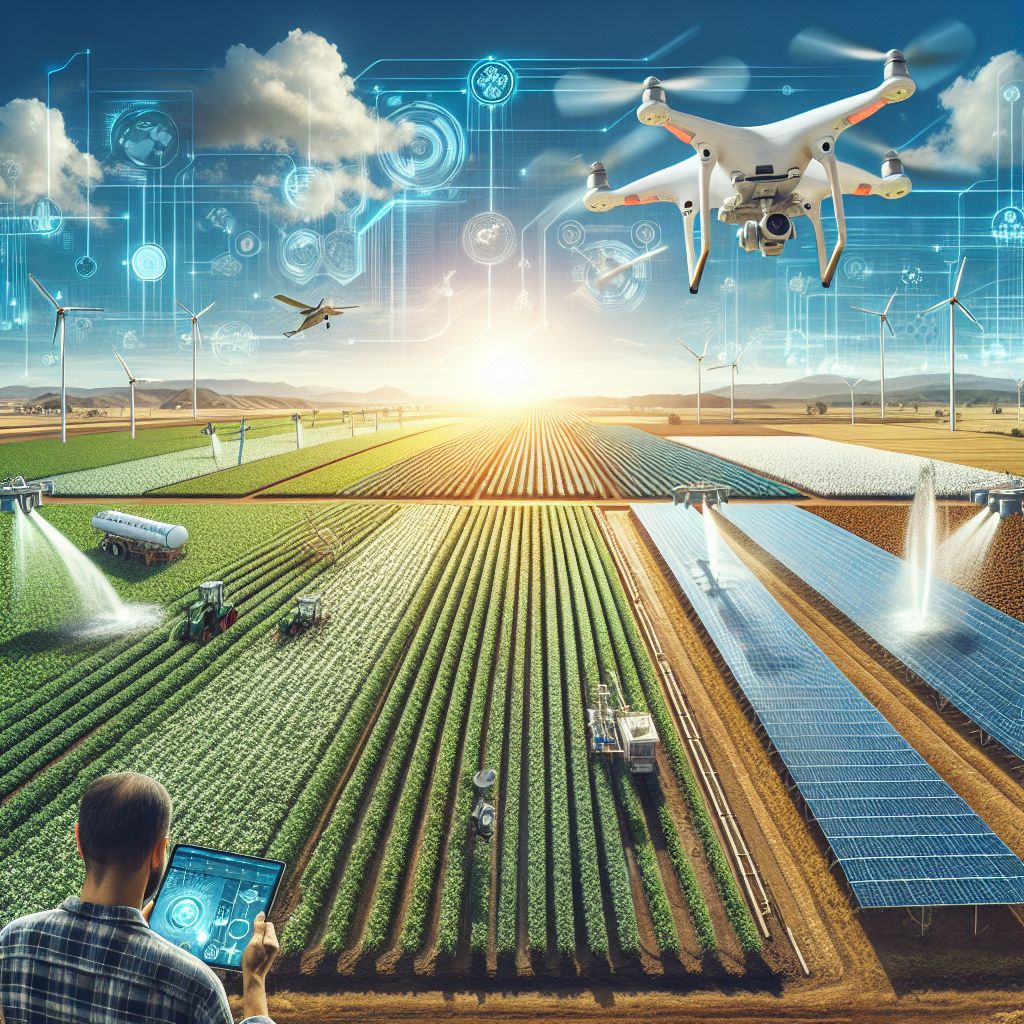
Integrating drones and solar-powered irrigation systems into farming operations requires careful planning and investment. However, the potential benefits make this a worthwhile endeavor for many farmers.
To successfully implement these technologies, farmers need to consider several factors, including initial costs, training requirements, and potential challenges. By addressing these considerations, farmers can maximize the benefits of their investment and enhance their farm’s sustainability.
Initial Investment vs. Long-Term Savings
The initial investment for drones and solar irrigation systems can be substantial, but the long-term savings are significant. By reducing energy and water costs, these technologies can pay for themselves over time, providing a solid return on investment.
Training and Skill Development for Farmers
Adopting new technologies requires training and skill development. Farmers need to learn how to operate drones and solar systems effectively, as well as how to interpret the data they collect. Investing in training ensures that farmers can make the most of these tools and improve their farming practices.
Overcoming Common Challenges
Despite the numerous benefits, integrating drones and solar irrigation systems comes with its challenges. Farmers must navigate these obstacles to fully realize the potential of these technologies.
- Initial cost and investment are high, which can be a barrier for small-scale farmers.
- Technical skills are required to operate and maintain drones and solar systems effectively.
- Regulatory restrictions and airspace permissions can limit drone usage in certain areas.
Addressing these challenges requires strategic planning and resource allocation. Farmers can seek financial assistance or subsidies to offset initial costs. Additionally, investing in training programs can equip farmers with the necessary skills to operate these technologies efficiently. For more information on the components involved, consider exploring this guide on solar irrigation systems.
Most importantly, collaboration with local authorities and stakeholders can help navigate regulatory hurdles, ensuring that farmers can use drones without legal impediments.
Future of Drones in Agriculture Technology
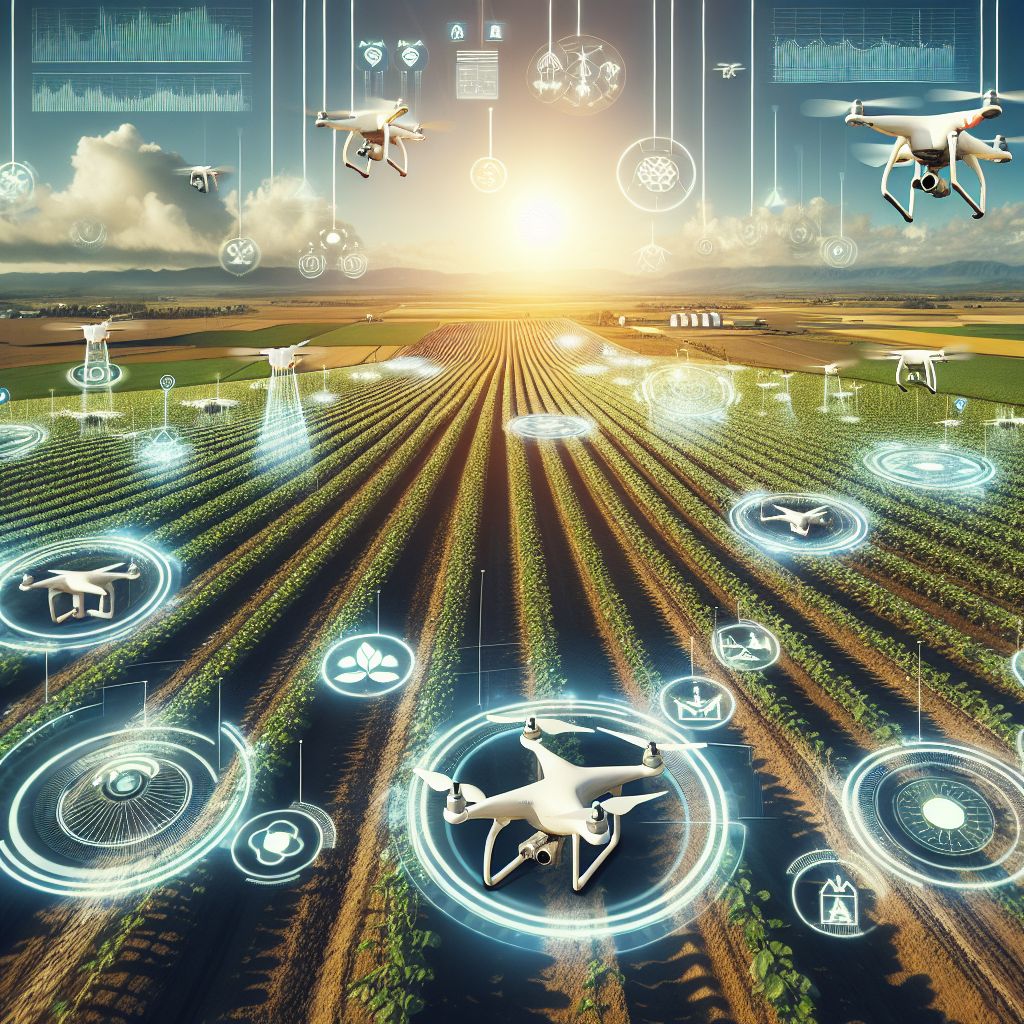
The future of drones in agriculture looks promising, with continuous advancements and innovations on the horizon. As technology evolves, drones are expected to become even more integral to farming operations.
Emerging Trends and Innovations
One emerging trend is the development of autonomous drones that require minimal human intervention. These drones can operate independently, performing tasks like monitoring, data collection, and even pesticide application.
Another innovation is the integration of artificial intelligence (AI) with drone technology. AI-powered drones can analyze data in real-time, providing farmers with actionable insights to optimize their operations. This technological advancement is particularly beneficial in enhancing off-grid solar irrigation systems, enabling more efficient water management for sustainable farming.
Potential for Wider Adoption and Impact
The potential for wider adoption of drone technology in agriculture is significant. As costs decrease and technology becomes more accessible, more farmers are likely to adopt drones to enhance their farming practices.
This widespread adoption can have a profound impact on global agriculture, leading to increased efficiency, sustainability, and productivity. By embracing drone technology, farmers can address challenges such as resource scarcity, environmental impact, and food security.
“Drone technology is set to revolutionize agriculture, providing farmers with the tools they need to meet the demands of a growing global population.” – Agricultural Innovation Journal
Besides that, as drone technology continues to advance, it will likely become more integrated with other agricultural technologies, such as precision farming tools and IoT devices.
Connecting to Sustainable Farming Goals
Drones play a crucial role in promoting sustainable farming practices. By optimizing resource use and reducing environmental impact, drones help farmers achieve their sustainability goals.
This connection to sustainability is vital as farmers strive to balance productivity with environmental stewardship. By adopting drone technology, farmers can ensure that their operations are both profitable and environmentally responsible.
Conclusion
The integration of drones with solar-powered irrigation systems offers a powerful solution for modern agriculture. By enhancing efficiency, reducing costs, and promoting sustainability, this combination addresses some of the most pressing challenges facing farmers today.
While the initial investment may be substantial, the long-term benefits make it a worthwhile endeavor for many farmers. By embracing this technology, farmers can improve their operations, support sustainable practices, and contribute to a more resilient agricultural sector.
Is Drones working with a Solar Irrigation System a Winning Combination For a Farmers Efficiency
In conclusion, drones and solar irrigation systems are a winning combination for enhancing farming efficiency. This integration allows farmers to manage their resources more effectively, reduce waste, and improve crop yields.
By adopting these technologies, farmers can ensure that their operations are not only efficient but also sustainable, paving the way for a more productive and environmentally friendly future.
FAQ
Here are some frequently asked questions about drones in solar-powered irrigation systems:
How do drones specifically enhance solar irrigation systems?
Drones enhance solar irrigation systems by providing precise water management and real-time monitoring. They help farmers identify areas that require more or less water, ensuring optimal irrigation and reducing waste.
Can solar panels provide enough energy for both drones and irrigation systems?
Yes, solar panels can provide sufficient energy for both drones and irrigation systems. By harnessing the sun’s power, these systems reduce reliance on traditional energy sources and lower operational costs.
Farmers can optimize their energy use by strategically placing solar panels to maximize sunlight exposure, ensuring efficient power generation.
What is the initial cost for implementing drone technology in farming?
The initial cost for implementing drone technology can vary depending on the type of drones and equipment used. On average, a basic agricultural drone can cost between $1,500 and $10,000. For more insights on how drones can boost farmers’ efficiency, explore how they impact the bottom line.
However, the long-term savings in water, energy, and labor costs often justify this initial investment, providing a solid return over time. To understand more about these benefits, explore the cost savings for farmers using solar panels.
How do drones monitor and assess crop health?
Drones monitor and assess crop health using advanced sensors and cameras. They capture high-resolution images and collect data on variables like soil moisture, plant health, and pest presence.
This data allows farmers to make informed decisions about irrigation, fertilization, and pest control, optimizing crop management and improving yields. For more insights, learn about solar irrigation systems and how they benefit farmers.
Are there any drawbacks to using drones in sustainable agriculture?
While drones offer numerous benefits, there are some drawbacks to consider. These include high initial costs, technical skill requirements, and regulatory restrictions.
However, with proper planning and investment in training, farmers can overcome these challenges and fully realize the potential of drone technology in sustainable agriculture.
By collaborating with local authorities and staying informed about regulations, farmers can ensure that their use of drones complies with legal requirements and supports sustainable practices.







Leave a Reply