

Key Takeaways
- Fixed-wing drones are ideal for monitoring large farmlands, thanks to their ability to cover vast distances quickly.
- Multi-rotor drones provide precision and flexibility, making them perfect for detailed crop inspections on small to medium-sized farms.
- Hybrid drones offer the best of both worlds, combining features of fixed-wing and rotary-wing drones for versatile farming applications.
- Solar-powered drones harness renewable energy, allowing for extended flight times and reduced dependency on traditional power sources.
- Integrating drones into solar-powered irrigation systems can significantly improve water usage efficiency and reduce operational costs.
Diversifying Drone Types for Enhanced Solar Irrigation Efficiency
In recent years, drones have revolutionized the agricultural sector, bringing new levels of efficiency and precision to farming practices. One of the most exciting applications of drone technology is in solar-powered irrigation systems. By leveraging the unique capabilities of different types of drones, farmers can optimize their irrigation processes, conserve water, and boost crop yields.
Importance of Drones in Modern Farming
Drones are not just flying gadgets; they are powerful tools that can transform the way we approach farming. With the ability to monitor large areas, assess crop health, and even apply precise amounts of water or fertilizer, drones are becoming indispensable in modern agriculture. They help farmers make informed decisions, leading to better resource management and increased productivity.
Increased Efficiency and Sustainability
The integration of drones into solar irrigation systems is a game-changer. It allows for more efficient water usage, reducing waste and ensuring that crops receive the right amount of moisture. This not only conserves water but also enhances the sustainability of farming operations, making them more resilient to climate change and resource scarcity.
Overview of Drone Capabilities in Agriculture
Let’s dive into the different types of drones that can be used in solar irrigation systems and explore their unique capabilities:
- Fixed-Wing Drones: Best for covering large areas quickly.
- Multi-Rotor Drones: Offer precision and flexibility for detailed inspections.
- Hybrid Drones: Combine the advantages of fixed-wing and multi-rotor drones.
- Solar-Powered Drones: Use renewable energy for extended flight times.
Each type of drone has its own strengths and weaknesses, making it essential for farmers to choose the right drone for their specific needs.
Here’s a table discussing the different types of drones that can be used with a solar irrigation system and their unique capabilities:
|
Drone Type |
Unique Capabilities |
Best Use Cases |
|---|---|---|
|
Fixed-Wing |
– Long flight times |
– Monitoring vast farmlands |
|
Rotary-Wing |
– Vertical takeoff and landing |
– Detailed crop inspections |
|
Hybrid |
– Combines fixed-wing and rotary-wing benefits |
– Versatile farm monitoring |
|
Solar-Powered |
– Extended flight times |
– Continuous crop monitoring |
Each type of drone offers unique advantages for solar-powered irrigation systems, allowing farmers to choose the most suitable option based on their specific needs and farm characteristics. The integration of these drones with solar irrigation systems is revolutionizing agricultural practices, improving efficiency, and promoting sustainability in farming. 2, 4
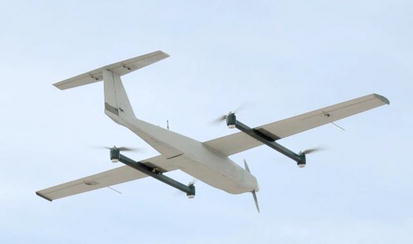
Fixed-Wing Drones: Covering Large Agricultural Terrains
Fixed-wing drones are a popular choice for farmers who need to monitor extensive farmlands. These drones are designed like small airplanes, with wings that provide lift and allow them to glide through the air efficiently. This design makes them perfect for covering large distances quickly, making them ideal for surveying vast agricultural areas.
How Fixed-Wing Drones Operate
Fixed-wing drones operate by using their wings to generate lift, allowing them to fly longer distances with less energy. They typically take off and land on runways, much like traditional aircraft, and are equipped with advanced sensors and cameras to capture high-resolution images and data.
Advantages for Large Area Monitoring
- Cover large distances in a single flight, making them efficient for monitoring extensive fields.
- Provide detailed aerial imagery for crop health assessments and land mapping.
- Operate with greater endurance and speed compared to other drone types.
Fixed-wing drones are the go-to option for farmers needing to survey vast areas quickly. Their airplane-like design allows them to glide efficiently, covering large distances in a single flight. This capability is particularly beneficial for farmers with extensive farmlands who need to monitor crop health, soil conditions, and irrigation efficiency without spending hours on manual inspections.
These drones come equipped with high-resolution cameras and sensors that provide real-time detailed aerial imagery. Farmers can use this data to identify problem areas, such as dry patches or pest infestations, and take corrective actions promptly. By offering a bird’s-eye view of the entire farm, fixed-wing drones enable farmers to make informed decisions that can enhance productivity and crop yield.
These advantages make fixed-wing drones a valuable asset for farmers looking to maximize their productivity and gain insights into their crops.
Limitations in Maneuverability
While fixed-wing drones excel at covering large areas, they do have some drawbacks. One of the primary limitations is their lack of maneuverability. Unlike multi-rotor drones, fixed-wing models cannot hover in place or perform intricate movements, which can be a disadvantage for tasks requiring precision, such as detailed crop inspections or targeted irrigation.
Additionally, fixed-wing drones require a runway or open space for takeoff and landing, which might not be feasible in smaller farms or areas with dense vegetation. Despite these challenges, their ability to survey extensive areas efficiently makes them a valuable tool in the agricultural toolkit.
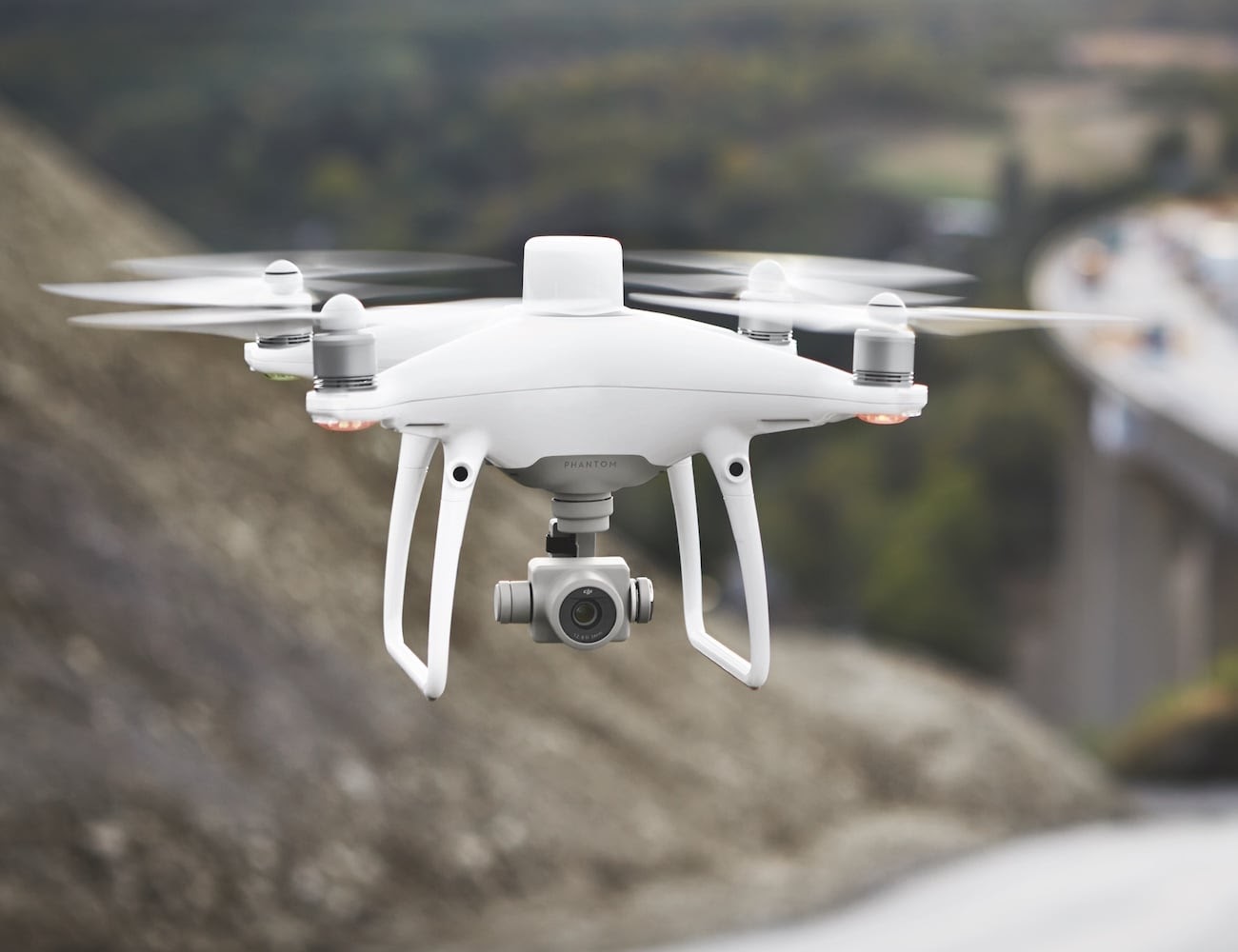
Multi-Rotor Drones: Precision and Flexibility
Multi-rotor drones are known for their versatility and precision. These drones have multiple rotors, allowing them to hover, fly in any direction, and perform agile maneuvers. This makes them perfect for tasks that require close-up inspections and detailed monitoring of crops.
Farmers with small to medium-sized farms can benefit greatly from multi-rotor drones. Their ability to hover enables them to take precise measurements and capture high-resolution images of specific areas. This precision is crucial for identifying issues such as pest infestations or nutrient deficiencies, which can be addressed promptly to prevent crop damage.
Hover Ability for Detailed Crop Inspection
One of the standout features of multi-rotor drones is their ability to hover steadily in one place. This capability allows farmers to conduct detailed inspections of crops, examining them from various angles without disturbing the plants. By capturing close-up images and data, farmers can assess the health of their crops and make informed decisions about irrigation, fertilization, and pest control.
Suitability for Small to Medium Farms
Multi-rotor drones are particularly suited for small to medium-sized farms, where precision and flexibility are more important than covering large distances. Their compact design and ease of use make them an ideal choice for farmers who need to monitor specific areas closely. With multi-rotor drones, farmers can efficiently manage their irrigation systems, ensuring that each plant receives the right amount of water.
Moreover, these drones can be used to apply fertilizers or pesticides with pinpoint accuracy, reducing waste and minimizing environmental impact. By using multi-rotor drones, farmers can enhance their productivity while promoting sustainable farming practices.
Comparison with Fixed-Wing Drones
When it comes to choosing between fixed-wing and multi-rotor drones, the decision largely depends on the specific needs of the farm. Fixed-wing drones are best for large-scale monitoring, offering efficiency and coverage over vast areas. In contrast, multi-rotor drones provide precision and flexibility, making them ideal for detailed inspections and targeted interventions.
Both types of drones have their place in modern agriculture, and many farmers find that a combination of the two offers the best results. By leveraging the strengths of each type, farmers can optimize their irrigation systems, conserve resources, and boost crop yields.
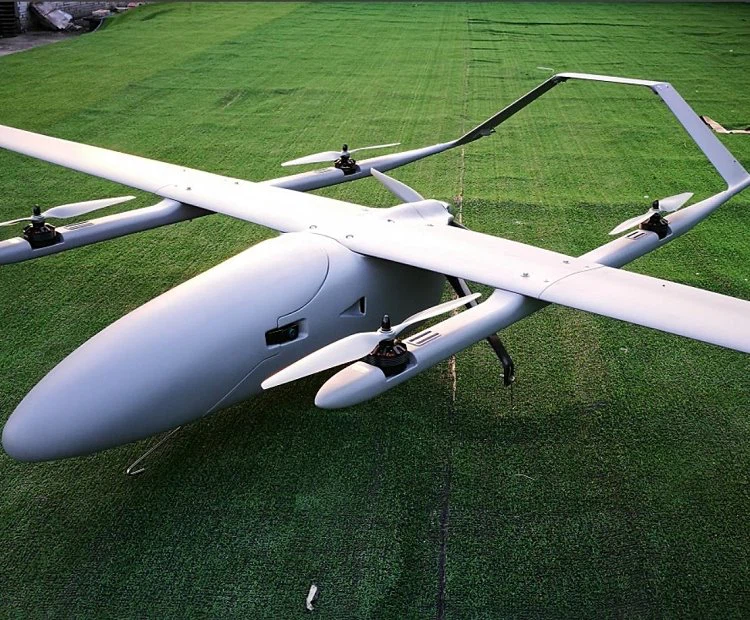
Hybrid Drones: Combining the Best Traits
Hybrid drones are the innovative solution that combines the advantages of both fixed-wing and multi-rotor drones. These versatile drones are designed to offer the best of both worlds, providing the coverage of fixed-wing drones and the precision of multi-rotor models. For more on how drones are impacting agriculture, explore the impact of drones on farmers’ efficiency.
With hybrid drones, farmers can achieve comprehensive monitoring of their fields while maintaining the ability to perform detailed inspections. This dual functionality makes them an excellent choice for farms with varied terrain and diverse crop needs.
Dual Functionality: Fixed and Rotary-Wing Features
The key to hybrid drones’ success lies in their dual functionality. They are equipped with wings for efficient long-distance flights and rotors for hovering and agile movements. This combination allows them to transition seamlessly between different tasks, adapting to the specific requirements of the farm.
Farmers can use hybrid drones to conduct broad surveys of their fields and then switch to detailed inspections of specific areas. This flexibility makes them an invaluable tool for managing irrigation systems and optimizing resource usage.
Applications for Varied Terrain and Tasks
Hybrid drones are particularly beneficial for farms with varied terrain, where different areas may require different approaches. They can navigate complex landscapes, flying over hills and valleys with ease. This adaptability allows farmers to monitor and manage diverse crops, ensuring that each area receives the attention it needs. For more information on how drones are revolutionizing agriculture, you can explore different types of drones used in agriculture.
Cost Considerations
While hybrid drones offer numerous advantages, they can be more expensive than single-function drones. However, their versatility and ability to perform multiple tasks can offset the initial investment by reducing the need for additional equipment and labor. For many farmers, the long-term benefits of hybrid drones make them a worthwhile investment in sustainable agriculture.

Solar-Powered Drones: Harnessing Renewable Energy
Solar-powered drones are at the forefront of sustainable agriculture, offering an eco-friendly alternative to traditional drones. These drones are equipped with solar panels that harness sunlight to power their flights, reducing the need for frequent recharging and minimizing reliance on non-renewable energy sources.
By using solar-powered drones, farmers can extend flight times and cover larger areas without interruption. This increased efficiency is particularly valuable for monitoring irrigation systems and ensuring that crops receive the right amount of water. For those interested in the components of such systems, here’s a guide on off-grid solar irrigation system components.
- Extended flight times reduce the need for frequent recharging.
- Eco-friendly, reducing reliance on fossil fuels.
- Ideal for remote areas with limited access to electricity.
Solar-powered drones represent a significant step forward in sustainable farming, offering farmers a way to reduce their environmental impact while enhancing productivity.
Benefits of Extended Flight Time
The primary advantage of solar-powered drones is their extended flight time. By harnessing solar energy, these drones can stay airborne for longer periods, covering more ground and collecting more data in a single flight. This efficiency is crucial for large-scale farms, where monitoring every corner of the field can be time-consuming and labor-intensive.
With solar-powered drones, farmers can conduct comprehensive surveys of their fields, identifying areas that require attention and making informed decisions about irrigation and crop management. This proactive approach can lead to increased yields and improved resource conservation.
Environmental Implications
Solar-powered drones offer significant environmental benefits, reducing the carbon footprint of farming operations. By relying on renewable energy, these drones minimize the need for fossil fuels and contribute to a cleaner, more sustainable agricultural sector. Learn more about the types of drones used with solar power irrigation systems to enhance eco-friendly farming practices.
Weather Dependency and Limitations
Despite their advantages, solar-powered drones do have some limitations. Their reliance on sunlight means that their performance can be affected by weather conditions, such as cloudy days or rain. However, advancements in solar technology are continually improving their efficiency, making them a viable option for farmers seeking sustainable solutions.
- Performance may be affected by cloudy or rainy weather.
- Advancements in solar technology are improving efficiency.
- Still a viable option for sustainable farming practices.

Integrating Drones into Solar-Powered Irrigation Systems
Integrating drones into solar-powered irrigation systems is a transformative approach that modernizes farming. By combining drone technology with renewable energy sources, farmers can optimize their irrigation processes, conserve water, and reduce operational costs. Learn more about how drones and solar panels can significantly impact farmers’ efficiency and bottom line.
Drones equipped with advanced sensors and cameras can monitor crop health and soil moisture levels in real-time. This data allows farmers to make informed decisions about when and where to irrigate, ensuring that water is used efficiently and effectively.
Moreover, solar-powered drones can operate independently of traditional power sources, making them ideal for remote areas or regions with limited access to electricity. This independence enhances the sustainability and resilience of farming operations, particularly when integrated with an off-grid solar irrigation system.
Improving Water Usage Efficiency
One of the primary benefits of integrating drones into solar-powered irrigation systems is the improvement in water usage efficiency. Drones can precisely monitor soil moisture levels and identify areas that require irrigation. This targeted approach reduces water waste and ensures that crops receive the right amount of moisture, leading to healthier plants and increased yields. Learn more about how drones and solar panels impact farmers’ efficiency.
Cost Savings and Operational Impacts
Using drones in irrigation systems can lead to significant cost savings for farmers. By optimizing water usage, farmers can reduce their water bills and minimize the need for additional labor. Additionally, drones can perform tasks that would otherwise require manual labor, such as crop monitoring and pest control, further reducing operational costs.
Case Studies of Successful Implementation
Numerous farmers have successfully integrated drones into their solar-powered irrigation systems, achieving impressive results. For example, a farmer in California used drones to monitor his vineyard, resulting in a 20% reduction in water usage and a 15% increase in grape yield. These outcomes demonstrate the potential of drone technology to enhance farming productivity and sustainability.
Here’s a chart discussing the benefits of integrating drones into solar-powered irrigation systems:
|
Benefit |
Description |
|---|---|
|
Precision Irrigation |
Drones provide accurate data on crop water needs, allowing for targeted irrigation and reducing water waste. 1, 3 |
|
Enhanced Efficiency |
Drones can inspect large areas quickly and accurately, saving time and resources in solar system installation and maintenance. 1 |
|
Real-time Monitoring |
Drones capture high-resolution imagery for immediate assessment of crop health and irrigation needs. 3, 4 |
|
Cost-effectiveness |
While initial investment may be higher, long-term savings in energy and water make this approach economical. 3 |
|
Improved Crop Yields |
Precise water management leads to healthier plants and increased productivity. 1, 3 |
|
Leak Detection |
Thermal cameras on drones can identify temperature changes in the ground, indicating irrigation system leaks. 1 |
|
Soil Moisture Mapping |
Specialized sensors create detailed soil moisture maps, highlighting areas needing irrigation adjustments. 1 |
|
Flexible Scheduling |
Drones can operate at any time, providing real-time information to adapt to changing conditions. 1 |
|
Historical Data Analysis |
Drones store data over time, enabling trend analysis and long-term irrigation system improvements. 1 |
|
Remote Monitoring |
Operators can assess water quality and identify problem areas without physical presence. 4 |
|
Sustainability |
Solar-powered systems reduce reliance on fossil fuels, cutting down greenhouse gas emissions. 3 |
This integration significantly enhances farming efficiency, sustainability, and crop yield while reducing resource consumption and environmental impact.

Final Thoughts on Drones in Sustainable Farming
Drones are revolutionizing the agricultural industry, offering farmers new tools to improve efficiency and sustainability. By integrating drones into solar-powered irrigation systems, farmers can optimize resource usage, reduce environmental impact, and increase crop yields.
Long-Term Benefits and Challenges
The long-term benefits of using drones in agriculture are significant. Farmers can achieve greater efficiency, reduce costs, and enhance the sustainability of their operations. However, there are also challenges to consider, such as the initial investment cost and the need for training and maintenance.
- Initial investment costs can be high, but long-term savings often justify the expense.
- Training is essential to ensure that farmers can effectively operate and maintain drones.
- Ongoing maintenance is necessary to keep drones in optimal condition.
Despite these challenges, the advantages of drone technology make it a worthwhile investment for many farmers.
As technology continues to advance, we can expect to see even more innovative applications of drones in agriculture, further enhancing their value to farmers worldwide.
Adaptation in Varying Agricultural Contexts
Different farms have different needs, and drones can be adapted to suit various agricultural contexts. For instance, fixed-wing drones may be ideal for large, flat farmlands, while multi-rotor drones are better suited for smaller, more complex terrains.
Farmers should consider their specific needs and challenges when selecting drones for their operations. By choosing the right type of drone, they can maximize the benefits and ensure successful integration into their farming practices.
In conclusion, drones offer a promising solution for enhancing farming productivity and sustainability. By embracing this technology, farmers can achieve greater efficiency, reduce environmental impact, and secure a more sustainable future for agriculture. Learn more about how drones and solar panels impact the bottom line.
“By using drones, we have reduced our water usage by 20% and increased our crop yield by 15%. It’s a game-changer for our farm.” – Farmer in California
Future Innovations in Drone Technology
The future of drone technology in agriculture is bright, with ongoing advancements that promise to make drones even more efficient and versatile. Innovations such as improved battery life, enhanced sensors, and artificial intelligence integration are set to revolutionize the way drones are used in farming.
As these technologies continue to develop, farmers can look forward to even more opportunities to enhance their productivity and sustainability, making drones an essential tool in the future of agriculture.
Frequently Asked Questions (FAQ)
Here are some common questions about using drones in agriculture: How do drones improve farming efficiency? You can learn more about how drones can boost farmers’ efficiency and impact their bottom line.
Are drones expensive for small-scale farmers?
While the initial investment in drones can be significant, the long-term savings and increased productivity often justify the cost. Additionally, prices for drone technology have been decreasing, making them more accessible to small-scale farmers.
Can drones be used in all weather conditions?
Drones can operate in various weather conditions, but extreme weather, such as heavy rain or strong winds, can affect their performance. It’s essential to check weather conditions before deploying drones to ensure safe and effective operation. For more insights on how drones can boost farmers’ efficiency, read our related article.
However, advancements in drone technology are improving their resilience to adverse weather, making them more reliable for farmers.
How do drones improve water conservation in farming?
Drones improve water conservation by providing precise data on soil moisture levels and crop health. This information allows farmers to target irrigation efforts, reducing water waste and ensuring that crops receive the right amount of moisture.
What is the lifespan of a solar-powered drone?
The lifespan of a solar-powered drone depends on factors such as usage, maintenance, and environmental conditions. With proper care, drones can last several years, providing farmers with a valuable tool for enhancing productivity and sustainability. Learn more about how drones can impact the bottom line for farmers.
Can drones operate independently without human control?
While drones can be programmed to perform specific tasks autonomously, human oversight is often required to ensure safe and effective operation. Advances in artificial intelligence are improving drones’ ability to operate independently, offering exciting possibilities for the future of agriculture.

Leave a Reply