
Key Takeaways
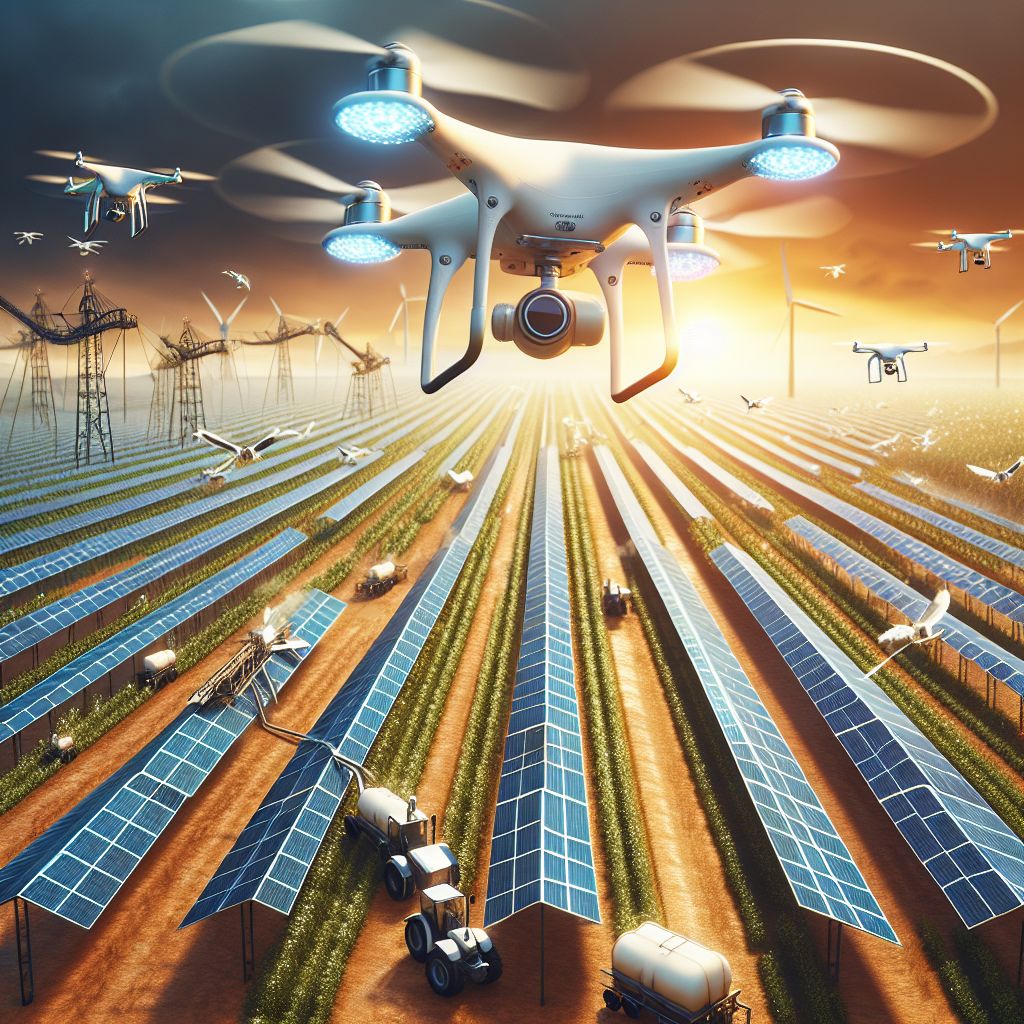
- Drones can increase farming efficiency by providing precise data for crop management, leading to better yields and reduced waste.
- Using drones, farmers can monitor crops in real-time, identifying issues like pest infestations or water shortages quickly.
- Solar panels reduce energy costs for farms, often saving between 10% and 30% on electricity bills annually.
- Integrating solar panels with farming equipment can lead to more sustainable and environmentally friendly operations.
- Both drones and solar panels contribute to a farm’s sustainability by lowering carbon footprints and promoting eco-friendly practices.
How Drones Are Revolutionizing Farm Operations
Imagine being able to see every inch of your farm from the sky. Drones make this possible, transforming the way we manage farms. They are not just flying cameras; they are a revolutionary tool that can boost productivity and efficiency.
Precision Farming with Drones
Precision farming is all about using the right resources at the right time. Drones help by providing detailed aerial images of fields. These images allow farmers to assess crop health, soil conditions, and even the moisture levels in the fields. This data is crucial for making informed decisions about planting, fertilizing, and watering.
For instance, if a section of the field appears stressed, it could indicate a need for water or nutrients. By addressing these issues promptly, farmers can ensure healthier crops and higher yields. It’s like having a bird’s-eye view that lets you spot problems before they escalate.
Real-Time Monitoring and Data Collection
Drones excel in real-time monitoring. They can fly over fields regularly, capturing images and data that highlight changes over time. This ability is invaluable for tracking crop growth and spotting potential issues like pest infestations or disease outbreaks.
For example, if a pest problem is detected early, farmers can take targeted action to control it, rather than applying pesticides across the entire field. This not only saves money but also reduces the environmental impact of farming practices.
Automated Planting and Maintenance
Beyond monitoring, drones are also being used for planting and maintenance tasks. Some advanced drones can plant seeds with precision, ensuring even distribution and optimal growth conditions. This technology reduces labor costs and increases planting efficiency.
Moreover, drones equipped with spraying systems can apply fertilizers and pesticides precisely where needed. This targeted approach minimizes waste and ensures that resources are used efficiently. It’s a smart way to enhance productivity while conserving resources.
Drones and solar panels are transforming modern farming practices, offering innovative solutions to age-old agricultural challenges. Here’s a table discussing how these technologies are revolutionizing farm operations:
|
Aspect |
Drones |
Solar Panels |
|---|---|---|
|
Crop Monitoring |
Provide real-time data on crop health using multispectral sensors. 1, 7 |
Power irrigation systems for efficient water management. 3 |
|
Resource Management |
Enable precision spraying of fertilizers and pesticides. 1 |
Reduce reliance on fossil fuels for farm operations. 3 |
|
Soil Analysis |
Perform detailed soil composition analysis. 1 |
Support solar-powered water pumps for consistent water supply. 5 |
|
Irrigation |
Identify areas of water stress using thermal sensors. 1 |
Power drone-assisted irrigation systems, reducing water waste. 3 |
|
Data Collection |
Gather high-resolution images for comprehensive field analysis. 4 |
Enable 24/7 operation of monitoring and data collection systems. 2 |
|
Cost Efficiency |
Increase crop yields by up to 5%. 7 |
Provide cost-effective, renewable energy for farm equipment. 5 |
|
Environmental Impact |
Minimize waste and environmental impact through targeted applications. 1 |
Reduce carbon footprint of farming operations. 3 |
|
Automation |
Offer potential for automated planting and fertilizer application. 4 |
Support autonomous farming systems and equipment. 6 |
|
Crop Protection |
Detect early signs of disease or pest infestations. 4 |
Power electric fences and security systems |
|
Land Use Optimization |
Provide aerial views for better land management. 4 |
Enable agrivoltaic systems, combining solar power and crop production. 8 |
This integration of drones and solar panels in agriculture is paving the way for more efficient, sustainable, and productive farming practices, addressing challenges such as resource management, environmental impact, and crop yield optimization.
Benefits of Solar Panels in Agriculture
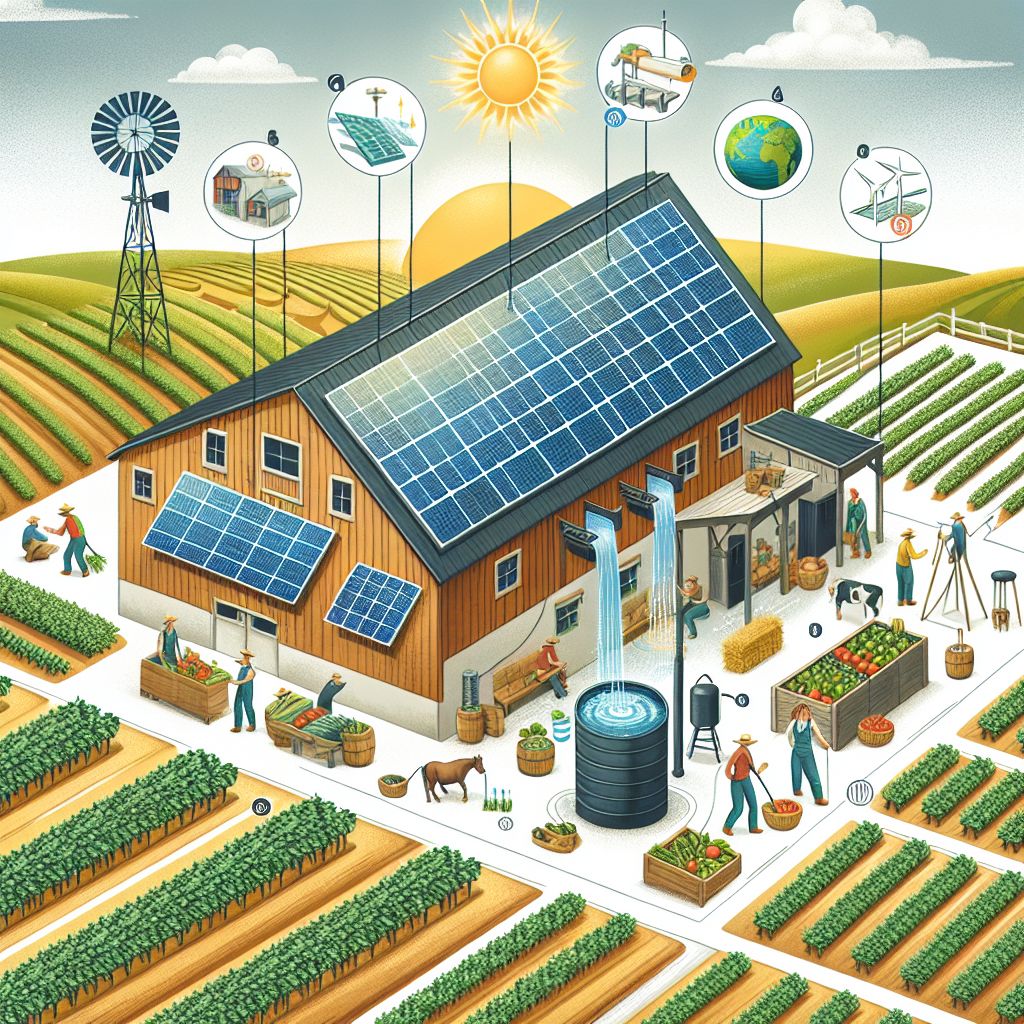
Solar panels are changing the energy landscape for farmers. By harnessing the power of the sun, farms can become more self-sufficient and reduce their reliance on traditional energy sources.
Solar Energy for Cost Reduction
One of the most significant benefits of solar panels is the reduction in energy costs. On average, farms can save between 10% and 30% on their electricity bills annually by switching to solar power. These savings can be substantial, especially for energy-intensive operations.
Besides cutting costs, solar energy provides a reliable power source. Even in remote areas, solar panels can generate electricity, ensuring that essential equipment remains operational. This reliability is crucial for maintaining productivity and avoiding costly downtime.
Integration of Solar Panels with Farming Equipment
Solar panels can be integrated with various farming equipment to enhance efficiency. For instance, solar-powered water pumps can provide a sustainable solution for irrigation needs. This integration reduces the need for fossil fuels and lowers the farm’s overall carbon footprint.
Furthermore, solar energy can power other essential systems, such as lighting and refrigeration. By utilizing solar power, farmers can ensure their operations are not only cost-effective but also environmentally friendly.
Environmental Impact and Sustainability
Embracing solar energy is a step towards sustainability. By reducing reliance on non-renewable energy sources, farms can lower their carbon emissions and contribute to a healthier planet. This shift not only benefits the environment but also enhances the farm’s reputation as an eco-friendly operation.
In conclusion, both drones and solar panels are powerful tools that can significantly boost farming efficiency. By adopting these technologies, farmers can improve productivity, reduce costs, and promote sustainable practices. It’s a win-win situation for both the farm and the environment.
Challenges and Solutions in Technology Adoption
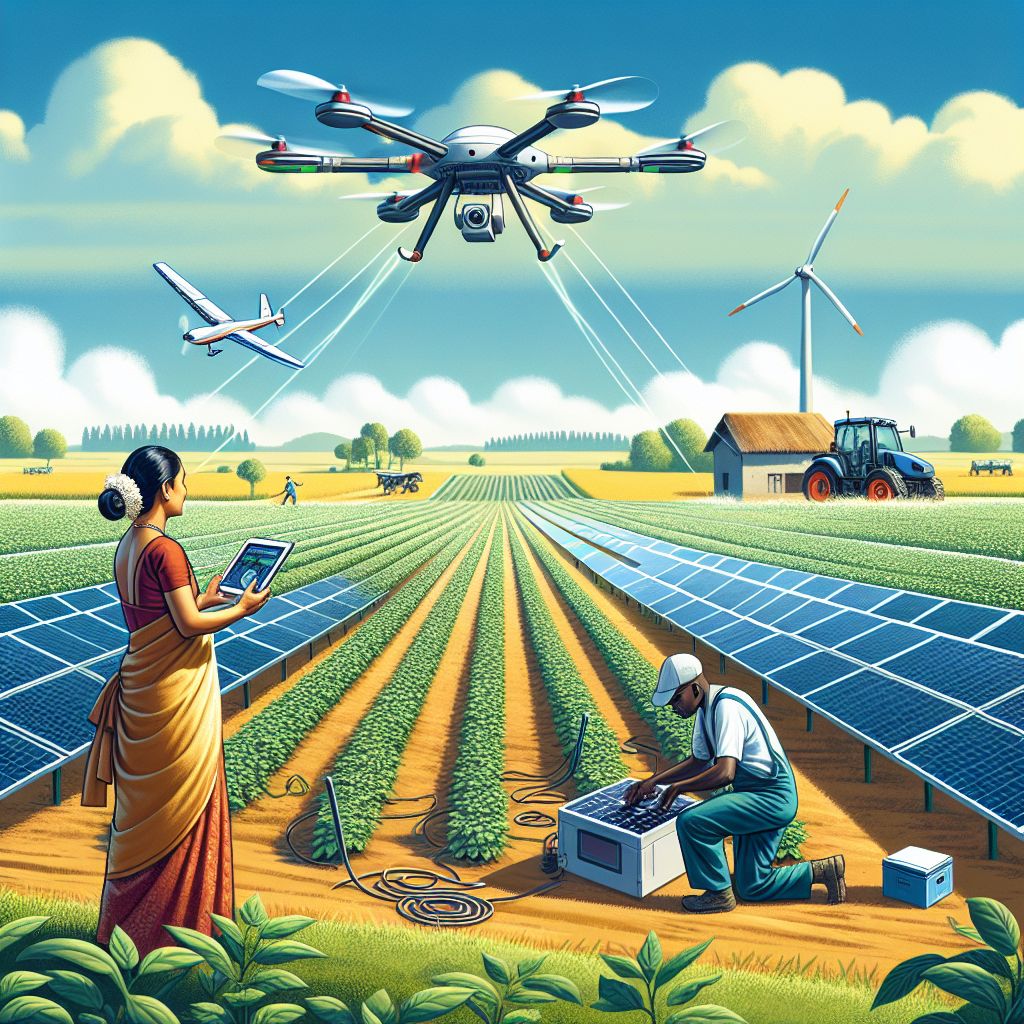
Adopting new technology in agriculture, like drones and solar panels, comes with its own set of challenges. However, these challenges can be addressed with the right strategies, making the transition smoother and more beneficial for farmers.
First, understanding the costs involved is crucial. While the initial investment can be significant, the long-term savings and increased efficiency often outweigh these upfront expenses.
Financial Considerations and ROI
Investing in drones and solar panels requires careful financial planning. The initial costs can be daunting, but it’s important to consider the return on investment (ROI). For example, the savings on energy bills and increased crop yields can provide a substantial ROI over time.
To manage costs, farmers should explore financial incentives such as government grants, tax credits, or subsidies. These programs can significantly reduce the financial burden and make these technologies more accessible.
Regulatory and Compliance Issues
- Understanding local regulations is essential when using drones. Rules may vary depending on the location and intended use.
- Compliance with environmental regulations is necessary for solar panel installations.
- Farmers should stay informed about any changes in regulations to ensure ongoing compliance.
Regulatory hurdles can be a major concern for farmers looking to adopt new technologies. It’s important to familiarize oneself with the relevant regulations and ensure all necessary permits and approvals are obtained before implementation.
Working with experts or consultants can help navigate these complexities, ensuring compliance and avoiding potential fines or legal issues.
Technical Expertise and Training Needs
New technologies often require new skills. Farmers need to invest in training to effectively use drones and maintain solar panel systems. This training can be sourced from manufacturers, agricultural extension services, or online courses.
In addition to technical skills, farmers should also focus on data analysis. Drones collect a wealth of data, and understanding how to interpret this information is key to making informed decisions.
Future Trends in Agricultural Technology
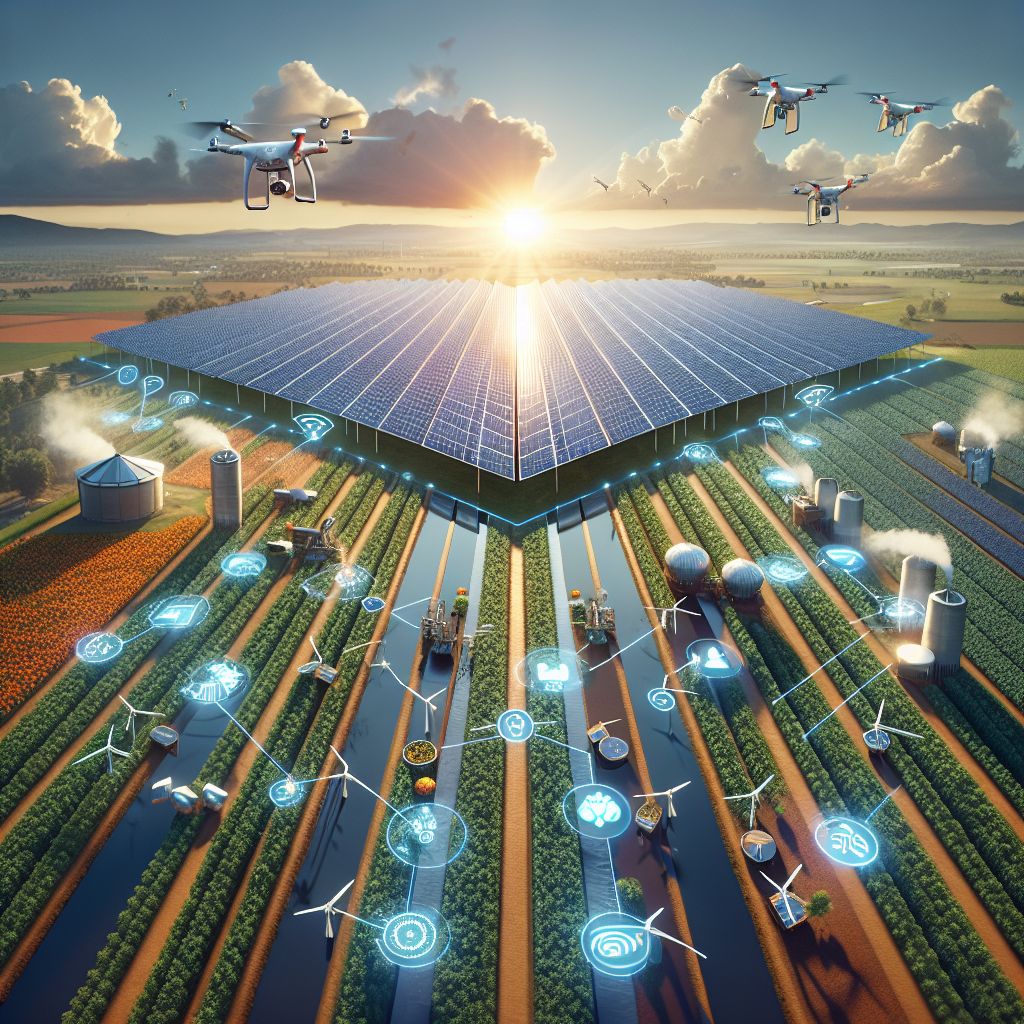
The future of agriculture is bright with the continuous evolution of technology. Drones and solar panels are just the beginning. As these technologies advance, they will become even more integral to farming operations.
- Advancements in drone technology will likely include improved battery life and enhanced data processing capabilities.
- Solar technology innovations might lead to more efficient panels and integration with smart farming systems.
- Integration with other smart technologies, such as IoT devices, will provide even greater insights and control over farm operations.
By staying informed about these trends and being open to innovation, farmers can position themselves for success in a rapidly changing agricultural landscape. Embracing technology not only boosts efficiency but also ensures farms remain competitive and sustainable in the long term.
Advancements in Drone Technology
Drones are rapidly evolving, bringing new capabilities to the field of agriculture. Recent advancements include improvements in battery life, allowing drones to fly longer and cover more ground in a single flight. This means more data can be collected in less time, increasing efficiency.
Additionally, drones now come equipped with advanced sensors and imaging technology. These improvements allow for more precise data collection, which helps farmers make informed decisions about crop management. The ability to process this data in real-time is another leap forward, enabling immediate action when issues are detected.
Innovations in Solar Technology for Farms
Solar technology is also advancing, offering new possibilities for farmers. Innovations include more efficient solar panels that can generate more power from the same amount of sunlight. This is particularly beneficial for farms in less sunny climates, as it maximizes the energy captured.
Moreover, solar panels are becoming more affordable, thanks to advances in manufacturing and materials. This makes it easier for farms of all sizes to adopt solar energy solutions, reducing their reliance on non-renewable energy sources and lowering operational costs.
Here’s a table comparing the different solar panels a farmer can use to power his farm:
|
Solar Panel Type |
Efficiency |
Cost per Watt |
Pros |
Cons |
|---|---|---|---|---|
|
Monocrystalline |
17-22% |
$1.00 – $1.50 |
– Highest efficiency. 1, 3 |
– Most expensive option. 1, 3 |
|
Polycrystalline |
13-17% |
$0.90 – $1.20 |
– Lower cost than monocrystalline. 1, 3 |
– Slightly lower efficiency. 1, 3 |
|
Thin-Film |
10-13% |
$0.70 – $1.00 |
– Lowest cost. 1, 3 |
– Lowest efficiency. 1, 3 |
Monocrystalline panels are highly efficient and durable, making them ideal for high-performance irrigation systems that require consistent power output. Their higher cost is often offset by their superior performance in the long run 3.
Polycrystalline panels offer a good balance between cost and efficiency, making them suitable for medium-scale irrigation projects. They perform well in most conditions and are a popular choice for many agricultural applications 3.
Thin-film panels, while less efficient, are more affordable and flexible. They can be a good option for portable irrigation systems or installations where weight is a concern. Their lower efficiency means you may need more panels to achieve the same power output as crystalline options 3.
Integration with Other Smart Farming Technologies
Integrating drones and solar panels with other smart farming technologies is the next step in creating a fully connected farm. For instance, Internet of Things (IoT) devices can be used alongside drones to monitor soil moisture levels, weather conditions, and crop health.
By connecting these technologies, farmers can automate many processes, such as irrigation and fertilization, based on real-time data. This not only saves time and resources but also ensures that crops receive the optimal care they need to thrive. Learn more about the integration of solar panels and agriculture with agrivoltaics.
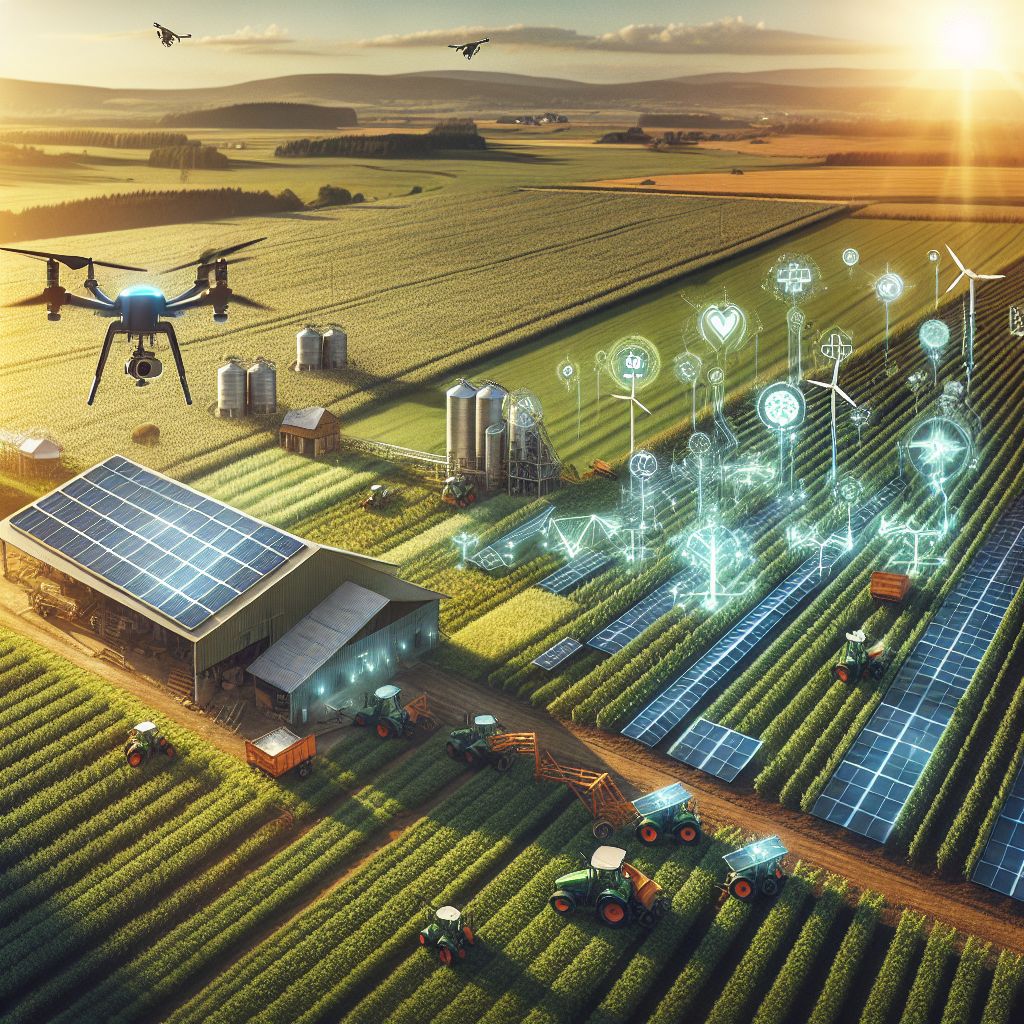
Conclusion: The Future of Farming with Technology
The future of farming is undoubtedly intertwined with technology. Drones and solar panels are just the beginning of a technological revolution that promises to make agriculture more efficient, sustainable, and profitable.
By embracing these advancements, farmers can overcome many of the challenges they face today, from labor shortages to climate change. As these technologies continue to evolve, they will provide even greater opportunities for innovation and growth in the agricultural sector. Learn more about the benefits of solar agriculture integration.
Frequently Asked Questions
To help you understand more about the impact of drones and solar panels on farming, here are some frequently asked questions:
How Do Drones Help in Precision Agriculture?
Drones help in precision agriculture by providing detailed aerial images that show crop health, soil conditions, and moisture levels. This data allows farmers to make informed decisions about planting, fertilizing, and watering, ensuring resources are used efficiently.
Can Solar Panels Work in Less Sunny Climates?
Yes, solar panels can work in less sunny climates. Advances in solar technology have led to more efficient panels that can capture more energy from limited sunlight. This makes solar power a viable option even in areas with less sun exposure.
What Are the Initial Costs of Implementing These Technologies?
The initial costs of implementing drones and solar panels can vary. Drones typically cost between $1,000 and $5,000, depending on their capabilities. Solar panel installations can range from $10,000 to $30,000, but financial incentives like tax credits can help offset these costs.
For example, a farmer in California installed a solar system for $25,000 but received a $7,500 federal tax credit, reducing the net cost to $17,500.
How Do Regulations Affect Drone Use on Farms?
Regulations for drone use vary by location and intended use. Farmers must ensure they comply with local laws, which may require permits or licenses for drone operation. Staying informed about regulations is crucial to avoid legal issues.
What Training is Required to Operate Drones and Solar Systems?
Operating drones and solar systems requires some technical expertise. Farmers should invest in training to understand how to use these technologies effectively. Training can often be obtained from manufacturers, agricultural extension services, or online courses.







Leave a Reply