
Key Takeaways
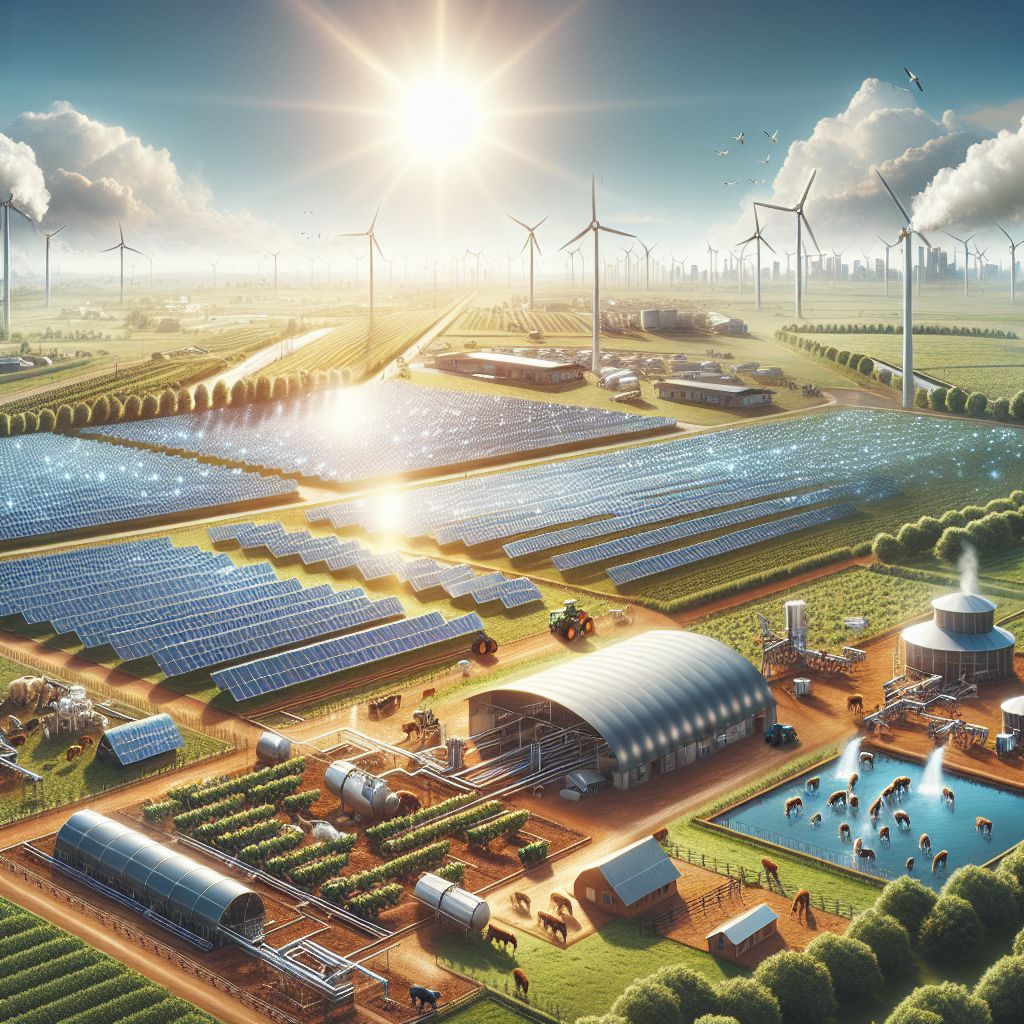
- Solar panels can reduce farm energy costs by up to 80%, providing significant savings for agricultural operations.
- Modern solar systems can power everything from irrigation systems to electric tractors and processing equipment.
- Agrivoltaics allow farmers to use the same land for both energy production and crop growing, maximizing land efficiency.
- Government incentives including the 30% federal tax credit and USDA REAP grants make solar installations more affordable for farmers.
- Battery storage solutions paired with solar panels ensure farms have reliable power even during grid outages or adverse weather conditions.
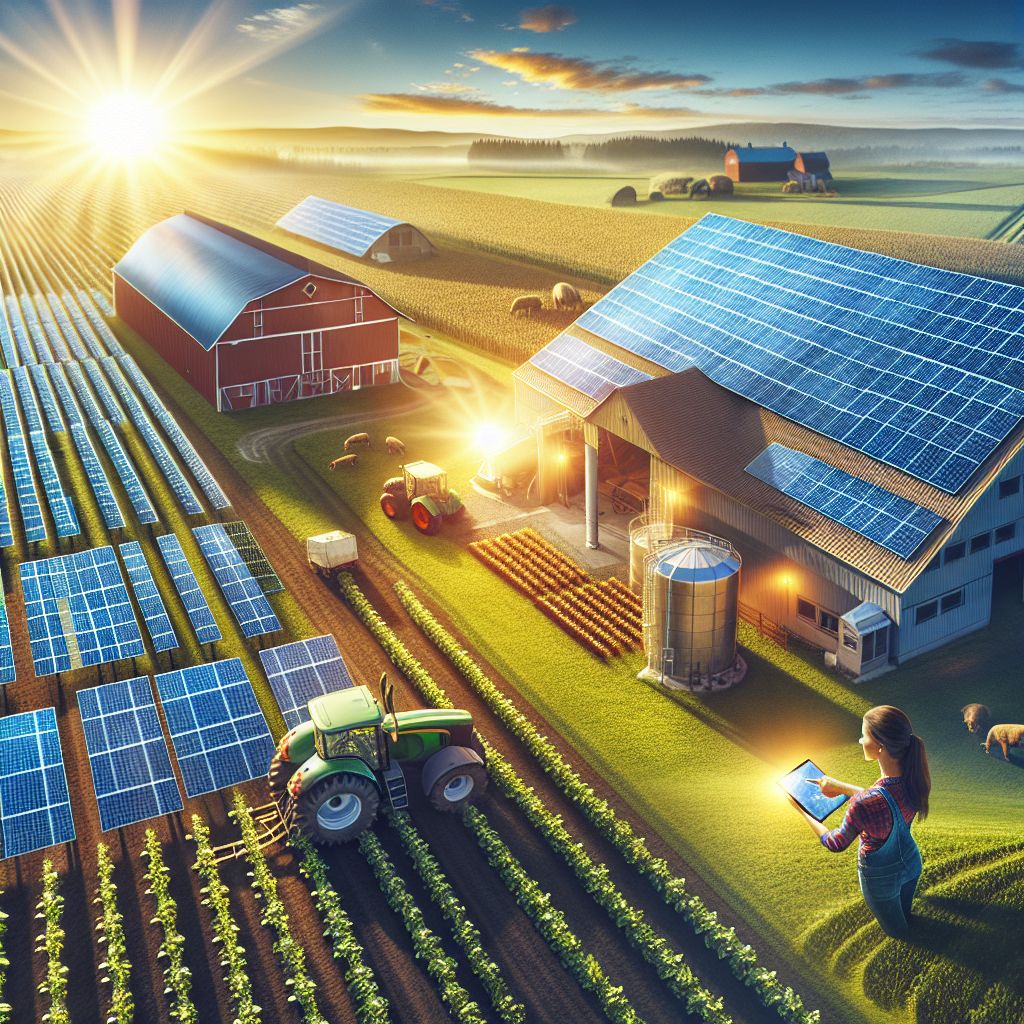
The agricultural sector faces increasing pressure to maintain productivity while reducing operational costs and environmental impact. Solar energy offers a powerful solution to these challenges by providing clean, renewable power that can dramatically transform farm operations. As energy costs continue to rise, implementing solar technology isn’t just environmentally conscious—it’s financially strategic.
Growing Solar Mist understands that modern farming requires substantial energy inputs, from powering irrigation systems to running equipment and maintaining climate control in livestock facilities. By harnessing the sun’s abundant energy, farmers can significantly reduce their dependence on expensive grid electricity and fossil fuels while maintaining or even improving operational efficiency.
Solar Panels Cut Farm Energy Costs by 60-80%
Energy expenses represent one of the largest operational costs for modern farms. Conventional electricity rates continue to climb year after year, creating an unpredictable and often burdensome expense that eats into already tight profit margins. Solar power systems offer a compelling alternative by generating electricity at a fraction of utility costs.
The initial investment in a solar system typically pays for itself within 5-7 years for most agricultural operations. After this payback period, the energy produced is essentially free for the remaining 20+ year lifespan of the system. For farms with high electricity demands for irrigation, climate control, or processing equipment, the savings can be substantial—often between 60-80% of previous energy costs.
Consider a medium-sized dairy operation that requires consistent power for milking equipment, refrigeration, and ventilation. A properly sized solar array can reduce monthly electricity bills from thousands to just a few hundred dollars. These savings continue to compound over time, especially as utility rates inevitably increase. The financial case for solar becomes even stronger when factoring in available tax incentives and agricultural grants specifically designed for renewable energy projects.

“Solar Power for Farm Machinery …” from growingsolarmist.com and used with no modifications.
Power All Your Farm Equipment with Solar Energy
The versatility of solar power systems makes them ideal for the diverse energy needs of modern farming operations. From powering simple electrical systems to running complex equipment, solar panels can be configured to meet virtually any on-farm power requirement. This flexibility allows farmers to transition away from fossil fuels gradually or comprehensively, depending on their specific needs and budget.
Advanced solar installations can be designed to power everything from small tools to large machinery. With the right setup, farmers can run water pumps, grain dryers, automated feeding systems, and even electric tractors using nothing but energy harvested from the sun. The modular nature of solar systems also means they can be expanded over time as energy needs grow or as capital becomes available for additional investment.
The reliability of solar power has improved dramatically in recent years. Modern systems include sophisticated monitoring equipment that allows farmers to track energy production and consumption in real-time. When combined with battery storage solutions, solar energy becomes a dependable power source regardless of weather conditions or time of day. This reliability is crucial for agricultural operations where power interruptions can lead to significant losses.
Run Irrigation Systems on Clean Solar Power
Irrigation is often the single largest energy expense on farms, particularly in arid regions or during dry seasons. Solar-powered irrigation systems eliminate the ongoing fuel or electricity costs associated with water pumping while ensuring crops receive consistent hydration. These systems can be designed to operate automatically, delivering precise amounts of water exactly when needed without requiring constant oversight.
- Direct-coupled solar irrigation systems that pump water only during daylight hours
- Battery-backed systems that enable irrigation scheduling at any time
- Hybrid systems that can switch between solar and grid power as needed
- Smart controllers that adjust watering based on soil moisture and weather forecasts
The environmental benefits of solar-powered irrigation extend beyond energy savings. By reducing reliance on grid electricity (often generated from fossil fuels) or diesel generators, farms can significantly lower their carbon footprint. Additionally, solar irrigation systems can be designed to minimize water waste through precision application, contributing to water conservation efforts in agriculture.
Charge Electric Farm Vehicles and Reduce Fuel Costs
The transition to electric farm vehicles represents a significant opportunity for cost savings and environmental benefits. Solar charging stations can power everything from small utility vehicles to full-sized electric tractors, eliminating the need for expensive diesel or gasoline. With fuel costs constantly fluctuating, having a stable, predictable energy source provides valuable financial security for farm operations.
Electric farm equipment offers additional advantages beyond fuel savings. These vehicles typically require less maintenance, produce zero emissions during operation, and run more quietly than their conventional counterparts. This reduction in noise can be particularly beneficial when working around livestock, as it minimizes stress on animals. Solar-powered charging infrastructure ensures these electric vehicles can operate entirely on renewable energy, completing the sustainability cycle.
Many manufacturers are now producing specialized electric equipment designed specifically for agricultural applications. From ATVs for property inspection to dedicated harvesters, the options continue to expand each year. By investing in both solar infrastructure and electric equipment, forward-thinking farmers position themselves at the forefront of agricultural innovation while insulating their operations from volatile energy markets.
Power Processing Equipment and Cold Storage
Post-harvest processing and storage represent critical energy-intensive phases in agricultural production. Solar power can efficiently run washing stations, sorting equipment, dehydrators, and other processing machinery that adds value to raw agricultural products. For farms that process their own goods, these operations often require significant electricity, making them ideal candidates for solar power integration.
Cold storage facilities present one of the largest energy demands on many farms. Refrigeration runs continuously and requires consistent power to maintain food safety and quality. Solar systems paired with battery storage can reliably power these critical systems, protecting valuable harvests even during grid outages. This reliability factor can be especially important for perishable crops where even brief power interruptions could result in substantial financial losses.
- Grain drying operations powered by solar thermal or electric systems
- Refrigerated storage for dairy, meat, and produce
- Food processing equipment including washers, conveyors, and packaging machinery
- Value-added product manufacturing equipment like commercial kitchens
Maintain Barn Climate Control Year-Round
Modern livestock operations rely heavily on climate control systems to maintain optimal conditions for animal health and productivity. Ventilation fans, heating systems, and cooling equipment all require substantial electricity to operate effectively. Solar power provides a cost-effective solution for powering these essential systems while reducing operational expenses.
Poultry and swine facilities, in particular, demand precise temperature and humidity control to prevent stress and disease. The consistent energy demands of these operations align perfectly with solar power generation, especially when combined with battery storage for overnight use. By ensuring stable climate conditions regardless of external weather, solar-powered barns help maximize animal welfare and production efficiency.
Here’s a table summarizing the benefits of powering key types of farm equipment with solar energy:
|
Equipment Type |
Key Benefits |
|---|---|
|
Irrigation Systems |
– Drastically reduce electricity and fuel costs 2, 4 |
|
Electric Farm Vehicles |
– Cut fuel expenses by up to 96% 7, 1, 4 |
|
Processing Equipment |
– Lower processing costs with almost free solar energy after initial investment 6, 10, 5 |
|
Cold Storage |
– Major reduction in energy bills for refrigeration 8, 10, 5 |
|
Barn (Lighting, Ventilation, Misc.) |
– Decrease electricity bills for daily operations 8, 10 |

“Solar Power Savings: Ways Farmers Save …” from growingsolarmist.com and used with no modifications.
5 Ways Solar Improves Daily Farm Operations
Beyond the obvious financial benefits, solar power enhances farm operations in numerous practical ways that improve overall farm management and resilience. These improvements touch every aspect of daily farm activities, from basic infrastructure to long-term planning and risk management. Adopting solar technology transforms not just how farms power their operations, but how they approach agriculture in general.
1. Reliable Power During Grid Outages
Rural power outages can be devastating to agricultural operations, particularly for farms with time-sensitive processes or livestock that depend on electrical systems. Solar arrays paired with battery storage systems provide crucial backup power during grid failures, ensuring essential farm functions continue uninterrupted. This independence from the grid offers peace of mind during severe weather events or when utility maintenance affects power supply.
For dairy farms, where consistent milking schedules are essential for animal health and production, even brief power outages can cause significant problems. Solar plus storage systems ensure milking equipment, milk cooling, and other critical systems remain operational regardless of grid conditions. This reliability translates directly to animal welfare improvements and prevention of potential financial losses that could result from disrupted operations.
2. Lower Maintenance Than Diesel Generators
Many farms rely on diesel generators as backup power sources, but these systems require regular maintenance, fuel storage, and frequent testing to ensure reliability. Solar systems, by contrast, have no moving parts beyond optional tracking systems and require minimal ongoing maintenance beyond occasional panel cleaning and electrical inspections. This reduced maintenance burden saves valuable time and resources that can be redirected to core farming activities.
Solar systems typically operate silently and without emissions, eliminating the noise, air pollution, and potential fuel spills associated with generators. The longevity of solar equipment—typically 25+ years for panels with warranties—far exceeds the useful life of diesel generators, providing a more durable and sustainable power solution for farm operations.
3. Reduce Environmental Impact of Your Farm
Sustainable farming practices increasingly influence consumer purchasing decisions and can open premium market opportunities. Solar power represents one of the most visible and impactful sustainability investments a farm can make, significantly reducing carbon emissions while demonstrating environmental stewardship. For farms marketing directly to consumers, this commitment to renewable energy can become an important part of brand identity and marketing strategy. Explore the benefits of adding solar panels to your farm for a sustainable future.
Beyond marketing advantages, reducing a farm’s environmental footprint helps preserve the natural resources upon which agriculture depends. Cleaner air, water, and soil benefit both current operations and future generations. Many farmers report that their solar investments align with deeply held values about land stewardship and responsible resource management, providing satisfaction beyond the financial returns.
4. Protect Against Rising Electricity Prices
Electricity rates have shown a consistent upward trend over the past decades, with agricultural users often facing higher commercial rates and demand charges based on peak usage. Solar power effectively locks in energy costs for 25+ years, creating budget predictability that helps with long-term farm planning. Once installed, the cost per kilowatt-hour remains essentially fixed for the life of the system, eliminating exposure to utility rate increases.
This price stability is particularly valuable for agricultural operations with thin profit margins and seasonal cash flow. By removing the uncertainty of fluctuating energy costs, farmers can make more accurate financial projections and investments in other areas of their business. In regions where electricity prices are especially volatile or expensive, solar installations can provide an immediate positive impact on monthly operating expenses.
5. Scale Energy Production as Your Farm Grows
The modular nature of solar systems allows for strategic expansion as farm operations grow or energy needs increase. Starting with a smaller system that addresses immediate priorities, farmers can add additional capacity incrementally as capital becomes available. This scalability provides flexibility that few other energy solutions can match, allowing installations to evolve alongside the changing needs of the farm.
Many farmers begin by powering critical systems like irrigation or cold storage, then gradually expand to cover more operations as they realize the benefits and savings. This approach minimizes initial investment while still capturing immediate returns in high-energy-use areas. Solar installers experienced with agricultural applications can design systems with future expansion in mind, including appropriately sized inverters and electrical infrastructure to accommodate additional panels.
Turn Unused Land into Revenue-Generating Solar Arrays
Strategic placement of solar arrays can transform marginally productive or unused farmland into revenue-generating assets. Areas with poor soil quality, irregular terrain, or consistent shade that limit agricultural productivity can be ideal locations for solar installations. This approach maximizes the economic output of every acre while maintaining prime land for crop production or grazing.
For farms with substantial acreage, larger solar installations can generate income through power purchase agreements with utilities or neighboring businesses. These arrangements provide steady, predictable revenue streams that complement the more volatile income typical of agricultural production. Some farmers find that dedicating a portion of their property to solar energy production provides financial stability that supports their broader farming operations.
Dual-Use Agrivoltaics: Grow Crops Under Solar Panels
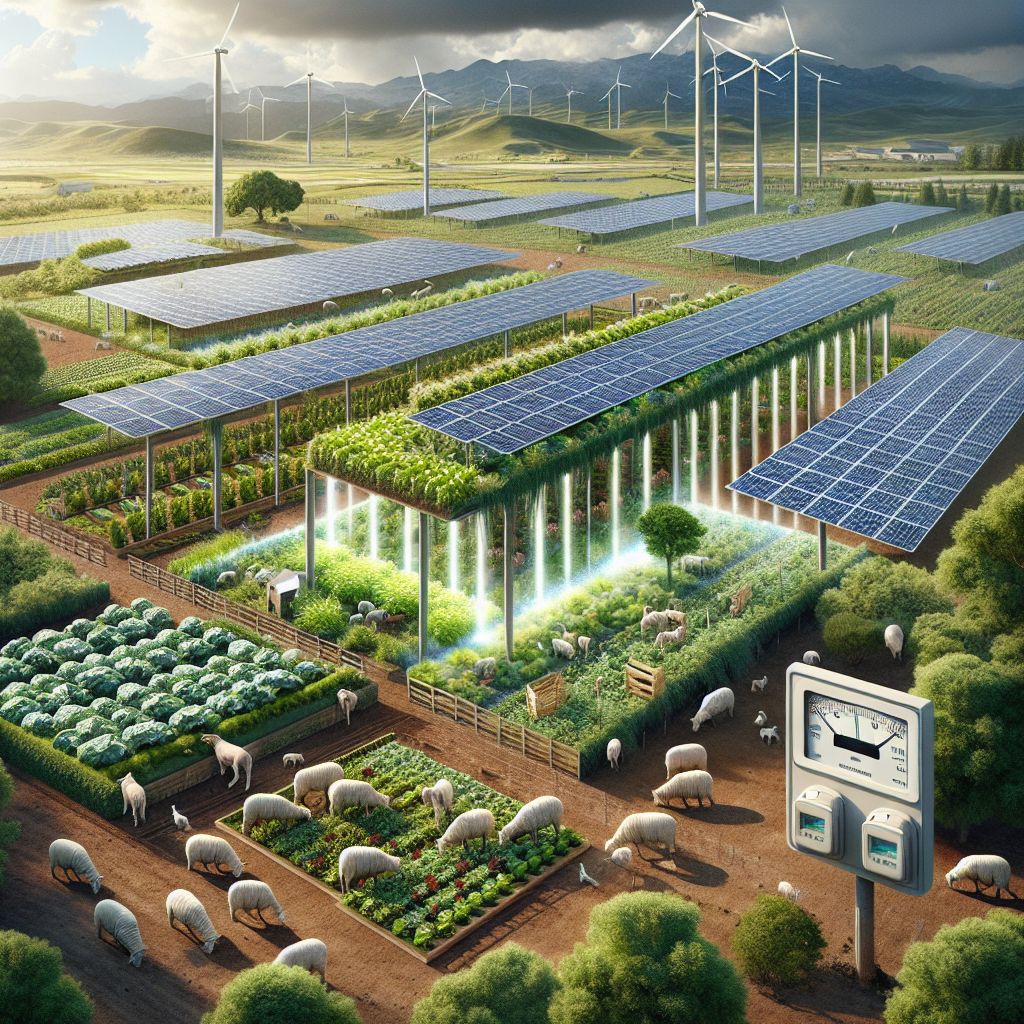
Innovative agrivoltaic systems combine solar energy production with active farming, allowing crops to grow beneath and between solar panels. These dual-use installations are showing promising results for certain crops, particularly shade-tolerant varieties that benefit from reduced sun exposure and lower evaporation rates. Research has demonstrated that some crops actually show yield increases in these partially shaded environments, especially in regions prone to excessive heat or drought.
The elevated panel structures in agrivoltaic systems create microclimates that can protect plants from extreme weather while still allowing sufficient light for photosynthesis. This approach maximizes land use efficiency by generating both food and energy from the same acreage. Emerging research also suggests that the presence of vegetation under panels can enhance solar performance by reducing ambient temperatures and reflecting additional light to the panels.
- Leafy greens, herbs, and certain berries often thrive in the dappled light conditions
- Grazing animals like sheep can maintain vegetation under panels while benefiting from shade
- Water conservation improves as panels reduce evaporation from soil
- Panel height and spacing can be customized to accommodate different crops or machinery
Sell Excess Power Back to the Grid
Net metering programs allow farmers to sell surplus electricity back to the utility grid, effectively running their meters backward when production exceeds consumption. This arrangement is particularly beneficial for agricultural operations with seasonal energy demands, as excess production during low-use periods can offset costs during high-demand times. The financial benefits of net metering can significantly improve the return on investment for farm solar systems.
Beyond net metering, some utilities offer feed-in tariffs or production-based incentives that provide premium rates for solar-generated electricity. These programs create additional revenue streams that enhance the economics of larger solar installations. For farms considering substantial solar investments, these grid-tied arrangements can transform energy from a cost center to a profit center.
Calculate Your Farm’s Solar Potential
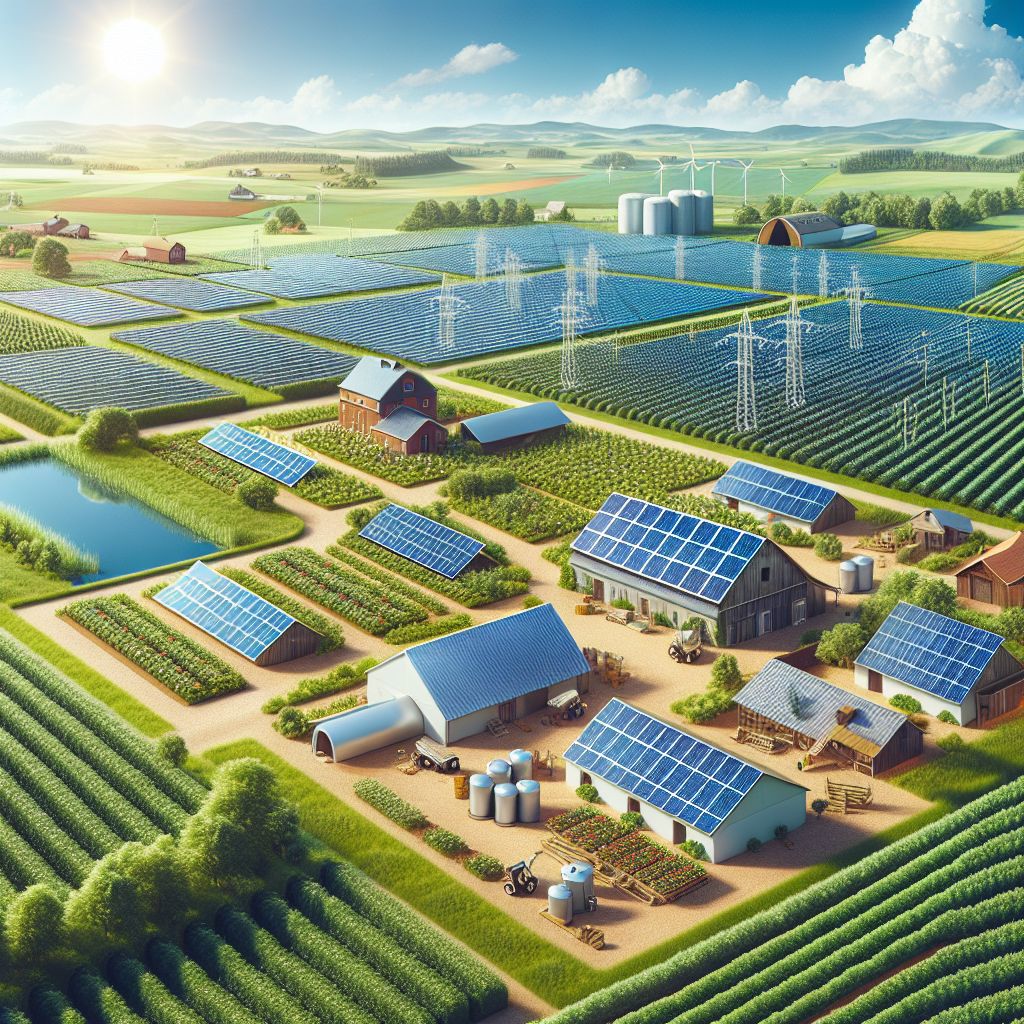
Accurately assessing your farm’s solar potential requires a thorough analysis of both energy consumption patterns and available installation locations. Professional solar assessments use sophisticated modeling tools to estimate production based on local weather data, shading analysis, and optimal panel orientation. These assessments typically include financial projections that account for available incentives, financing options, and projected energy savings.
Determining Your Energy Needs and Consumption Patterns
A comprehensive energy audit forms the foundation of any successful farm solar project. By reviewing at least 12 months of utility bills, farmers can identify seasonal usage patterns, peak demand periods, and base load requirements. This information is crucial for properly sizing a solar system that aligns with actual farm energy needs rather than generic estimates that might result in over or under-building.
Special attention should be paid to identifying energy-intensive operations that could benefit from efficiency improvements before solar installation. Often, upgrading to more efficient equipment or implementing energy management strategies can reduce the required size and cost of a solar system. The most cost-effective approach typically combines efficiency measures with appropriately sized renewable energy generation.
Best Panel Placement for Maximum Farm Efficiency
Agricultural properties often offer multiple potential locations for solar installation, each with distinct advantages. Roof-mounted systems on barns, equipment sheds, or processing facilities utilize existing structures without consuming additional land. Ground-mounted arrays can be optimally oriented regardless of existing building alignment and are easier to access for maintenance. Elevated systems allow for continued land use underneath for certain crops, grazing, or equipment storage.
The ideal placement balances maximum sun exposure with practical considerations like proximity to electrical interconnection points, accessibility, and protection from potential damage. South-facing installations typically generate the most energy in the northern hemisphere, though east-west configurations can provide more consistent production throughout the day. Professional installers can model different placement options to identify the optimal configuration for specific farm conditions and energy goals. For more insights, consider reading about key mounting considerations for agricultural solar panel systems.
Battery Storage Options for 24/7 Power
Battery storage systems transform intermittent solar power into reliable, on-demand electricity available regardless of weather or time of day. These systems are particularly valuable for agricultural operations with critical power needs outside daylight hours or during peak rate periods. Modern battery technologies offer increasingly affordable options for storing excess solar production for later use, enhancing the resilience and economics of farm solar systems.
Strategic battery deployment can also enable participation in utility demand response programs, where farmers are compensated for reducing grid electricity usage during high-demand periods. By drawing from batteries instead of the grid during these events, farms can generate additional revenue while supporting grid stability. The growing availability of used electric vehicle batteries for stationary storage applications is making these systems increasingly cost-effective for agricultural implementations.
Financial Incentives Make Farm Solar More Affordable
The economics of farm solar installations are dramatically improved by various government incentives designed to promote renewable energy adoption in the agricultural sector. These programs can reduce upfront costs by 50% or more, significantly improving project economics and shortening payback periods. Understanding and accessing these incentives is often the key to making solar projects financially viable for farm operations.
Federal Tax Credits Cover 30% of Installation Costs
The federal Investment Tax Credit (ITC) allows farm businesses to deduct 30% of solar system costs directly from their federal tax liability. This substantial incentive effectively reduces the net system cost by nearly one-third, dramatically improving return on investment and shortening payback periods. The credit can be carried forward if it exceeds tax liability in the installation year, ensuring farms capture the full benefit even with fluctuating annual profits.
Beyond the ITC, accelerated depreciation provisions like the Modified Accelerated Cost Recovery System (MACRS) allow businesses to depreciate solar assets over just five years, creating additional tax benefits that further improve project economics. These combined tax incentives typically reduce the effective cost of solar installations by 40-60%, making renewable energy far more accessible for agricultural operations of all sizes.
USDA REAP Grants for Farmers
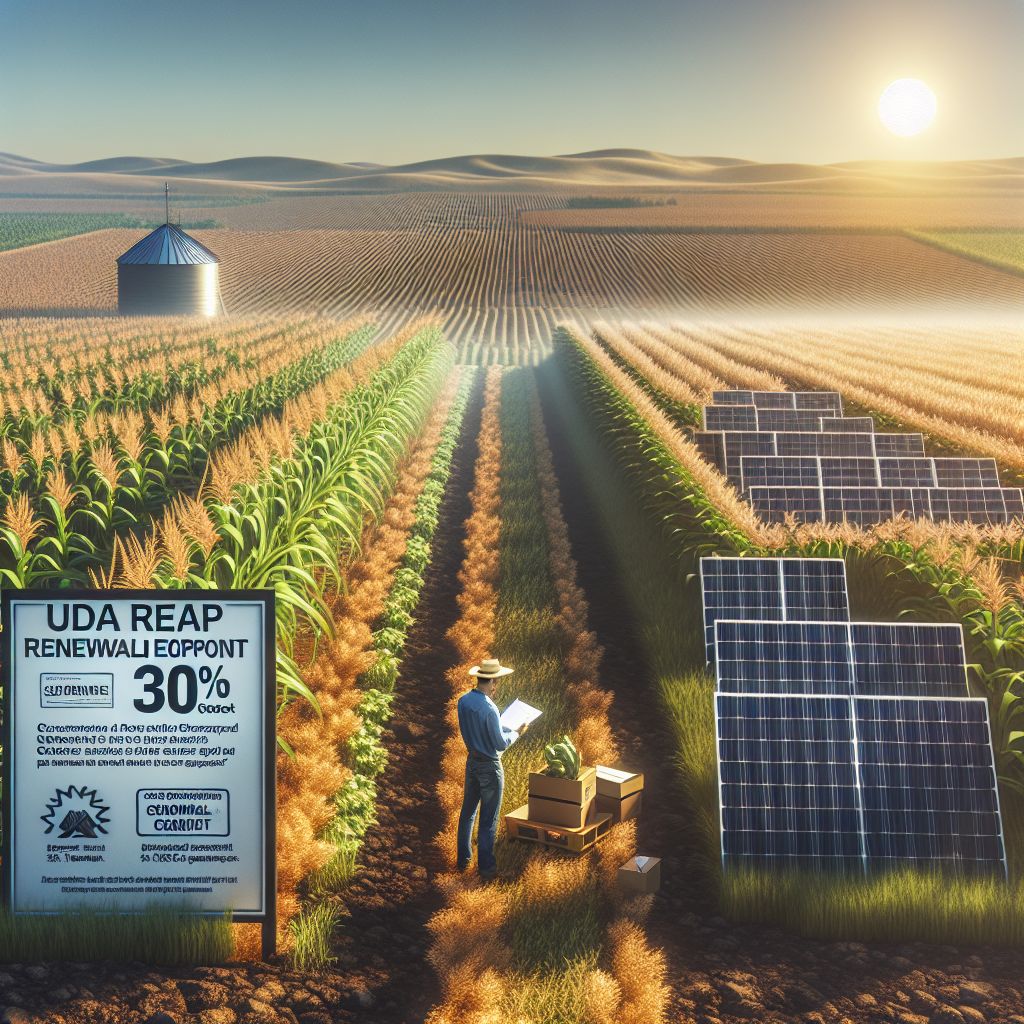
The Rural Energy for America Program (REAP) offers both grants and loan guarantees specifically designed to help agricultural producers invest in renewable energy systems. These grants can cover up to 25% of eligible project costs, while the loan guarantees can facilitate financing for up to 75% of project expenses. REAP funding can be combined with tax incentives to reduce out-of-pocket expenses significantly, often bringing payback periods down to just a few years for well-designed systems.
Accelerated Depreciation Benefits for Farm Businesses
Farm businesses can take advantage of accelerated depreciation provisions that allow for faster recovery of capital investments in solar equipment. The Modified Accelerated Cost Recovery System (MACRS) enables agricultural operations to depreciate solar assets over just five years, rather than the much longer actual lifespan of the equipment. This accelerated schedule creates significant tax benefits in the early years after installation, improving cash flow and enhancing the overall return on investment.
Some states offer additional tax incentives specifically for agricultural solar installations, including property tax exemptions that prevent solar improvements from increasing property tax assessments. These state-level benefits complement federal incentives and can substantially improve project economics, particularly in states with supportive renewable energy policies and agricultural preservation goals.
Conclusion
Solar energy represents one of the most promising technologies for enhancing farm profitability, sustainability, and resilience in an era of rising energy costs and climate uncertainty. From powering essential equipment to generating new revenue streams, solar installations offer multiple pathways to strengthen agricultural operations while reducing environmental impact. The combination of improving technology, declining costs, and generous incentives has created an unprecedented opportunity for farmers to transform their energy infrastructure.
Should Farmers Invest in Solar Panels to Run Their Farm Operations
For most farm operations, solar power presents a compelling investment opportunity with both immediate and long-term benefits. The decision ultimately depends on specific farm circumstances including energy usage patterns, available installation locations, and financial considerations. However, with today’s incentives and financing options, well-designed solar systems typically deliver positive returns while providing valuable operational benefits like energy independence and price stability. Farms with high daytime energy consumption, suitable installation locations, and access to net metering programs stand to benefit most substantially from solar investments.
Growing Solar Mist helps farmers identify and implement the most advantageous solar solutions for their specific agricultural operations, ensuring maximum return on investment while supporting sustainable farming practices for generations to come.
Frequently Asked Questions
Solar energy adoption on farms raises many practical questions about implementation, economics, and integration with existing operations. Below are answers to the most common questions farmers have when considering solar investments for their agricultural businesses. These insights can help guide decision-making and planning for successful renewable energy projects.
Understanding these fundamentals helps farmers move forward confidently with solar projects that complement and enhance their agricultural operations. Professional assessments are recommended for developing customized solutions that address the unique needs and opportunities of individual farms. For instance, exploring PERC solar panels for farms can provide significant benefits and advantages over other technologies.
The transition to solar power represents a significant but increasingly accessible opportunity for farms to reduce costs, improve resilience, and demonstrate environmental leadership. With proper planning and implementation, solar energy can become a valuable asset supporting sustainable farm operations for decades to come.
|
Farm Type |
Typical Energy Needs |
Common Solar Applications |
Estimated System Size |
|---|---|---|---|
|
Dairy |
High (milking equipment, refrigeration, ventilation) |
Barn roof systems, ground mounts near milking facility |
50-200 kW |
|
Row Crops |
Moderate (irrigation, grain drying, storage) |
Irrigation pump systems, equipment shed roofs |
20-100 kW |
|
Poultry |
Very high (climate control, lighting, feed systems) |
Barn roofs, nearby ground mounts |
75-300 kW |
|
Orchard/Vineyard |
Variable (irrigation, processing, refrigeration) |
Building roofs, agrivoltaics between rows |
15-75 kW |
How many solar panels does a typical farm need?
Farm solar requirements vary widely based on energy consumption, available space, and budget considerations. A small farm with modest electricity needs might require a 10-25 kW system (approximately 25-60 panels), while larger operations with substantial equipment or climate control demands could need 100 kW or more (250+ panels). The most accurate sizing comes from analyzing at least 12 months of actual electricity bills to identify consumption patterns and peak demands. Professional solar assessments can determine the optimal system size to offset a targeted percentage of farm energy use, typically aiming for 70-100% offset for maximum economic benefit.
Can solar panels withstand harsh farm conditions?
Modern solar panels are engineered to withstand extreme weather conditions including heavy snow loads, hail impacts, high winds, and temperature fluctuations. Quality solar modules undergo rigorous testing and typically carry warranties of 25-30 years, reflecting their durability in outdoor environments. Most panels are rated to withstand one-inch hail at terminal velocity and snow loads of 30-50 pounds per square foot, making them suitable for most agricultural settings.
Farm installations can be designed with additional protective measures for particularly challenging environments, such as reinforced mounting systems in high-wind areas or elevated installations in flood-prone locations. Regular maintenance, including occasional cleaning to remove dust or bird droppings, helps ensure optimal performance throughout the system’s long lifespan. The static nature of solar systems (no moving parts except in tracking systems) contributes to their reliability in agricultural settings where maintenance access might be limited.
Do I need to clear trees or structures for solar installation?
Optimal solar production requires unshaded exposure during peak sunlight hours, typically from 9am to 3pm. While complete clearing isn’t always necessary, shading from trees, buildings, or other obstructions during these hours can significantly impact system performance. Professional solar site assessments use specialized tools to analyze potential shading throughout the year, identifying the minimum clearing required to achieve target energy production. Strategic panel placement often minimizes the need for extensive clearing while maintaining production efficiency. In some cases, trimming select branches rather than removing entire trees can provide sufficient solar access while preserving windbreaks or aesthetic features.
How do solar panels affect my farm insurance?
Solar installations typically require notification to your farm insurance provider and may necessitate policy adjustments to ensure proper coverage. Most insurers consider solar systems as permanent improvements to farm property, similar to other infrastructure investments. Depending on the policy structure, coverage may be automatically included up to certain limits, or require specific endorsements for full replacement value protection.
Insurance considerations include protection against physical damage from weather events, fire, or vandalism, as well as liability coverage for interconnected systems. Some specialized agricultural insurers now offer specific coverage options for renewable energy systems that include production guarantees or business interruption protection. It’s advisable to discuss solar plans with your insurance agent before installation to understand any premium impacts and ensure appropriate coverage limits.
Many farmers find that the additional premium costs for insuring solar systems are minimal relative to the value of the installation, typically adding just 1-3% to existing policy costs. Some insurance companies even offer discounts for farms implementing renewable energy as part of broader risk mitigation and sustainability initiatives. Proper system design, including appropriate electrical safeguards and professional installation, helps minimize potential insurance concerns.
- Notify your insurance provider before installation begins
- Document system specifications, costs, and expected production
- Consider additional business interruption coverage for system downtime
- Ensure electrical connections meet all code requirements
- Update policy limits to reflect the added value of solar assets
Can I install solar panels myself or do I need professionals?
While small off-grid solar systems might be suitable for DIY installation by those with electrical experience, grid-connected farm systems typically require professional installation to ensure safety, code compliance, and optimal performance. Professional installers bring specialized knowledge of structural requirements, electrical integration, and utility interconnection processes that are crucial for larger agricultural implementations. They also typically handle permitting, inspections, and utility paperwork that can be complex and time-consuming. For more insights on agricultural solar systems, check out these key mounting considerations and tips.
Properly installed systems maximize energy production and system longevity while minimizing safety risks like fire hazards or structural failures. Professional installations generally include workmanship warranties alongside manufacturer equipment guarantees, providing important protection for your investment. Additionally, many incentive programs and financing options require professional installation by certified contractors to qualify for funding.

Leave a Reply