
Key Takeaways
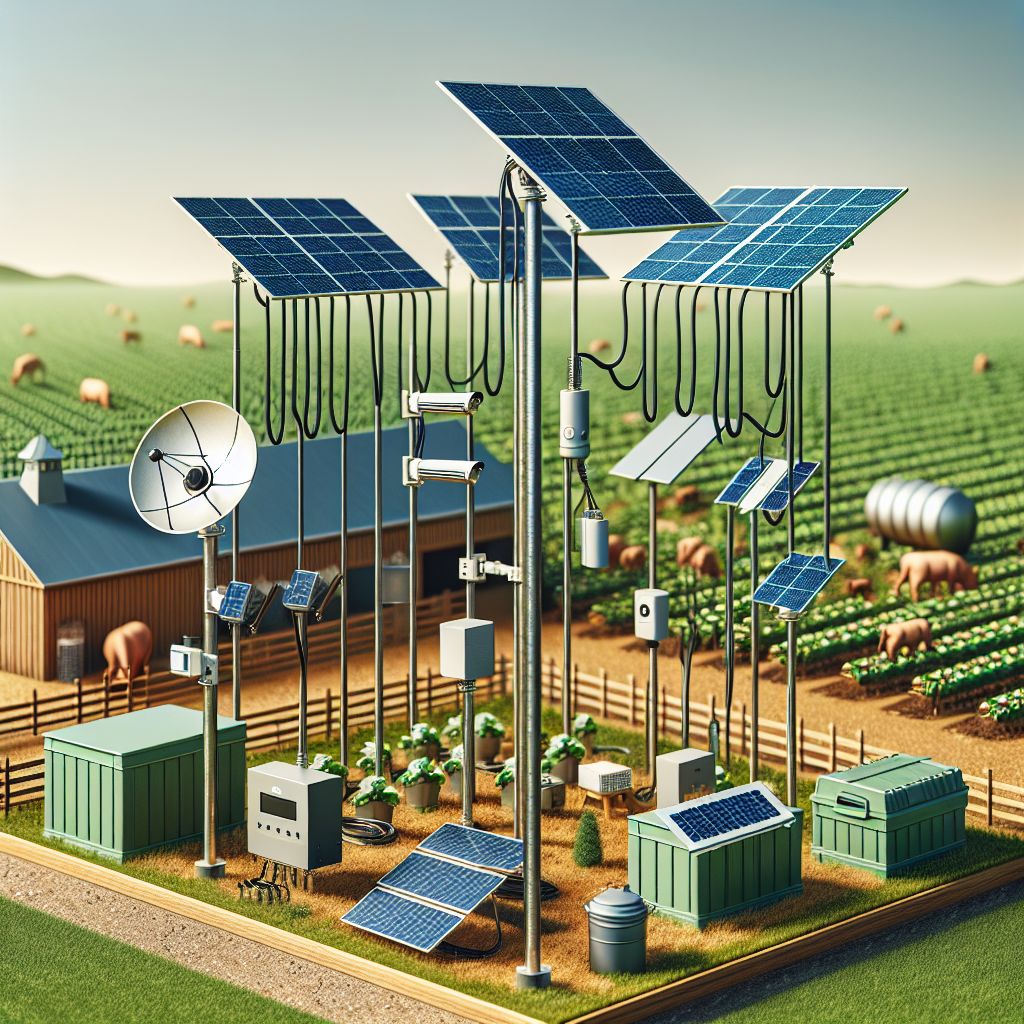
- Solar-powered security systems provide 24/7 protection for farm properties even during grid outages, reducing vulnerability to theft and vandalism.
- Farmers can save up to 60% on energy costs by switching from traditional grid-powered security lighting to solar alternatives.
- Strategic placement of solar security lighting around barns, equipment storage, and perimeters creates a comprehensive protection network for remote agricultural properties.
- Modern solar security systems offer smart features including motion detection, remote monitoring via smartphone apps, and integration with existing camera systems.
- Investing in solar-powered farm security not only improves protection but also increases property value and may qualify for renewable energy tax incentives.
Farm security has evolved far beyond the traditional watchdog. With solar panels powering comprehensive security systems, farmers now have a sustainable, reliable solution to protect their investments. SolarGuard, a leader in agricultural security solutions, helps farmers implement cutting-edge protection systems that operate independently from the grid while slashing energy costs.
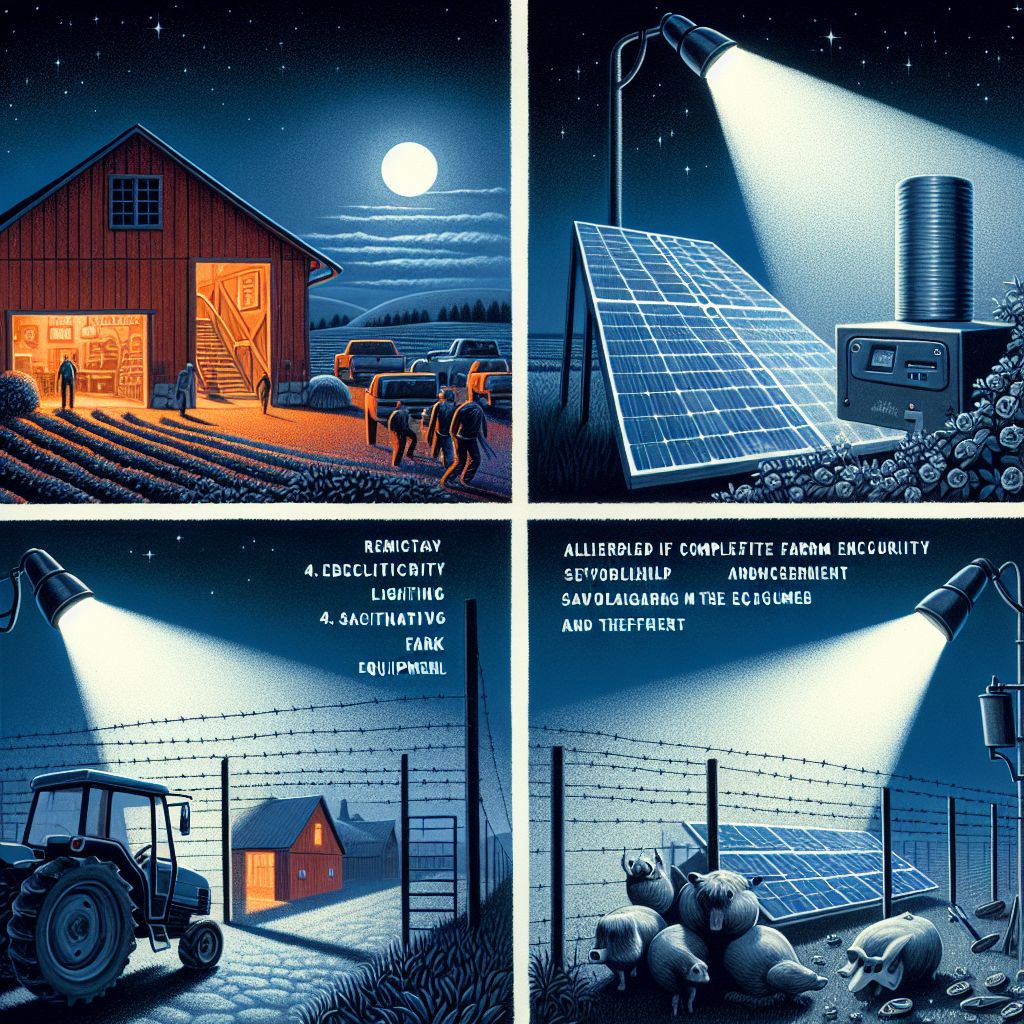
Remote agricultural properties face unique vulnerabilities that make them prime targets for theft and vandalism. The isolation that makes farming possible also creates perfect opportunities for intruders who know they’re less likely to be detected or interrupted. The vast expanses between buildings, equipment storage areas, and access points create natural security gaps that are difficult to monitor continuously.
Farm Security Problems That Solar-Powered Solutions Can Fix
Farmers face increasingly sophisticated security threats that conventional solutions struggle to address. Equipment theft alone costs the agricultural industry millions annually, with high-value machinery, tools, and even solar panels themselves becoming targets. This troubling trend is compounded by the limited police response times in rural areas, often leaving farmers to fend for themselves when it comes to protecting their livelihoods.
The Rising Threat to Remote Farm Properties
The isolation of farm properties creates a perfect storm for security vulnerabilities. According to recent agricultural crime statistics, farms experience higher rates of theft and vandalism precisely because of their remote locations. Many intruders specifically target these properties knowing response times are slower and detection is less likely. The financial impact extends beyond just replacing stolen equipment—downtime during critical farming operations can threaten an entire season’s productivity.
Traditional Security Lighting’s High Energy Costs
Conventional security lighting solutions draw heavily on grid power, creating substantial ongoing expenses that eat into farm profitability. Many farmers face monthly electricity bills exceeding $500 just for security lighting alone. The energy intensity of traditional flood lighting makes comprehensive coverage financially prohibitive, forcing difficult choices about which areas receive protection. This cost barrier often results in inadequate security coverage, leaving valuable assets exposed to potential theft or damage.
“After installing solar security lighting, our monthly electricity bill dropped by 62%. The system paid for itself within 18 months while giving us better coverage than we had before.” – James Wilson, Dairy Farmer in Wisconsin
Limitations of Grid-Dependent Security Systems
Relying on grid power creates a critical vulnerability in farm security systems. Power outages—whether from storms, equipment failures, or deliberate tampering—can leave properties completely exposed precisely when they’re most vulnerable. Rural power restoration often takes significantly longer than in urban areas, extending this window of vulnerability. The intermittent nature of rural power in many regions creates unpredictable security gaps that sophisticated thieves have learned to exploit.
How Solar Panels Transform Farm Security
Solar panels fundamentally change the security equation for agricultural properties by providing reliable, independent power that operates regardless of grid conditions. By harnessing sunlight, these systems create a self-sufficient security perimeter that functions during power outages when farms are most vulnerable. The distributed nature of solar security allows for coverage in remote areas where running power lines would be prohibitively expensive, ensuring no part of the property remains unprotected. Learn more about the benefits of solar power in agriculture.
The flexibility of solar-powered systems enables strategic placement based on security needs rather than proximity to power sources. This advantage allows farmers to illuminate high-value areas like equipment storage, livestock facilities, and crop processing locations without concern for electrical infrastructure limitations. The result is a more comprehensive security footprint that eliminates blind spots and vulnerability gaps.
24/7 Power for Security Systems Even During Outages
Solar security systems with integrated battery storage provide continuous protection regardless of grid conditions or weather events. During extended power outages, when conventional systems fail completely, solar-powered alternatives continue operating at full capacity. Modern battery systems typically store 3-5 days of backup power, ensuring uninterrupted security even during prolonged cloudy periods. This reliability eliminates the security vulnerability windows that opportunistic thieves specifically target during regional power disruptions.
Motion-Activated Lighting That Deters Intruders
Solar-powered motion detection systems create an immediate deterrent effect that startles and exposes potential intruders. When triggered, these systems flood the area with high-intensity light, creating psychological discomfort for trespassers who suddenly lose the cover of darkness. Studies show that properties with motion-activated lighting experience up to 70% fewer break-in attempts than those with static lighting or no lighting at all. The unexpected illumination signals to intruders that the property utilizes active security measures, significantly increasing the perceived risk of getting caught.
Smart Camera Integration with Solar Power
Modern solar security systems seamlessly integrate with surveillance cameras to create a comprehensive monitoring solution. The independent power supply ensures continuous recording even during extended grid outages, eliminating vulnerabilities in your security documentation. Many systems now feature built-in AI capabilities that can distinguish between humans, animals, and vehicles, reducing false alarms while ensuring legitimate threats trigger immediate alerts. This intelligent monitoring capability transforms passive recording into an active security tool that identifies potential threats in real time.
When paired with cellular communication modules, these systems can automatically upload footage to cloud storage, preserving critical evidence even if the physical equipment is damaged or stolen. Some advanced setups even incorporate two-way communication, allowing farmers to speak directly to individuals on their property from anywhere in the world. This combination of continuous power, intelligent monitoring, and remote interaction creates a security solution specifically designed for the unique challenges of agricultural properties.
Remote Monitoring Capabilities for Peace of Mind
Solar-powered security systems equipped with smart monitoring capabilities allow farmers to maintain visual oversight of their property from anywhere. Through dedicated smartphone applications, users can check camera feeds, receive motion alerts, and even control lighting systems while away from the farm. This constant connection eliminates the anxiety of leaving remote properties unattended during off-season periods or family trips. For multi-generational family farms, this technology enables senior members to maintain oversight while younger generations handle physical operations, leveraging experience without requiring physical presence.
Here is a comparative table summarizing the best panel types for farm environments, with key metrics and suitability:
|
Panel Type |
Efficiency (%) |
Key Advantages |
Common Farm Applications |
Cost |
Best For |
Limitations |
|---|---|---|---|---|---|---|
|
Monocrystalline |
17–22 |
Highest efficiency; great in partial shade; withstands varied weather; smaller footprint. 2, 4, 6, 8 |
Barn roofs; space-constrained sites |
High |
Limited roof/land space; high-output needs |
Higher initial cost |
|
Polycrystalline |
13–17 |
Open farmland; areas with abundant sunlight |
Moderate |
Large open areas; budget-conscious projects |
Lower efficiency, larger footprint | |
|
Thin-Film |
10–13 |
Flexible; lightweight; low-cost; works on curved/irregular surfaces; performs in heat & low light/shade. 1, 3 |
Curved barns, grain silos, greenhouses, irrigation |
Lower |
Dusty, hot, or irregular surfaces; agrivoltaics |
Lower efficiency, more panels needed |
The Dual Benefits of Solar Security Lighting
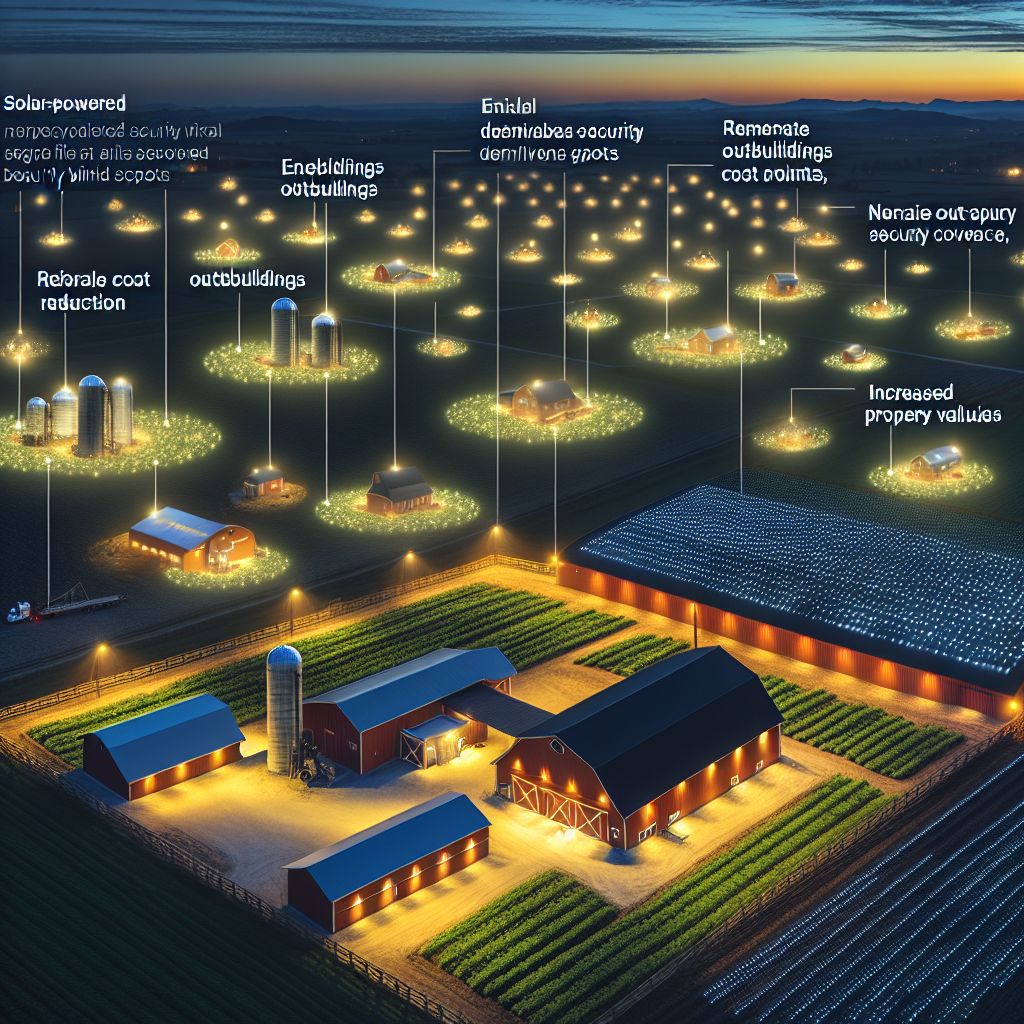
Implementing solar security lighting delivers a powerful combination of immediate protection benefits and long-term financial advantages. Beyond the obvious security enhancement, these systems dramatically reduce operational costs while extending the functional hours of farming operations into evening periods when necessary. The initial investment typically yields returns through multiple channels including energy savings, reduced insurance premiums, and extended operational capabilities. This multi-faceted return on investment makes solar security solutions particularly attractive for farms operating on tight margins.
Significant Energy Cost Reduction
Traditional security lighting systems can consume significant electricity, especially when illuminating large areas like barns, equipment yards, and perimeters. By switching to solar-powered alternatives, farmers eliminate this recurring expense entirely. The average mid-sized farm can save between $1,200-$2,500 annually by transitioning security lighting to solar power. These savings accelerate payback periods, with most systems achieving complete return on investment within 2-4 years depending on previous energy consumption patterns.
The elimination of trenching and wiring expenses further enhances the economic advantage, particularly for newly developed areas where electrical infrastructure doesn’t already exist. Installation costs for conventional security lighting often exceed the fixture prices themselves due to extensive labor and materials required for underground wiring. Solar alternatives eliminate these expenses entirely, reducing both initial outlay and potential future maintenance costs associated with underground electrical systems.
Extended Coverage to Remote Areas Without Grid Access
Solar-powered security systems shine brightest in locations where conventional electrical infrastructure is limited or nonexistent. Remote outbuildings, field access points, and property boundaries can receive robust security coverage without the prohibitive expense of extending power lines. For farms with multiple isolated structures, this capability eliminates security blind spots that would otherwise remain vulnerable. The standalone nature of these systems allows for strategic placement based purely on security needs rather than proximity to existing electrical infrastructure, resulting in more comprehensive protection.
Increased Property Value with Security Upgrades
Installing comprehensive solar security systems creates quantifiable increases in property valuation that benefit farmers considering eventual sale or loan refinancing. Agricultural properties with documented security infrastructure typically command 4-7% higher market values compared to similar properties without such systems. Insurance companies increasingly recognize the risk-reduction benefits of solar security, offering premium discounts averaging 8-15% for farms with certified systems. For operations seeking additional financing or equipment loans, the presence of comprehensive security infrastructure positively influences risk assessment and may contribute to more favorable lending terms.
Real-World Success: Farmers Who Enhanced Security with Solar
The real impact of solar-powered security becomes evident through the experiences of farmers who’ve implemented these systems. Across diverse agricultural operations, from small family farms to large commercial enterprises, solar security solutions have proven their effectiveness. The testimonials consistently highlight not just improved security, but unexpected benefits in operational efficiency and peace of mind.
What makes these success stories particularly compelling is the measurable return on investment. Farmers report significant reductions in theft incidents, with some properties experiencing a complete elimination of security breaches after installation. The financial savings extend beyond prevented theft to include reduced insurance premiums, lower energy costs, and decreased maintenance expenses compared to traditional security systems.
The adaptability of solar security solutions across different farm types demonstrates their universal applicability in agricultural settings. Livestock operations benefit from continuous monitoring of animal welfare, crop producers protect valuable harvests and equipment, and specialty farms safeguard high-value infrastructure like irrigation systems. This versatility makes solar security relevant to virtually every segment of the agricultural industry.
Case Study: Livestock Farm Reduces Theft with Strategic Lighting
The Henderson family’s cattle operation in rural Texas had experienced three significant theft incidents over two years, losing valuable breeding stock and equipment totaling nearly $87,000. After installing a comprehensive solar security system with motion-activated lighting around barn entrances, cattle chutes, and equipment storage areas, they’ve recorded zero theft incidents in the 30 months since installation. The system’s motion detection capabilities also provided an unexpected benefit—alerting staff to animals in distress during overnight hours, allowing for prompt veterinary intervention that saved valuable livestock. The combination of theft prevention and improved animal welfare monitoring has delivered an estimated annual value of $32,000, far exceeding the initial $18,500 system investment.
Case Study: Orchard Protects Equipment with Solar Security
Riverview Orchards in Washington state implemented solar-powered security cameras and lighting throughout their 200-acre operation after experiencing repeated fuel theft and equipment vandalism during harvest seasons. The system’s cellular connectivity and solar power supply eliminated previous blind spots where grid power wasn’t available. Within the first year, the system captured evidence that led to the arrest of a theft ring targeting multiple agricultural operations in the region, and the documented security improvements qualified the orchard for a 12% reduction in their insurance premiums. Owner Maria Santiago notes that beyond security, the improved lighting has extended their processing hours during peak harvest times, allowing crews to safely work into evening hours when necessary, increasing processing capacity by approximately 22% during critical periods. For more on solar panel security strategies, check out this detailed guide.
Conclusion
As farms continue to face evolving security challenges, solar-powered security systems represent a forward-thinking solution that addresses multiple needs simultaneously. The combination of reliable protection, energy independence, and cost savings makes these systems particularly valuable in agricultural settings where both security and operational efficiency are essential. The scalability of solar security allows farmers to start with critical areas and expand coverage as budgets permit, creating a sustainable path to comprehensive protection. By harnessing renewable energy to power essential security infrastructure, farmers not only protect their operations but also demonstrate environmental leadership within their communities.
Is it a Good Investment for a Farmer to Use Solar Panels to Power the Farm Security System & Night Lighting Efficiency
The financial case for solar-powered farm security systems is compelling when considering the comprehensive return on investment. The elimination of ongoing electricity costs, potential insurance premium reductions, and most importantly, the prevention of costly theft and vandalism incidents create multiple streams of value that typically exceed initial costs within 2-4 years. Beyond purely financial considerations, the reliability advantages during power outages, extended coverage to remote areas, and environmental benefits make solar security a strategically sound investment for forward-thinking agricultural operations. For farms concerned about long-term sustainability and resilience, solar-powered security represents an investment that aligns operational needs with broader environmental goals while delivering tangible security benefits every day.
Frequently Asked Questions
As solar-powered farm security systems gain popularity, farmers naturally have questions about implementation, effectiveness, and return on investment. The following addresses the most common inquiries we receive from agricultural producers considering these systems for their operations.
- What maintenance is required for solar security systems?
- Can solar-powered lighting be bright enough to illuminate large farm areas?
- How do I determine the right size system for my farm’s security needs?
- Are solar security systems weather-resistant enough for harsh farm environments?
- Will adding solar security systems affect my farm’s insurance rates?
These questions reflect the practical considerations farmers must evaluate when investing in new security technology. By addressing these concerns directly, we can help agricultural producers make informed decisions based on their specific operational requirements and security challenges.
The transition to solar-powered security represents more than just an upgrade to farm protection—it’s an investment in operational resilience and energy independence. As climate change increases the frequency of grid disruptions and energy costs continue to rise, farms with self-sufficient security systems gain an important operational advantage.
For many farmers, the decision to invest in solar security becomes easier when considering the multi-functional benefits these systems provide beyond basic protection. The ability to illuminate work areas during early morning or evening hours, monitor livestock remotely, and maintain communication during power outages creates value that extends far beyond simple theft deterrence.
How much do solar security lights for farms typically cost?
The investment range for solar security systems varies based on property size, security requirements, and desired features. Entry-level solutions for small farms typically start around $2,000-$3,500 for basic lighting and limited camera coverage, while comprehensive systems for larger operations can range from $8,000-$25,000 depending on complexity and coverage area.
“The initial sticker shock of $12,000 for our system seemed high until we calculated what we were spending annually on electricity for security lighting—nearly $2,800. Add in the equipment we’d lost to theft the previous year, and the system paid for itself faster than our tractor.” – Miguel Rodriguez, Vegetable Farmer, California
When evaluating costs, it’s important to consider both the initial investment and the lifetime value. Most quality solar panels carry 25-year warranties, while batteries typically need replacement every 7-10 years. This extended lifespan significantly reduces the actual annual cost of ownership when compared to conventional systems with higher operating expenses.
Many agricultural lending programs now specifically include solar security systems in their eligible improvement categories, offering favorable financing terms that allow farmers to implement comprehensive protection with manageable monthly payments. When combined with available tax incentives, these financing options can make even sophisticated systems accessible for operations of all sizes.
Will solar security lights work during multiple cloudy days?
Modern solar security systems are designed with energy storage capacity specifically calculated to maintain operation during extended periods of limited sunlight. Quality systems incorporate battery reserves sufficient for 3-7 days of normal operation without any new solar charging, ensuring continuous protection even during prolonged cloudy weather. System designers typically analyze local weather patterns when specifying battery capacity, accounting for seasonal variations in solar availability to ensure year-round reliability. For regions with particularly challenging winter conditions, hybrid systems that can accept supplemental charging from conventional power sources during extreme weather events provide additional operational assurance while still delivering significant energy savings during normal conditions.
Can solar-powered security systems integrate with existing farm cameras?
Most modern solar security systems offer compatibility with existing CCTV and IP camera infrastructure through standard connection protocols. The integration typically requires a power inverter to convert the solar system’s DC output to AC power compatible with conventional cameras, along with appropriate networking equipment to incorporate the feeds into a unified monitoring system. Many farmers find that upgrading to newer low-power IP cameras designed specifically for solar applications provides better results than attempting to power older, more energy-intensive camera systems. Consultations with agricultural security specialists can help determine the most efficient integration approach based on your current equipment specifications and security requirements.
How long do solar panels for security lighting systems last?
Quality solar panels for agricultural security applications typically carry performance warranties of 25-30 years, guaranteeing at least 80% of their original output capacity throughout this period. The actual functional lifespan often extends well beyond the warranty period, with many panels continuing to produce useful power for 35+ years with minimal degradation. The associated battery systems generally require replacement every 7-10 years depending on the technology used, climate conditions, and discharge patterns. Modern lithium iron phosphate batteries designed specifically for solar applications offer the best combination of longevity, cold-weather performance, and safety for farm environments, with some newer models approaching 15-year service lives under optimal conditions.
Are there tax incentives for installing solar security systems on farms?
Agricultural operations can benefit from multiple tax incentives when implementing solar-powered security systems. The federal Investment Tax Credit (ITC) currently allows farmers to deduct 30% of the total system cost from their federal tax liability, significantly reducing the effective investment. Many states offer additional tax credits or property tax exemptions for renewable energy improvements, potentially creating multiple layers of tax benefits. Beyond specific solar incentives, security system investments may qualify as farm improvement deductions under Section 179 of the tax code, allowing for accelerated depreciation that improves short-term cash flow. Consulting with an agricultural tax specialist is recommended to maximize available incentives specific to your operation’s location and financial situation.
The comprehensive security that solar-powered systems provide goes beyond protecting physical assets—it secures the very future of farming operations. By investing in sustainable security infrastructure, farmers create resilience against both immediate threats and long-term challenges like rising energy costs and climate disruptions.
SolarGuard’s specialized agricultural security solutions help farmers implement customized protection systems that address their unique operational needs while reducing environmental impact. Contact our agricultural security specialists today to discover how solar-powered protection can transform your farm’s security profile while reducing operational costs.







Leave a Reply