

Key Takeaways
- Solar panels can reduce farm energy costs by 50-90%, with payback periods typically ranging from 4-8 years depending on system size and available incentives.
- Agrivoltaics—the practice of growing crops or grazing livestock beneath solar panels—can increase land-use efficiency by up to 70% while providing shade that reduces water requirements.
- Modern solar systems can power critical farm operations including irrigation, grain drying, and cold storage, significantly reducing operational expenses.
- Farmers can generate additional income through net metering programs, selling excess electricity back to the grid during peak production periods.
- Federal tax credits, USDA REAP grants, and state-specific agricultural incentives can cover up to 50% of solar installation costs for qualifying farm operations.
The sun has always been essential to agriculture. Now, innovative farmers are harnessing its energy in a new way—transforming sunlight into electricity that powers their operations while reducing costs and environmental impact. Solar energy isn’t just for urban rooftops anymore. With EFS Energy’s solar solutions, farmers across the country are discovering how photovoltaic technology can revolutionize their operations, creating more sustainable and profitable farms.
According to recent research from Michigan State University, solar installations are helping farmers slash expenses, conserve resources, and stabilize their operations against volatile energy markets. In some cases, solar-equipped land can generate up to 25 times more revenue per acre than traditional crops alone.
Capturing Free Energy: How Solar Panels Transform Sunlight into Farm Power
Modern agricultural operations require significant amounts of electricity. From irrigation systems and cold storage to grain drying and barn lighting, these energy needs translate directly into operating costs that affect your bottom line. Solar panels provide an elegant solution by converting an abundant, free resource—sunlight—into usable electricity right where you need it.
The Photovoltaic Effect Explained Simply
Solar panels work through what scientists call the photovoltaic effect. When sunlight hits the silicon cells within a solar panel, it knocks electrons loose, creating an electric current. This direct current (DC) electricity is then converted to alternating current (AC) by an inverter, making it compatible with standard farm equipment. The entire process is silent, reliable, and requires no fuel or moving parts that might need frequent replacement.
The beauty of photovoltaic technology lies in its simplicity. With no moving components aside from electrons, solar panels typically last 25-30 years with minimal maintenance requirements—perfect for busy farm operations where equipment reliability is essential.
Types of Solar Panels for Agricultural Applications
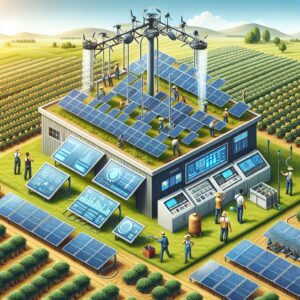
Agricultural solar installations come in various configurations, each designed for specific farm needs and environments. Fixed ground mounts are popular for farms with available land, while roof-mounted systems make use of existing barn and outbuilding surfaces without taking up productive acreage. For maximum efficiency, tracking systems that follow the sun’s daily path can increase energy production by 25-35% compared to fixed installations, though they come with higher initial costs.
Monocrystalline panels offer the highest efficiency ratings (typically 18-22%) and perform well even in lower light conditions, making them ideal for northern climates. Polycrystalline panels provide a more affordable option with slightly lower efficiency (15-17%), perfect for farms with ample space and sunny conditions. The newest thin-film technologies are lightweight and flexible, allowing for installation on curved surfaces or integration into agricultural structures like greenhouse roofing.
Solar Panel Comparison for Agricultural Use
Monocrystalline: Highest efficiency (18-22%), longest lifespan, best for limited space, performs well in varied weather
Polycrystalline: Mid-range efficiency (15-17%), affordable, excellent for larger installations with good sun exposure. For more information on solar installations, check out this guide on how solar can help your farm.
Thin-Film: Lower efficiency (10-12%), flexible application, lightweight, ideal for curved surfaces and integrated building solutions
From Sunlight to Electricity: The Complete Process
The journey from sunlight to powering your farm equipment involves several straightforward steps. First, solar panels capture photons from sunlight and convert them to DC electricity. This current flows to inverters that transform it into standard AC power compatible with your equipment. The electricity then travels through your farm’s electrical panel, powering everything from water pumps to barn lighting. Any excess electricity not immediately needed can either charge battery storage systems for nighttime use or flow back into the utility grid, potentially earning you credits through net metering programs.
Modern monitoring systems allow farmers to track energy production in real-time using smartphone apps, providing valuable insights about system performance and helping to identify maintenance needs before they become problems. This data-driven approach ensures maximum return on your solar investment year after year.

Slash Your Farm’s Energy Bills by 50-90%
For modern farming operations, electricity costs represent a significant expense that directly impacts profitability. Whether you’re running irrigation pumps, maintaining temperature-controlled storage, or powering equipment for processing, these energy demands create a substantial financial burden—especially as utility rates continue to climb year after year.
Real Cost Savings from Day One
Solar installations begin generating returns immediately through reduced utility bills. The average farm can offset between 50-90% of its electricity consumption, with the exact amount depending on system size, geographic location, and energy usage patterns. Unlike traditional power sources with constantly fluctuating costs, solar provides predictable energy expenses for decades—essential for long-term farm planning and budgeting. For those considering additional power storage, exploring solar panel backup solutions can be beneficial.
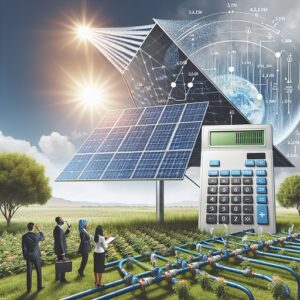
A 30kW system—typical for small to medium agricultural operations—can generate approximately 3,000-4,500 kilowatt-hours monthly depending on location and weather patterns. At today’s average commercial electricity rates, this translates to $4,500-$7,200 in annual savings. For larger operations with higher energy demands, the savings scale proportionally with system size.
Payback Period: When Your Solar Investment Breaks Even
The initial investment in solar technology typically pays for itself within 4-8 years for most farm operations. This payback period continues to shrink as panel efficiency improves and installation costs decline. After this breakeven point, your system effectively generates free electricity for the remainder of its 25-30 year lifespan, representing decades of pure profit for your farm business. For more insights on how solar can benefit your farm, check out 7 ways solar can help your farm.
Several factors influence your specific payback timeline, including available sunlight in your region, local electricity rates, and applicable incentive programs. Farms in sunny regions with high utility costs often see the fastest returns, sometimes achieving payback in as little as 3-4 years when combining federal tax credits with USDA renewable energy grants.
Net Metering: Getting Paid for Extra Energy You Produce
One of the most financially attractive aspects of farm solar installations is net metering. This program, available in most states, allows you to sell excess electricity back to the grid when your system produces more than you’re using. During peak daylight hours in summer, many farm solar systems generate significantly more power than needed, creating a valuable revenue stream that further accelerates your return on investment.
Federal Tax Credits and Agricultural Grants Available Now
The financial case for farm solar becomes even more compelling when considering available incentives. The federal Investment Tax Credit currently allows you to deduct 30% of your solar system’s cost directly from your tax liability. For farmers, this combines powerfully with the USDA’s Rural Energy for America Program (REAP), which provides grants covering up to 25% of project costs and loan guarantees for renewable energy systems.
Many states offer additional agricultural solar incentives, including property tax exemptions, sales tax exemptions, and performance-based incentives that pay you for each kilowatt-hour your system produces. When stacked together, these incentives can reduce your effective system cost by 50-75%, dramatically shortening payback periods and increasing long-term returns.
Beyond Savings: 5 Ways Solar Panels Revolutionize Farm Operations
The benefits of agricultural solar extend far beyond simple utility bill reduction. Modern solar installations are transforming how farms operate, increasing resilience, and opening new revenue streams that weren’t previously possible.
1. Power Remote Areas Without Expensive Utility Extensions
Many farming operations include remote locations where traditional utility power is either unavailable or prohibitively expensive to extend. Running power lines to distant pastures, irrigation pumps, or outbuildings can cost $15,000-$50,000 per mile depending on terrain and local regulations. Solar offers a practical alternative by generating power precisely where it’s needed, eliminating extensive trenching or pole installation while providing reliable electricity.
Solar-powered remote systems can operate completely off-grid with battery storage, providing consistent power for livestock watering stations, security lighting, monitoring equipment, and communications systems without monthly utility bills. These standalone systems prove particularly valuable for rotational grazing operations, remote water management, and securing isolated farm assets.
2. Run Irrigation Systems More Efficiently
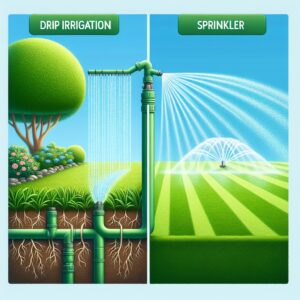
Irrigation represents one of the largest energy expenses on many farms, with pumping systems often accounting for 20-30% of total electricity consumption. Solar-powered irrigation creates perfect synergy because water needs typically peak during the sunniest months when solar production is also at its maximum. This natural alignment reduces or eliminates costly utility demand charges during critical growing seasons when cash flow may already be tight.
3. Reduce Dependence on Unpredictable Utility Rates
Agricultural electricity rates have risen approximately 3-5% annually over the past decade, with significant regional variations and unpredictable spikes during peak demand periods. These fluctuations make budgeting difficult and create financial uncertainty for farm operations already dealing with volatile commodity prices and weather conditions.
Solar installations effectively lock in your electricity costs for 25+ years, providing budget certainty that’s increasingly valuable in today’s agricultural economy. Once installed, your per-kilowatt-hour cost remains essentially fixed, unaffected by market forces, fuel shortages, or utility rate increases.
This energy independence becomes especially valuable during seasonal processing periods when conventional electricity demand charges can spike dramatically. Vegetable processing, grain drying, and dairy operations all benefit from having predictable energy costs during their highest-use periods.
The savings compound over time as conventional electricity rates continue rising while your solar-generated power costs remain stable. A system installed today at an effective rate of $0.08/kWh will still produce at that rate 20 years from now, when grid electricity might cost $0.20/kWh or more.
- Protection from seasonal utility demand charges during harvest and processing
- Elimination of fuel delivery concerns for remote power generation
- Reduced vulnerability to grid outages and power quality issues
- Budget certainty for long-term farm planning and financing
- Decreased exposure to future carbon taxes or energy regulations
4. Create New Income Through Dual-Use Farming (Agrivoltaics)
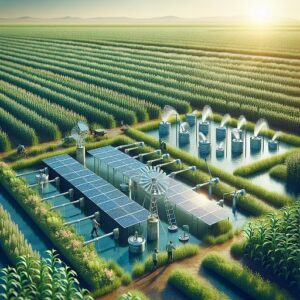
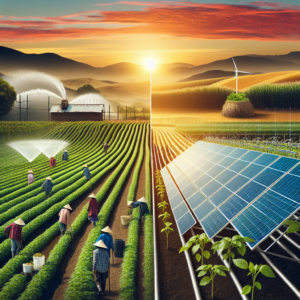
Innovative farmers are discovering that the land beneath and between solar panels doesn’t have to be taken out of production. Agrivoltaics—the practice of combining solar energy production with crop growing or grazing—creates dual revenue streams from the same acreage. Research from Michigan State University shows that certain crops actually benefit from the partial shade provided by overhead panels, requiring less irrigation and exhibiting improved growth patterns during extreme heat events. Meanwhile, grazing animals like sheep can maintain vegetation between panel rows while benefiting from shade during hot weather.
5. Weather Power Outages Without Losing Critical Functions
Power outages can devastate farm operations, particularly for dairy farms, poultry operations, and specialty crop producers relying on climate control systems. Solar installations with battery backup or grid-interactive capabilities provide essential resilience during utility outages, keeping critical systems functioning when conventional power fails. This protection preserves valuable livestock, prevents crop losses, and maintains food safety in processing facilities—benefits that far exceed simple energy cost savings.

Solar-Powered Agricultural Equipment That Pays For Itself
Beyond whole-farm electricity systems, targeted solar applications can address specific agricultural needs with rapid returns on investment. These purpose-built systems often provide the fastest payback periods because they directly replace expensive conventional energy sources or eliminate utility connection costs entirely, making them ideal for solar panel integration in agriculture.
Water Pumping Systems That Run on Sunshine
Solar water pumping systems have become one of the most popular entry points for farmers exploring renewable energy. These standalone systems can operate completely independent from the grid, providing reliable water for livestock, irrigation, and general farm use without monthly electricity bills. Modern solar pumps can lift water from depths of 650+ feet and move thousands of gallons daily, making them suitable for even large-scale operations.
The economics are particularly compelling when compared to the alternatives. Extending utility lines to remote watering locations often costs $15,000-$50,000 per mile, while diesel or propane pumps require constant refueling, maintenance, and eventual replacement. Solar pumping systems typically pay for themselves within 2-5 years compared to fossil fuel alternatives and continue operating reliably for 15+ years with minimal upkeep.
Electric Fencing and Security Without Monthly Bills
Solar-powered electric fencing systems provide reliable containment for livestock without requiring access to grid electricity. These systems combine small photovoltaic panels with deep-cycle batteries to ensure continuous operation through cloudy periods and overnight. Modern units can power up to 30 miles of fencing with just a single compact panel, ideal for rotational grazing operations and remote pasture management.
The same technology powers farm security systems, gate operators, and monitoring equipment in locations where conventional power would be impractical. These systems operate year-round with minimal attention, providing peace of mind and eliminating the vulnerability of grid-dependent security during power outages—exactly when farms might be most vulnerable.
Grain Drying and Cold Storage Solutions
Energy-intensive processes like grain drying and cold storage represent major expenses for many farm operations. Solar thermal systems that use the sun’s heat directly (rather than converting it to electricity first) can significantly reduce propane and natural gas consumption for drying operations. Meanwhile, large-scale photovoltaic systems can offset the substantial electricity demands of refrigeration and freezer units used in dairy, meat, and produce operations.
When properly sized, these specialized systems can reduce operating costs by 40-80% while extending equipment life through more consistent operation. The eliminated fuel costs and reduced maintenance expenses typically return the initial investment within 3-7 years while providing decades of reliable service afterward.
Real Farms, Real Results: Success Stories From the Field
While understanding the technology and economics of solar power is important, nothing demonstrates its value like real-world examples from working farms across America. These success stories illustrate how agricultural operations of various types and sizes are benefiting from solar technology right now.
Case Study: Dairy Farm Cuts Energy Costs by 75%
Hillcrest Dairy in Wisconsin installed a 150kW solar array across their main barn roof, targeting their substantial electricity consumption from milk cooling, vacuum pumps, and ventilation systems. The installation covered approximately 75% of their annual energy usage, reducing monthly utility bills from $4,200 to just over $1,000. With USDA REAP grant funding covering 25% of the project and federal tax incentives addressing another 30%, the system achieved complete payback in just 4.2 years. Perhaps most importantly, the dairy now has predictable energy costs locked in for the next 25+ years, creating crucial budget stability in an industry known for tight margins and volatile input costs.
Organic Vegetable Operation Achieves Carbon Neutrality
Growing Home Farms, a 35-acre organic vegetable operation in California, installed a comprehensive 75kW solar system that powers their irrigation, cold storage, and processing facilities. By coupling their photovoltaic array with battery storage, they’ve achieved complete energy independence while eliminating fossil fuel use throughout their operation.
Beyond the direct electricity savings, the farm has leveraged their carbon-neutral status into premium pricing for their organic produce, commanding 15-20% higher prices from environmentally conscious restaurant clients and specialty retailers. Their solar investment has transformed from a simple cost-saving measure into a valuable marketing advantage that differentiates their products in a competitive marketplace.
How One Poultry Farm Eliminated $32,000 in Annual Energy Expenses
Eagle Ridge Poultry’s six climate-controlled broiler houses in Georgia required significant electricity for ventilation, lighting, and temperature management, resulting in monthly bills exceeding $2,700. After installing a 200kW ground-mounted solar array, the operation now generates approximately 290,000 kWh annually—slightly more than their total consumption. Through net metering arrangements with their utility, Eagle Ridge has effectively eliminated their electricity expenses while creating a small additional revenue stream from excess production during optimal weather periods.
The system’s $420,000 installation cost was offset by a combination of federal tax credits ($126,000), USDA grant funding ($105,000), and accelerated depreciation benefits, resulting in an effective out-of-pocket cost of approximately $160,000. At current electricity rates, this investment is returning approximately 20% annually, outperforming most traditional farm improvements or equipment purchases while requiring minimal maintenance or management attention.

Your Solar-Powered Farm Future Starts Today
The transition to solar power represents one of the most financially sound investments available to modern farmers. With system lifespans exceeding 25 years, declining equipment costs, and generous incentive programs, there’s never been a better time to harness the sun’s energy for your agricultural operation. Whether you’re looking to reduce operating expenses, increase farm resilience, or demonstrate environmental stewardship, solar technology offers proven solutions tailored to agricultural needs.
Beginning your solar journey requires understanding your current energy usage patterns, identifying your farm’s specific needs, and connecting with qualified agricultural solar professionals who understand the unique requirements of farm installations. A comprehensive energy audit can reveal your highest-value opportunities, while site assessments will determine the optimal system size and configuration for your specific operation. For farms considering on-grid solar panels, it’s important to evaluate whether battery storage is necessary for your operations.
- Start with an energy audit to identify consumption patterns and opportunities
- Investigate available incentives specific to your state and county
- Request agricultural-specific experience when selecting solar installers
- Consider phased implementation beginning with highest-return applications
- Explore financing options including USDA programs, equipment loans, and solar leases
By approaching solar as a strategic farm investment rather than simply an environmental choice, you’ll position your operation for decades of reduced operating costs and increased resilience in an increasingly competitive agricultural landscape.
Frequently Asked Questions
As you consider solar for your farm, you likely have questions about how these systems perform in real-world agricultural settings. Here are answers to the most common questions we receive from farmers evaluating solar technology.
Each farm’s situation is unique, and a qualified agricultural solar specialist can provide guidance tailored to your specific operation, climate conditions, and energy needs.
How long do solar panels last on a farm?
Agricultural Solar Panel Warranty Comparison
Component: Standard Performance Warranty | Typical Guarantee: 25-30 years | Details: Minimum 80-82% of original output after 25 years. For more information on solar panel efficiency and longevity, check out our article on off-grid solar panels.
Component: Product/Materials Warranty | Typical Guarantee: 10-12 years | Details: Protection against manufacturing defects and material failures
Component: Inverter Warranty | Typical Guarantee: 10-15 years | Details: Often extendable to 20-25 years for additional cost
Component: Mounting System | Typical Guarantee: 20-25 years | Details: Structural integrity and corrosion resistance guarantees
Modern agricultural solar installations are engineered for 25+ years of productive operation in demanding farm environments. Most premium panels carry 25-30 year performance warranties guaranteeing at least 80% of their original output even after decades of service. The actual physical lifespan typically exceeds these warranty periods, with many systems continuing to produce valuable electricity for 30-40 years with only modest efficiency declines.
Farm installations often utilize industrial-grade components designed specifically for agricultural environments, with enhanced resistance to dust, ammonia exposure, and temperature fluctuations common in barn roofs and farm settings. These specialized systems frequently outperform residential installations in terms of longevity and maintenance requirements.
Inverters—the components that convert DC power from panels into usable AC electricity—typically carry 10-15 year warranties, with premium models offering 20-25 year coverage. Most farms should budget for one inverter replacement during the system’s lifetime, though technological improvements continue to extend inverter reliability and lifespan. For more information on how solar panels can power farm operations, check out this article on on-grid solar panels.
Can I still farm under and around solar panels?
Yes, modern agricultural solar installations are increasingly designed for dual-use applications that maintain land productivity. Research from the National Renewable Energy Laboratory shows that certain crops—particularly leafy greens, berries, and some root vegetables—actually benefit from the partial shade created by overhead panels. These agrivoltaic systems can reduce water requirements by 20-40% while protecting sensitive crops from extreme heat events and sunscald damage. Similarly, grazing animals like sheep can thrive beneath panel arrays, keeping vegetation managed while benefiting from shade during hot weather.
Installation configurations can be customized for specific agricultural needs, with adjustable panel heights accommodating equipment access and elevated mounting systems allowing continued crop production or grazing beneath the arrays. These dual-use approaches maximize land productivity while generating both agricultural products and clean electricity from the same acreage.
What happens to my solar system during bad weather?
Agricultural solar installations are engineered to withstand extreme weather conditions, including high winds, hail, snow loads, and temperature fluctuations. Modern mounting systems for farm applications are typically rated for winds of 120+ mph when properly installed, exceeding most local building code requirements. Premium panels undergo rigorous testing, including impact resistance certification for 1-inch hail stones at terminal velocity, making them more durable than many traditional roofing materials.
During severe storms, grid-connected systems automatically shut down if utility power is lost—a safety feature preventing dangerous back-feeding of electricity into downed lines where utility workers might be present. Systems with battery storage or specialized equipment can continue providing critical power to essential farm operations even during extended grid outages. Once normal utility service is restored, solar systems automatically resynchronize and resume normal operation without requiring manual intervention.
Do I need batteries to store solar energy on my farm?
Most grid-connected farm solar installations don’t require batteries, instead utilizing net metering programs that effectively use the utility grid as virtual storage. These arrangements allow you to draw electricity when needed (like after sunset) while receiving credit for excess power your system exports during peak production periods. The simplified battery-free approach reduces initial costs and maintenance requirements while still providing substantial utility savings.
Battery storage becomes valuable for specific agricultural applications like powering critical systems during outages, running equipment in remote locations, or managing energy costs where time-of-use billing imposes significant price differences between peak and off-peak rates. Modern agricultural battery systems have become increasingly cost-effective, with lifespans now reaching 10-15 years and costs declining approximately 85% over the past decade. For farms with essential operations vulnerable to power interruptions—such as ventilation systems, refrigeration, or automated feeding equipment—targeted battery backup can provide crucial resilience without requiring whole-farm storage capacity.
How do seasonal changes affect solar energy production?
Solar production naturally varies throughout the year based on day length, sun angle, and typical weather patterns for your location. Most agricultural installations in North America will generate 60-70% more electricity during summer months than in winter, with spring and fall production falling between these extremes. Professional system design accounts for these seasonal variations, typically sizing installations to meet annual rather than peak energy requirements. For more insights, check out how solar can help your farm.
For many farm operations, this seasonal production curve aligns well with energy needs—peak solar production coincides with irrigation demands, cooling requirements, and longer operating hours during growing seasons. Ventilation needs for livestock buildings also typically increase during hotter months when solar production is highest.
Modern monitoring systems provide detailed production data, allowing farm managers to track performance across seasons and schedule energy-intensive operations to align with predicted solar generation when possible. This energy management approach maximizes the value of your solar investment while reducing reliance on utility power during expensive peak rate periods.
Farms in snowy regions should anticipate reduced winter production, though snow typically clears quickly from panels due to their dark color, smooth surface, and tilted mounting angle. High-quality systems incorporate robust snow load calculations in their structural design while maintaining sufficient tilt angles to facilitate natural snow shedding.
EFS Energy specializes in creating custom solar solutions for farms of all sizes, helping agricultural operations reduce costs, increase sustainability, and build resilience against rising energy expenses. Contact us today to discover how solar can transform your farm’s energy future.

Leave a Reply