
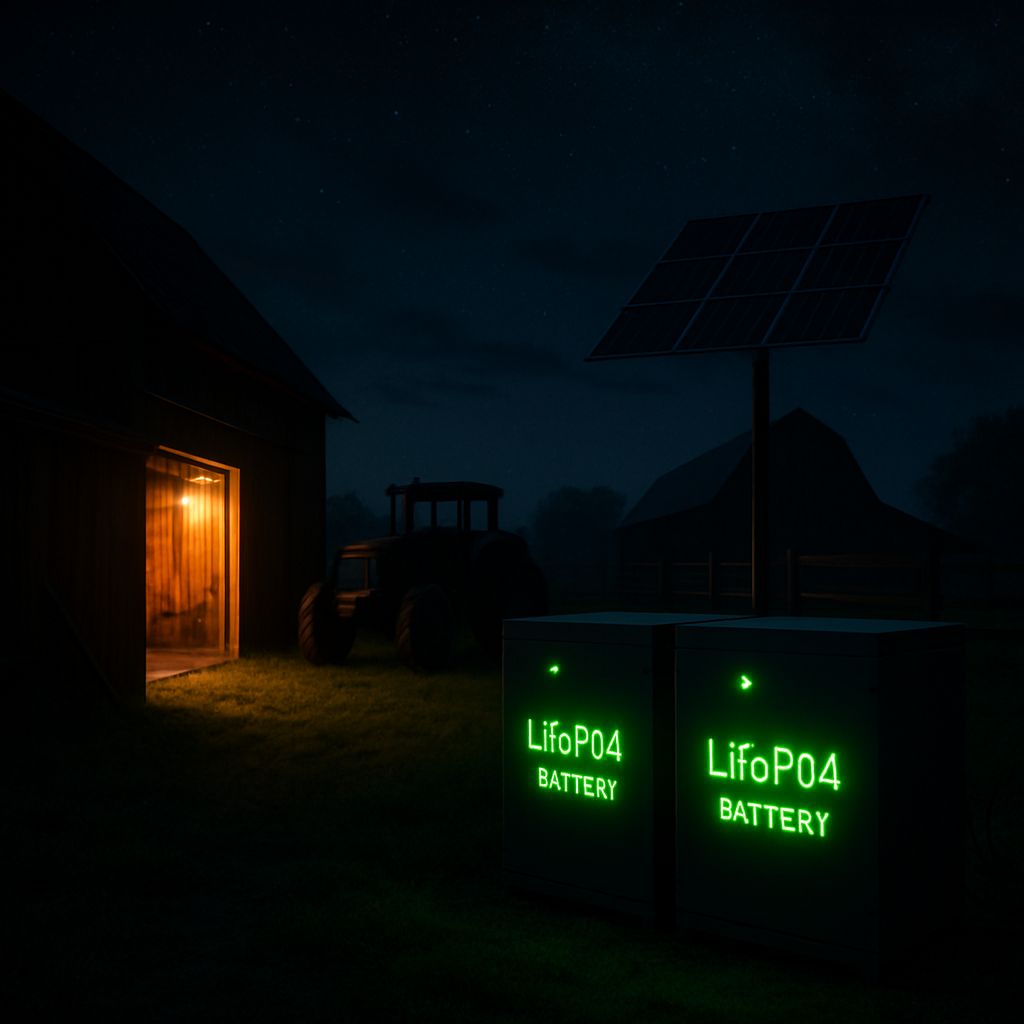
Key Takeaways
- LiFePO4 batteries offer 3,000-10,000 charge cycles compared to just 500-1,000 for lead-acid batteries, making them ideal for long-term farm solar backup systems.
- These batteries maintain performance in extreme temperatures (-4°F to 140°F), essential for year-round agricultural operations in varying weather conditions.
- Proper sizing of your farm’s battery backup requires calculating critical loads, determining days of autonomy, and accounting for seasonal variations.
- Despite a higher initial investment, LiFePO4 batteries provide better long-term ROI through longer lifespan, minimal maintenance, and improved efficiency.
When the power goes out on your farm, every minute counts. Solar panels alone won’t keep operations running when the sun sets or during cloudy days, creating a critical vulnerability in your energy independence strategy.
LiFePO4 (Lithium Iron Phosphate) batteries represent the most reliable solar backup solution for modern agricultural operations, providing the missing link between intermittent solar generation and the consistent power farms require. Anern Store specializes in LiFePO4 battery systems that ensure your essential farm functions continue uninterrupted, regardless of grid status or weather conditions.
Why Your Farm Needs Reliable Power: The Solar Panel Dilemma
Solar panels have revolutionized farm energy usage, but they face a fundamental limitation: they only generate electricity when the sun shines. Without adequate storage, this creates a precarious dependency on perfect conditions or grid backup. During critical harvesting periods, irrigation cycles, or livestock care, power interruptions can lead to substantial financial losses and animal welfare concerns.
Modern farms rely on continuous power for automated feeding systems, climate control in barns, refrigeration, irrigation pumps, and processing equipment. A single day without power can disrupt these systems, potentially resulting in thousands of dollars in lost productivity, spoiled products, or compromised animal health.
While traditional lead-acid batteries have been the go-to solution for decades, their short lifespan, maintenance requirements, and performance limitations make them increasingly impractical for agricultural settings where reliability is paramount.
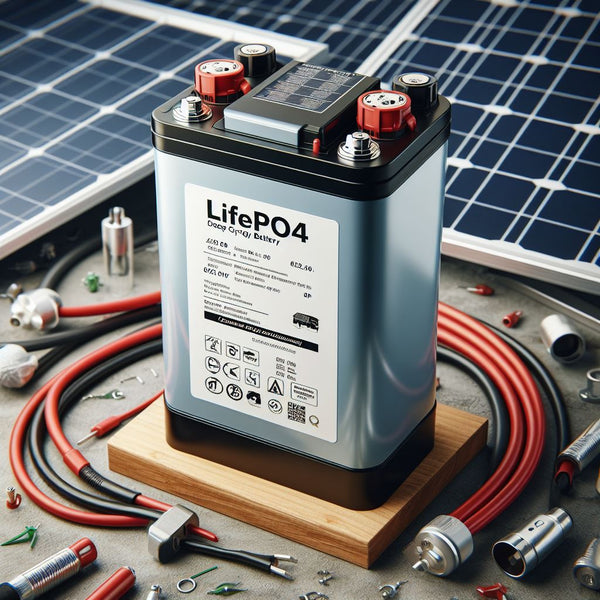
LiFePO4 Batteries: The Game-Changer for Farm Solar Systems
LiFePO4 technology has fundamentally transformed how farms can approach energy independence. Unlike conventional battery chemistries, these advanced lithium batteries offer a combination of longevity, safety, and performance specifically suited to agricultural applications where consistent, reliable power is non-negotiable.
The chemistry of lithium iron phosphate creates inherent thermal and structural stability, virtually eliminating the fire risks associated with other lithium batteries. This makes LiFePO4 batteries particularly well-suited for farm environments where dust, varying temperatures, and proximity to valuable livestock and equipment demand the highest safety standards.
What Makes LiFePO4 Different from Other Battery Types
LiFePO4 batteries utilize a unique cathode material—lithium iron phosphate—that creates exceptionally stable electrochemical properties. Unlike lead-acid batteries that contain toxic materials and corrosive acids, or other lithium chemistries prone to thermal runaway, LiFePO4 batteries offer a safer, more environmentally friendly profile. They maintain consistent voltage throughout their discharge cycle, providing steady power output until nearly depleted—a crucial advantage for sensitive farm equipment.
Superior Cycle Life: 3,000-10,000 Cycles vs. 500 for Lead-Acid
The most compelling advantage of LiFePO4 batteries for farm applications is their extraordinary cycle life. While traditional lead-acid batteries typically provide just 300-500 cycles at 50% depth of discharge, quality LiFePO4 batteries deliver 3,000-10,000 complete cycles. For a farm using daily charge-discharge cycles, this translates to 8-27 years of service compared to just 1-2 years from lead-acid alternatives.
Battery Lifespan Comparison
LiFePO4: 3,000-10,000 cycles (8-27 years)
Lead-Acid: 300-500 cycles (1-2 years)
Lithium-Ion (NMC): 1,000-2,000 cycles (3-5 years)
Temperature Performance: Handling Farm Environment Extremes
Farm environments expose equipment to temperature extremes that can devastate conventional battery systems. LiFePO4 batteries maintain performance in temperatures ranging from -4°F to 140°F (-20°C to 60°C), ensuring reliable operation through freezing winters and scorching summers alike.
Maintenance Requirements: Set It and Forget It
Unlike lead-acid batteries that require regular water additions, terminal cleaning, and specific charging protocols, LiFePO4 batteries are virtually maintenance-free. This “set it and forget it” advantage is particularly valuable in farm settings where maintenance time directly impacts productivity. Most systems include built-in battery management systems (BMS) that automatically balance cells, prevent over-charging or excessive discharge, and monitor battery health.
Sizing Your Farm’s Battery Backup System
Properly sizing a LiFePO4 battery system is crucial for achieving reliable backup power without unnecessary expenditure. Undersized systems fail to provide adequate runtime during critical operations, while oversized systems represent wasted capital that could be allocated elsewhere on the farm.
The process begins with a comprehensive energy audit of your operation, identifying which systems are truly essential during outages and which can remain dormant. This prioritization allows for more economical system sizing focused on maintaining critical functions rather than powering everything simultaneously. For more insights on efficient solar solutions, explore off-grid solar power systems.
Unlike grid-tied systems that only need to bridge short interruptions, farm backup systems typically require substantial capacity to maintain operations through extended outages, seasonal low solar production periods, or multi-day weather events.
Calculate Your Critical Power Needs During Outages
Start by listing all essential equipment that must remain operational during power interruptions. For each item, note both its power rating (watts) and estimated daily runtime hours. Multiply these figures to calculate daily watt-hours required for each piece of equipment, then add them together for your total daily energy requirement. Critical farm loads typically include water pumps, livestock ventilation, refrigeration for perishable products, and security systems. Remember to account for startup surge requirements, especially for motors and pumps that may draw 3-5 times their rated power during startup.
Determining Days of Autonomy Based on Your Location
Days of autonomy refers to how long your battery system can power critical loads without recharging. This figure varies based on your geographic location, seasonal weather patterns, and risk tolerance. Farms in cloudy northern regions typically require 3-5 days of autonomy during winter months, while operations in sunnier southern locations may function reliably with just 1-3 days. Consider historical weather data for your region, particularly focusing on consecutive cloudy day patterns during critical operational periods.
Accounting for Seasonal Load Variations
Agricultural energy needs fluctuate dramatically throughout the year. Irrigation demands peak during dry summer months, while heating requirements dominate winter energy usage. Cold storage needs typically align with harvest seasons, creating distinct energy demand profiles throughout the year. Design your LiFePO4 battery system based on the season with highest critical loads, ensuring adequate capacity during peak demand periods. Many farmers implement modular battery designs that allow for capacity adjustments as seasonal needs change.
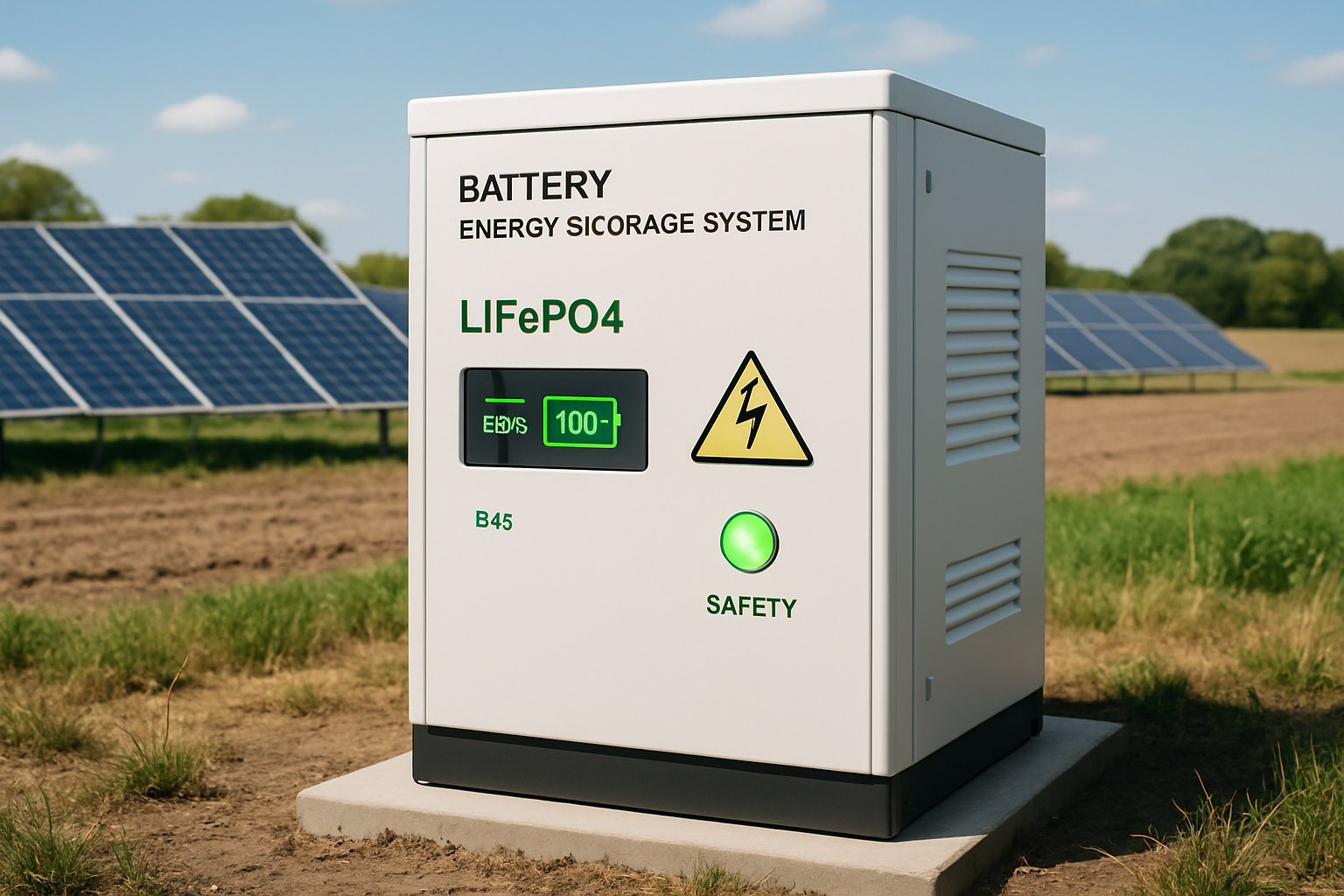
“LiFePO4 Thermal Runaway Averted in a …” from www.anernstore.com and used with no modifications.
Real-World Farm Applications for LiFePO4 Battery Systems
Across the agricultural sector, LiFePO4 batteries are proving their value in maintaining critical operations when grid power becomes unreliable. From small family farms to large commercial operations, these battery systems provide essential continuity that protects investments, livestock, and harvests.
The operational resilience provided by LiFePO4 batteries extends beyond mere convenience—it represents insurance against potentially catastrophic losses. A single power outage during critical periods can jeopardize months of work and investment.
Modern precision agriculture increasingly depends on consistent power for data collection, automated systems, and remote monitoring. LiFePO4 battery backups ensure these technological advantages remain operational regardless of grid status.
Powering Irrigation Systems When Grid Goes Down
Irrigation timing is often critical to crop survival, particularly during drought conditions or for water-sensitive crops. LiFePO4 battery systems paired with solar arrays can maintain crucial watering schedules during grid outages lasting days or even weeks. Many farmers configure their systems to automatically prioritize irrigation pumps during daylight hours when solar production directly supplements battery capacity, extending overall runtime. This approach has saved countless crops that would otherwise be lost during extended summer power outages when irrigation needs are highest.
Maintaining Climate Control in Livestock Buildings
Temperature regulation in livestock facilities can literally be a matter of life and death during extreme weather events. LiFePO4 battery systems provide the reliable backup needed to maintain ventilation fans, heating elements, and cooling systems when grid power fails. The consistent voltage delivery of these batteries is particularly important for sensitive climate control equipment that may malfunction with the voltage fluctuations common in generator power. Forward-thinking livestock operations increasingly implement tiered power management systems that adjust temperature parameters during outages to extend battery life while maintaining safe conditions.
Keeping Cold Storage Running During Extended Outages
Post-harvest cold storage represents a critical vulnerability for many farming operations. A single day without refrigeration can destroy the value of an entire season’s work. LiFePO4 battery systems provide the extended runtime needed to bridge power gaps until grid service is restored or alternative arrangements can be made. Many dairy, meat, and produce operations have adopted hybrid cooling strategies that pre-cool storage areas when solar power is abundant, reducing the energy needed to maintain temperatures during nighttime hours when the system relies solely on battery power.
Supporting Processing Equipment for Continuous Operations
On-farm processing equipment often represents significant capital investment and revenue potential. LiFePO4 battery systems ensure these operations can continue regardless of grid reliability. Whether running milk processing equipment, fruit sorting machinery, or meat processing tools, the stable power delivery of LiFePO4 batteries protects sensitive electronics from damage while maintaining production schedules. The deep discharge capability of these batteries is particularly valuable for processing operations that may run continuously for extended periods during harvest seasons. For more insights, explore solar panel backup solutions tailored for farmers.
Cost Analysis: Investment vs. Operational Savings
The initial investment in LiFePO4 batteries typically ranges from $800-$1,200 per kWh of capacity, significantly higher than the $150-$300 per kWh for traditional lead-acid systems. For a typical farm requiring 20-40kWh of storage, this represents a $16,000-$48,000 investment compared to $3,000-$12,000 for lead-acid alternatives. However, this price comparison fails to capture the complete economic picture.
When analyzing total cost of ownership over a 10-year period, LiFePO4 batteries consistently outperform lead-acid systems. While lead-acid batteries would require replacement 3-5 times during this period, a quality LiFePO4 system continues functioning at 80%+ of original capacity. Additionally, LiFePO4 batteries’ higher efficiency (98% vs. 80-85% for lead-acid) means more of your solar production is actually available for use rather than lost as heat during charging cycles.
Operational savings extend beyond replacement costs. LiFePO4 batteries eliminate expenses for distilled water, neutralization chemicals for acid spills, terminal cleaning supplies, and specialized ventilation systems required for lead-acid installations. Most importantly, they dramatically reduce the risk of costly power-related losses to crops, livestock, and processing operations.
Initial Investment Comparison: LiFePO4 vs. Lead-Acid
The upfront cost difference between battery technologies can initially appear daunting. A 30kWh LiFePO4 battery system typically costs $24,000-$36,000 installed, while an equivalent lead-acid system might range from $4,500-$9,000. This 3-5x price differential represents the most significant adoption hurdle for many farm operations. However, capacity ratings between technologies aren’t directly comparable—lead-acid systems rarely provide their rated capacity in real-world farm applications due to their sensitivity to discharge rates and temperature conditions. For more insights on optimizing battery use in agriculture, explore off-grid solar panels powering farm operations.
Additionally, LiFePO4 systems permit deeper discharge levels (80-100% vs. 50% for lead-acid), effectively doubling the usable capacity compared to nominally equivalent lead-acid systems. This means a 30kWh LiFePO4 system provides approximately the same usable energy as a 60kWh lead-acid system, significantly narrowing the practical price gap between technologies.
Long-Term ROI Calculations
The return on investment for LiFePO4 battery systems comes from multiple sources: extended lifespan, eliminated maintenance costs, improved efficiency, and averted losses during power interruptions. In a typical farm setting, these combined factors create a breakeven point between years 5-7 compared to lead-acid alternatives. Beyond this point, LiFePO4 systems continue generating positive returns while lead-acid systems would require replacement investments.
The most significant ROI component often comes from prevented losses during critical periods. A single extended power outage during harvest, processing, or extreme weather events can cause losses exceeding the entire cost differential between battery technologies. While difficult to quantify precisely, this insurance value represents substantial risk mitigation for operations with high vulnerability to power interruptions.
|
Metric |
LiFePO4 |
Lead-Acid |
|---|---|---|
|
Initial Cost (30kWh system) |
$24,000-$36,000 |
$4,500-$9,000 |
|
Usable Capacity |
24-30kWh (80-100%) |
15kWh (50%) |
|
Lifespan (years) |
10-15 |
2-4 |
|
Replacement Cycles in 10 Years |
0-1 |
3-5 |
|
10-Year Total Cost |
$24,000-$36,000 |
$13,500-$45,000 |
Available Agricultural Grants and Tax Incentives
Numerous financial incentives can substantially reduce the effective cost of LiFePO4 battery systems for agricultural applications. The USDA Rural Energy for America Program (REAP) offers grants covering up to 25% of renewable energy system costs and guaranteed loan financing for the remainder. State-specific programs provide additional incentives, with some offering performance-based rebates that reward actual energy production and storage capability. Federal investment tax credits currently allow deducting 30% of the cost of battery systems charged primarily by renewable sources.
Many agricultural operations also qualify for accelerated depreciation schedules, allowing the entire system cost to be deducted from taxable income within the first few years of operation. Combined with local utility incentives designed to reduce peak demand, these financial mechanisms can reduce the effective cost of LiFePO4 systems by 40-60%, dramatically improving ROI calculations.
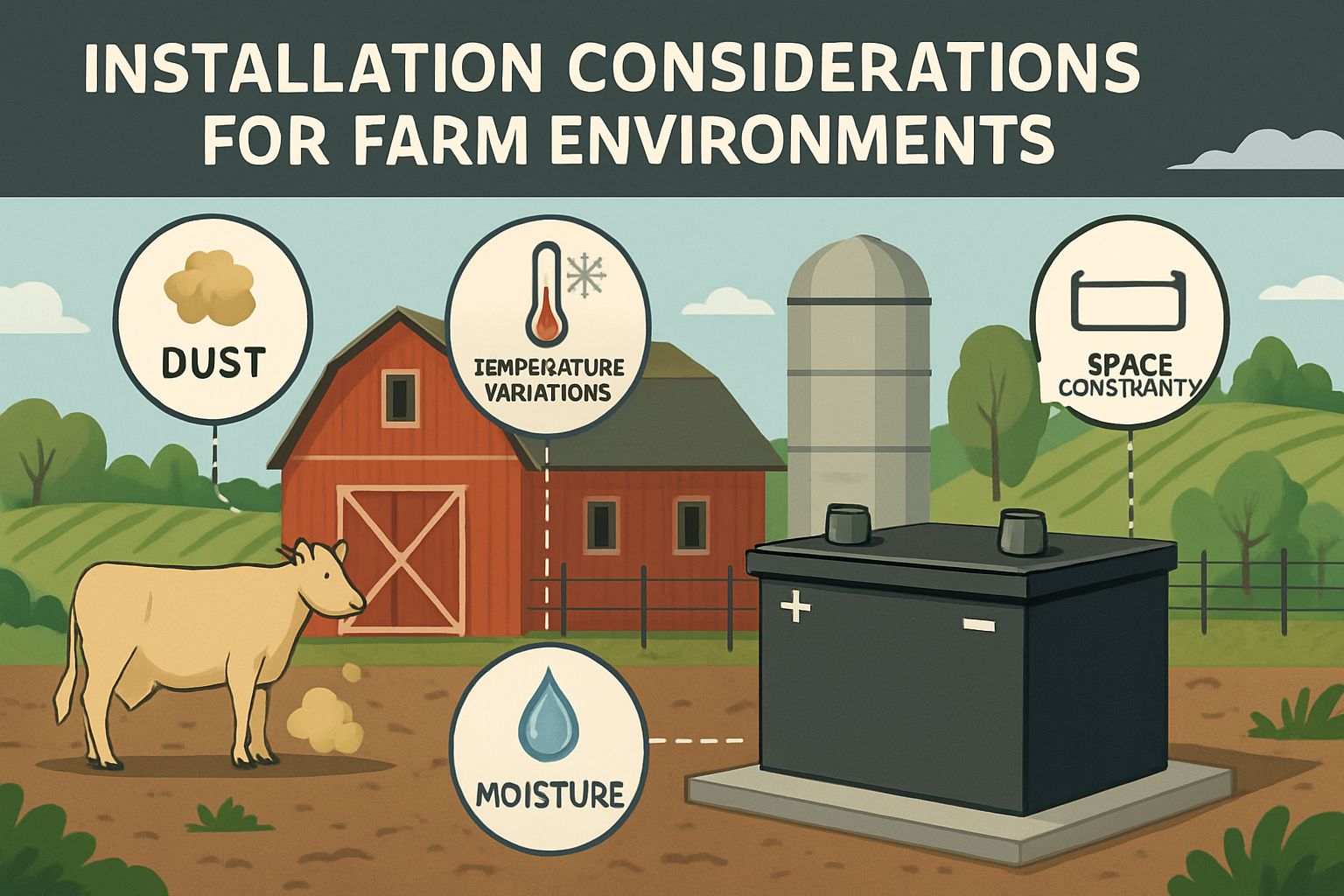
Installation Considerations for Farm Environments
Farm environments present unique challenges for battery installation due to dust, temperature variations, moisture, and space constraints. Proper installation not only ensures optimal performance but also significantly impacts system lifespan and safety. Weather-tight enclosures rated for appropriate temperature extremes are essential, as is proper ventilation to prevent condensation without allowing dust infiltration.
Cable sizing represents another critical consideration, as undersized conductors create resistance that wastes energy and generates potentially dangerous heat. For larger farm installations, dedicated battery rooms with appropriate fire suppression systems, temperature control, and security features may be warranted. All installations should comply with National Electrical Code requirements for battery systems, particularly focusing on disconnect requirements, overcurrent protection, and appropriate labeling.
Professional installation is strongly recommended for agricultural LiFePO4 systems due to their high voltage (typically 48V) and significant capacity. While DIY installation may seem appealing from a cost perspective, improper connections or configuration can void warranties, compromise performance, and create safety hazards.
Ideal Battery Placement for Weather Protection
LiFePO4 batteries perform best when maintained within a moderate temperature range (50-85°F/10-30°C). While they tolerate extremes better than other battery types, excessive heat or cold still impacts efficiency and longevity. Ideal placement locations include climate-controlled utility rooms, insulated outbuildings, or partially buried structures that leverage ground temperature moderation. Underground installations provide excellent temperature stability but require careful moisture management to prevent condensation issues.
Many farmers successfully utilize existing structure walls with northern exposure to minimize solar heat gain while adding minimal insulation to maintain acceptable winter temperatures. Temperature monitoring systems that trigger alarms when conditions exceed optimal ranges provide valuable protection for your investment, allowing corrective action before battery performance is compromised. For more information on maintaining battery performance, consider exploring lithium iron phosphate battery solar guides.
Integration with Existing Solar Arrays
Adding LiFePO4 battery storage to existing solar installations requires careful consideration of current system components and configuration. Grid-tied systems with microinverters or optimizers typically require additional equipment—specifically, battery-based inverters or AC coupling solutions—to enable energy storage functionality. Direct DC coupling between panels and batteries generally provides higher efficiency but may require reconfiguration of panel strings to match battery voltage requirements.
Hybrid inverters that manage both solar charging and battery functions offer the most streamlined integration path for new installations, but retrofit options exist for nearly any existing solar configuration. Working with solar professionals experienced in battery integration ensures proper communication between system components and appropriate charge management for optimal battery health. For farms considering off-grid solar panels, understanding the need for batteries is crucial.
Scalability Options for Growing Power Needs
One significant advantage of LiFePO4 battery systems is their modularity and scalability. Well-designed systems allow additional battery capacity to be added as farm needs expand, operational budgets increase, or battery prices decrease. This incremental approach permits starting with essential backup coverage while creating a pathway for eventual whole-farm resilience or even complete off-grid capability.
Case Study: Mountain View Dairy’s Success with LiFePO4 Backup
Mountain View Dairy in central Wisconsin faced recurring challenges with grid reliability, experiencing 8-12 significant outages annually that disrupted milking operations, compromised milk cooling, and threatened animal welfare through ventilation failures. After calculating losses exceeding $45,000 in a single year from discarded milk, emergency generator rentals, and equipment repairs, farm owner Michael Peterson invested in a comprehensive energy solution centered around LiFePO4 battery storage.
The farm installed a 60kWh LiFePO4 battery bank integrated with their existing 42kW solar array, providing 36+ hours of backup power for critical systems including milking equipment, milk cooling, water pumping, and barn ventilation. The $52,000 investment, reduced to $31,200 after applying USDA REAP grant funding and tax incentives, delivered immediate operational security. During a severe three-day winter storm outage that affected neighboring farms, Mountain View maintained full operations without interruption. Peterson calculates the system paid for itself during this single event by preventing losses that would have exceeded $40,000 in discarded milk, livestock stress, and emergency measures.
Power Your Farm’s Future with Confidence
The agricultural sector has always balanced tradition with innovation, seeking technologies that genuinely improve operational resilience and profitability. LiFePO4 battery systems represent precisely this type of transformative technology—providing unprecedented energy security that protects farms against increasingly unpredictable weather patterns and grid vulnerabilities. By storing solar energy for on-demand use, these advanced batteries create true energy independence that strengthens every aspect of modern farming operations.
The initial investment in LiFePO4 technology delivers returns extending far beyond simple economic calculations. It provides peace of mind knowing critical systems remain operational regardless of external circumstances. It creates operational flexibility, allowing optimal timing of energy-intensive tasks to coincide with peak solar production or favorable utility rates. Perhaps most importantly, it represents a sustainable approach to farm energy that reduces environmental impact while enhancing resilience. For more insights, explore the best batteries for farmers to ensure effective solar panel backup solutions.
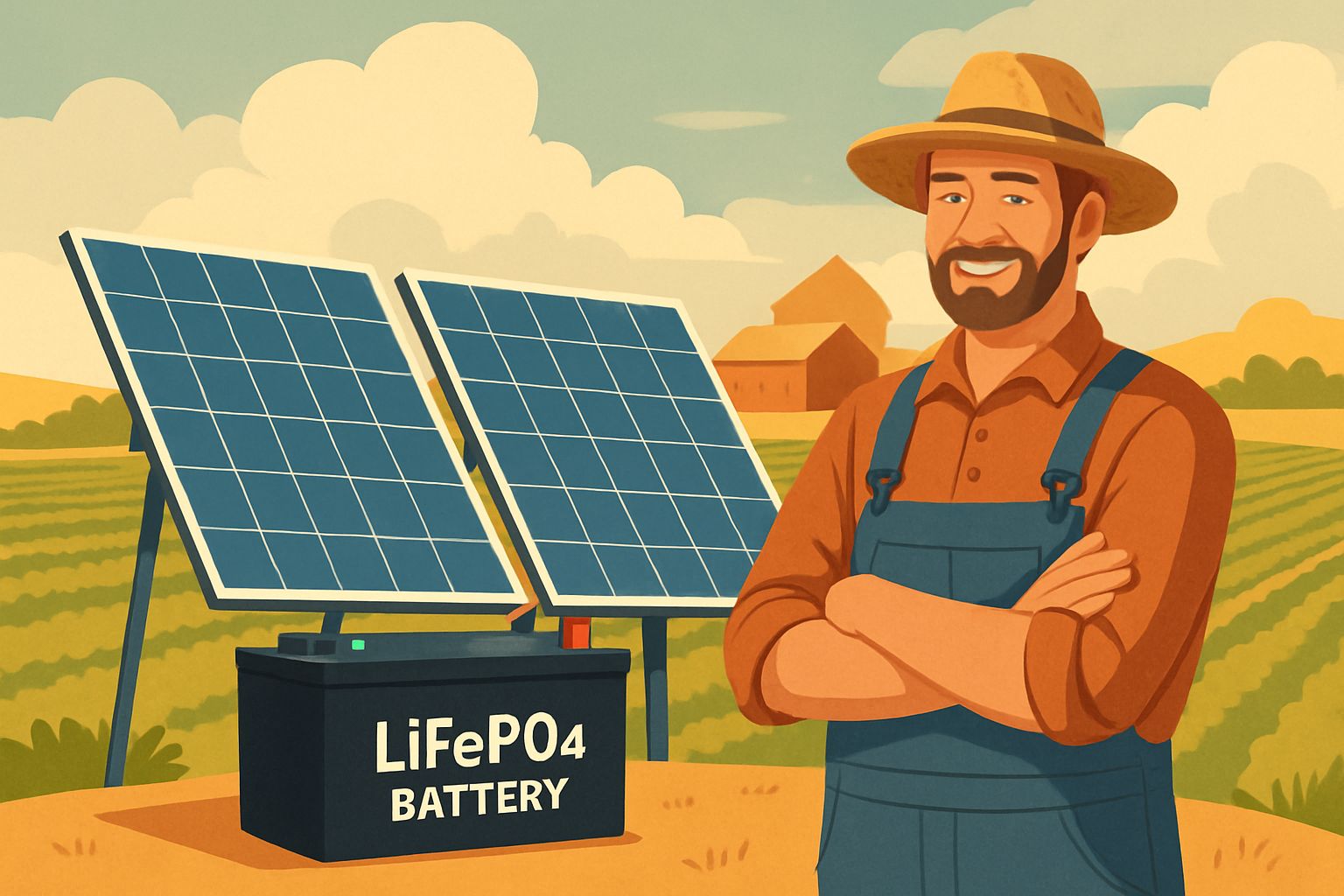
Is Using a LiFePO4 Batteries for Solar Panels Backup Worth the Investment for the Farmer
For most modern farming operations facing grid reliability challenges, LiFePO4 battery systems represent a financially sound investment that provides both tangible and intangible returns. The tangible benefits include eliminated replacement costs compared to traditional batteries, reduced maintenance expenses, improved energy efficiency, and prevented losses during power interruptions. Intangible benefits include operational predictability, stress reduction during weather emergencies, and the ability to optimize activities around energy availability rather than grid constraints.
The most compelling argument for LiFePO4 investment comes from calculating the “insurance value” these systems provide against catastrophic losses. For livestock operations, dairy farms, or operations with significant cold storage requirements, a single extended power outage during critical periods can cause losses exceeding the entire system cost. When viewed through this risk management lens, LiFePO4 batteries become less of an optional upgrade and more of an operational necessity for modern agricultural resilience.
Frequently Asked Questions
The transition to LiFePO4 technology raises numerous questions for farmers accustomed to traditional battery systems or those unfamiliar with advanced energy storage options. Understanding the capabilities, limitations, and practical considerations of these systems helps inform appropriate investment decisions and operational planning.
While LiFePO4 batteries represent proven technology with extensive commercial and industrial applications, their relatively recent adoption in agricultural settings means many farmers lack firsthand experience with their performance characteristics. The following questions address the most common concerns expressed by farmers considering this technology for their operations.
As with any significant farm infrastructure investment, consultation with qualified energy professionals familiar with agricultural applications is recommended before making final decisions. Local climate conditions, specific operational requirements, and existing infrastructure all influence the optimal system configuration for your unique situation.
How long do LiFePO4 batteries typically last in farm applications?
In agricultural settings, properly maintained LiFePO4 batteries consistently deliver 3,000-10,000 complete charge cycles depending on manufacturing quality, depth of discharge patterns, and operating temperatures. For a system cycling daily, this translates to 8-27 years of functional operation. Most manufacturers guarantee 80% capacity retention for at least 3,000 cycles or 5-10 years, significantly outperforming traditional lead-acid batteries that typically require replacement every 2-4 years in similar applications.
Real-world farm installations have demonstrated remarkable longevity, with early adopters reporting minimal capacity degradation (less than 10%) after 7+ years of continuous operation. These extended lifespans fundamentally change replacement cost calculations when evaluating total ownership costs between battery technologies. Even in extreme agricultural environments with high temperature variations and demanding cycling patterns, LiFePO4 batteries consistently outlast alternative technologies by factors of 3-5x.
Can LiFePO4 batteries work with my existing solar panel system?
Yes, LiFePO4 batteries can be integrated with virtually any existing solar installation through appropriate charge controllers and inverters. The specific integration approach depends on your current system configuration—grid-tied systems typically require adding battery-based inverters or AC coupling equipment, while off-grid systems may need charge controller adjustments to accommodate the different charging profiles of LiFePO4 compared to lead-acid batteries. Working with qualified solar professionals ensures proper system compatibility and optimal performance.
What happens to LiFePO4 batteries during freezing winter conditions?
Unlike lead-acid batteries that can suffer permanent damage from freezing, LiFePO4 batteries remain structurally intact in sub-freezing temperatures. However, their charging capability becomes limited below 32°F/0°C as the lithium-ion migration process slows. Most modern LiFePO4 systems include temperature-based charging protection that prevents charging (while still allowing discharging) when battery temperatures fall below freezing.
For optimal year-round performance in cold climates, LiFePO4 batteries should be installed in temperature-controlled spaces or equipped with thermal management systems. Many agricultural installations utilize insulated enclosures with small heating elements activated by temperature sensors, ensuring batteries remain within optimal operational parameters even during extreme weather events. The minimal energy required for this heating represents a worthwhile investment in system longevity and consistent performance.
Are LiFePO4 batteries safe to use in agricultural buildings?
LiFePO4 chemistry provides exceptional thermal stability compared to other lithium battery technologies, making it among the safest energy storage options for farm applications. The phosphate-based cathode structure resists oxygen release during overheating, virtually eliminating the thermal runaway risks associated with other lithium chemistries. Additionally, quality systems include multiple protective features: battery management systems that monitor individual cell health, thermal sensors that disconnect power if unsafe temperatures are detected, and robust enclosures that contain potential failures.
What maintenance do LiFePO4 batteries require compared to traditional batteries?
LiFePO4 batteries require minimal maintenance compared to traditional lead-acid systems. They eliminate the need for water addition, equalization charging, terminal cleaning to remove corrosion, and specific gravity testing—all routine requirements for lead-acid batteries. The primary maintenance considerations for LiFePO4 systems involve keeping terminals clean and tight, ensuring ventilation openings remain unobstructed, and occasionally checking that battery management system displays show normal operation. For farmers, understanding the maintenance costs associated with different battery types can lead to more efficient farm operations.
Most manufacturers recommend annual visual inspections and diagnostic system checks to verify all components function correctly. Some advanced systems provide remote monitoring capabilities that continuously transmit performance data and alert owners to potential issues before they affect system operation. This shift from regular hands-on maintenance to simple monitoring represents a significant advantage for time-constrained farm operations.
Regular battery cycling actually benefits LiFePO4 systems, unlike lead-acid batteries that deteriorate with each discharge cycle. For seasonal agricultural applications with extended idle periods, occasional deliberate discharge/recharge cycles help maintain optimal battery condition and balance between cells. For more information on choosing the best batteries for your needs, check out best batteries for farmers.
- Inspect battery connections annually for tightness and corrosion
- Maintain operating environment within recommended temperature range when possible
- Keep battery surfaces clean and free of accumulated dust
- Perform complete charge/discharge cycles quarterly if the system doesn’t naturally cycle regularly
- Update battery management system firmware when manufacturers release improvements
The transition to LiFePO4 technology represents a significant step toward true energy independence for agricultural operations. While the initial investment exceeds traditional battery alternatives, the combination of exceptional longevity, minimal maintenance, superior performance, and unmatched reliability delivers compelling long-term value. As extreme weather events increase and grid reliability challenges continue, the security provided by these advanced battery systems becomes increasingly valuable.
For operations where continuous power directly impacts profitability, animal welfare, and product quality, LiFePO4 batteries provide essential protection against unpredictable disruptions. Anern Store continues to lead in developing specialized LiFePO4 solutions for the unique requirements of agricultural applications, ensuring farms can maintain operations regardless of external circumstances.




Leave a Reply