
Key Takeaways
- Solar trackers can boost crop yields by up to 25% by optimizing sunlight exposure.
- Dual-axis trackers offer superior efficiency by following the sun both vertically and horizontally.
- Implementing solar trackers can reduce energy costs for farmers by 20-30% annually.
- Solar tracking systems can help conserve water by enhancing soil moisture retention.
- Choosing the right type of solar tracker is crucial for maximizing benefits on a farm.
Quick Facts on Solar Tracking in Agriculture
Solar tracking technology is revolutionizing agriculture by maximizing the efficiency of solar panels used on farms. By following the sun’s path, these systems ensure that solar panels capture the maximum amount of sunlight throughout the day. This means more energy for farm operations and less reliance on non-renewable energy sources.
Introduction to Solar Tracking Technology
Imagine your crops receiving the perfect amount of sunlight every single day. That’s the promise of solar tracking technology. By constantly adjusting the position of solar panels, these systems ensure that your farm gets the most out of the sun’s energy. But how does this work, and what makes solar tracking so effective?
- Solar trackers adjust the position of solar panels to follow the sun.
- They can increase energy capture by 20-30% compared to static panels.
- There are two main types: single-axis and dual-axis trackers.
Definition and Basic Features of a Solar Tracing System
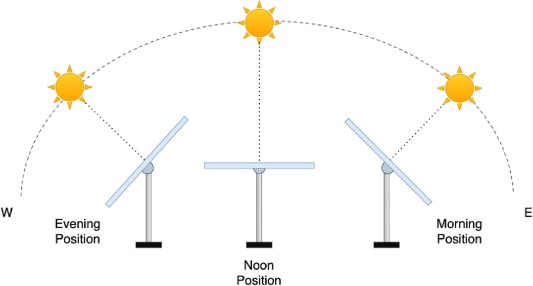
At its core, a solar tracking system is a mechanism that moves solar panels to follow the sun. This movement ensures that the panels are always at the optimal angle to capture sunlight. The main components of a solar tracking system include the solar panels, the tracking mechanism, and a control system that directs the movement.
Solar trackers are particularly beneficial in agriculture, where maximizing energy capture can lead to increased productivity and reduced costs. By ensuring that solar panels are always positioned for maximum sunlight exposure, farmers can harness more solar energy for their operations.
How Solar Trackers Work
Solar trackers use sensors to detect the sun’s position and adjust the angle of the solar panels accordingly. This process is automated, allowing the panels to move smoothly and continuously throughout the day. The goal is to maintain the optimal angle between the sun and the solar panel surface, maximizing energy absorption.
Most importantly, solar trackers can be programmed to adjust for seasonal changes, ensuring that panels are positioned correctly throughout the year. This adaptability makes solar trackers a valuable tool for farmers looking to optimize their energy use.
For example, a farmer in California might use a dual-axis solar tracker to ensure that their panels capture the most sunlight during the long summer days. By adjusting both the tilt and rotation of the panels, the farmer can increase energy capture by up to 40% compared to static panels.
Types of Solar Trackers: Single vs. Dual Axis
When it comes to solar trackers, there are two main types: single-axis and dual-axis. Each has its advantages and is suited to different farming needs.
Single-axis trackers move along one axis, typically following the sun’s east-to-west path. They are simpler and less expensive than dual-axis trackers, making them a popular choice for many farmers. However, they offer less precision in sunlight capture.
Dual-axis trackers, on the other hand, can move along both the north-south and east-west axes. This allows them to follow the sun’s path more accurately, capturing more sunlight and generating more energy. While they are more expensive, the increased energy capture can lead to significant savings in the long run.
Choosing between single-axis and dual-axis trackers depends on factors such as budget, energy needs, and farm location. For instance, a farm in a region with frequent cloud cover might benefit more from the precision of a dual-axis tracker.
Here’s a table outlining the benefits of solar tracking systems in agriculture:
|
Benefit |
Description |
|---|---|
|
Increased Energy Production |
Solar trackers adjust panels to follow the sun, boosting energy capture by up to 40% compared to fixed systems. This provides more power for farm operations like irrigation and machinery. 1, 3 |
|
Improved Irrigation Efficiency |
The extra energy from solar trackers can power advanced irrigation systems, ensuring crops receive optimal water and improving water management. 1, 3 |
|
Higher Crop Yields |
Reliable energy enables consistent irrigation and climate control, leading to healthier plants and increased crop yields. 1, 3 |
|
Reduced Operational Costs |
By generating more solar power, farms can lower their reliance on grid electricity or fossil fuels, reducing energy expenses. 1, 3 |
|
Enhanced Sustainability |
Solar tracking supports sustainable farming by reducing carbon emissions and reliance on nonrenewable energy sources. 1, 3, 5 |
|
Adaptation to Climate Change |
Reliable solar energy helps farms maintain productivity despite weather variability, supporting long-term food security.3 |
|
Economic Benefits |
Higher yields and lower costs can increase farm revenue; grants and subsidies may offset initial investment costs. 1, 3 |
|
Efficient Land Use |
Elevated or dual-axis trackers can maximize both energy generation and crop growth on the same land area. 3 |
|
Shorter Payback Period |
Increased energy production and cost savings can lead to a faster return on investment for solar tracking systems. 7 |
Solar tracking technology in agriculture offers a combination of economic, environmental, and productivity benefits, making it an increasingly attractive solution for modern farms. 1, 3, 7
Impact on Land Use and Efficiency
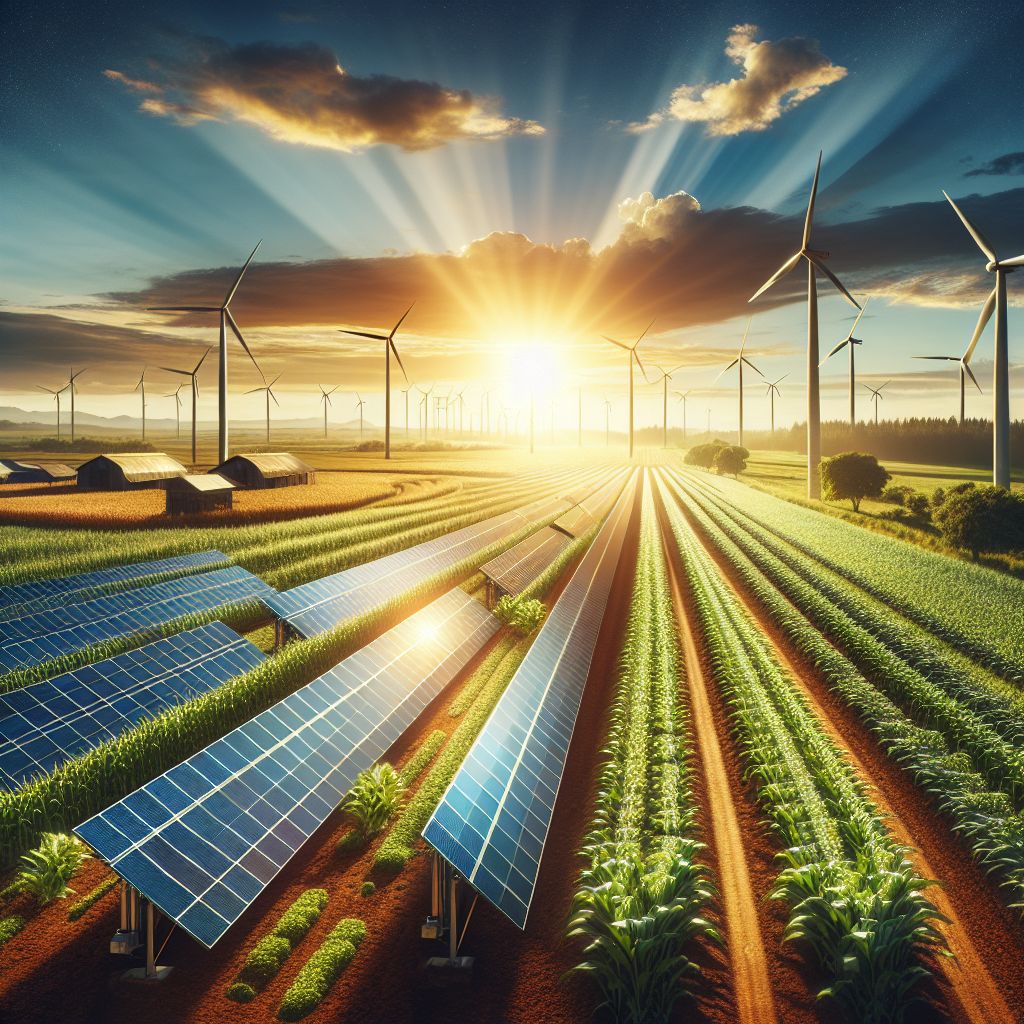
Solar trackers not only improve energy capture but also enhance land use efficiency. By optimizing the placement and orientation of solar panels, these systems can help farmers make the most of their available land. For more insights on this, explore the feasibility and benefits of solar panels for farm operations.
Maximizing Land Use with Solar Trackers
One of the key benefits of solar trackers is their ability to maximize land use. By adjusting the position of solar panels, farmers can ensure that their crops receive the optimal amount of sunlight. This leads to healthier plants and increased crop yields.
Moreover, solar trackers can be installed on land that might otherwise go unused. By utilizing these areas for solar energy production, farmers can increase their overall productivity without expanding their land holdings.
For example, a farmer with limited space might install solar trackers on a hillside, where static panels would be less effective. By following the sun’s path, the trackers can capture more sunlight and generate more energy for the farm.
Enhancing Crop Yield with Solar Tracking
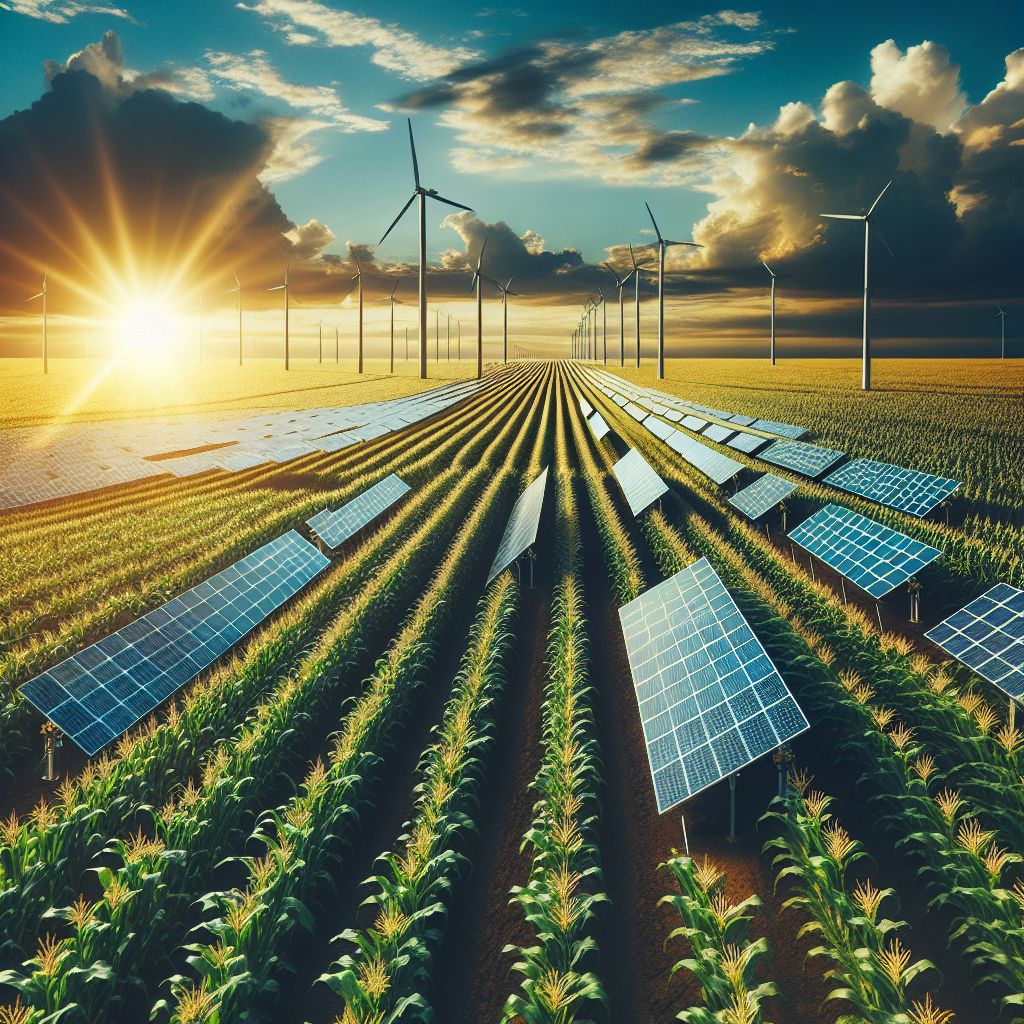
Solar tracking technology isn’t just about capturing sunlight; it’s about enhancing every aspect of agricultural productivity. By maximizing the sunlight that crops receive, solar trackers play a crucial role in boosting crop yield. This results in healthier plants and more abundant harvests.
Farmers using solar trackers have reported significant increases in crop yields. This is because the trackers ensure that plants receive consistent and optimal sunlight exposure, which is vital for photosynthesis. This process is the foundation of plant growth and productivity.
Moreover, solar trackers can help mitigate the effects of seasonal changes and unpredictable weather patterns. By ensuring that crops receive the necessary sunlight, even on cloudy days, solar trackers contribute to more stable and reliable crop production.
Increased Biomass Production
Biomass production is directly linked to the amount of sunlight that plants receive. With solar tracking technology, farmers can ensure that their crops are exposed to the maximum amount of sunlight possible. This leads to increased biomass production, which is essential for higher crop yields.
Increased biomass not only boosts yield but also improves the quality of the produce. For example, farmers have observed larger and more nutrient-rich fruits and vegetables when using solar trackers. This translates to better market value and higher income.
Improved Photosynthesis Efficiency
Photosynthesis is the process by which plants convert sunlight into energy. Solar trackers optimize this process by ensuring that plants receive the right amount of sunlight at the right time. This improved efficiency means that plants can grow faster and stronger.
By enhancing photosynthesis, solar trackers contribute to healthier plants that are more resistant to diseases and pests. This reduces the need for chemical interventions and promotes more sustainable farming practices.
Influence on Different Crop Types
Solar tracking technology is versatile and can benefit a wide range of crop types. Whether you’re growing leafy greens, root vegetables, or fruit-bearing plants, solar trackers can help improve yield and quality.
For instance, studies have shown that solar trackers can increase the yield of tomato plants by up to 30%. This is because tomatoes require a lot of sunlight for optimal growth, and solar trackers ensure that they receive it consistently.
Similarly, solar trackers can benefit crops like corn and soybeans, which thrive in sunny conditions. By optimizing sunlight exposure, these crops can reach their full potential, resulting in more abundant harvests.

Solar Tracking and Water Conservation
- Solar trackers help reduce water evaporation by providing shade.
- They enhance soil moisture retention, reducing the need for irrigation.
- Solar tracking systems are beneficial for drought-prone areas.
Water conservation is a critical concern for farmers, especially in regions prone to drought. Solar tracking systems can play a significant role in conserving water by reducing evaporation and enhancing soil moisture retention.
By providing shade to the soil, solar trackers help maintain cooler temperatures, which reduces the rate of water evaporation. This means that farmers can use less water for irrigation, saving both resources and costs.
Additionally, solar trackers can be integrated with advanced irrigation systems to optimize water use. By monitoring soil moisture levels, these systems can adjust irrigation schedules to ensure that crops receive the right amount of water at the right time.
Enhancing Soil Moisture Retention
One of the key benefits of solar tracking systems is their ability to enhance soil moisture retention. By providing consistent shade, solar trackers help maintain optimal soil conditions for plant growth.
This is particularly beneficial for crops that require consistent moisture levels, such as rice and other grains. By retaining soil moisture, solar trackers reduce the need for frequent irrigation, leading to significant water savings.
Reduction in Water Evaporation
Solar trackers help reduce water evaporation by providing shade to the soil and crops. This is especially important in hot and arid regions where evaporation rates are high.
By minimizing evaporation, solar trackers ensure that more water remains available for plant uptake. This not only conserves water but also improves plant health and productivity.
For example, farmers in the southwestern United States have reported a 15-20% reduction in water usage after implementing solar tracking systems. This translates to significant cost savings and a more sustainable use of water resources.
Benefits for Drought-Prone Areas
In drought-prone areas, solar tracking systems can be a game-changer. By optimizing sunlight exposure and reducing water evaporation, these systems help farmers maintain crop productivity even in challenging conditions.
Farmers in regions like California and Australia, where water scarcity is a significant issue, have successfully used solar trackers to improve crop yields and reduce water usage. This has helped them maintain profitability and sustainability in the face of climate challenges.
Overall, solar tracking technology offers a powerful solution for farmers looking to conserve water and enhance productivity. By optimizing sunlight exposure and reducing water waste, solar trackers contribute to more sustainable and resilient agricultural practices.
Case Studies from Implemented Farms
Solar tracking technology has been implemented successfully on various farms worldwide, each reaping unique benefits. One notable example is a vineyard in California that adopted dual-axis solar trackers. The vineyard reported a 30% increase in energy capture, which directly translated into a 20% reduction in operational costs. This allowed them to reinvest savings into expanding their grape production.
Similarly, a wheat farm in Australia integrated solar trackers to combat frequent drought conditions. By optimizing sunlight exposure and reducing water evaporation, the farm saw a 25% increase in yield despite water scarcity. This success story highlights how solar tracking technology can transform agricultural productivity even in challenging environments.
Overcoming Challenges and Maximizing Benefits
While the benefits of solar trackers are clear, farmers often face challenges in implementation. Initial costs can be high, and selecting the right type of tracker requires careful consideration. However, these challenges can be overcome with strategic planning and a focus on long-term gains.
Farmers should start by assessing their specific needs and resources. This includes evaluating available land, energy requirements, and budget constraints. Consulting with experts and conducting thorough research can help in making informed decisions.
Additionally, leveraging government incentives and subsidies can significantly offset initial costs. Many regions offer financial support for renewable energy projects, making solar trackers more accessible to farmers.
Long-Term Impacts and Sustainability
In the long run, solar tracking systems contribute to the sustainability of agricultural practices. By reducing reliance on non-renewable energy sources, they help decrease carbon footprints and promote environmental conservation. This aligns with global efforts to combat climate change and ensure food security. For more information on the benefits of solar power in agriculture, check out the solar power irrigation system article.
Moreover, solar trackers enhance the resilience of farms by providing a reliable energy source and optimizing resource use. This leads to more stable and sustainable agricultural operations, benefiting both farmers and the environment.
Conclusion: Future Prospects for Solar Tracking in Agriculture
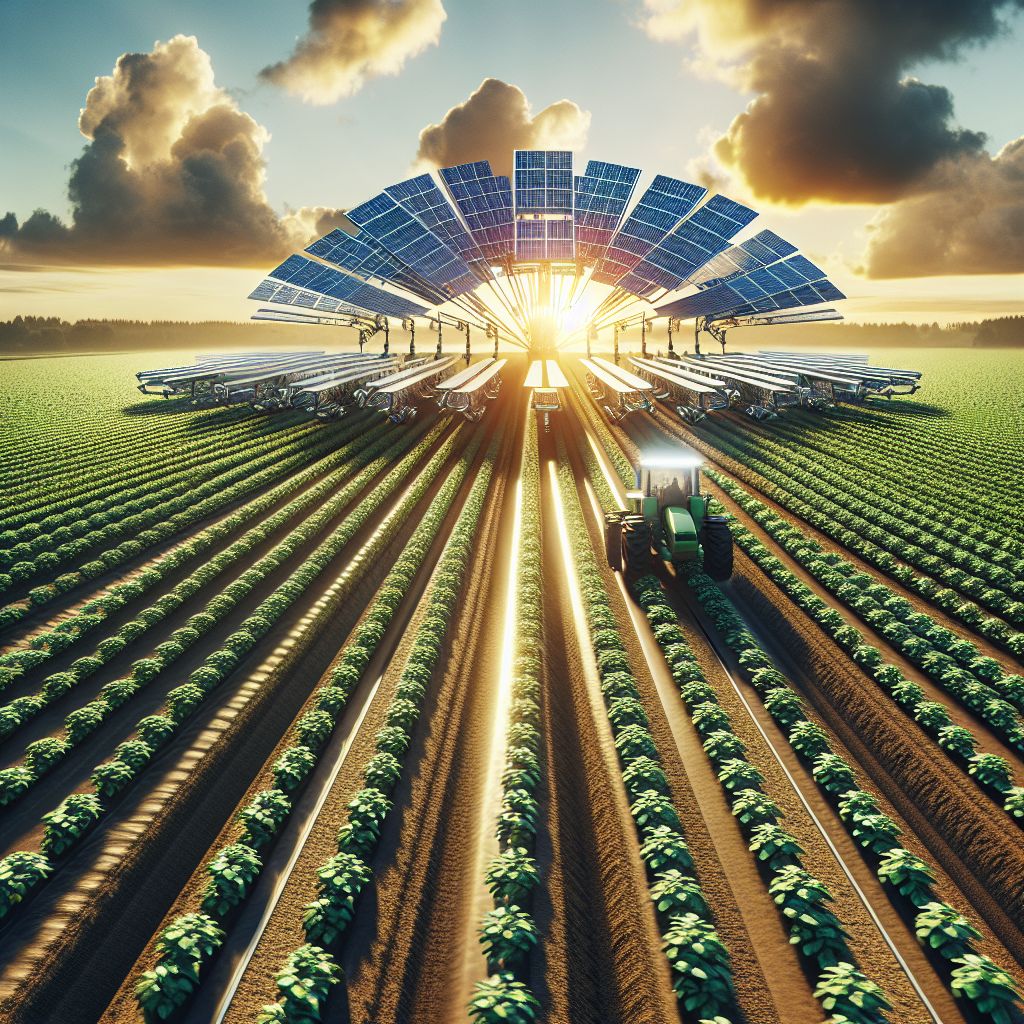
As technology continues to advance, the future of solar tracking in agriculture looks promising. Innovations in solar tracking systems are making them more efficient, affordable, and accessible. This presents exciting opportunities for farmers to enhance productivity and sustainability.
Impact on Sustainable Farming Practices
Solar trackers are set to play a crucial role in promoting sustainable farming practices. By optimizing energy and resource use, they help farmers reduce waste and minimize environmental impact. This not only benefits the planet but also ensures the long-term viability of agricultural operations.
Innovation and Technological Advancements
Ongoing research and development in solar tracking technology are leading to significant advancements. New materials and designs are improving efficiency and reducing costs, making solar trackers more attractive to farmers worldwide. These innovations are paving the way for broader adoption and greater impact.
Embracing Solar Tracking for a Greener Future
Embracing solar tracking technology is a step towards a greener and more sustainable future. By integrating these systems into agricultural practices, farmers can enhance productivity, conserve resources, and contribute to environmental conservation. This is a win-win situation that benefits both farmers and the planet.
Frequently Asked Questions (FAQ)
Many farmers have questions about solar tracking technology and its applications in agriculture. Here are some of the most common inquiries and their answers.
How do solar trackers benefit crop production?
Solar trackers optimize sunlight exposure, which enhances photosynthesis and boosts crop yields. By ensuring that crops receive the right amount of sunlight, these systems promote healthier and more productive plants.
What makes dual-axis trackers more effective than single-axis?
Dual-axis trackers can follow the sun both vertically and horizontally, providing more precise sunlight capture. This leads to higher energy production compared to single-axis trackers, which only move along one axis.
While dual-axis trackers are more expensive, their increased efficiency can lead to significant long-term savings and productivity gains.
Can solar trackers be used on small farms?
Yes, solar trackers can be adapted to farms of all sizes. Small farms can benefit from the increased energy efficiency and cost savings that solar trackers provide. Customizable options allow farmers to choose systems that fit their specific needs and budget. For more information on how solar power can enhance farm operations, explore the ways farmers save money with solar power.
What are the maintenance requirements for solar trackers?
Solar trackers require regular maintenance to ensure optimal performance. This includes cleaning the solar panels, checking the tracking mechanism, and updating the control system software. Routine inspections can help identify and address any issues before they affect performance.
How do solar trackers contribute to water conservation?
By providing shade and reducing evaporation, solar trackers help conserve water. This is especially beneficial in drought-prone areas, where water resources are limited. By optimizing sunlight exposure and enhancing soil moisture retention, solar trackers contribute to more efficient water use on farms.
Overall, solar tracking technology offers a powerful solution for enhancing agricultural productivity and sustainability. By optimizing energy capture and resource use, these systems help farmers achieve their goals while promoting environmental conservation. As we look to the future, solar trackers are set to play an increasingly important role in agriculture, benefiting farmers and the planet alike.







Leave a Reply