
Key Takeaways
- Drones can reduce solar panel inspection costs by up to 50% while identifying efficiency issues invisible to the human eye
- Thermal imaging technology allows drones to detect hotspots and microcracks before they lead to complete panel failure
- Solar-powered drones extend flight times by up to 50%, increasing coverage area and inspection efficiency
- Agricultural operations using drone-monitored solar panels report energy efficiency improvements of 15-30%
- DroneNerds’ inspection technology helps farmers maximize their renewable energy investment with minimal training required
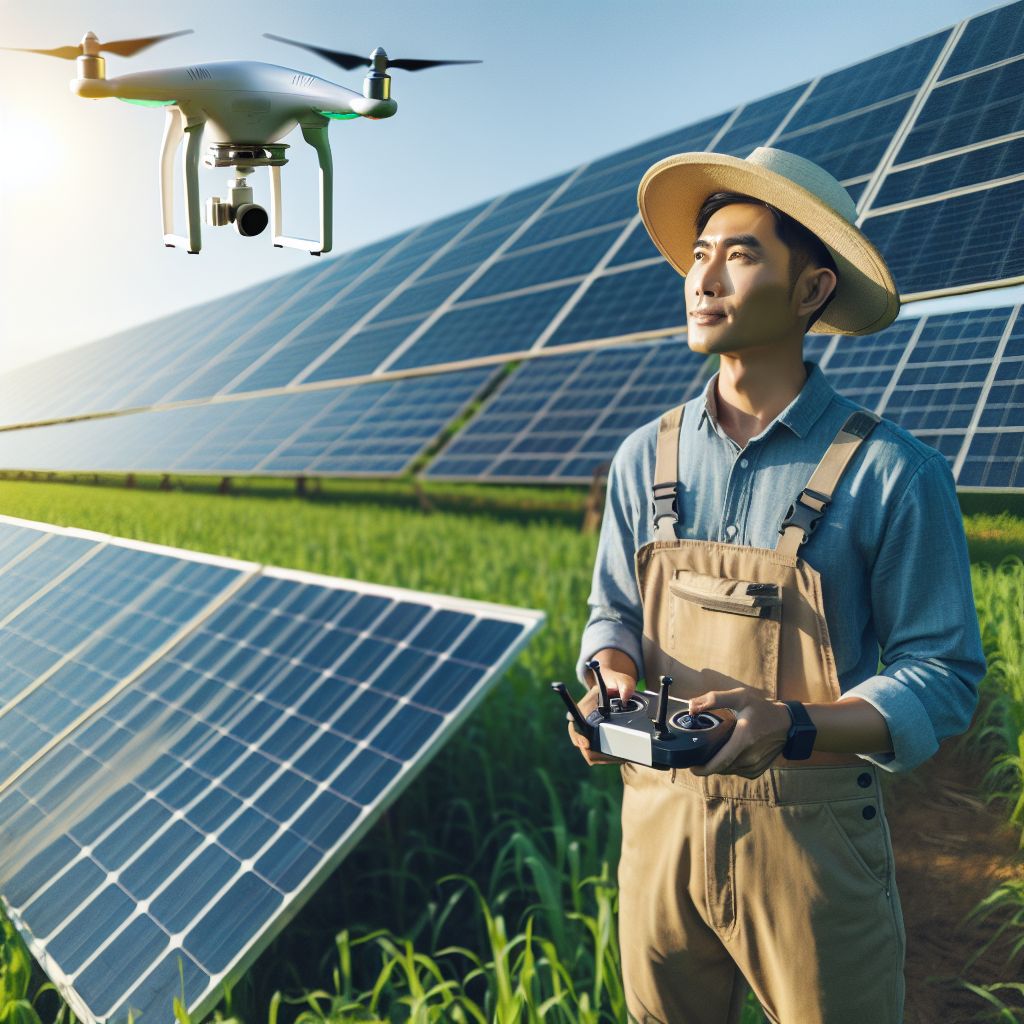
Modern farming faces a dual challenge: rising energy costs and increasing pressure to adopt sustainable practices. Solar panels offer a solution to both problems, but their effectiveness depends entirely on proper maintenance and optimization. Drone technology is transforming how farmers manage their solar assets, turning a time-consuming manual process into a streamlined, data-driven operation.
Solar Panel Challenges Farmers Face Today
Agricultural operations rely increasingly on solar power to reduce operational costs and environmental impact. Yet without proper oversight, these investments often underperform. Traditional inspection methods simply can’t keep pace with the scale and complexity of modern farm solar installations. As panels age, their efficiency naturally declines—but this decline accelerates dramatically when issues go undetected.
The combination of solar energy and precision agriculture offers tremendous potential for farmers, but only when systems operate at peak efficiency. DroneNerds provides specialized equipment that transforms how farmers monitor and maintain their solar infrastructure, ensuring maximum return on their renewable energy investment.
Farmers who implement drone technology for solar panel management report not just improved energy output, but significant time savings that allow them to focus on core agricultural activities. The technology bridges the gap between energy production and agricultural operations, creating a more integrated and efficient farm ecosystem. For more insights on how solar panels save farmers energy costs and boost farm profits, explore this resource.
Rising Energy Costs Cut into Profit Margins
Farm operations face increasingly volatile energy markets, with electricity costs rising annually at rates that outpace inflation. These escalating expenses directly impact profitability, especially for operations with significant cooling, processing, or irrigation needs. Solar installations offer protection against these fluctuations, but only when operating at maximum efficiency—something difficult to ensure without proper monitoring systems.
Maintenance Issues That Reduce Panel Output
Solar panels in agricultural settings face unique challenges—dust from field operations, pollen during growing seasons, and debris following harvests. Each of these factors can reduce panel output by 15-25% when left unaddressed. Bird droppings, while covering minimal surface area, create “hot spots” that disproportionately affect panel performance. Weather damage from hail, high winds, and temperature fluctuations further compounds these issues.
Even minor physical damage like microcracks, invisible to the naked eye, can spread over time and significantly degrade performance. These small imperfections often develop into major failures if not detected early. Traditional inspections simply cannot identify these problems cost-effectively across large solar arrays. Learn more about the negative impact of poor maintenance on solar panels.
Time-Consuming Manual Inspections
Traditional solar panel inspection methods require farm personnel to physically examine each panel—an extraordinarily time-consuming process for larger installations. A typical 40-acre farm with a modest solar array might require 8-10 hours of manual inspection time monthly. This diverts valuable labor from core agricultural activities during critical growing seasons. Manual inspections also introduce safety risks, particularly for roof-mounted systems or during adverse weather conditions.
How Inefficient Solar Panels Hurt Farm Operations
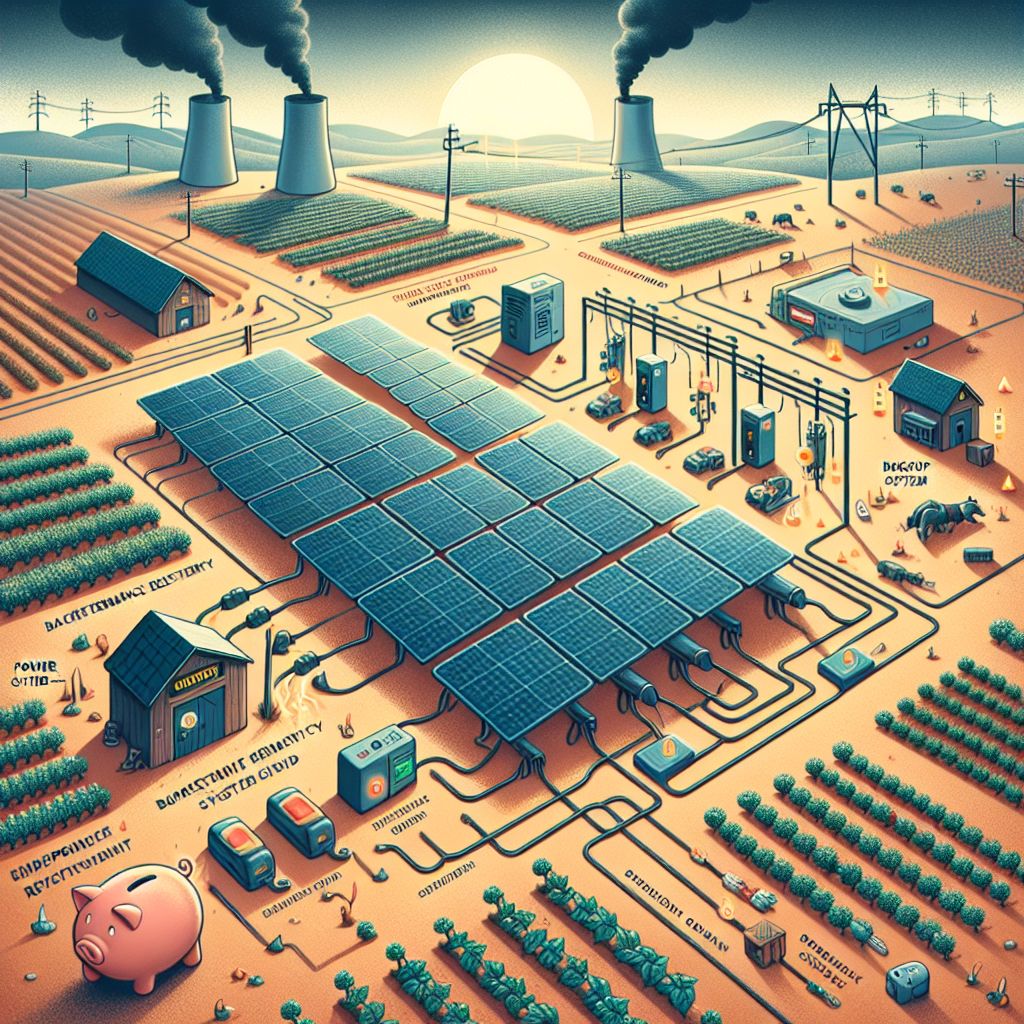
Underperforming solar installations create a cascading effect throughout farm operations. Beyond the obvious energy production losses, inefficient panels place additional strain on backup power systems and increase reliance on grid electricity during peak rate periods. The financial impact extends beyond direct energy costs to include reduced operational capacity during power shortages and potential crop losses from irrigation or climate control failures.
Many farmers invest in solar infrastructure without implementing adequate monitoring systems, essentially flying blind on their renewable energy investment. Without performance data, it’s impossible to determine if panels are delivering the expected return on investment. This uncertainty often leads to hesitation in expanding renewable capacity, even when it would be financially beneficial.
The Real Cost of Undetected Panel Damage
A single damaged solar panel does more than just reduce its own output—it can dramatically affect the performance of an entire array. Modern solar installations operate in strings, where panels are connected in series. Like Christmas lights, when one fails, it can compromise the entire string. This “string effect” means that a single panel operating at 70% efficiency can drag down the output of 15-20 perfectly functional panels.
The financial implications are substantial. A typical agricultural solar installation might lose 5-8% of its annual production due to undetected panel issues. For a medium-sized farm, this translates to thousands of dollars in lost energy production annually.
Early detection is the key to preventing cascading failures. When issues are identified early through drone inspection, repairs typically cost 60-75% less than emergency replacements after complete failure. Additionally, warranty claims require documentation of regular maintenance—something drone inspections provide automatically.
Case Study: Hidden Costs of Panel Failure
A 150-acre vegetable farm in California lost $23,800 in a single season when undetected panel damage reduced irrigation capacity during a critical growing period. Regular drone inspections would have identified the issue for under $500 in maintenance costs.
Lost Energy Production During Peak Growing Seasons
The timing of solar panel inefficiencies creates particularly painful consequences for agricultural operations. When panels underperform during peak growing seasons—precisely when farms need the most power for irrigation, cooling systems, and processing equipment—the financial impact multiplies. Summer months generally offer the highest solar production potential, but also present the greatest risk for overheating and dust accumulation on panels.
Many farmers discover panel issues only after noticing unexpected spikes in their utility bills, by which point they’ve already incurred significant losses. This reactive approach to maintenance represents a major operational vulnerability. With drone monitoring, farms can maintain optimal energy production during critical growing periods when electricity demands—and potential losses—are highest.
Environmental Impact of Underperforming Renewable Systems
When solar arrays underperform, farms typically compensate with increased reliance on grid electricity or generator use. This undermines the environmental benefits that motivated many farmers to invest in solar technology in the first place. For operations with sustainability commitments or certification requirements, this performance gap can jeopardize compliance status and marketing advantages.
Beyond the immediate carbon footprint, inefficient solar systems also compromise farm resilience during grid outages and extreme weather events. The increasing frequency of these events makes energy independence more valuable than ever for agricultural operations. Well-maintained solar systems provide critical backup during emergencies that could otherwise result in substantial crop losses. Learn more about the negative impact of poor maintenance on solar panels.
Drone Technology Transforms Solar Panel Management
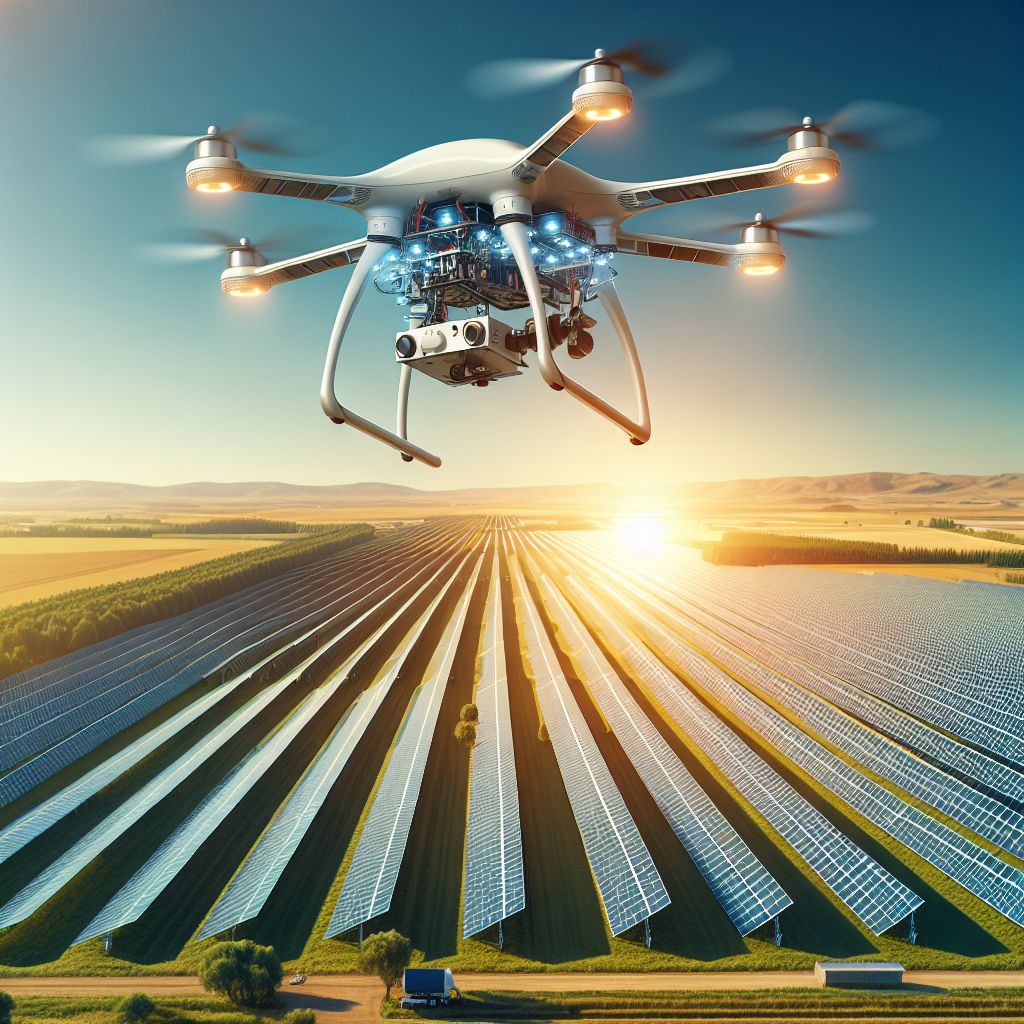
The integration of drone technology with specialized sensors has revolutionized solar panel maintenance in agricultural settings. These aerial platforms offer unparalleled efficiency in inspecting large solar arrays while collecting multidimensional data that human inspectors simply cannot capture. The precision and speed of drone inspections transform solar maintenance from a reactive to a proactive process.
Modern agricultural drones equipped with specialized payloads can inspect hundreds of panels in minutes rather than hours, identifying issues invisible to the human eye. This dramatic increase in efficiency makes comprehensive monitoring practical even for large-scale solar installations, ensuring optimal performance year-round.
Thermal Imaging Detects Hidden Panel Defects
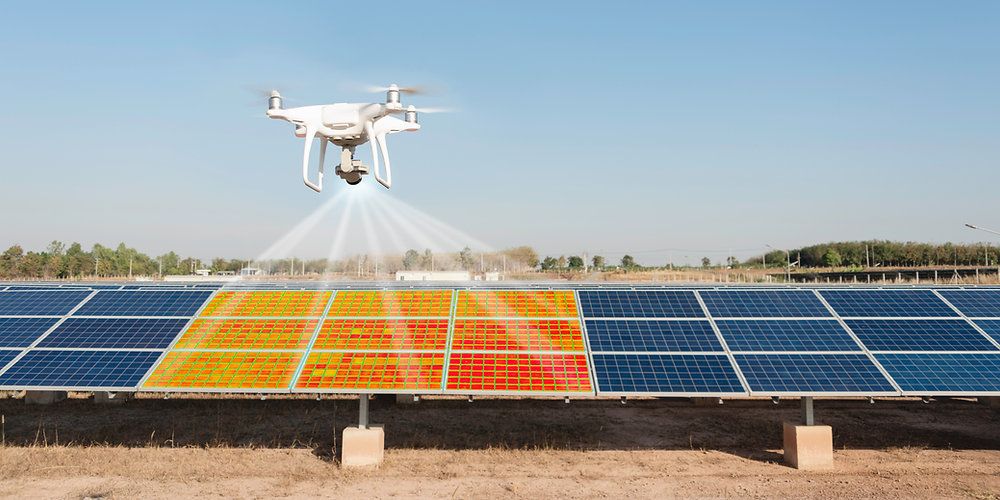
Thermal imaging represents the single most valuable technology for solar panel inspection. Drones equipped with infrared cameras can instantly identify hotspots indicating electrical resistance problems, connection issues, or cell damage. These problems often show no visible signs until catastrophic failure occurs, making thermal detection particularly valuable for preventative maintenance.
During drone inspections, panels operating normally appear as uniform temperature surfaces, while problematic panels display distinctive heat patterns that experienced operators can immediately classify by failure type. This capability allows for precise diagnosis without physical handling of panels, significantly reducing repair time and costs. Even microcracks invisible to the naked eye generate detectable heat signatures that drones can identify long before they progress to complete panel failure.
AI Analysis Identifies Efficiency Problems in Minutes
The latest drone inspection systems incorporate artificial intelligence that analyzes thermal and visual data in real-time, automatically flagging anomalies for further investigation. These AI systems learn from each inspection, continuously improving their ability to distinguish between serious defects and minor variations. For farm operators, this means actionable intelligence without specialized technical knowledge.
Advanced systems can compare current performance metrics against historical data, identifying gradual efficiency declines that might otherwise go unnoticed. This longitudinal analysis proves particularly valuable for warranty claims and maintenance planning. Some platforms even integrate weather data and soiling predictions to recommend optimal cleaning schedules specific to each farm’s microclimate and surrounding vegetation.
Automated Cleaning and Maintenance Monitoring
Beyond inspection, specialized agricultural drones can now perform basic maintenance functions such as dust detection and targeted cleaning operations. These systems use precision sprayers to apply biodegradable cleaning solutions to heavily soiled panels, optimizing water use while restoring peak performance. For farm operations already using drones for crop monitoring, adding solar maintenance capabilities represents a natural extension with minimal additional investment.
The efficiency gains are substantial—automated cleaning systems typically restore 15-25% of lost power generation in dusty agricultural environments. Documenting these maintenance activities also simplifies warranty compliance and extends panel lifespan, maximizing return on the solar investment.
Real-Time Data Transmission to Farm Management Systems
Modern inspection drones don’t just collect data—they integrate directly with farm management software to provide comprehensive energy production analytics. This integration allows farmers to correlate solar performance with irrigation schedules, processing activities, and other energy-intensive operations. The resulting insights enable intelligent load balancing that maximizes self-consumption of solar energy rather than selling excess production back to the grid at lower rates. For more information on maximizing solar efficiency, check out this guide on solar panels efficiency.
For farms with time-of-use utility rates, this intelligence translates directly to cost savings by shifting energy-intensive activities to peak solar production periods. Data from drone inspections also supports accurate forecasting of energy availability, critical for planning operations during periods of extended cloudy weather or seasonal production changes.
5 Ways Drones Boost Solar Panel Performance
1. Rapid Hotspot Detection Prevents Panel Failure
Thermal imaging drones can identify panel hotspots that indicate electrical resistance problems before they cascade into system-wide failures. These hotspots—often reaching temperatures 20-30°F higher than surrounding areas—signal junction box failures, cell damage, or connection issues that require immediate attention. By catching these problems early, farms can typically repair rather than replace affected components, reducing maintenance costs by 60-80% compared to emergency replacements after failure. Regular thermal inspections also extend overall system lifespan by preventing the accelerated degradation that occurs when panels operate at elevated temperatures.
2. Precise Dirt and Debris Mapping
Drone imaging creates detailed soiling maps that identify exactly which panels require cleaning, optimizing maintenance resources. Agricultural environments present unique soiling challenges—pollen during flowering seasons, dust during tillage operations, and organic matter following harvests. Spectral analysis from drone cameras can differentiate between types of soiling, enabling targeted cleaning approaches specific to the contaminant type. This precision approach typically increases cleaning efficiency by 35-40% compared to scheduled whole-array cleaning, significantly reducing water usage and labor costs while maintaining optimal performance.
3. Shadow Analysis for Optimal Panel Positioning
Drones equipped with LiDAR sensors create detailed 3D maps that identify shadow patterns across solar arrays throughout the day. These shadow analyses allow farmers to optimize panel positioning or vegetation management to minimize power losses from partial shading. Even small shadows can disproportionately impact solar output—a shadow covering just 5% of a panel can reduce its output by up to 25% due to the interconnected nature of solar cells. By conducting seasonal shadow analyses, farms can make strategic adjustments to maximize energy harvest as the sun’s path changes throughout the year. Learn more about AI drone monitoring for solar farm efficiency.
4. Vegetation Management Around Panel Arrays
Unmanaged vegetation near solar installations creates multiple problems—from physical shading to airborne pollen that adheres to panel surfaces. Drone imaging identifies encroaching vegetation before it impacts performance, allowing targeted management rather than broad chemical applications. This precision approach particularly benefits farms with organic certification or sustainability commitments. Multispectral cameras can distinguish between harmless ground cover and problematic tall-growing species, supporting integrated vegetation management practices that maintain ground stability while minimizing panel interference.
5. Weather Damage Assessment After Storms
Following severe weather events, drones provide rapid assessment of potential damage across entire solar arrays without risking personnel safety. High-resolution imaging can identify microcracks, dislodged connections, and debris impact points that might go unnoticed during ground inspections. This immediate assessment capability accelerates insurance claims and repairs, minimizing downtime during critical growing seasons. For remote installations or farms with limited personnel, this capability proves particularly valuable, allowing comprehensive damage assessment without extensive travel time. For more insights on how solar panels can impact farm operations, check out this article on solar panels’ impact on farm profits.
Here’s a table summarizing how drone technology can help boost solar panel efficiency for farmers:
|
Feature/Benefit |
Role of Drones |
Role of Solar Panels |
Combined Impact on Farm Efficiency |
|---|---|---|---|
|
Precision Irrigation |
Drones use sensors and cameras to map field moisture and crop health for targeted watering. 2, 8 |
Solar panels power irrigation pumps sustainably. 8 |
Reduces water waste, improves crop yields, and optimizes resource use. 2, 8 |
|
Real-Time Monitoring |
Drones provide high-resolution, real-time imagery for crop and panel assessment. 5, 8 |
Solar energy enables continuous operation of irrigation and monitoring. 6 |
Enables quick response to issues, minimizing crop stress and downtime. 3, 5 |
|
Water Conservation |
Drones identify leaks, poor drainage, and uneven water distribution. 8 |
Solar-powered systems reduce reliance on fossil fuels for pumping. 7 |
Significant water and energy savings, lower operational costs. 1, 7 |
|
Energy Efficiency |
Drones powered by solar energy have longer flight times and lower emissions. 4, 8 |
Solar panels provide renewable energy for farm operations. 6 |
Reduces carbon footprint and energy expenses, boosts sustainability. 5, 6 |
|
Data Collection |
Drones gather data on crop health, pests, and soil conditions for analysis. 5, 8 |
Solar-powered sensors monitor fields continuously. 8 |
Supports data-driven decisions, improving farm productivity. 5, 8 |
|
Cost-Effectiveness |
Drones reduce labor and equipment costs for inspections and monitoring. 1, 5 |
Solar energy eliminates recurring fuel/electricity costs for irrigation. 7 | |
|
Sustainability |
Drones enable targeted application of water and inputs, reducing waste. 3, 8 |
Promotes environmental stewardship and resource conservation. 3, 8 |
This table demonstrates how integrating drones with solar panel systems allows farmers to maximize efficiency through precision agriculture, real-time monitoring, resource conservation, and sustainable practices, ultimately leading to higher yields, lower costs, and a reduced environmental impact. 1, 2, 8
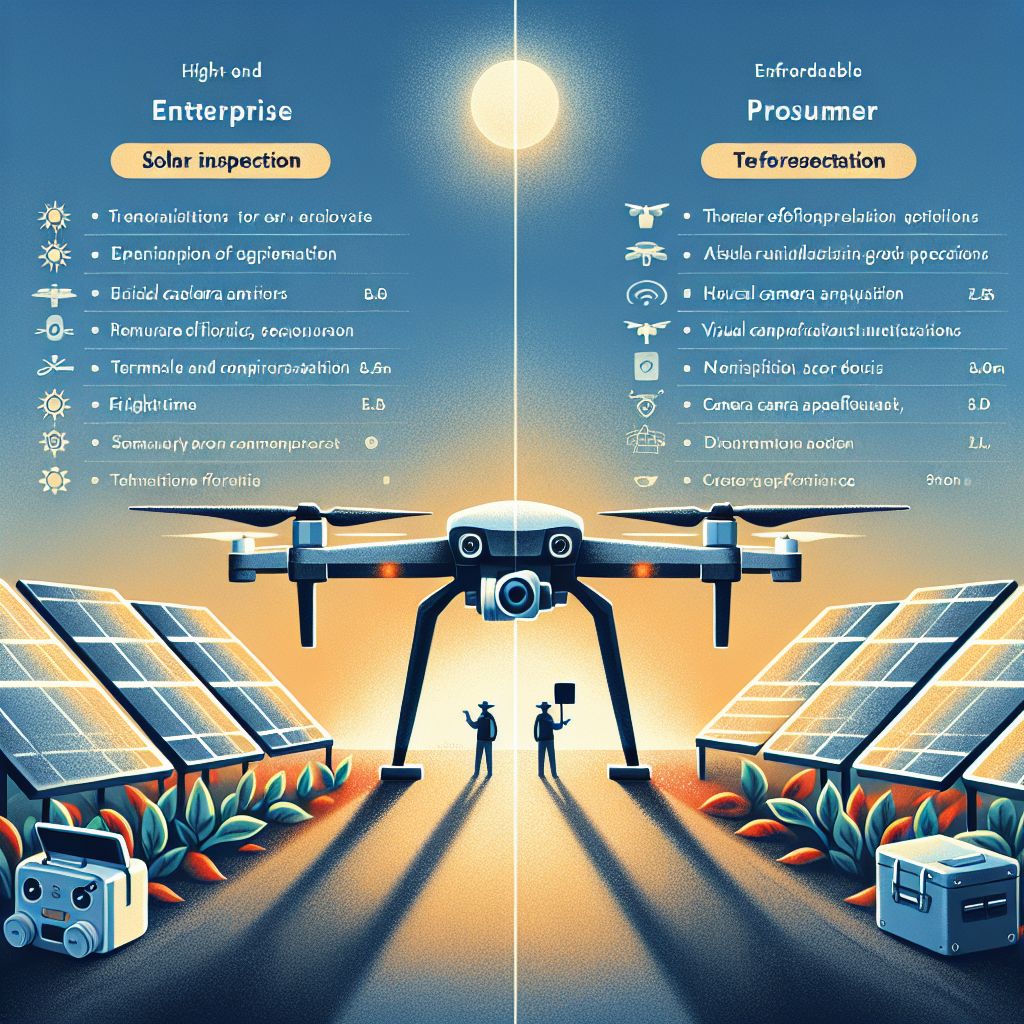
The Right Drone Equipment for Solar Inspection
Selecting appropriate drone technology represents a critical decision for agricultural operations implementing solar inspection programs. The ideal system balances capability, ease of use, and cost considerations. While enterprise-grade equipment offers superior capabilities, prosumer models increasingly provide adequate performance for smaller installations at significantly lower price points. The key differentiator lies in sensor quality rather than the drone platform itself—thermal resolution and visual camera specifications matter far more than flight time for most inspection applications.
Essential Camera and Sensor Requirements
Effective solar inspection requires specific imaging capabilities, with thermal resolution being the most critical specification. Minimum requirements include 640×512 thermal resolution with radiometric capabilities (temperature measurement at each pixel) and a visual camera with at least 12MP resolution. Advanced systems incorporate multispectral imaging that can detect changes in panel surface composition indicating degradation before it impacts performance. For comprehensive inspection capabilities, a dual payload system offering simultaneous thermal and visual imaging maximizes efficiency by eliminating the need for multiple flights over the same area.
|
Sensor Type |
Primary Function |
Minimum Specifications |
|---|---|---|
|
Thermal Camera |
Hotspot detection, electrical issues |
640×512 resolution, ±2°C accuracy |
|
Visual Camera |
Physical damage, soiling assessment |
12MP, 4K video capability |
|
Multispectral |
Degradation analysis, material changes |
5+ bands including near-infrared |
Battery Life Considerations for Farm-Scale Inspections
For agricultural applications, battery life directly impacts inspection efficiency, particularly for large installations. Modern inspection drones typically offer 25-35 minutes of flight time per battery, sufficient for inspecting approximately 2-5 acres of solar panels depending on flight altitude and detail level. For larger operations, quick-swap battery systems or extended-flight platforms become essential to maintain workflow efficiency. Solar farms should calculate total inspection area and required resolution to determine optimal flight parameters and battery requirements before investing in specific platforms.
Weather-Resistant Models for Year-Round Use
Agricultural environments demand durable equipment capable of operating in challenging conditions. Enterprise-grade inspection drones offer IP43+ water resistance ratings, allowing operation in light precipitation and high humidity. Wind resistance capabilities should match typical local conditions, with professional models maintaining stable flight in 15-20mph winds. Temperature tolerance proves particularly important for solar inspections, as ideal thermal imaging occurs during bright sunlight conditions when ambient temperatures often exceed consumer drone operating ranges. Advanced cooling systems in professional models permit operation in temperatures exceeding 104°F (40°C) without compromising sensor accuracy.
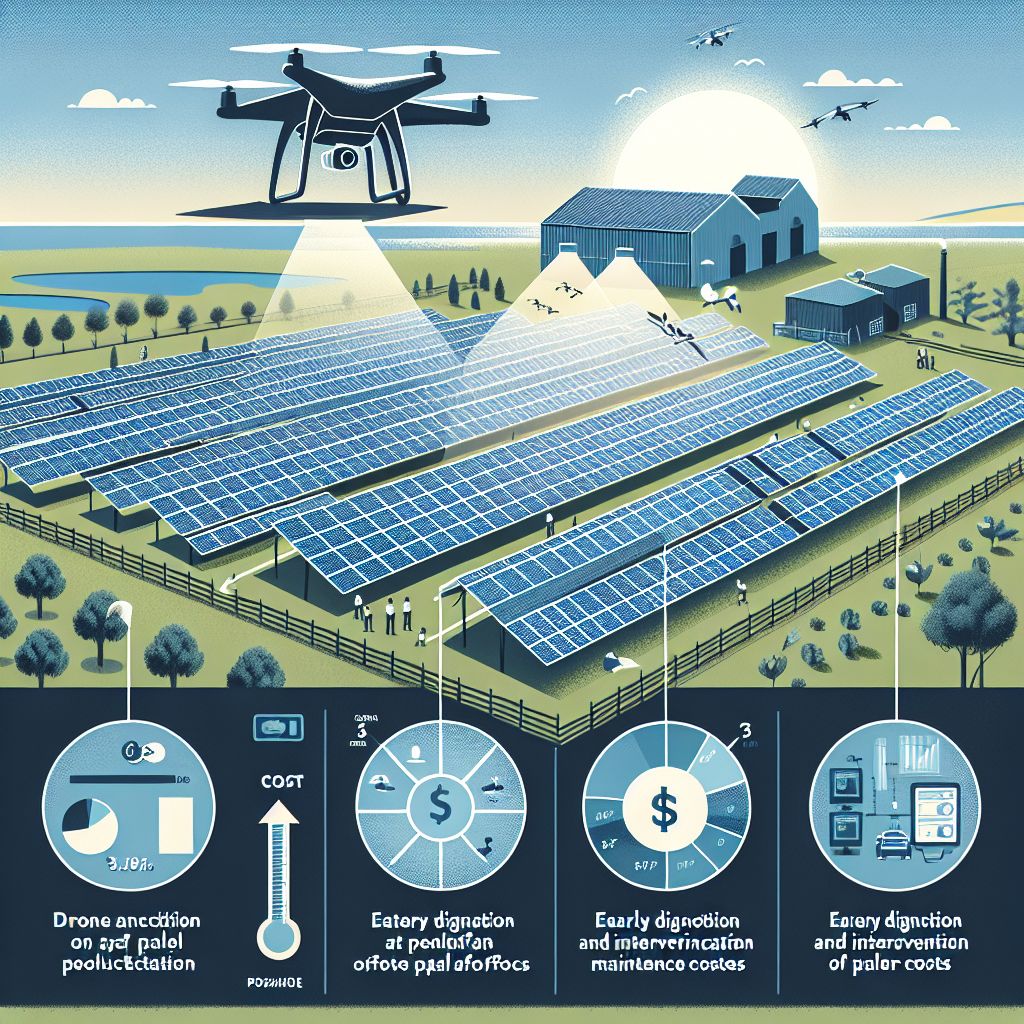
Cost-Benefit Analysis: Is Drone Technology Worth It?
The financial case for drone-based solar inspection grows increasingly compelling as technology costs decrease and energy prices rise. For most agricultural operations, the return on investment materializes through three primary mechanisms: increased energy production from optimized panels, reduced maintenance costs through early intervention, and labor savings from automated inspection processes. Quantifying these benefits against implementation costs provides clear decision support for farms considering this technology.
Initial Investment vs. Long-Term Energy Savings
Entry-level inspection systems suitable for small to medium installations start around $5,000-7,000 including thermal sensors, while comprehensive enterprise solutions range from $15,000-25,000 depending on capabilities. These capital costs must be weighed against typical energy production improvements of 15-30% for previously unmonitored installations. For a 100kW agricultural solar array, this production increase typically represents $3,000-6,000 in annual energy value, providing payback periods of 1-3 years depending on system size and local energy costs. Larger operations achieve faster returns due to economies of scale in both equipment utilization and potential efficiency improvements.
Labor Reduction Calculations
Traditional manual inspection of solar arrays requires approximately 8-10 hours per acre annually when performed properly. At typical agricultural labor rates of $15-25/hour, this represents $120-250 per acre in direct labor costs, excluding equipment and safety considerations. Drone inspection reduces this time requirement by 75-90%, typically requiring just 1-2 hours per acre annually including flight time and data analysis. For operations with existing drone programs supporting crop management, the marginal cost of adding solar inspection capabilities becomes even more attractive, often utilizing the same equipment and operator skills already developed for agricultural applications.
Case Study: 40-Acre Farm Saves $12,000 Annually
Green Valley Farms, a 40-acre diversified vegetable operation in California, implemented drone-based solar monitoring for their 250kW array in 2021. Within the first year, thermal imaging identified six panels with developing junction box failures and extensive soiling patterns from nearby processing operations. Addressing these issues increased energy production by 22.8% compared to the previous year. Combined with labor savings from automated inspections, the farm documented $12,360 in first-year benefits against an $8,500 investment in equipment and training. Owner Maria Sanchez notes, “Beyond the financial return, we’ve gained peace of mind knowing our energy systems operate at peak efficiency during critical irrigation periods when grid outages would be devastating.”

“Solar Power Irrigation System on a Farm …” from growingsolarmist.com and used with no modifications.
Step-by-Step Implementation Guide
Selecting the Right Drone System for Your Farm Size
The ideal drone system depends primarily on the scale of your solar installation and existing technical capabilities. For farms with less than 50kW of solar capacity, entry-level thermal drones with basic automated flight capabilities typically suffice. Mid-sized operations (50-250kW) benefit from systems with higher thermal resolution and longer flight times. Large installations (250kW+) should consider enterprise platforms with advanced sensors and automated analysis software. If your farm already uses drones for crop monitoring, investigate payload options that allow your existing platform to accommodate thermal sensors, potentially saving significant investment by leveraging equipment you already operate and understand. For more insights on how drones can enhance solar farm efficiency, you can explore AI drone monitoring solutions.
Training Requirements for Farm Personnel
Effective drone inspection requires three skill sets: flight operation, data collection, and analysis interpretation. Basic flight skills develop relatively quickly (15-20 hours of practice), while proficiency in thermal analysis typically requires more specialized training. Many agricultural drone providers now offer comprehensive training packages specifically for solar inspection applications, reducing the learning curve. For farms with limited personnel resources, consider third-party inspection services that provide turn-key solutions including equipment, operators, and analysis. These services typically cost $200-300 per acre annually but eliminate equipment investment and training requirements while still delivering the efficiency benefits of drone technology.
Creating an Inspection Schedule That Works
Optimal inspection frequency balances detection capabilities against operational costs. For most agricultural applications, quarterly thermal inspections provide sufficient monitoring while accommodating seasonal variations in panel performance. Schedule visual inspections monthly during peak production seasons and following major weather events or nearby field operations that might create soiling issues.
Morning inspections generally provide clearer thermal contrasts, as panels heat differentially based on internal conditions rather than ambient temperature variations. For farms in dusty environments or areas with frequent pollen events, schedule additional inspections during these periods to prevent efficiency losses. Remember that thermal inspections require sunny conditions with minimal cloud cover for accurate results—include flexible scheduling in your operational planning to accommodate weather variability.
Integrating Drone Data with Existing Farm Software
The true value of drone inspection emerges when the resulting data integrates with broader farm management systems. Modern agricultural platforms increasingly offer API connections for drone data, allowing solar performance metrics to inform irrigation scheduling, processing operations, and energy-intensive activities. This integration enables intelligent load-shifting to maximize self-consumption of solar energy during peak production periods. For farms without comprehensive management software, even basic spreadsheet tracking of inspection results and energy production creates valuable insights that improve operational decision-making and maintenance planning.

“Solar-Powered Drone Data Collection for …” from growingsolarmist.com and used with no modifications.
Conclusion: Future of Drones in Solar Management
The integration of drone technology with agricultural solar management represents more than an incremental improvement—it fundamentally transforms how farms approach energy production and sustainability. As climate volatility increases and energy markets face continued uncertainty, optimized renewable systems provide critical resilience for agricultural operations. The farms that thrive in this environment will leverage technologies like drone inspection to maximize efficiency across all operational aspects, from crop production to energy management. The future belongs to integrated farming systems where data flows seamlessly between applications, creating a comprehensive picture of farm performance and supporting intelligent decision-making.
Emerging Drone Technologies on the Horizon
The next generation of inspection technology promises even greater capabilities through enhanced sensors and artificial intelligence. Hyperspectral imaging systems currently entering the market can detect panel degradation months before it impacts performance, potentially extending solar system lifespans by years through preventative maintenance. Machine learning algorithms now differentiate between dozens of failure types automatically, eliminating the need for specialized thermal interpretation skills and making the technology accessible to operations without dedicated technical staff.
Autonomous inspection systems that operate without human pilots are already appearing on large solar farms and will inevitably migrate to agricultural applications as costs decrease. These systems operate on predetermined schedules, automatically collecting and analyzing data without human intervention beyond reviewing the resulting reports. For agricultural operations with limited personnel resources, this automation represents a significant advancement in sustainable energy management.
Automated Drone Docking Stations for Continuous Monitoring
Several manufacturers now offer weatherproof drone docking stations that enable completely automated inspection programs. These systems house the drone between flights, provide automated battery charging, and upload inspection data to cloud systems for analysis. When weather conditions permit, the drone automatically deploys according to programmed schedules, completes its inspection route, and returns to the dock without human intervention.
For agricultural operations, these systems eliminate the scheduling and personnel challenges that sometimes hinder regular inspection programs. A single docking station can monitor hundreds of acres of solar panels, providing daily performance data that identifies issues as they develop rather than during scheduled inspections. Though currently expensive ($25,000-45,000), these systems will likely follow the cost reduction curves seen in other drone technologies, becoming increasingly accessible to mid-sized agricultural operations within 3-5 years.
- Automated weather monitoring that triggers inspections after potential damage events
- Integration with cleaning systems that deploy based on soiling detection
- Predictive maintenance scheduling based on panel degradation trends
- Energy forecasting capabilities that support operational planning
- Enhanced security monitoring of remote solar installations
The future of agricultural energy management lies in these integrated systems that provide comprehensive monitoring while minimizing operational overhead. Farms that adopt these technologies position themselves at the forefront of sustainable agriculture, maximizing both environmental benefits and financial returns from their renewable energy investments.
Is it a Good Idea for a Farmer to Use Drones to Help with Solar Management?
For most agricultural operations with significant solar investments, drone technology represents a logical and financially sound addition to maintenance protocols. The question isn’t whether drones improve solar management—the evidence overwhelmingly confirms they do—but rather how best to implement the technology within specific operational constraints. Farms already utilizing drones for crop monitoring can achieve particularly compelling returns by adding solar inspection capabilities to existing equipment and expertise. Even smaller operations benefit from periodic professional inspection services that provide the advantages of drone technology without capital investment. As agriculture continues its technological transformation, integrated approaches to energy and crop management will define the most successful and sustainable operations.
Frequently Asked Questions
Agricultural operations considering drone technology for solar management consistently raise several common questions. Understanding these practical considerations helps farmers make informed decisions about implementation approaches and expected outcomes. While specific answers vary based on individual circumstances, these general guidelines address the most frequent concerns.
The regulatory landscape surrounding drone operations continues to evolve, but the fundamentals remain consistent. Agricultural applications benefit from several exemptions designed to facilitate adoption while maintaining safety standards. Working with reputable equipment providers helps navigate these requirements while ensuring compliance with both current regulations and future developments.
Technical capabilities of inspection systems continue advancing rapidly, with each generation offering improved sensors, longer flight times, and more sophisticated analysis tools. The core value proposition—identifying issues before they impact performance—remains consistent even as the technology becomes more accessible and easier to implement.
Do I need special licenses to operate drones for solar panel inspection?
In the United States, commercial drone operation requires a Remote Pilot Certificate (Part 107 license) from the FAA. Obtaining this license involves passing a knowledge test covering airspace regulations, weather considerations, and operational procedures. Most operators can prepare for this test in 15-20 hours of study using widely available online courses ($150-300) or through training provided by drone retailers. The test itself costs $175 and must be renewed every 24 months. For farms unwilling to pursue licensing, third-party inspection services offer a turnkey alternative that provides the benefits without licensing requirements.
Beyond federal requirements, some states and localities have additional regulations regarding drone operations. Agricultural applications generally face fewer restrictions than urban operations, but it’s important to verify local requirements before implementing a drone program. Most agricultural drone operations qualify for expedited authorization processes designed to facilitate adoption in rural areas.
How often should I conduct drone inspections of my solar array?
For most agricultural solar installations, quarterly thermal inspections provide an optimal balance between early problem detection and operational efficiency. Supplement this schedule with additional visual inspections following severe weather events, nearby field operations that might cause soiling, or seasonal events like pollen release from surrounding vegetation. During critical growing periods when solar energy is most valuable, monthly inspections may be justified, particularly for operations without real-time monitoring systems.
Can drones detect all types of solar panel problems?
Modern inspection drones can identify approximately 80-90% of common solar panel issues, with thermal imaging detecting electrical problems and high-resolution visual cameras identifying physical damage. Detectable issues include hotspots, junction box failures, string interconnection problems, cell damage, microcracks, delamination, moisture ingress, and soiling patterns. Some internal degradation modes may not present surface symptoms until advanced stages, which is why regular inspection schedules remain important even without visible problems. To avoid these issues, it’s crucial to understand common solar panel installation mistakes that farmers should avoid.
Certain specialized issues—particularly those related to inverter performance or wiring outside the panels themselves—may require additional diagnostic methods beyond drone inspection. However, most performance-impacting problems manifest as thermal or visual anomalies detectable through aerial inspection. The most comprehensive monitoring programs combine drone inspection with electrical performance monitoring that tracks output metrics in real-time.
What weather conditions prevent effective drone inspections?
Thermal inspections require direct sunlight and relatively stable temperature conditions for accurate results. Cloud cover, precipitation, and high winds (typically above 15-20mph) prevent effective inspection operations. For most locations, schedule inspections during morning hours when wind conditions are typically calmer and solar panels exhibit clearer thermal contrasts as they warm. Temperature differentials between properly functioning and problematic panels become most evident when the system is under load, so inspections during peak production hours generally provide the clearest results.
Can I lease drone equipment instead of purchasing it outright?
Equipment leasing options have expanded significantly for agricultural drone applications, offering alternatives to outright purchase. Monthly lease programs typically range from $300-800 depending on equipment specifications, including maintenance and software updates. These programs particularly benefit seasonal operations or farms testing drone technology before committing to purchase. Some manufacturers now offer usage-based programs where equipment costs scale with actual flight hours rather than fixed monthly payments.
For operations conducting only periodic inspections, hiring third-party inspection services often proves more cost-effective than equipment leasing. These services typically charge $200-300 per acre annually for quarterly inspections, including equipment, certified operators, and detailed analysis reports. The service approach eliminates training requirements and equipment maintenance concerns while still providing the efficiency benefits of drone technology.

Leave a Reply