
Key Takeaways
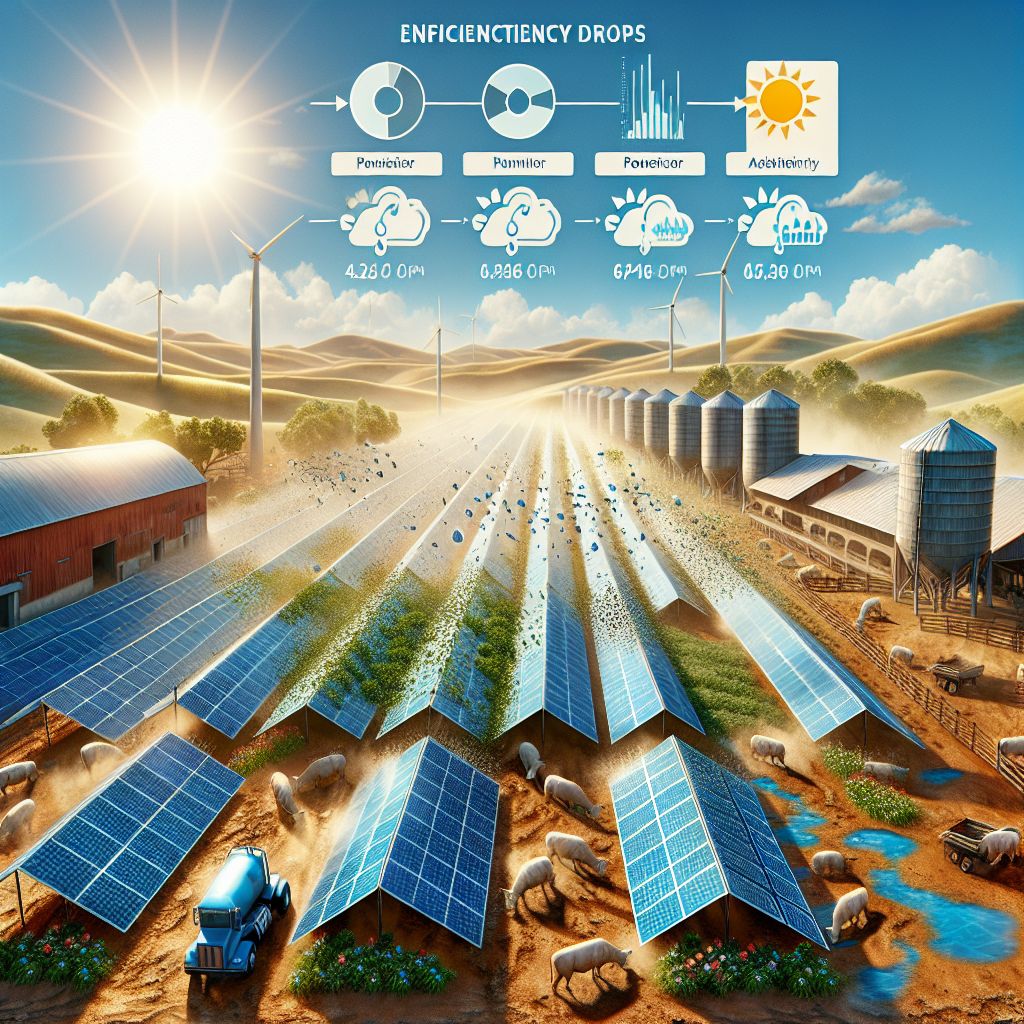
- Neglected solar panels can lose up to 25% efficiency due to dust and debris accumulation, directly impacting farm irrigation capabilities
- Regular maintenance extends solar system lifespan by 5-10 years, saving farmers thousands in premature replacement costs
- Environmental factors specific to farms accelerate panel deterioration when maintenance is overlooked
- SolarFarmPro’s monitoring systems can identify efficiency drops before they become critical system failures
- Implementing a seasonal maintenance schedule prevents costly emergency repairs during peak growing seasons
The sun beats down on your farmland, but are your solar panels capturing all that potential energy? When it comes to agricultural solar installations, what you don’t do might be costing you more than you realize. For many farmers, solar panels represent a significant investment that powers irrigation systems, barn operations, and other critical farm functions.
As experts at SolarFarmPro have observed, poorly maintained solar systems are one of the most overlooked factors in reduced farm productivity. The impact of neglect compounds over time, silently draining both energy output and financial resources while farmers focus on more visible agricultural concerns.
What starts as a minor efficiency loss can quickly escalate into a major operational problem. Solar panels don’t simply maintain themselves, especially in the harsh and dusty environments typical of agricultural settings. Understanding the true cost of neglect is the first step toward protecting your renewable energy investment.
Solar Panel Neglect: The Hidden Cost to Farm Operations
Solar panels transform your farm’s unused space into a power generation station, but this transformation only remains beneficial when the system operates at peak efficiency. Most agricultural operations see significant return on investment from solar installations, but these returns diminish rapidly when maintenance falls by the wayside. For those interested in optimizing their solar panel systems, exploring solar-powered drip irrigation systems can be a beneficial addition to farm operations.
Neglected solar arrays on farms typically produce 15-30% less energy than well-maintained systems. This efficiency loss directly impacts bottom lines through increased traditional energy costs, reduced irrigation capabilities, and compromised climate control systems for livestock. What makes this particularly troubling is how gradually the degradation occurs, often going unnoticed until a significant portion of potential energy production has already been lost.
Weather exposure, agricultural dust, and seasonal challenges create a perfect storm of degradation factors that affect farm solar installations more severely than residential or commercial installations. The agricultural environment introduces unique challenges that make regular maintenance not just recommended but essential for system longevity and performance.
Common Maintenance Issues Crippling Farm Solar Systems
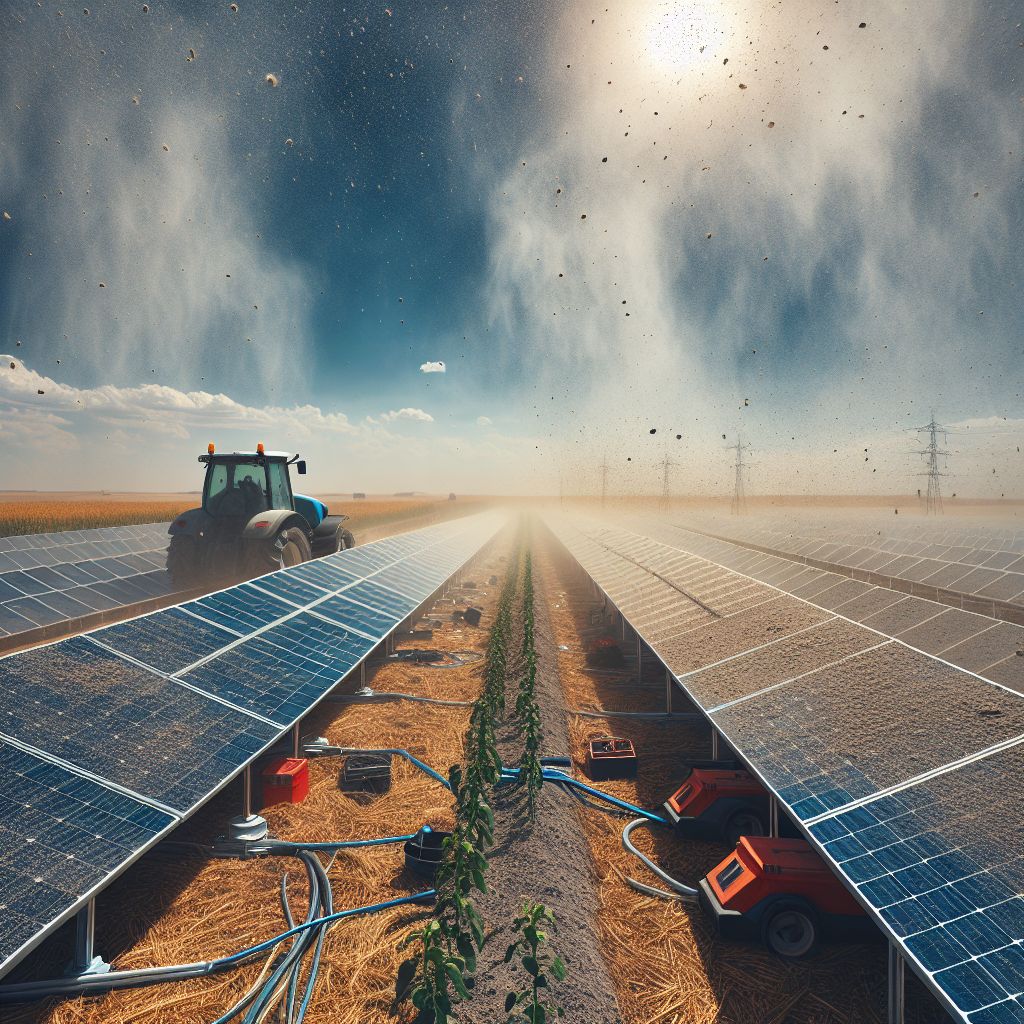
Farm solar installations face a barrage of challenges that urban or suburban systems rarely encounter. From heavy pollen seasons to harvesting dust clouds, the agricultural environment places extraordinary demands on solar equipment. Identifying these common issues early can prevent minor maintenance needs from evolving into system-threatening problems.
Dust and Dirt Accumulation Reduces Energy Output by 25%
- Field dust from tilling and harvesting coats panels in fine particulate matter
- Pollen accumulation creates sticky residue that attracts additional debris
- Bird droppings contain acidic components that can permanently damage panel surfaces
- Morning dew combining with dust creates a “cement-like” coating that becomes increasingly difficult to remove
- Each millimeter of dust accumulation can reduce energy production by approximately 4%
The agricultural environment produces significantly more airborne particles than urban or suburban settings. During key farming activities like harvesting, plowing, or even daily livestock management, dust clouds rise and settle on solar panel surfaces. This seemingly innocent layer of farm dust can block crucial sunlight from reaching the photovoltaic cells, creating an invisible barrier between your panels and their energy source. Learn more about solar panel technology for agriculture to optimize your energy output.
What makes farm dust particularly problematic is its composition. Unlike urban dust, agricultural dust often contains organic materials, soil particles, and crop residues that adhere more strongly to panel surfaces. When morning dew or light rain mixes with this material, it can create a stubborn film that becomes increasingly difficult to remove over time. Left untreated, this accumulation gradually reduces system efficiency without any obvious visible damage to alert farmers to the problem.
Cracked Panels from Weather Damage
Farm solar installations are particularly vulnerable to weather extremes due to their exposed locations. Hailstorms represent one of the most immediate threats to panel integrity, with studies showing that stones larger than 1 inch in diameter can crack even quality solar panels. These cracks may start small and invisible to the naked eye, but gradually expand as the panel materials contract and expand with temperature variations. For more information on the importance of maintaining solar panels, visit this article.
Temperature fluctuations themselves pose a significant risk to panel integrity. The rapid heating and cooling that occurs in agricultural environments – particularly in regions with hot days and cool nights – places stress on the panel materials. Over time, this thermal cycling can weaken the laminate bonds between the glass, cells, and backing materials, creating microscopic fissures that eventually develop into performance-impacting cracks. For farmers interested in alternative solutions, exploring the use of flow battery backup for solar panels might be beneficial.
Wind-borne debris presents another weather-related threat unique to farm environments. During strong winds, loose vegetation, small branches, or farming materials can become projectiles that impact panel surfaces. Regular inspection for impact damage after weather events can identify potential problems before they compromise system integrity.
Corroded Connections Leading to System Failures
The electrical connections between solar panels and the broader system represent a critical vulnerability in farm installations. Agricultural environments expose these connections to higher levels of moisture, particulate matter, and chemicals than typical residential installations. When moisture penetrates connection points, the resulting corrosion creates resistance that generates heat, reduces efficiency, and eventually leads to connection failure.
Signs of connection corrosion include visible greenish-white buildup on terminals, inconsistent energy production, and system error codes. Unfortunately, many farmers overlook these warning signs until complete connection failure occurs, often during peak growing seasons when irrigation is most critical. Regular inspection of all junction boxes, inverter connections, and combiner boxes can identify early corrosion before it impacts system performance.
The financial impact of corroded connections extends beyond repair costs. A failed connection can take an entire solar array offline, forcing reliance on grid electricity during repair periods and potentially disrupting critical farm operations. In severe cases, connection corrosion can create fire hazards that threaten not just the solar system but surrounding farm structures.
Battery Degradation Without Proper Monitoring
Battery storage systems represent a substantial portion of farm solar investments, yet they’re often the most neglected component. Without regular monitoring and maintenance, battery capacity can degrade by up to 40% within just two years of installation. This degradation directly impacts the system’s ability to provide consistent power during cloudy periods or overnight, when irrigation scheduling might be most energy-efficient.
Temperature extremes in farm environments accelerate battery degradation, with each day of operation above 77°F potentially reducing overall battery lifespan. Proper battery enclosures with adequate ventilation and temperature regulation are essential but require regular verification that cooling systems remain functional. Monitoring battery temperature, charge levels, and performance metrics provides early warning of developing issues before complete failure occurs. For more insights, explore the best type of battery a farmer can use with solar panels.
Vegetation Overgrowth Creating Panel Shade
On busy farms, vegetation management around solar arrays often becomes a secondary priority. Yet even partial shading from growing vegetation can disproportionately impact system performance. When a single panel in a string becomes partially shaded, it can reduce the output of the entire string by 30-40%, creating a “weakest link” scenario in your power generation system.
Seasonal growth patterns require different management approaches throughout the year. Spring often brings rapid vegetation growth that can quickly encroach on panel areas, while fall may introduce leaf accumulation issues. Establishing clear vegetation-free zones around solar arrays and scheduling regular maintenance checks before peak growth seasons helps prevent this easily solvable issue from impacting farm power generation.
Here’s a detailed table discussing Common Maintenance Issues Crippling a Farmer’s Solar Panel Systems:
|
Maintenance Issue |
Description |
Impact on Solar Output/Operation |
Prevention & Mitigation Steps |
Source |
|---|---|---|---|---|
|
Dust and Dirt Accumulation |
Dust, pollen, and agricultural debris collect on panel surfaces, blocking sunlight. |
Can reduce energy output by up to 25%. |
Regular cleaning and inspections, especially in dusty/agricultural areas. | |
|
Cracked Panels from Weather Damage |
Hail, wind, or thermal cycling causes cracks in solar panels. |
Reduces efficiency, can cause system faults or safety hazards. |
Routine visual inspections and prompt panel replacement if damage found. | |
|
Corroded Connections Leading to System Failures |
Moisture and chemicals corrode wiring, connectors, or combiner boxes. |
Causes power loss, intermittent faults, or complete system failure. |
Annual inspection, tightening, and cleaning of electrical connections. | |
|
Battery Degradation Without Proper Monitoring |
Batteries lose capacity due to age, deep cycling, or lack of equalization/monitoring. |
Reduced energy storage, unreliable power supply, shortened lifespan |
Monitor battery health, perform regular equalization, replace as needed. | |
|
Vegetation Overgrowth Creating Panel Shade |
Weeds, crops, or trees grow and cast shadows on panels. |
Significantly reduces energy production in shaded areas. |
Quarterly vegetation management: trimming, mowing, or removing obstacles. |
Summary:
These maintenance issues—if neglected—can severely cripple a farm’s solar panel system by drastically reducing energy output, causing equipment failures, and shortening system lifespan. Regular inspections, cleaning, electrical testing, and vegetation management are essential to keep systems running efficiently and reliably. 1, 6, 7

Financial Impact of Solar Maintenance Neglect
Lost Irrigation Capabilities During Critical Growing Periods
When solar-powered irrigation systems fail during critical growing periods, the financial impact extends far beyond repair costs. Crop stress from even brief irrigation interruptions can reduce yields by 20-30% depending on crop type and growth stage. These yield reductions represent thousands of dollars in lost revenue that could have been prevented through basic maintenance procedures.
Emergency repairs during peak growing seasons typically cost 2-3 times more than scheduled maintenance due to rush service fees and the urgency of restoring critical systems. Many farmers find themselves paying premium rates for emergency service while simultaneously watching crops suffer from insufficient irrigation. This double financial hit makes preventative maintenance one of the highest-return investments in farm operations.
Increased Energy Bills When Systems Underperform
The financial impact of solar system inefficiency often appears most clearly in monthly energy bills. As system output decreases, farms must supplement with grid electricity at retail rates, gradually eroding the financial benefits that justified the solar investment initially. This transition often happens so gradually that many farmers fail to connect rising energy costs with maintenance issues until efficiency has already dropped by 30% or more.
For farms with time-of-use utility rates, the financial impact becomes even more severe. Solar systems typically produce maximum output during peak rate periods, providing greatest savings when electricity costs most. When maintenance issues reduce this peak production, farms end up purchasing expensive peak-rate electricity instead of generating their own power. This rate differential can double or triple the financial impact of each kilowatt-hour lost to poor maintenance.
The compounding nature of these costs creates a snowball effect. As system performance declines, energy bills increase, reducing available capital for maintenance, leading to further decline and higher costs. Breaking this cycle requires recognizing the direct connection between maintenance investment and energy cost control.
Premature Replacement Costs vs. Maintenance Expenses
The most compelling financial argument for regular maintenance comes from comparing ongoing maintenance costs against premature replacement expenses. Well-maintained solar systems regularly achieve 25+ year lifespans, while neglected systems often require major component replacements within 7-10 years. When a $30,000 inverter replacement becomes necessary a decade earlier than designed, the annual cost impact dwarfs what proper maintenance would have required.
Maintenance vs. Replacement Cost Comparison
Annual professional maintenance plan: $1,200
DIY maintenance with occasional professional service: $400-600
Premature inverter replacement: $30,000
Premature panel replacement (40-panel system): $24,000
Potential crop loss from system failure: $15,000-50,000 per incident
The math becomes even more compelling when considering that comprehensive maintenance programs typically cost just 1-2% of the initial system investment annually. This predictable expense protects against unexpected capital outlays that can disrupt farm financial planning and force difficult decisions during critical growing seasons.
Environmental Factors That Accelerate Panel Deterioration
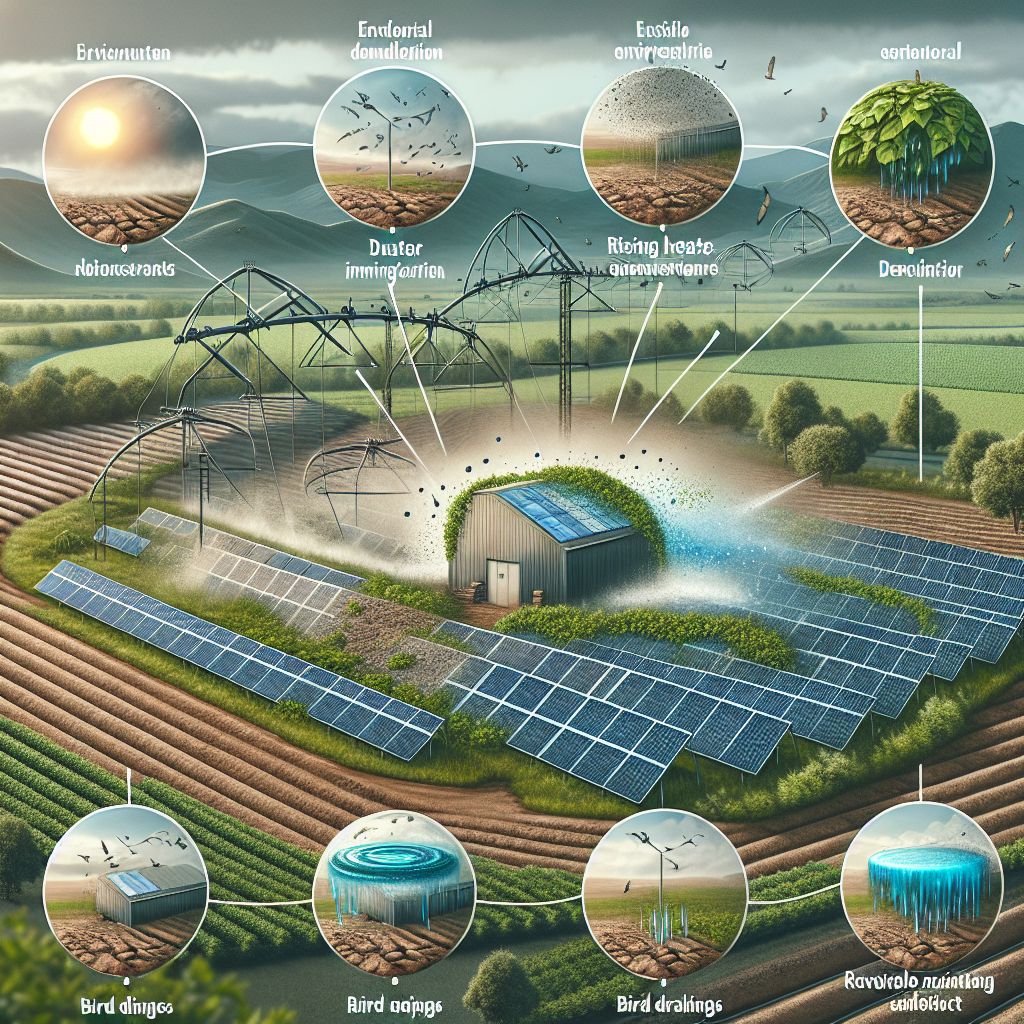
Agricultural environments create unique challenges for solar panel durability that many manufacturers don’t fully account for in their longevity estimates. The combination of environmental factors found on farms can accelerate deterioration at rates 2-3 times faster than residential installations. Understanding these farm-specific threats helps prioritize maintenance activities that address your most significant vulnerabilities, such as when using solar panels to power irrigation systems.
How Farm Dust Affects Solar Efficiency
Farm dust differs significantly from urban dust in both composition and impact on solar panels. Agricultural dust contains higher concentrations of organic matter, including plant residues, soil particles, and chemical compounds from fertilizers and pesticides. This combination creates a particularly stubborn coating that adheres strongly to panel surfaces, especially when moistened by dew or light rain. For more insights on solar energy solutions in agriculture, explore efficient energy solutions for farming operations.
The particulate composition of farm dust also makes it more reflective than typical urban dust, blocking more sunlight per unit of accumulation. Studies have shown that agricultural environments can experience efficiency losses up to 1% per day during intensive farming operations like harvesting or tilling when dust generation peaks. These loss rates significantly exceed the 0.3-0.5% daily losses observed in urban environments under similar weather conditions. For efficient energy solutions in agriculture, understanding solar panel battery technology can be crucial.
Dust accumulation patterns also vary across farm solar arrays, creating “hot spots” where panels operate at different temperatures. These temperature differentials stress the system and reduce overall efficiency beyond the direct impact of reduced light transmission. Regular cleaning becomes not just about maintaining efficiency but also about preserving system components by ensuring consistent operating temperatures.
Impact of Extreme Weather on Unprotected Panels
Farm solar installations typically have greater weather exposure than residential systems, lacking the wind protection often provided by surrounding structures in urban environments. This increased exposure makes proper mounting and regular inspection particularly critical. Wind forces on inadequately secured panels create microfractures that expand over time, eventually compromising panel integrity and creating water intrusion points.
Freeze-thaw cycles represent another significant weather threat to farm solar systems. When water penetrates small cracks or seal imperfections, subsequent freezing expands these vulnerabilities. Each freeze-thaw cycle widens existing damage, eventually creating pathways for moisture to reach electrical components. This damage progression accelerates in agricultural settings where panels experience greater temperature fluctuations due to their exposed positioning.
Bird Droppings and Agricultural Chemical Exposure
Bird droppings create particularly problematic panel deposits due to their acidic composition. When left on panel surfaces, these droppings can etch the protective glass coating, creating permanent damage that persists even after cleaning. Farm environments often attract larger bird populations due to available food sources, making this issue more prevalent than in urban installations.
Agricultural chemical drift represents a unique threat to farm solar installations. Pesticides, herbicides, and fertilizers applied to nearby fields can drift onto panel surfaces, creating chemical residues that damage protective coatings and accelerate material breakdown. These chemical exposures rarely factor into manufacturer durability estimates but can significantly impact real-world panel lifespan on working farms.
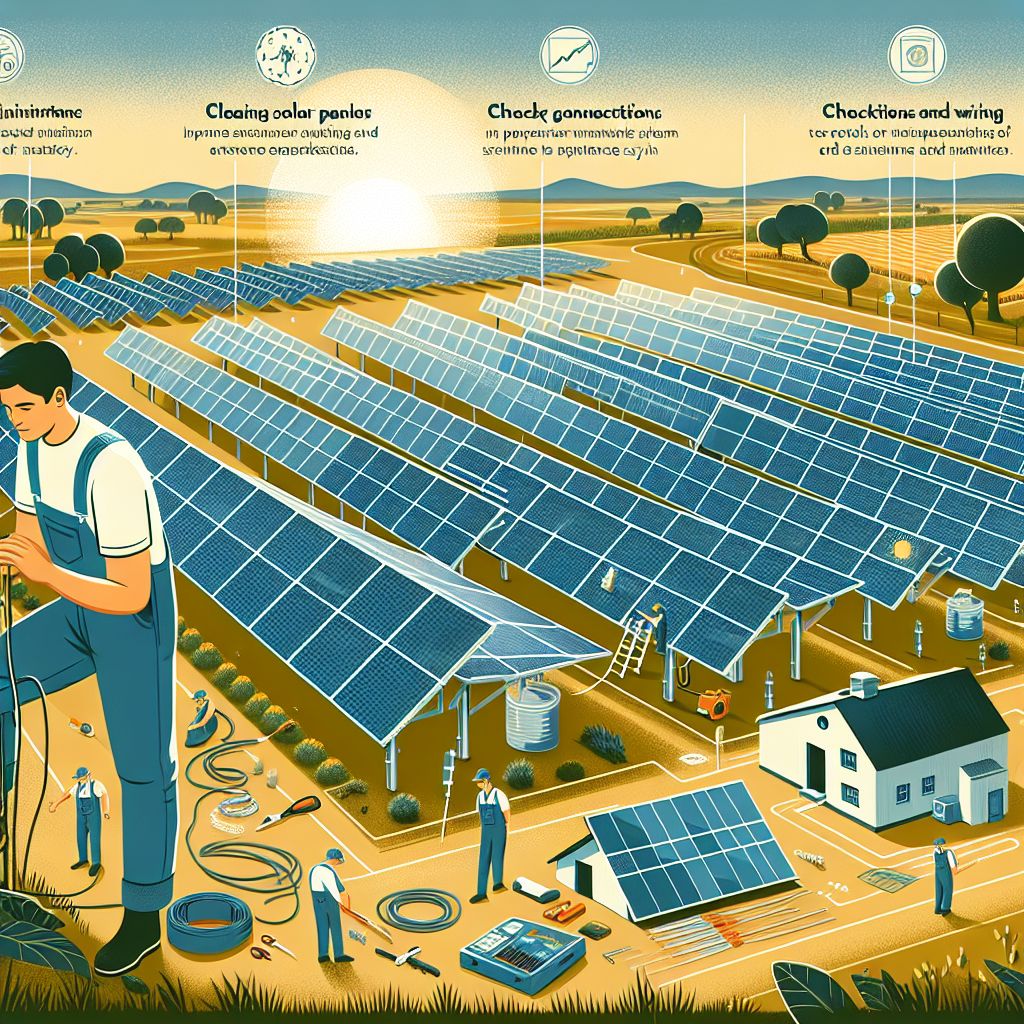
Essential Maintenance Practices for Farm Solar Systems
Protecting your solar investment requires developing a comprehensive maintenance approach that addresses farm-specific challenges. By implementing these essential practices, you can prevent most common issues before they impact system performance or require costly repairs. A systematic maintenance program typically requires just 8-12 hours of attention annually but can extend system lifespan by 5-10 years.
1. Regular Cleaning Schedule Based on Local Conditions
Effective panel cleaning requires adapting to your specific agricultural environment rather than following generic recommendations. Farms in high-dust environments like row crop operations may require monthly cleaning during key seasons, while less dusty operations might maintain efficiency with quarterly cleanings. The best approach involves monitoring system output and establishing a correlation between cleaning activities and performance improvements.
Morning cleaning provides optimal results as panels are cooler and less likely to experience thermal shock when water is applied. Use soft brushes, non-abrasive cloths, and gentle water pressure to avoid damaging protective coatings. Specialized solar panel cleaning solutions can break down stubborn agricultural residues without leaving performance-reducing films that some household cleaners create.
2. Quarterly Connection and Wire Inspections
Electrical connections throughout the system require regular inspection for early signs of corrosion, loose fittings, or wildlife damage. Pay particular attention to junction boxes, where moisture intrusion often first appears as discoloration or mineral deposits. Check for loose MC4 connectors that can create resistance points, generating heat and reducing system efficiency before eventually failing completely.
Inspect wire runs for signs of rodent damage, particularly in ground-mounted systems where field mice and other farm wildlife may chew through insulation. UV degradation of cable insulation represents another common failure point in farm installations where cable management may have left wiring exposed to direct sunlight. Replace damaged sections immediately, as compromised insulation creates both performance and safety issues.
3. Monitoring System Performance Data
Modern solar installations include monitoring capabilities that provide invaluable early warning of developing issues. Daily production reports reveal efficiency trends that correlate with maintenance needs, often identifying problems before they’re visible through physical inspection. Set up automated alerts for production drops exceeding 5-7%, as these typically indicate maintenance issues rather than normal weather variations.
String-level monitoring provides particularly valuable diagnostic information, identifying underperforming sections of larger arrays. When one string consistently underproduces, targeted inspection often reveals issues like partial shading, connection problems, or panel damage affecting that specific section. This targeted approach makes maintenance more efficient by focusing attention where it’s most needed.
4. Battery Maintenance and Testing
Battery systems require specialized maintenance attention focused on both performance and safety. Flooded lead-acid batteries, still common in farm installations, need regular electrolyte level checks and terminal cleaning to prevent capacity loss and connection failures. Even maintenance-free batteries require regular capacity testing to identify degradation before it impacts system performance.
Temperature management remains critical for battery longevity, with proper ventilation and insulation preventing the extreme temperatures that accelerate degradation. Monitor battery enclosure temperatures during seasonal extremes, adding cooling or insulation as needed to maintain optimal operating conditions. Battery replacement planning should begin when capacity falls below 80% of original specifications, allowing for orderly budgeting rather than emergency replacement. For more insights on maintaining solar power systems, read about the importance of regular maintenance.
5. Professional Annual Inspections
While regular maintenance can be handled internally, annual professional inspections provide comprehensive evaluation that identifies developing issues before they become critical. Professional inspections should include thermal imaging to identify hot spots in panels, connections, and components that indicate developing problems invisible to the naked eye. These inspections also verify that system performance matches specifications and identify optimization opportunities.
Professional inspections become particularly valuable for warranty protection, as they provide documented evidence of proper maintenance. Many manufacturers require proof of regular professional service to maintain warranty coverage, making these inspections an investment in both current performance and future claim protection. Schedule these inspections during shoulder seasons when farm demands are lower and any required repairs cause minimal operational disruption. For additional insights on maintenance and energy solutions, explore solar panel battery technology for agriculture.
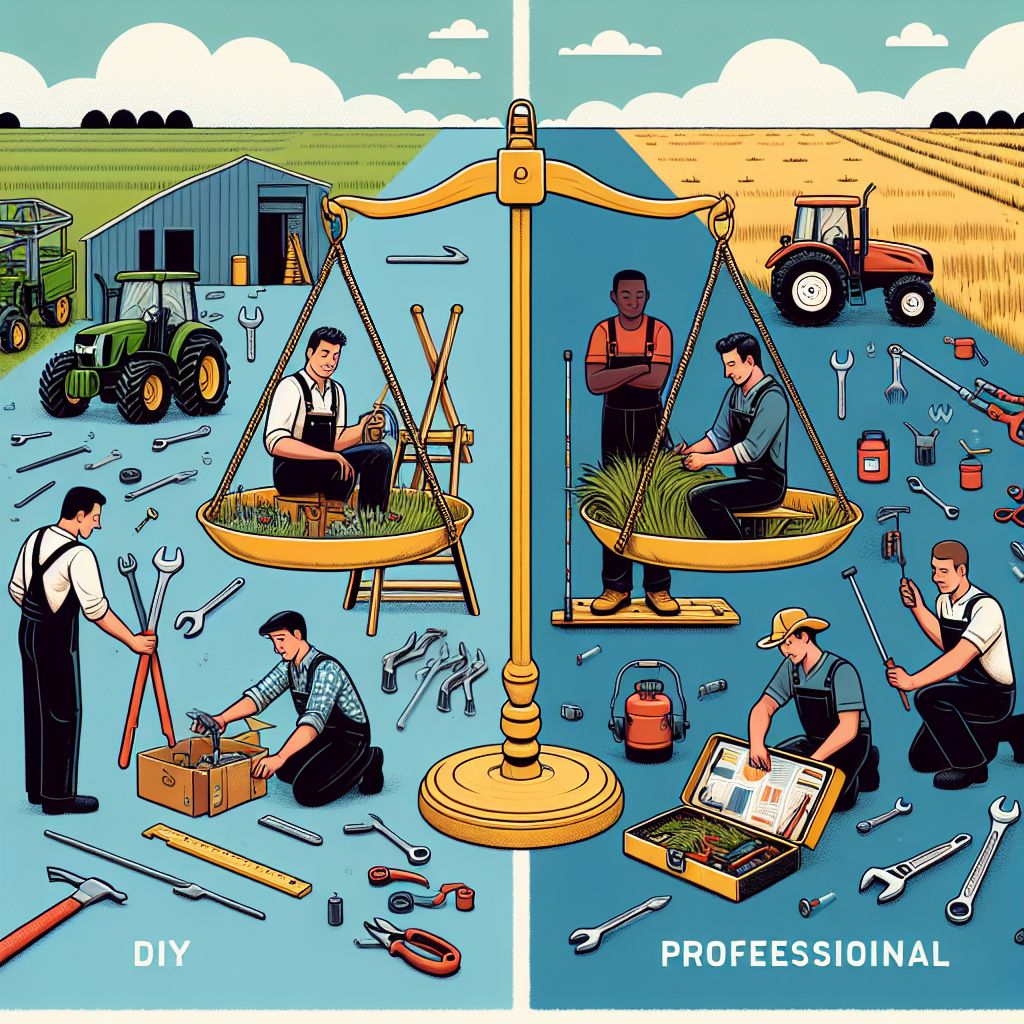
DIY vs. Professional Maintenance: What Farmers Need to Know
Finding the right balance between DIY maintenance and professional service creates optimal results for most farm operations. Certain maintenance tasks deliver excellent return on investment when handled internally, while others require specialized equipment and expertise to perform safely and effectively. Developing a hybrid approach that leverages both internal capabilities and professional services typically provides the most cost-effective solution.
Safe DIY Cleaning Methods
Panel cleaning represents the maintenance task with highest return on time invested, making it ideal for internal handling. Use soft-bristle brushes on extension poles for ground-accessible arrays, avoiding abrasive materials that can scratch protective glass coatings. Specialized microfiber mops designed for solar cleaning provide excellent results without risking panel damage from improper tools. For more insights on maintaining solar systems, explore this guide on solar panel maintenance.
When cleaning, work during early morning hours when panels remain cool and the risk of thermal shock is minimized. Deionized water provides optimal results, especially in hard water areas where mineral deposits can create stubborn residue. For stubborn agricultural deposits, use only cleaners specifically formulated for solar panels, as household products often leave performance-reducing residues.
- Use extension tools to clean from the ground when possible, avoiding roof safety risks
- Clean panels in grid patterns, ensuring complete coverage without missed sections
- Inspect for damage during cleaning processes, marking areas needing professional attention
- Document cleaning dates and note performance improvements for future planning
- Consider automated cleaning systems for large arrays where manual cleaning becomes impractical
When to Call in the Professionals
Certain maintenance tasks involve electrical risks and specialized equipment that justify professional handling. Inverter maintenance, complex troubleshooting, and any work involving high-voltage components should be performed only by qualified technicians. The safety risks and specialized diagnostic equipment required make these poor candidates for DIY approaches, regardless of potential cost savings. For more insights on solar systems, check out our article on powering a center pivot irrigation system with solar panels.
Professional services become particularly valuable when system performance issues don’t have obvious causes. Experienced technicians bring diagnostic capabilities and comparative knowledge from other installations that help identify subtle issues beyond the capabilities of most farm maintenance personnel. These services typically deliver value far exceeding their cost when addressing complex performance problems.
Cost Comparison Between Service Plans and DIY Upkeep
Comprehensive maintenance contracts typically cost $300-600 annually for small to medium farm installations, while large systems may reach $1,200-2,000 depending on complexity and accessibility. While these costs initially seem significant, they typically represent just 0.5-1.5% of the original system investment annually – a small price for protecting equipment expected to operate for 25+ years.
The ideal approach for most farm operations combines regular DIY maintenance for cleaning and basic inspections with annual professional service. This hybrid model provides the cost benefits of handling frequent, low-skill tasks internally while leveraging professional expertise for technical evaluations and specialized maintenance. The resulting maintenance program typically delivers optimal system performance at minimum total cost.
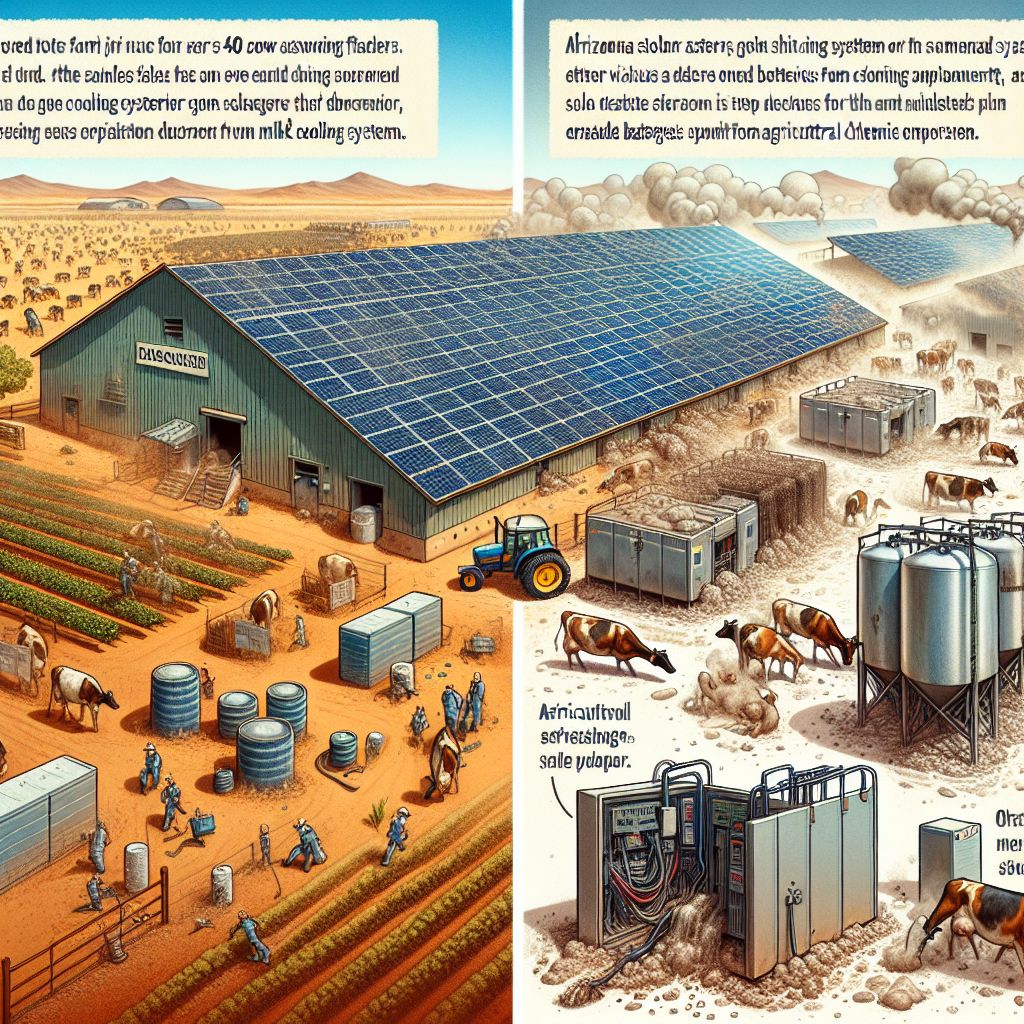
Real-World Examples: The Cost of Neglect
Case Study: Arizona Farm Loses 40% Capacity in Just One Season
The Martinez family farm in central Arizona invested $175,000 in a 60kW solar array to power their irrigation pumps and processing facility. During their first year, the system performed exceptionally, reducing electricity costs by 85% and providing reliable power for critical operations. However, after a particularly dusty harvest season during their second year, they noticed gradually increasing power bills despite similar weather conditions. When they finally had the system professionally evaluated, they discovered their panels were operating at just 58% efficiency due to a combination of dust accumulation and connection corrosion from agricultural chemical exposure.
Dairy Operation’s Critical Cooling System Failure
A mid-sized dairy operation in Wisconsin relied on solar power for their milk cooling systems, having installed a 45kW system with battery backup three years earlier. Despite initial performance that exceeded projections, the farm experienced a catastrophic cooling system failure during a summer heat wave when their solar system couldn’t deliver sufficient power. Investigation revealed that battery capacity had degraded by over 60% due to improper temperature management in the battery enclosure, while panel output had decreased by 35% due to accumulated organic residue from nearby silage operations.
- Milk quality was compromised, resulting in $23,000 in rejected product
- Emergency system repairs cost 3.5x what preventative maintenance would have required
- Replacement batteries were needed years before their expected end-of-life
- Backup generator fuel costs added $4,700 in unexpected expenses
- Installation of monitoring systems and maintenance plan prevented future failures
What makes this case particularly instructive is how quickly performance degraded in the agricultural environment. The combination of silage dust, extreme temperature fluctuations, and lack of monitoring created perfect conditions for system deterioration. Had basic maintenance protocols been followed, the early warning signs would have been evident months before the critical failure occurred.
After implementing a comprehensive maintenance program including monthly cleaning, quarterly professional inspections, and temperature-controlled battery housing, the same system has operated flawlessly for five additional years. The farm now experiences less than 5% efficiency loss between maintenance visits, compared to the 35% degradation that led to their system failure.
Creating an Effective Maintenance Plan for Your Farm Solar System
Developing a structured maintenance plan transforms solar upkeep from a reactive emergency response to a predictable operational process. Effective plans balance thoroughness with practicality, recognizing farm operational realities while ensuring critical maintenance tasks receive appropriate attention. The most successful programs integrate solar maintenance into existing farm maintenance routines, creating efficiency through combined workflows rather than treating solar as a separate system.
Seasonal Maintenance Calendar
Farm operations already follow seasonal rhythms, making a season-based maintenance calendar a natural fit for solar system care. Spring maintenance should focus on cleaning winter accumulation and inspecting for any damage from winter weather, particularly checking for freeze damage to water-sensitive components. This timing ensures systems operate at peak efficiency heading into the high-production summer months when solar generation typically provides greatest value.
Summer maintenance should emphasize monitoring for heat-related issues, particularly in inverters and battery systems where cooling system failures can quickly lead to component damage. Fall maintenance becomes critical for preparing systems for winter conditions, focusing on sealing, connection protection, and ensuring drainage systems will prevent water accumulation. Winter inspections, while less intensive, should verify snow shedding from panels and monitor for unusual loading from snow or ice accumulation. For more insights on the importance of these practices, visit regular maintenance for solar power systems.
Record-Keeping for Warranty Protection
Thorough documentation provides both operational benefits and crucial warranty protection. Most solar component warranties include maintenance requirements that manufacturers can use to deny claims when proper care can’t be documented. Create structured maintenance logs that record dates, activities performed, observations, and any replacement parts used. Supplement these logs with dated photographs of cleaned panels, maintenance activities, and any identified issues. For more information on maintaining solar systems, consider exploring how solar panels power irrigation systems.
Budgeting for Ongoing Maintenance Costs
Financial planning for solar maintenance prevents deferred upkeep when farm finances tighten. Set aside approximately 1% of system cost annually for maintenance activities, creating a dedicated reserve that ensures resources remain available even during challenging financial periods. This approach transforms maintenance from a variable expense competing with other farm needs to a structured cost built into operational planning.
Protect Your Solar Investment for Maximum Farm Returns
Your farm’s solar system represents both a significant investment and a critical operational asset that deserves protection through proper maintenance. By implementing the practices outlined in this guide, you can ensure your renewable energy system delivers its promised benefits throughout its designed lifespan. Remember that most catastrophic failures begin as minor issues that regular maintenance would have identified and addressed at minimal cost.
Frequently Asked Questions
How often should I clean my farm’s solar panels?
The ideal cleaning frequency depends on your location and environmental factors. Farms, often located in rural areas, are more susceptible to dust, pollen, bird droppings, and other debris that can accumulate on the panels. As a general rule of thumb:
- Rural and Agricultural Areas: Clean your panels every 3-6 months. Monitor their performance and adjust the frequency based on observed dirt buildup.
- Areas with Frequent Rain: Natural rainfall can help keep panels clean, but you may still need a professional cleaning 1-2 times per year to remove stubborn residue.
- Areas with High Levels of Dust or Pollution: Consider cleaning your panels every 1-3 months to maximize energy production.
Remember, a significant layer of dirt can reduce energy production by 15-25%, so regular cleaning is crucial for maximizing your return on investment.
What’s the average lifespan decrease from poor maintenance?
While solar panels are built to last, consistent neglect can significantly shorten their lifespan. Poor maintenance, such as allowing excessive dirt buildup or failing to address minor issues promptly, can lead to:
- Hotspots: Accumulated debris can create localized areas of heat, potentially damaging the panel’s cells and reducing its overall energy output.
- Degradation Rate Increase: Over time, the rate at which a solar panel loses its ability to generate electricity increases with poor maintenance. This can lead to a faster decline in performance and a shorter lifespan.
- Component Failure: Neglecting to address minor issues such as loose wiring or damaged mounting hardware can lead to more significant problems and potential component failures.
While it’s difficult to provide a precise figure, poor maintenance can potentially decrease the lifespan of your solar panels by several years. Investing in regular maintenance is far cheaper than replacing an entire system prematurely.
Can I use pressure washers on my solar panels?
No, it is generally not recommended to use pressure washers on your solar panels. The high pressure can damage the delicate anti-reflective coating and potentially crack the glass surface. Instead, opt for gentler cleaning methods such as:
- Soft-bristled brush: Use a soft-bristled brush and a mild detergent specifically designed for solar panels.
- Hose with a gentle spray nozzle: A standard garden hose with a gentle spray nozzle can effectively rinse away dirt and debris.
- Deionized or purified water: Using deionized or purified water helps prevent mineral deposits from forming on the panels.
Always consult your solar panel manufacturer’s guidelines for specific cleaning recommendations.
Will insurance cover damage from lack of maintenance?
Generally, insurance policies do not cover damage resulting from neglect or lack of maintenance. Solar panel insurance typically covers damage caused by unforeseen events such as hail, lightning strikes, or other natural disasters. If damage occurs due to dirt buildup, improper cleaning, or failure to address known issues, the insurance company is unlikely to cover the repair or replacement costs. Therefore, prioritizing proactive maintenance is crucial to protect your investment and avoid costly out-of-pocket expenses.
What tools do I need for basic solar panel maintenance?
For basic solar panel maintenance, you’ll need a few essential tools:
- Soft-bristled brush: A long-handled, soft-bristled brush is ideal for gently removing dirt and debris.
- Hose with a gentle spray nozzle: A garden hose with a gentle spray nozzle is sufficient for rinsing the panels.
- Mild solar panel cleaning detergent: Use a detergent specifically formulated for solar panels to avoid damaging the anti-reflective coating.
- Deionized or purified water: Prevents mineral deposits.
- Safety glasses and gloves: Protect yourself from potential hazards.
Remember, safety is paramount when working with solar panels. Always disconnect the system before performing any maintenance and take precautions to avoid falls or electrical shocks. If you’re uncomfortable performing the maintenance yourself, hire a qualified solar panel cleaning professional.
By understanding these common questions and implementing a regular maintenance schedule, you can ensure your farm’s solar panels operate efficiently, maximize their lifespan, and continue generating clean energy for years to come.

Leave a Reply