
Key Takeaways
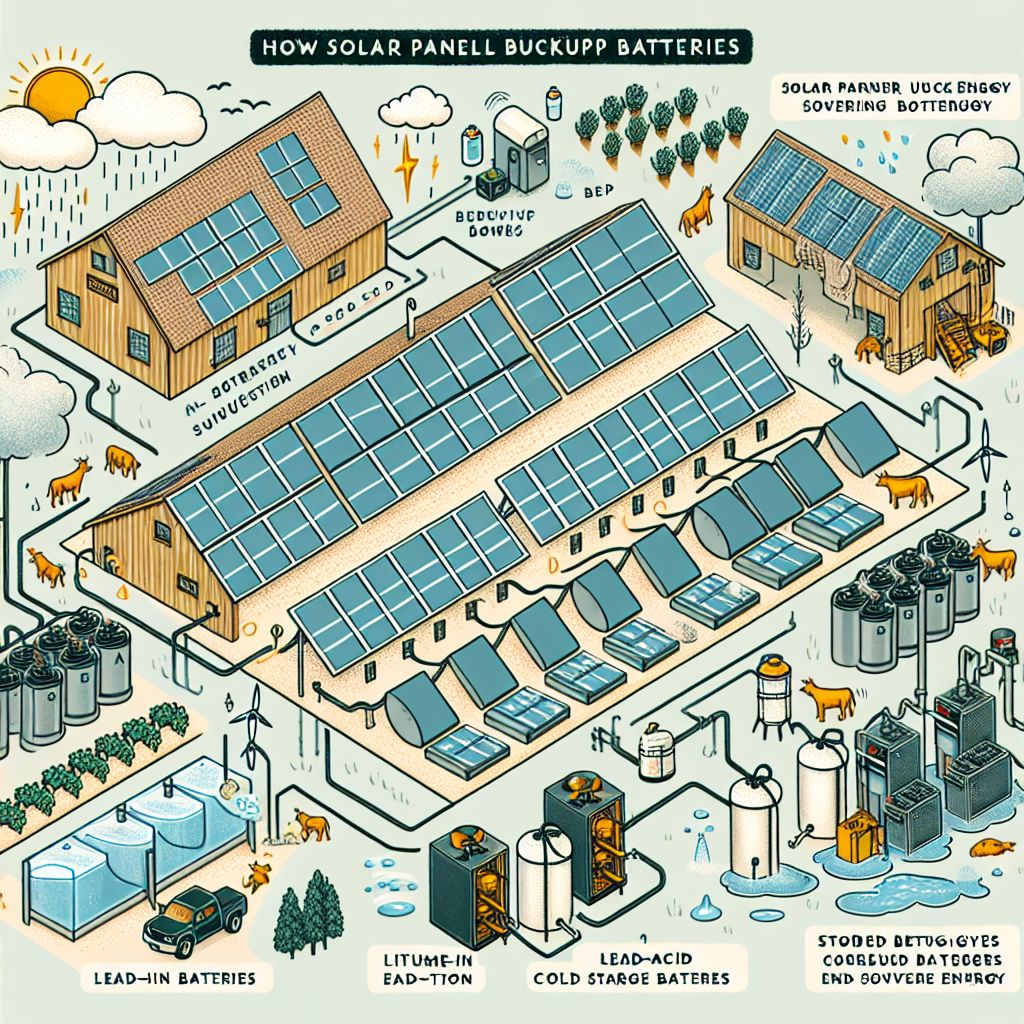
- Solar panel backup batteries provide power during nighttime and bad weather, ensuring continuous farm operations.
- Lithium-ion batteries offer high efficiency and a long lifespan but come with a higher initial cost.
- Lead-acid batteries are more affordable but require regular maintenance and have a shorter lifespan.
- Flow batteries provide scalability and environmental benefits, suitable for large-scale energy storage.
- Choosing the right battery type and capacity is crucial for matching a farm’s specific energy needs.
Why Solar Panel Backup Batteries Matter to Farmers
Farming relies heavily on consistent energy supplies to keep operations running smoothly. Imagine a day without power—milking machines stop, irrigation systems cease, and cold storage warms up. This is where solar panel backup batteries come into play. They store excess solar energy generated during sunny days for use when the sun isn’t shining. This means that even during cloudy days or at night, your farm continues to function without a hitch.
“Backup batteries can make a farm virtually energy independent, reducing reliance on the grid and fossil fuels.”
In addition to reliability, these batteries offer a chance to embrace sustainability. As more farmers adopt solar energy, backup batteries become a natural extension to optimize energy use. They provide a buffer against unpredictable weather and ensure that essential operations aren’t interrupted.
The Value of Backup Power During Non-Sunny Days
Non-sunny days are a reality that every farmer faces. Whether it’s a cloudy day or a stormy week, the sun isn’t always reliable. Backup batteries store the energy your solar panels produce during bright days, making it available when needed. This stored energy can power essential equipment, ensuring that operations remain uninterrupted.
Keeping Farm Operations Uninterrupted at Night
Most importantly, nighttime power is crucial for farms. Operations like irrigation and lighting often continue after the sun sets. Backup batteries ensure these systems stay operational, keeping your farm productive around the clock. With the right battery system, you can run your farm efficiently, regardless of the time of day. Learn more about solar agriculture integration benefits to enhance your farm’s energy solutions.
Besides that, having a reliable power source at night enhances security, as lighting and surveillance systems can continue to function without interruption. Learn more about the role of solar panels in smart farming and how they contribute to uninterrupted power supply.
Increasing Energy Independence
Energy independence is a significant advantage of using solar panel backup batteries. By storing your solar energy, you reduce reliance on external power sources. This independence not only saves money on energy bills but also shields you from power outages and fluctuating energy prices. It’s a step towards self-sufficiency, giving you control over your farm’s energy future.
Here’s a table discussing the benefits of using a battery for backup with solar panels on a farm:
|
Benefit |
Description |
|---|---|
|
Energy Independence |
Allows farms to become more self-reliant by storing solar energy for use during grid outages or peak demand periods. 2, 4 |
|
Cost Savings |
Reduces reliance on grid power during expensive peak hours, lowering overall operational costs for the farm. 1, 3 |
|
24/7 Power Availability |
Provides round-the-clock access to stored solar energy, even when the sun isn’t shining. 4 |
|
Grid Stability Support |
Enhances grid reliability by offering services like frequency regulation and voltage support. 2 |
|
Optimized Self-Consumption |
Maximizes use of generated solar energy by storing excess for later use, reducing grid dependence. 2, 4 |
|
Resilience During Outages |
Offers backup power during grid failures, ensuring critical farm operations continue uninterrupted. 2, 4 |
|
Peak Demand Management |
Enables “peak shaving” by using stored energy during high-demand periods, reducing strain on the grid. 2 |
|
Improved Energy Efficiency |
Eliminates wasted energy production by storing excess for use when needed. 1 |
|
Enhanced Monitoring |
Provides better tracking of energy generation and consumption, allowing for optimized energy use decisions. 4 |
|
Environmental Benefits |
Contributes to reduced greenhouse gas emissions by increasing renewable energy utilization1 |
This combination of solar panels and battery storage offers farms a robust, efficient, and cost-effective energy solution that enhances both operational resilience and environmental sustainability.
Types of Backup Batteries for Farms
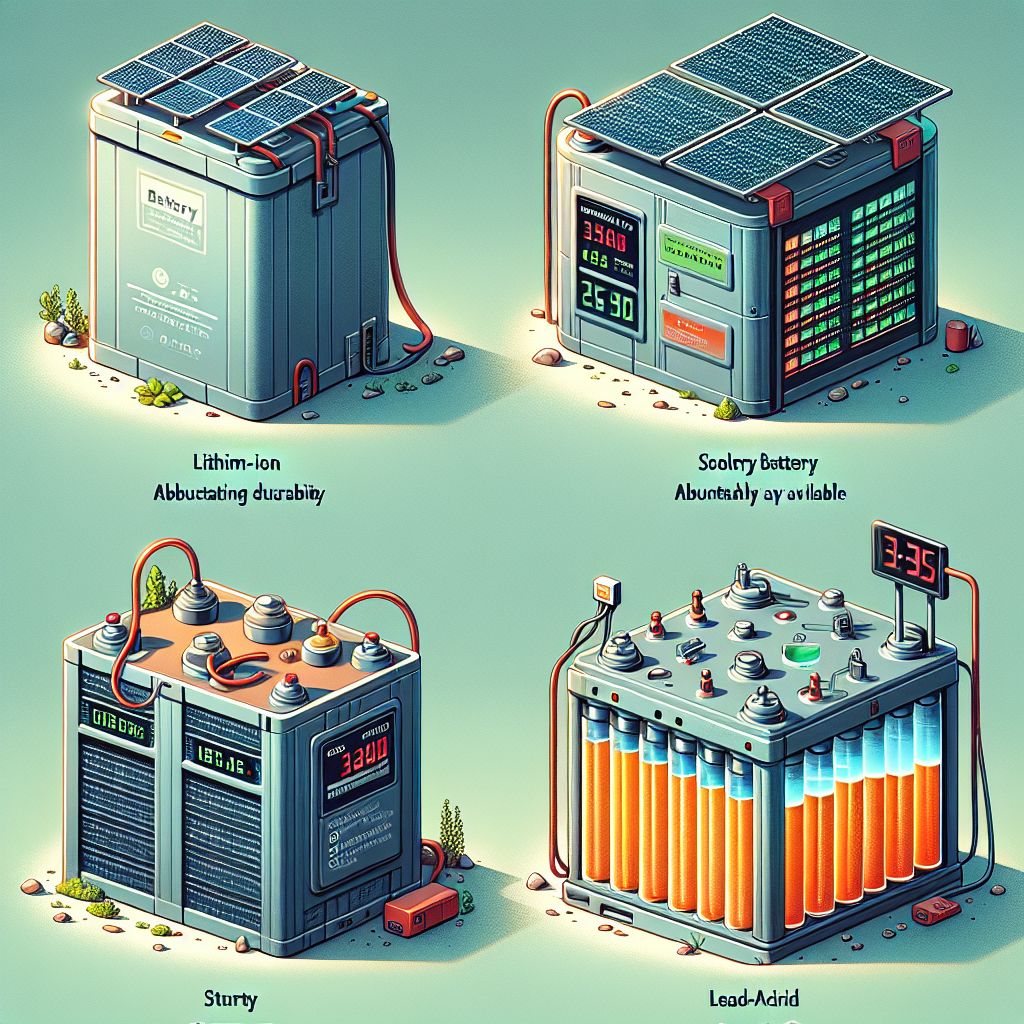
Choosing the right type of backup battery is crucial. Each type has its own benefits and drawbacks, and the best choice depends on your specific needs and budget.
Lithium-Ion: Efficiency and Longevity
Lithium-ion batteries are known for their high efficiency and long lifespan. They are a popular choice due to their ability to store a large amount of energy in a compact size. However, they come with a higher upfront cost compared to other types. Despite the cost, their durability and efficiency often make them a cost-effective choice in the long run. For farmers exploring solar energy solutions, understanding the role of smart farming solar panels can be beneficial.
Lead-Acid: Cost-Effectiveness and Availability
Lead-acid batteries are a more affordable option and are widely available. They have been used for decades in various applications, making them a reliable choice. However, they require regular maintenance and have a shorter lifespan compared to lithium-ion batteries. For farms on a tight budget, lead-acid batteries can provide a viable solution, especially if regular maintenance can be managed.
“Lead-acid batteries are a tried-and-true technology, but they demand consistent care to perform optimally.”
Flow Batteries: Scalability and Environmental Benefits
Flow batteries offer a unique solution for farms looking to scale up their energy storage. Unlike traditional batteries, flow batteries store energy in liquid electrolytes, which allows them to be easily scaled up by increasing the size of the tanks. This scalability makes them ideal for larger farms with significant energy demands.
Besides their scalability, flow batteries are known for their environmental benefits. They use non-toxic materials, which makes them a more sustainable choice compared to other battery types. Additionally, they have a long lifespan and can be cycled thousands of times without degradation, providing a reliable and eco-friendly energy storage solution.
Setting Up a Backup Battery System
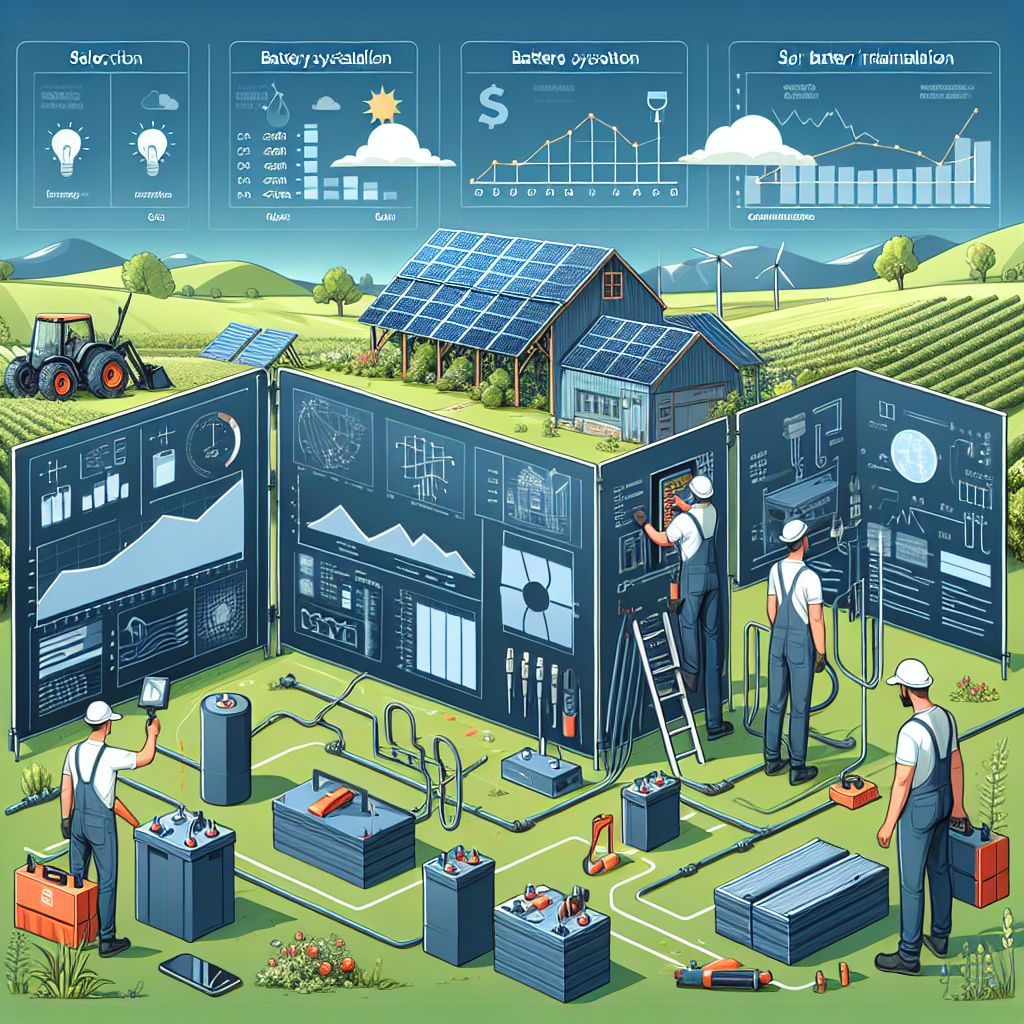
Setting up a backup battery system involves several critical steps. It’s important to assess your farm’s specific energy needs, choose the right battery setup, and ensure proper installation for maximum efficiency. Regular maintenance is also crucial to ensure the longevity of your battery system.
To begin, understanding your farm’s power needs is essential. This involves analyzing your energy consumption patterns and determining how much energy you need to store to cover periods without sunlight. By doing this, you can choose a battery system that matches your requirements.
Next, selecting the right battery setup involves considering factors such as capacity, efficiency, and cost. It’s important to choose a battery type that aligns with your budget and energy needs, ensuring that it can handle the demands of your farm.
“Choosing the right battery setup can make a significant difference in the efficiency and reliability of your farm’s energy system.”
Assessing Your Farm’s Power Needs
Assessing your farm’s power needs starts with a detailed analysis of your energy usage. Identify peak energy consumption periods and calculate the total energy required to keep your farm running during these times. Consider factors such as the size of your farm, the type of equipment you use, and the duration of power outages you typically experience. For more insights, explore the benefits of using solar panel batteries on a farm.
Choosing the Right Battery Setup
Once you have a clear understanding of your energy needs, it’s time to choose the right battery setup. Consider the following factors:
- Capacity: Ensure the battery can store enough energy to meet your farm’s demands.
- Efficiency: Look for batteries with high efficiency to maximize energy storage and usage.
- Cost: Compare the initial cost and long-term savings of different battery types.
- Compatibility: Ensure the battery system is compatible with your existing solar panels and equipment.
Installation Tips for Maximum Efficiency
Proper installation is crucial to maximize the efficiency of your backup battery system. Here are some tips to ensure a successful installation:
- Hire a professional installer with experience in solar battery systems.
- Ensure the battery is installed in a location with adequate ventilation to prevent overheating.
- Follow the manufacturer’s guidelines for installation and maintenance.
- Regularly inspect the battery system for signs of wear and tear.
By following these tips, you can ensure that your battery system operates efficiently and reliably, providing uninterrupted power to your farm.
Maintenance to Ensure Longevity
Regular maintenance is key to ensuring the longevity of your backup battery system. Here are some maintenance tips to keep your system in top condition:
- Inspect the battery system regularly for signs of corrosion or damage.
- Keep the battery terminals clean and free from debris.
- Check the battery’s charge levels and recharge as needed to prevent deep discharges.
- Follow the manufacturer’s maintenance schedule and guidelines.
With proper maintenance, your backup battery system can provide reliable power for many years, supporting your farm’s operations and sustainability goals.
Benefits of Nighttime Power for Agricultural Tasks
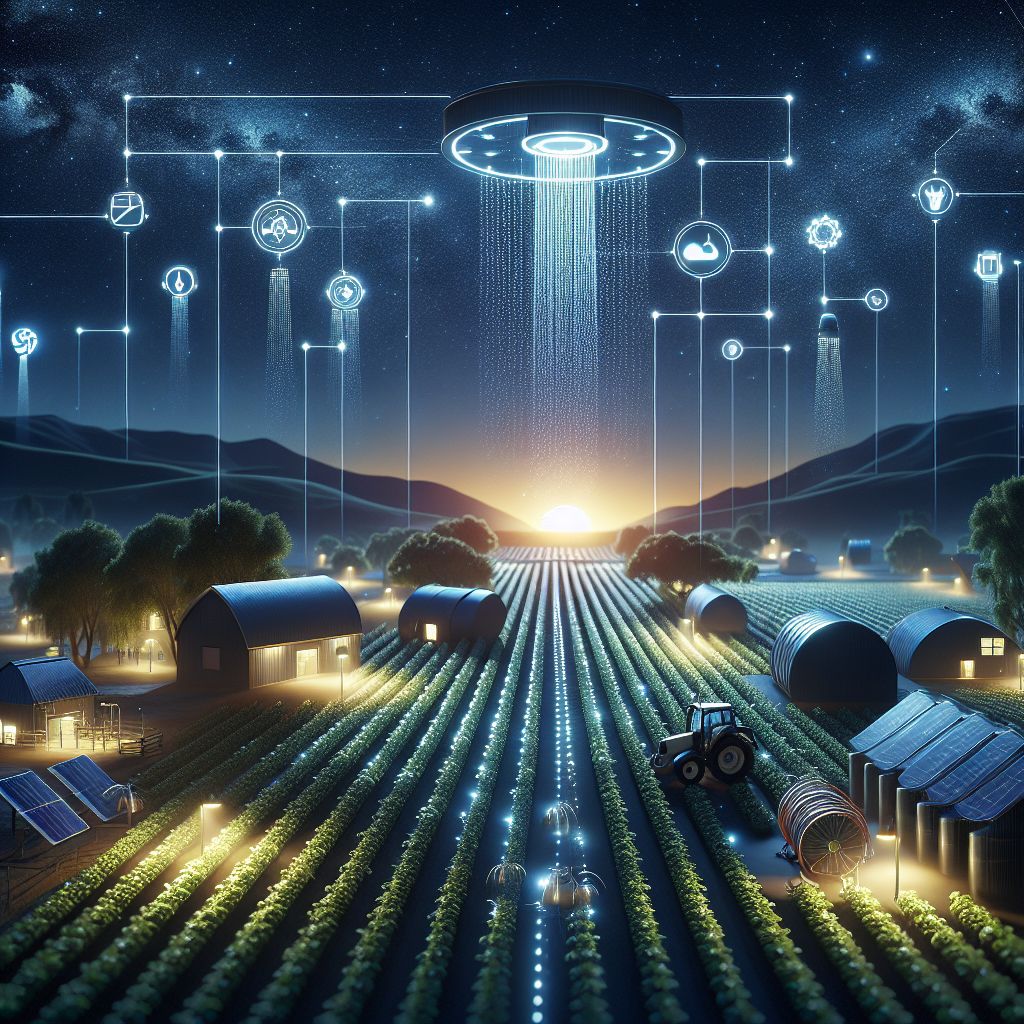
Nighttime power is essential for many agricultural tasks, providing the energy needed to keep operations running smoothly after dark. With a reliable backup battery system, you can optimize your farm’s efficiency and productivity.
One of the primary benefits of nighttime power is the ability to optimize irrigation systems. By using stored solar energy to power irrigation at night, you can take advantage of cooler temperatures and reduce water evaporation, leading to more efficient water usage.
In addition to irrigation, nighttime power is crucial for lighting and security on the farm. With reliable power, you can ensure that your farm is well-lit and secure, deterring potential intruders and protecting valuable assets.
Irrigation System Optimization
Optimizing your irrigation system with nighttime power can significantly improve water efficiency. By irrigating during cooler nighttime temperatures, you can reduce water evaporation and ensure that your crops receive the necessary moisture. For more insights, explore smart farming tools and techniques that can further enhance your irrigation strategy.
Lighting and Security on the Farm
Lighting and security are essential components of farm operations. With a backup battery system, you can ensure that your farm remains well-lit and secure, even during power outages. This not only enhances safety but also protects your investments and assets.
Precision Farming with Automated Systems
Precision farming relies on automated systems to monitor and manage various aspects of farm operations. With reliable nighttime power, you can ensure that these systems continue to function, providing valuable data and insights to optimize your farm’s productivity. For more information on how solar solutions can enhance your farm’s efficiency, explore solar battery-powered nighttime irrigation strategies.
Resilience Against Bad Weather Events
- Backup batteries provide a reliable power source during storms and other adverse weather conditions.
- They ensure that essential farm operations continue without interruption, protecting productivity and profitability.
- By storing excess solar energy, backup batteries can supply power during periods of reduced sunlight.
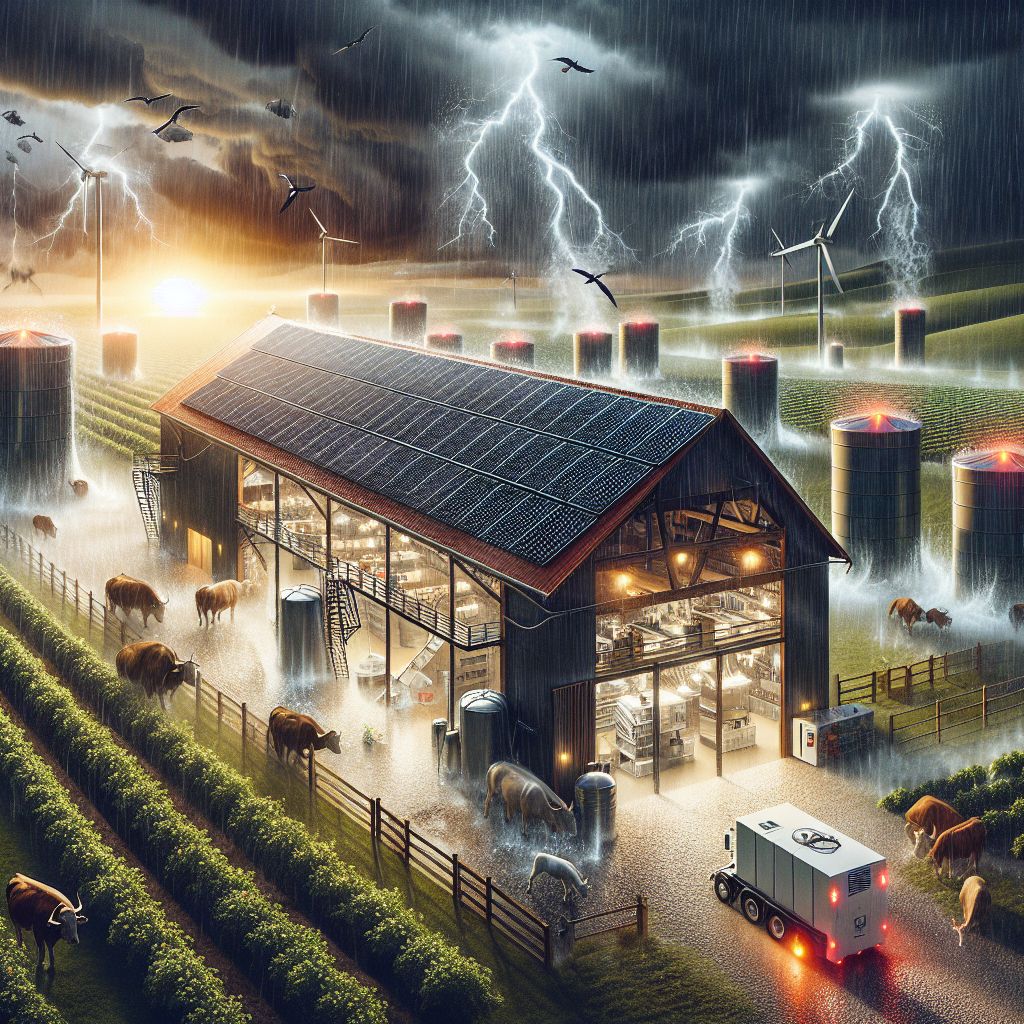
Bad weather events can disrupt power supplies and impact farm operations. With a backup battery system, you can ensure that your farm remains resilient, maintaining continuous operations even during storms.
Backup batteries provide a reliable power source during adverse weather conditions, ensuring that essential farm equipment continues to function. This resilience protects your farm’s productivity and profitability, safeguarding your investments.
By storing excess solar energy, backup batteries can supply power during periods of reduced sunlight, ensuring a consistent energy flow to critical farm equipment.
Continuous Operations During Storms
Storms can cause power outages and disrupt farm operations. With a backup battery system, you can ensure that your farm continues to operate smoothly, even during severe weather. This reliability is crucial for maintaining productivity and protecting your investments. For more on integrating solar technology in agriculture, explore agrivoltaics and its benefits.
- Ensure that backup batteries are charged and ready for use before a storm hits.
- Regularly test the battery system to ensure it functions properly during emergencies.
- Keep critical equipment connected to the battery system to ensure continuous operation.
By following these steps, you can ensure that your farm remains operational and resilient during storms and other adverse weather events.
Safeguarding Livestock and Crops
Livestock and crops are vulnerable to power outages during storms. With a backup battery system, you can ensure that essential systems, such as heating, cooling, and ventilation, continue to operate, safeguarding your animals and crops.
Maintaining Refrigeration for Perishables
Refrigeration is crucial for preserving perishable goods on a farm. A backup battery system ensures that refrigeration systems continue to operate during power outages, protecting your products and preventing spoilage.
Planning Irrigation with Solar Battery Power
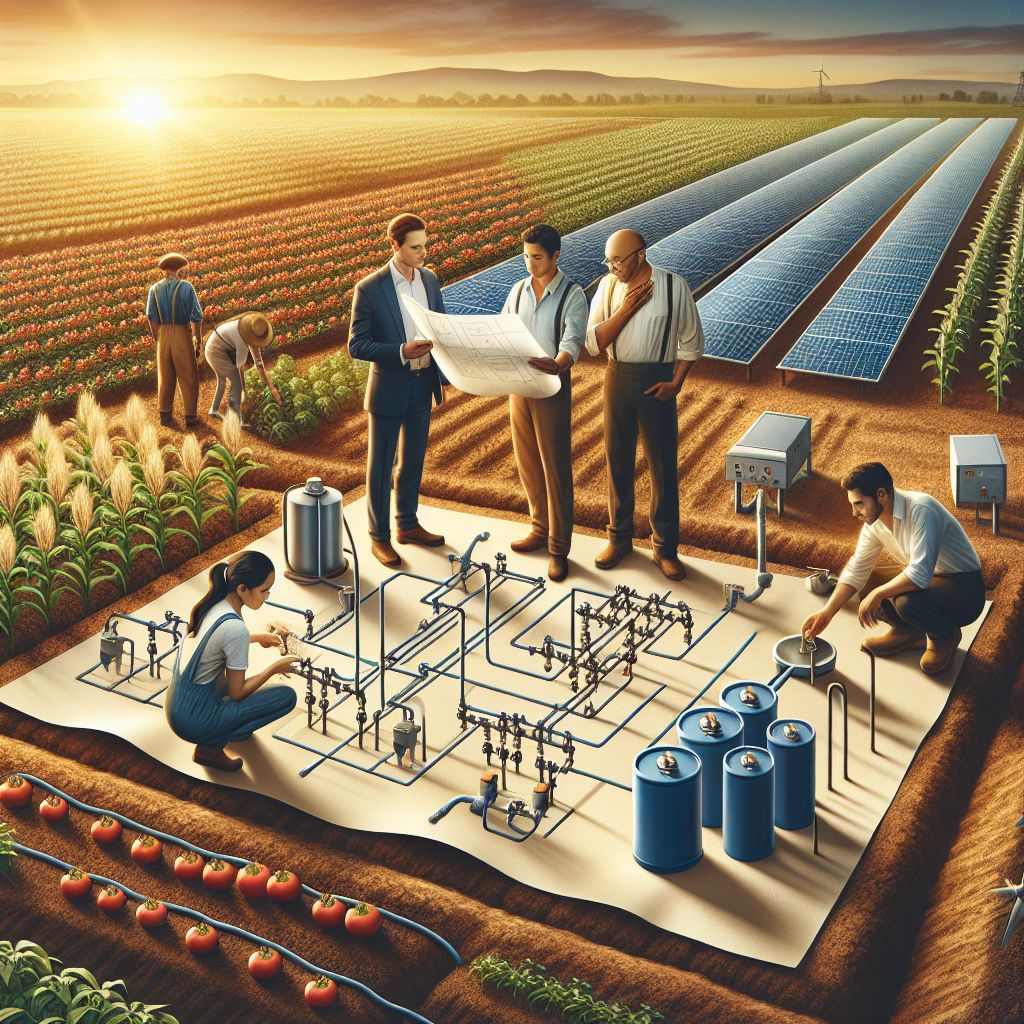
Planning irrigation with solar battery power involves understanding your farm’s water needs and designing an efficient irrigation system. By using stored solar energy to power irrigation systems, you can optimize water usage and improve efficiency.
Consider factors such as crop type, soil conditions, and climate when planning your irrigation system. By tailoring your approach to your farm’s specific needs, you can maximize the benefits of solar battery power for irrigation.
Benefits of Nighttime Irrigation
Nighttime irrigation offers several benefits, including reduced water evaporation and improved water efficiency. By using stored solar energy to power irrigation systems at night, you can ensure that your crops receive the necessary moisture while conserving water.
In conclusion, solar panel backup batteries provide a reliable and sustainable solution for powering farms during nighttime and bad weather. By choosing the right battery type and setup, you can ensure continuous operations, increase energy independence, and optimize agricultural tasks. With proper planning and maintenance, backup batteries can help your farm achieve its sustainability goals and thrive in the face of challenges.
Designing an Efficient Irrigation Setup
Designing an efficient irrigation setup with solar battery power involves strategic planning and understanding your farm’s specific needs. It’s essential to consider the type of crops you grow, the soil conditions, and the local climate. By doing so, you can tailor your irrigation system to maximize efficiency and conserve water.
First, assess the water requirements of your crops and determine the optimal watering schedule. Using solar battery power, you can automate irrigation systems to operate during the night when temperatures are cooler, reducing water evaporation. This approach not only conserves water but also ensures your crops receive adequate moisture for optimal growth.
Understanding Farm Water Needs
Understanding your farm’s water needs is crucial for designing an effective irrigation system. Begin by evaluating the water requirements of each crop type. Different crops have varying water needs, and understanding these differences can help you optimize water usage.
Additionally, consider factors such as soil type and drainage. Sandy soils, for example, may require more frequent watering than clay soils. By understanding these factors, you can develop a watering schedule that meets your farm’s specific needs and maximizes the benefits of solar battery power.
Calculating Return on Investment
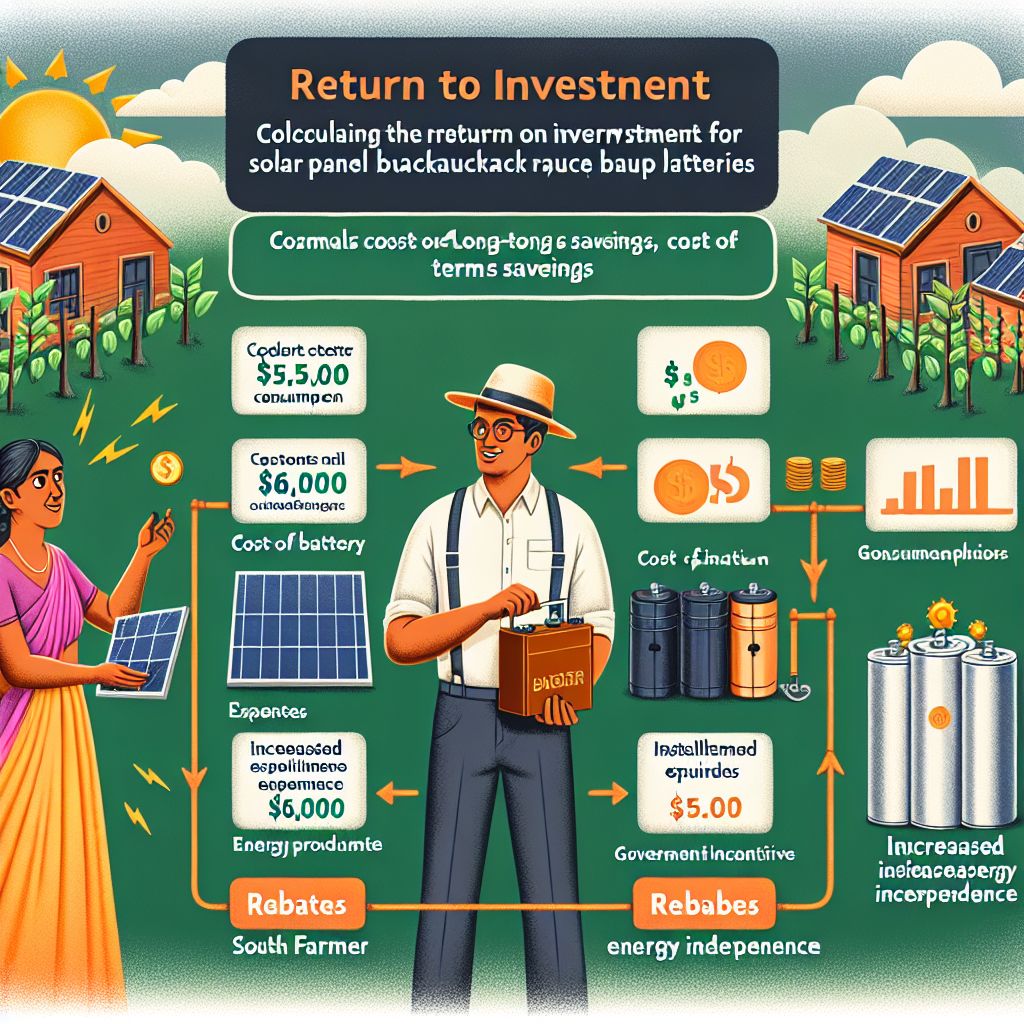
Calculating the return on investment (ROI) for solar panel backup batteries involves comparing the initial costs with the long-term savings. While the upfront investment may seem significant, the savings on energy bills and increased energy independence can make it worthwhile.
Consider factors such as the cost of the battery system, installation expenses, and any additional equipment needed. Compare these costs with the potential savings on energy bills and the value of uninterrupted farm operations. By doing so, you can determine whether investing in solar panel backup batteries is a financially sound decision for your farm.
Initial Costs Versus Long-Term Savings
Initial costs for solar panel backup batteries can vary depending on the type and capacity of the system. While lithium-ion batteries may have a higher upfront cost, their long lifespan and efficiency can lead to significant long-term savings.
Consider the potential savings on energy bills and the value of increased energy independence. Over time, the savings from reduced energy costs and uninterrupted operations can offset the initial investment, making solar panel backup batteries a cost-effective solution for your farm.
Government Incentives and Rebates
Many governments offer incentives and rebates to encourage the adoption of renewable energy solutions. These incentives can significantly reduce the cost of solar panel backup batteries, making them more accessible to farmers.
Research available incentives in your region and take advantage of any programs that can help offset the initial costs. By doing so, you can reduce the financial burden and make the transition to solar energy more affordable.
Predicting Energy Production and Consumption
Accurately predicting energy production and consumption is crucial for determining the appropriate size and capacity of your backup battery system. Begin by analyzing your farm’s energy usage patterns and identifying peak consumption periods.
Consider factors such as seasonal variations, weather patterns, and changes in farm operations. By understanding these factors, you can choose a battery system that meets your farm’s energy needs and maximizes the benefits of solar power.
Real-Life Success Stories
Real-life success stories demonstrate the potential benefits of solar panel backup batteries for farms. These examples highlight how farmers have successfully integrated solar energy into their operations, achieving energy independence and sustainability.
Case Studies of Farms Using Backup Batteries
One example is a dairy farm in California that implemented a solar panel backup battery system to power its milking machines and refrigeration units. The farm reduced its reliance on the grid and saved thousands of dollars on energy bills. Additionally, the backup batteries ensured that operations continued uninterrupted during power outages, protecting the farm’s productivity and profitability.
Another example is a vineyard in Australia that installed a solar battery system to power its irrigation and lighting systems. The vineyard achieved energy independence and reduced its carbon footprint, aligning with its sustainability goals.
The Role of Energy Independence in Farm Growth
Energy independence plays a crucial role in farm growth and sustainability. By reducing reliance on external power sources, farmers can control their energy costs and protect their operations from power outages and price fluctuations.
Moreover, energy independence allows farmers to invest in new technologies and expand their operations without the constraints of traditional energy sources. This flexibility can lead to increased productivity and profitability, supporting long-term farm growth.
Frequently Asked Questions (FAQ)
Here are some frequently asked questions about solar panel backup batteries and their use on farms. These answers provide valuable insights into the benefits and considerations of implementing a solar battery system.
How do solar panel backup batteries work?
Solar panel backup batteries store excess energy generated by solar panels during the day. This stored energy can be used during periods without sunlight, such as nighttime or cloudy days, ensuring continuous power supply to farm operations.
What is the lifespan of these backup batteries?
The lifespan of solar panel backup batteries varies depending on the type. Lithium-ion batteries typically last 10 to 15 years, while lead-acid batteries may last 5 to 7 years. Regular maintenance and proper usage can extend the lifespan of these batteries.
Are there any government incentives for farmers to switch to solar?
Yes, many governments offer incentives and rebates to encourage the adoption of renewable energy solutions. These incentives can significantly reduce the cost of solar panel backup batteries, making them more accessible to farmers.
How do I decide which type of battery is right for my farm?
Choosing the right battery depends on your farm’s specific energy needs, budget, and preferences. Consider factors such as capacity, efficiency, cost, and maintenance requirements. Consult with a professional to determine the best option for your farm.
“Consulting with a professional can help you choose the right battery system for your farm’s unique needs.”
Can solar panel backup batteries power all farm equipment?
Solar panel backup batteries can power most farm equipment, but the capacity and size of the battery system must match the farm’s energy demands. It’s essential to assess your energy needs and choose a battery system that can handle the load. For more information on solar panel types and their benefits, consider reading about polycrystalline solar panels.
What Maintenance Do Solar Battery Systems Require?
Regular maintenance is crucial to ensure the longevity and efficiency of solar battery systems. Here are some maintenance tasks to consider, especially when using solar panel batteries on a farm:
- Inspect the battery system regularly for signs of corrosion or damage.
- Keep the battery terminals clean and free from debris.
- Check the battery’s charge levels and recharge as needed to prevent deep discharges.
- Follow the manufacturer’s maintenance schedule and guidelines.
By following these maintenance tips, you can ensure that your solar battery system continues to provide reliable power for your farm, supporting your sustainability goals and enhancing your operations. To learn more about solar energy’s role in agriculture, explore the impact of solar panels on smart farming.







Leave a Reply