
Key Takeaways
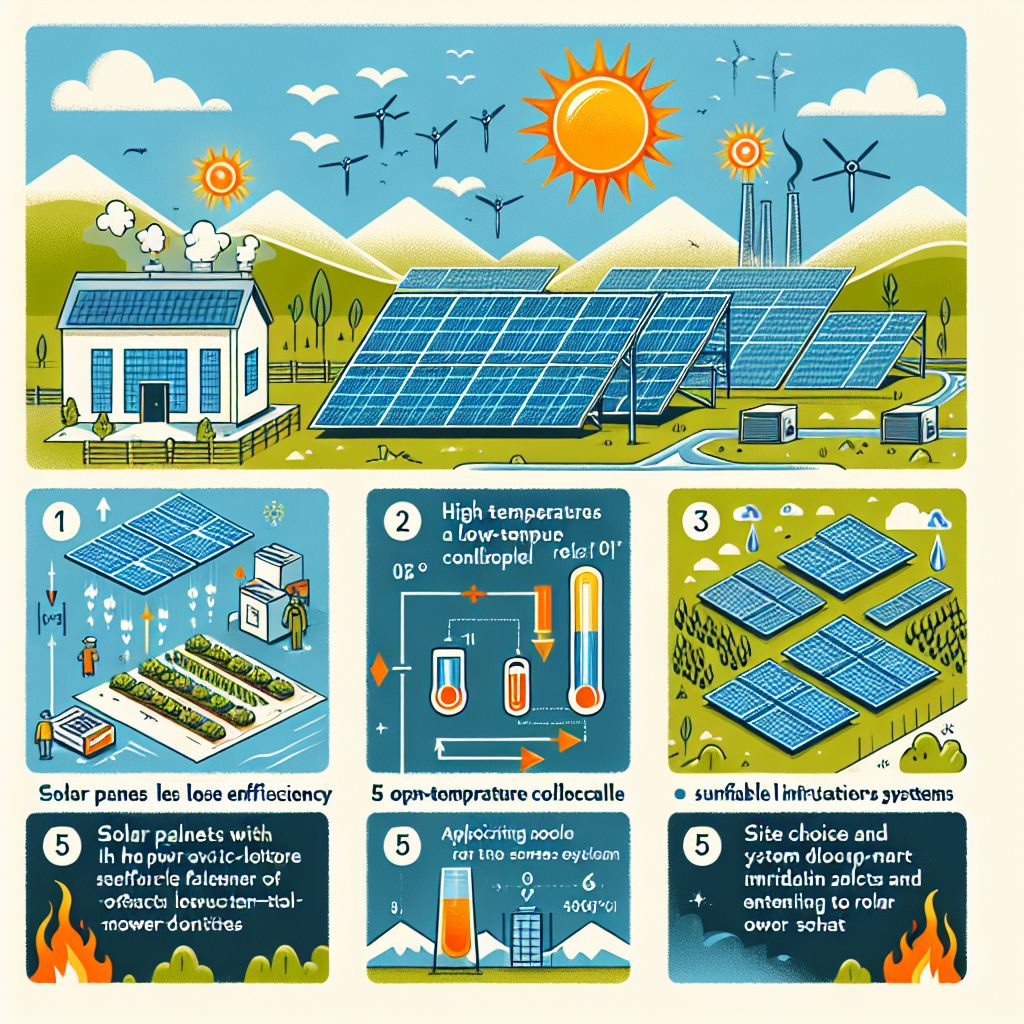
- Solar panels lose efficiency as temperatures rise, impacting solar irrigation systems significantly.
- High temperatures reduce the open-circuit voltage of solar panels, decreasing their overall power output.
- Choosing solar panels with a low-temperature coefficient can help maintain efficiency in hotter climates.
- Implementing cooling systems and ensuring proper ventilation can mitigate the negative effects of heat.
- Site selection and system design play crucial roles in optimizing solar irrigation efficiency.
How Temperature Influences Solar Irrigation Systems
Solar irrigation systems are revolutionizing agriculture by providing a sustainable way to pump water using solar energy. But, like any technology, they come with their own set of challenges. One of the most critical factors affecting their performance is temperature. Let’s dive into how temperature affects these systems and what can be done to optimize their efficiency.
Understanding Solar Irrigation Basics
Solar irrigation systems harness sunlight to power water pumps, providing a reliable water source for crops. The system primarily consists of solar panels, a controller, and a water pump. The solar panels convert sunlight into electricity, which powers the pump to draw water from sources like wells or rivers.
These systems are particularly beneficial in remote areas where electricity access is limited. They reduce dependency on fossil fuels and lower operational costs. However, their efficiency can be compromised by various factors, with temperature being a significant one.
“Solar irrigation systems are a game-changer for sustainable farming, but understanding temperature effects is key to maximizing their potential.” – Expert Insight
Temperature’s Role in Solar Efficiency
Temperature plays a pivotal role in the efficiency of solar panels, which directly affects solar irrigation systems. As temperatures rise, the efficiency of solar panels tends to decrease. This happens because the semiconductor materials within the panels become less effective at converting sunlight into electricity when they heat up.
The temperature coefficient is a crucial factor to consider. It indicates how much a panel’s efficiency decreases for every degree Celsius increase in temperature above the standard test condition of 25°C (77°F). Panels with a lower temperature coefficient are better suited for hot climates.
Here’s a table discussing how temperature affects solar panels:
|
Temperature Effect |
Impact on Solar Panels |
|---|---|
|
Optimal Temperature | |
|
High Temperatures |
Efficiency decreases by approximately 0.3% to 0.5% for every 1°C increase above 25°C. 3, 7 |
|
Low Temperatures |
Efficiency can increase slightly, with panels potentially producing 5-7% more power at 0°C (32°F). 7 |
|
Heat Waves |
Can reduce output efficiency by 10-25% depending on installation location. 5, 8 |
|
Panel Temperature |
Can reach up to 65°C (149°F) under direct sunlight, significantly impacting performance. 5 |
|
Temperature Coefficient |
Typically ranges between -0.3%/°C and -0.5%/°C, indicating efficiency loss per degree above 25°C. 6 |
|
Voltage and Current |
As temperature increases, output current increases exponentially while voltage decreases linearly. 8 |
|
Overall Impact |
High temperatures can reduce solar panel power production by 5-15%. 6 |
This table summarizes the key effects of temperature on solar panel performance, highlighting the optimal operating conditions and the impacts of both high and low temperatures on efficiency.

Impact of Heat on Solar Panels
Heat affects the electrical properties of solar panels, leading to reduced power output. The most noticeable effect is on the open-circuit voltage, which decreases as the temperature rises. This reduction in voltage results in lower overall energy production, impacting the performance of the solar irrigation system.
“Higher temperatures can significantly decrease solar panel output, making it essential to address heat management in system design.” – Industry Research
Electrical Properties and Temperature
As the temperature increases, the open-circuit voltage of a solar panel drops. This is because the energy gap of the semiconductor material decreases, allowing electrons to move more freely and reducing the voltage. Consequently, the overall power output of the panel diminishes.
Effects on Open-Circuit Voltage and Short-Circuit Current
Solar panels are a marvel of technology, but they are not immune to the laws of physics. The open-circuit voltage (Voc) is the maximum voltage available from a solar panel, and it decreases as the temperature rises. This happens because higher temperatures increase the energy of the electrons, which in turn reduces the energy gap of the semiconductor material in the panels.
While the short-circuit current (Isc) of a solar panel does increase slightly with rising temperatures, it does not offset the reduction in voltage. The overall effect is a decrease in the power output, which is a product of both voltage and current. Therefore, managing the heat is vital to ensure the efficiency of solar irrigation systems remains optimal.
- Open-circuit voltage decreases with rising temperature.
- Short-circuit current slightly increases but has less impact.
- Overall power output is primarily affected by voltage drop.

Temperature Variations and System Performance
Temperature variations can have a profound impact on the performance of solar irrigation systems. Understanding these effects is crucial for anyone looking to optimize their solar energy setup, especially in regions with extreme temperature fluctuations.
Performance in High-Temperature Regions
In regions where temperatures regularly soar, solar panels face a unique set of challenges. The heat can cause a significant drop in their efficiency, sometimes as much as 10-25% during peak temperature periods. This reduction in efficiency can be particularly problematic for solar irrigation systems that rely on consistent power output to maintain water flow.
Therefore, in high-temperature regions, it’s essential to choose solar panels specifically designed to handle heat. These panels often come with a lower temperature coefficient, meaning they lose less efficiency per degree of temperature increase. This can make a substantial difference in overall system performance.
Advantages of Cooler Climates on Efficiency
Cooler climates offer a different set of advantages for solar irrigation systems. In these regions, solar panels can operate more efficiently since the lower temperatures help maintain higher voltage levels. This means that the panels can produce more power, which is especially beneficial during periods of high water demand.
Besides that, cooler climates can reduce the wear and tear on system components, potentially extending the lifespan of the solar panels and the irrigation system as a whole. This can lead to cost savings over time, as there may be fewer repairs and replacements needed.
Effects on Water Pumping Efficiency
Temperature doesn’t just affect the solar panels; it also influences the efficiency of the water pumps used in solar irrigation systems. High temperatures can lead to increased evaporation rates, which may require more water to be pumped to maintain adequate soil moisture levels.
“In hot climates, the efficiency of water pumps can be compromised, requiring careful management to ensure optimal irrigation.” – Agricultural Expert
Additionally, the performance of electric motors used in water pumps can be affected by temperature. Excessive heat can cause these motors to overheat, reducing their efficiency and lifespan. Therefore, it’s crucial to consider the entire system’s design and incorporate cooling solutions where necessary.
Extreme Weather and Its Consequences
Extreme weather conditions, such as heatwaves or cold snaps, can further exacerbate the challenges faced by solar irrigation systems. During a heatwave, for instance, the demand for water may increase, while the efficiency of the solar panels decreases, creating a potential shortfall in water supply.
Conversely, during cold snaps, panels may produce more energy, but the risk of freezing temperatures can damage water pumps and other components if not properly protected. Therefore, preparing for extreme weather is a critical aspect of maintaining a reliable solar irrigation system.
Strategies to Improve Efficiency
Improving the efficiency of solar irrigation systems in the face of temperature challenges requires a multifaceted approach. By considering the following strategies, you can enhance system performance and reliability.
Selecting Low-Temperature Coefficient Panels
Choosing solar panels with a low-temperature coefficient is one of the most effective ways to mitigate the impact of heat. These panels are designed to lose less efficiency as temperatures rise, making them ideal for hot climates. When selecting panels, always check the manufacturer’s specifications for the temperature coefficient and opt for the lowest available.
Utilizing Cooling Systems and Ventilation
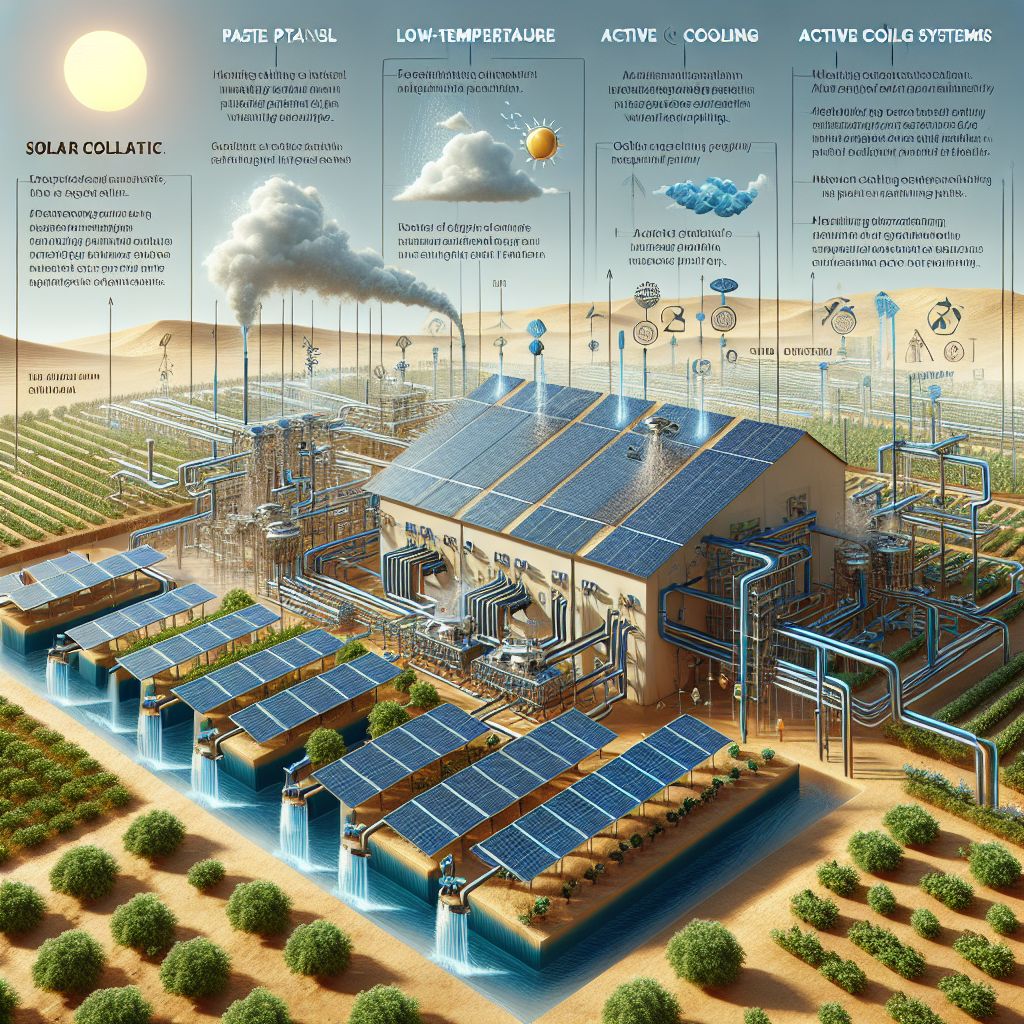
Implementing cooling systems can help maintain optimal operating temperatures for both solar panels and water pumps. Passive cooling techniques, such as strategic panel placement and natural ventilation, can be highly effective.
For more advanced solutions, consider active cooling systems like water misting or forced air circulation. These methods can significantly reduce the temperature of solar panels and improve their efficiency, especially during peak heat periods.
Site Selection and System Design Considerations
The location and design of your solar irrigation system play a critical role in its overall efficiency. When choosing a site, look for areas with natural shading during the hottest parts of the day, or consider installing artificial shading structures to protect your panels from excessive heat. For more insights, explore solar panels’ role in irrigation system design.
Additionally, design your system to maximize airflow around the panels and pumps. Proper spacing and orientation can enhance natural cooling and reduce the risk of overheating.
Most importantly, always consider the local climate and weather patterns when designing your system. Tailoring your approach to the specific conditions of your area will ensure the best possible performance and longevity of your solar irrigation system.
Innovations in Temperature Management
As solar technology continues to advance, new innovations in temperature management are emerging. These developments hold great promise for improving the efficiency and reliability of solar irrigation systems.
Recent Developments in Cooling Technologies
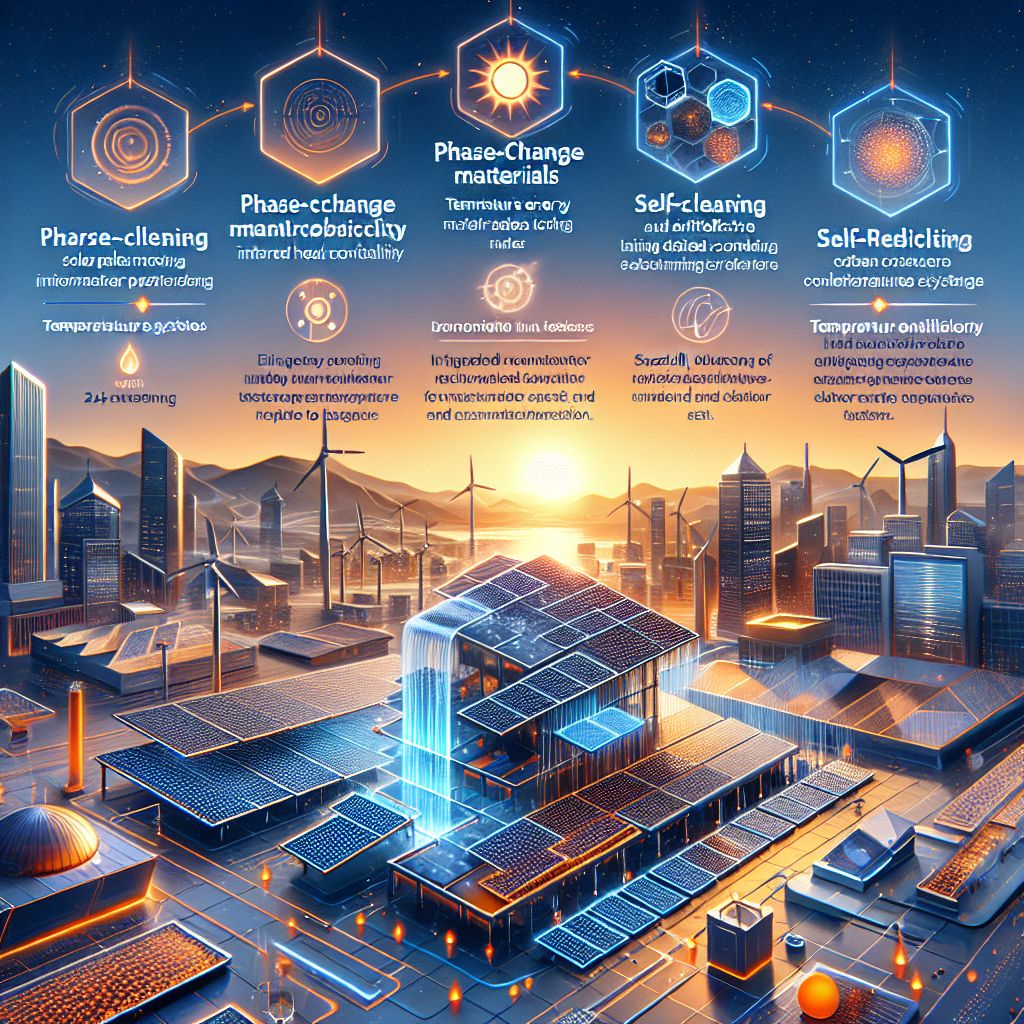
One of the most exciting areas of innovation is the development of advanced cooling technologies for solar panels. These include materials with enhanced thermal conductivity that can dissipate heat more effectively, as well as integrated cooling systems that use phase-change materials to regulate temperature.
Additionally, research into self-cleaning and anti-reflective coatings for solar panels can help maintain efficiency by reducing the buildup of dust and dirt, which can exacerbate the effects of heat.
Future Trends in Temperature-Resilient Solar Systems
As the demand for solar energy continues to grow, researchers and engineers are focusing on developing temperature-resilient solar systems. These innovations aim to enhance the efficiency and reliability of solar panels, even in the face of extreme temperature fluctuations. One promising trend is the integration of smart technologies, such as sensors and IoT devices, to monitor and adjust system parameters in real-time. For more insights, explore the role of solar panels in irrigation system design.
Furthermore, advances in material science are paving the way for the development of solar panels with improved thermal properties. These materials are designed to withstand higher temperatures without compromising efficiency, making them ideal for use in solar irrigation systems in hot climates. As these technologies become more widely adopted, we can expect to see a significant increase in the overall performance and durability of solar irrigation systems.
Concluding Insights on Solar Irrigation and Temperature
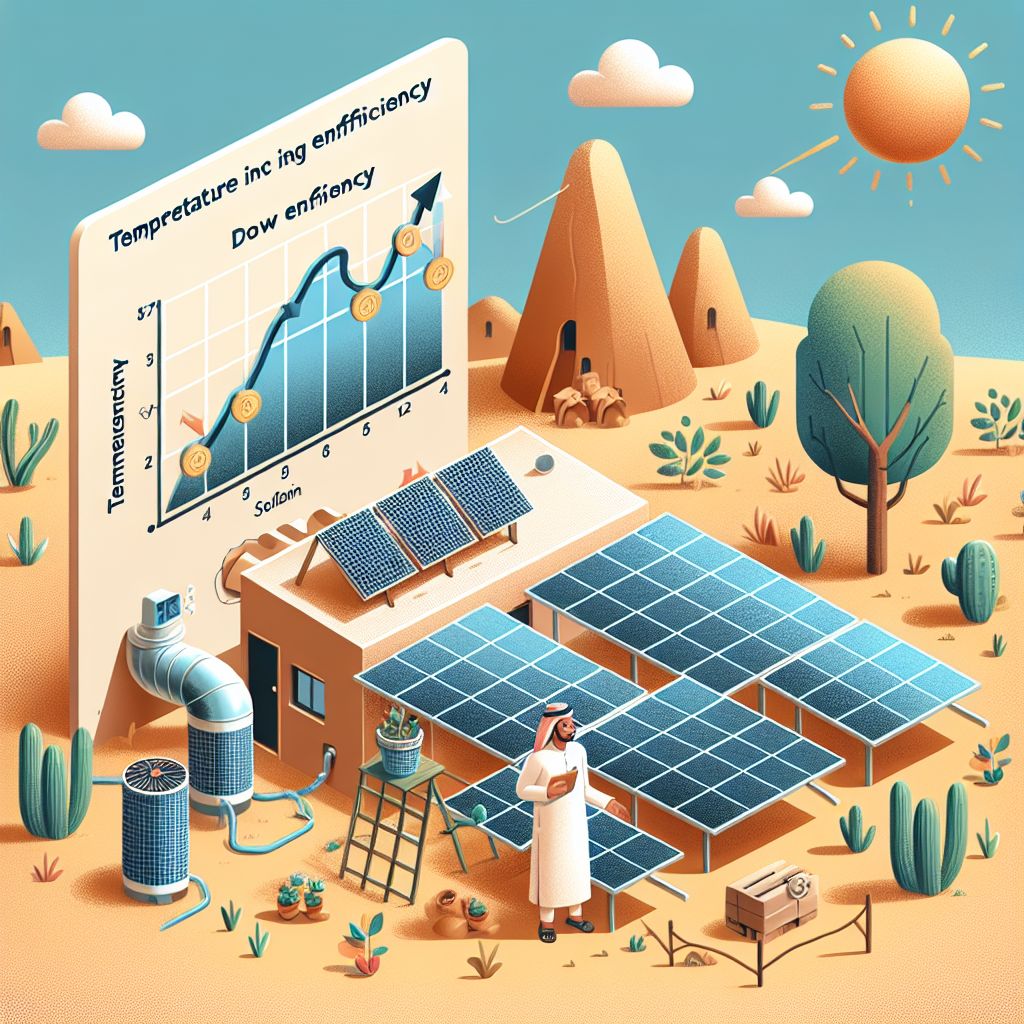
Temperature plays a crucial role in the efficiency and performance of solar irrigation systems. As temperatures rise, the efficiency of solar panels decreases, impacting the overall output and effectiveness of the system. Understanding these effects and implementing strategies to mitigate them is essential for optimizing the performance of solar irrigation systems.
By selecting solar panels with low-temperature coefficients, utilizing cooling systems, and carefully considering site selection and system design, you can significantly improve the efficiency and reliability of your solar irrigation system. As technology continues to advance, new innovations in temperature management will further enhance the capabilities of these systems, ensuring their continued success in sustainable agriculture.
Key Findings and Recommendations
In summary, temperature has a significant impact on the efficiency of solar irrigation systems. High temperatures can reduce the open-circuit voltage of solar panels, leading to decreased power output. To address these challenges, consider the following recommendations:
- Choose solar panels with a low-temperature coefficient to minimize efficiency losses.
- Implement cooling systems and ensure proper ventilation to manage heat effectively.
- Consider site selection and system design to optimize natural cooling and shading.
- Stay informed about recent developments in cooling technologies and temperature-resilient materials.
Optimizing Your Solar Irrigation System for Maximum Efficiency
To optimize your solar irrigation system, start by assessing the local climate and selecting components that can withstand the specific temperature conditions of your area. Invest in high-quality solar panels with a low-temperature coefficient to ensure consistent performance, even in hot weather.
Implement passive and active cooling solutions to manage heat and maintain optimal operating temperatures. Regularly monitor system performance and make adjustments as needed to address any efficiency losses. By taking these proactive steps, you can maximize the efficiency and reliability of your solar irrigation system, ensuring a sustainable and effective solution for your agricultural needs.
Frequently Asked Questions
Temperature effects on solar irrigation systems can raise several questions for those looking to optimize their setups. Here are some of the most common inquiries:
How does temperature affect solar panel efficiency?
Temperature affects solar panel efficiency by reducing the open-circuit voltage as temperatures rise. This decrease in voltage leads to a reduction in overall power output, impacting the efficiency of solar irrigation systems.
Can high temperatures damage solar panels?
High temperatures can cause wear and tear on solar panels, potentially reducing their lifespan. However, most panels are designed to withstand a certain level of heat. It’s crucial to implement cooling solutions to prevent overheating and prolong panel life.
What cooling methods are best for solar panels?
- Passive cooling techniques, such as strategic placement and natural ventilation.
- Active cooling systems, like water misting or forced air circulation.
- Integrated cooling technologies using advanced materials.
These methods can help maintain optimal temperatures and improve panel efficiency.
Are there specific materials better suited for high temperatures?
Yes, recent advances in material science have led to the development of solar panels with enhanced thermal properties. These materials are designed to withstand higher temperatures without compromising efficiency, making them ideal for use in hot climates.
How can farmers effectively monitor temperature changes?
- Use IoT devices and sensors to track real-time temperature data.
- Implement automated systems to adjust parameters based on temperature fluctuations.
- Regularly review performance data and make necessary adjustments.
These strategies can help farmers maintain optimal efficiency in their solar irrigation systems.
What are the cost implications of temperature-related efficiency losses?
Temperature-related efficiency losses can lead to increased operational costs, as more energy may be required to maintain water flow. Investing in temperature-resilient components and cooling solutions can help mitigate these costs by improving system efficiency and reducing energy consumption.
Solar irrigation systems are a sustainable solution for agriculture, utilizing solar energy to power water pumps for crop irrigation. However, the efficiency of these systems can be significantly affected by temperature variations. As temperatures rise, the performance of solar panels may decrease, impacting the overall efficiency of the irrigation system. Understanding the effect of temperature on solar panel efficiency is crucial for optimizing the performance of solar irrigation systems.







Leave a Reply