
Key Takeaways
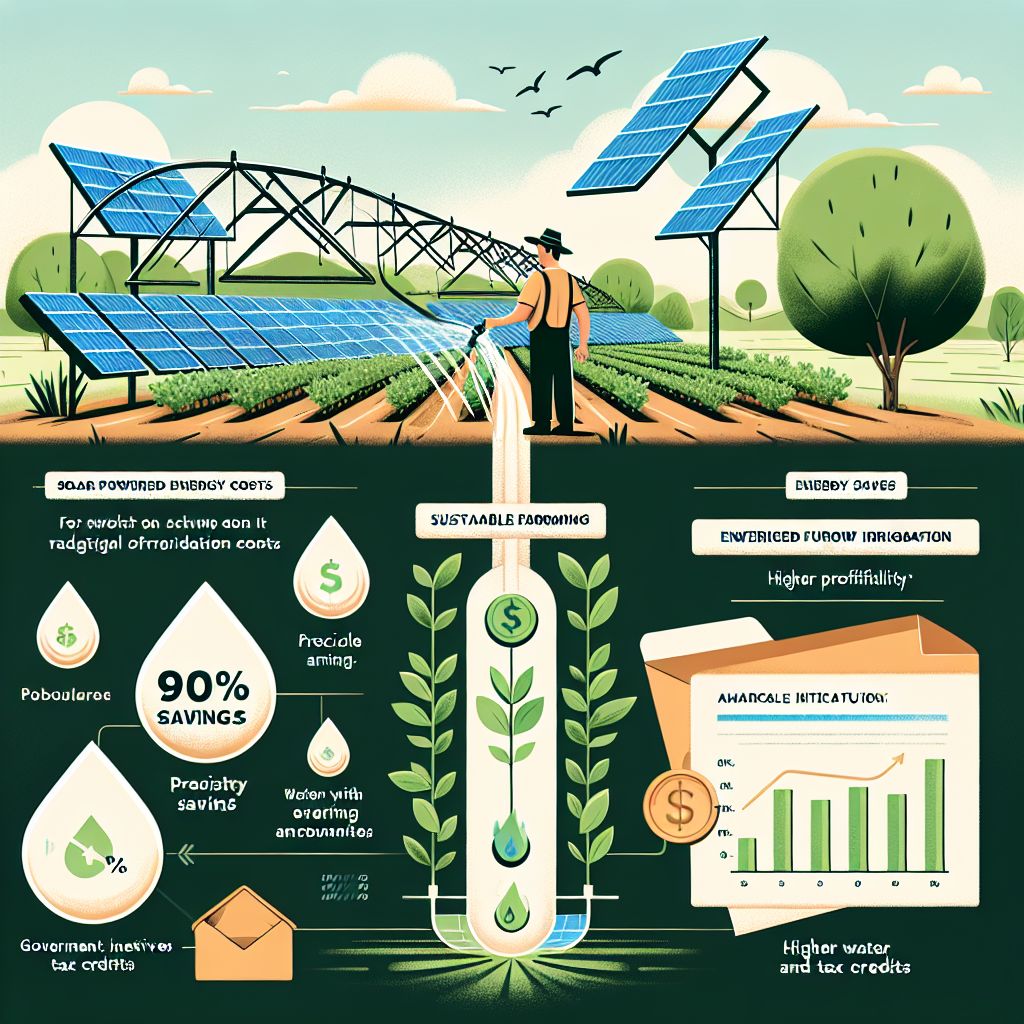
Switching to solar-powered furrow irrigation can save farmers up to 90% on energy costs.
Initial setup costs can be offset by government incentives and tax credits.
Solar-powered systems deliver precise water amounts, enhancing water conservation.
Eco-friendly irrigation methods reduce carbon footprint and promote sustainable farming.
Long-term savings often outweigh the initial investment, leading to higher profitability.
How Solar Panels Can Transform Furrow Irrigation Systems
Imagine a world where the sun not only nourishes your crops but also powers the very system that waters them. That’s the reality with solar-powered furrow irrigation systems. By harnessing the sun’s energy, farmers can dramatically cut down on energy costs and improve their irrigation efficiency. It’s not just a futuristic concept—it’s happening right now, and it can transform how you manage your farm.
Defining Furrow Irrigation Systems
Furrow irrigation is one of the oldest methods of delivering water to crops. It involves creating small channels along the field to guide water down the rows of plants. This method is particularly effective for crops planted in rows, such as corn and soybeans. The key advantage of furrow irrigation is its simplicity and low initial cost. However, it traditionally relies on gravity or fuel-powered pumps, which can be expensive and environmentally taxing.
Immediate Switching Benefits for Farmers
Switching to solar-powered systems offers immediate benefits. First and foremost, you significantly reduce your reliance on fossil fuels. This means lower operational costs since you’re no longer paying for fuel or electricity to power your pumps. Additionally, solar panels require minimal maintenance, further cutting down on costs. Most importantly, solar energy is a renewable resource, ensuring you have a reliable water supply even in remote areas without access to traditional power sources.
Impact on Energy Costs and Savings
Energy costs can be a massive burden on a farm’s budget. Traditional irrigation systems often rely on diesel or electric pumps, which can be costly to operate. Solar panels, on the other hand, harness free energy from the sun. This can result in savings of up to 90% on energy costs. Over time, these savings can add up, allowing you to reinvest in your farm or increase your profit margins.
Advancements in Irrigation Technology
Modern technology has made solar-powered furrow irrigation systems more efficient than ever. With advancements in solar panel efficiency and battery storage, these systems can now operate even during cloudy days or at night. Additionally, smart irrigation systems can be integrated with solar power, allowing for precise water delivery based on soil moisture levels and weather forecasts.
Improved solar panel efficiency allows for greater energy capture.
Smart systems optimize water use, reducing waste.
Battery storage solutions ensure consistent operation.
These technological advancements mean that solar-powered irrigation is not only a viable option but a superior one. By investing in this technology, you’re not just saving money—you’re stepping into the future of farming.
Here’s a table discussing the benefits of adding solar panels to a furrow irrigation system:
|
Benefit |
Description |
|---|---|
|
Cost Savings |
Reduces or eliminates electricity costs for powering irrigation pumps, leading to significant long-term savings. 1, 3 |
|
Energy Independence |
Provides a reliable power source for irrigation, reducing dependence on the electrical grid or fossil fuels. 2, 4 |
|
Environmental Impact |
Decreases greenhouse gas emissions and promotes sustainable farming practices by using clean, renewable energy. 1, 3 |
|
Increased Water Efficiency |
Can be integrated with drip irrigation or micro-sprinkler technology, potentially reducing water waste by up to 70% compared to traditional methods. 4 |
|
Remote Area Accessibility |
Enables irrigation in off-grid or remote locations where access to traditional electricity is limited or non-existent. 2, 4 |
|
Low Maintenance |
Solar panels require minimal maintenance compared to diesel engines, reducing ongoing operational costs. 4 |
|
Improved Crop Yields |
Regular, well-managed irrigation powered by solar energy can lead to healthier and more productive agricultural output. 2 |
|
Scalability |
Solar energy systems can be scaled up or down based on farm size and needs, offering flexibility. 1 |
|
Potential Income Source |
Excess energy generated can be sold back to the power grid, providing an additional revenue stream for farmers. 2 |
|
Extended Growing Seasons |
Solar-powered systems can support year-round crop production, especially when combined with greenhouses. 1 |
Economics of Solar-Powered Furrow Irrigation
Now, let’s dive into the economics of making this switch. While the initial investment in solar panels and the necessary equipment might seem daunting, the long-term financial benefits often justify the upfront costs. Understanding the financial dynamics can help you make an informed decision.
Most farmers worry about the cost of setting up a solar-powered irrigation system. It’s true, the initial investment can be significant. However, when you consider the long-term savings on energy costs, the numbers start to make sense. The return on investment (ROI) for solar systems is often realized within a few years, thanks to reduced utility bills and maintenance costs.
Initial Investment vs. Long-term Savings
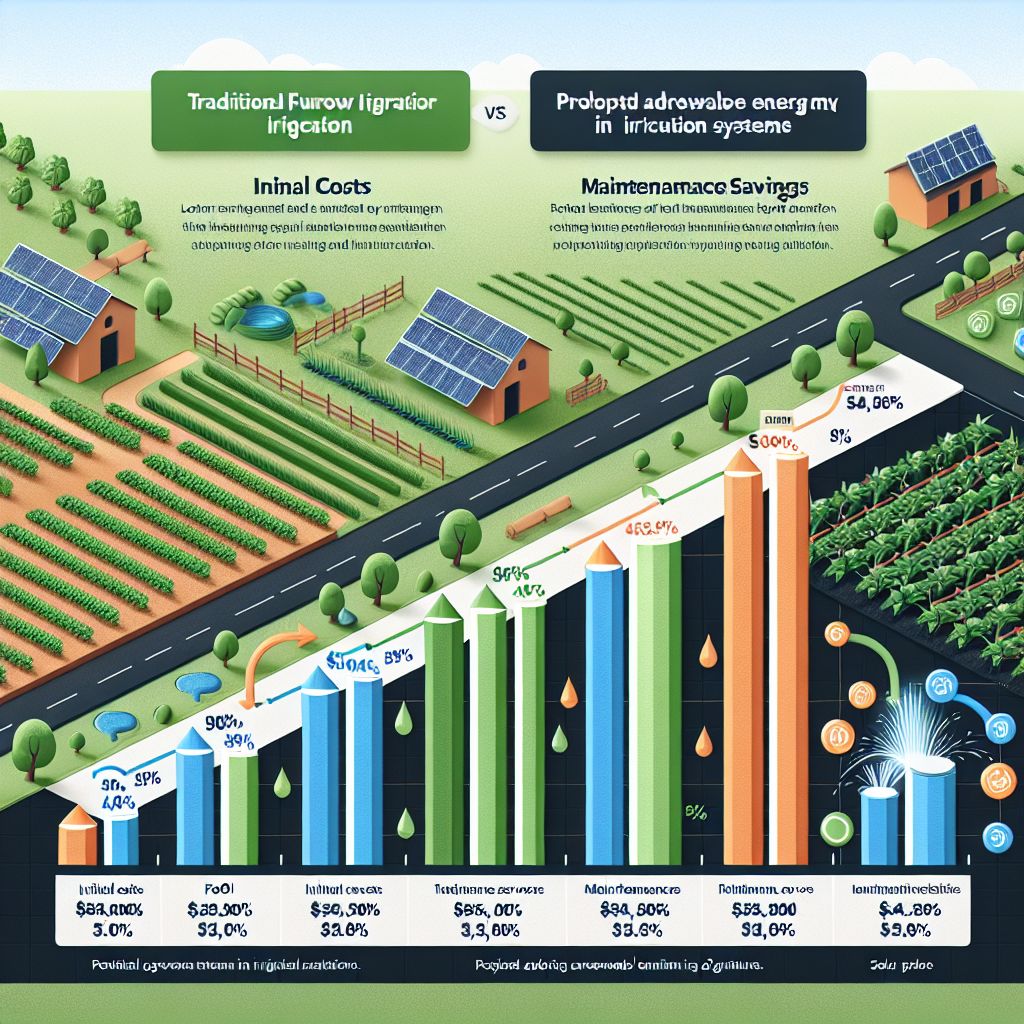
Investing in solar panels and a compatible irrigation system can be a financial challenge. However, it’s important to view this as a long-term investment. On average, the initial setup can range from $10,000 to $50,000, depending on the size of your farm and the complexity of the system. But here’s the good news: the savings on energy costs and reduced maintenance can lead to a full ROI in as little as 3 to 7 years.
Consider this: a furrow irrigation system powered by solar panels can significantly reduce a farmer’s dependency on traditional energy sources, leading to cost savings and a more sustainable farming practice.
Average energy savings: 70-90% annually
Reduced maintenance costs: solar panels require minimal upkeep
Increased crop yields due to more efficient water delivery
These factors contribute to substantial savings over time, making the initial investment worthwhile.
Government Incentives and Financial Support
Besides the savings, there are also financial incentives available for farmers who choose to go solar. Many governments offer tax credits, rebates, and grants to encourage the adoption of renewable energy. These incentives can significantly reduce the upfront costs of installing a solar-powered irrigation system.
Here’s how you can take advantage:
Research available tax credits in your region.
Look for grants specifically for agricultural renewable energy projects.
Consider low-interest loans or financing options for solar installations.
By leveraging these financial supports, you can lower your initial investment and speed up the ROI timeline.
Cost Analysis: Traditional vs. Solar-Powered Systems
Let’s compare the costs between traditional and solar-powered irrigation systems. While traditional systems may have lower initial costs, the ongoing expenses can be much higher due to fuel or electricity needs. Solar-powered systems, while initially more expensive, have significantly lower operational costs.
|
System Type |
Initial Cost |
Annual Operating Cost |
Maintenance Cost |
|---|---|---|---|
|
Traditional |
$5,000 – $20,000 |
$2,000 – $5,000 |
Moderate |
|
Solar-Powered |
$10,000 – $50,000 |
$200 – $500 |
Low |

Environmental and Ecological Benefits
Solar-powered irrigation systems offer significant environmental benefits. By reducing reliance on fossil fuels, these systems help lower greenhouse gas emissions. This is a crucial step toward mitigating climate change and preserving our planet for future generations.
Moreover, solar-powered systems promote sustainable farming practices by conserving water and reducing soil erosion. When you use precise water delivery techniques, you’re not only saving resources but also enhancing soil health. Healthy soil is vital for long-term agricultural success, as it supports robust plant growth and reduces the need for chemical fertilizers.
“Switching to solar-powered irrigation has reduced our farm’s carbon footprint by over 60%. It’s a win for the environment and our bottom line.” – Farmer John, Iowa
Embracing solar power in agriculture is a step toward a more sustainable and eco-friendly future. By adopting these practices, you’re contributing to a healthier planet and setting an example for other farmers to follow.
Reduction in Carbon Footprint
Reducing your farm’s carbon footprint is not only beneficial for the environment but also for your reputation. Consumers are increasingly looking for sustainably produced goods, and using solar power in your operations can enhance your farm’s marketability. By showcasing your commitment to sustainability, you can attract environmentally conscious customers and potentially command higher prices for your products.
Besides that, reducing your carbon footprint aligns with global efforts to combat climate change. By decreasing greenhouse gas emissions, you’re playing a part in creating a more sustainable future for all.
Promoting Sustainable Farming Practices
Adopting solar-powered irrigation is just one way to promote sustainable farming practices. These systems encourage efficient resource use, reducing the need for excessive water and energy consumption. By optimizing your irrigation methods, you can lower your farm’s environmental impact while maintaining or even increasing crop yields.
Furthermore, sustainable practices often lead to healthier soil and plants, reducing the need for chemical interventions. This not only benefits the environment but also results in healthier produce for consumers. For more insights on how solar technology can enhance sustainable farming, check out this article on how solar panels help farm operations.
How Eco-Friendly Practices Enhance Crop Health
Eco-friendly practices, such as using solar-powered irrigation, can significantly enhance crop health. By providing precise water delivery, you ensure that your plants receive the right amount of hydration without overwatering. This reduces the risk of root rot and other water-related diseases, promoting stronger and more resilient crops.
Additionally, sustainable practices often involve minimizing chemical use, which can lead to healthier soil and plants. Healthy soil supports robust root systems and nutrient uptake, resulting in more vigorous growth and higher yields.
Implementing Solar-Powered Solutions on Your Farm
Implementing a solar-powered irrigation system on your farm might seem daunting, but with the right guidance, it can be a smooth transition. The key is to choose the right solar panels and ensure proper installation and maintenance. By following these steps, you can successfully integrate solar power into your farming operations.
First, assess your farm’s energy needs and determine the appropriate size and type of solar panels. Consider factors such as available sunlight, water requirements, and budget constraints. Once you’ve selected the right equipment, follow best practices for installation and maintenance to ensure optimal performance.
Choosing the Right Solar Panels
Choosing the right solar panels is a critical step in setting up your system. Different types of panels offer varying levels of efficiency, cost, and versatility. Understanding the pros and cons of each can help you make an informed decision.
Monocrystalline Solar Panels: High Efficiency in Limited Spaces
Monocrystalline solar panels are known for their high efficiency and long lifespan. They are made from a single crystal structure, which allows them to convert sunlight into energy more effectively than other types. This makes them ideal for farms with limited space, as they produce more power per square foot. For more information on solar panels in agriculture, check out this cost and funding guide.
However, monocrystalline panels tend to be more expensive than other options. If you’re looking for maximum efficiency and have the budget, these panels are an excellent choice.
Polycrystalline Solar Panels: Cost-Effective Energy Solution
Polycrystalline panels are made from multiple crystal structures, resulting in a slightly lower efficiency compared to monocrystalline panels. However, they are more affordable, making them a popular choice for cost-conscious farmers.
These panels are a great option if you have ample space and are looking to balance efficiency with cost. They provide a reliable energy solution without breaking the bank. For more information on selecting the right solar panels, check out our guide on efficient farm irrigation.
Thin-Film Solar Panels: Flexibility and Versatility
Thin-film solar panels are the most flexible option, as they can be installed on various surfaces, including curved or irregular shapes. They are lightweight and easy to install, making them suitable for unconventional setups.
While thin-film panels have a lower efficiency than crystalline panels, their versatility makes them a good choice for farms with unique needs. If you require a flexible installation, consider thin-film panels for your solar-powered irrigation system.
Monocrystalline: High efficiency, longer lifespan, higher cost
Polycrystalline: Moderate efficiency, affordable, larger space needed
Thin-Film: Lower efficiency, flexible, easy installation
Here’s a table comparing the different solar panel you can use with an irrigation system:
|
Solar Panel Type |
Efficiency |
Cost per Watt |
Pros |
Cons |
|---|---|---|---|---|
|
Monocrystalline |
17-22% |
$1.00 – $1.50 |
– Highest efficiency. 1, 3 |
– Most expensive option. 1, 3 |
|
Polycrystalline |
13-17% |
$0.90 – $1.20 |
– Lower cost than monocrystalline. 1, 3 |
– Slightly lower efficiency. 1, 3 |
|
Thin-Film |
10-13% |
$0.70 – $1.00 |
– Lowest cost. 1, 3 |
– Lowest efficiency. 1, 3 |
Polycrystalline panels offer a good balance between cost and efficiency, making them suitable for medium-scale irrigation projects. They perform well in most conditions and are a popular choice for many agricultural applications 3.
Thin-film panels, while less efficient, are more affordable and flexible. They can be a good option for portable irrigation systems or installations where weight is a concern. Their lower efficiency means you may need more panels to achieve the same power output as crystalline options 3.
When choosing solar panels for an irrigation system, consider factors such as the system’s power requirements, available space, budget, and local climate conditions. The right choice will depend on the specific needs of your irrigation project.
Installation and Maintenance Guidelines
Proper installation and maintenance are crucial to ensuring the longevity and efficiency of your solar-powered irrigation system. Start by selecting a reputable installer with experience in agricultural solar systems. They will ensure your panels are positioned correctly to maximize sunlight exposure.
Once installed, regular maintenance is essential. Clean the panels periodically to remove dust and debris that can reduce efficiency. Check connections and components for wear and tear, and address any issues promptly to prevent costly repairs. For more information on how solar panels help farm operations, visit this resource.
By following these guidelines, you can maintain optimal performance and extend the lifespan of your solar-powered irrigation system.
Integrating Solar Systems with Existing Infrastructure
Integrating solar systems with your existing infrastructure can enhance efficiency and reduce costs. Start by assessing your current setup and identifying areas where solar power can be incorporated. This may include replacing fuel-powered pumps with solar-powered alternatives or adding solar panels to existing irrigation systems.
Work with professionals to ensure a seamless integration. They can help you design a system that complements your existing infrastructure and maximizes energy savings. By strategically incorporating solar power, you can improve your farm’s efficiency and sustainability.
Real-life Success Stories and Testimonials
Real-life success stories can provide valuable insights and inspiration for farmers considering solar-powered irrigation. Many farmers have already made the switch and are reaping the benefits of reduced energy costs and increased efficiency.
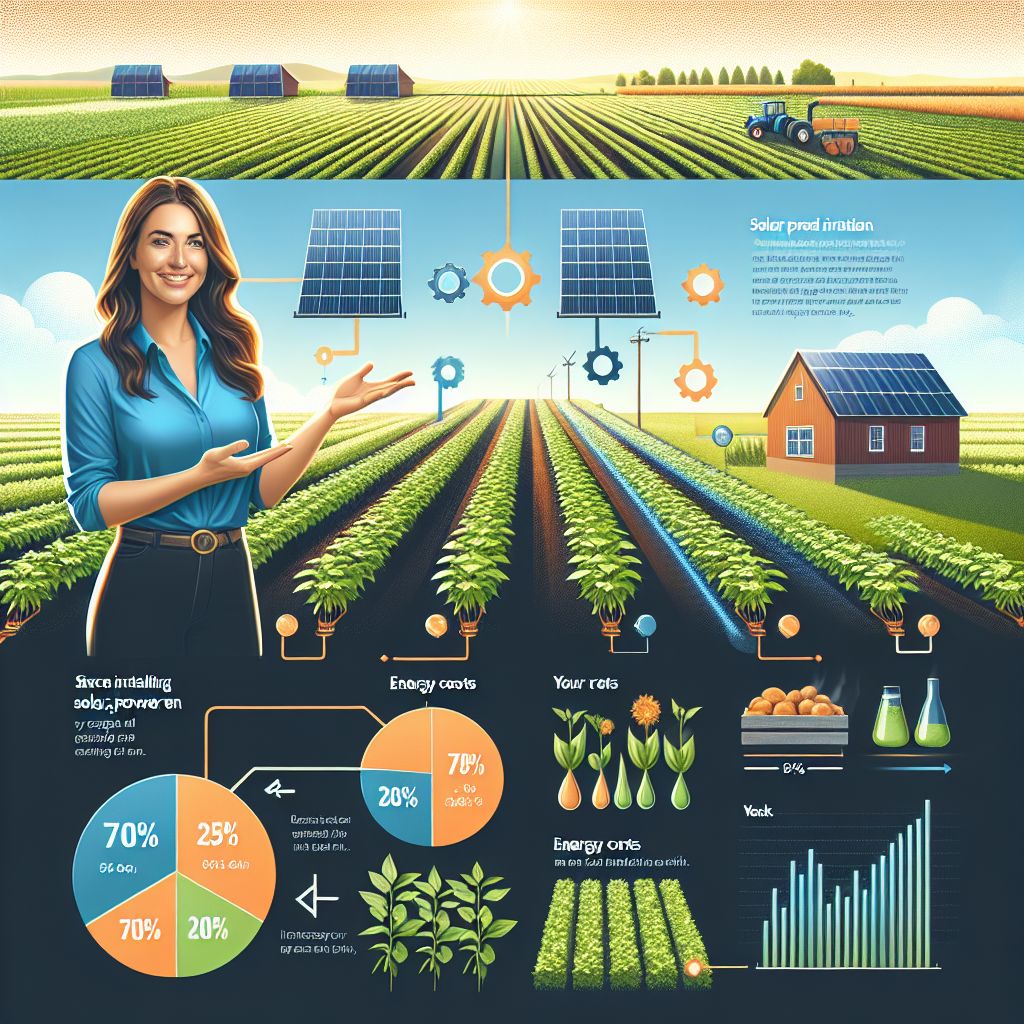
For example, a farmer in California installed a solar-powered irrigation system and saw a 70% reduction in energy costs within the first year. This allowed them to reinvest in their farm and increase their crop yields.
70% energy cost reduction within the first year
Increased crop yields due to efficient water delivery
Positive environmental impact and enhanced marketability
These success stories demonstrate the potential benefits of solar-powered irrigation and provide a roadmap for other farmers looking to make the transition.
Improved Yields and Profits
Switching to solar-powered furrow irrigation systems can significantly improve crop yields and farm profits. With more efficient water delivery and reduced operational costs, farmers can focus their resources on enhancing crop health and production. This leads to a direct increase in yields, as plants receive optimal hydration and nutrients.
For instance, a farmer in Nebraska reported a 25% increase in corn yields after implementing a solar-powered system. The precise water delivery ensured that the crops received the right amount of water at the right time, minimizing stress and promoting healthy growth.
Moreover, the reduction in energy costs allows farmers to allocate more funds toward other areas of their operation, such as improving soil quality or investing in new technology. This comprehensive approach not only boosts yields but also enhances overall farm profitability.
“Since installing solar-powered irrigation, our yields have increased by 25%, and energy costs have dropped significantly. It’s been a game-changer for our farm.” – Farmer Emma, Nebraska
Farmers’ Experiences with Solar Irrigation
Many farmers have shared positive experiences with solar-powered irrigation systems. These systems offer reliability and efficiency, which are crucial for successful farming. By reducing dependence on traditional energy sources, farmers have more control over their operations and can better manage their resources.
For example, a dairy farm in Wisconsin switched to solar-powered irrigation and saw immediate benefits. The consistent water supply improved pasture quality, leading to healthier cows and increased milk production. The farm’s owner noted that the transition was smoother than expected, thanks to comprehensive planning and support from solar technology experts.
Challenges and Solutions in Adoption
While the benefits are clear, adopting solar-powered irrigation systems can present challenges. The initial cost is a significant barrier for many farmers, as is the need for technical expertise during installation. However, these challenges can be overcome with careful planning and by taking advantage of available incentives.
Farmers can mitigate these challenges by researching funding options, such as government grants or low-interest loans. Additionally, working with experienced solar installers can ensure a seamless transition and optimal system performance. By addressing these challenges head-on, farmers can successfully adopt solar-powered irrigation and enjoy its long-term benefits.
The Future of Solar-Powered Irrigation
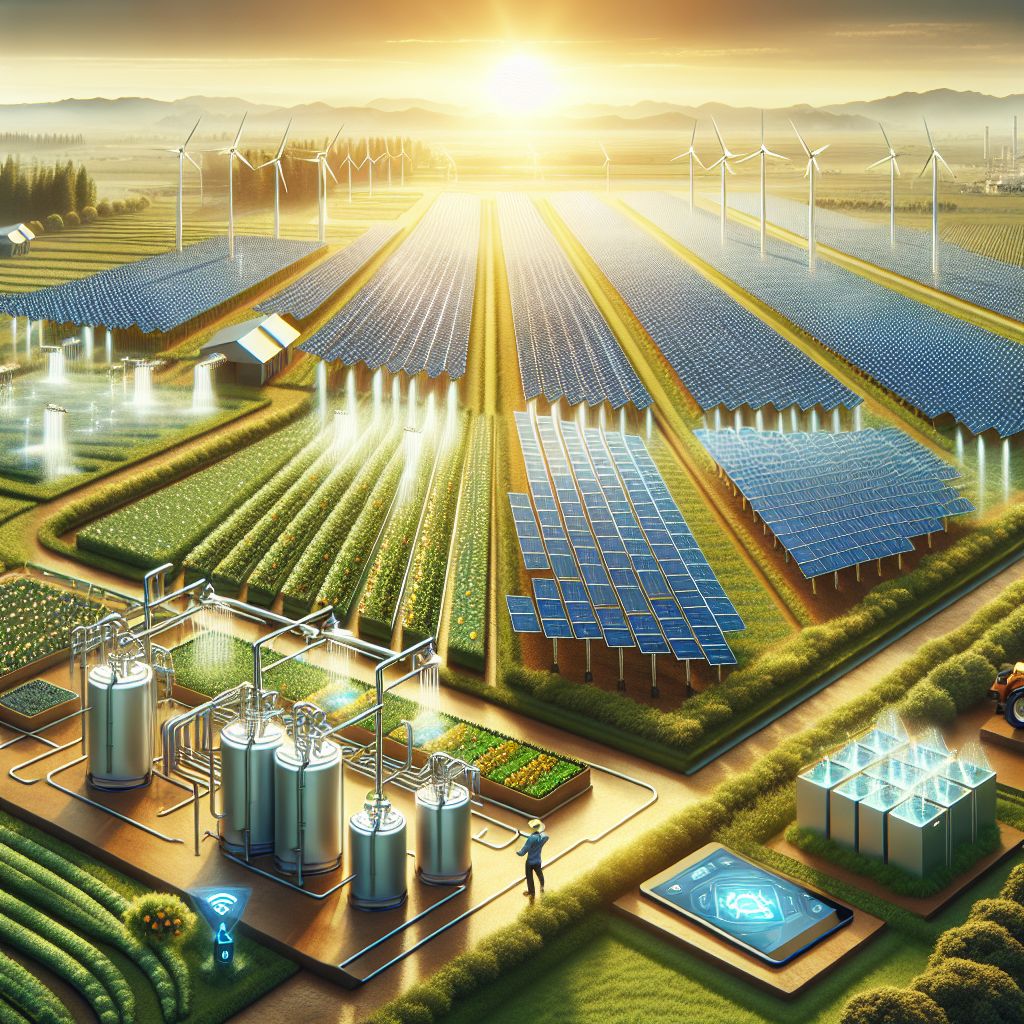
The future of solar-powered irrigation looks promising, with ongoing advancements in technology and increased awareness of environmental sustainability. As more farmers adopt these systems, the agricultural industry is poised for a transformation that prioritizes efficiency and eco-friendly practices.
With continued innovation, solar-powered irrigation systems will become more accessible and cost-effective, making them a viable option for farms of all sizes. This shift toward sustainable farming practices will not only benefit individual farmers but also contribute to global efforts to combat climate change and preserve natural resources.
Innovations and Upcoming Technologies
Innovation in solar technology continues to drive the development of more efficient and versatile irrigation systems. Advancements in solar panel efficiency, battery storage, and smart irrigation technology are making these systems more effective and easier to use.
For example, new solar panel designs are increasing energy capture even in low-light conditions, while improved battery technology ensures consistent operation regardless of weather. Additionally, smart irrigation systems that integrate with solar power allow for precise water management, reducing waste and optimizing crop health.
Scalability for Large and Small Farms
Solar-powered irrigation systems are scalable, making them suitable for both large and small farms. For large operations, these systems offer significant energy savings and enhanced efficiency, allowing farmers to manage extensive acreage more effectively. Learn more about the rise of solar irrigation in modern farming.
Small farms can also benefit from solar-powered systems, as they provide a cost-effective solution for remote or off-grid locations. The flexibility of solar technology allows farmers to customize their systems to meet specific needs, ensuring that all farms can take advantage of renewable energy.
Whether you’re managing a large commercial farm or a small family operation, solar-powered irrigation can be tailored to suit your unique requirements, providing a sustainable and efficient solution for water management.
Long-Term Implications for Agricultural Sustainability
The long-term implications of adopting solar-powered irrigation systems are profound. By reducing reliance on fossil fuels and promoting efficient resource use, these systems support sustainable farming practices that are essential for the future of agriculture.
Furthermore, the environmental benefits of solar-powered irrigation contribute to healthier ecosystems and improved biodiversity. By conserving water and reducing soil erosion, these systems help maintain the natural balance and support the long-term health of agricultural land.
In addition to environmental benefits, solar-powered irrigation systems offer economic advantages by reducing operational costs and increasing farm profitability. This dual impact positions solar technology as a key component of sustainable agriculture, driving progress toward a more resilient and eco-friendly industry.
“The adoption of solar-powered irrigation systems is not just about cost savings; it’s about creating a sustainable future for farming and ensuring the health of our planet.” – Agricultural Sustainability Expert
Frequently Asked Questions (FAQ)
To help you navigate the transition to solar-powered irrigation, here are some frequently asked questions and their answers. These insights can guide you in making informed decisions and maximizing the benefits of solar technology on your farm.
How effective are solar panels in different climates?
Solar panels are designed to be effective in a variety of climates. While they perform best in sunny conditions, modern panels are efficient enough to generate power even on cloudy days. Additionally, advancements in solar technology continue to improve performance in diverse weather conditions.
“Our solar-powered irrigation system works efficiently even during the rainy season, ensuring a consistent water supply for our crops.” – Farmer Lucas, Oregon
What is the lifespan of a typical solar-powered irrigation system?
A well-maintained solar-powered irrigation system can last 20 to 25 years. Regular maintenance, such as cleaning panels and checking connections, helps ensure longevity and optimal performance. Investing in quality components also contributes to a longer lifespan.
How can farmers maximize solar energy usage on a farm?
To maximize solar energy usage, farmers should position panels to capture the most sunlight, typically facing south in the northern hemisphere. Additionally, integrating battery storage can provide energy during cloudy periods or at night. Regular maintenance and monitoring are also key to maximizing efficiency.
What long-term advantages can a farmer expect from adding solar panels to a furrow irrigation system?
Adding solar panels to a furrow irrigation system offers numerous long-term advantages, including significant energy cost savings, reduced environmental impact, and increased crop yields. By providing a reliable and renewable energy source, solar panels enhance the efficiency and sustainability of irrigation practices.
How do I maintain a solar-powered irrigation system?
Maintaining a solar-powered irrigation system involves regular cleaning of solar panels to remove dust and debris, checking electrical connections for wear, and monitoring system performance. Addressing any issues promptly helps prevent costly repairs and ensures the system operates efficiently. For more information on the benefits of solar panels in farming, check out the rise of solar irrigation in modern farming.


Leave a Reply